
Old Goa Heritage Walk: Saints, Spices, and Sovereigns
per / person. Taxes & convenience fees might apply.
- Guided walk through the UNESCO World Heritage site of Old Goa.
- Visit the Basilica of Bom Jesus and the tomb of St. Francis Xavier.
- Explore the massive Se Cathedral and its famous Golden Bell.
- See the iconic 46-meter high ruins of the St. Augustine Tower.
- Learn about the global spice trade that built the Portuguese Empire.
- Discover hidden monastic ruins and Indo-Portuguese sacred art.
Exploring the Heritage of Old Goa
Old Goa, or Velha Goa, stands as a testament to a bygone era when it was one of the most prosperous cities in the world. At its peak, it was said to rival London and Lisbon in grandeur. Today, it is a quiet, protected area filled with massive white-washed churches and crumbling ruins that tell the story of 450 years of Portuguese rule. This heritage walk is not just a sightseeing tour; it is a deep dive into the Saga of Saints, Spices, and Sovereigns.
Why Travelers Choose This Activity
Most visitors to Goa spend their time on the beaches, but a trip to Old Goa offers a necessary perspective on what makes this state different from the rest of India. Travelers choose this walk because it provides context. Instead of just looking at old buildings, you learn why they were built, the tragedies they survived, and the legends that keep them alive today. Whether it is the story of the incorrupt body of St. Francis Xavier or the engineering behind the Golden Bell, the insights provided by a local guide make the history accessible and engaging.
Key Landmarks and Stories
The Basilica of Bom Jesus
The Basilica of Bom Jesus is perhaps the most famous landmark in Goa. Completed in 1605, it is a fine example of Baroque architecture. Unlike most other churches in the region, its exterior is not plastered, giving it a distinct red laterite appearance. Inside, you will find the silver casket containing the mortal remains of St. Francis Xavier. Your guide will explain the history of the saint, the Jesuit order, and the miracle of his body remaining naturally preserved for over four centuries. This site remains a major pilgrimage destination for Catholics worldwide.
Se Cathedral: The Seat of Power
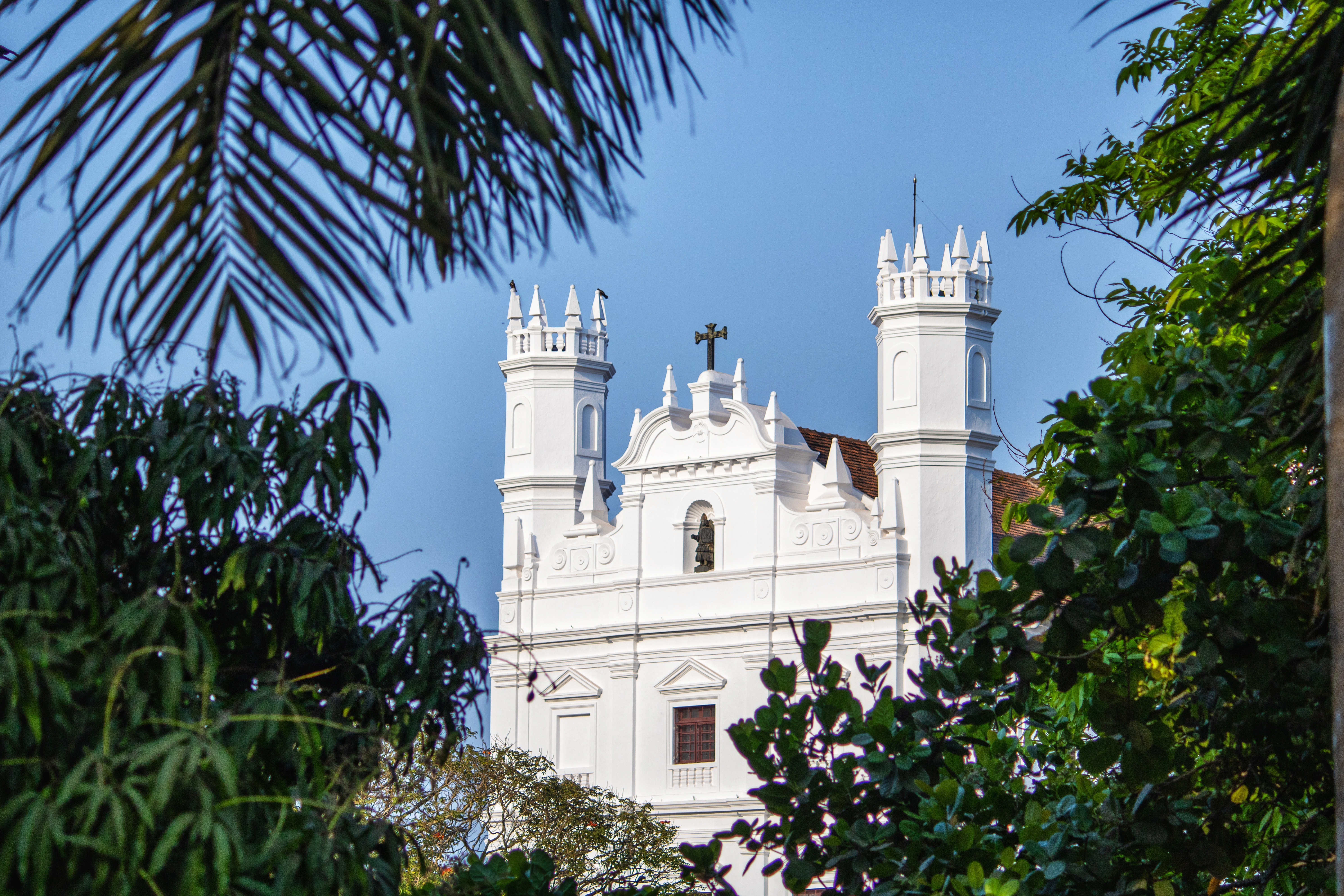
Located directly across from the Basilica, the Se Cathedral is one of the largest churches in Asia. Dedicated to St. Catherine, it was built to commemorate the Portuguese victory over a local Muslim army in 1510. The architecture is Portuguese-Gothic, and the interior is known for its massive pillars and the Golden Bell. This bell is famous for its rich tone and is one of the largest in the world. You will learn about the 'Inquisition' that once took place in the square outside and how the cathedral functioned as the center of religious authority.
Church of St. Francis of Assisi and the Archaeological Museum
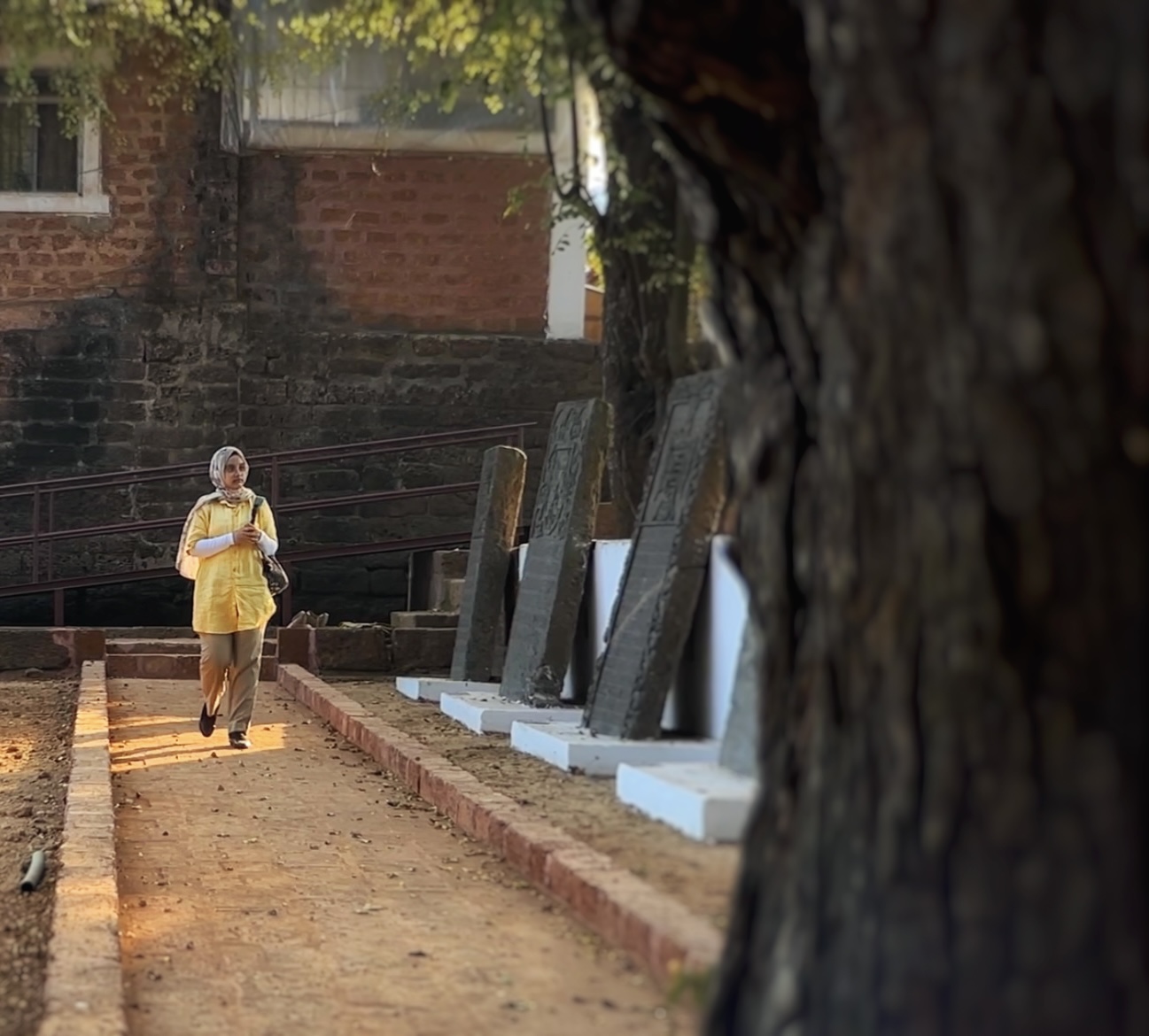
This site offers a fascinating blend of styles. The church features a beautiful Manueline-style entrance—a rare find in India. Attached to it is the convent, which now houses the Archaeological Museum. Here, you can see artifacts from the pre-Portuguese era, including Hindu deities and hero stones, as well as portraits of Portuguese Viceroys. This section of the tour highlights the transition of power from the Adil Shah dynasty to the Portuguese sovereigns.
The Ruins of St. Augustine and Santa Monica Nunnery
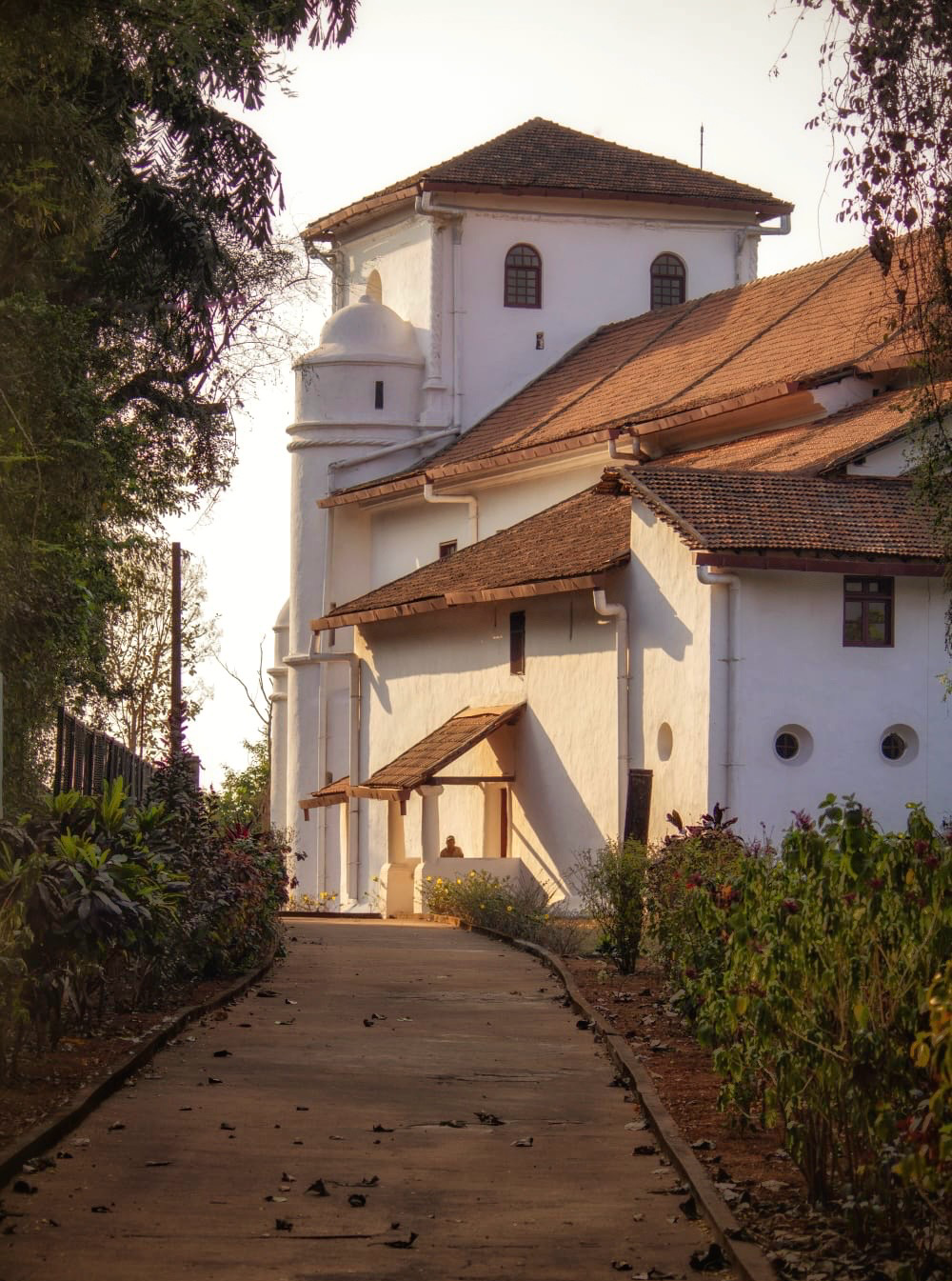
Moving away from the main square, the walk takes you to the Holy Hill (Monte Santo). Here lie the haunting ruins of the Church of St. Augustine. All that remains is a 46-meter high tower that once formed part of one of the largest buildings in Goa. Nearby is the Santa Monica Nunnery, which was the first and largest nunnery in Asia. These sites offer a more contemplative atmosphere, away from the main tourist crowds, and provide a glimpse into the monastic life of the colonial era.
The Role of the Spice Trade
The 'Spices' in the tour title refers to the economic engine of Old Goa. The Portuguese didn't come to India just for religion; they came for black pepper, cinnamon, and cardamom. During the walk, your guide will explain how the spice trade funded the construction of these massive monuments and how Goa became a global hub for traders from Europe, Africa, and the Far East. You will understand how the quest for 'Black Gold' (pepper) changed the map of the world.
Practical Information for Your Visit
Best Time to Visit
The best time to undertake this heritage walk is during the cooler months from October to March. To avoid the midday heat and the large crowds of tour buses, we recommend starting as early as 9:00 AM. During the Monsoon season (June to September), the area is incredibly lush and green, which makes for beautiful photography, but you should be prepared with umbrellas and sturdy footwear as the walk involves outdoor sections.
Dress Code and Etiquette
Since you will be entering active places of worship, a strict dress code is enforced. Both men and women must have their shoulders and knees covered. Avoid wearing sleeveless tops, short skirts, or shorts. If you are not dressed appropriately, you may be denied entry to the Basilica and the Cathedral. It is also customary to remove hats when inside the churches. Photography is generally allowed, but flash is prohibited inside the Basilica, and you should avoid taking photos during active Mass services.
Difficulty and Accessibility
This is an easy-level walking tour. The paths between the main churches are paved and mostly flat. However, there is a slight incline when walking up to the Holy Hill (St. Augustine ruins). The total walking distance is approximately 2 to 2.5 kilometers. It is suitable for seniors and families with children, though parents should note that the historical stories are best suited for children aged 10 and above.
What to Carry
- Water: While there are some small stalls near the parking area, there are no shops inside the heritage complex. Carry a reusable water bottle.
- Sun Protection: A hat, sunglasses, and sunscreen are essential as you will be walking in open squares.
- Footwear: Wear comfortable walking shoes or sandals. You do not need to remove your shoes to enter the churches, unlike Hindu temples.
- Umbrella: Useful for both rain and sun.
Transport and Parking
Old Goa is located about 10 kilometers from Panjim. If you are coming from the North Goa beach belt (Calangute/Baga), it will take about 45-60 minutes by taxi. There is a large designated parking area near the Basilica of Bom Jesus. For those using public transport, frequent buses run from the Panjim Kadamba Bus Stand to Old Goa. The bus stop is located right at the entrance of the heritage complex, making it very accessible for budget travelers.
Booking Information
It is highly recommended to book your guide in advance. While there are independent guides available at the entrance, booking a curated heritage walk ensures you are paired with a trained storyteller who provides a structured and historically accurate narrative. Tours typically last between 2.5 to 3 hours, allowing enough time for questions and photography without feeling rushed.
- Expert local storyteller/guide
- Guided heritage walk
- Entry to 1 church/museum as per itinerary
- Small spice souvenir packet
- Hotel pickup and drop-off
- Food and beverages
- Camera fees (where applicable)
- Tips and gratuities
Have questions about this activity?
Chat with our local experts for instant help and best deals!