Guided Birdwatching Tour in North Goa
per / person. Taxes & convenience fees might apply.
- Expert-led walk through Ribandar wetlands and forest edges
- Observe 20-30 species of resident and migratory birds
- Professional spotting scope provided for high-detail viewing
- Small group sizes for a quiet and non-intrusive experience
- Includes a traditional Goan breakfast at a local eatery
Explore the Avian Diversity of North Goa
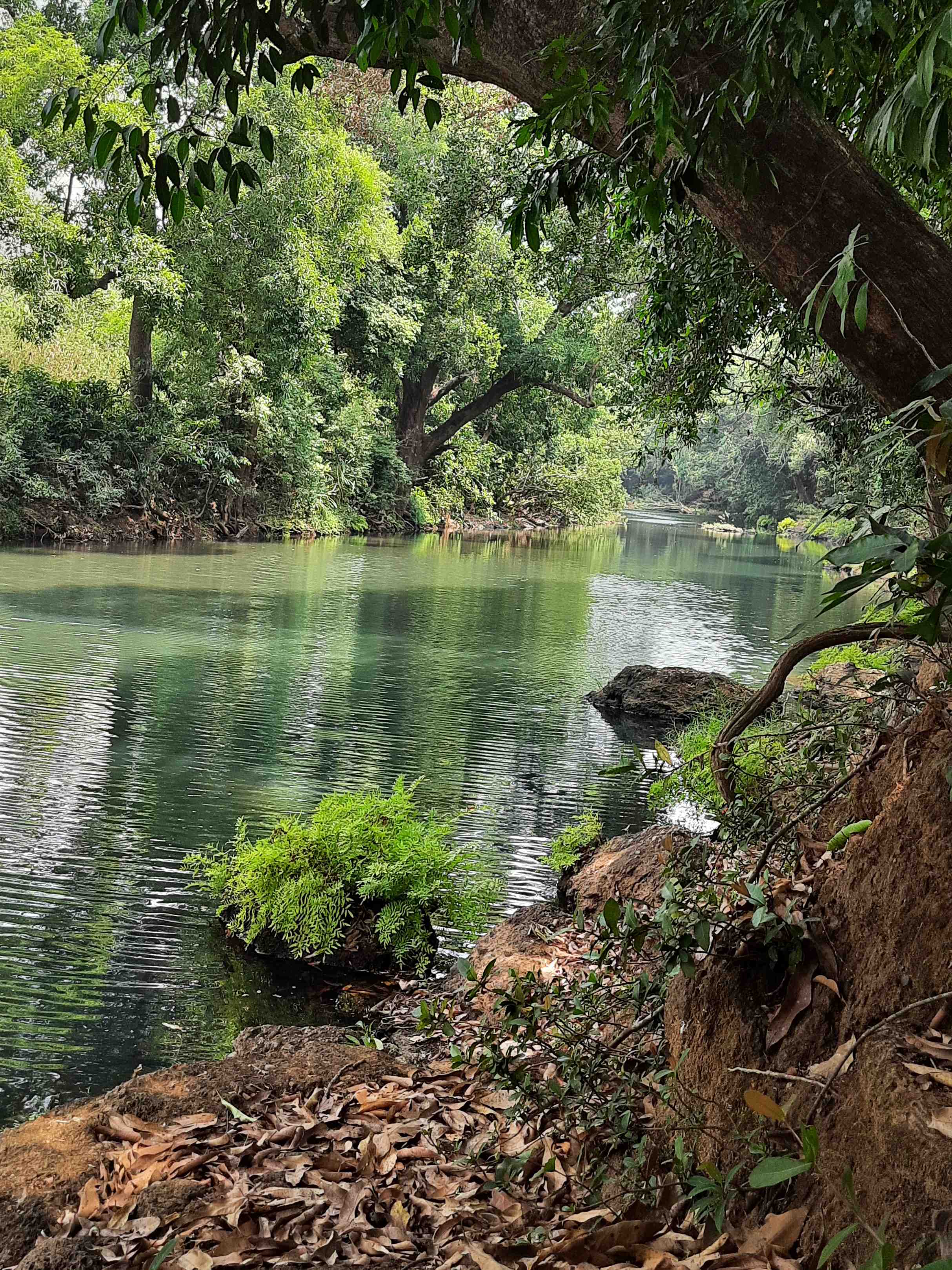
While most travelers visit Goa for its beaches, the state’s true ecological wealth lies in its wetlands, mangroves, and deciduous forests. This birdwatching tour focuses on the Ribandar and Piedade region, an area where the Mandovi River creates a complex ecosystem of backwaters and marshes. These habitats are essential stopping points for migratory birds and permanent homes for many endemic species.
The tour is a slow-paced, observational experience. It is not a high-speed sightseeing trip but a focused session where we spend time at specific birding hotspots to observe behavior, calls, and nesting patterns. Whether you are a seasoned birder with a long lifelist or a beginner looking to understand Goa's ecology, this walk provides a practical and educational look at the region's biodiversity.
Key Birding Locations on the Route
We focus on three distinct habitats during this 4 to 5-hour session to ensure a wide variety of sightings:
1. The Ribandar Wetlands
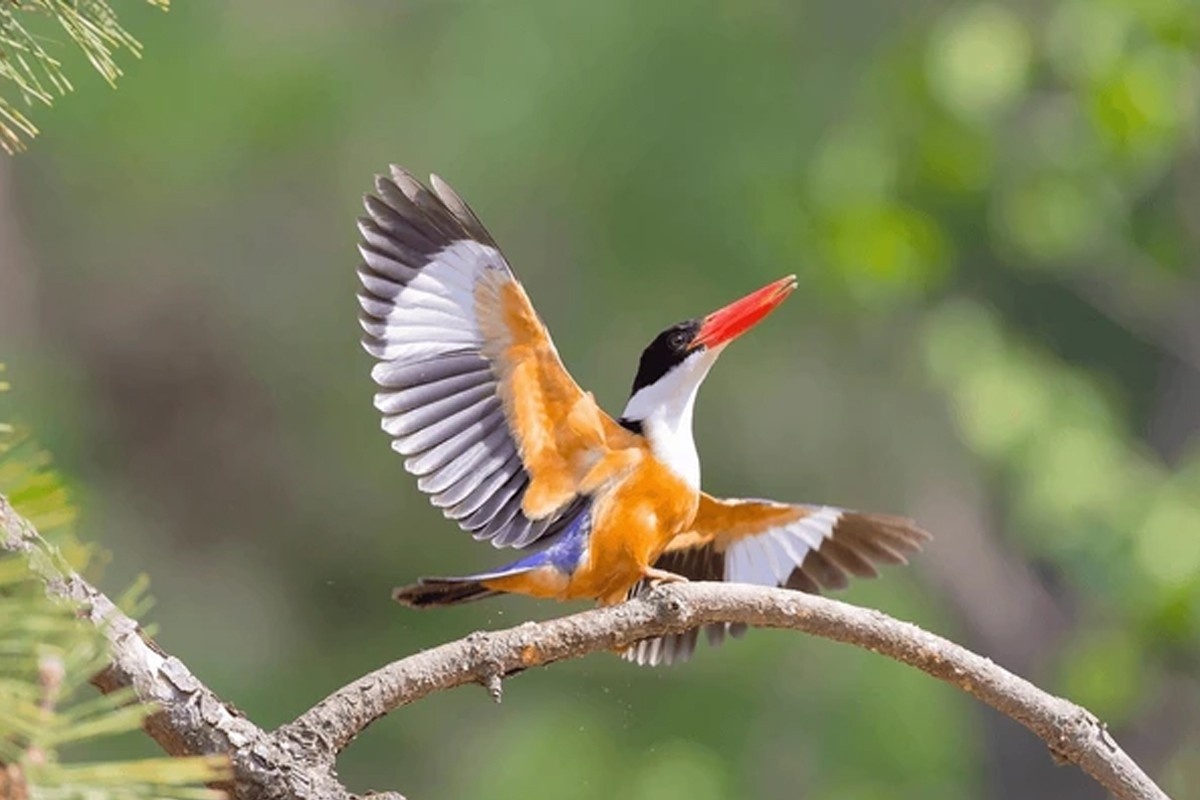
Located along the causeway connecting Panjim to Old Goa, the Ribandar marshes are excellent for spotting water birds. Depending on the tide, you can see various species of Egret, Heron, and Kingfishers. The mangroves here act as a nursery for fish, which in turn attracts larger predatory birds like the Brahminy Kite and the White-bellied Sea Eagle.
2. Carambolim Lake (Nearby)
Often included in our circuit depending on seasonal activity, Carambolim is one of Goa’s most famous man-made lakes. It is a haven for Purple Swamphens, Bronze-winged Jacanas, and Lesser Whistling Ducks. During the winter months (November to February), the lake hosts a significant population of migratory waterfowl from Siberia and Central Asia.
3. The Fields of Moira and Piedade
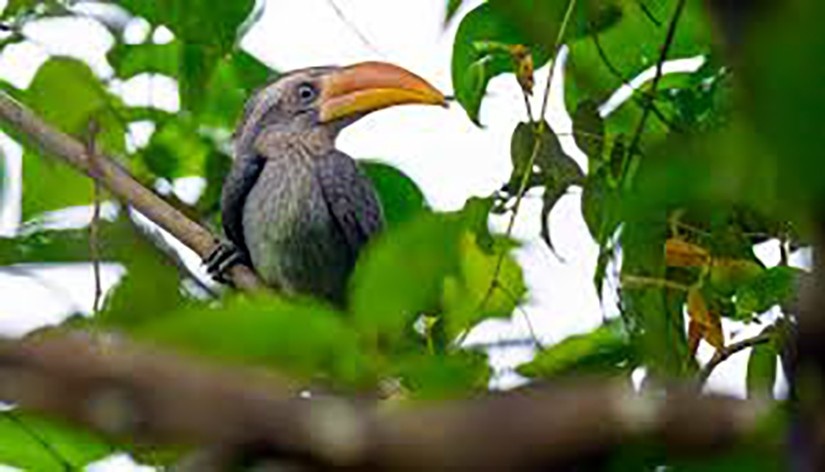
Moving away from the water, we explore the agricultural fields and forest edges. This is where we look for grassland birds and woodland species. The Malabar Pied Hornbill is a frequent visitor here, along with various Bee-eaters, Sunbirds, and Woodpeckers. The transition between the salt pans (locally known as khazans) and the scrubland provides a unique edge effect that increases the number of species visible in a small area.
What to Expect on the Day
The tour begins at 6:30 AM. Early morning is the most critical time for birding as the birds are most active (vocalizing and foraging) before the heat of the day sets in. You will meet your guide at a designated point in Ribandar.
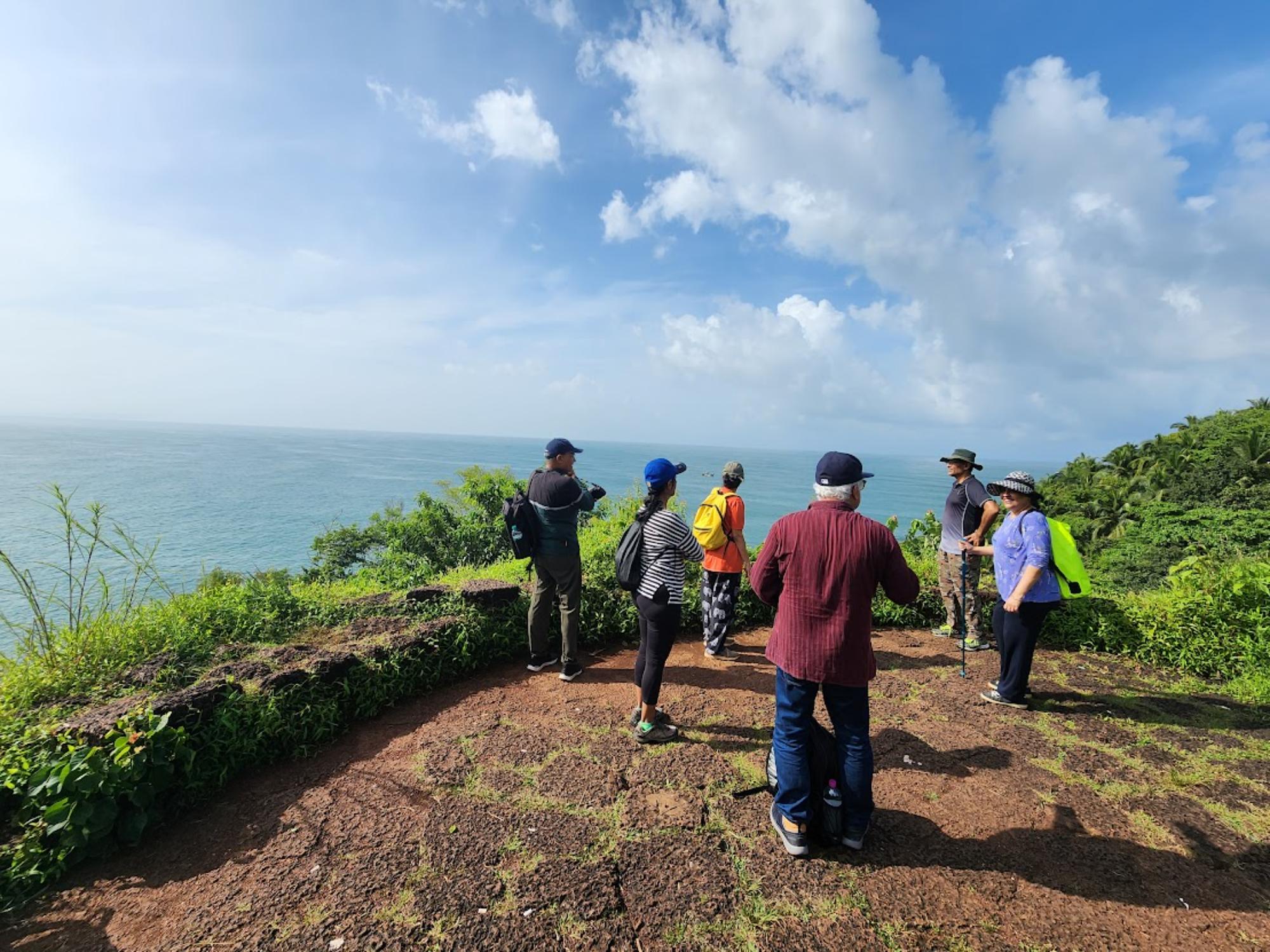
The Walk: We cover approximately 3 to 4 kilometers on foot. The terrain is mostly flat, consisting of paved causeways, earthen bunds (embankments), and forest trails. We move quietly, stopping frequently to use the spotting scope. Your guide will help identify species not just by sight, but by their unique calls and flight patterns.
The Gear: We provide a professional-grade spotting scope, which allows you to see birds at a distance without disturbing them. We also carry a field guide to help you cross-reference the birds we spot. If you have your own binoculars, we strongly recommend bringing them for a more personal experience.
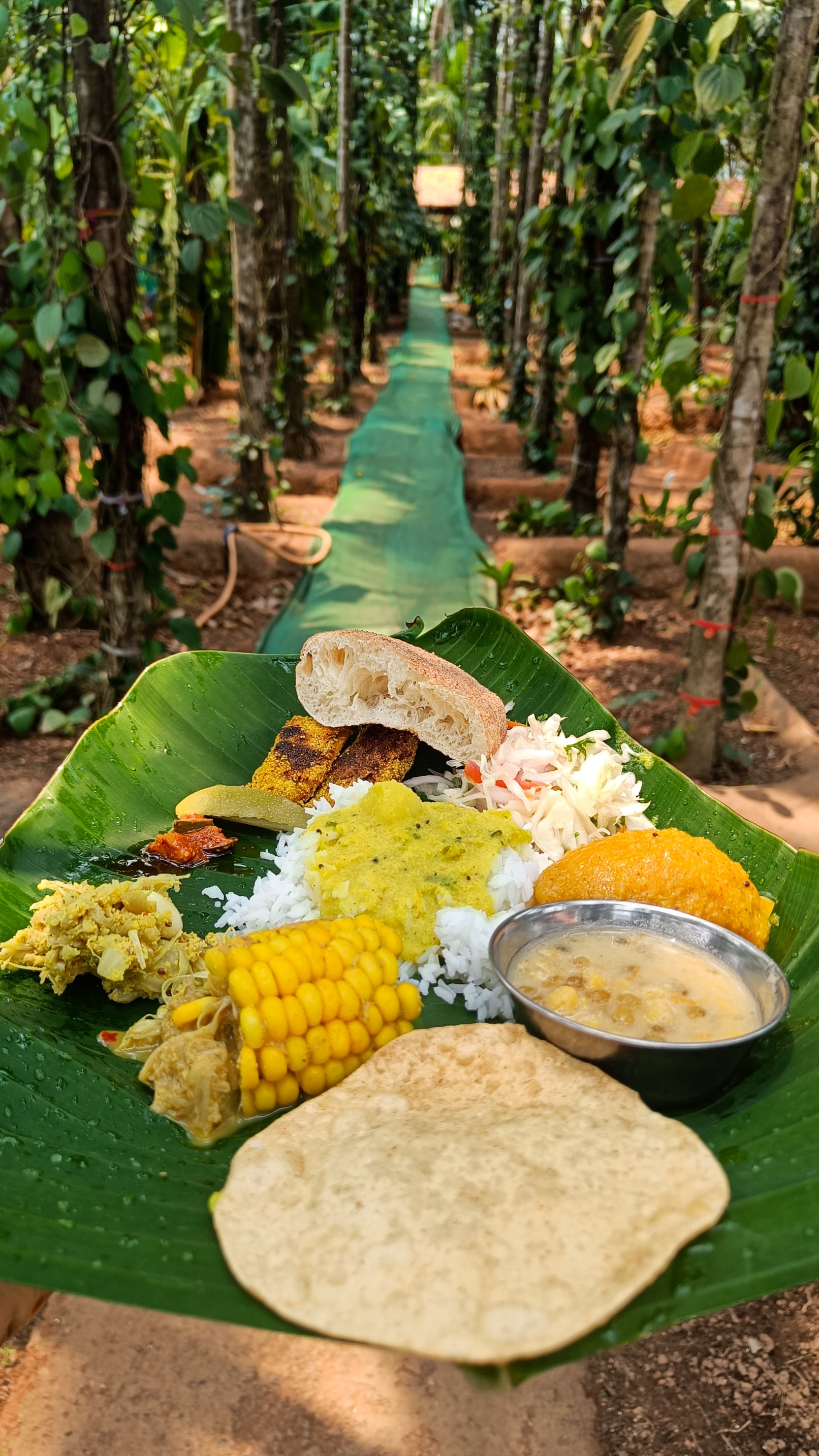
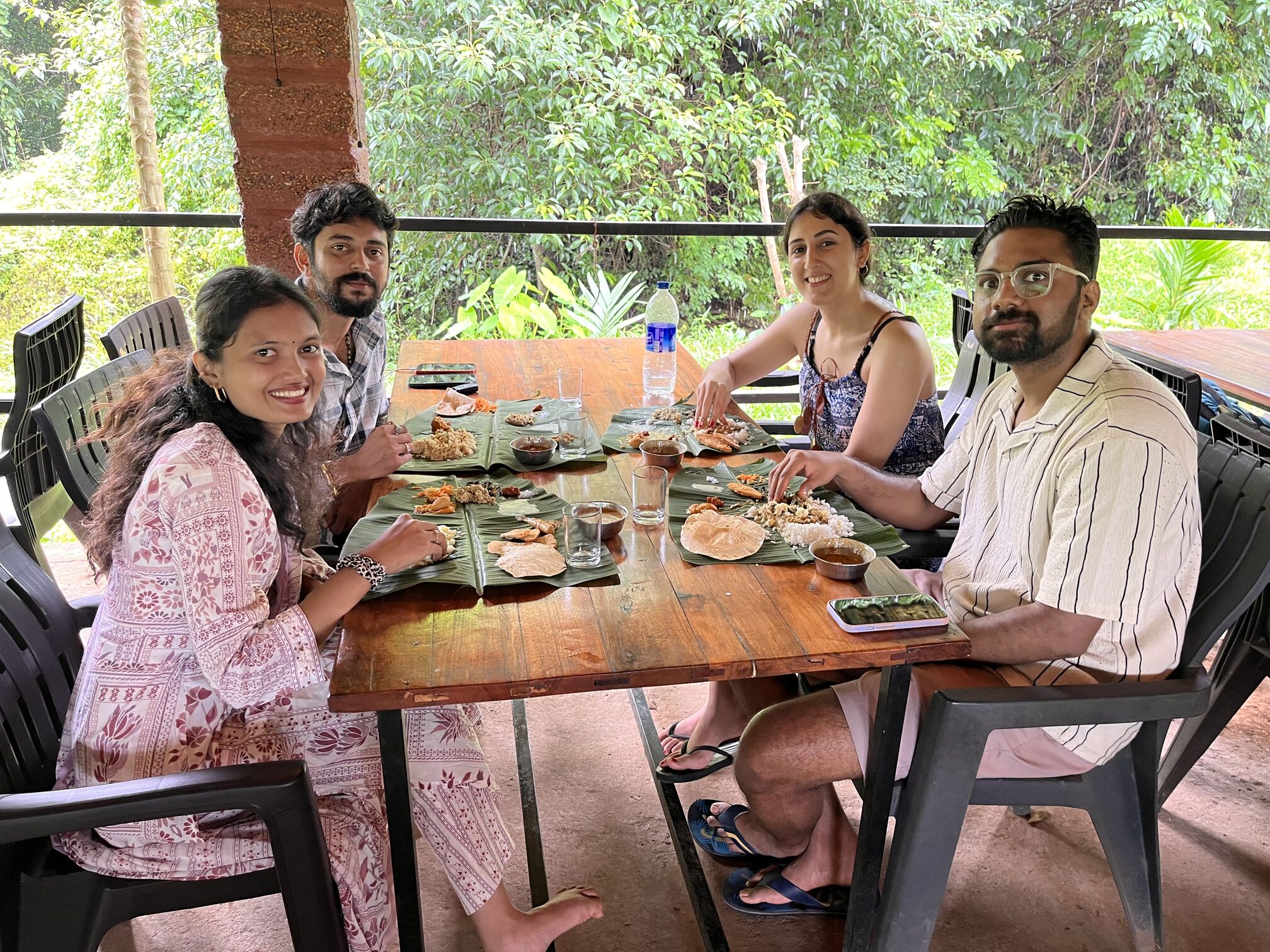
The Breakfast: Around 9:30 AM, as the bird activity begins to slow down, we head to a local eatery. You will enjoy a traditional Goan breakfast, typically consisting of Pao (local bread) with Bhaji (spiced lentils or potato) and hot tea or coffee. This is a great time to review the checklist of birds seen during the morning.
Bird Species You Might Spot
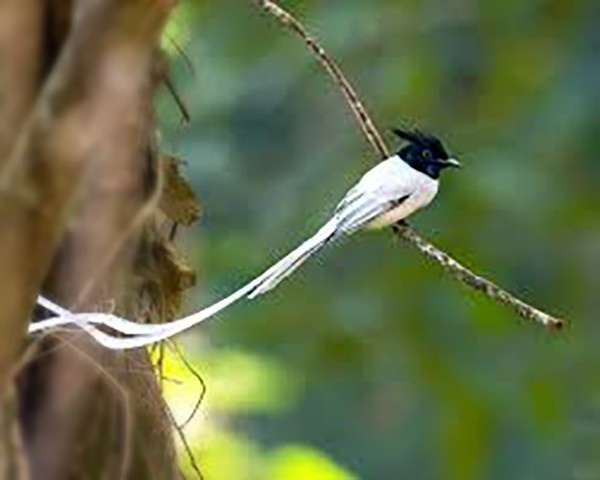
While nature is unpredictable, this circuit consistently yields sightings of over 20 to 30 species in a single morning. Common and rare sightings include:
- Water Birds: Painted Stork, Asian Openbill, Black-headed Ibis, and various Sandpipers.
- Kingfishers: White-throated, Common, and the striking Black-capped Kingfisher.
- Raptors: Osprey, Crested Serpent Eagle, and Black Kite.
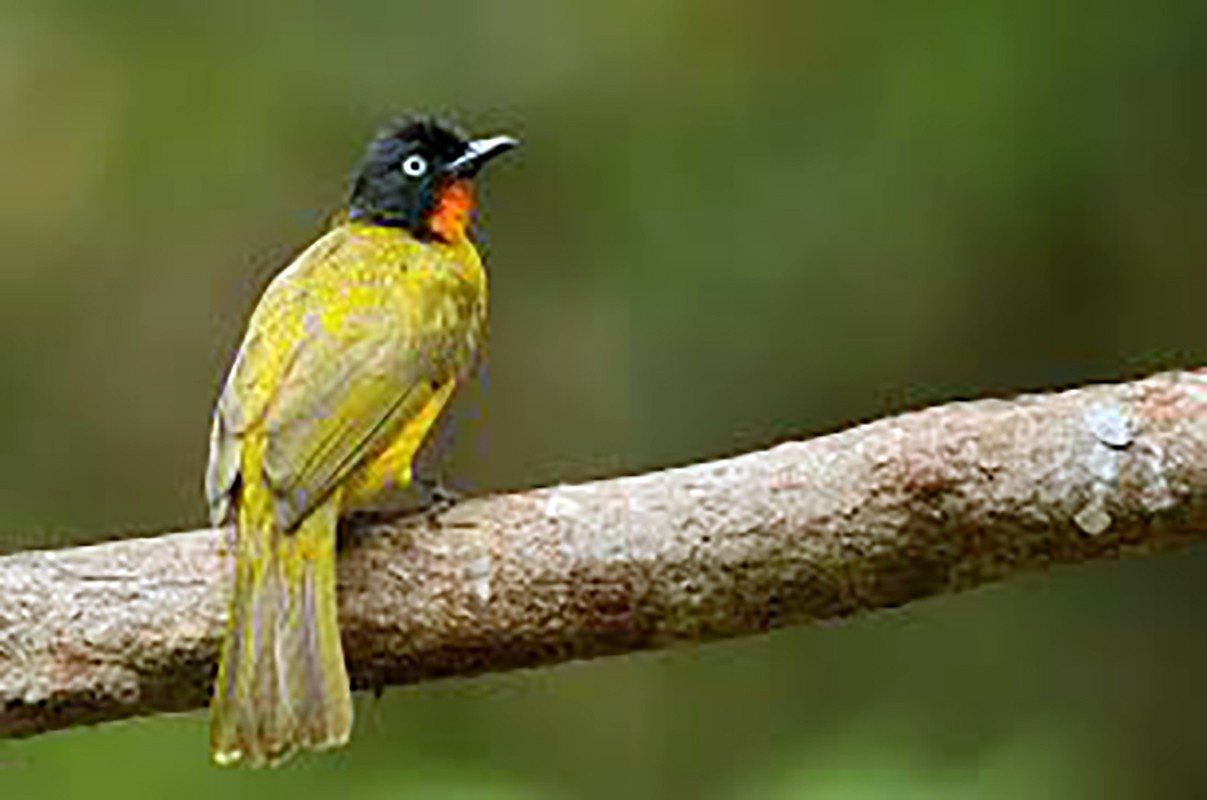
- Endemics & Forest Birds: Malabar Grey Hornbill, Plum-headed Parakeet, and the Greater Racket-tailed Drongo.
Best Time for Birdwatching in Goa
October to March (Peak Season): This is the best time for birding in Goa. The weather is pleasant, and the resident population is bolstered by thousands of migratory birds. The wetlands are full, and visibility is excellent.
April to May (Summer): It gets hot quickly, but this is a good time to see resident birds in their breeding plumage. The activity is concentrated very early in the morning.
June to September (Monsoon): While birding is more challenging due to rain, the landscape is incredibly green. This is the best time to see the Indian Pitta (the 'six-colored bird') and various species that breed during the rains. Note that some trails may be muddy or inaccessible.
Practical Information for Travelers
Difficulty Level: Easy. The walking is on flat ground. However, you should be comfortable standing and walking for a few hours in humid conditions.
What to Wear: Please wear muted colors like olive green, brown, or khaki. Bright colors (especially reds and whites) can startle birds and make them fly away before you get a good look. Wear comfortable walking shoes or sturdy sandals. A hat and sunscreen are essential as the sun can be strong even in the morning.
Photography: This tour is very photographer-friendly. We allow time at each spot for you to set up your tripod or get the right angle. A lens with at least 300mm to 600mm focal length is recommended for bird photography.
Ethics: We follow strict ethical birding guidelines. We do not use call-playback to lure birds during nesting season, and we maintain a respectful distance to ensure the birds are not stressed.
How to Get There
The meeting point is in Ribandar, North Goa, which is about a 10-minute drive from Panjim and a 25-minute drive from the Calangute/Baga beach belt. If you are staying in North Goa, we recommend hiring a taxi or using a self-drive scooter to reach the meeting point by 6:30 AM. Parking is available at the meeting location.
- Services of a professional birding guide
- Use of spotting scope and field guides
- Local Goan breakfast and tea
- Drinking water
- Bird checklist
- Hotel pickup and drop-off
- Personal binoculars (please bring your own if possible)
- Professional camera equipment
- Additional snacks or meals
Have questions about this activity?
Chat with our local experts for instant help and best deals!