Aguad Port & Jail Heritage Experience
per / person. Taxes & convenience fees might apply.
- Explore the restored 17th-century Portuguese central jail and prison cells.
- Visit the interactive museum dedicated to Goa's freedom fighters and liberation.
- Walk through the historic port area with panoramic views of the Arabian Sea.
- See the original gallows and solitary confinement units.
- Learn about the fort's original purpose as a massive freshwater reservoir.
Understanding the Aguad Port & Jail Complex
The Aguad Port & Jail, often referred to as the Central Jail of Goa until 2015, is one of the most significant historical landmarks in Sinquerim, North Goa. While many tourists visit the upper Fort Aguada for its lighthouse and views, the lower complex—the Port and Jail—holds the true stories of Goa’s resistance against Portuguese rule. Recently restored and converted into a world-class heritage museum, the complex now provides a structured walk through time, showcasing the architectural brilliance of the 17th century and the somber reality of political imprisonment.
The History: From Water Reservoir to Prison
The name 'Aguada' comes from the Portuguese word for water. Originally, this fort served as a crucial watering station for ships arriving from Europe. The massive cistern within the fort could hold millions of gallons of fresh water. However, the lower section of the fort was later repurposed into a high-security prison. During the 20th century, it became the primary site where freedom fighters like Ram Manohar Lohia and others were incarcerated for demanding Goa's integration with India. Walking through the corridors today, you can still feel the weight of this history in the thick stone walls and narrow cell doors.
What to Expect Inside the Museum
The restoration has turned the prison into a multi-sensory experience. Visitors can explore several key areas:
1. The Freedom Struggle Gallery
This section is dedicated to the 'Satyagrahis' and freedom fighters. It uses interactive displays, original photographs, and documents to narrate the timeline of the Goa Liberation Movement. It is a sobering reminder that Goa’s independence came much later than the rest of India, in 1961.
2. The Restored Prison Cells
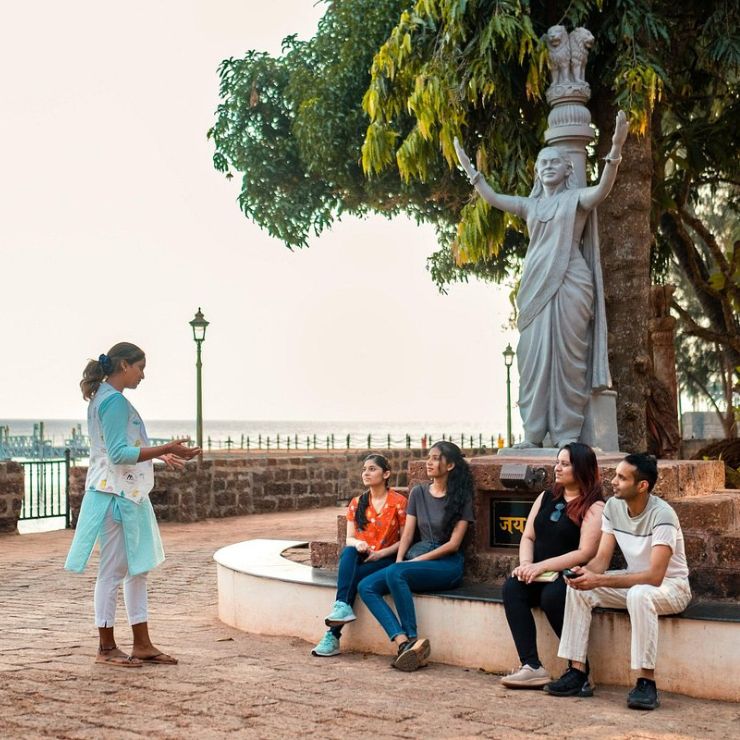
You can enter the actual cells where inmates were kept. Some cells have been preserved to show the spartan living conditions, while others house art installations that reflect themes of captivity and hope. The solitary confinement units are particularly striking, illustrating the harshness of the colonial penal system.
3. The Gallows and Courtyard
The central courtyard houses the gallows, a grim reminder of the capital punishment carried out during the Portuguese era. This area is now a space for reflection, often used for commemorative events and light-and-sound shows that bring the history of the fort to life.
4. The Port Area and Jetty
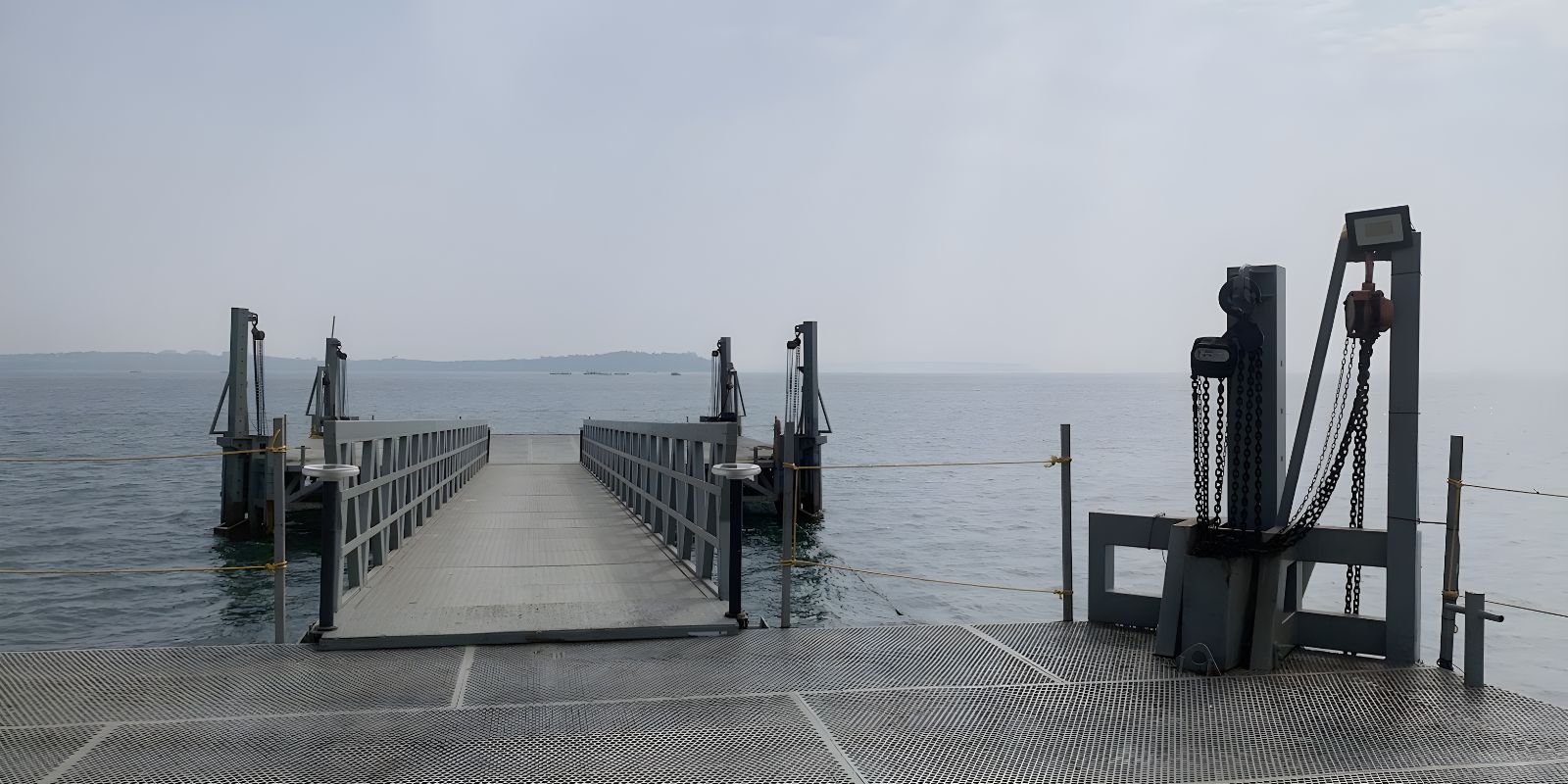
The complex extends down to the waterfront. The old port area offers panoramic views of the Arabian Sea and the Mandovi River meeting the ocean. It is a great spot for photography and to see the massive defensive walls that once protected the Mandovi estuary from Dutch and Maratha invasions.
Why Travelers Choose This Activity
Most travelers visit the Aguad Port & Jail because it provides context to the Goan identity. It is not just about old stones; it is about the people who shaped modern Goa. Families find it educational for children, while solo travelers appreciate the quiet, reflective atmosphere compared to the crowded beaches nearby. The interactive museum is also a major draw, as it uses modern technology to make history accessible and engaging.
Practical Information for Your Visit
Location and How to Reach
The site is located at the foot of the Aguada hill in Sinquerim. If you are staying in Calangute or Candolim, it is a short 10-15 minute drive. You can reach by taxi, rented scooter, or the local bus that drops you at the Sinquerim junction, followed by a 1 km walk. There is dedicated parking available near the entrance for private vehicles.
Best Time to Visit
The best time to explore the complex is between October and March when the weather is pleasant. We recommend visiting either in the early morning (9:30 AM) to avoid the heat or in the late afternoon (around 4:00 PM). The sunset views from the port area are exceptional. During the monsoon (June to September), the site remains open, and the lush greenery around the fort walls makes for a very different, dramatic atmosphere.
Duration and Difficulty
A thorough visit takes about 1.5 to 2 hours. The walking is relatively easy as the paths are well-paved during the restoration. However, there are some inclines and steps, so comfortable walking shoes are essential. The site is largely accessible, though some older sections of the fort may have uneven surfaces.
Family and Group Suitability
This is a family-friendly activity. Children often find the prison cells and the lighthouse (nearby) fascinating. For senior citizens, there are plenty of places to sit and rest within the museum complex. It is a low-impact activity that doesn't require high physical fitness, making it suitable for all age groups.
What to Carry
- Water Bottle: While there are cafes nearby, carry water for the walk.
- Sun Protection: A hat and sunscreen are necessary as the courtyards are open to the sun.
- Camera: Photography is allowed in most areas, and the architecture is very photogenic.
- ID Proof: Sometimes required at the ticket counter for Indian/Foreigner price verification.
Nearby Attractions
You can easily combine your visit to the Jail with other local sights:
- Fort Aguada Lighthouse: Located just up the hill, offering a 360-degree view of the coast.
- Sinquerim Beach: Known for water sports like parasailing and jet skiing, located right next to the fort.
- Lower Aguada Fort: The coastal ramparts that stretch into the sea.
Important Booking Information
Tickets can be purchased at the entrance, but booking online is recommended during peak season (December-January) to avoid queues. The entry fee is separate for the Museum and the Lighthouse. Please note that the jail is no longer a functional prison; it is strictly a heritage site. Respect the solemnity of the memorial areas and follow the instructions of the on-site guides.
- Entry ticket to Aguad Port & Jail Complex
- Access to all museum galleries
- Self-guided tour of the prison cells
- Access to the waterfront port area
- Professional guide fees (available on-site for extra charge)
- Entry to the Aguada Lighthouse
- Transportation to and from the site
- Food and beverages
Have questions about this activity?
Chat with our local experts for instant help and best deals!