Divar Island Heritage Tour with Traditional Goan Lunch
per / person. Taxes & convenience fees might apply.
- Cross the Mandovi River on a traditional local ferry
- Explore the ancient 12th-century Kadamba temple ruins
- Visit the historic Our Lady of Candelabra Church for panoramic views
- Hands-on traditional pottery session with a local artisan
- Authentic home-cooked Goan lunch served in a village residence
Discovering the Island of Divar
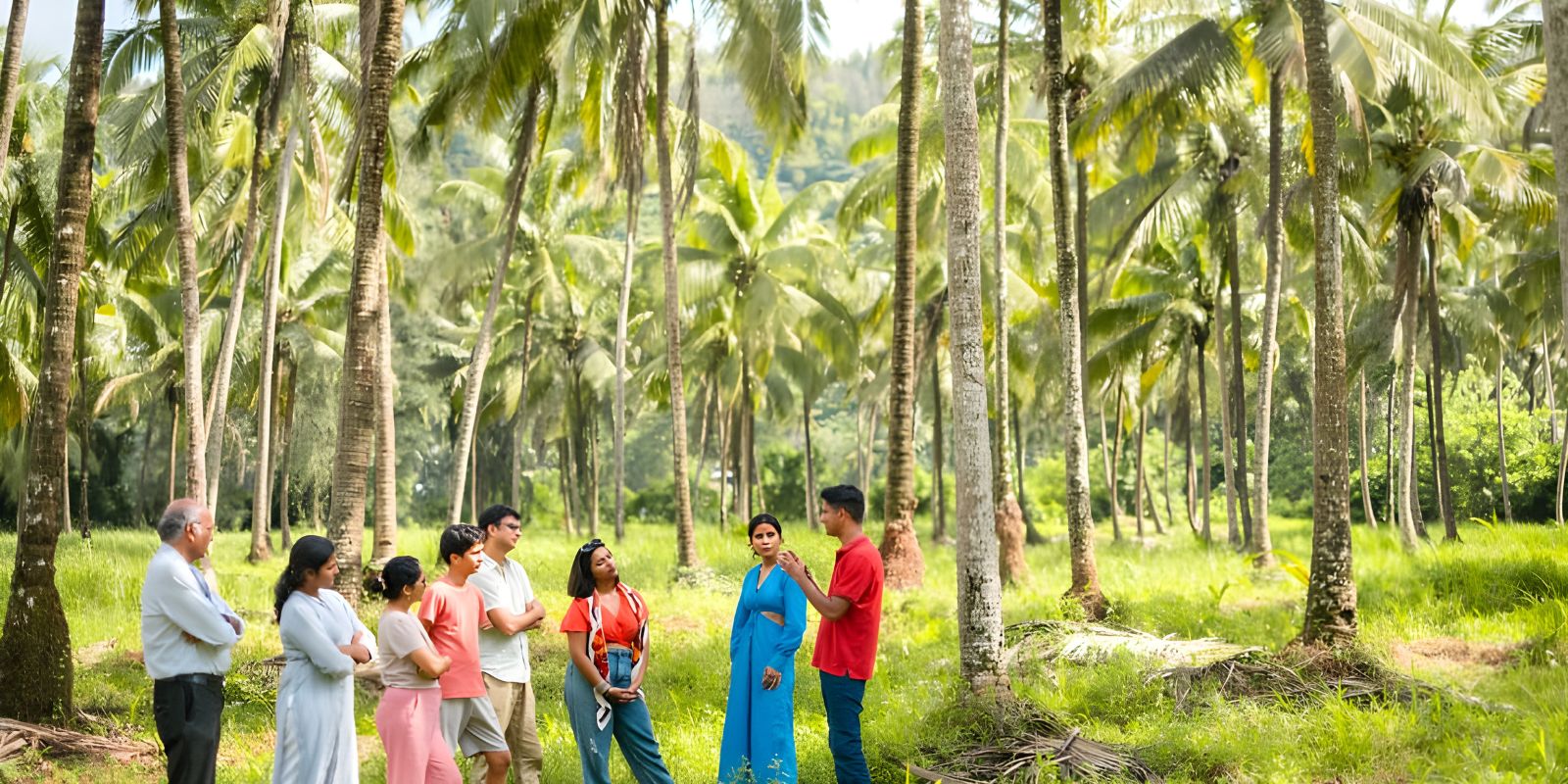
Divar Island remains one of the few places in Goa where the pace of life has stayed largely unchanged for decades. Located across the Mandovi River from Old Goa, the island is accessible only by ferry, which immediately sets a tone of isolation and tranquility. This tour, known as the Divar Island Chronicles, provides a structured way to see the island's most significant historical sites while interacting with the local community.
Unlike the high-traffic tourist zones of North Goa, Divar is a place of narrow winding lanes, brightly painted Indo-Portuguese houses, and vast expanses of paddy fields and mangroves. This experience is not a standard sightseeing trip; it is a deep dive into the layers of Goan identity, from its pre-Islamic and pre-Portuguese roots to its contemporary village culture.
Why Travelers Choose This Activity
Most visitors to Goa stick to the coastline, but those who venture to Divar are looking for something different. This tour is popular because it offers a comprehensive cultural narrative. You aren't just looking at old buildings; you are learning why they were built and how the island's geography protected its traditions. It is particularly suited for history enthusiasts, photographers, and families who prefer a slower, more educational pace.
The Ferry Experience
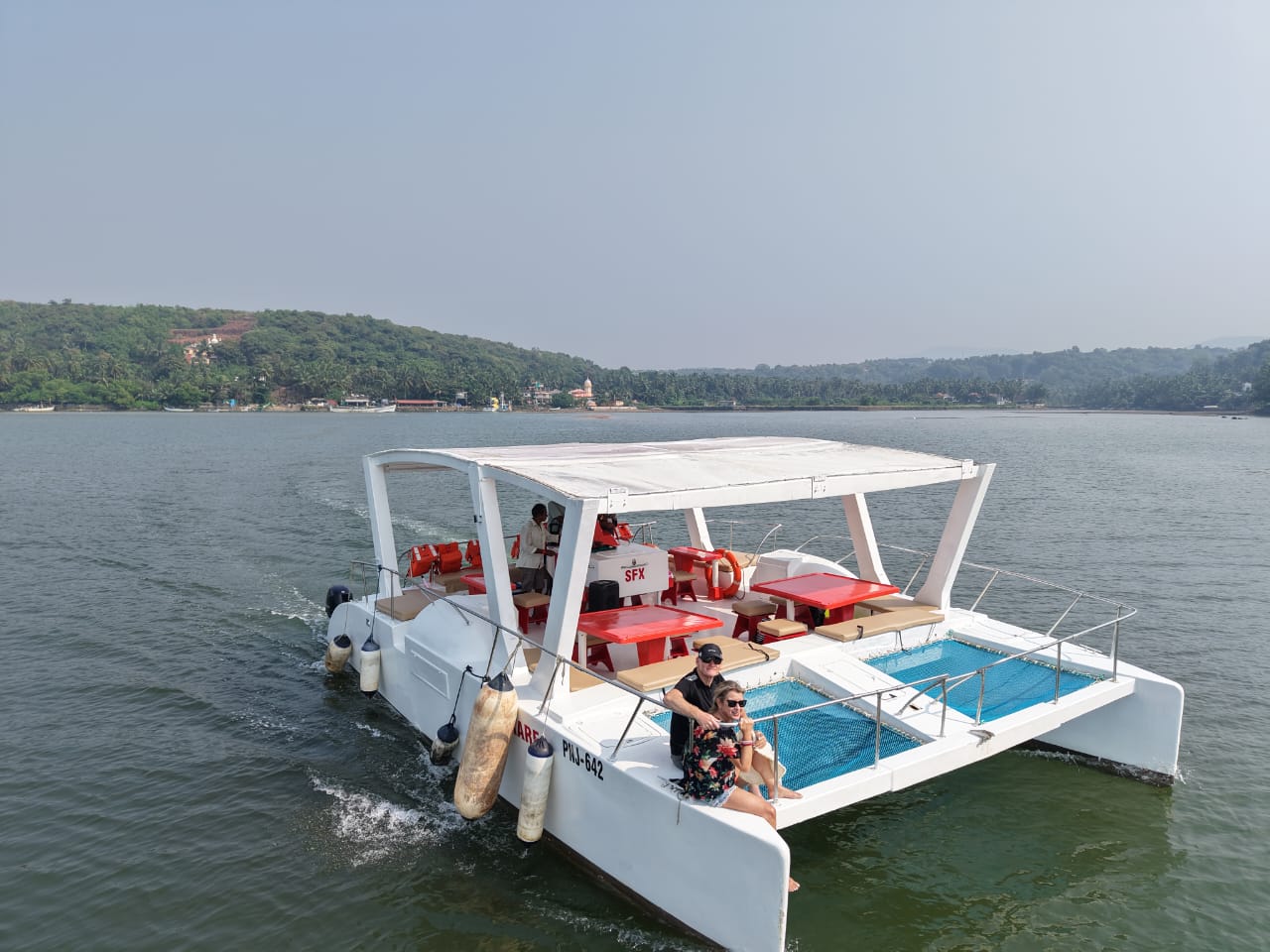
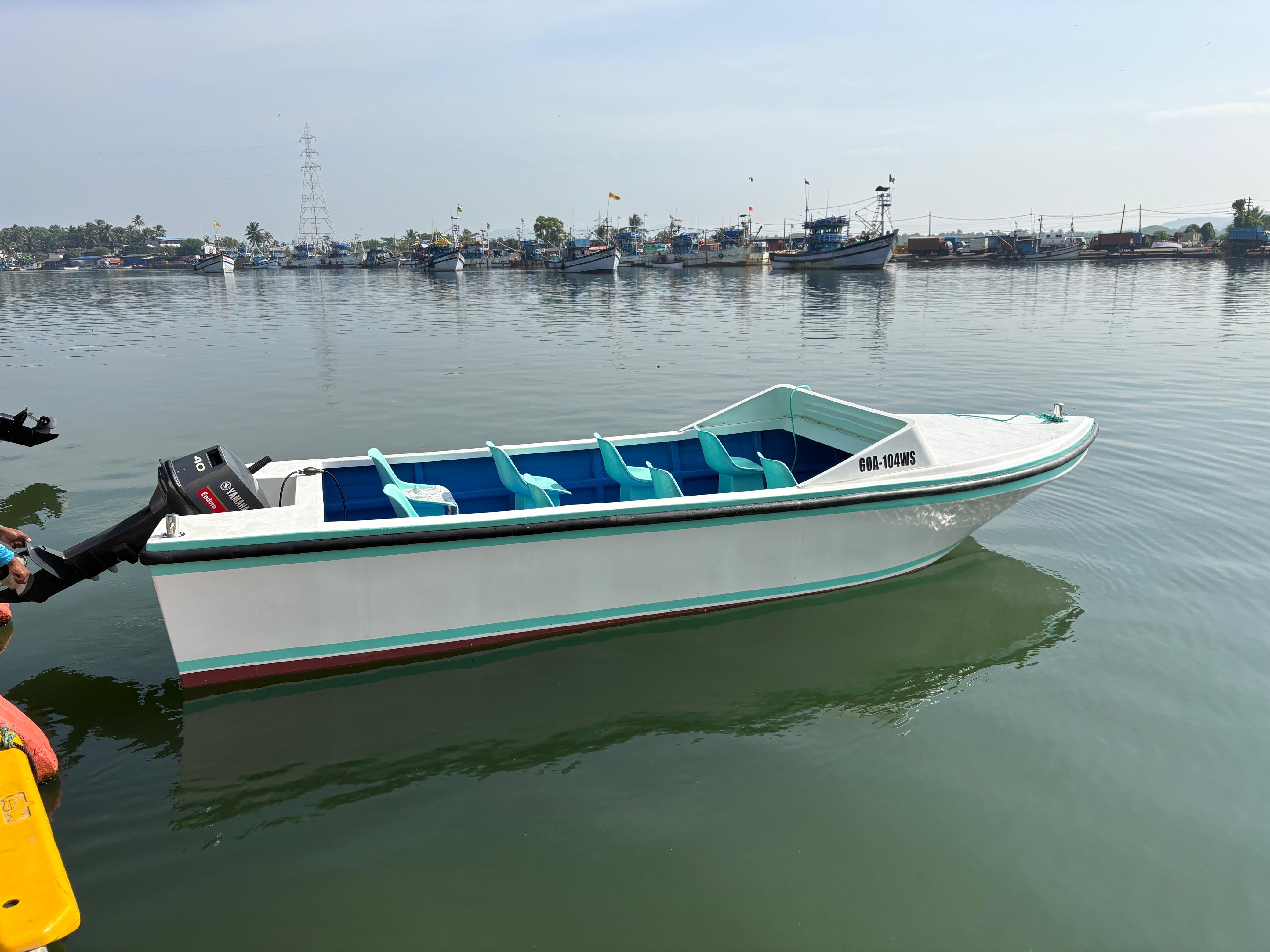
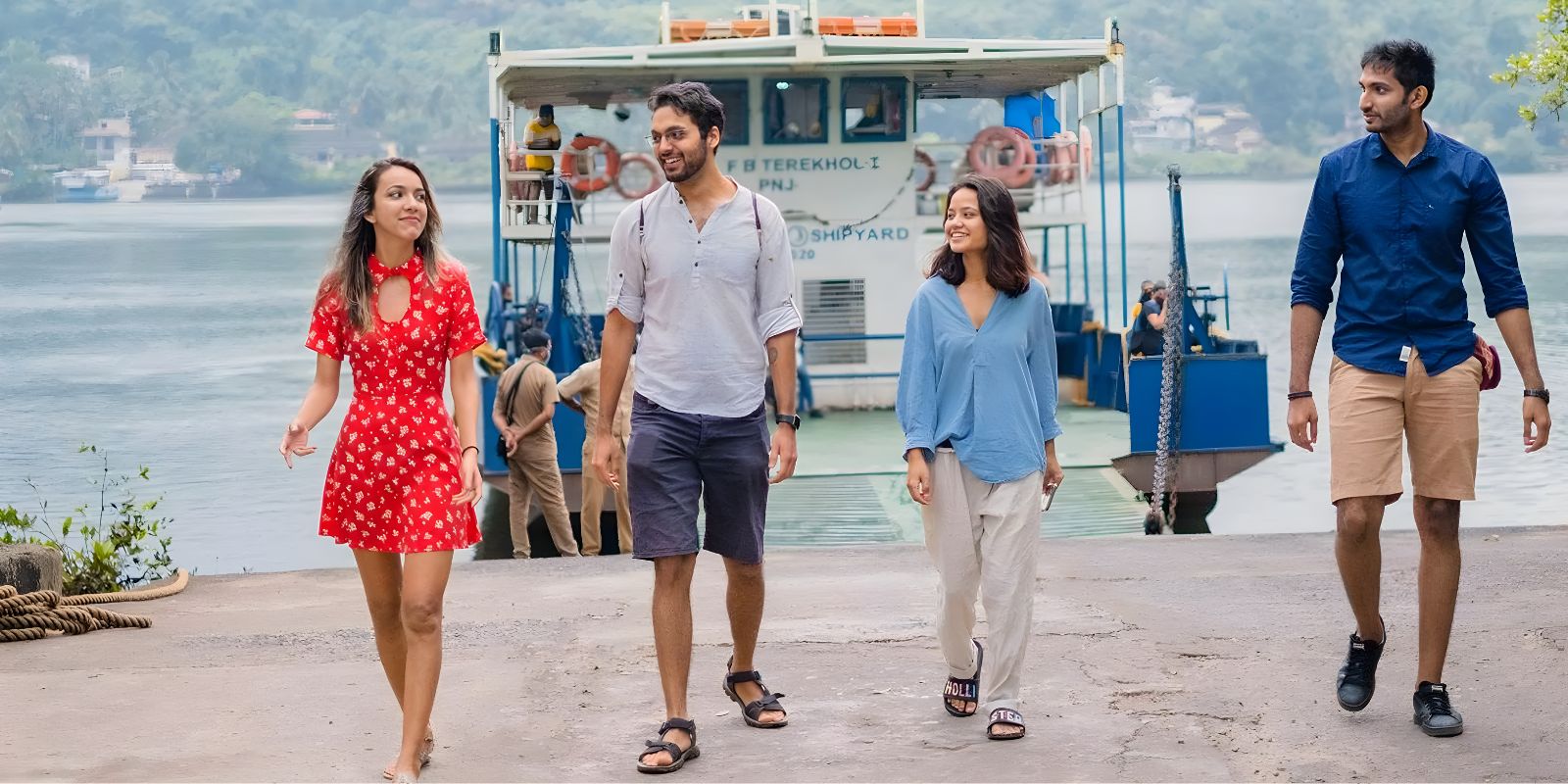
Your journey begins at the Old Goa ferry ramp. The ferry is a vital lifeline for islanders, transporting people, scooters, and cars across the river. The short 10-minute crossing offers a unique perspective of the riverine landscape and the back of the historic monuments of Old Goa. It is a practical introduction to how islanders live and commute every day.
Detailed Itinerary and What to Expect
1. The Village of Piedade and Our Lady of Candelabra Church
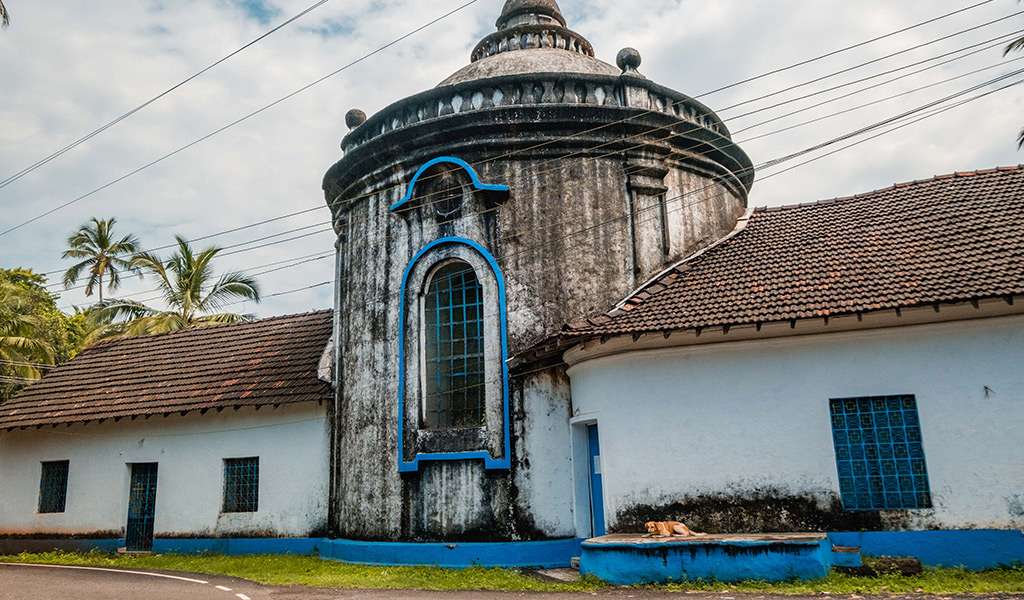
Once on the island, you will head toward the hilltop village of Piedade. The Our Lady of Candelabra Church (Nossa Senhora da Piedade) is a landmark of the island. Built in the 18th century, it sits on a site that once held an ancient Hindu temple. The architecture is a prime example of the Goan Baroque style. From the church courtyard, you can see panoramic views of the Mandovi River, the surrounding islands, and the white steeples of Old Goa in the distance.
2. The Kadamba Dynasty Temple Ruins
One of the most significant stops is the site of the ancient Kadamba temple ruins. Long before the Portuguese arrived, Divar was a major religious hub for Hindus. The temple, dedicated to Lord Saptakoteshwar, was a grand structure that was destroyed during the 16th century. Today, you can see the stone remains, carved pillars, and the sacred tank (kalyani). Your guide will explain the historical shift from the Kadamba rule to the arrival of European powers and how it reshaped the island's demographics.
3. The Whispering Well
A curious local landmark, the 'Whispering Well' is steeped in local folklore. While it may look like a standard old well, the acoustics and the stories attached to it by the locals make it a fascinating stop. These are the types of details that are often missed when exploring without a local guide who knows the oral histories of the island.
4. Traditional Pottery Workshop
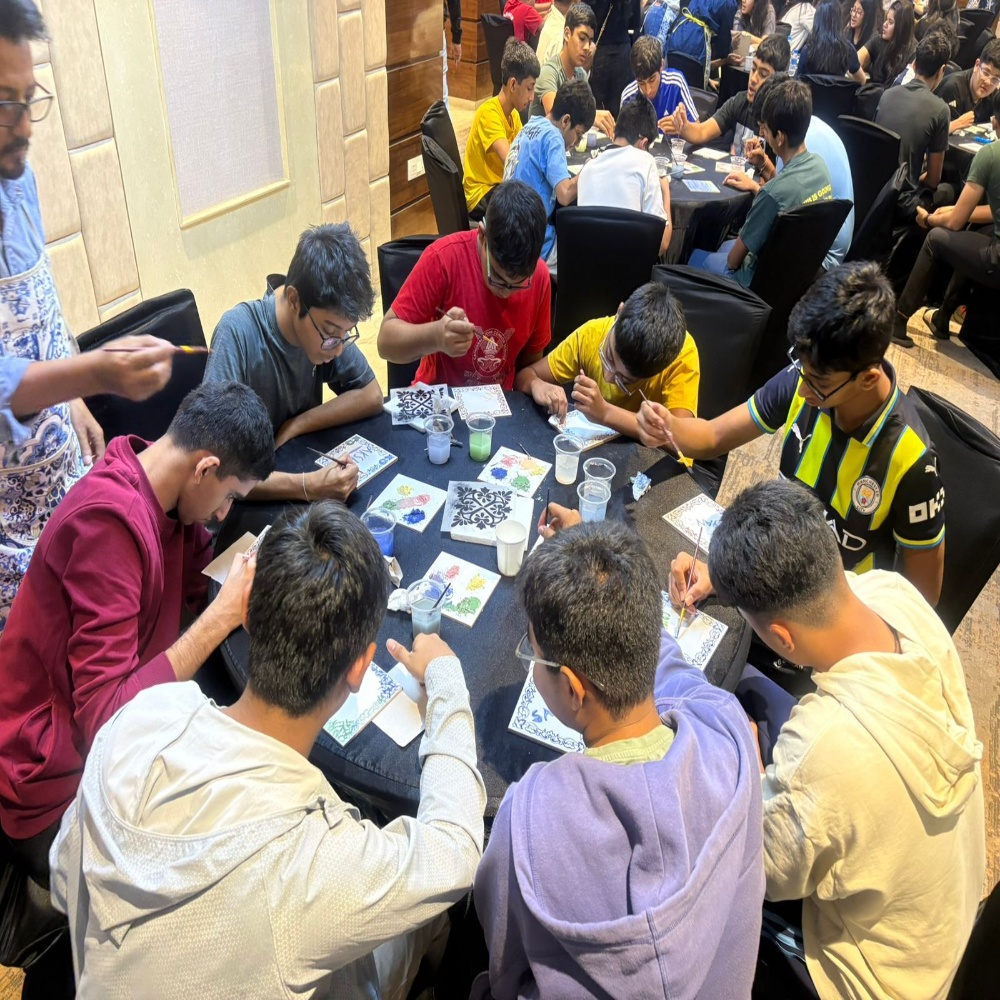
Divar is home to artisans who still practice traditional crafts. You will visit a family-run pottery workshop that has been operating for generations. This is a hands-on experience where you see the potter use a traditional kick-wheel to shape local clay. Unlike modern industrial pottery, this is a slow, rhythmic process. You will have the opportunity to try your hand at the wheel and understand the challenges of keeping this craft alive in the modern age. You will also receive a small pottery souvenir as a memory of the visit.
The Culinary Highlight: Traditional Goan Lunch
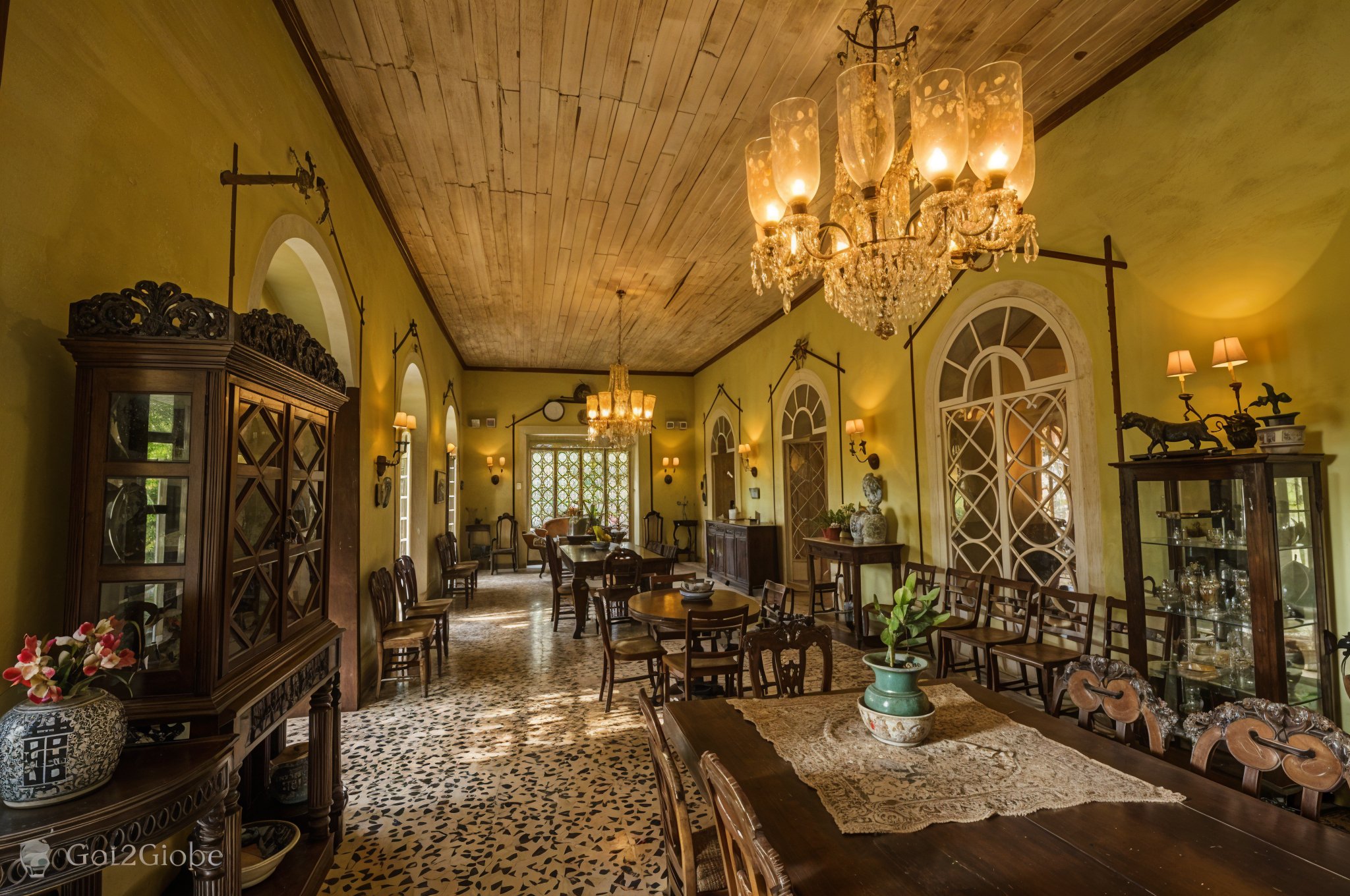
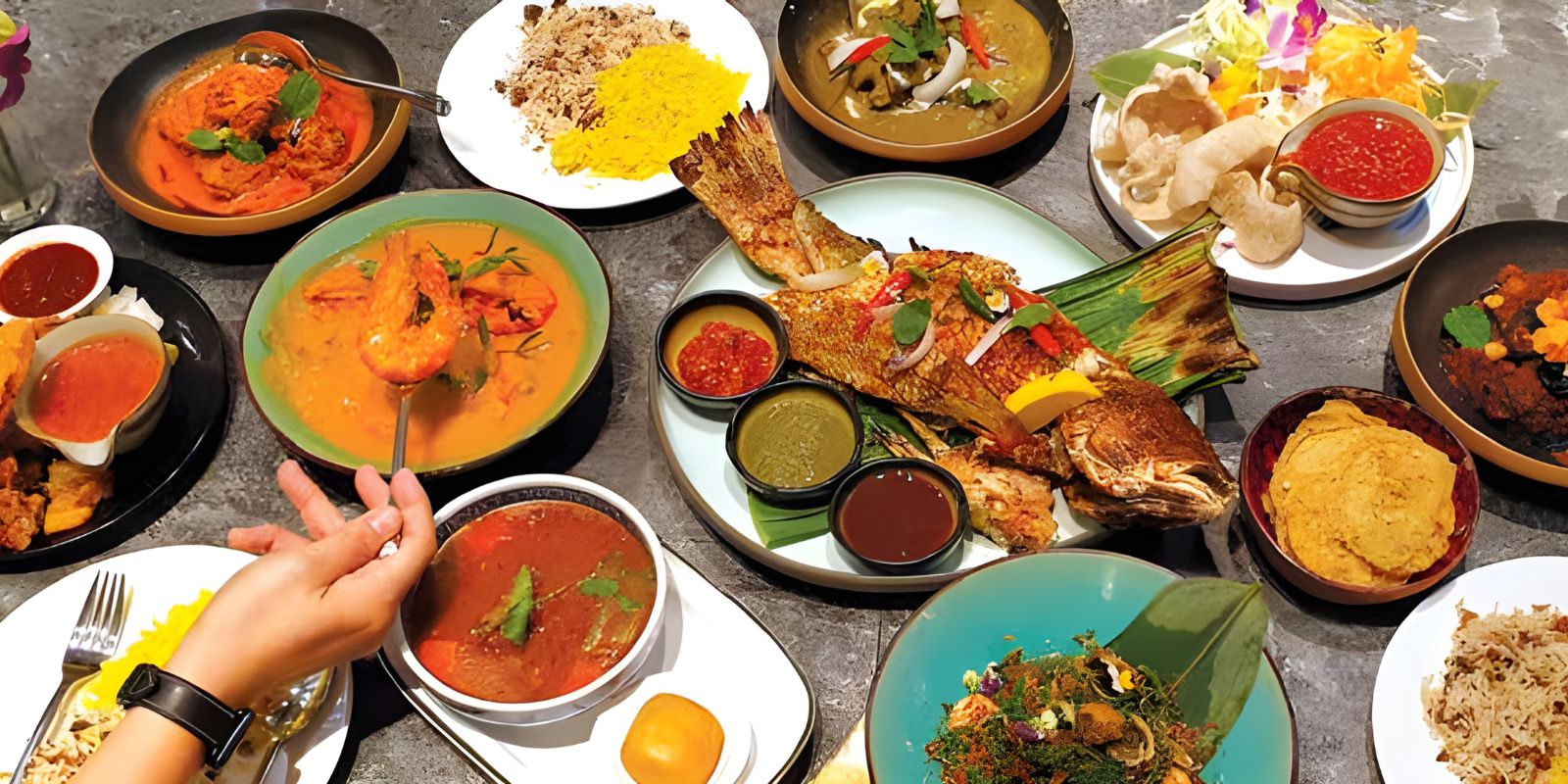
The experience concludes at a local village home for a traditional lunch. This is not a restaurant meal; it is an authentic Goan thali prepared using family recipes and locally sourced ingredients. Dining in a local home allows for a more personal connection to the culture.
The Menu typically includes:
- Fish Curry: Usually made with fresh Kingfish or Mackerel, cooked in a coconut-based gravy with local spices and 'teffala' (Sichuan pepper).
- Chicken Xacuti: A complex, roasted spice and coconut curry that is a staple of Goan celebrations.
- Vegetable Stir-fry: Seasonal vegetables like pumpkin or okra prepared with fresh coconut.
- Local Red Rice: The nutritious, unpolished rice preferred by Goan villagers.
- Bebinca: A multi-layered Goan dessert made from flour, coconut milk, and egg yolks.
- Sol Kadi: A refreshing digestive drink made from kokum and coconut milk.
Note: Vegetarian and vegan options are available upon request. The meal is usually served on a banana leaf or traditional stoneware, emphasizing the eco-friendly lifestyle of the islanders.
Practical Information for Travelers
Best Time to Visit
The best time for this tour is between October and March, when the weather is pleasant for walking and exploring. However, the Monsoon season (June to September) offers a different kind of beauty; the island becomes incredibly lush and green, though you should be prepared for rain with a good poncho or umbrella. The tour usually runs from 9:00 AM to 2:00 PM to avoid the peak afternoon heat.
Difficulty and Accessibility
The difficulty level is Easy to Moderate. While the tour involves transportation between major sites, there is a fair amount of walking involved at the church, the ruins, and through the village lanes. The paths are mostly paved but can be uneven in the ruins area. It is suitable for seniors and children, provided they are comfortable with light walking.
What to Wear and Carry
- Footwear: Wear comfortable walking shoes or sturdy sandals. Avoid high heels.
- Clothing: Dress modestly as you will be visiting a church. Shoulders and knees should ideally be covered. Light cotton clothing is best for the Goan humidity.
- Sun Protection: Carry a hat, sunglasses, and apply sunscreen.
- Water: While water is provided at lunch, carry a reusable water bottle for the walking segments.
How to Get There
The tour starts at the Old Goa Ferry Point. If you are staying in Panjim, it is about a 20-minute drive to the jetty. If you are coming from North Goa beach belts (Calangute/Baga), allow at least 45-60 minutes for travel. There is ample parking space near the jetty if you are driving your own vehicle or a rental. Local buses also run frequently from Panjim to Old Goa.
Important Booking Information
This tour requires advance booking (at least 24-48 hours) to ensure the local family can prepare the lunch and the guide is available. Since this is a community-based tour, respect for local privacy and traditions is paramount. Photography is generally allowed everywhere except inside the main altar area of the church if a mass is in progress.
- Government-authorized local guide/storyteller
- Ferry crossing tickets
- Traditional Goan lunch (Veg/Non-Veg options)
- Small pottery souvenir
- Entry fees to all sites on the itinerary
- Hotel pickup and drop-off
- Alcoholic beverages
- Personal expenses and tips
- Insurance
Have questions about this activity?
Chat with our local experts for instant help and best deals!