Group Surfing Lessons at Ashwem Beach
per / person. Taxes & convenience fees might apply.
- Small group environment with a maximum 1:6 instructor-to-student ratio.
- Specifically designed for absolute beginners and those with limited experience.
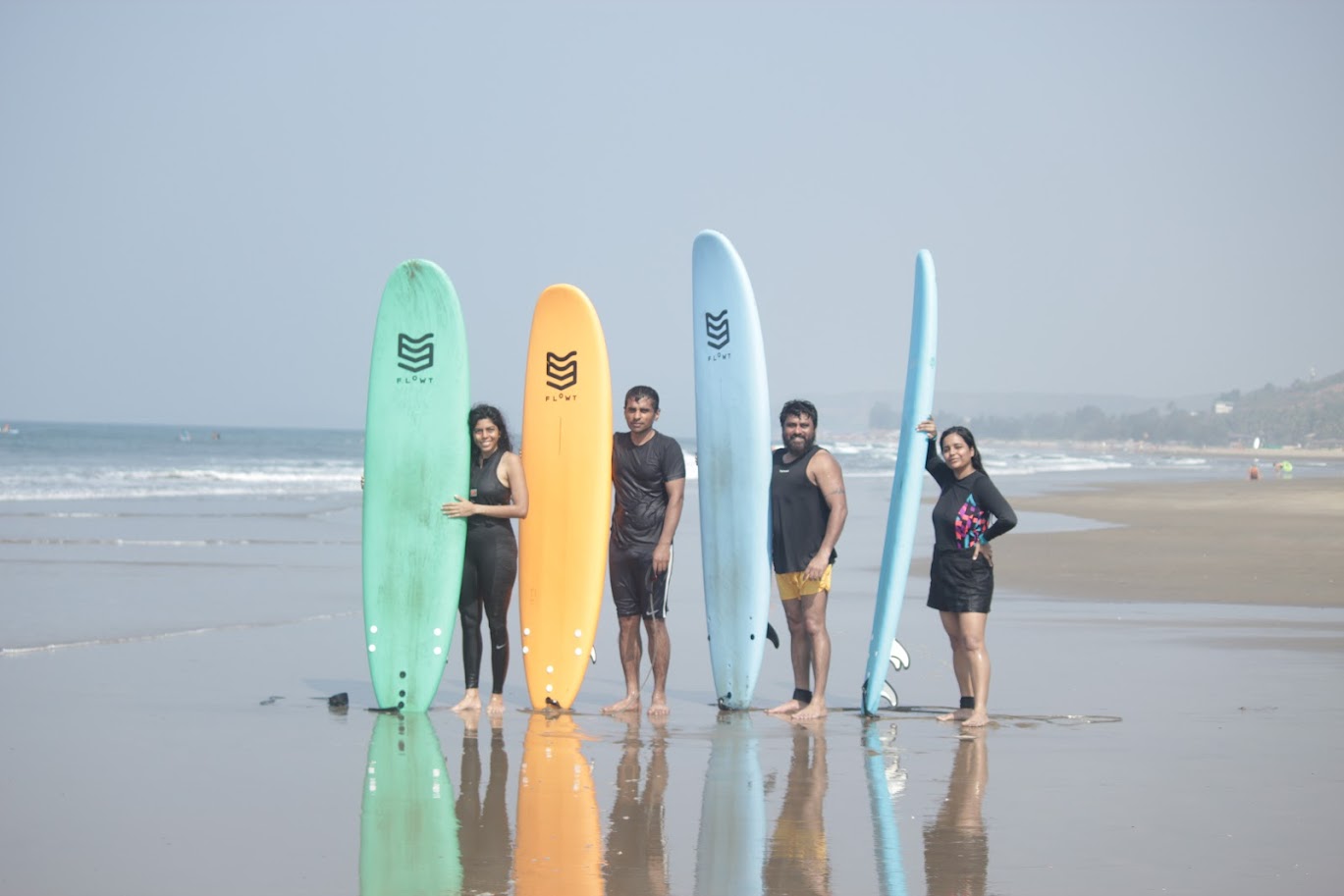
- Includes high-buoyancy soft-top surfboards for easier balancing and safety.
- Conducted at Ashwem Beach, known for its gentle waves and sandy bottom.
- Covers essential surf theory, including pop-ups, paddling, and ocean safety.
A Practical Introduction to Surfing in North Goa
Surfing in Goa is centered around the northern beaches of Ashwem, Mandrem, and Morjim. These areas are characterized by shallow, sandy bottoms and long, gentle spilling waves, making them the most practical locations for beginners to stand up on a board for the first time. Unlike the steeper shore breaks found in other parts of the state, Ashwem provides a controlled environment where you can focus on balance rather than fighting heavy currents.
Why Travelers Choose Group Lessons
Group surfing lessons are the most popular way to start your surfing journey. They offer a social environment where you can learn from the shared experience of fellow participants. From a technical standpoint, group sessions are structured to provide a mix of collective theory and individual practice. You get the benefit of a professional instructor at a more accessible price point than a private 1-on-1 session.
Instructor-to-Student Ratio
Safety and quality of instruction depend heavily on the ratio of students to coaches. Our group lessons maintain a maximum ratio of 1 instructor for every 6 students, though we often aim for 1:4 during peak conditions. This ensures that when you are in the water, the instructor can provide specific feedback on your stance and timing without you having to wait too long for your turn.
What to Expect During Your 2-Hour Session
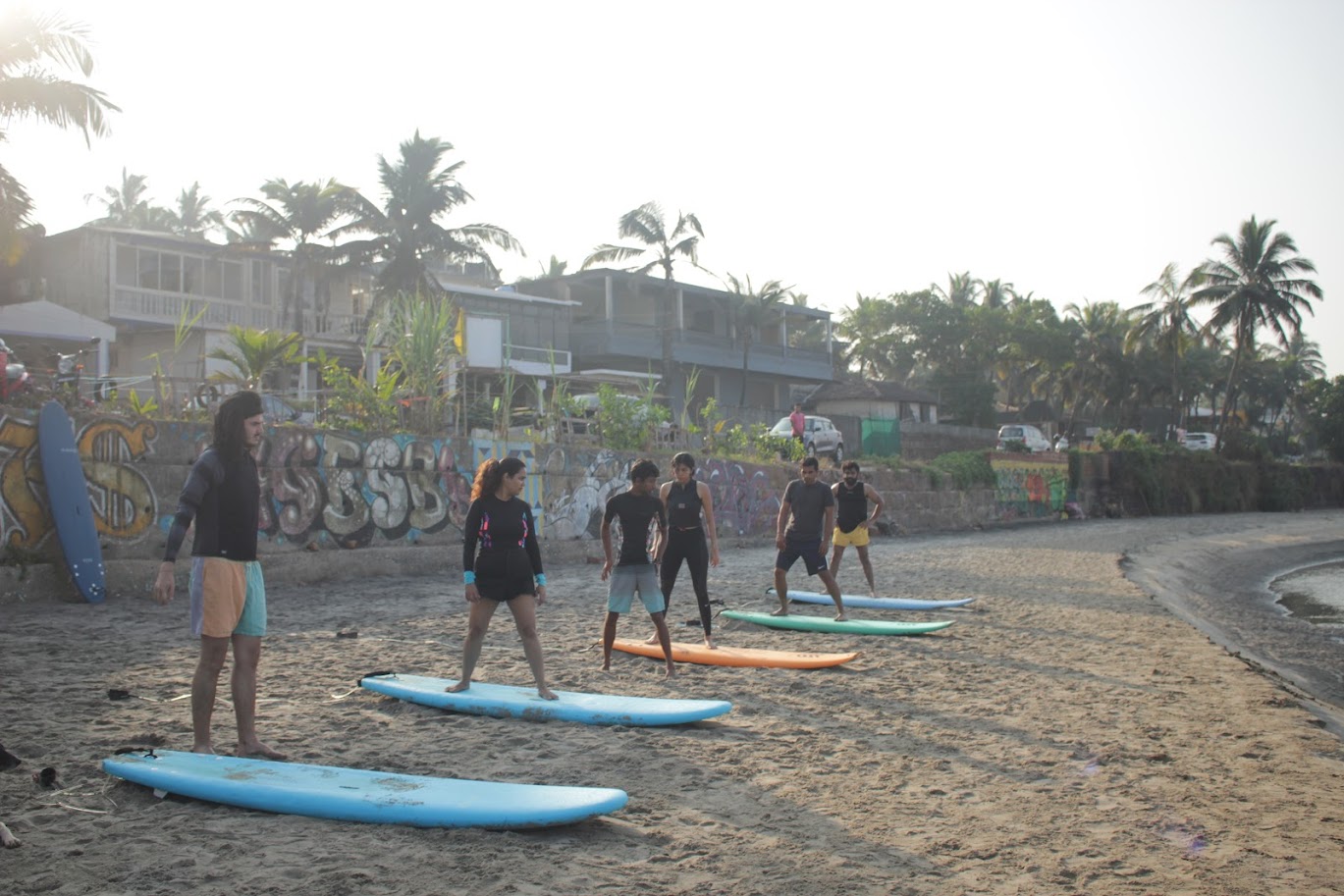
The lesson is divided into two distinct phases: land-based theory and in-water practice. Skipping the land training is a common mistake beginners want to make, but the muscle memory developed on the sand is what allows you to succeed once you hit the waves.
Phase 1: Land Training (Approx. 30 Minutes)
- Safety Briefing: Understanding the "wipeout," how to protect your head when falling, and how to handle the board in the surf zone to avoid injury to yourself or others.
- Paddling Technique: Learning where to lie on the board to maintain the correct center of gravity—too far forward and the nose dives; too far back and you won't catch the wave.
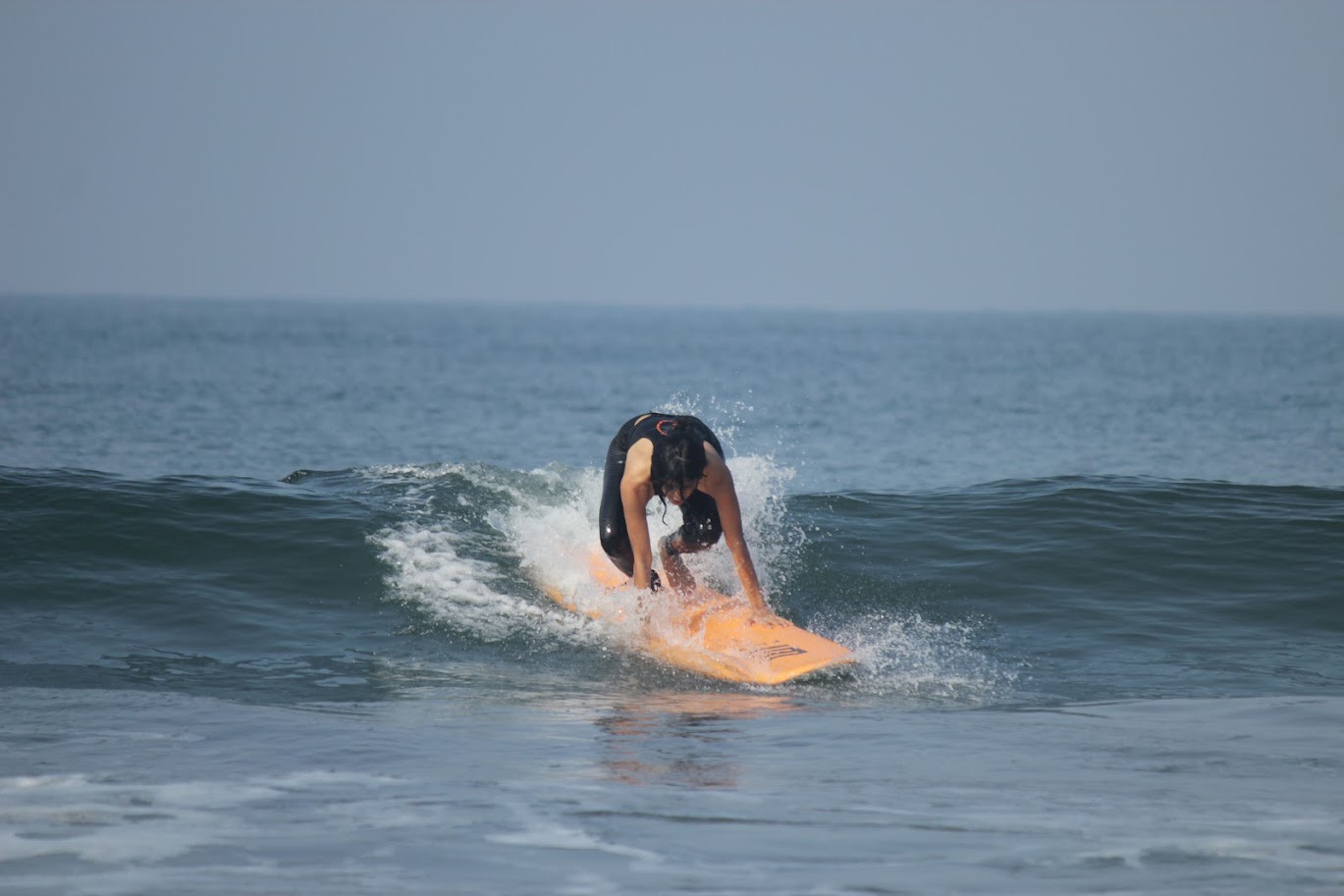
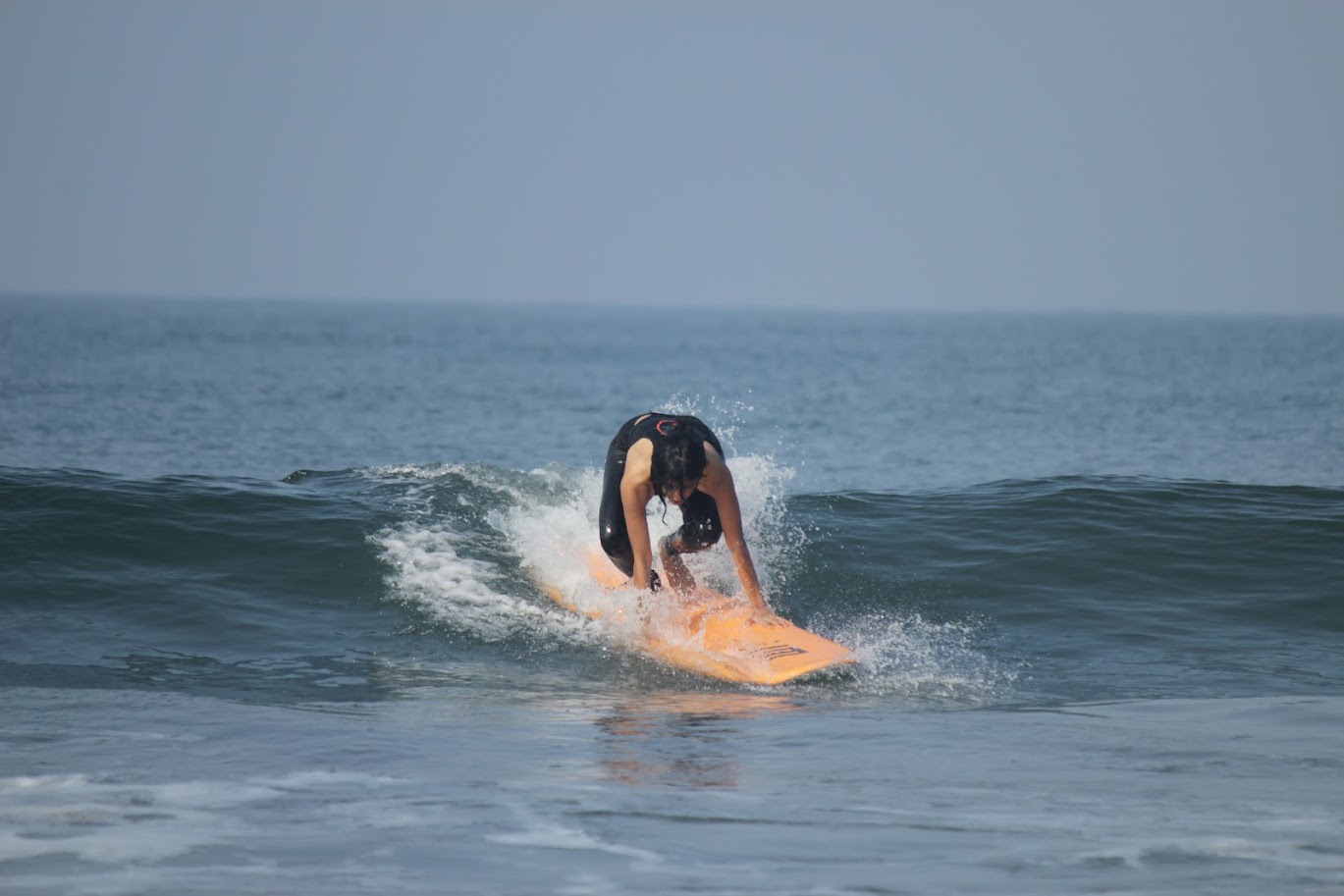
- The Pop-Up: Practicing the transition from lying down to a standing position in one fluid motion. We break this down into steps that work for your specific flexibility level.
- Stance and Balance: Finding your "regular" or "goofy" foot preference and learning where to place your feet on the stringer for maximum stability.
Phase 2: In-Water Practice (Approx. 90 Minutes)
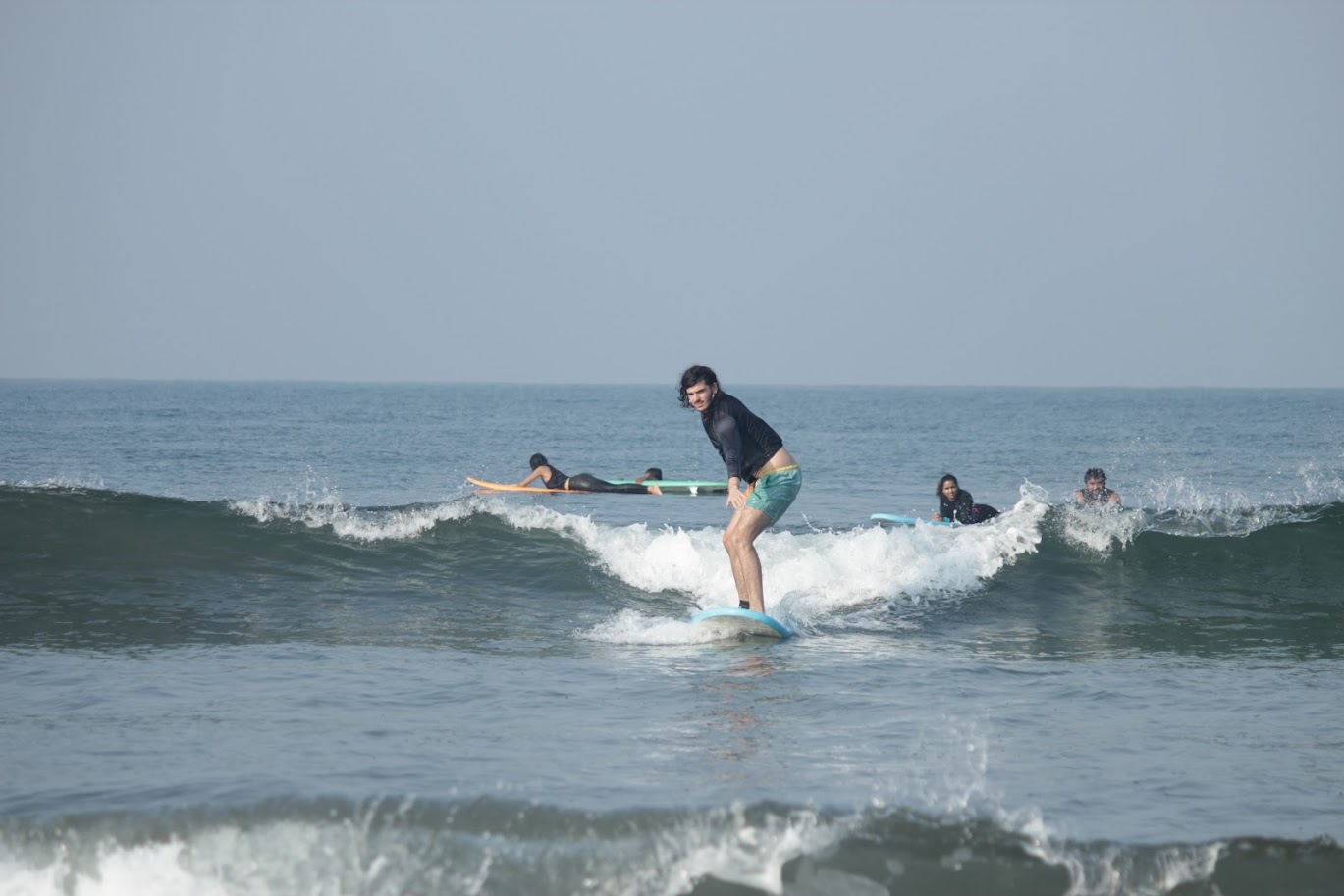
Once the group is comfortable with the mechanics on land, you will head into the waist-deep water. The instructor will assist you in catching waves by giving the board a timed push, allowing you to focus entirely on your pop-up and balance. As you progress through the session, the instructor will provide real-time corrections on your foot placement and eye line.
The Equipment: Soft-Top Boards
For group lessons, we use beginner-specific soft-top surfboards. These boards are larger and have more volume than professional fiberglass boards, providing the buoyancy needed to catch small waves easily. The "soft" foam deck is a critical safety feature, significantly reducing the risk of bruises or injury if the board bumps into you during a fall.
Is This Activity Right for You?
Difficulty Level
Surfing is physically demanding but accessible. The difficulty level for this specific session is Beginner. You do not need prior experience, but a basic level of physical fitness is required as you will be paddling and standing up repeatedly. If you have back, neck, or knee issues, please consult with us before booking.
Swimming Ability
While you don't need to be a competitive swimmer, you should be comfortable in chest-deep water. Most of the beginner instruction happens in areas where you can comfortably stand on the sandy floor. Instructors are always within reach to assist.
Age and Family Suitability
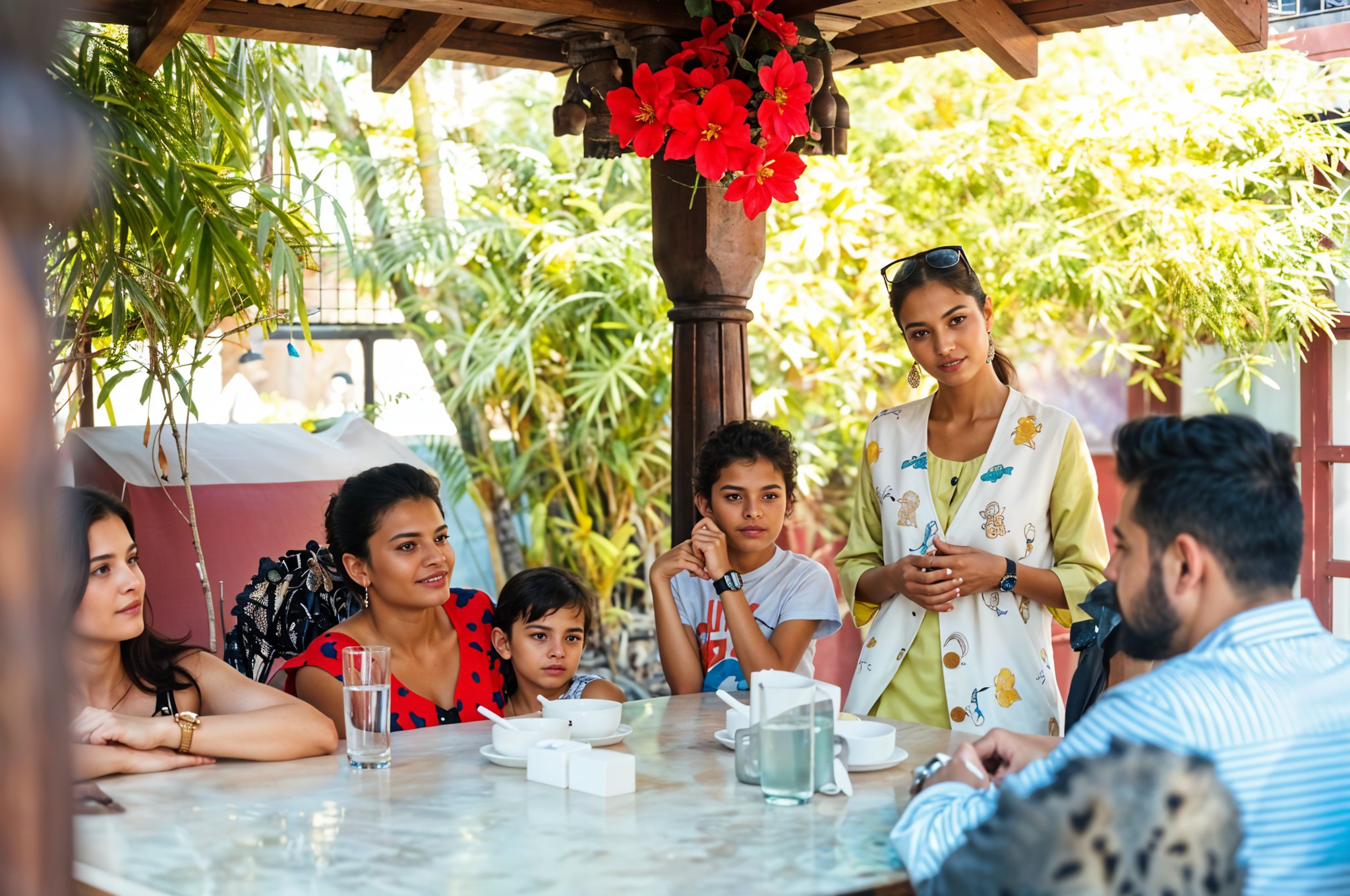
This activity is highly recommended for families. Children as young as 8 to 10 years old can participate in group sessions, provided they are comfortable in the ocean. For younger children, we often recommend private lessons for closer supervision, but teenagers usually thrive in the group environment.
Best Time for Surfing in Goa
The surfing season in Goa is strictly seasonal, dictated by the monsoon and swell patterns. The water is generally warm enough that wetsuits are not required; a simple rash guard is sufficient.
- Peak Season (November to February): This is the best time for beginners. The winds are usually offshore in the mornings, resulting in "clean" waves that are easy to ride.
- Shoulder Season (October, March, and April): Waves can be slightly more unpredictable, but still very much surfable for beginners.
- Monsoon (June to September): Most surf schools close during this period. The sea becomes too rough, currents are strong, and the wind makes the water unsafe for instruction.
The Importance of Morning Sessions
We strongly recommend booking the 8:00 AM or 9:00 AM slots. In Goa, the sea breeze typically picks up after 11:00 AM, which creates "onshore" conditions. This makes the waves messy and harder to learn on. The early morning water is usually calmer, and the sun is less intense, reducing the risk of heat exhaustion.
Surf Etiquette and Safety
Part of your lesson involves learning the "rules of the road." In a group setting, you will learn about Right of Way—who gets to ride the wave first—and how to paddle back to the lineup without getting in the way of other surfers. These are essential skills if you plan to continue surfing independently in the future.
What to Wear and Carry
Proper attire prevents "board rash" (skin irritation caused by friction against the surfboard) and sun damage. Avoid cotton clothing as it becomes heavy and restrictive when wet.
- Rash Guard: We provide these, but you can bring your own synthetic, tight-fitting athletic shirt.
- Swimwear: Board shorts or athletic swimsuits that stay in place.
- Sun Protection: Use "Zinc" or water-resistant, reef-safe sunscreen. Standard sunscreens often wash off quickly and can sting your eyes in the water.
- Hydration: Bring a bottle of water for after the session.
Location and Accessibility
Meeting Point: The session takes place at Ashwem Beach, North Goa. This beach is approximately 45-60 minutes from the Calangute/Baga hub and about 25 minutes from Anjuna/Vagator.
Parking and Transport
There is ample bike and car parking available near the beach access points in Ashwem. If you are coming from South Goa or Panjim, we recommend hiring a taxi for the day. While GoaMiles (the local app) works, it can be difficult to find a return ride from the quieter Ashwem area during the late morning hours.
Important Booking Information
- Advance Booking: It is advisable to book at least 48 hours in advance, especially during the December-January peak season.
- Weather Policy: If the sea is flat or the conditions are deemed unsafe by the lead instructor, we will offer a reschedule or a full refund.
- Arrival: Please arrive 15 minutes before your scheduled slot to handle paperwork and get fitted for your rash guard and board.
- 2-hour guided surf lesson
- Soft-top beginner surfboard and leash
- Lycra/Rash guard for the session
- Professional surf instructor
- Water and basic sunblock
- Hotel pickup and drop-off
- Meals and beverages
- Professional photography (available on request)
- Personal towels
Have questions about this activity?
Chat with our local experts for instant help and best deals!