Overview
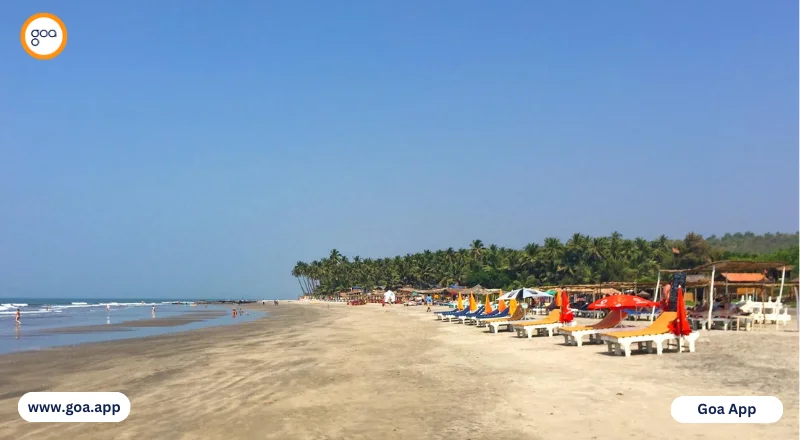
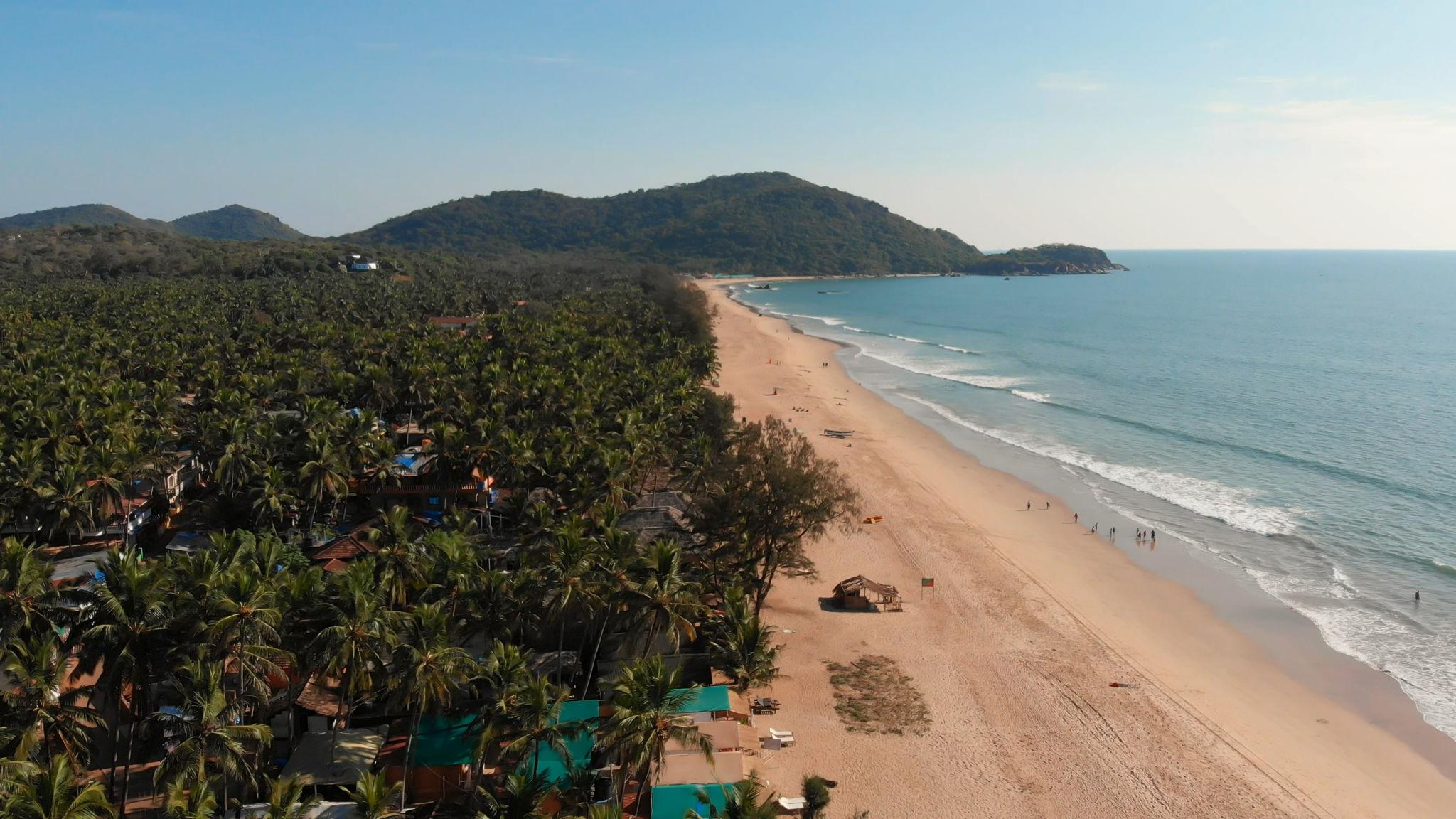
Located in the pristine northern reaches of Goa, specifically within the Pernem taluka, Ashwem Beach stands as a testament to the state’s quieter, more sophisticated side. Unlike the neon-lit corridors of Baga or the bustling markets of Calangute, Ashwem offers a serene landscape defined by its vast expanse of silvery-white sand, swaying coconut palms, and a horizontal skyline that remains largely uninterrupted by high-rise developments. It is widely regarded as one of North Goa’s best-kept secrets, though its reputation as a "chic" destination has grown significantly over the last decade.
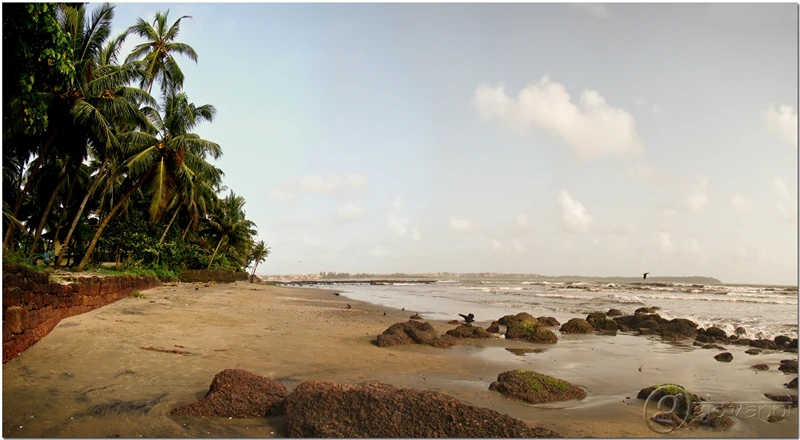
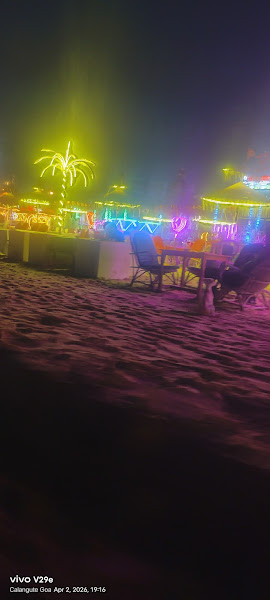
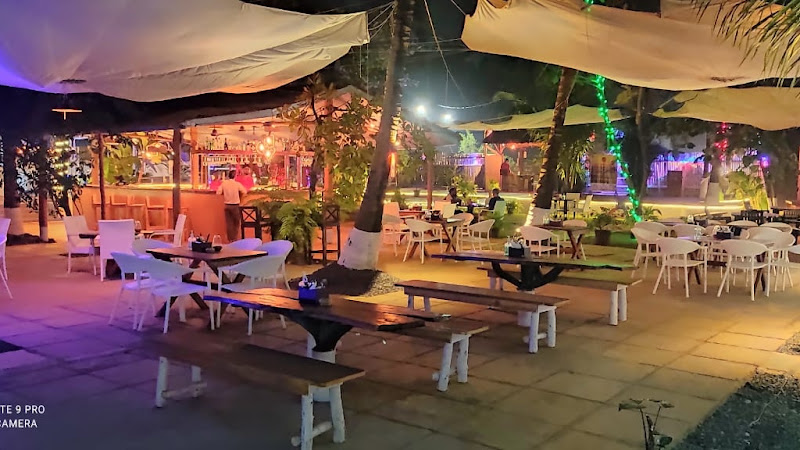
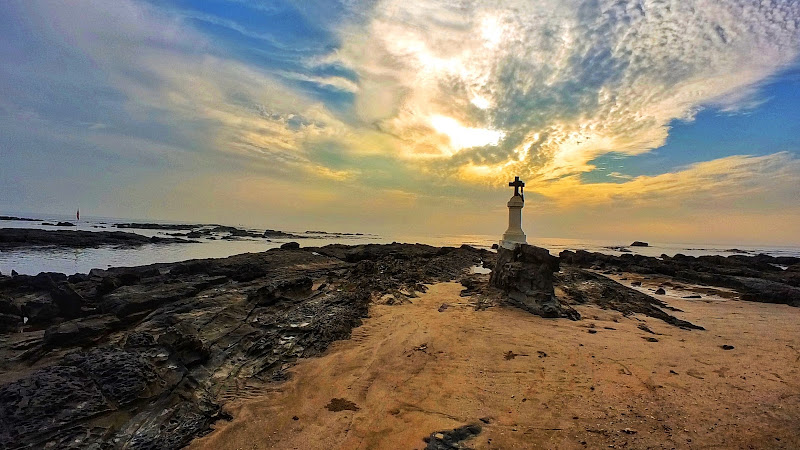
Ashwem Beach is part of a continuous stretch of sand that includes Morjim to the south and Mandrem to the north. What sets Ashwem apart is its unique topography. At low tide, the beach reveals a massive, flat plain of sand where shallow tide pools form, making it a playground for families and photographers. The shoreline is punctuated by dark volcanic rocks that create a dramatic contrast against the turquoise Arabian Sea. This is a place where the "slow life" is not just a marketing slogan but a tangible reality. You will see travelers practicing yoga at dawn, surfers catching the long, peeling waves in the afternoon, and sophisticated diners enjoying French-Goan fusion cuisine under the stars.
Ecologically, Ashwem is significant. Along with its neighbor Morjim, it serves as a nesting ground for the endangered Olive Ridley Sea Turtles. This ecological sensitivity has helped preserve the beach from the over-commercialization seen elsewhere. Local laws strictly regulate loud music and permanent structures on the sand, ensuring that the natural rhythm of the ocean remains the primary soundtrack. Whether you are a digital nomad seeking a quiet corner to work, a honeymooning couple looking for privacy, or a solo traveler in search of bohemian charm, Ashwem Beach provides a soulful sanctuary that captures the true essence of "Susegad"—the Goan concept of relaxed contentment.
The atmosphere here is distinctly international. Ashwem has long been a favorite for European expats, particularly Russians, French, and Scandinavians, who have contributed to a unique culinary and retail scene. You’ll find high-end boutiques tucked away in palm groves and world-class restaurants that prioritize organic, locally sourced ingredients. Despite this touch of luxury, the beach maintains its rustic charm, with traditional fishing boats often parked on the sand, reminding visitors of the village’s humble origins as a fishing community.
How to Reach Ashwem Beach
Reaching Ashwem Beach has become significantly easier with the opening of the new Manohar International Airport (Mopa), located in the Pernem district itself. However, depending on your mode of transport and starting point, there are several ways to navigate your way to this coastal paradise.
- By Air:
- Manohar International Airport (Mopa - GOX): This is the closest airport, situated approximately 28 kilometers from Ashwem. A taxi ride from Mopa takes about 45 to 60 minutes. This is the most convenient option for domestic and international travelers arriving via new flight routes.
- Dabolim Airport (GOI): The older international airport is about 55 to 60 kilometers away. The drive can take anywhere from 1.5 to 2 hours depending on traffic, especially when crossing the Mandovi Bridge near Panjim.
- By Rail:
- Pernem Railway Station: This is the nearest station, located about 15-18 kilometers away. It is well-connected by Konkan Railway trains. From the station, you can hire a local taxi or an auto-rickshaw.
- Thivim Railway Station: Located about 22 kilometers away, Thivim is a major stop for many express trains coming from Mumbai, Delhi, or Bangalore. It is often easier to find taxis here than at Pernem.
- By Road:
- From Panjim: Ashwem is roughly 32 kilometers from the capital city. The route takes you through the scenic Siolim-Chopdem Bridge, which offers stunning views of the Chapora River.
- From Mapusa: Mapusa is the nearest major town and transport hub. It is about 18 kilometers away. Regular buses run from Mapusa to Morjim and Ashwem, though they can be slow and crowded.
- Self-Drive/Rental: Most tourists prefer renting a scooter or a "Thar" (open-top jeep) to reach Ashwem. If you are driving from North Goa hubs like Anjuna or Vagator, follow the road toward Siolim, cross the bridge, and follow the signs for Morjim/Ashwem.
Pro Tip: When using GPS, ensure you specify "Ashwem Beach" as the destination. The roads in Pernem can be narrow and winding, passing through traditional Goan villages. Be mindful of local traffic and stray cattle, which are common on these scenic backroads.
Best Time to Visit
The experience of Ashwem Beach changes dramatically with the seasons. To make the most of your trip, it is essential to align your visit with the weather and the local "seasonality" of the businesses.
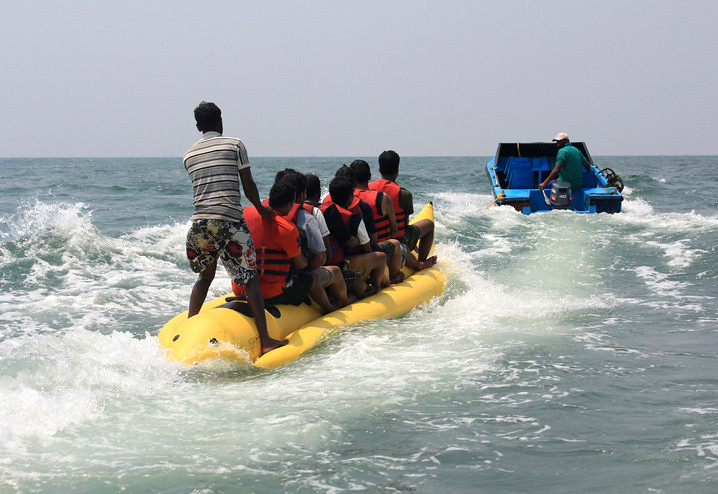
- Peak Season (November to February): This is undoubtedly the best time to visit Ashwem. The weather is spectacular, with clear blue skies, cool breezes, and daytime temperatures hovering around 28°C to 32°C. All the famous beach shacks, boutiques, and high-end restaurants like La Plage are fully operational. This is also the best time for swimming and water sports as the sea is calm.
- Shoulder Season (October and March): If you prefer fewer crowds and slightly lower accommodation prices, these months are ideal. In October, the landscape is lush and green following the monsoons, though some shacks might still be in the process of setting up. March starts to get warmer, but the evenings remain pleasant.
- Summer Season (April to May): It can get quite hot and humid during these months, with temperatures often exceeding 35°C. While the beach is quiet, the heat can make outdoor activities during the day uncomfortable. However, if you are looking for deep discounts on luxury stays, this is the time to hunt for deals.
- Monsoon Season (June to September): Goa during the monsoons is hauntingly beautiful but very different. Most beach shacks in Ashwem are dismantled due to government regulations to protect the coastline. The sea is rough and unsafe for swimming. However, Ashwem remains a favorite for "monsoon chasers" who enjoy the dramatic rains, the emerald-green countryside, and the cozy vibe of permanent cafes that stay open inland.
Note on Turtle Nesting: If you are interested in seeing the Olive Ridley turtles, the nesting season usually occurs between November and March. During this time, certain parts of the beach may be cordoned off to protect the eggs, and visitors are requested to keep noise and light to a minimum at night.
Things to Do at Ashwem Beach
Ashwem is not about ticking off a list of tourist monuments; it is about experiences that nourish the soul and relax the body. Here are the top things to do while you are in this coastal haven:
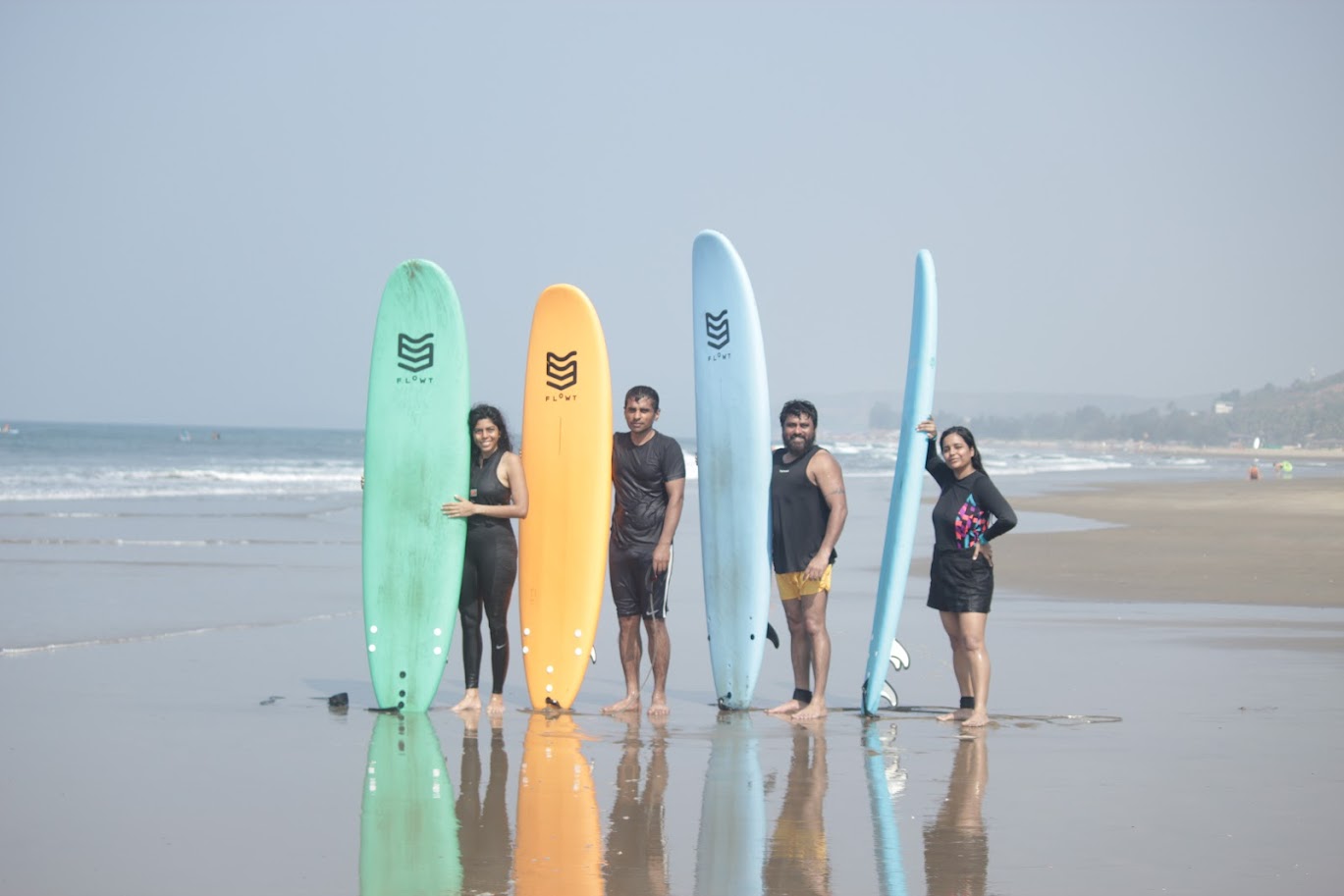
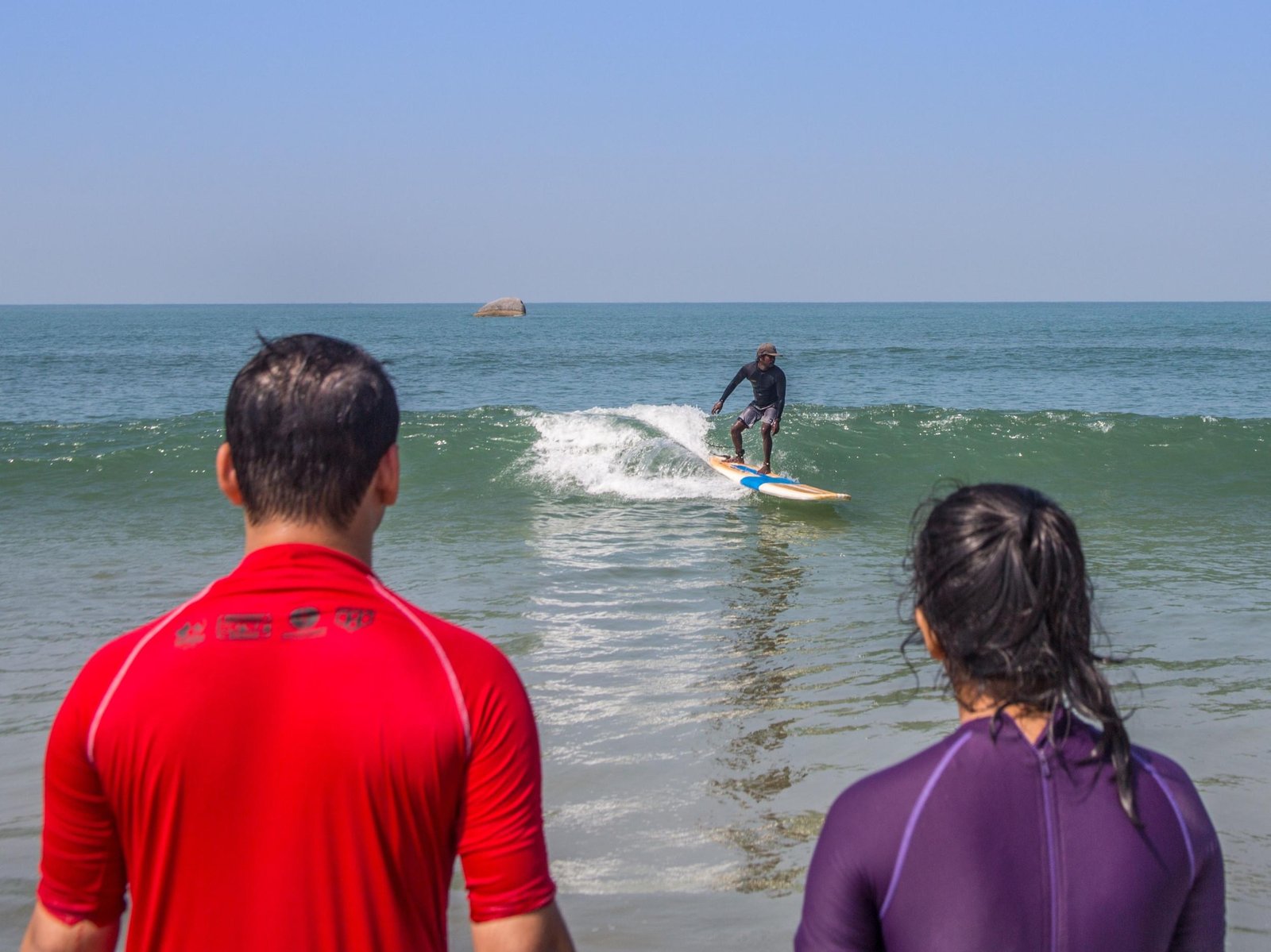
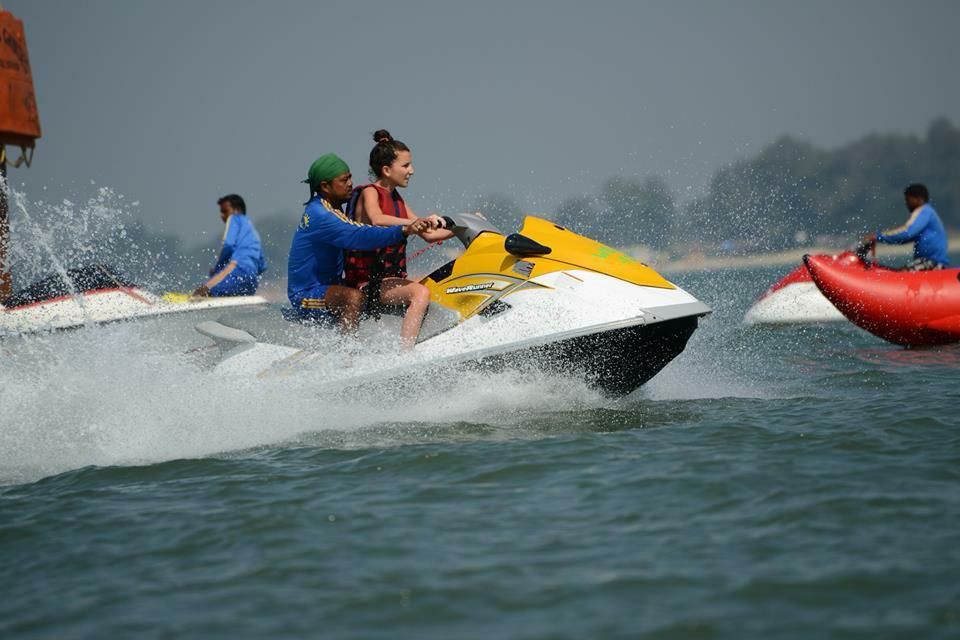
- Surfing and Kitesurfing: Ashwem is one of the premier spots for surfing in Goa. The waves here are generally long and mellow, making them perfect for beginners. Schools like Surf Wala offer professional lessons and board rentals. If the wind picks up, you’ll also see kitesurfers dotting the horizon.
- Yoga and Wellness: Ashwem is a hub for the global yoga community. Numerous retreats and "shalas" offer daily drop-in classes ranging from Hatha and Vinyasa to Yin Yoga. Yab Yum Resort and various centers along the Mandrem-Ashwem border are famous for their holistic healing programs, meditation sessions, and Ayurvedic massages.
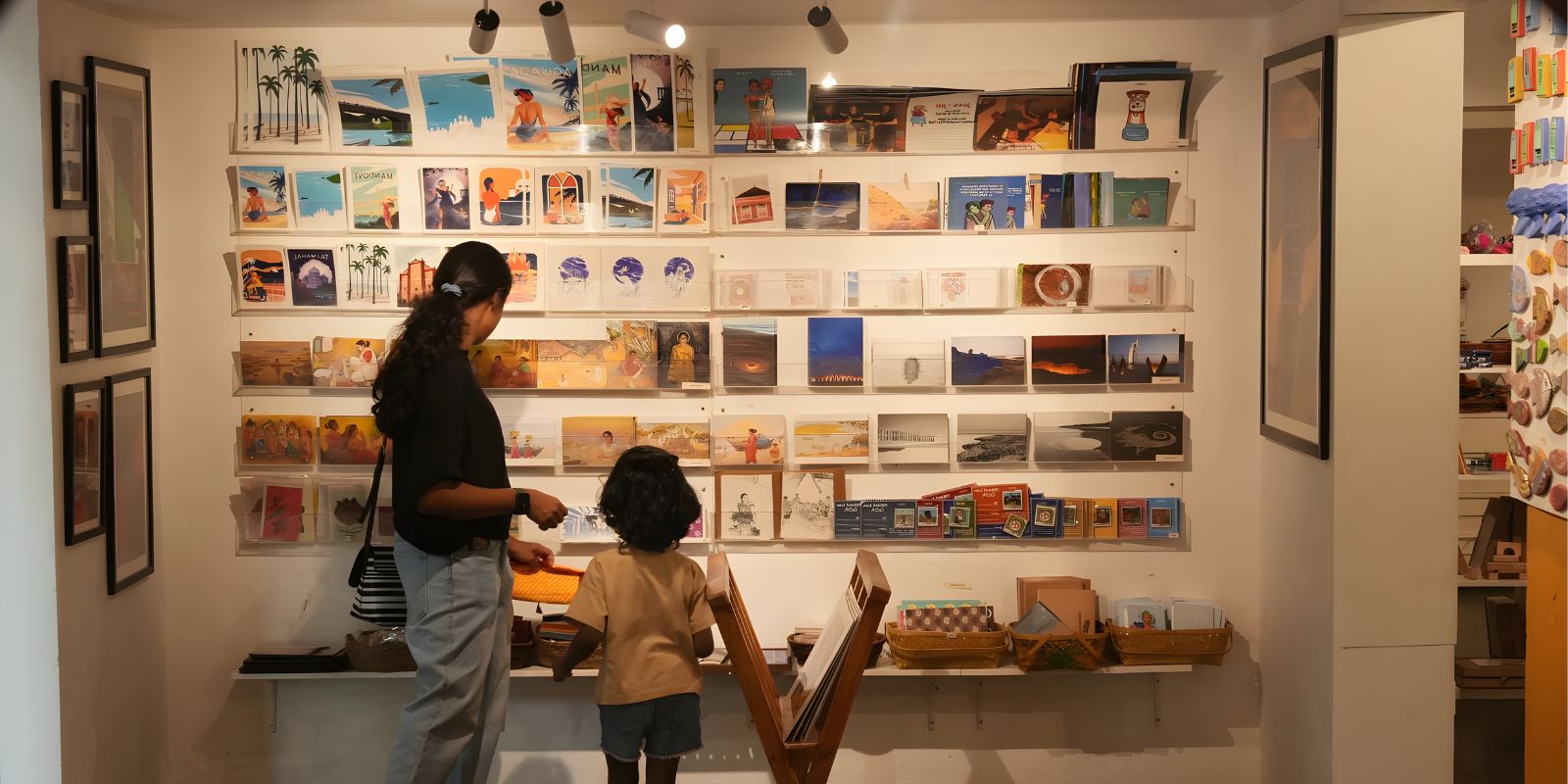
- Boutique Shopping: Ashwem is famous for its "Bohemian Chic" retail therapy. Unlike the mass-produced goods at the Anjuna Flea Market, Ashwem’s boutiques offer curated collections. Visit the Jade Jagger Beach Gallery for high-end jewelry and fashion, or explore the various pop-up shops that appear during the peak season selling organic cotton clothing, handmade leather goods, and artisanal jewelry.
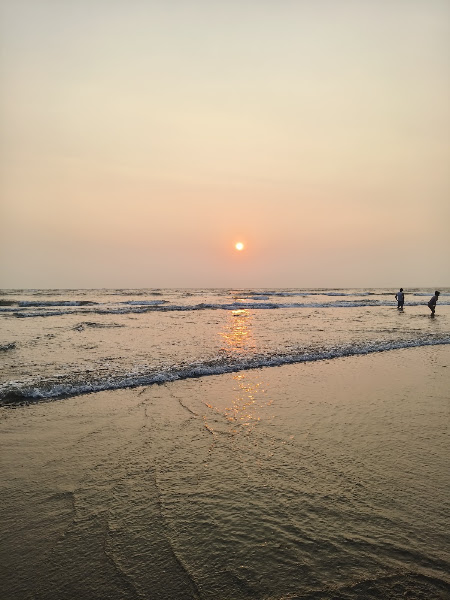
- Sunset Watching: The sunsets at Ashwem are legendary. Because the beach is so wide and flat, the receding tide creates a mirror effect on the wet sand, reflecting the orange and purple hues of the sky. Grab a beanbag at a beach shack, order a chilled Kings Beer, and watch the sun dip into the Arabian Sea.
- Explore the Tide Pools: During low tide, the rocky outcrops at the northern end of the beach create natural lagoons and tide pools. These are perfect for sitting in and relaxing, especially for families with young children who want to avoid the stronger waves.
- Long Coastal Walks: You can walk for miles from Ashwem. Heading south will take you to the turtle nesting sites of Morjim, while heading north leads you to the quiet, palm-fringed shores of Mandrem. It is one of the most therapeutic walks you can take in Goa.
- Photography: With its dramatic rocks, white sand, and stylish crowds, Ashwem is incredibly "Instagrammable." The lack of crowds makes it easier to get that perfect shot without strangers in the background.
Nearby Attractions
While Ashwem itself is a destination worth spending all your time at, its location in Pernem makes it a great base for exploring other gems of North Goa.
- Morjim Beach: Just a 5-minute drive south, Morjim is famous for the Chapora River Estuary where the river meets the sea. It is a fantastic spot for birdwatching and is known as "Little Russia" due to the large expat population.
- Mandrem Beach: Directly north of Ashwem, Mandrem is even quieter and is known for its beautiful bamboo bridges that cross a small creek to reach the beach. It is a center for high-end wellness retreats.
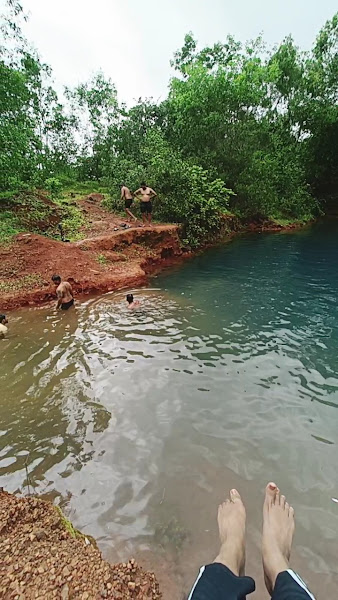
- Arambol Sweet Water Lake: About 20 minutes north lies Arambol. Beyond the main beach, a short trek takes you to a fresh-water lake nestled near the jungle, and further inland, the famous Banyan Tree where "babas" and travelers gather.
- Chapora Fort: Located across the river, this 17th-century fort offers panoramic views of Vagator and the coastline. It gained cult status after the Bollywood movie Dil Chahta Hai was filmed here.
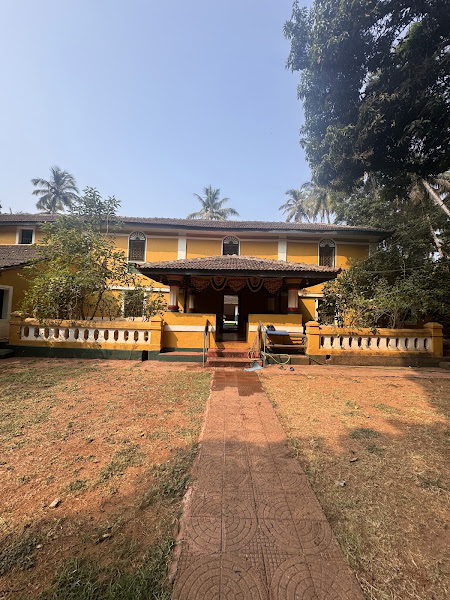
- Siolim Village: A short drive inland, Siolim is home to beautiful Portuguese-era churches and grand manors. The St. Anthony’s Church is a local landmark worth visiting for its stunning architecture.
- Vagator and Anjuna: If you crave a bit of party energy, the cliffs of Vagator and the famous beach clubs of Anjuna (like Thalassa or Titlie) are only about 30-40 minutes away by bike.
Accommodation Options
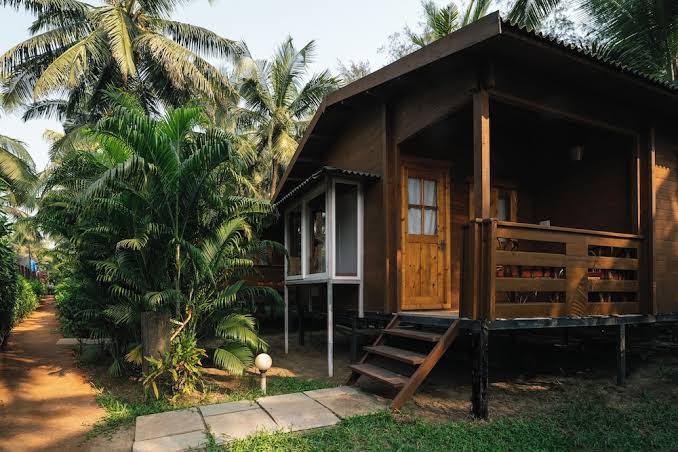
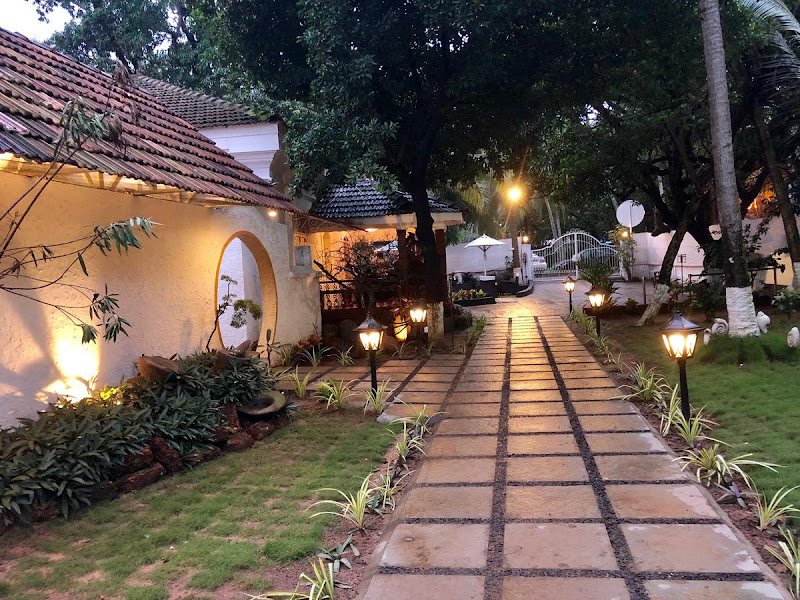
Ashwem caters to a discerning traveler. You won’t find many massive resorts here; instead, the focus is on boutique hotels, eco-resorts, and luxury wooden cottages.
- Luxury and Boutique:
- Palm Grove Beach Resort: Known for its minimalist aesthetic and beautiful wooden bungalows, it offers a tranquil escape right on the beach.
- L'Amore Beach Cottages: Offering stunning sea-view huts and a great beachfront restaurant, this is a popular choice for couples.
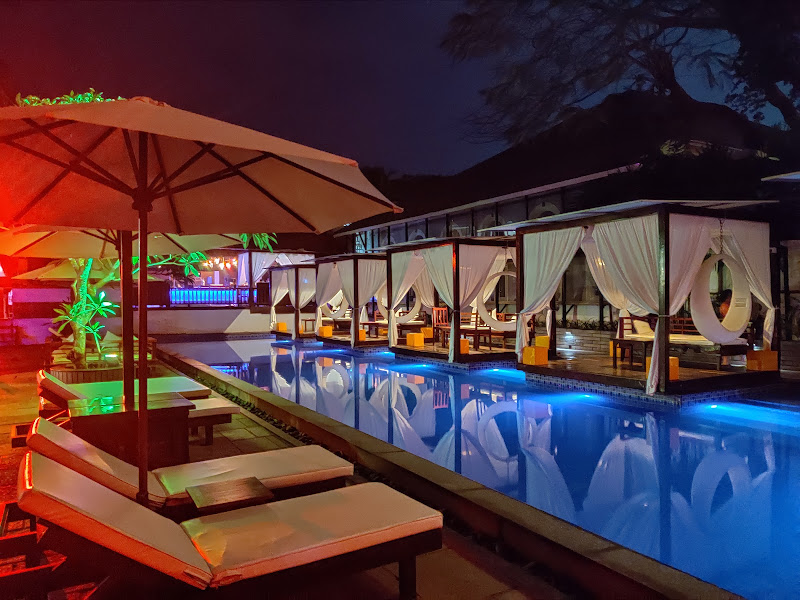
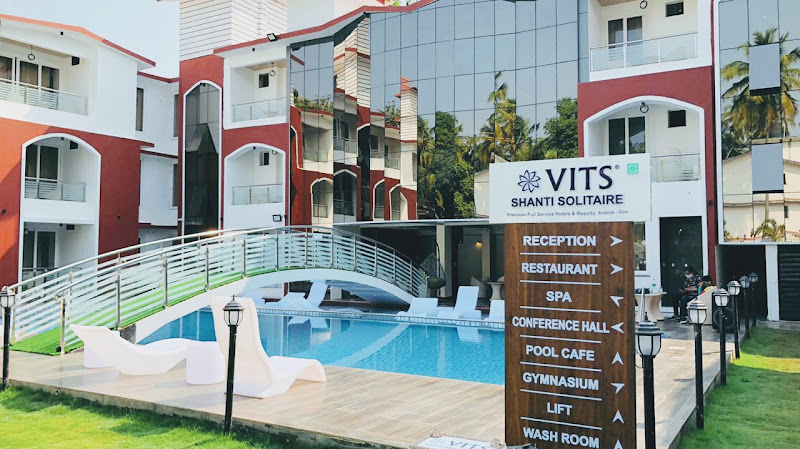
- Rococco Ashwem: A bit more modern, this hotel offers a pool and well-appointed rooms with great views of the ocean.
- Eco-Friendly and Wellness:
- Yab Yum Resort: Famous for its unique "dome" structures and "eco-pods," this resort is nestled in a lush coconut grove and focuses on sustainability and wellness.
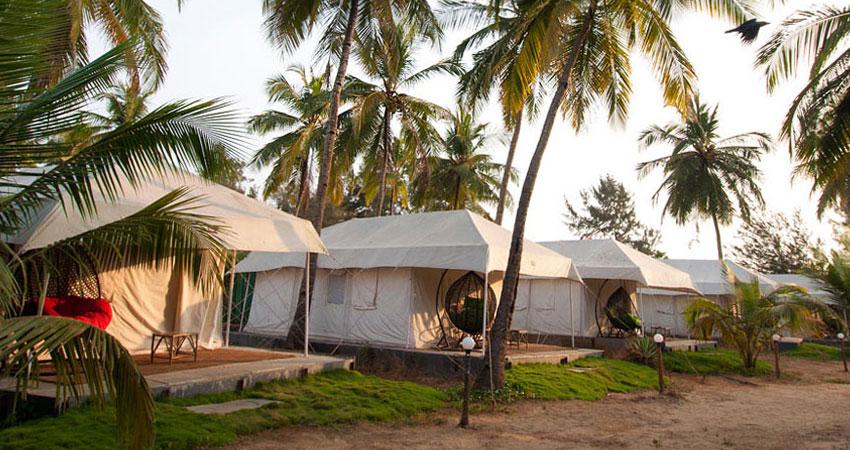
- Elsewhere: A very private and exclusive property located across a small creek, known for its restored ancestral houses and "Otter Creek" tents.
- Mid-Range and Budget:
- Mama Goa Resort: Offers comfortable wooden cottages and a friendly atmosphere at a more accessible price point.
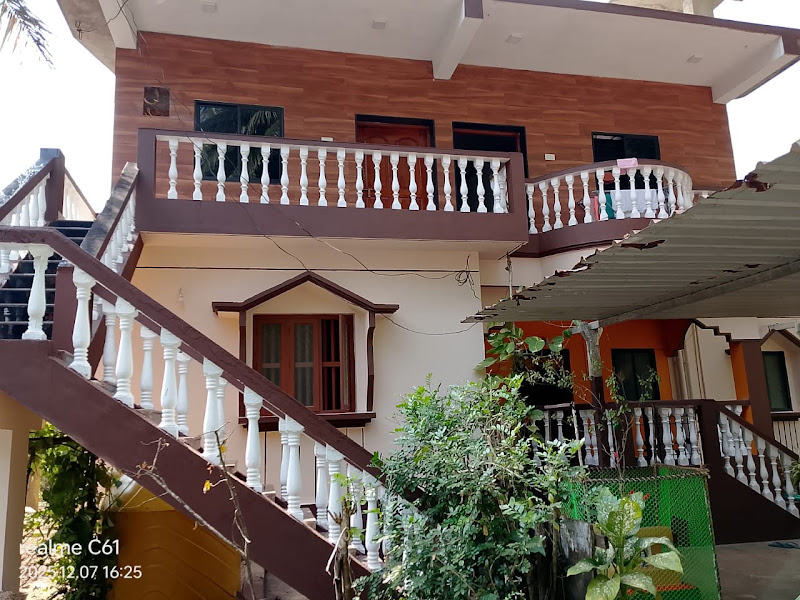
- Inland Guest Houses: If you move just 500 meters away from the beach toward the village road, you will find numerous family-run guest houses that offer clean rooms for long-term stays at a fraction of the beachfront prices.
Dining and Cafes
Ashwem is arguably the culinary capital of North Goa when it comes to international fusion and health-conscious dining. The food scene here is sophisticated, fresh, and often features incredible views.
- La Plage: This is an institution in Goa. Known for its world-class French-Goan fusion, the restaurant is set in a beautiful garden on the sand. Must-try dishes include the Beef Carpaccio with Parmesan, the Chocolate Thali for dessert, and their incredibly fresh seafood platters.
- Burger Factory: Located on the main road, this is widely considered to have the best gourmet burgers in the state. The rustic wooden decor and the variety of toppings (try the one with blue cheese and avocado) make it a must-visit.
- Elevar: A stylish beachfront restaurant that offers a more refined dining experience with a focus on Mediterranean and seafood dishes. It’s perfect for a romantic candlelit dinner.
- Silent Noise / Club Fresh: While Ashwem isn't a "party" beach, these venues occasionally host sophisticated sundowners and events featuring international DJs.
- Sky Bar: Great for cocktails and a bird's-eye view of the coastline.
- Local Shacks: Don't overlook the smaller shacks like Soma or Cafe Del Mar. They serve excellent Goan fish curry rice, calamari fry, and chilled beverages at more modest prices.
- Wellness Cafes: Many spots along Ashwem serve "Superfood" bowls, kombucha, and vegan treats, catering to the yoga-loving crowd. Look for signs for "Organic" or "Vegan" along the beach path.
Travel Tips for Ashwem Beach
To ensure your trip to Ashwem is seamless and respectful of the local culture and environment, keep these tips in mind:
- Carry Sufficient Cash: While many high-end restaurants and hotels accept cards or UPI, the network can be spotty. Small shacks and local transport providers often prefer cash. The nearest ATMs are in Mandrem or Siolim, and they often run out of cash during peak season.
- Respect the Turtles: If you are visiting during nesting season, avoid using flash photography or bright lights on the beach at night. Do not disturb any cordoned-off areas, as these contain vulnerable eggs.
- Rent a Scooter: The best way to explore the Pernem area is on a scooter. Expect to pay between ₹400 to ₹800 per day depending on the season. Always wear a helmet—the local police are quite strict on the Siolim-Chopdem route.
- Stay Hydrated: The Goan sun can be deceptive. Drink plenty of water and coconut water (available everywhere). Avoid swimming during the peak afternoon heat (12 PM to 3 PM).
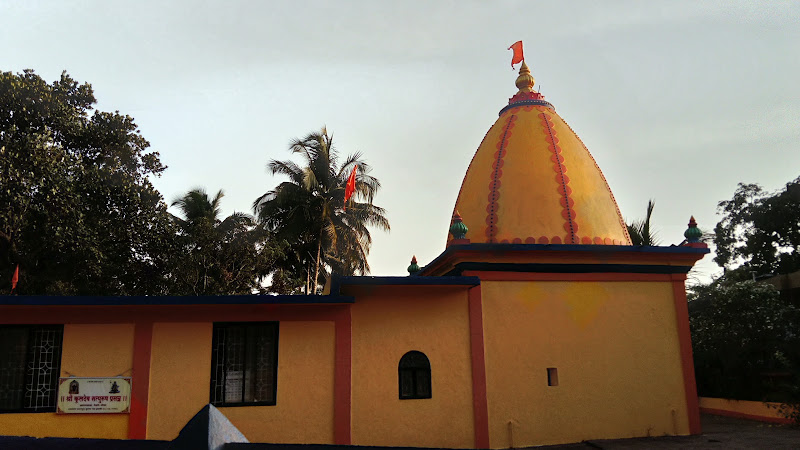
- Dress Appropriately: While swimwear is perfectly fine on the beach, Goa is still a traditional state. If you are heading into the village or visiting a local temple/church, please cover up with a sarong or t-shirt.
- Check Tide Timings: Ashwem is at its most beautiful during low tide when the beach expands and the tide pools appear. You can check tide charts online or ask your hotel staff.
- Book in Advance: During December and January, Ashwem gets very busy. Popular spots like La Plage may require a table reservation, and the best beachfront cottages sell out months in advance.
- Be Mindful of Waste: Ashwem prides itself on being cleaner than other beaches. Please do not leave plastic or glass bottles on the sand. Most shacks have bins; use them.
Conclusion
Ashwem Beach is a rare gem in the ever-evolving landscape of Goa. It manages to balance luxury with simplicity, and international sophistication with local tradition. It is a place that invites you to slow down, breathe in the salty air, and reconnect with nature. Whether you are spending your days learning to ride the waves, exploring the chic boutiques, or simply lounging with a book at La Plage, Ashwem promises an experience that is both rejuvenating and culturally rich.
As Goa continues to grow as a global tourist destination, places like Ashwem remind us of the importance of sustainable and mindful travel. By choosing to stay in eco-friendly resorts, respecting the local wildlife, and supporting local artisans, visitors can help ensure that Ashwem remains the pristine paradise it is today. If you are looking for the "real" North Goa—one that is quiet, stylish, and soul-stirring—make Ashwem your next destination. It is not just a beach; it is a state of mind.