Bagjuna Beach

Bagjuna Beach

4.8 2,518 Verified
North Goa

Overview

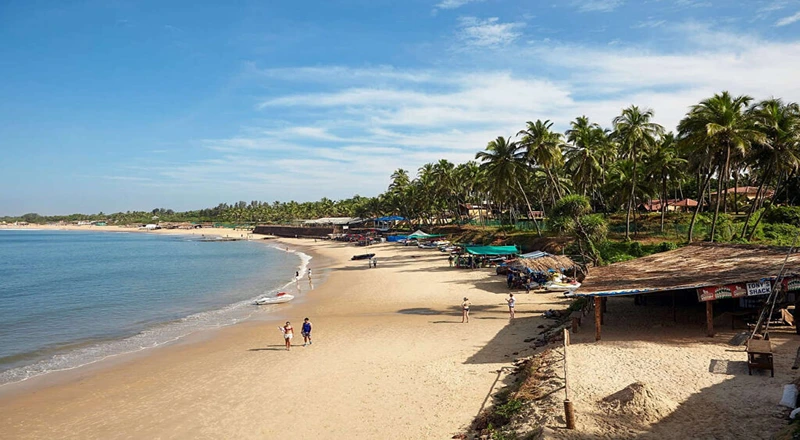
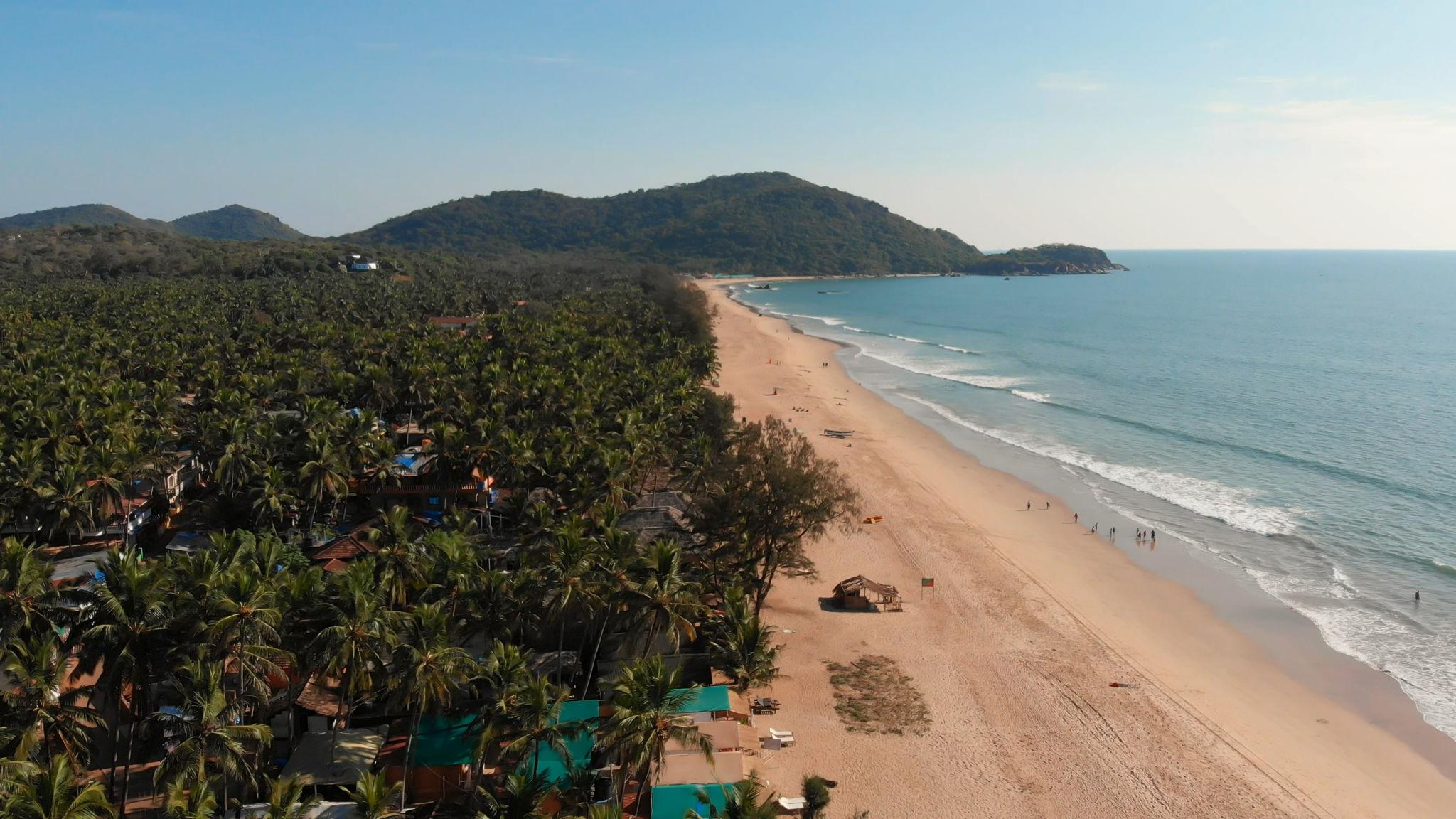
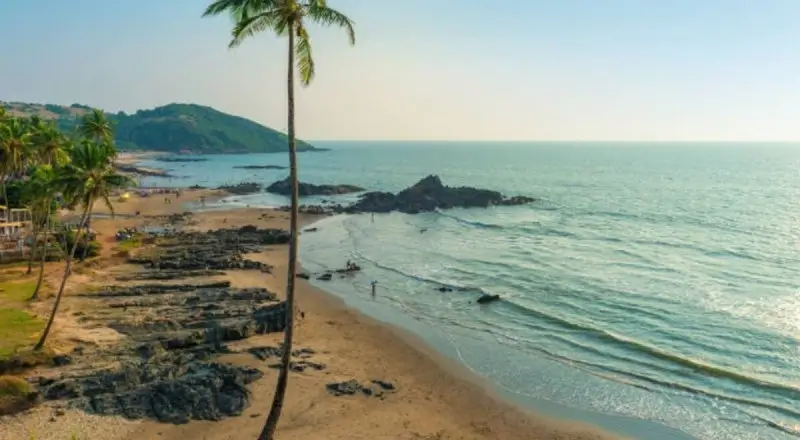
Nestled in the southernmost tip of Goa’s Canacona taluka lies a hidden sanctuary that remains largely absent from the standard tourist brochures: Bagjuna Beach. Often overshadowed by its more famous neighbors like Palolem and Agonda, or even its immediate siblings Talpona and Galgibaga, Bagjuna is the quintessential "secret beach" for those who seek absolute solitude. This coastal stretch is defined by its rugged beauty, characterized by dramatic rocky outcrops, golden sands, and a backdrop of dense coconut groves and cashew plantations. Unlike the commercialized hubs of North Goa, Bagjuna offers a glimpse into the "Susegad" lifestyle—a Portuguese-derived term reflecting a relaxed, laid-back attitude toward life that is synonymous with Goan culture.

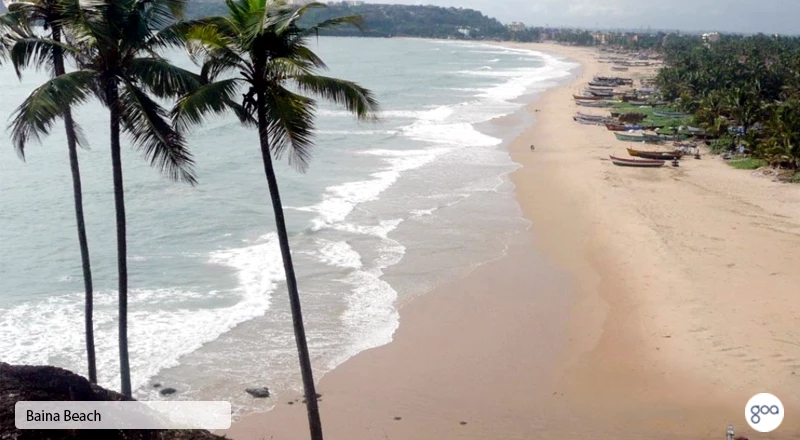
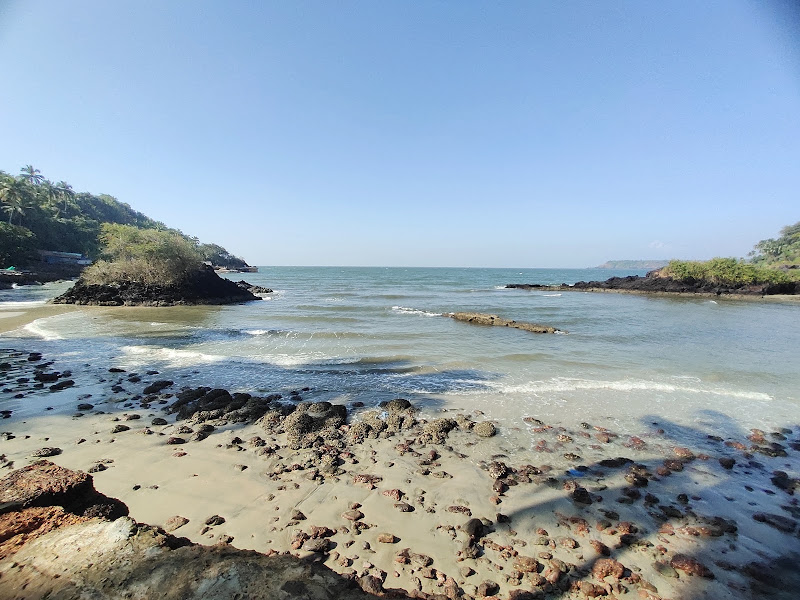
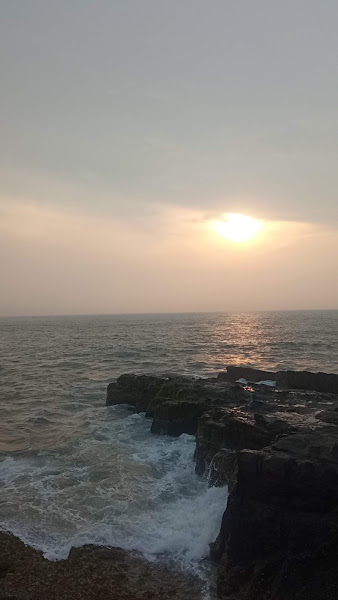
The geography of Bagjuna Beach is particularly striking. It is situated near the confluence where the Talpona River meets the Arabian Sea. This unique positioning creates a landscape of shifting sands and tidal pools. The northern end of the beach is marked by a rocky headland that separates it from Talpona Beach, while to the south, it transitions towards the turtle-nesting site of Galgibaga. Because of its secluded nature, Bagjuna has managed to preserve its pristine environment. There are no permanent concrete structures on the shoreline, and the soundscape is dominated by the rhythmic crashing of waves against the basalt rocks rather than the thumping bass of trance music. For the discerning traveler, Bagjuna is not just a destination; it is a retreat into nature's rawest form.

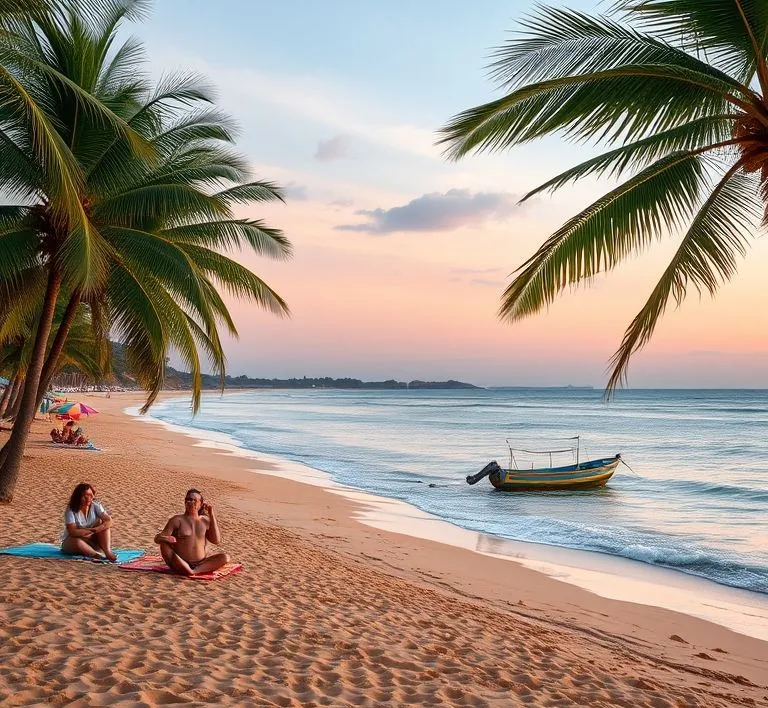
The charm of Bagjuna lies in its lack of "amenities." Here, you won't find rows of sunbeds or aggressive hawkers. Instead, you find pristine coastal ecology. The beach is a favorite among landscape photographers and writers looking for inspiration. The local community in the surrounding villages of Talpona and Poinguinim has been instrumental in keeping the area quiet, ensuring that the ecological balance remains undisturbed. Whether you are looking to meditate at sunrise, explore tidal pools filled with marine life, or simply watch the sun dip below the horizon in total silence, Bagjuna Beach is one of the few remaining places in Goa where you can truly feel like the only person on earth.

How to Reach Bagjuna Beach

Reaching Bagjuna Beach requires a bit of effort, which is precisely why it remains so peaceful. It is located in South Goa, approximately 75 kilometers from Panaji, the state capital, and about 95 kilometers from the Manohar International Airport (Mopa) in the north. However, the Dabolim Airport is closer, situated about 65 kilometers away. For those arriving by train, the nearest major railhead is Madgaon Junction (MAO), which is roughly 40 kilometers from the beach. There is also a smaller station at Canacona, just 10 kilometers away, which is convenient for local trains coming from Karwar or Madgaon.

If you are driving or riding a scooter—the preferred mode of transport in Goa—you will need to navigate through the scenic winding roads of Canacona. From the NH-66 highway, you take the turn towards Talpona. One of the most iconic landmarks on this route is the Sadolxem Bridge. This narrow, one-way bridge over the Talpona River is a marvel of local engineering and offers stunning views of the mangroves. Once you cross into Talpona, you follow the coastal road south. Bagjuna is essentially the southern extension of Talpona Beach. To reach the most secluded spots, you may need to park your vehicle near the Talpona river mouth and walk across the rocky clusters during low tide.

For those using public transport, Kadamba buses run frequently from Margao to Canacona (Chaudi). From the Chaudi bus stand, you can hire an auto-rickshaw or a yellow-black taxi to Bagjuna. However, be warned that finding a return taxi from Bagjuna can be difficult, so it is highly recommended to book a round trip or rent a private vehicle. Renting a scooter from Palolem or Patnem is the most flexible option, allowing you to explore the narrow lanes and hidden paths that lead to the shore. Ensure your GPS is set specifically for "Bagjuna Beach," but don't hesitate to ask locals for directions, as the small village roads can sometimes be confusing.

Best Time to Visit

Timing your visit to Bagjuna Beach is crucial to experiencing its true beauty. The peak season in Goa runs from November to February. During these months, the weather is idyllic, with daytime temperatures hovering around 28°C to 32°C and cool, breezy evenings. The sea is calm, making it safe for wading in the shallows, and the humidity is at its lowest. This is the best time for photography, as the sky remains a clear, vibrant blue, providing a sharp contrast to the golden sand and dark rocks.

The shoulder seasons of October and March/April are also excellent for those who want even more privacy. In October, the landscape is incredibly lush and green following the monsoon rains. The weather can be a bit humid, but the sight of the blooming flora around the Talpona river is worth it. By March, the heat starts to pick up, but the sea remains refreshing. This is a great time for birdwatchers, as many migratory species can still be spotted in the nearby mangroves and marshes.

The monsoon season (June to September) offers a different perspective of Bagjuna. While the sea is too rough for swimming and the beach may be mostly inaccessible due to high tides and heavy rains, the surrounding countryside turns into an emerald paradise. Many of the local shacks in nearby Talpona close down, and the beach becomes a wild, windswept landscape. If you enjoy the drama of the rain and don't mind the lack of tourist facilities, a visit during the monsoon can be deeply soul-stirring. However, for the standard beach experience, stick to the dry winter months.

Things to Do at Bagjuna Beach

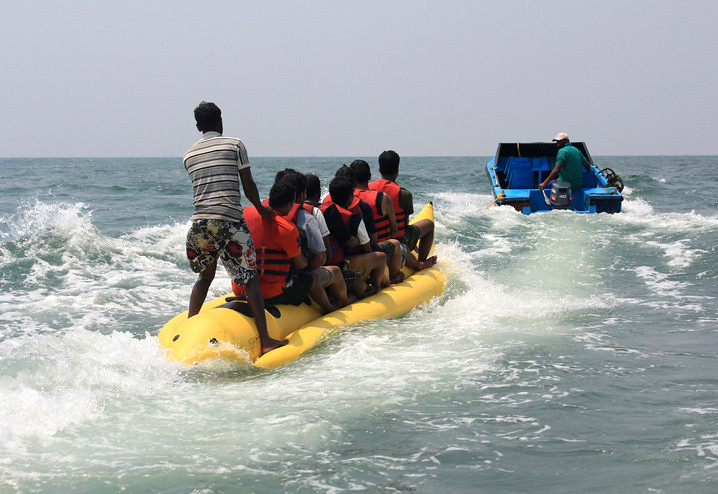
Bagjuna Beach is not a place for high-octane water sports or bustling night markets. Instead, the activities here are centered around nature and mindfulness. One of the most popular things to do is rock hopping and tide-pool exploration. The northern end of the beach is dotted with large basalt boulders. During low tide, these rocks trap small amounts of seawater, creating miniature ecosystems where you can spot crabs, small fish, sea anemones, and various types of mollusks. It is a fascinating experience for children and nature enthusiasts alike.

Photography is another major draw. The interplay of light on the rocks during the "golden hour" (just before sunset) is spectacular. Unlike the flat, sandy expanses of North Goa, the topographical variety at Bagjuna—the river mouth, the rocks, the casuarina trees—provides endless compositions for professional and amateur photographers. It is also an ideal spot for birdwatching. The proximity to the Talpona River means you can often see kingfishers, sea eagles, and even the occasional brahminy kite circling above the water looking for a catch.

For those who enjoy walking, a coastal trek from Bagjuna to Galgibaga is highly recommended. This walk takes you through the pine-fringed coastline and offers panoramic views of the Arabian Sea. Along the way, you can find small, unnamed coves where you can stop for a private swim. Yoga and meditation are also common sights here. The absolute silence, save for the natural sounds of the ocean, makes it one of the best spots in South Goa to practice mindfulness. Many visitors bring their own mats and spend the morning hours in deep contemplation, undisturbed by the world.

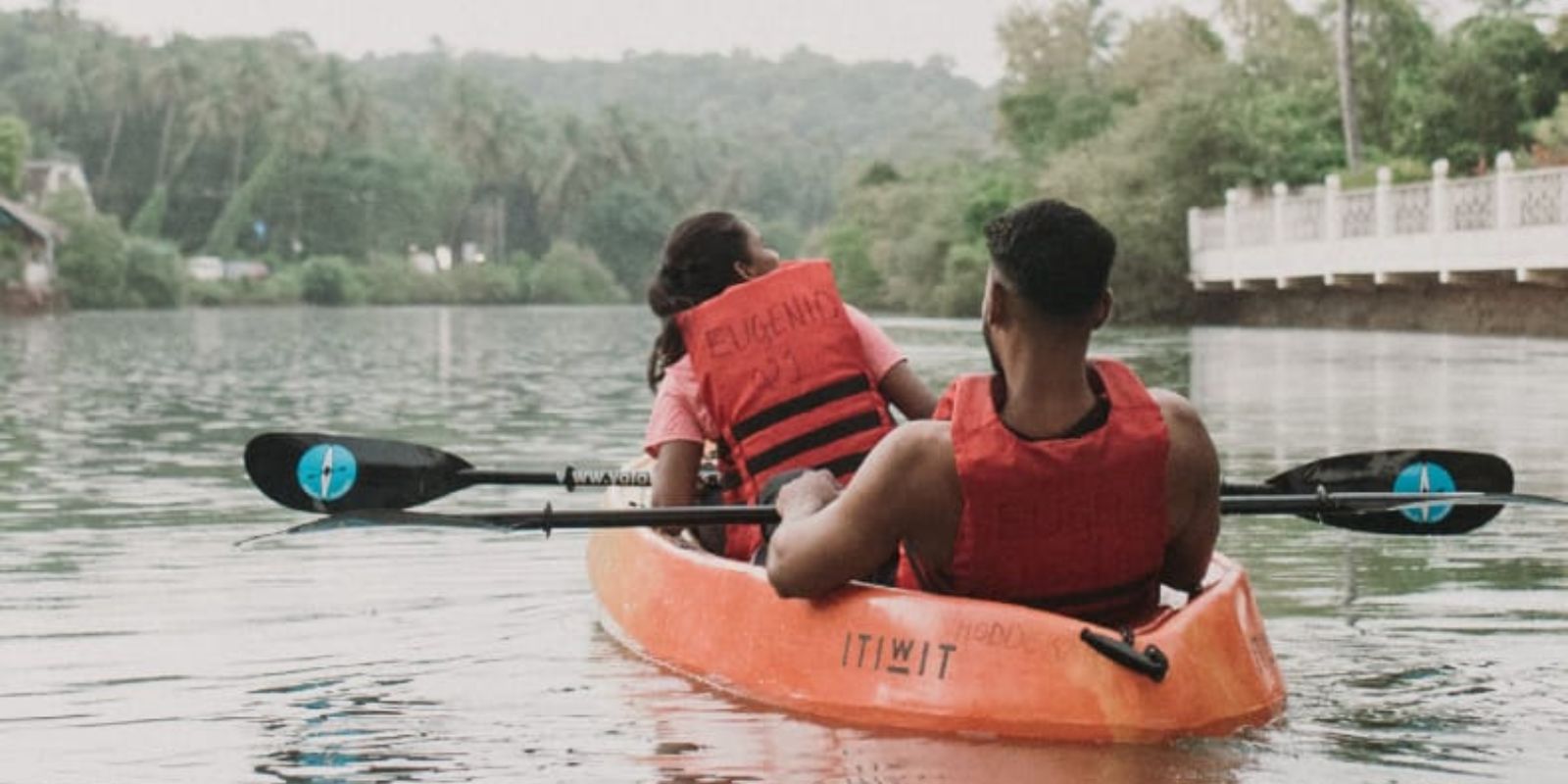
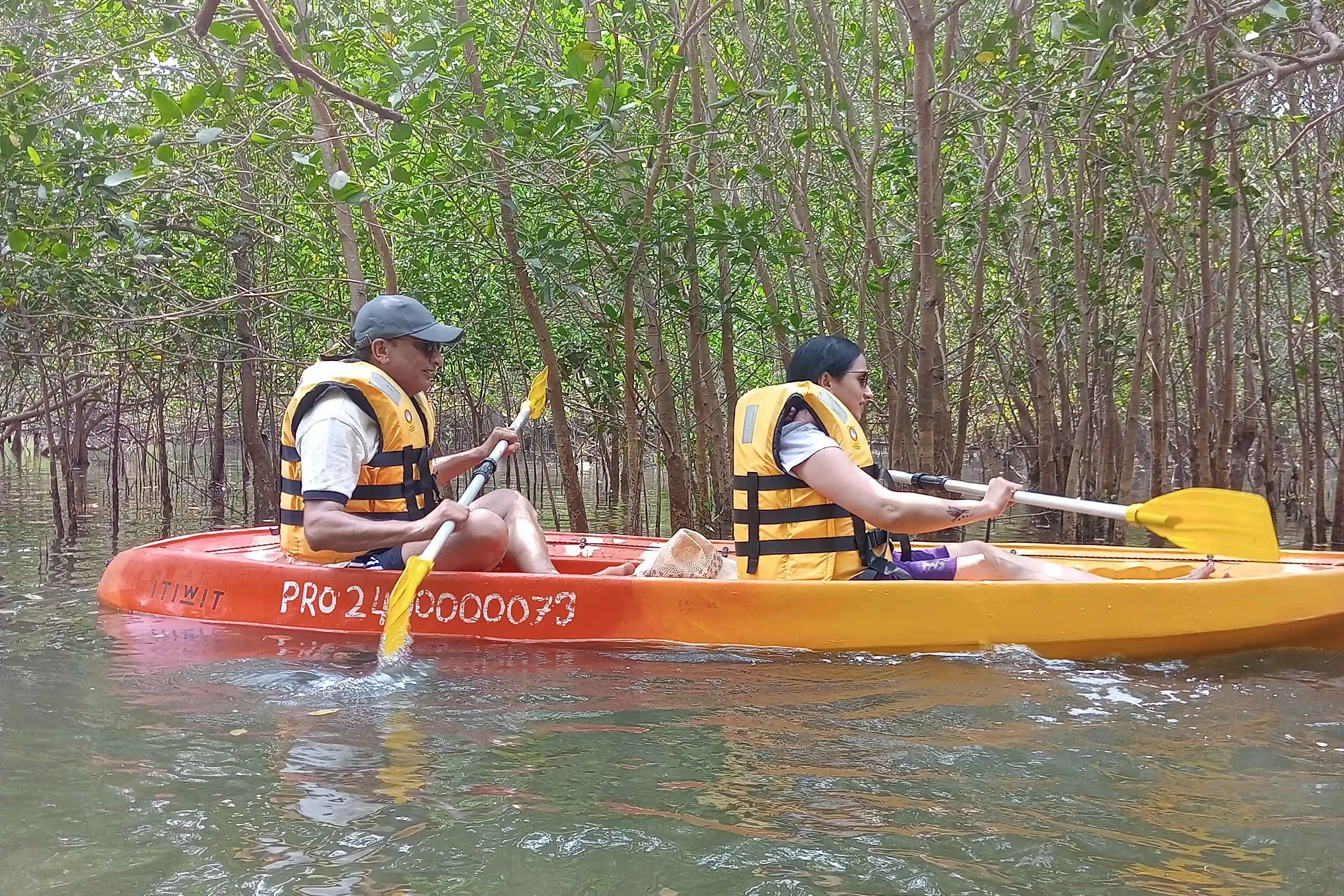
Lastly, fishing is a local pastime that visitors can participate in. You will often see local fishermen casting nets near the river mouth. If you strike up a conversation, they might even show you their techniques. While there are no organized boat tours departing directly from Bagjuna, you can easily arrange a backwater boat ride from the nearby Talpona jetty. These rides take you through the serene mangroves of the Talpona River, offering a glimpse into the rich biodiversity of the Goan hinterlands.

Nearby Attractions

While Bagjuna itself is a secluded retreat, it is surrounded by some of South Goa’s most interesting landmarks. Just a short walk or drive away is Galgibaga Beach, famous as one of the three designated nesting sites for the Olive Ridley Sea Turtles in Goa. If you visit between December and February, you might be lucky enough to see the nesting process or the hatchlings making their way to the sea under the supervision of forest department officials. Galgibaga is also known for its pristine pine forest and is often called "The cleanest beach in India."

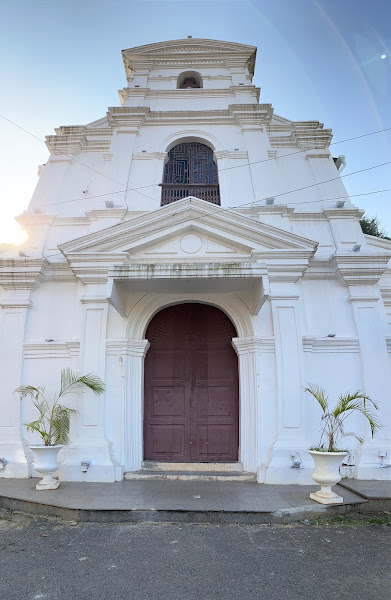
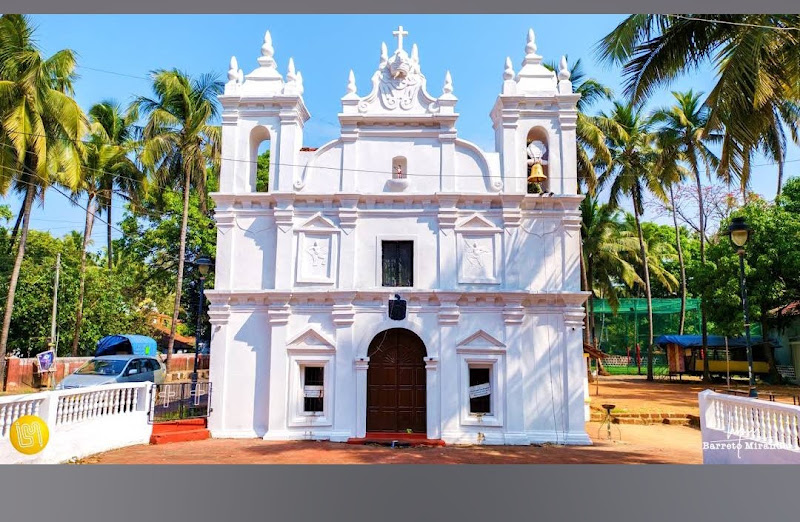
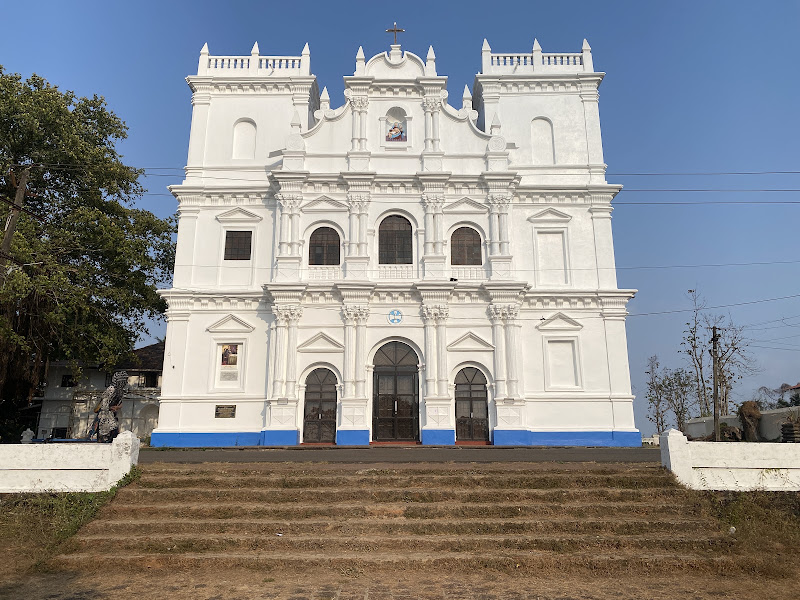
Another must-visit is the Sadolxem Bridge. This narrow, blue-painted bridge has become a social media sensation due to its picturesque setting over the Talpona River. It connects the villages of Canacona and provides a vital link for the locals. Nearby, the Sadolxem Church (Our Lady of Rosary) offers a peaceful atmosphere and classic Goan-Portuguese architecture. For those interested in spiritual heritage, the Partagali Math, a 500-year-old monastery located about 10 kilometers inland, is a significant site for the Goud Saraswat Brahmin community and houses an ancient Banyan tree that is centuries old.

For nature lovers, the Cotigao Wildlife Sanctuary is a short drive from Bagjuna. It is the second-largest wildlife sanctuary in Goa and is known for its multi-storied forest canopy. While big cats are rare, the sanctuary is home to flying squirrels, slender lorises, and a dizzying array of butterfly species. The observation deck near the watering hole is a great spot to sit quietly and wait for wildlife to appear. If you are looking for a bit more "action," the vibrant Palolem Beach is about 15-20 minutes away, offering kayaking, dolphin spotting tours, and a plethora of boutiques and cafes.

Accommodation Options

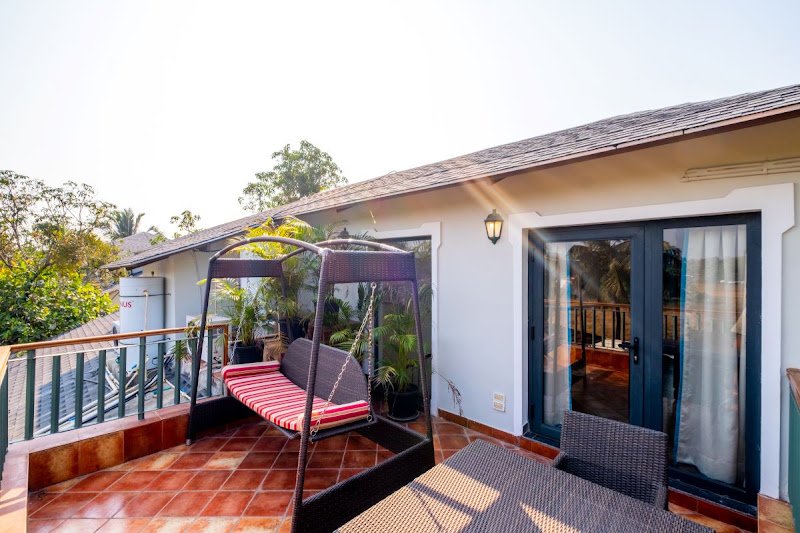
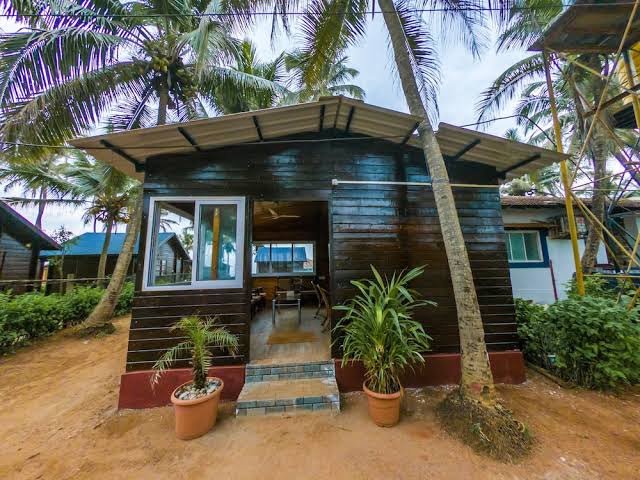
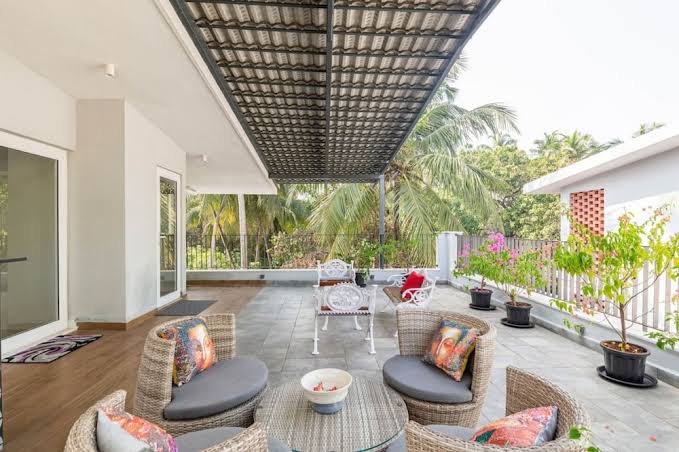
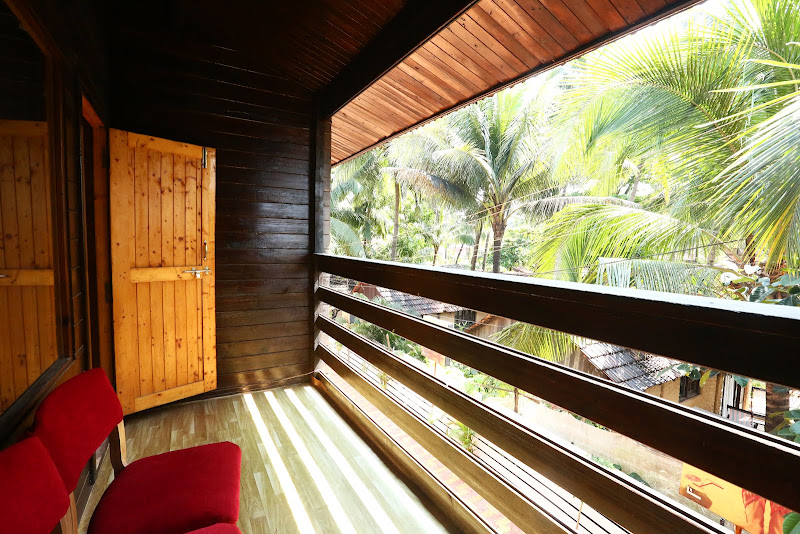
Because Bagjuna Beach is an ecologically sensitive area, there are no large resorts or hotels directly on the sand. This is a blessing for those seeking an authentic experience. Most visitors choose to stay in Talpona or Galgibaga, where there are several charming boutique options. Peace Garden in Talpona is a popular choice, offering eco-friendly wooden huts and a relaxed atmosphere. For a more upscale experience, The LaLiT Golf & Spa Resort is located just across the Talpona River at Rajbagh, offering world-class luxury and a private 9-hole golf course.

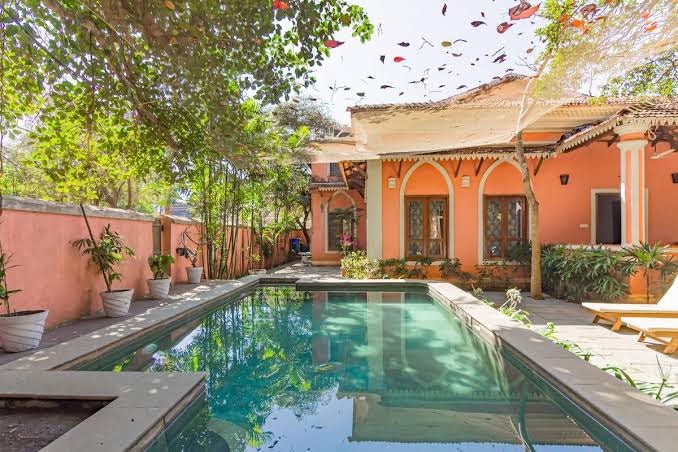
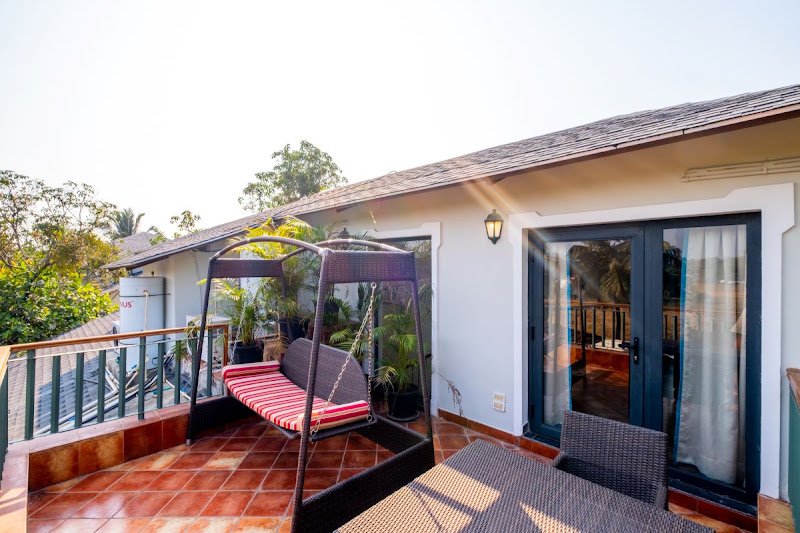
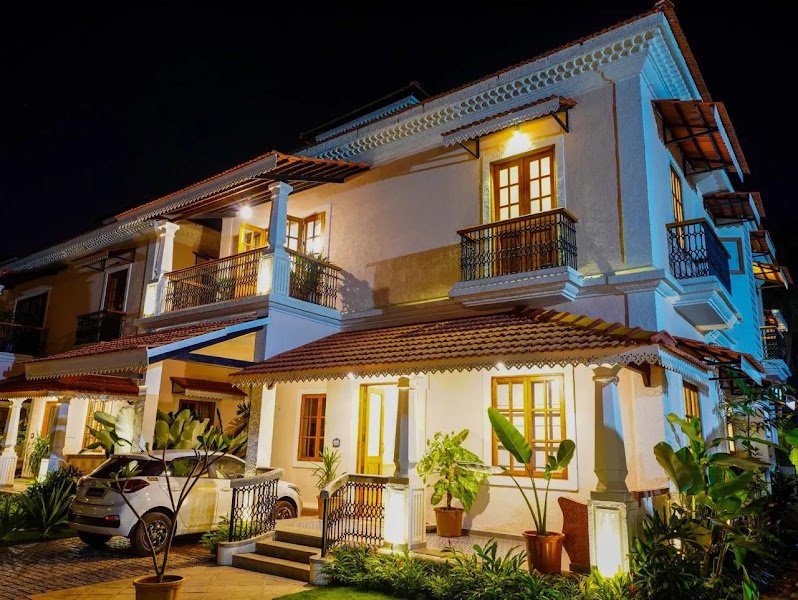
For budget travelers and long-term stayers, homestays in the village of Poinguinim or near the Talpona riverfront are the best bet. These homestays allow you to live like a local, often with home-cooked Goan meals included. Many of these properties are traditional Goan houses with red-tiled roofs and large balcãos (porches). Staying here provides a unique insight into the local culture and the slow pace of life in South Goa. You can find several listings on platforms like Airbnb or by simply riding around the village and looking for "Room for Rent" signs.

If you prefer a more "hippie-chic" vibe, you can stay in Patnem or Palolem and make Bagjuna a day-trip destination. Patnem has several beach hut resorts like Turtle Hill or Bhakti Kutir, which focus on wellness and sustainability. However, if your goal is to wake up to the sound of the waves at Bagjuna, look for the small, seasonal shacks at the far end of Talpona Beach. These are usually basic but offer an unparalleled connection to the ocean. Always remember to book in advance during the peak season (December and January), as the limited number of rooms fills up quickly.

Dining and Cafes

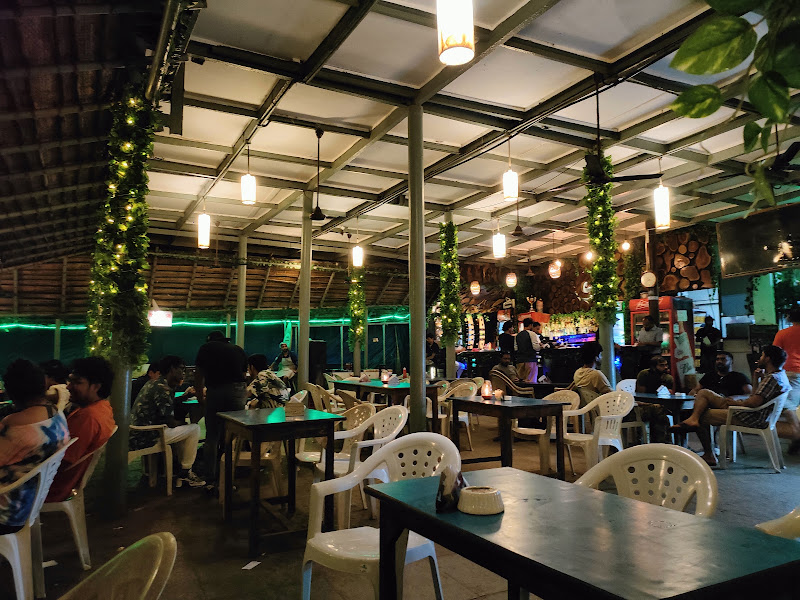
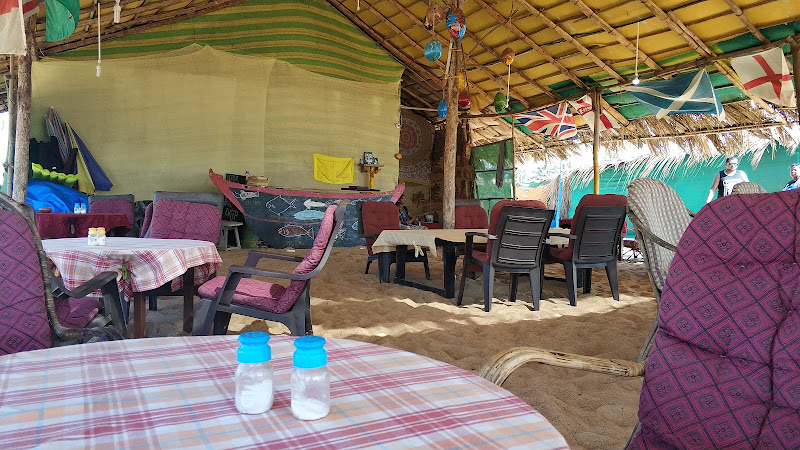
Dining near Bagjuna Beach is an exercise in enjoying fresh, local seafood. While Bagjuna itself doesn't have permanent cafes, the adjacent Talpona Beach has a few gems. Surya’s Beach Cafe is a legendary spot in this area, known for its incredible Fish Thali and butter-garlic calamari. Sitting under the shade of the trees with your feet in the sand, enjoying a chilled Kings Beer (a local Goan favorite) and fresh seafood, is the quintessential Bagjuna experience. Another great option is Deepiksha Resto Bar, which serves authentic Goan-Catholic cuisine, including pork vindaloo and prawn balchão.

For those who crave international flavors, a short trip to Patnem will open up a world of culinary options. Home in Patnem is famous for its organic breakfast and European-style dishes. Vegan Vibes is another excellent choice for health-conscious travelers. However, staying close to Bagjuna means you should definitely try the local Xacuti (a spicy coconut-based curry) and Sannas (steamed rice cakes). The small tavernas in the village of Poinguinim are the best places to find these authentic dishes at very reasonable prices.

If you are looking for a romantic dinner setting, the Riverside restaurant at The LaLiT is spectacular, offering fine dining with views of the river meeting the sea. For a more casual evening, you can head to Galgibaga and dine at Santosh Family Restaurant, which is widely regarded as one of the best places for fresh oysters and clams in South Goa. The seafood here is often caught the same morning by local fishermen, ensuring the highest quality. Don't forget to try the local Feni, a potent spirit made from cashew apples or coconut, which is a staple of Goan social life.

Travel Tips for Bagjuna Beach

  • Carry Cash: Most small shacks and local transport providers in the Bagjuna and Talpona area do not accept credit cards or digital payments. The nearest ATMs are in Chaudi (Canacona), so withdraw enough cash beforehand.
  • Safety First: The currents near the Talpona river mouth can be quite strong, especially during tide changes. Avoid swimming too far out, and be cautious when walking on the rocks as they can be extremely slippery.
  • Respect the Environment: Bagjuna is a pristine beach. Please carry all your trash back with you. Avoid using plastic and be mindful of the local flora and fauna. If you see turtle tracks, do not disturb them.
  • Connectivity: Mobile network coverage (especially 4G/5G) can be spotty at Bagjuna. It’s a great place to unplug, but if you need GPS to get back, download offline maps of the South Goa region.
  • Pack Essentials: There are no shops on Bagjuna Beach. Carry your own water, sunscreen, hats, and a basic first-aid kit. If you plan to stay for sunset, carry a flashlight for the walk back to your vehicle.
  • Rent a Vehicle: Having your own scooter or car is almost essential here. It gives you the freedom to explore the nearby villages and beaches without relying on expensive and hard-to-find taxis.
  • Dress Modestly in Villages: While swimwear is perfectly fine on the beach, when walking through the local villages of Talpona or Poinguinim, it is respectful to cover up. Goan villagers are conservative and appreciate visitors who respect their culture.
  • Check Tide Timings: To see the best of the rock formations and tide pools, plan your visit during low tide. You can check tide charts online or ask locals at the nearby shacks.

Conclusion

Bagjuna Beach is a rare jewel in the crown of Goa. It represents a side of the state that many fear is disappearing—a place of quiet beauty, ecological integrity, and genuine tranquility. It is not a destination for everyone; those seeking parties, luxury shopping, or high-speed internet will likely find it too quiet. However, for the traveler who values the sound of the wind through the casuarina trees, the sight of a clear starry sky, and the feeling of soft sand between their toes without another soul in sight, Bagjuna is paradise found.

As tourism in Goa continues to evolve, places like Bagjuna serve as a reminder of the importance of sustainable and mindful travel. By visiting this beach, you are stepping into a delicate ecosystem that requires respect and care. Whether you spend your day exploring the rocky headlands, enjoying a simple meal at a village shack, or trekking to the turtle sands of Galgibaga, Bagjuna offers a sense of peace that stays with you long after the sand has been washed from your shoes. It is, quite simply, South Goa at its most authentic and enchanting. Plan your visit with an open heart and a slow pace, and let the magic of Bagjuna Beach unfold at its own rhythm.

Common Questions

What is the best time to visit Bagjuna Beach?
The best time to visit Bagjuna Beach is from November to February when the weather is pleasant. This is a tiny, hidden beach near Arambol, accessible only by foot.
How do I get to Bagjuna Beach?
Bagjuna Beach is located north of Arambol. You can reach by walking from Arambol Beach along the coastline. It's a bit of a trek over rocks.
What are the popular things to do at Bagjuna Beach?
Popular activities include sunbathing, swimming in calm coves, and enjoying the secluded atmosphere. It's a nudist-friendly spot unofficially.
Are there accommodations near Bagjuna Beach?
No accommodations directly on the beach. Stay in Arambol, which has many guesthouses and huts.
Is Bagjuna Beach safe for swimming?
Swimming is possible in calm conditions, but no lifeguards. Always check tides and currents.
Why is Bagjuna Beach a hidden gem?
Bagjuna Beach is a hidden gem because it is small, difficult to access, and not listed on tourist maps. It offers complete privacy and natural beauty.

User Reviews

4.8
2518 Reviews
5
85%
4
10%
3
3%
2
1%
1
1%

Login to post a review

Join the community to share your beach experiences.

Login / Sign Up

Location Details

Address
Anjuna, North Goa
Best Time
All Year Round

Plan Together

Share this beach guide with your travel group on WhatsApp!

Share Now