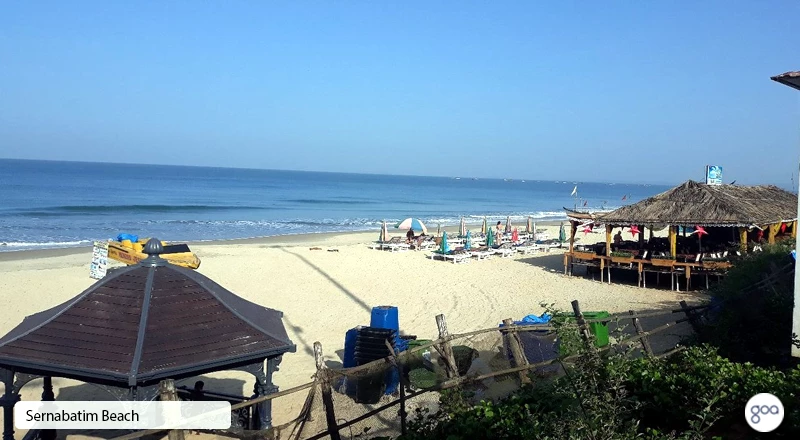
Sernabatim Beach is often described as the quieter, more sophisticated sibling of the world-famous Colva Beach. Located in the Salcete taluka of South Goa, this pristine stretch of coastline serves as a sanctuary for those looking to escape the boisterous crowds of North Goa. While North Goa is synonymous with neon lights and thumping basslines, Sernabatim is defined by the rhythmic sound of the Arabian Sea and the gentle rustle of towering coconut palms. It is a place where time seems to slow down, embodying the authentic Goan spirit of "Susegad"—a relaxed, laid-back attitude toward life.
The beach itself is characterized by its expansive shoreline of soft, silvery-white sand that feels like powdered sugar underfoot. Unlike the golden sands found further north, the sand here has a unique reflective quality, making the beach appear almost ethereal during the midday sun. Sernabatim acts as a geographical bridge between the bustling Colva to its north and the tranquil Benaulim to its south. Despite its proximity to these popular hubs, it manages to maintain an air of exclusivity and peace. It is one of the cleanest beaches in the state, largely because it remains off the primary radar of mass commercial tourism.
For the discerning traveler, Sernabatim offers a sensory feast. As you walk along the shore, you are likely to see traditional Goan fishing boats, known as rampons, resting on the sand, while local fishermen mend their nets nearby. The horizon is an endless blue, broken only by the occasional silhouette of a dolphin breaking the surface. The lack of heavy commercialization means there are fewer hawkers, allowing for uninterrupted relaxation. Whether you are a solo traveler seeking introspection, a couple looking for a romantic sunset spot, or a family wanting a safe and quiet environment for children to play, Sernabatim Beach provides the perfect backdrop.
The hinterland of Sernabatim is equally charming. It is dotted with traditional Indo-Portuguese villas, painted in vibrant hues of ochre, indigo, and terracotta, many of which have been converted into boutique homestays. The narrow lanes leading to the beach are flanked by lush green paddy fields and salt pans, offering a glimpse into the traditional agrarian lifestyle that still thrives in South Goa. Sernabatim is not just a destination; it is an experience that captures the soulful essence of the coastal tropics.
Reaching Sernabatim Beach is relatively straightforward, thanks to Goa’s well-established transport network. However, because it is tucked away from the main highway, knowing the specific routes can save you time and money. Sernabatim is located approximately 27 kilometers from the Dabolim Airport and about 35 kilometers from the newer Manohar International Airport (Mopa) in North Goa. Most international and domestic travelers arriving at Dabolim find it much more convenient to reach the South.
By Air: Upon landing at Dabolim Airport, the most efficient way to reach Sernabatim is by hiring a pre-paid taxi from the official counter located just outside the arrivals hall. The drive takes about 45 to 60 minutes, depending on traffic. If you are arriving at Mopa Airport, be prepared for a longer journey of approximately 1.5 to 2 hours. While taxis are readily available, they can be expensive, so it is often better to book a private transfer through your resort.
By Rail: The nearest major railway station is Madgaon Junction (MAO), which is just 6 to 7 kilometers away. Madgaon is a primary stop for major trains like the Rajdhani Express and Mandovi Express. From the station, you can take an auto-rickshaw or a taxi. The ride to Sernabatim takes roughly 15 to 20 minutes. There is also a smaller station at Suravali, but it is primarily for local passenger trains and may not be convenient for those carrying heavy luggage.
By Road: If you are traveling from within Goa or from neighboring states like Maharashtra or Karnataka, Sernabatim is well-connected via the NH66. If you are coming from Panjim (the capital), the distance is about 35 kilometers. You can take a Kadamba Transport Corporation (KTC) bus to Margao and then switch to a local bus heading towards Colva or Benaulim. From the Colva bus stand, a short rickshaw ride or a 15-minute walk along the beach will bring you to Sernabatim.
Local Transport: For those who prefer independence, renting a scooter or a "pilot" (motorcycle taxi) is the quintessential Goan way to travel. Scooters can be rented for approximately ₹400 to ₹600 per day. The roads leading to Sernabatim are scenic and relatively flat, making it an easy ride even for those who aren't seasoned riders. Car rentals are also available, but the narrow village roads can sometimes make parking a challenge.
The timing of your visit to Sernabatim Beach can significantly alter your experience. Like most of coastal India, Goa experiences a tropical climate with three distinct seasons: summer, monsoon, and winter.
The Peak Season (November to February): This is undoubtedly the best time to visit Sernabatim. The weather is pleasant, with daytime temperatures hovering around 28°C to 30°C and cool evening breezes. The humidity is at its lowest, making it ideal for long beach walks and outdoor activities. During this time, all the beach shacks are fully operational, and the sea is calm and safe for swimming. December is particularly festive, with Christmas and New Year celebrations bringing a gentle buzz to the area, though Sernabatim remains much quieter than the party hubs of the North.
The Shoulder Season (October and March): These months offer a great balance for travelers who want to avoid the peak season crowds while still enjoying good weather. In October, the landscape is incredibly lush and green following the monsoons, though some shacks might still be in the process of setting up. March marks the beginning of the heat, but the sea remains refreshing. Prices for accommodation are often lower during these months, providing excellent value for money.
The Monsoon Season (June to September): If you are a fan of dramatic landscapes and solitude, the monsoon might appeal to you. Goa transforms into a verdant paradise during the rains. However, Sernabatim Beach takes on a different character. The sea becomes rough and dangerous for swimming, and most beach shacks are dismantled per government regulations. Many water sports and boat trips are suspended. While the beach itself might not be the primary draw, the inland beauty of Sernabatim—with its overflowing streams and vibrant flora—is breathtaking. This is the "off-season," where you can find luxury resorts at a fraction of their usual cost.
The Summer Months (April to May): These are the hottest months, with temperatures often climbing above 35°C and high humidity levels. While the mornings and late evenings are pleasant, the midday sun can be punishing. This is a quiet time at Sernabatim, favored by budget travelers and those who don't mind the heat. It is the perfect time for indoor spa treatments and enjoying the pool facilities at the local resorts.
Sernabatim Beach is a haven for those who appreciate the finer, quieter things in life. While it doesn't offer the high-octane nightlife of Baga or Anjuna, it provides a wealth of soulful activities that rejuvenate the mind and body.
One of the advantages of staying at Sernabatim Beach is its central location in South Goa, providing easy access to several cultural and natural landmarks.
Sernabatim caters to a variety of budgets, though it is particularly well-known for its boutique resorts and mid-range hotels that emphasize comfort and tranquility.
Luxury and Boutique Resorts: For those seeking a pampering experience, Baywatch Resort and Nanu Resort are popular choices. These properties offer well-appointed rooms, swimming pools, multi-cuisine restaurants, and spa facilities. They are located just a stone's throw from the beach, making them ideal for families and honeymooners.
Mid-Range Hotels: There are several hotels like Cygnet Inn that provide modern amenities at a reasonable price point. These are often preferred by business travelers or those who want a comfortable base while they explore South Goa during the day.
Guesthouses and Homestays: To truly experience Goan hospitality, consider staying in one of the many family-run guesthouses. Places like Furtado’s Guest House (located on the border of Colva and Sernabatim) offer basic but clean rooms with a very friendly atmosphere. Homestays often allow you to interact with locals and enjoy home-cooked Goan meals.
Villas and Apartments: For long-term stays, there are several gated communities and private villas available for rent. These often come with kitchenettes, allowing guests to shop at the local Margao market and cook their own meals, which is a great way to save money and live like a local.
The culinary scene at Sernabatim Beach is a delightful mix of traditional Goan flavors and international favorites. The beach shacks are the stars of the show, offering "feet-in-the-sand" dining experiences.
To ensure you have a seamless and enjoyable trip to Sernabatim Beach, keep these practical tips in mind:
Sernabatim Beach is a rare gem in the ever-evolving landscape of Goa. It manages to offer the perfect blend of modern comfort and raw, natural beauty without succumbing to the pressures of over-tourism. It is a place that invites you to disconnect from the digital world and reconnect with yourself. Whether you are watching the local fishermen bring in their daily catch, enjoying a spicy Goan curry as the sun dips below the horizon, or simply listening to the waves from the porch of a colonial villa, Sernabatim leaves an indelible mark on your soul.
For those who have seen the crowded shores of North Goa and are looking for a deeper, more meaningful coastal experience, Sernabatim is the answer. It represents the "Golden Goa" of the past—clean, quiet, and incredibly welcoming. As you plan your Goan itinerary, make sure to carve out a few days for this tranquil haven. You will leave not just with a tan, but with a sense of peace that only South Goa can provide. Sernabatim Beach isn't just a location on a map; it is a state of mind that celebrates the beauty of simplicity.