Nestled away from the raucous party circuits of Baga and Anjuna, Cacra Beach remains one of Goa’s best-kept secrets. Located in the heart of Central Goa, near the village of Bambolim and the bustling capital of Panjim, this beach is less of a tourist destination and more of an intimate glimpse into the traditional Goan way of life. Cacra is primarily a fishing village beach, where the rhythm of the day is dictated by the tides and the haul of the nets rather than the beat of electronic dance music. It sits gracefully on the banks of the Zuari River estuary, offering a panoramic view of the Mormugao harbor and the vast Arabian Sea.
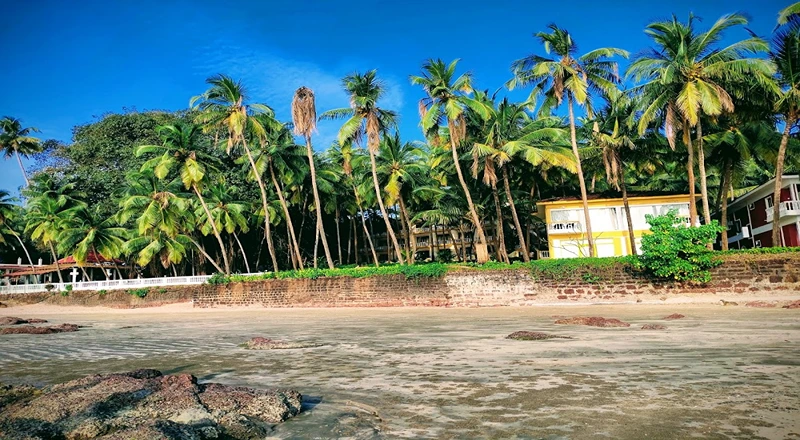
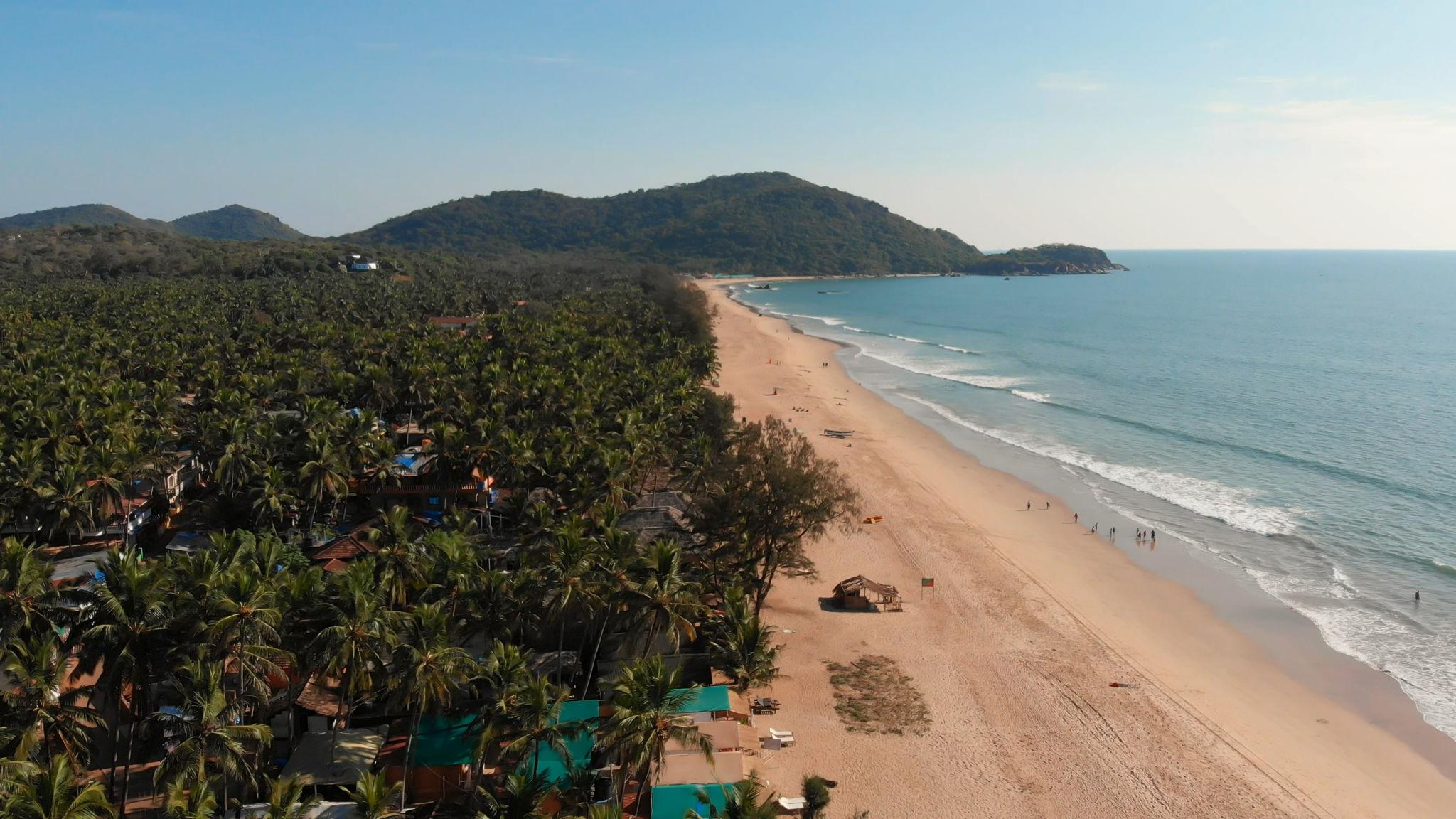
The geography of Cacra Beach is distinct. Unlike the long, sweeping sandy stretches of South Goa, Cacra is characterized by its rocky outcrops, pebble-strewn shores, and a narrow strip of golden sand that disappears during high tide. The beach is flanked by lush green hillocks and coconut groves, creating a secluded cove-like atmosphere. For the discerning traveler, Cacra offers a sense of "Old Goa"—a time before the commercial boom, where the air smells of salt and drying fish, and the only sounds are the gentle lapping of waves and the occasional call of a sea eagle.
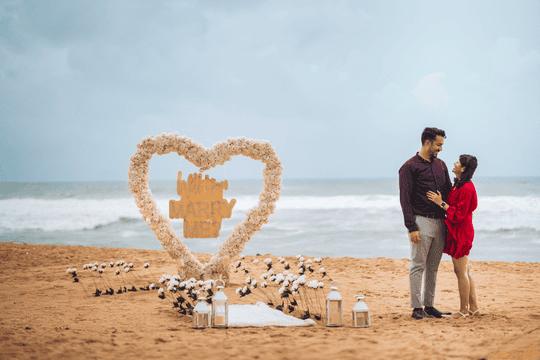
What makes Cacra truly special is its authenticity. The local Kharvi community (traditional fishermen) has lived here for generations. As you walk along the shore, you will see colorful outrigger boats (ramponns) lined up on the sand, weathered nets being mended under the shade of palm trees, and children playing near the water's edge. It is a place for slow travel, introspection, and photography. Whether you are a solo traveler looking for solitude or a couple seeking a quiet sunset spot away from the crowds, Cacra Beach provides a serene sanctuary that feels worlds apart from the typical Goan holiday brochure.
Reaching Cacra Beach requires a bit of navigation, as it is tucked away behind the Goa University campus and the residential areas of Bambolim. However, its proximity to Panjim makes it easily accessible if you know the route.
The experience of Cacra Beach changes significantly with the seasons, making it important to time your visit based on what you want to experience.
The Winter Season (November to February): This is the peak time to visit Goa and Cacra Beach. The weather is pleasant, with temperatures ranging from 20°C to 30°C. The skies are clear blue, and the humidity is at its lowest. This is the best time for photography, long walks, and exploring the nearby trails. The sea is calm, allowing the fishermen to go out daily, providing ample opportunity to observe the local fishing culture.
The Summer Season (March to May): Summers in Goa can be hot and humid, with temperatures touching 35°C. However, Cacra remains breezy due to its coastal location. If you visit during this time, it is best to head to the beach in the early mornings or late evenings. The sunsets during summer are particularly vibrant, casting deep orange and purple hues over the Zuari estuary.
The Monsoon Season (June to October): The monsoons transform Cacra into a lush, emerald paradise. The surrounding hills turn vibrant green, and the air is incredibly fresh. While the sea is too rough for swimming or fishing trips, the sight of the rain clouds rolling in over the Mormugao Port is dramatic. It is a great time for writers and artists seeking inspiration, though you should be prepared for heavy downpours and limited outdoor activity.
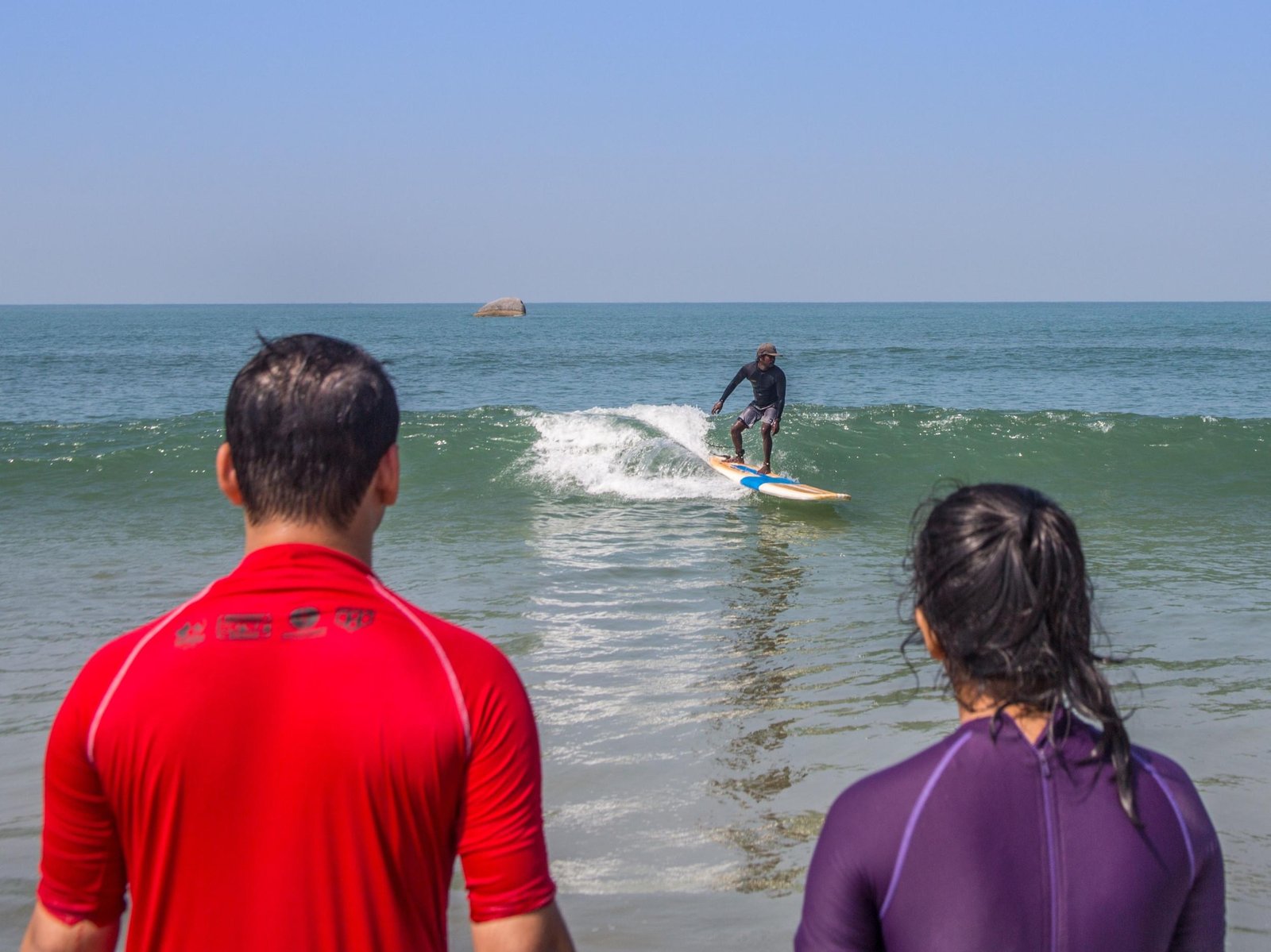
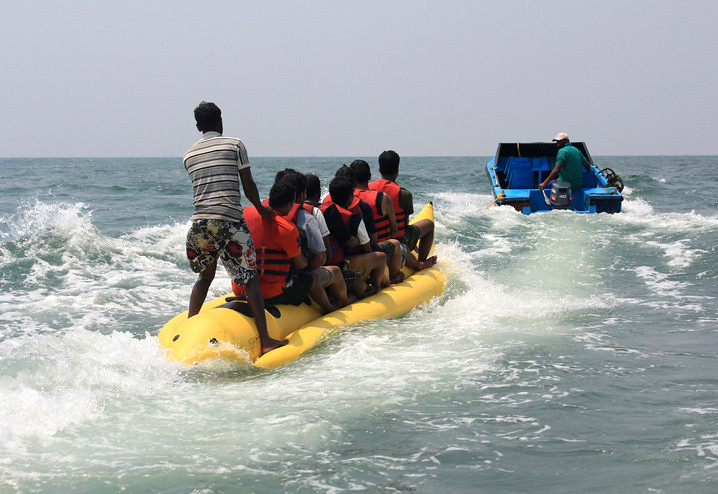
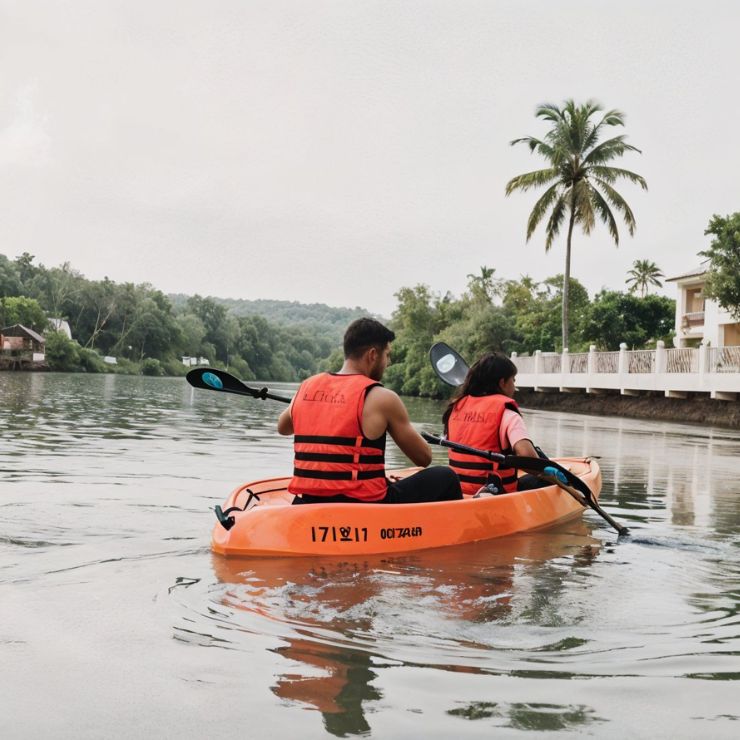
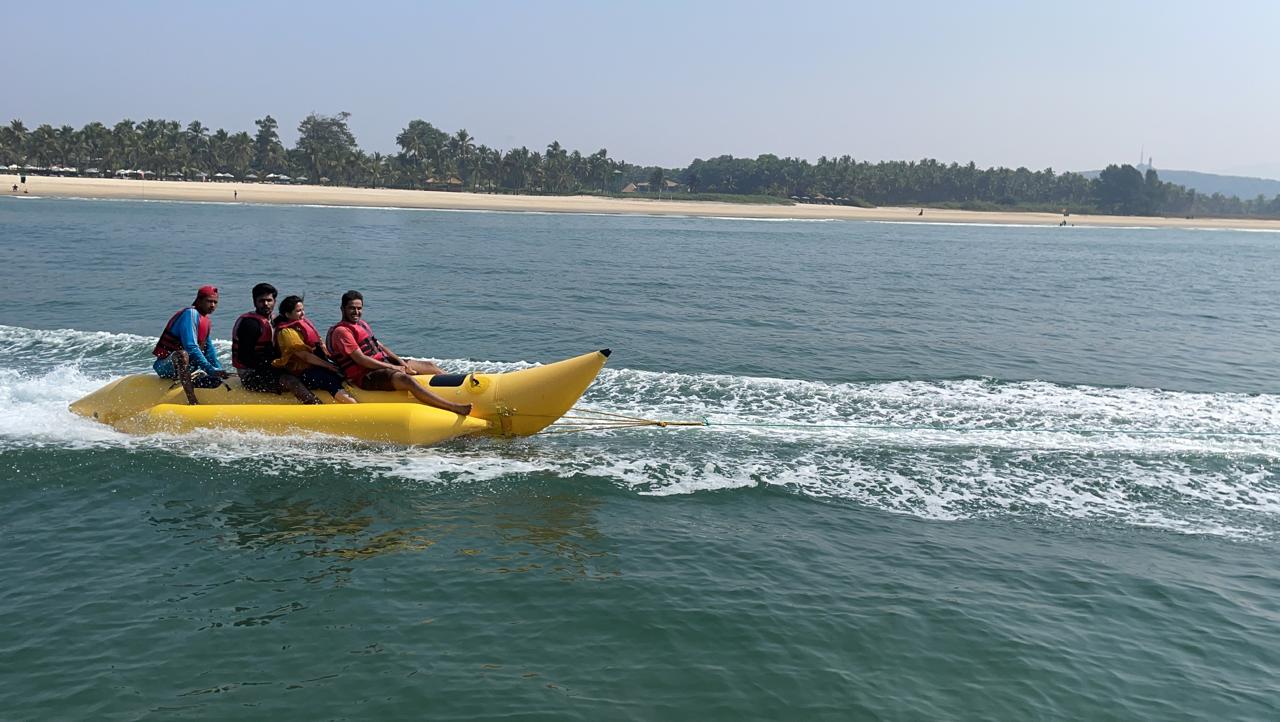
Cacra Beach is not a place for jet skis or banana boat rides. Instead, it offers activities that connect you with nature and the local culture.
Cacra’s central location makes it a perfect base for exploring the landmarks of Central Goa.
Dona Paula Viewpoint: Located about 4 kilometers away, this is one of Goa’s most famous tourist spots. Known as the "Lovers' Paradise," it offers a magnificent view of the confluence of the Zuari and Mandovi rivers. The Image of India statue and the jetty are must-visits.
Bambolim Beach: Just a short distance away, Bambolim Beach is home to the Grand Hyatt Goa. It is a much larger stretch of sand compared to Cacra and is known for its calm waters and shell-strewn shore. It is a great place for a more conventional beach day.
Siridao Beach: Often called the "Beach of Shells," Siridao is located just across the bay from Cacra. It is famous for its unique rock formations and the Jesus Nazareth Chapel located on a hillock overlooking the sea. It is another quiet spot that complements the vibe of Cacra.
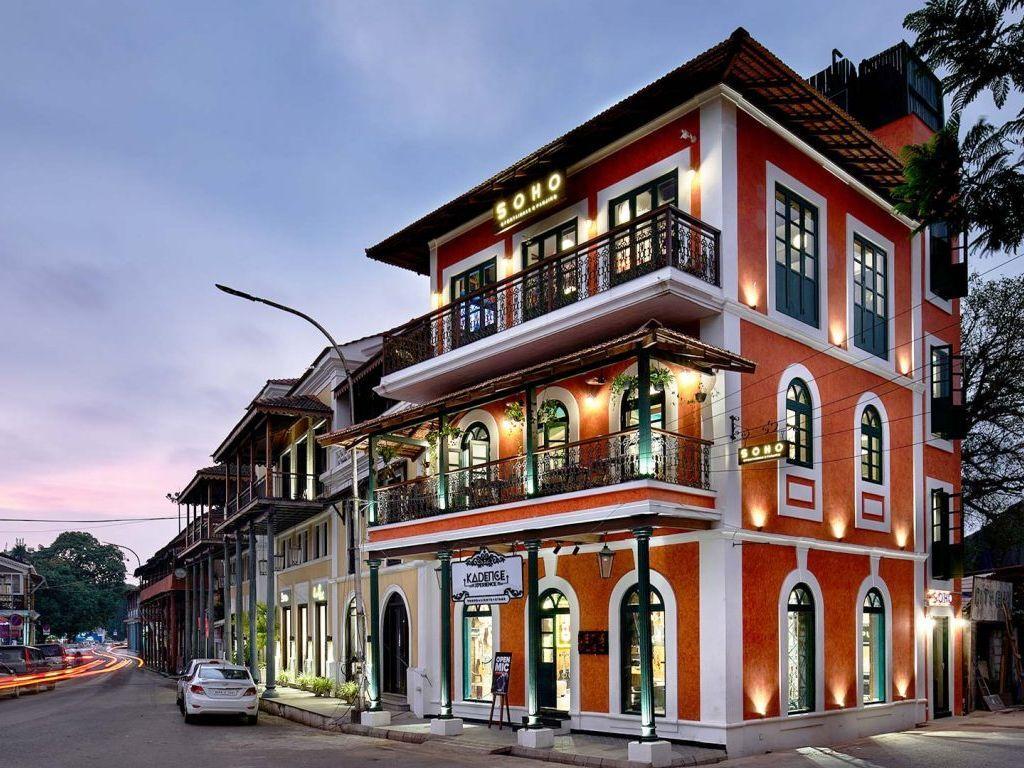
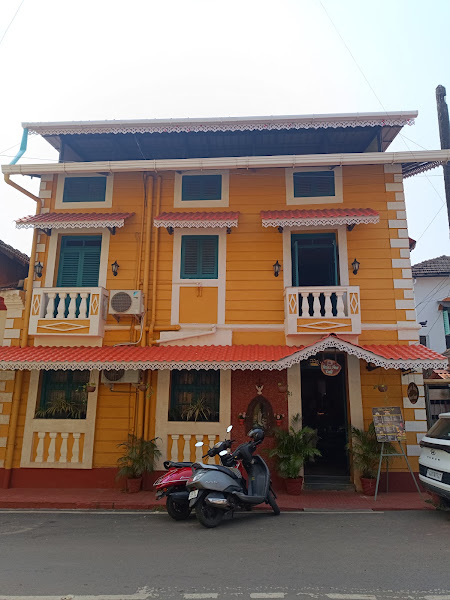
Fontainhas (The Latin Quarter): A 15-minute drive will take you to the heart of Panjim’s Latin Quarter. Fontainhas is a UNESCO-recognized area known for its narrow winding streets, Mediterranean-style houses painted in bright yellows and blues, and quaint art galleries. It is the cultural soul of Goa.
Goa University Campus: While it may seem unusual to visit a university, the Goa University campus is located on the Taleigao Plateau overlooking the sea. The architecture is interesting, and the sprawling grounds are perfect for a quiet drive or walk, especially during the monsoon.
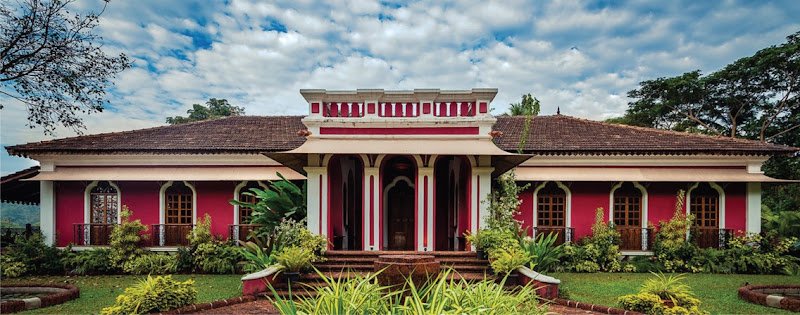
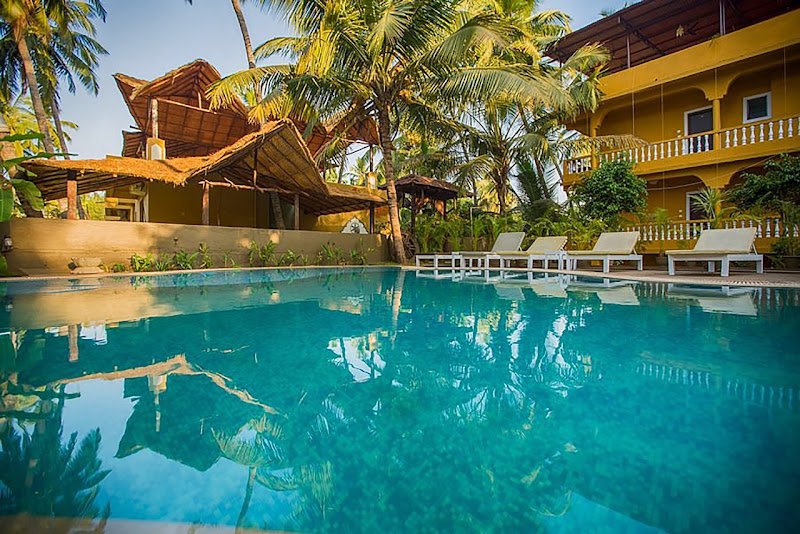
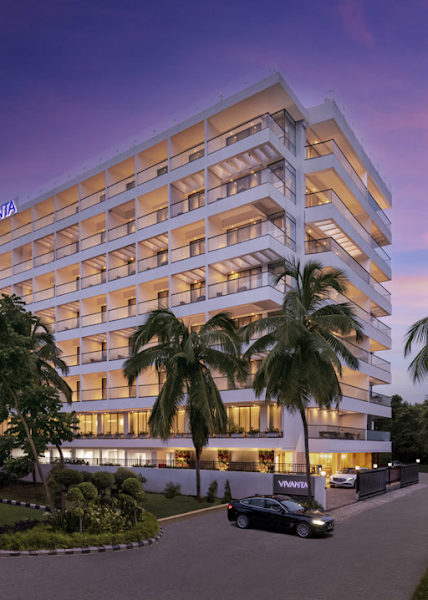
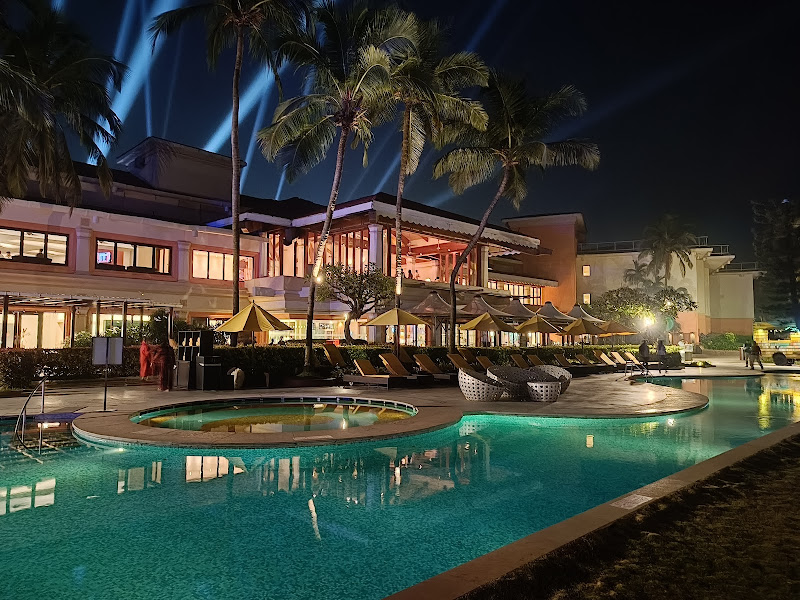
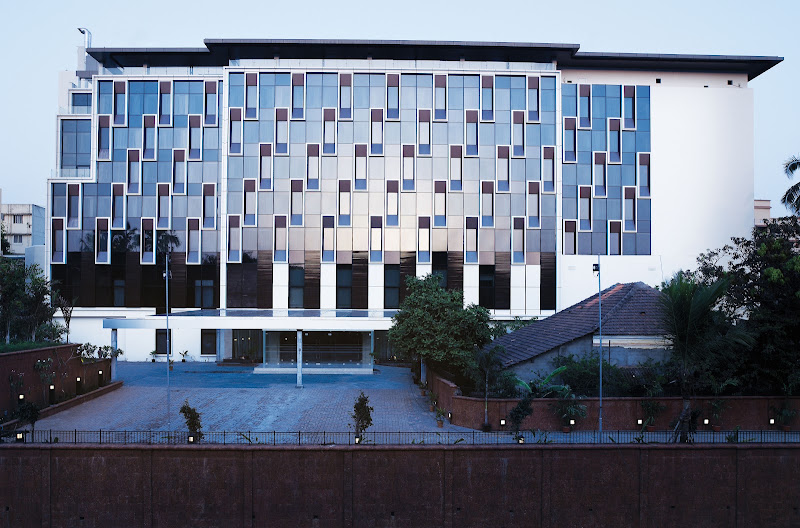
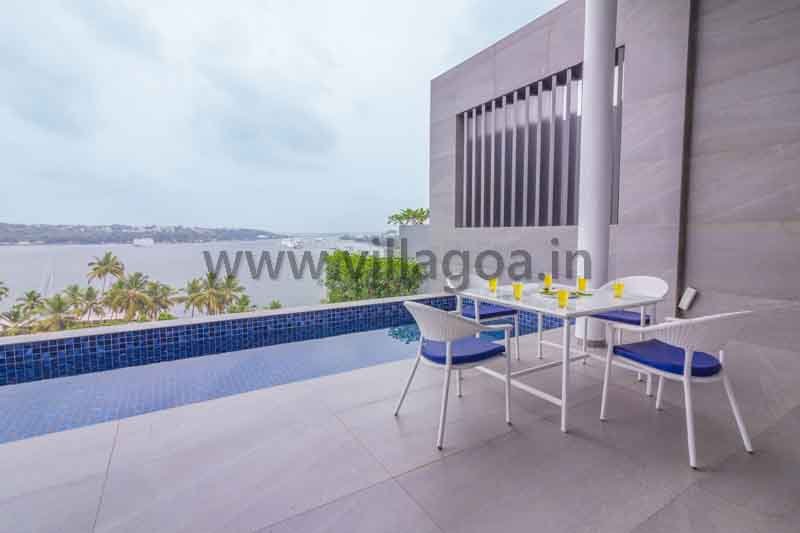
Because Cacra is a small fishing village, you won't find large resorts directly on its sands. However, there are excellent options in the immediate vicinity.
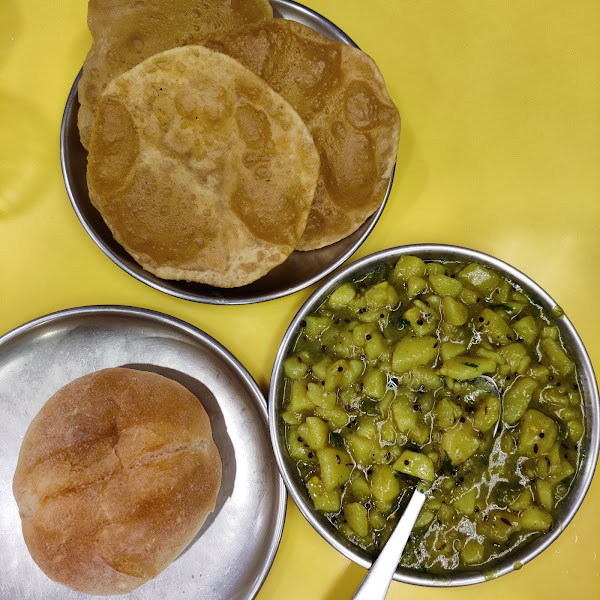
Cacra itself is devoid of commercial shacks, which adds to its charm. However, the surrounding areas offer some of the best culinary experiences in Goa.
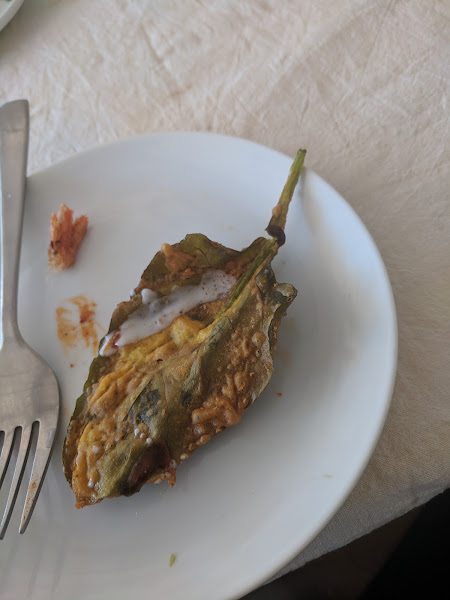
Local Seafood: For an authentic Goan fish thali, head to the small eateries in Bambolim or Panjim. Look for places like Ritz Classic or Peep Kitchen, which are favorites among locals for their fresh seafood preparations like Kingfish rawa fry and prawn curry.
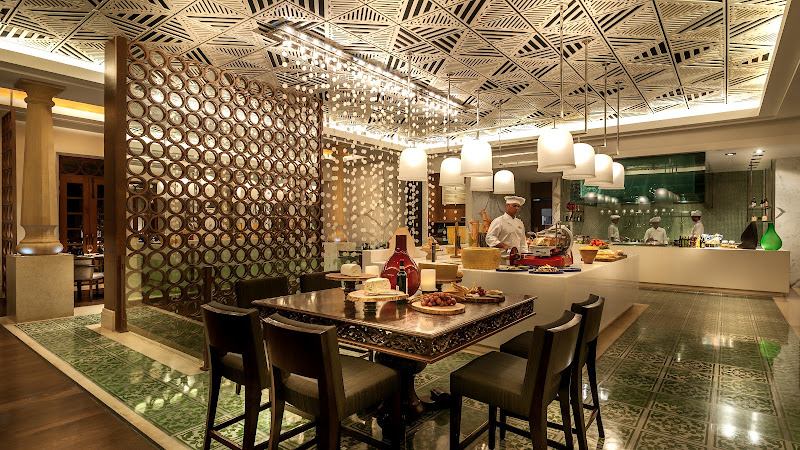
Fine Dining: The Dining Room and Chulha at the Grand Hyatt offer exquisite Indian and international cuisines in a sophisticated setting. Chulha, in particular, is famous for its "rural Indian" kitchen concept.
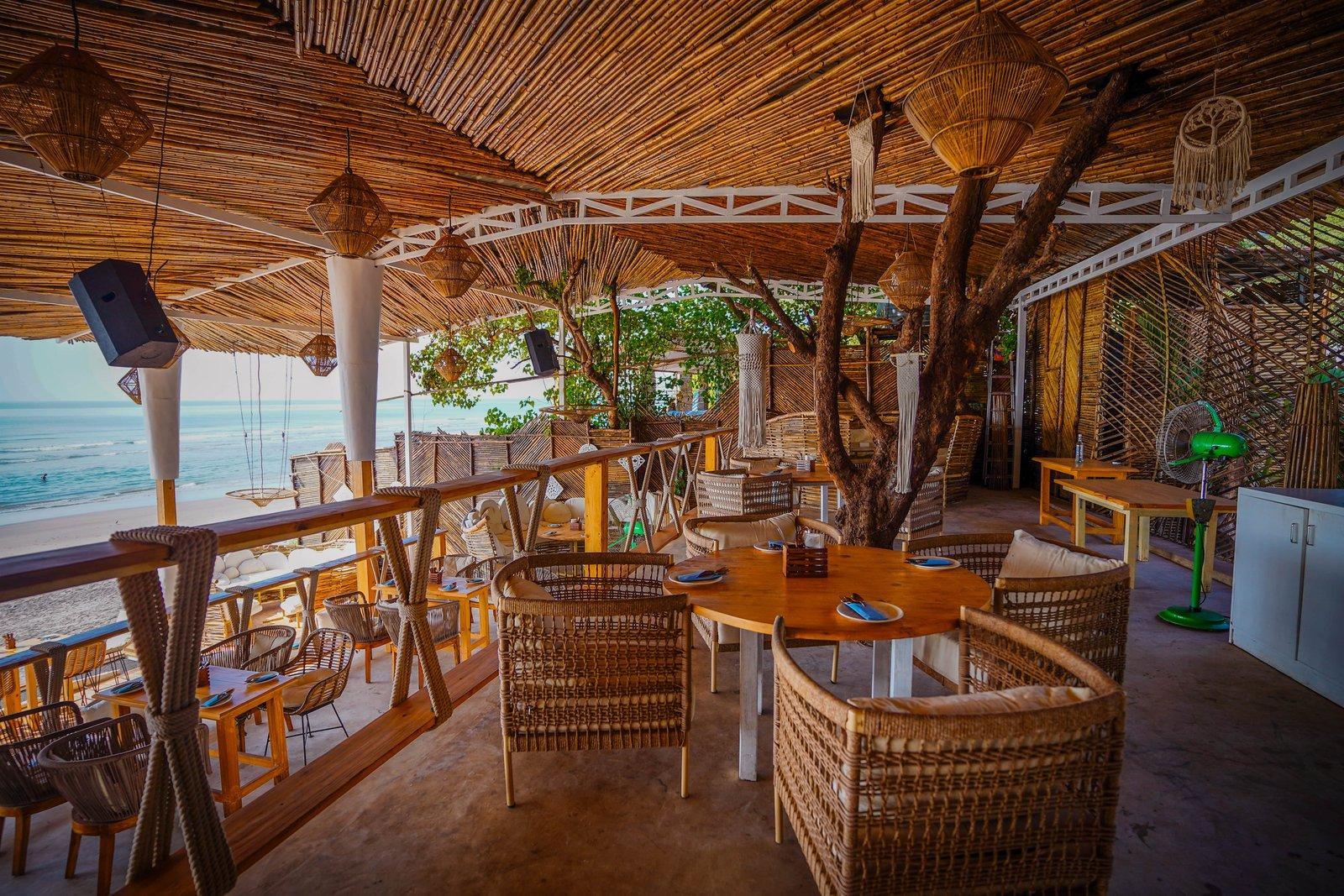
Sunset Drinks: Bay 15 has a wonderful outdoor restaurant and bar where you can enjoy a drink while watching the waves. It is particularly romantic in the evenings. Another great spot is Waterfront Terrace & Bar at the Marriott in Panjim.
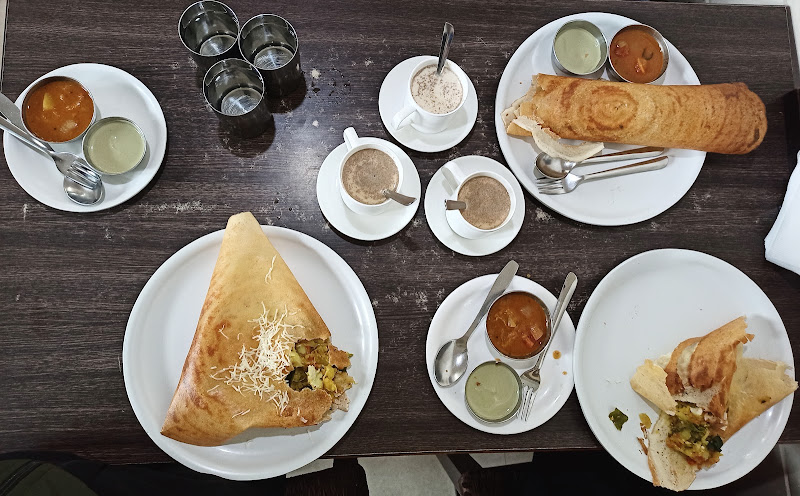
Cafes in Panjim: A short drive into the city opens up a world of charming cafes. Confeitaria 31 de Janeiro in Fontainhas is one of the oldest bakeries in Goa, famous for its traditional Bebinca and Pastel de Nata. Caravela Cafe and Bistro is another excellent choice for high-quality coffee and breakfast.
Cacra Beach is a poignant reminder of the Goa that once was—unhurried, deeply connected to the sea, and brimming with natural beauty. It is not a place for those seeking the high-energy thrills of North Goa's commercial hubs. Instead, it caters to the soul that finds joy in the simple things: the sight of a fishing boat returning home, the sound of the wind through the palms, and the golden glow of a sunset over the Zuari. By visiting Cacra, you aren't just visiting a beach; you are stepping into a living, breathing community that has maintained its identity amidst the tides of tourism. For anyone looking to discover the authentic heart of Goa, a trip to this quiet corner of the coastline is an absolute must. Pack your camera, bring your curiosity, and prepare to fall in love with the quiet side of paradise.