Vagator Beach

Vagator Beach

5 2,098 Verified
North Goa

Overview

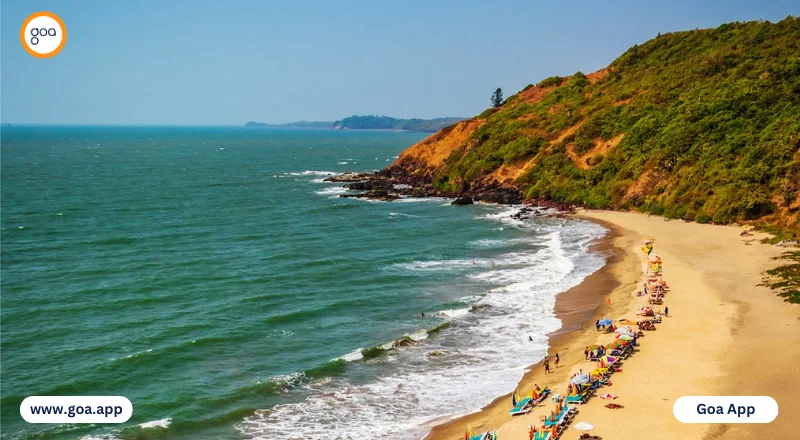
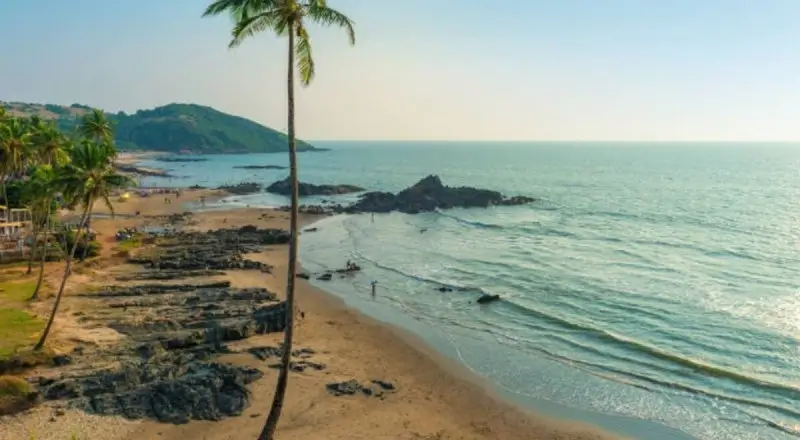
Vagator Beach is arguably one of the most iconic and visually stunning destinations in North Goa. Known for its dramatic red cliffs, stark black rocks, and a coastline that transitions from bustling activity to secluded tranquility, Vagator offers a unique Goan experience that caters to backpackers, luxury travelers, and spiritual seekers alike. Located in the Bardez taluka, approximately 21 kilometers from the capital city of Panjim, Vagator is geographically divided into two main sections: Big Vagator (also known as North Vagator) and Little Vagator (commonly referred to as Ozran Beach).
The charm of Vagator lies in its rugged beauty. Unlike the flat, expansive stretches of sand found in Calangute or Candolim, Vagator is characterized by its elevated topography. The cliffs provide a panoramic vantage point of the Arabian Sea, making it a premier spot for sunset enthusiasts. Historically, Vagator was a quiet fishing village that became a cornerstone of the hippie trail in the 1970s and 80s. Today, it has evolved into a sophisticated hub for electronic dance music, high-end culinary experiences, and boutique hospitality, yet it manages to retain a bohemian soul that is palpably different from its neighbor, Anjuna.

Big Vagator is the first beach you encounter as you descend from the main parking area near the Chapora Fort. It is a wide, crescent-shaped bay with white sand and palm trees. It is generally more crowded and popular with day-trippers. Little Vagator (Ozran), located just a short walk south over a rocky headland or down a steep set of stairs, is more secluded. It is famous for the "Shiva Face," a rock carving on the beach that has become a symbol of the area's artistic and spiritual history. Whether you are looking to dance the night away at a world-class club, explore ancient Portuguese ruins, or simply meditate on a rock as the tide comes in, Vagator Beach provides the perfect backdrop.

How to Reach Vagator Beach

Reaching Vagator Beach is relatively straightforward, as it is one of the most popular hubs in North Goa. However, depending on your point of entry into the state, your travel time and mode of transport will vary significantly.

  • By Air: Goa is served by two airports. Manohar International Airport (Mopa - GOX) is the closest, located approximately 28 kilometers away. A taxi from Mopa takes about 45 to 60 minutes. Dabolim Airport (GOI) is further south, roughly 45-50 kilometers away. A taxi ride from Dabolim can take between 1.5 to 2 hours depending on traffic. It is highly recommended to use the GoaMiles app or the pre-paid taxi counters at the airport to ensure fair pricing.
  • By Rail: The nearest major railway station is Thivim (THVM), which is about 19 kilometers from Vagator. Most express trains from Mumbai, Delhi, and Bangalore stop here. From Thivim, you can hire a taxi or take a local bus to Mapusa and then a connecting bus to Vagator. Karmali (KRMI) and Madgaon (MAO) are other options, but they are significantly further away.
  • By Road: Vagator is well-connected by road. If you are coming from Panjim (21 km) or Mapusa (9 km), there are frequent local buses. If you are driving from neighboring states like Maharashtra or Karnataka, you will likely enter via the NH66.
  • Local Transport: Once you arrive in Goa, the most popular way to reach and navigate Vagator is by renting a scooter or motorbike. Rentals are available throughout the village. For those who prefer four wheels, "self-drive" cars are also popular. Always ensure you carry a valid driving license and wear a helmet, as police checks are frequent in this tourist belt.

Best Time to Visit

The experience of Vagator Beach changes dramatically with the seasons. Choosing the right time to visit depends entirely on whether you want a high-energy party atmosphere or a quiet, nature-focused retreat.

  • Peak Season (November to February): This is the absolute best time to visit Vagator. The weather is pleasant with clear blue skies and cool breezes. This is also when the nightlife is at its peak, with international DJs performing at local clubs and the famous Sunburn Festival often taking place nearby in late December. Expect high prices for accommodation and crowded beaches during this period.
  • Shoulder Season (October and March to May): October marks the beginning of the season when shacks start opening up. March to May is the Goan summer; it can be quite hot and humid, but it is a great time for those looking for budget deals. The sea is calm, making it ideal for swimming, though the midday sun can be intense.
  • Monsoon Season (June to September): During the monsoons, Vagator transforms into a lush, emerald-green paradise. While the beach shacks are dismantled and swimming is strictly prohibited due to rough seas and strong currents, the "vibe" is incredibly peaceful. Many boutique cafes stay open, and the view of the stormy Arabian Sea from the Vagator cliffs is breathtaking. This is the best time for writers, artists, and those looking for solitude.

Things to Do at Vagator Beach

Vagator is not just a place to sunbathe; it offers a diverse range of activities that cater to different interests. From historical exploration to adrenaline-pumping water sports, here is what you can do:

  • Visit the Shiva Face: Located at the southern end of Ozran Beach (Little Vagator), this is a must-see. It is a detailed carving of Lord Shiva into a seaside rock, complete with a necklace of skulls and a serpent. It was reportedly carved by a wandering tourist decades ago and has since become a local landmark.
  • Explore Chapora Fort: Towering over the northern end of the beach, the ruins of this 17th-century Portuguese fort offer the best views in North Goa. It gained national fame after being featured in the Bollywood film Dil Chahta Hai. The climb is a bit steep but rewarding, especially at sunset when you can see the Vagator coastline on one side and the Morjim River on the other.
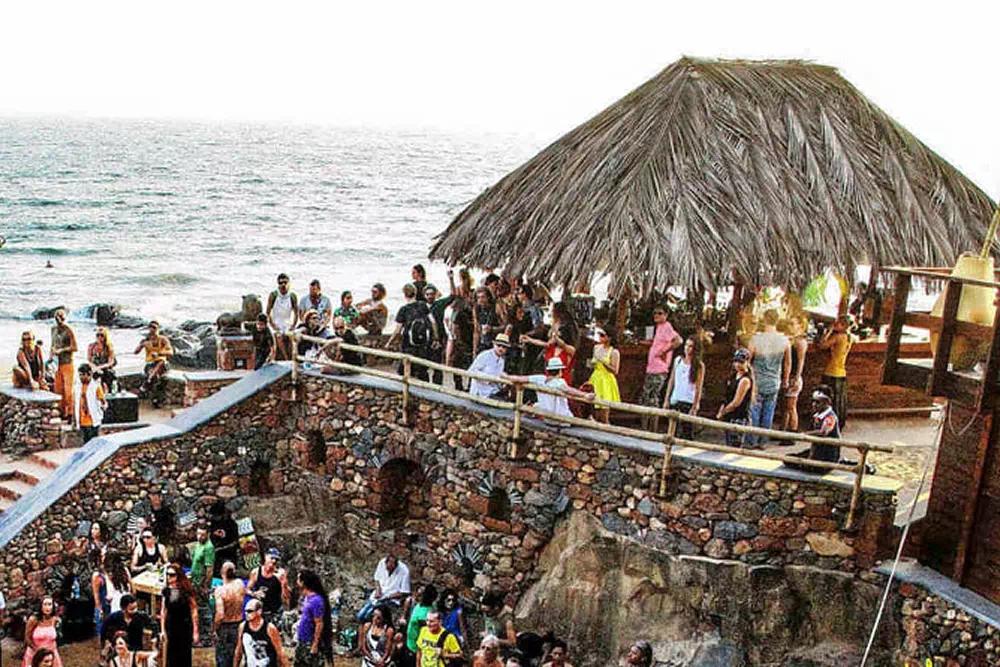
  • Sunset Watching: The cliffs of Vagator are legendary for their sunset views. You can sit on the rocks near the "Sunset Point" or enjoy the view from one of the many cliff-side restaurants like Antares or Thalassa.
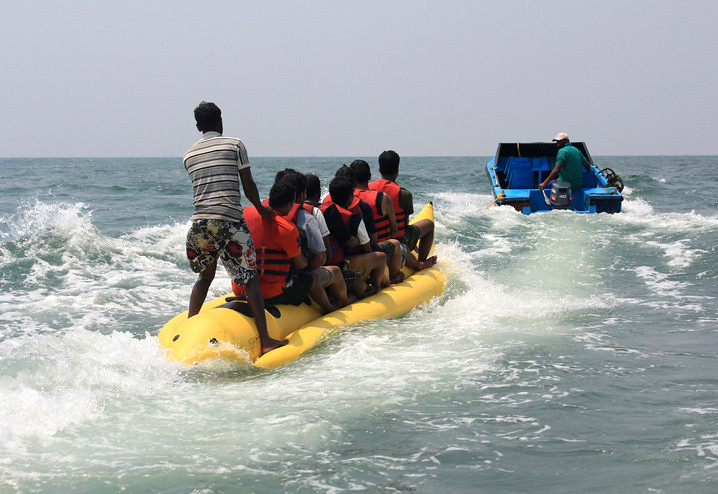
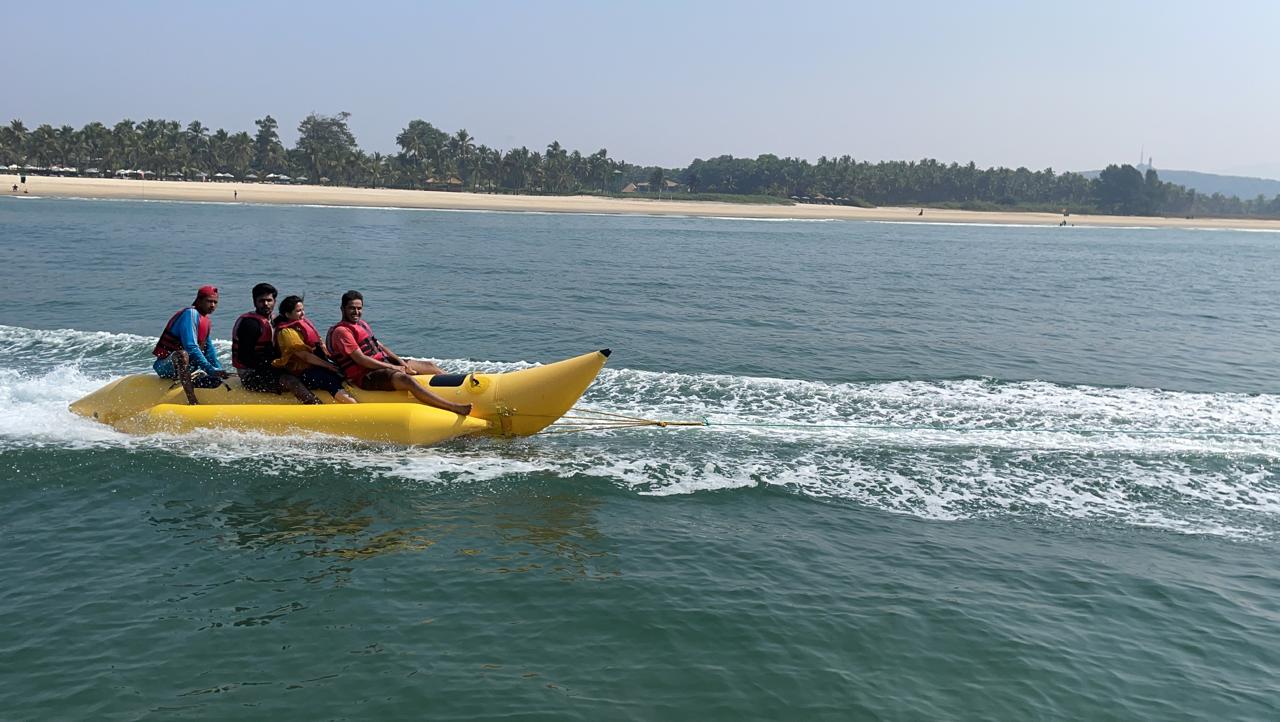
  • Water Sports: While not as commercialized as Baga, Big Vagator offers parasailing, jet skiing, and banana boat rides during the peak season. Always negotiate the price beforehand and check for safety equipment.
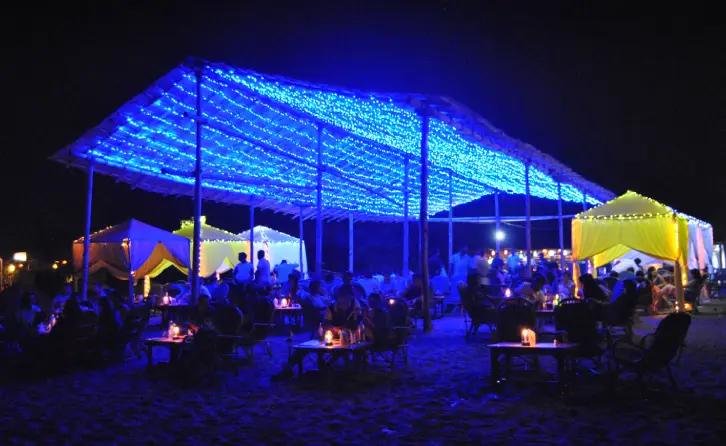
  • Nightlife and Trance Parties: Vagator is the spiritual home of Goa Trance. Places like Disco Valley have a long history of hosting legendary parties. For a more modern experience, clubs like HillTop and 9 Bar offer world-class sound systems and psychedelic decor.
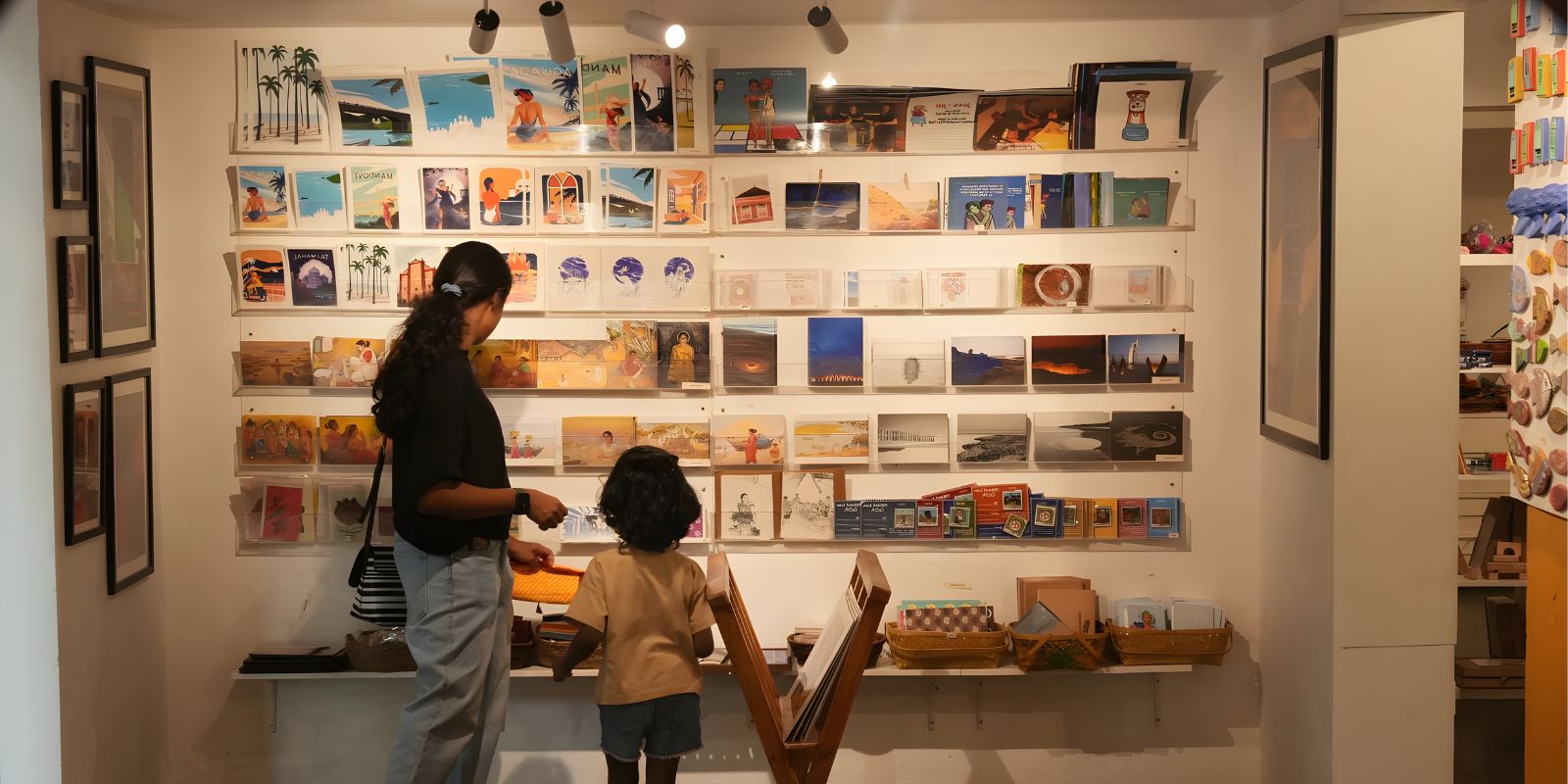
  • Shopping at Local Flea Markets: While the main Anjuna Flea Market is nearby, the streets leading to Vagator Beach are lined with stalls selling silver jewelry, bohemian clothing, leather goods, and local handicrafts.
  • Yoga and Wellness: Many resorts and specialized centers in the Vagator-Siolim belt offer drop-in yoga classes, meditation sessions, and Ayurvedic massages, providing a perfect balance to the late-night party scene.

Nearby Attractions

Vagator’s central location in North Goa makes it an excellent base for exploring neighboring areas. Within a 10-to-15-minute drive, you can find several other iconic spots:

  • Anjuna Beach: Just south of Vagator, Anjuna is famous for its rocky shores and the Wednesday Flea Market. It has a slightly more "old-school" hippie vibe compared to the glitz of Vagator.
  • Siolim: A short drive north, Siolim is a beautiful village known for its church, the Siolim bridge, and a more authentic Goan residential feel. It is also home to some of the region's best fine-dining restaurants.
  • Morjim and Ashwem: By crossing the Siolim bridge, you can reach the pristine, wide-open beaches of Morjim and Ashwem. These are known as "Little Russia" and are famous for being nesting grounds for Olive Ridley sea turtles.
  • Mapusa Market: For a taste of local life, visit the Mapusa Friday Market. It is a sensory explosion where locals from all over North Goa come to sell spices, fermented sausages (chorizo), fresh produce, and traditional clay pots.
  • Badem Sunset Point: Located on the way to Siolim, this lesser-known spot offers a stunning view of the Chapora river meeting the sea, away from the typical tourist crowds.

Accommodation Options

Vagator offers a wide spectrum of stay options, ranging from budget-friendly hostels to some of the most luxurious resorts in India.

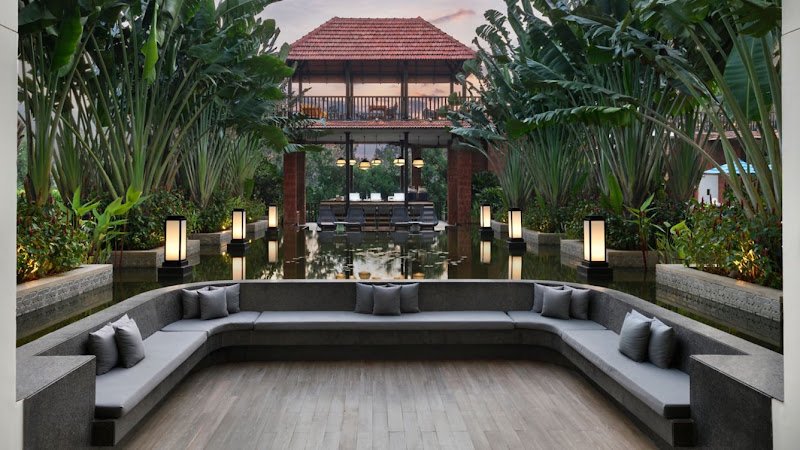
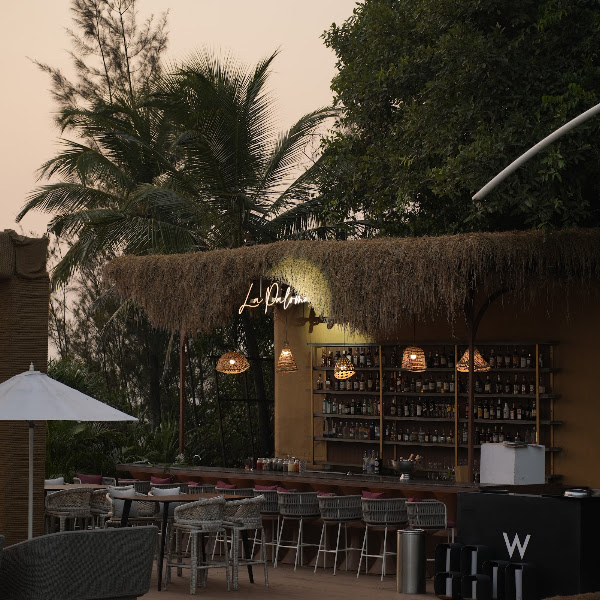
  • Luxury Resorts: For those seeking opulence, W Goa is the premier choice, located right on the edge of the beach with stunning cliff views. JW Marriott Goa is another high-end addition to the area, offering world-class amenities.
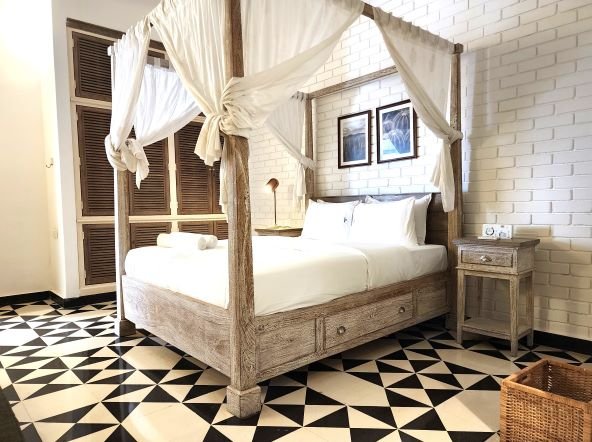
  • Boutique Hotels: Vagator is famous for its stylish boutique properties. Antares Beach Resort offers luxury cottages with incredible views, while Aria Beach Resort provides a more intimate, modern experience.
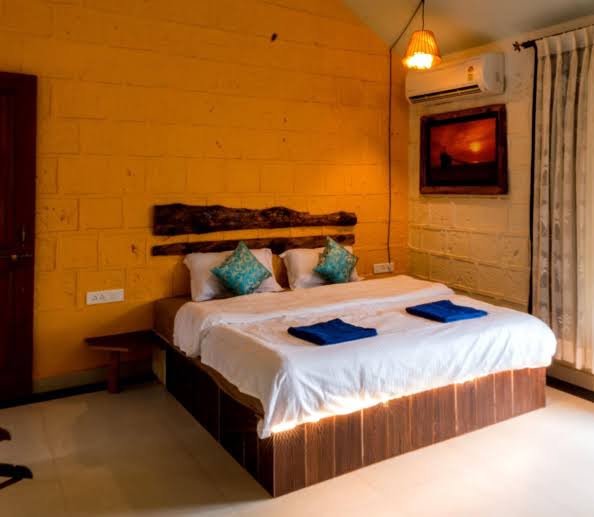
  • Backpacker Hostels: Vagator is a haven for solo travelers. Pappi Chulo is famous for its vibrant, social atmosphere and colorful graffiti. The Hosteller and Jungle by the Hostelcrowd are also excellent options that offer clean dorms and a great community vibe.
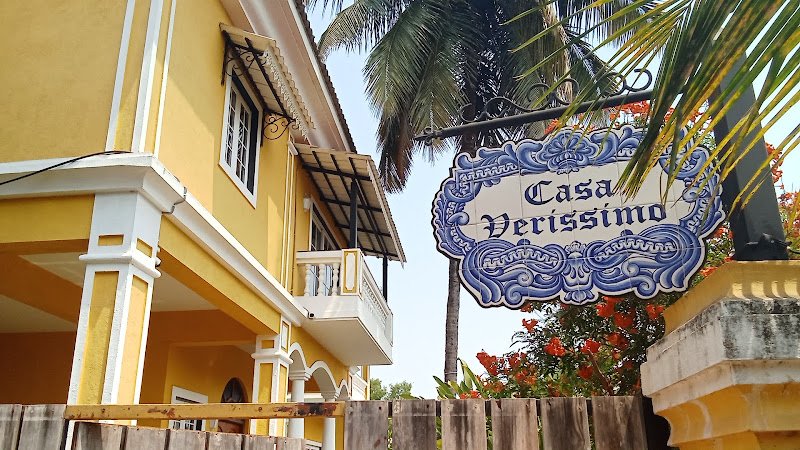
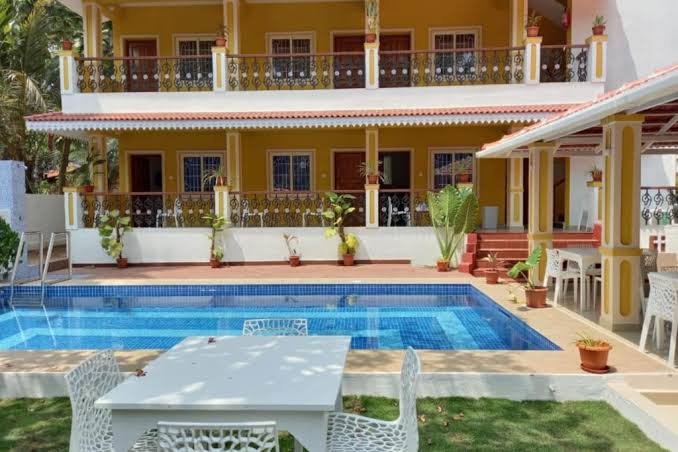
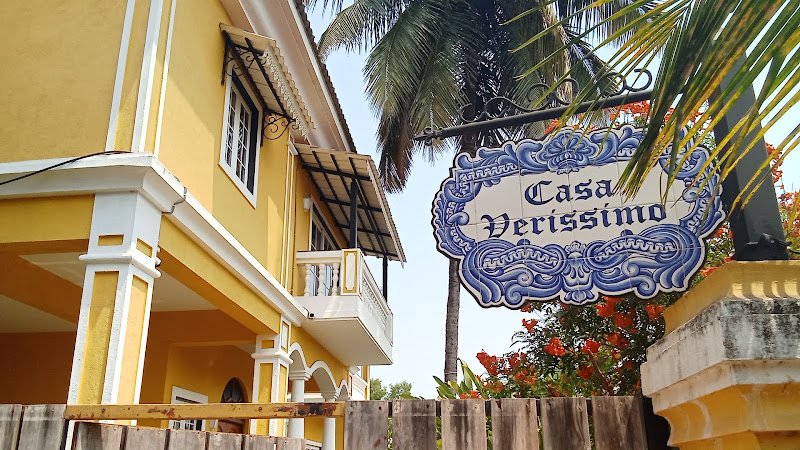
  • Private Villas and Guesthouses: For longer stays or groups, many locals rent out beautiful Portuguese-style villas. Areas like Coutinho Vaddo and Zhor Vaddo have numerous guesthouses that offer a more quiet, residential experience.

Dining and Cafes

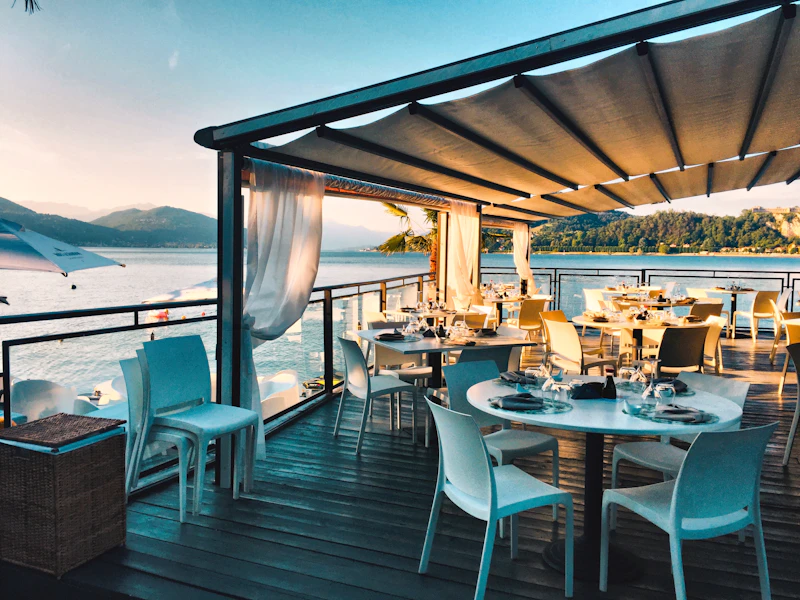
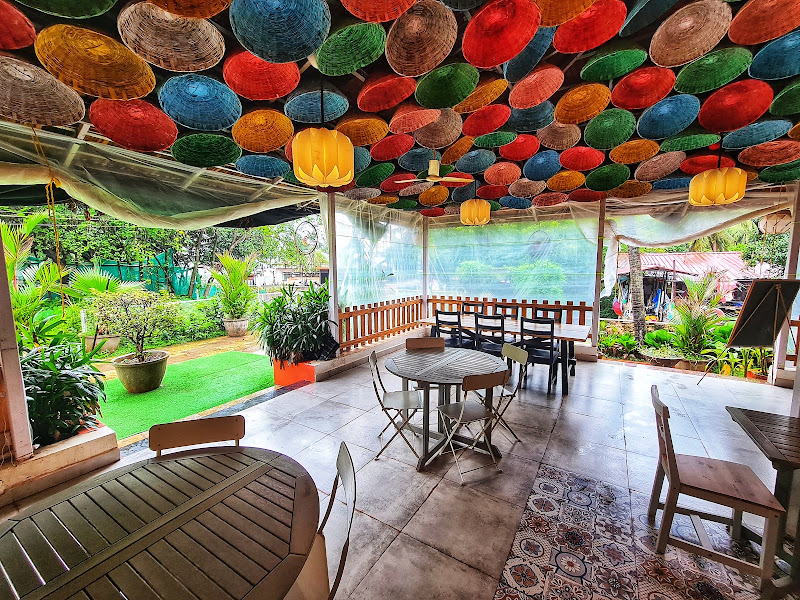
Vagator has arguably become the culinary capital of North Goa. The variety of food available here is staggering, ranging from traditional Goan fish thalis to high-end Greek and Japanese cuisine.

  • Thalassa: Originally located on the Vagator cliff and now moved slightly north to Siolim, this Greek taverna is a Goan institution. It is famous for its sunset views, fire dances, and delicious Gyros.
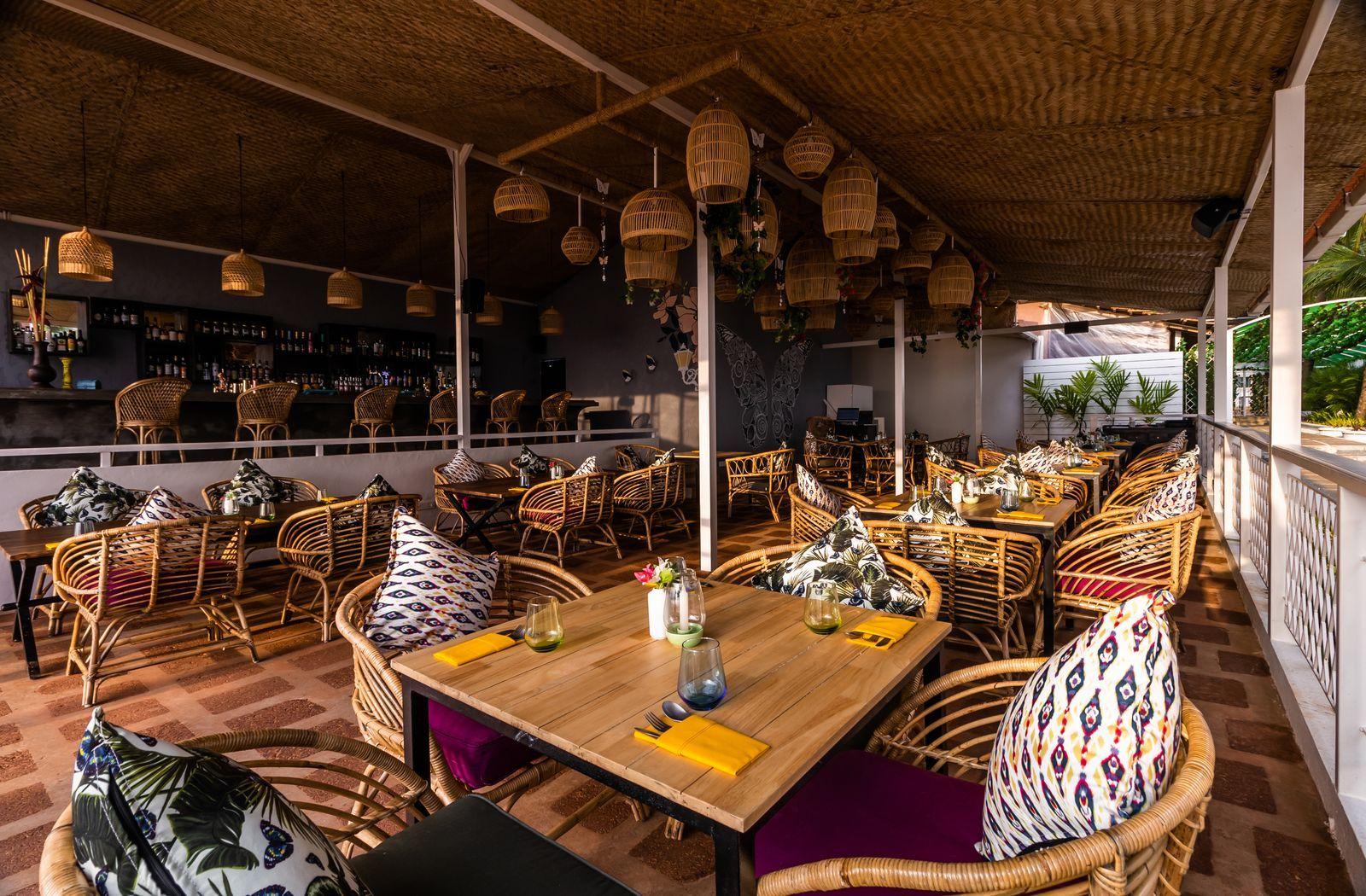
  • Antares Restaurant & Beach Club: Helmed by MasterChef Australia finalist Sarah Todd, this spot offers contemporary Australian cuisine with a Goan twist. The views from the dining deck are unparalleled.
  • Burger Factory: Widely considered to serve the best burgers in Goa, this rustic, cozy spot is a favorite for a casual lunch. Their gourmet toppings and thick shakes are legendary.
  • Titlie: A "culinary bar" that has taken Vagator by storm. It focuses on fusion cuisine and creative cocktails, all served in a stunning outdoor setting overlooking the Ozran cliffs.
  • L'Osteria Bella: For those craving authentic Italian, this restaurant serves incredible wood-fired pizzas and handmade pastas.
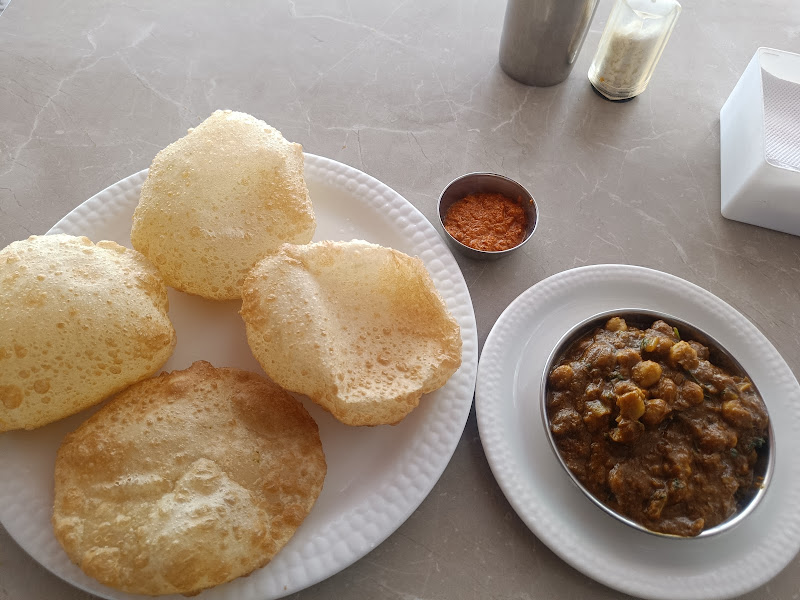
  • Local Shacks: Don’t miss the beach shacks like Fisherman’s Cove or Shining Star. Here, you can enjoy a Goan Fish Thali, Kingfish Recheado, or Prawn Balchão at a fraction of the price of the fine-dining spots.
  • Bean Me Up: A sanctuary for vegans and health enthusiasts, this award-winning restaurant offers organic, plant-based meals in a beautiful garden setting.

Travel Tips for Vagator Beach

To make the most of your trip to Vagator and ensure a smooth experience, keep these practical tips in mind:

  • Be Prepared for the Climb: Accessing Little Vagator (Ozran) requires walking down a steep set of stairs or a rocky path. Wear comfortable footwear and be prepared for a bit of a workout on the way back up.
  • Stay Hydrated: The Goan sun can be unforgiving, especially between 11 AM and 4 PM. Always carry a reusable water bottle and wear plenty of sunscreen.
  • Respect Local Customs: While Goa is very liberal, remember that Vagator is also home to local families. Dress modestly when walking through the village streets away from the beach.
  • Negotiate Transport: If you are hiring a taxi or a scooter, always agree on the price beforehand. For scooters, take photos of the vehicle before you ride off to avoid being charged for pre-existing scratches.
  • Swimming Safety: Only swim in designated areas. The waters around Vagator can have strong undertows and hidden rocks, especially near the cliffs. Pay attention to the flags placed by lifeguards (Red means do not enter).
  • Carry Cash and UPI: While most cafes and shops now accept UPI (like Google Pay or PhonePe) and cards, some smaller shacks and local markets still prefer cash. There are several ATMs along the Vagator main road.
  • Eco-Conscious Travel: Vagator faces significant waste management challenges. Avoid using single-use plastics and ensure you do not leave any trash on the beach or the cliffs.
  • Book in Advance: If you are planning to visit during December or January, book your accommodation and even your dinner tables (at places like Thalassa) weeks in advance.

Conclusion

Vagator Beach is a destination of contrasts. It is a place where you can find the pulse of Goa’s legendary party scene and the quietude of a hidden cove within the same square mile. Its unique geography, from the heights of Chapora Fort to the sandy shores of Ozran, offers a visual drama that few other beaches in India can match. Whether you are drawn by the allure of the Shiva Face, the world-class culinary offerings, or the simple pleasure of watching the sun dip below the horizon from a red cliff, Vagator remains an essential chapter in any Goan travel story. By respecting the local culture and exploring both the popular spots and the hidden corners, you will discover why Vagator continues to be the beating heart of North Goa’s bohemian charm.

Common Questions

What is the best time to visit Vagator Beach?
The best time to visit Vagator Beach is from November to February when the weather is cool and the famous trance parties are in full swing. The beach is less crowded than Baga but still lively.
How do I get to Vagator Beach?
Vagator Beach is about 20 km from Panaji. You can take a taxi, bus, or rent a scooter from Mapusa or Panaji. It is close to Anjuna and Chapora Fort.
What are the popular things to do at Vagator Beach?
Popular activities include partying at Hilltop and Club Cubana, exploring the nearby Chapora Fort, swimming in the red-colored cliffs area, and enjoying sunset views from the rocks.
Are there accommodations near Vagator Beach?
Yes, Vagator has a range of accommodations including budget hostels, boutique hotels, and luxury villas. Many are located on the hill overlooking the beach.
Is Vagator Beach safe for swimming?
Swimming at Vagator can be dangerous due to strong currents and rocky patches. It is recommended to swim only in the small cove areas where the water is calmer. Lifeguards are present during peak season.
What is the significance of Chapora Fort near Vagator?
Chapora Fort, built by the Portuguese, offers stunning panoramic views of Vagator Beach and the Arabian Sea. It is famous for its appearance in the Bollywood movie 'Dil Chahta Hai'.

User Reviews

5
2098 Reviews
5
85%
4
10%
3
3%
2
1%
1
1%

Login to post a review

Join the community to share your beach experiences.

Login / Sign Up

Location Details

Address
Vagator, North Goa
Best Time
All Year Round

Plan Together

Share this beach guide with your travel group on WhatsApp!

Share Now