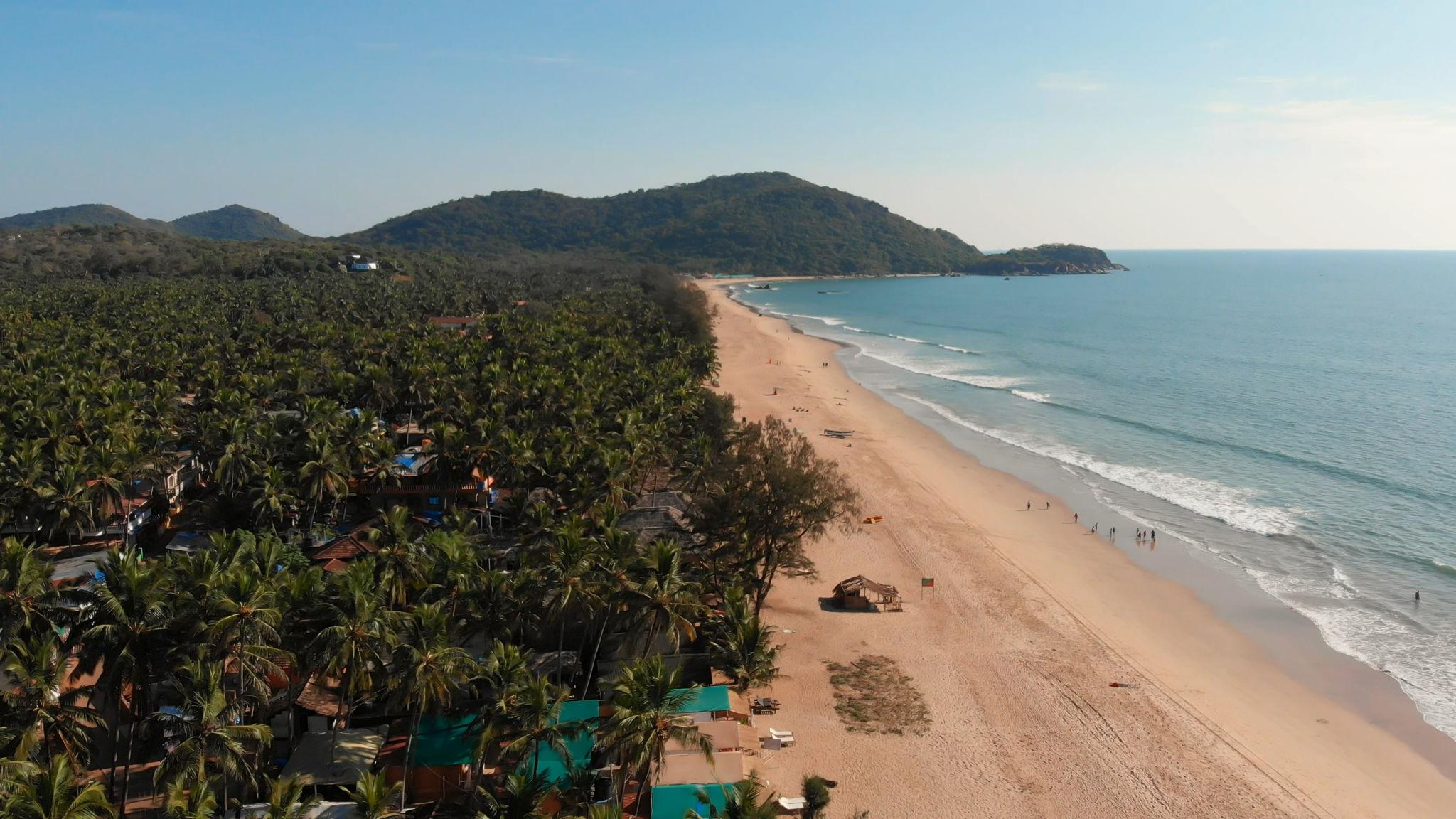
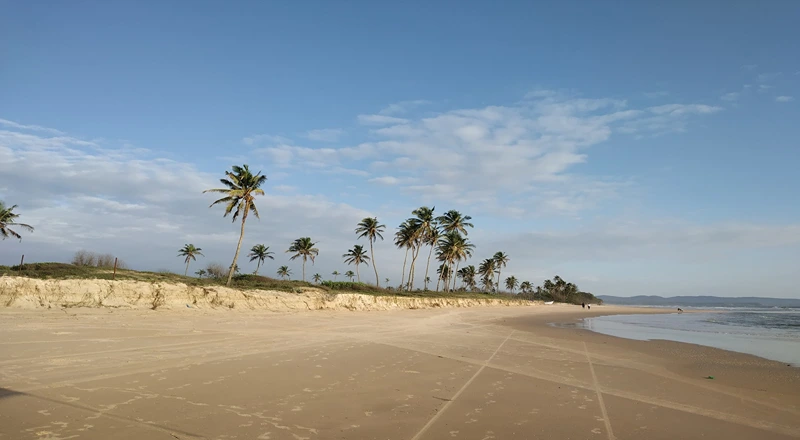
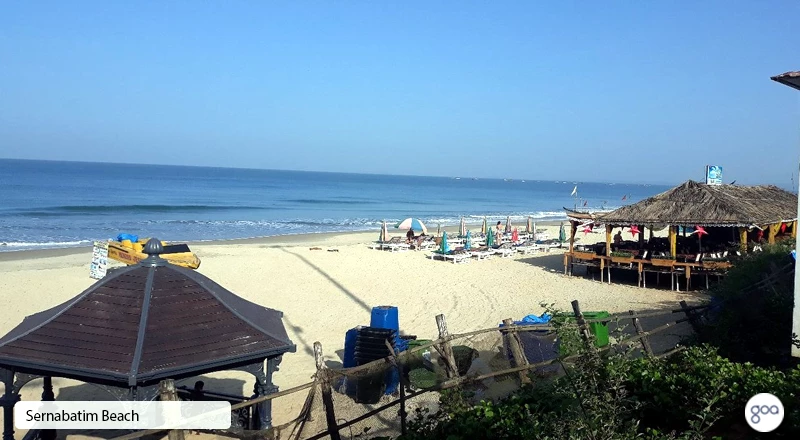
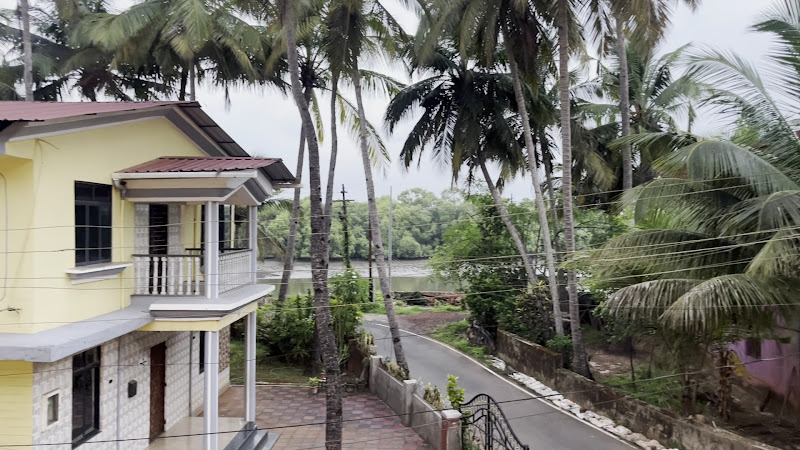
Located in the southern part of the sun-drenched state of Goa, Cavelossim Beach stands as a testament to the serene and sophisticated side of India’s most famous coastal destination. Unlike the bustling, high-energy shores of North Goa, Cavelossim offers a refined escape where the rhythmic sound of the Arabian Sea meets the tranquil flow of the Sal River. This unique geographical positioning—a narrow strip of land sandwiched between a river and the ocean—gives Cavelossim a distinctive character that is hard to find elsewhere in the subcontinent.
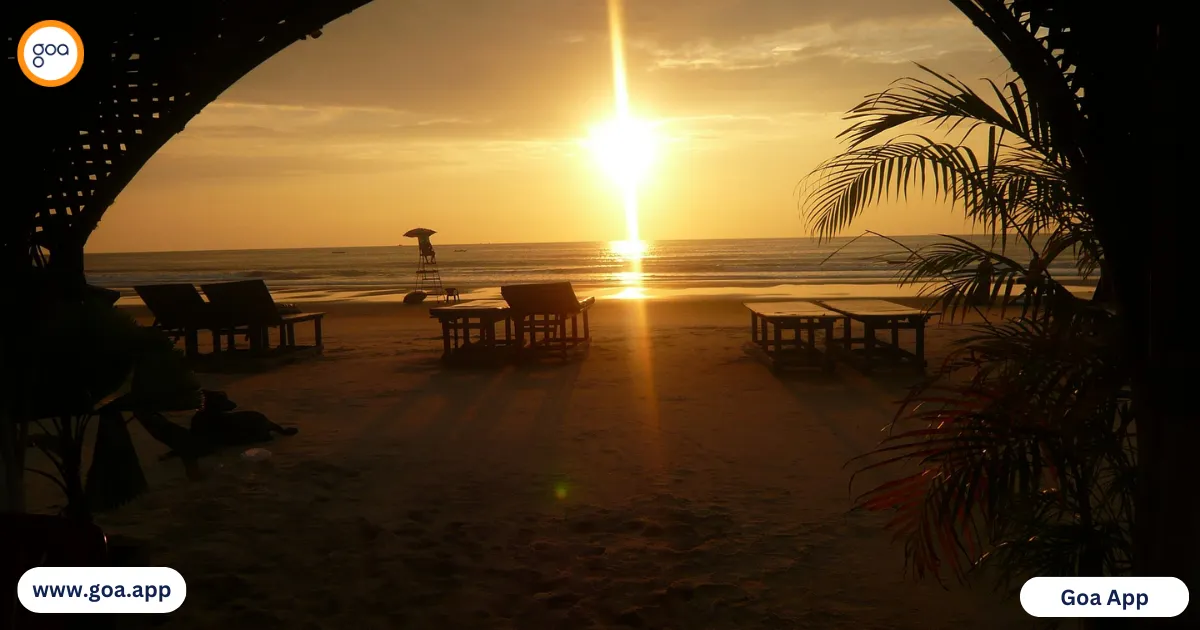
The beach is world-renowned for its striking contrast of shimmering white sands and unique black lava rocks that dot the shoreline. These volcanic formations create a dramatic backdrop against the turquoise waters, making it a photographer’s paradise, especially during the golden hours of sunrise and sunset. Cavelossim is not just a beach; it is an experience of "Susegad," a Goan term derived from the Portuguese word "sossegado," which translates to a relaxed, laid-back attitude toward life. Here, the pace of time slows down, allowing visitors to truly immerse themselves in the natural beauty of South Goa.
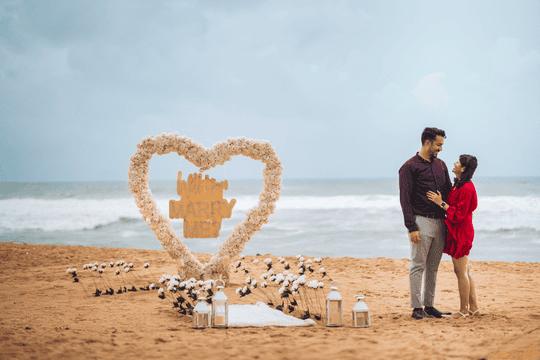
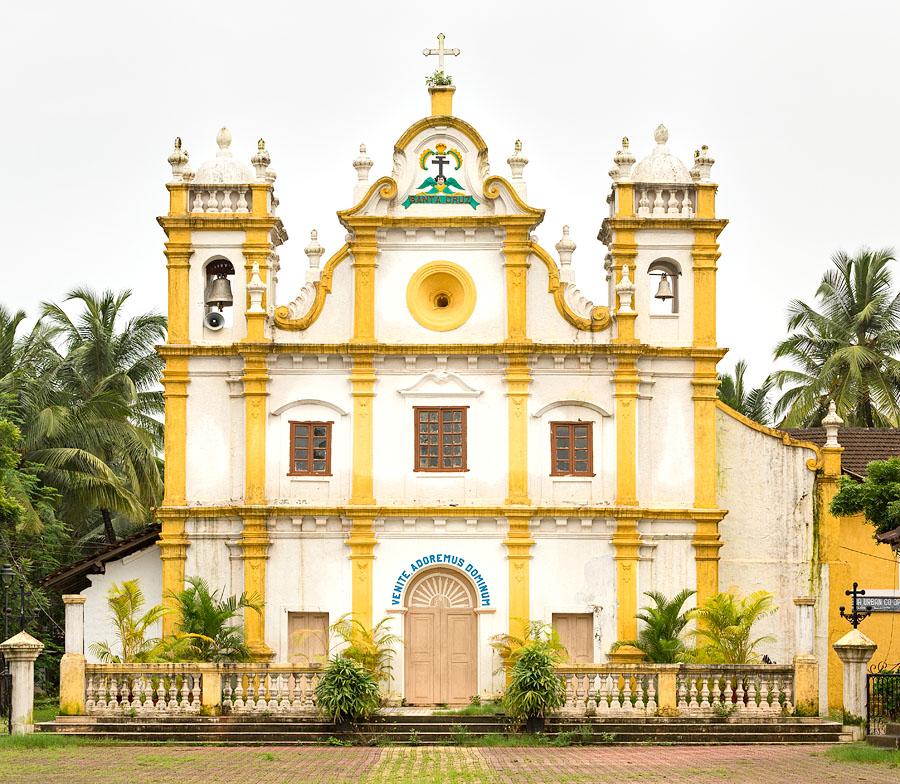
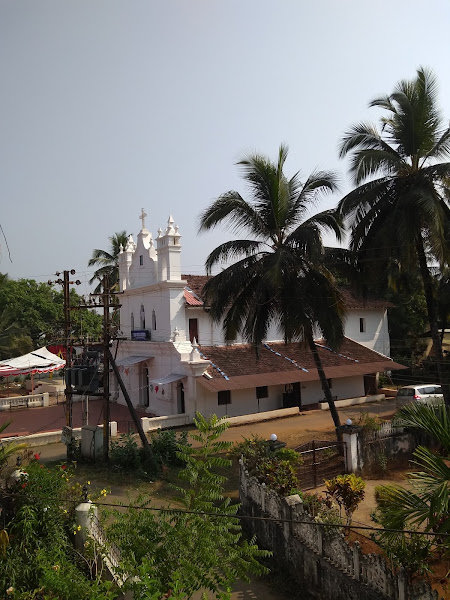
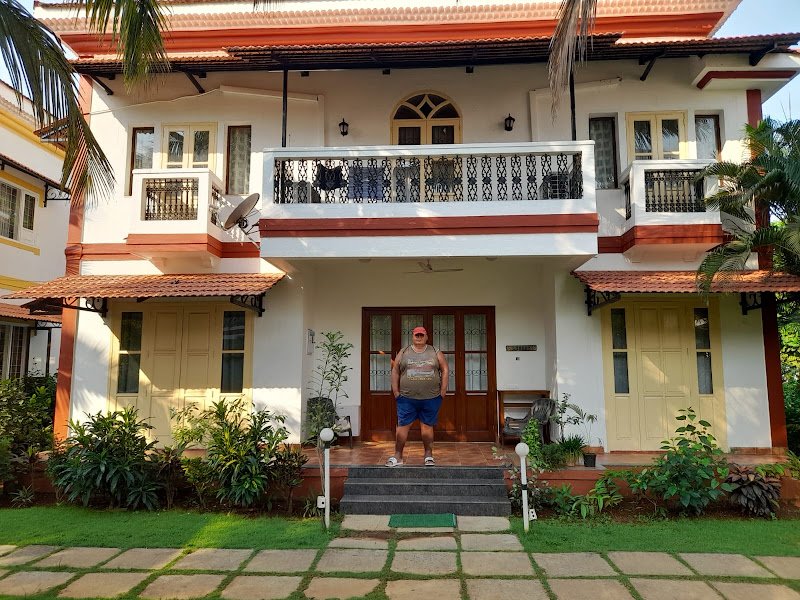
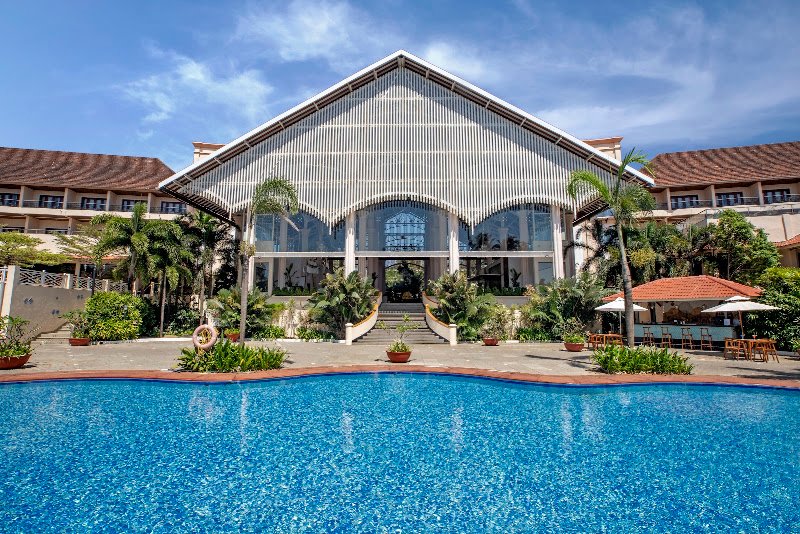
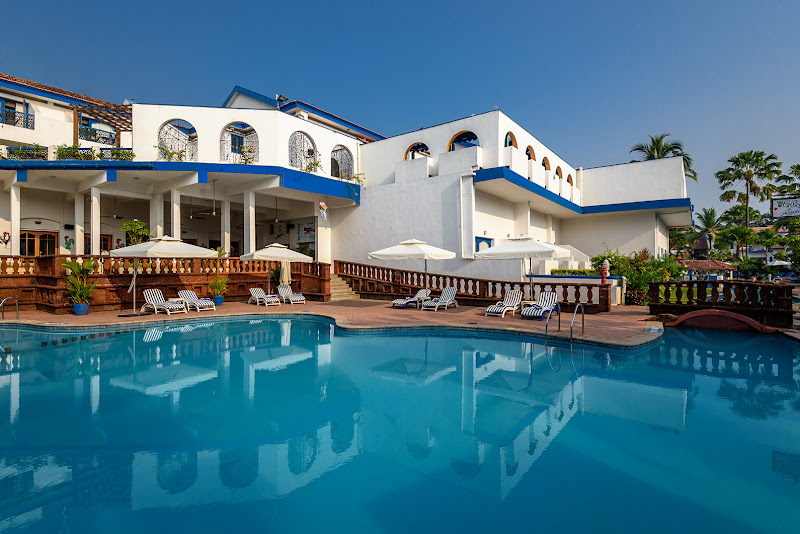
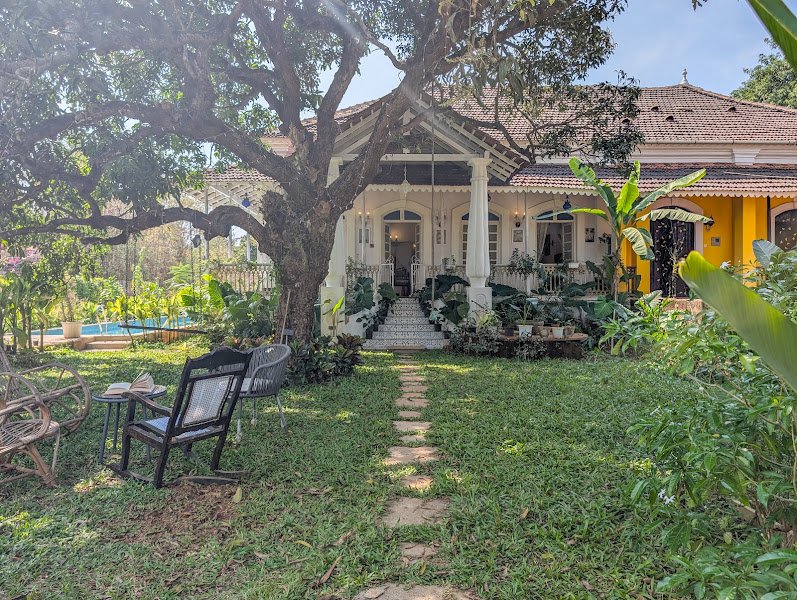
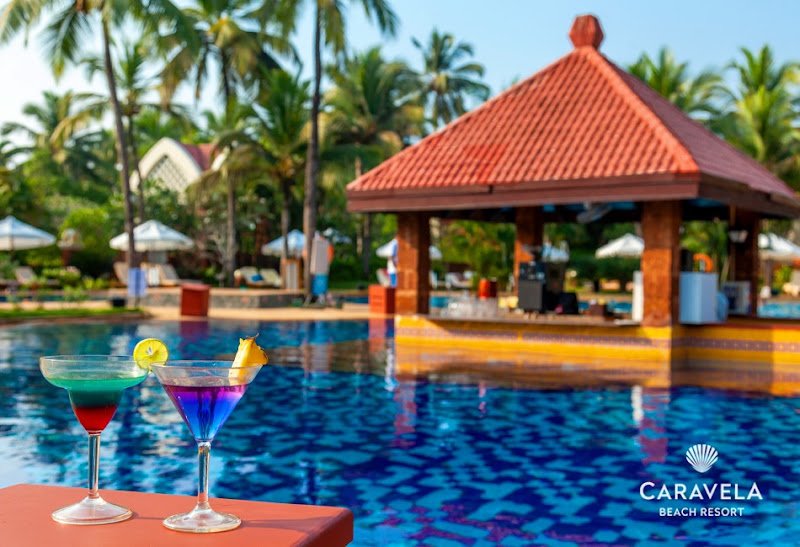
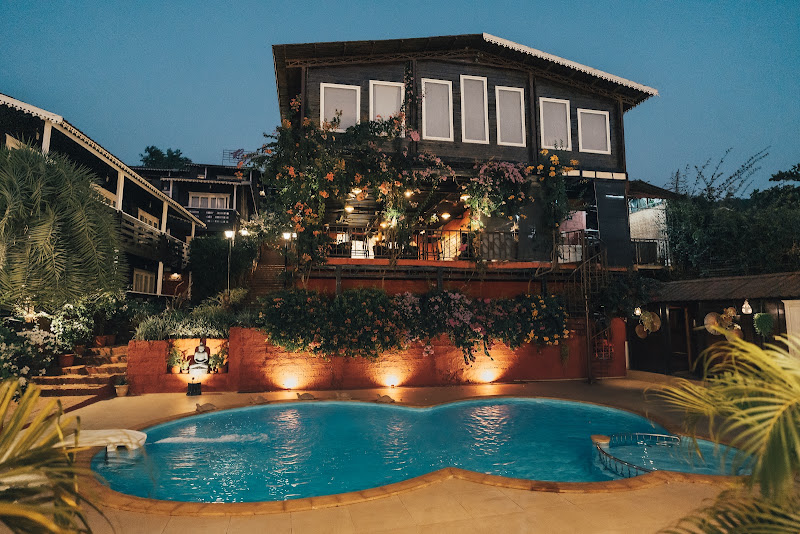
The village of Cavelossim itself is a charming blend of traditional Goan culture and modern luxury. As you walk through the main street leading to the beach, you are greeted by colorful Portuguese-style villas, boutique shops selling intricate handicrafts, and high-end resorts that have made this area their home. Despite the presence of luxury brands like The Leela and Radisson Blu, the beach has managed to retain its pristine condition, largely due to the efforts of the local community and the discerning travelers who frequent the area. Whether you are a solo traveler seeking introspection, a couple on a romantic honeymoon, or a family looking for a safe and clean environment for children to play, Cavelossim Beach caters to every soul with grace and elegance.
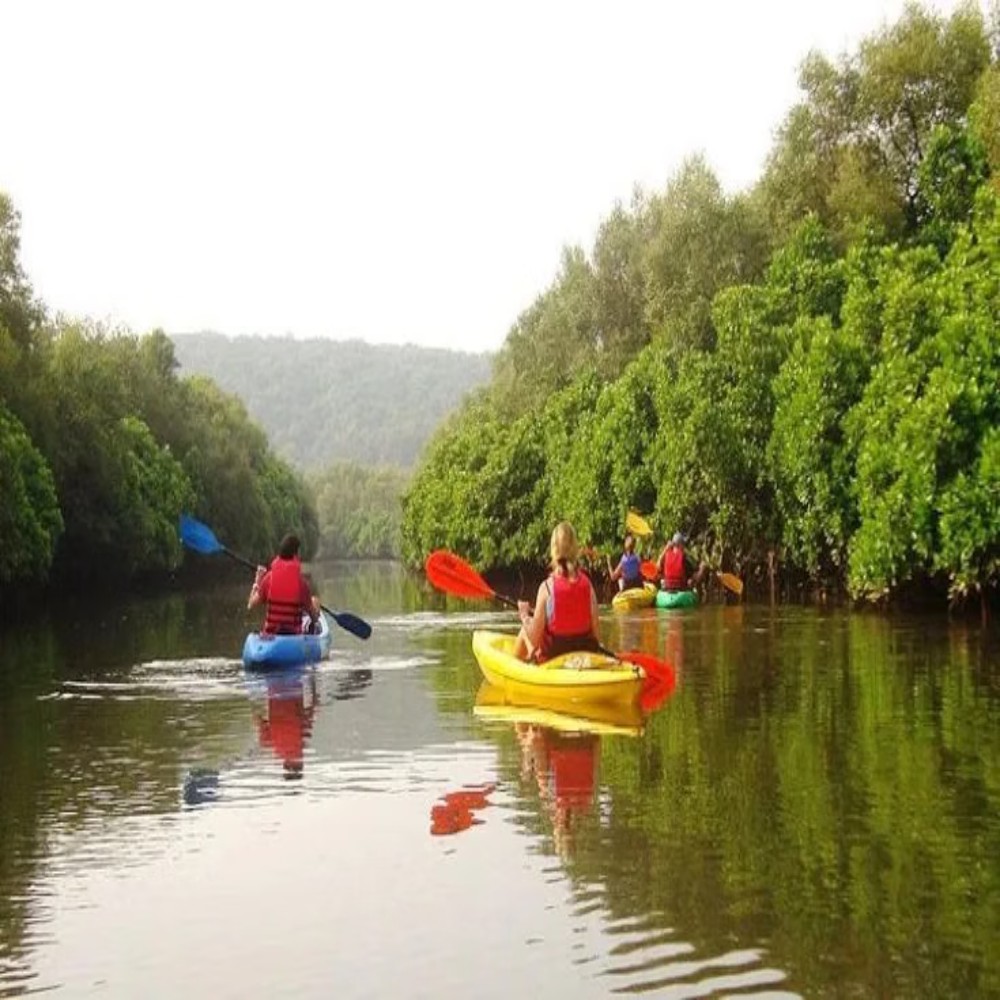
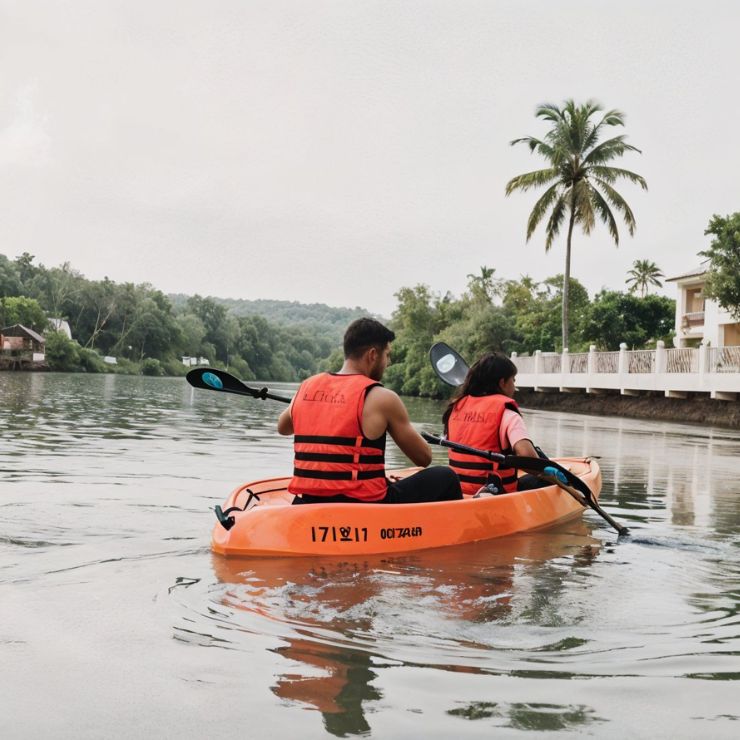
One of the most enchanting aspects of Cavelossim is the confluence of the Sal River and the Arabian Sea at the southern tip, known as Mobor. This estuary is a haven for biodiversity, where you can witness local fishermen casting their traditional nets in the river while dolphins frolic in the sea just a few hundred meters away. The lush greenery of the coconut groves and the salty breeze create an atmosphere of pure bliss. Cavelossim remains one of the cleanest beaches in Goa, often receiving accolades for its environmental maintenance and lack of overcrowding, making it the ultimate destination for those who find beauty in silence and sophistication.
Reaching Cavelossim Beach is a journey through some of the most scenic landscapes Goa has to offer. Located approximately 45 to 50 kilometers from the capital city of Panjim and about 15 kilometers from the commercial hub of Margao, it is well-connected yet secluded enough to feel like a private getaway.
By Air: The nearest airport is the Dabolim International Airport (GOI), situated about 35 to 40 kilometers away. Upon landing, the most convenient way to reach Cavelossim is by hiring a pre-paid taxi from the airport counter. The drive takes roughly 60 to 75 minutes, passing through quaint villages like Chicalim, Verna, and Nuvem. Alternatively, the newer Manohar International Airport (MOPA) in North Goa is much further away (about 90-100 km), so travelers are advised to check their flight arrivals carefully to minimize travel time within the state.
By Rail: For those traveling by train, Madgaon Junction (MAO) is the closest major railway station, located just 15 kilometers from Cavelossim. Madgaon is a primary stop for most express trains on the Konkan Railway route, connecting Goa to Mumbai, Delhi, Bangalore, and Kochi. From the station, you can easily find yellow-and-black taxis, auto-rickshaws, or app-based taxi services like GoaMiles to reach the beach in about 30 minutes.
By Road: Cavelossim is well-linked by a network of well-maintained roads. If you are driving from North Goa, the route takes you across the Zuari Bridge and through the heart of South Goa’s countryside. For those using public transport, Kadamba Transport Corporation (KTC) buses run regularly from Margao to Cavelossim. While these buses are very affordable, they can be slow as they stop at various villages along the way. For a more flexible experience, many tourists prefer to rent a scooter or a self-drive car from Margao or Colva to explore the region at their own pace.
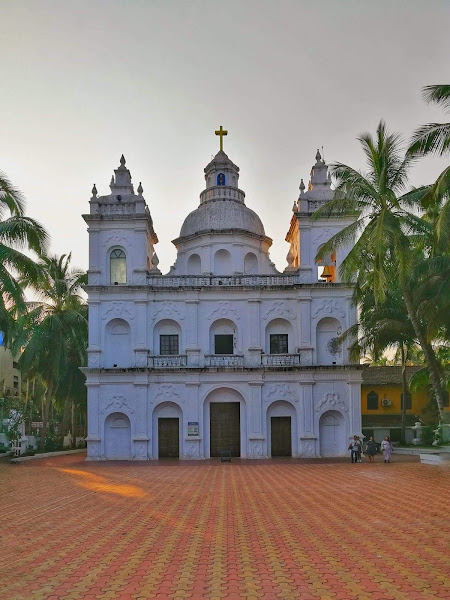
Local Transport: Once you are in Cavelossim, the area is quite walkable. However, to explore nearby hidden gems like Betul or Carmona, renting a "Pilot" (Goa’s unique motorcycle taxi) or a bicycle is highly recommended. The flat terrain of South Goa makes cycling a joyful and eco-friendly way to navigate the coastal roads lined with paddy fields and old churches.
Goa is a year-round destination, but the experience at Cavelossim Beach changes significantly with the seasons. Choosing the right time to visit depends entirely on what you wish to experience—whether it’s the vibrant festive spirit or the quiet solitude of the rains.
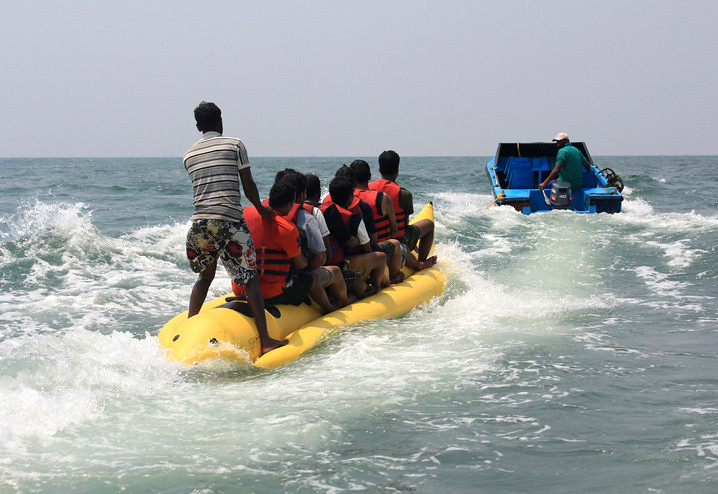
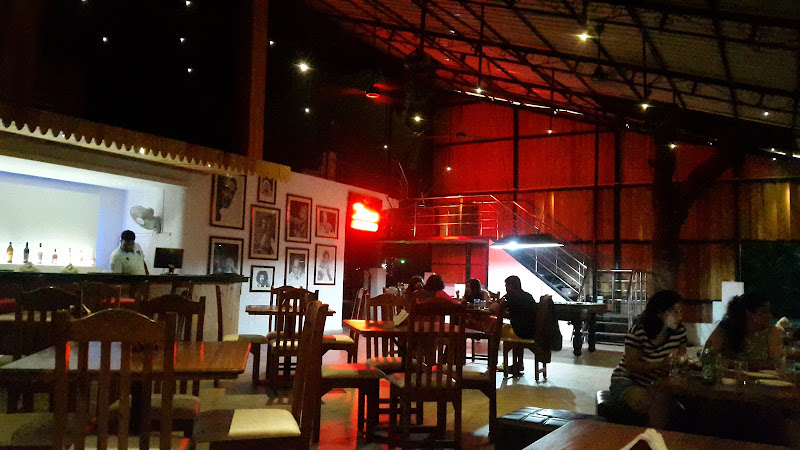
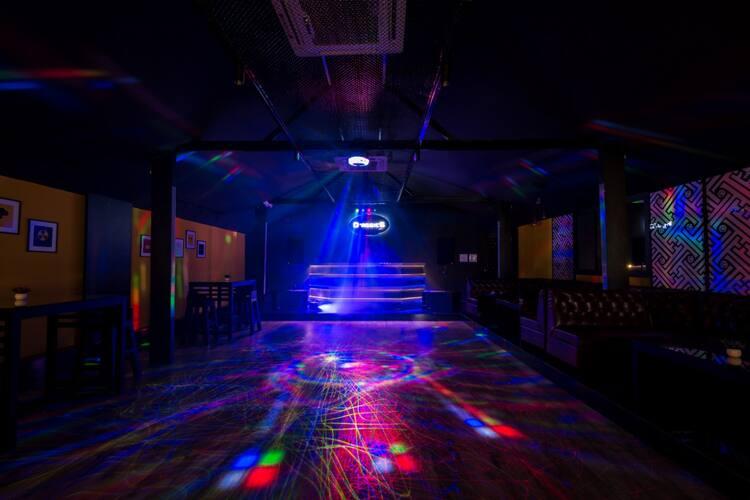
The Peak Season (November to February): This is undoubtedly the best time to visit Cavelossim Beach. The weather is near perfect, with temperatures ranging from a pleasant 20°C at night to a comfortable 30°C during the day. The humidity is at its lowest, and the skies are a clear, brilliant blue. During these months, all the beach shacks are fully operational, water sports are in full swing, and the nightlife at local spots like Mike's Place is vibrant. This is also the time for major festivals, including Christmas and New Year, when the village is beautifully decorated, and the spirit of celebration is infectious.
The Shoulder Season (October, March, and April): For travelers who want to avoid the peak crowds and the premium pricing of December, the months of October and March offer a great balance. In October, the landscape is still lush and green from the recently departed monsoons, and the shacks begin to pop up on the sand. March and April see a rise in temperature and humidity, but the sea remains calm and perfect for swimming. This is an excellent time for budget-conscious travelers to find deals on luxury resorts.
The Monsoon Season (June to September): If you are a nature lover who enjoys the "raw" side of the tropics, the monsoons in Cavelossim are magical. The Sal River swells, the coconut groves turn an intense shade of emerald, and the beach takes on a moody, dramatic appearance. While swimming in the sea is strictly prohibited due to high tides and strong currents, and most beach shacks are dismantled, the experience of watching the rain over the Arabian Sea from a luxury balcony is unparalleled. Many high-end resorts offer heavy discounts during this period, making it a great time for a "staycation."
The Summer Season (May): May is the hottest month in Goa. Temperatures can soar above 35°C with high humidity. While the mornings and evenings are still pleasant for a stroll, the midday sun can be quite harsh. However, if you don't mind the heat, you will have the entire beach almost to yourself.
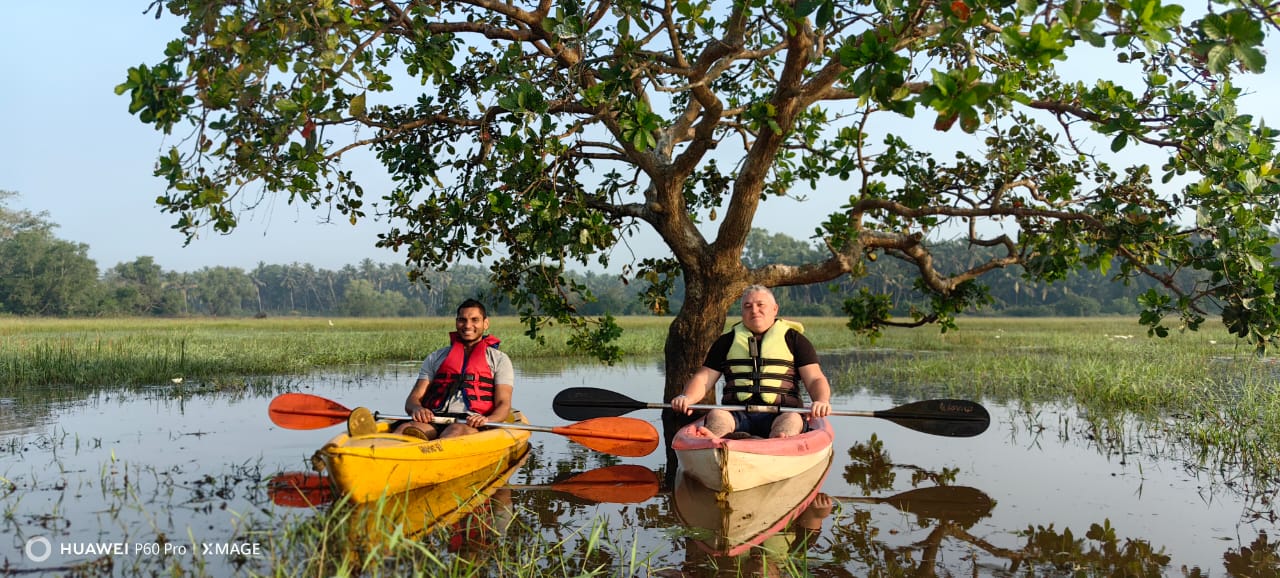
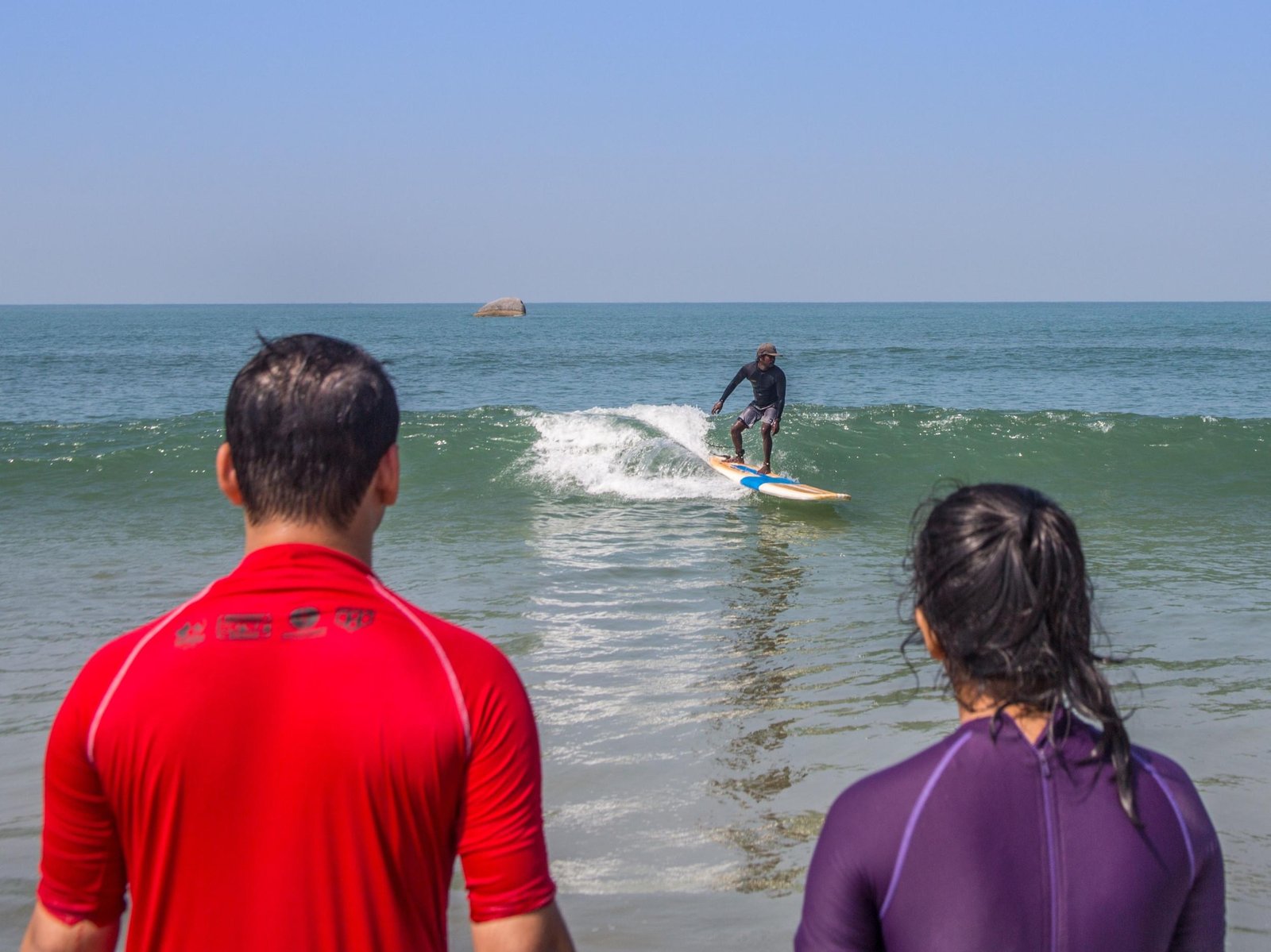
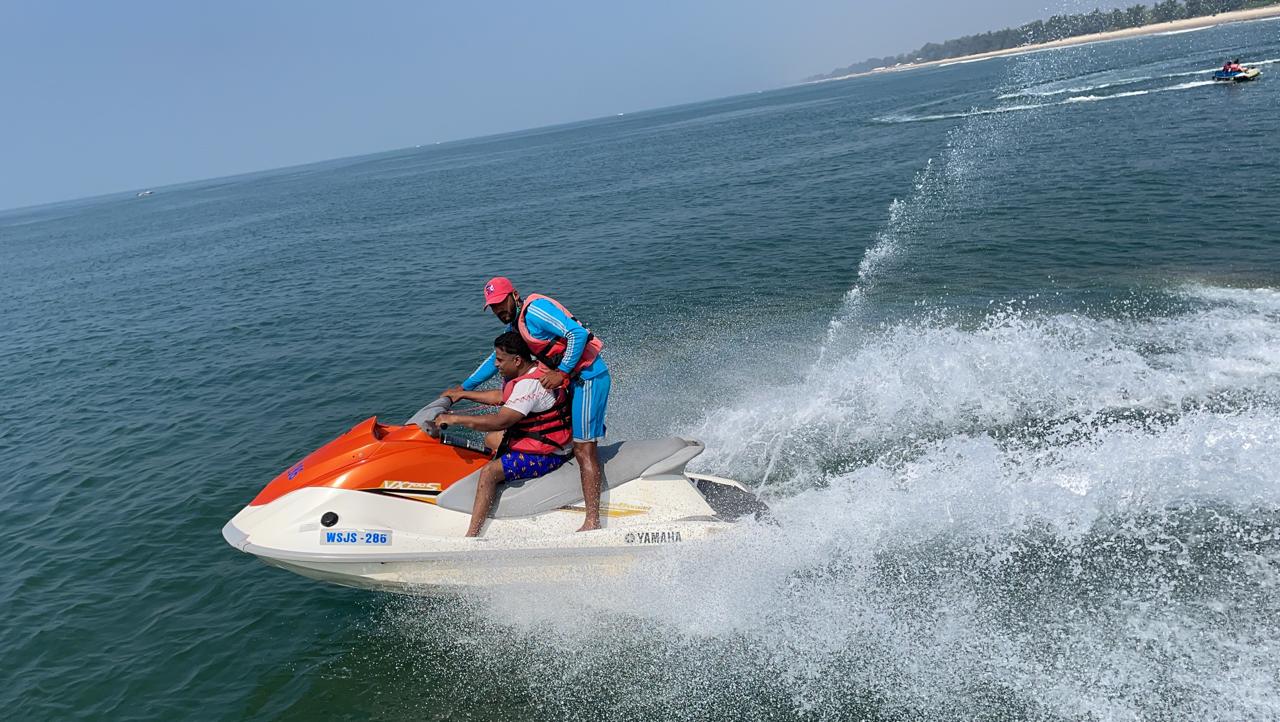
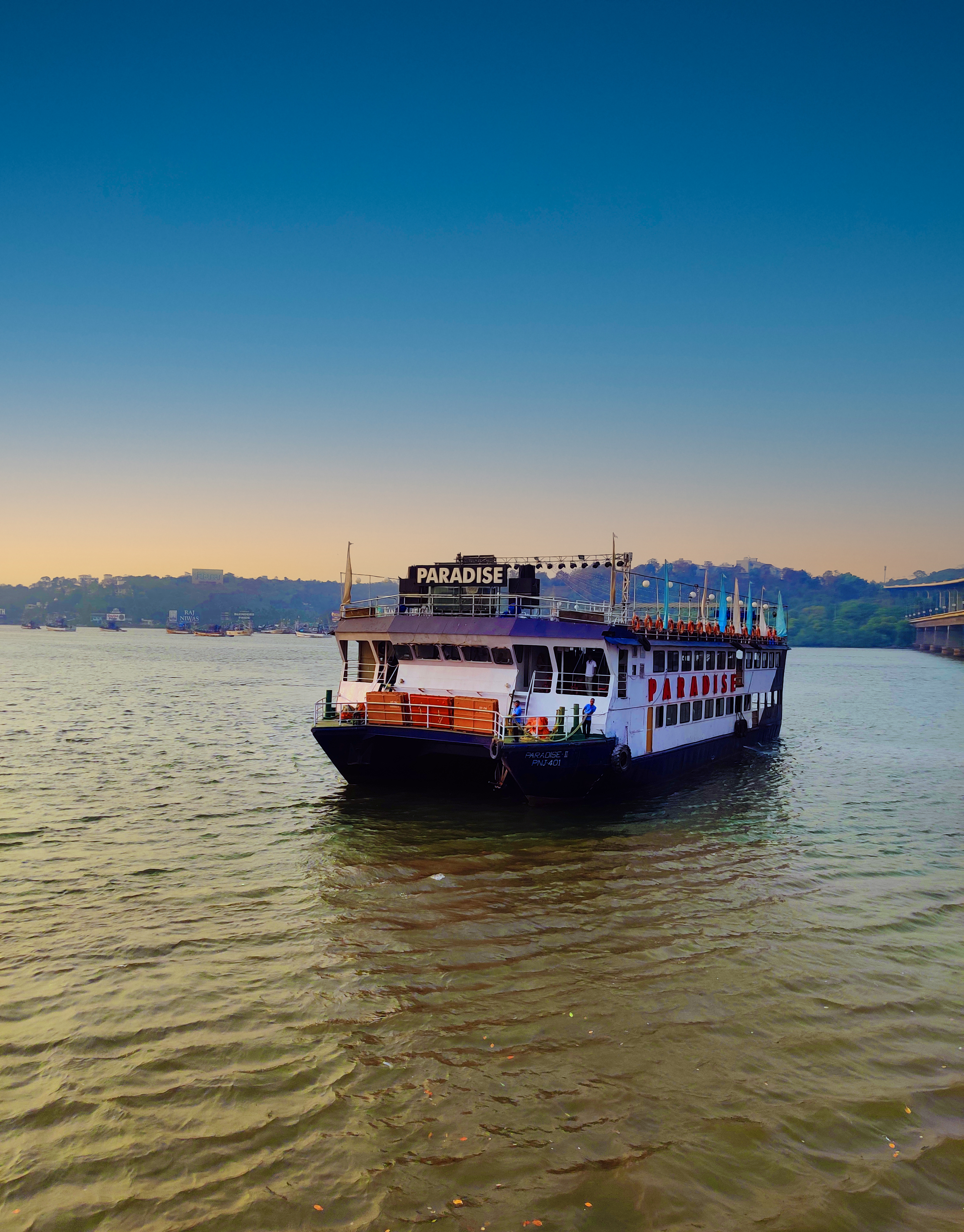
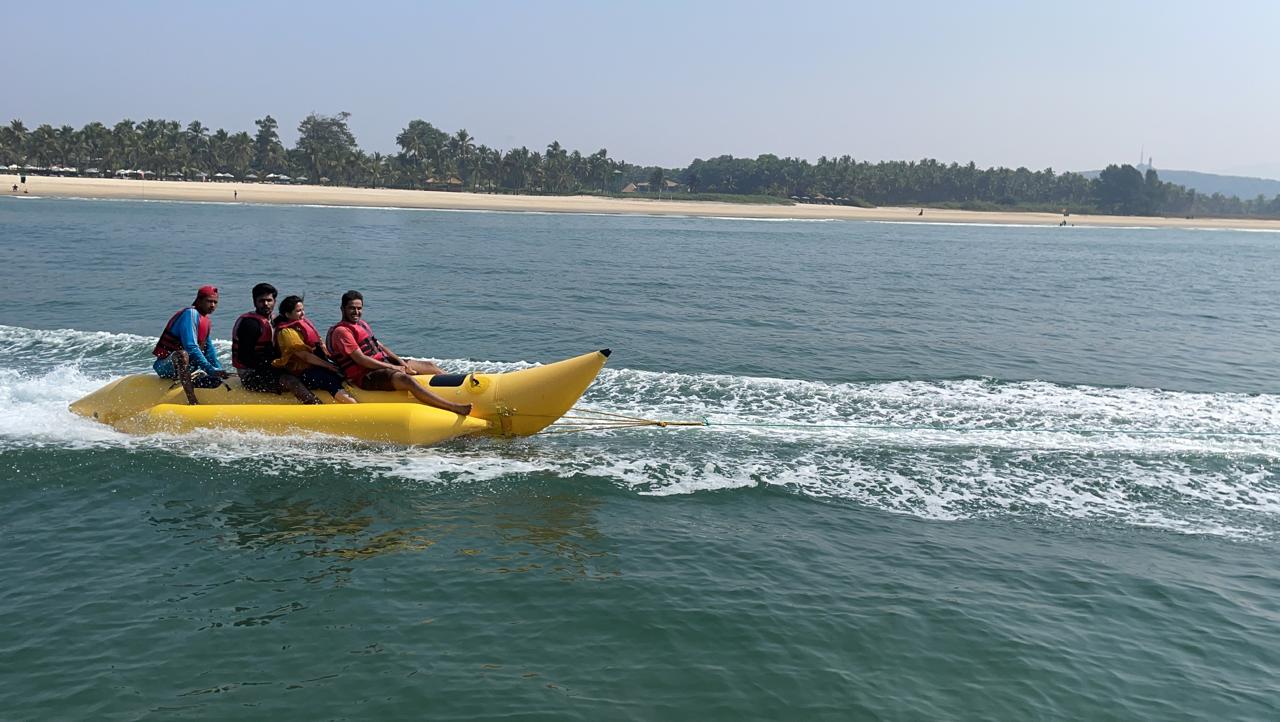
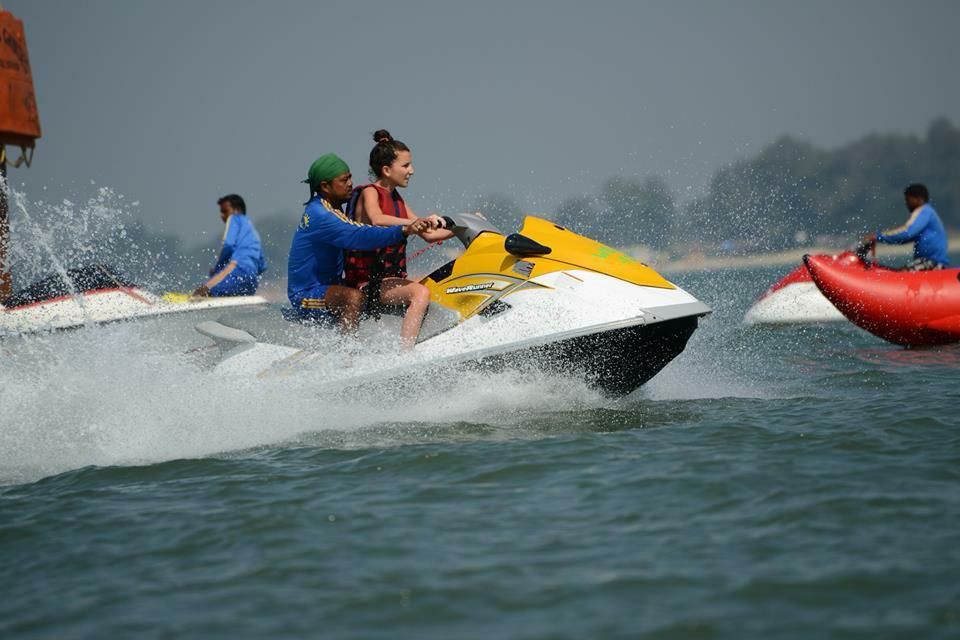
While Cavelossim is famous for its relaxation, it offers a surprisingly diverse range of activities for those who wish to be active. The unique combination of the river and the sea provides a playground for various interests.
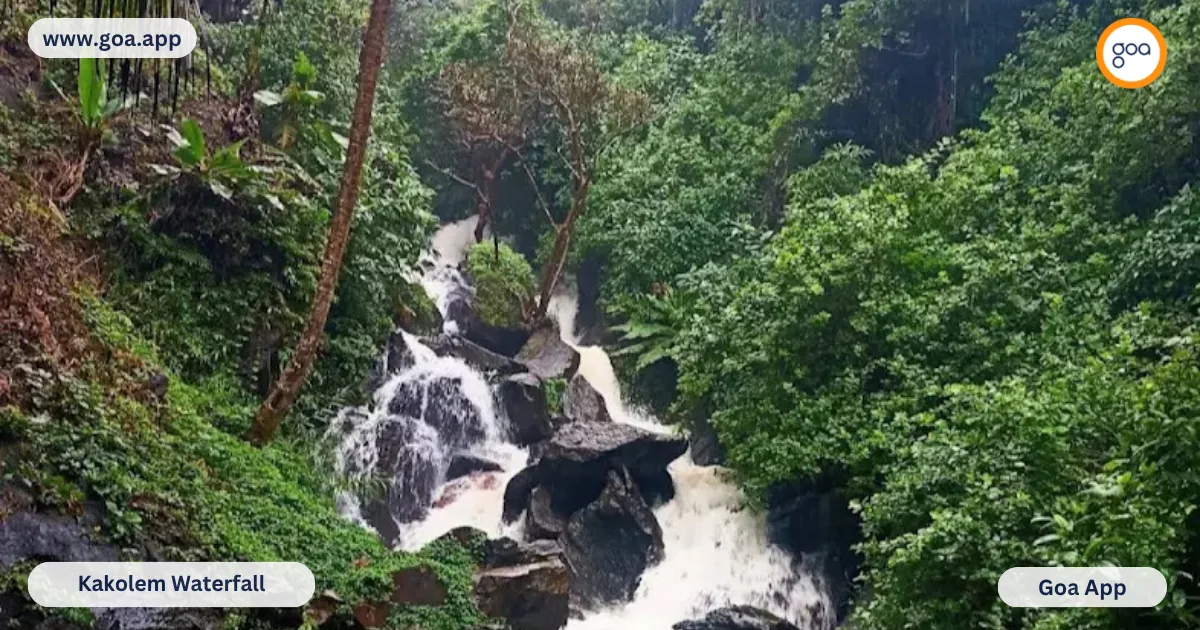
Cavelossim serves as an excellent base for exploring the hidden treasures of South Goa. Within a short drive or boat ride, you can discover historical sites and even more secluded beaches.
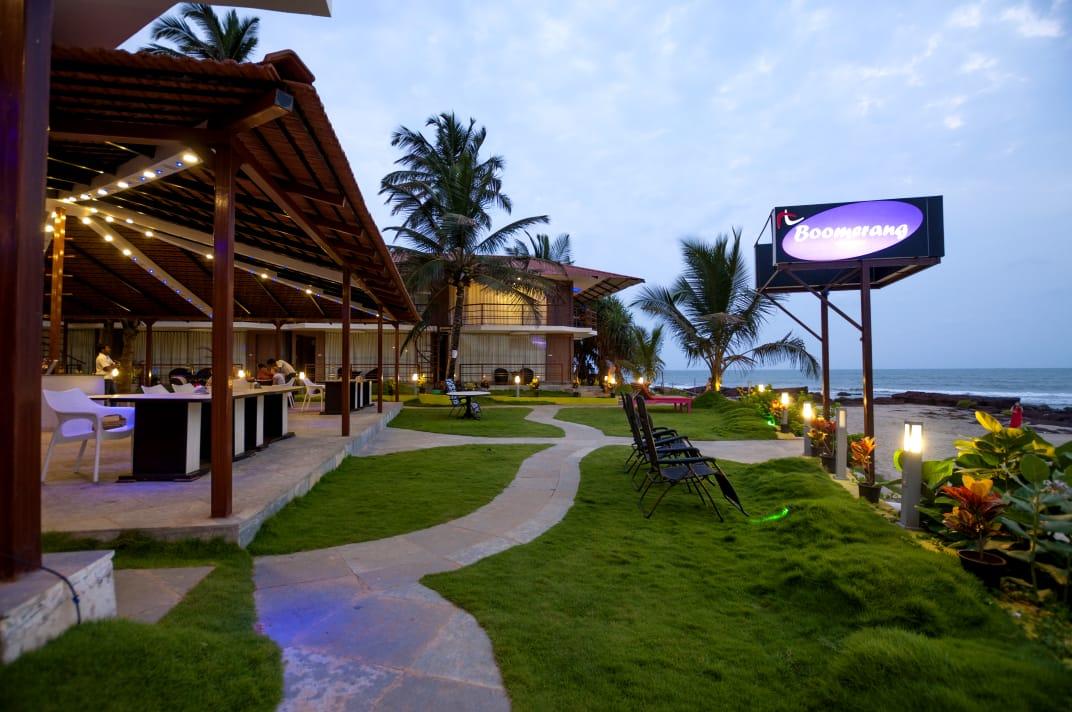
Mobor Beach: Technically a continuation of Cavelossim to the south, Mobor is where the luxury resorts are concentrated. It is the exact point where the Sal River flows into the sea. The area is incredibly well-maintained and offers some of the most premium dining and lounging options in the state.
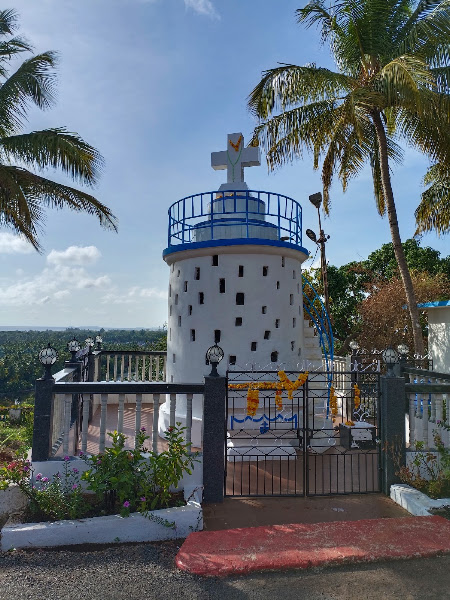
Betul Fort and Lighthouse: Located just across the Sal River, Betul is a quaint fishing village. You can take a small ferry across the river to visit the ruins of the Betul Fort, built by Shivaji Maharaj in the 17th century. The nearby Betul Lighthouse offers panoramic views of the entire coastline and the river mouth. It’s a steep but rewarding climb.
Cabo de Rama Fort: About 20 kilometers south of Cavelossim lies one of the oldest forts in Goa. Named after Lord Rama, who is said to have stayed here during his exile, the fort offers breathtaking cliff-side views of the sea. The white-washed church inside the fort walls is still functional and adds to the site's ethereal beauty.
Carmona and Varca Beaches: If you head north from Cavelossim, you will encounter the pristine stretches of Carmona and Varca. These beaches are even quieter than Cavelossim and are known for their incredibly soft, white sand and lack of commercial activity. They are perfect for long, uninterrupted walks.
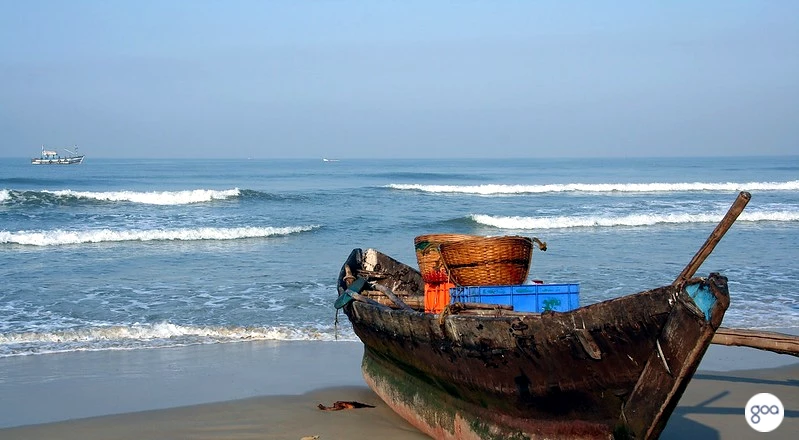
Cutbona Jetty: For a glimpse into Goa's thriving fishing industry, a visit to the Cutbona Jetty is a must. It is one of the largest fishing hubs in the state. Watching hundreds of colorful fishing trawlers prepare for their journey into the deep sea is a fascinating sight, though be prepared for the strong smell of fresh catch!
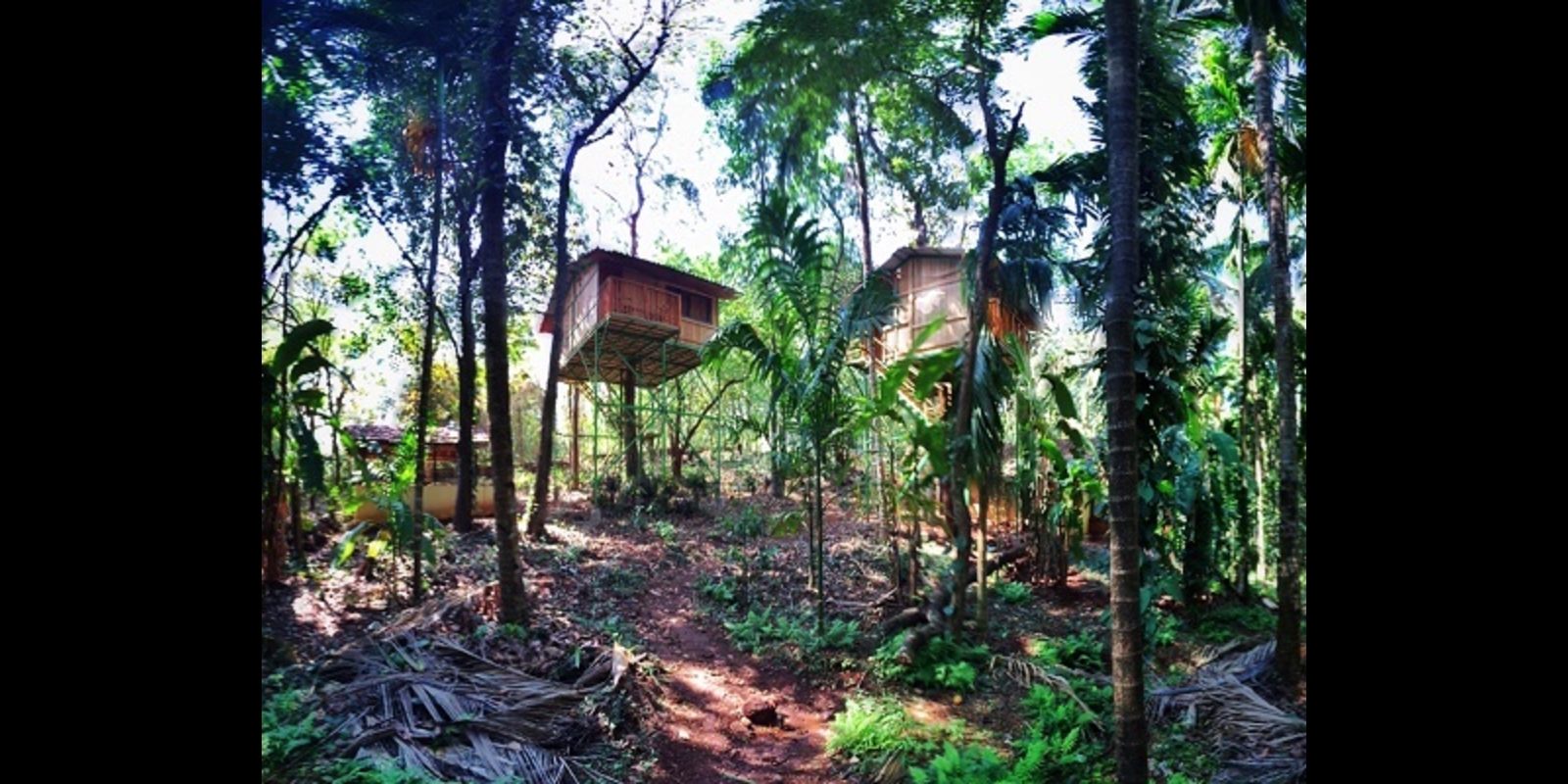
Cavelossim is synonymous with luxury, but it also offers charming mid-range and boutique options for different types of travelers.
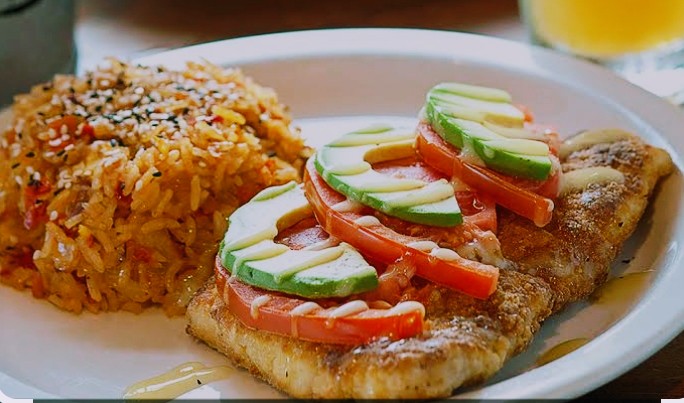
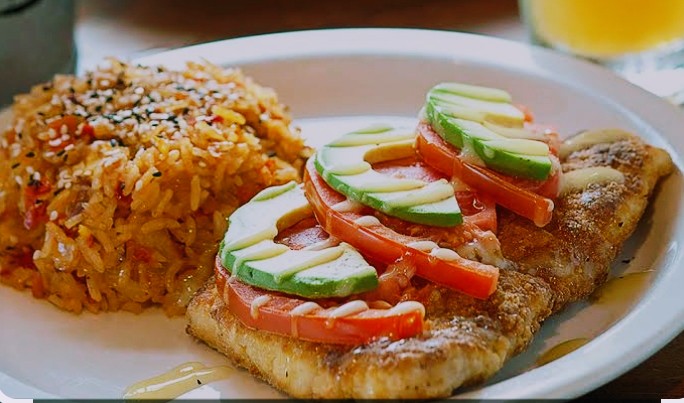
The culinary scene in Cavelossim is a delightful mix of traditional Goan flavors, fresh seafood, and international cuisines. From beach shacks to fine-dining restaurants, the options are plenty.
Mike’s Place: A legendary establishment in Cavelossim, Mike’s Place is known for its lively atmosphere, live music, and extensive menu. Whether you want to try a traditional Goan Fish Curry or a wood-fired pizza, this is the place to be. Their cocktails are equally famous.
The Fisherman’s Wharf: Located on the banks of the Sal River (a short drive from the beach), this is perhaps the most famous seafood restaurant in South Goa. Built like a traditional fishing village, it offers stunning river views. Must-try dishes include the King Prawns in Recheado Masala and the Pork Vindaloo.
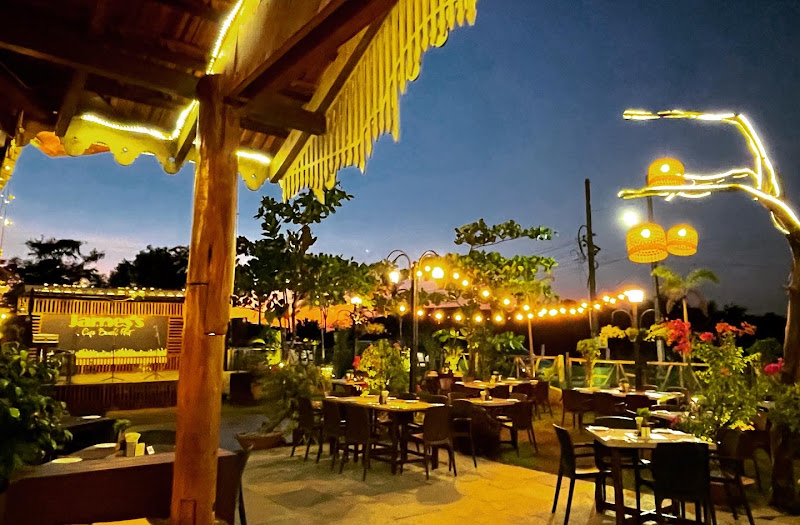
James’s Beach Shack: For a more authentic beach experience, James’s offers great food with your feet in the sand. Their seafood platters are fresh and reasonably priced, and the service is exceptionally friendly. It’s a great spot for a sundowner.
Robin’s Ark: Located on the main road, this restaurant is praised for its sophisticated menu and elegant ambiance. It serves a mix of European and fusion dishes, making it a great choice for a romantic dinner. Their steaks and grilled fish are highly recommended.
Local Bakeries: Don't forget to visit the small local bakeries in the morning. Try the Poi (traditional Goan bread) or the Bebinca (a multi-layered Goan dessert made of coconut milk and jaggery). The aroma of fresh baking is a staple of Cavelossim mornings.
To make the most of your trip to this coastal paradise, keep these practical tips in mind:
Cavelossim Beach is more than just a destination; it is a sanctuary for the soul. It represents the perfect harmony between nature’s raw beauty and human-made luxury. Whether you are watching the dolphins play at dawn, exploring the winding Sal River, or simply reclining on the white sands with a book in hand, Cavelossim offers a sense of peace that is increasingly rare in today's fast-paced world. Its unique blend of black lava rocks, pristine waters, and warm Goan hospitality creates memories that linger long after the sand has been washed from your feet. For those seeking the true essence of South Goa—elegant, quiet, and breathtakingly beautiful—Cavelossim Beach remains an unrivaled choice.