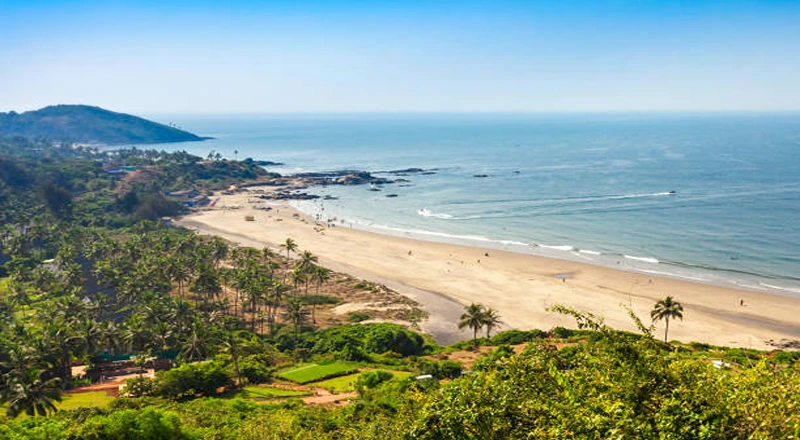
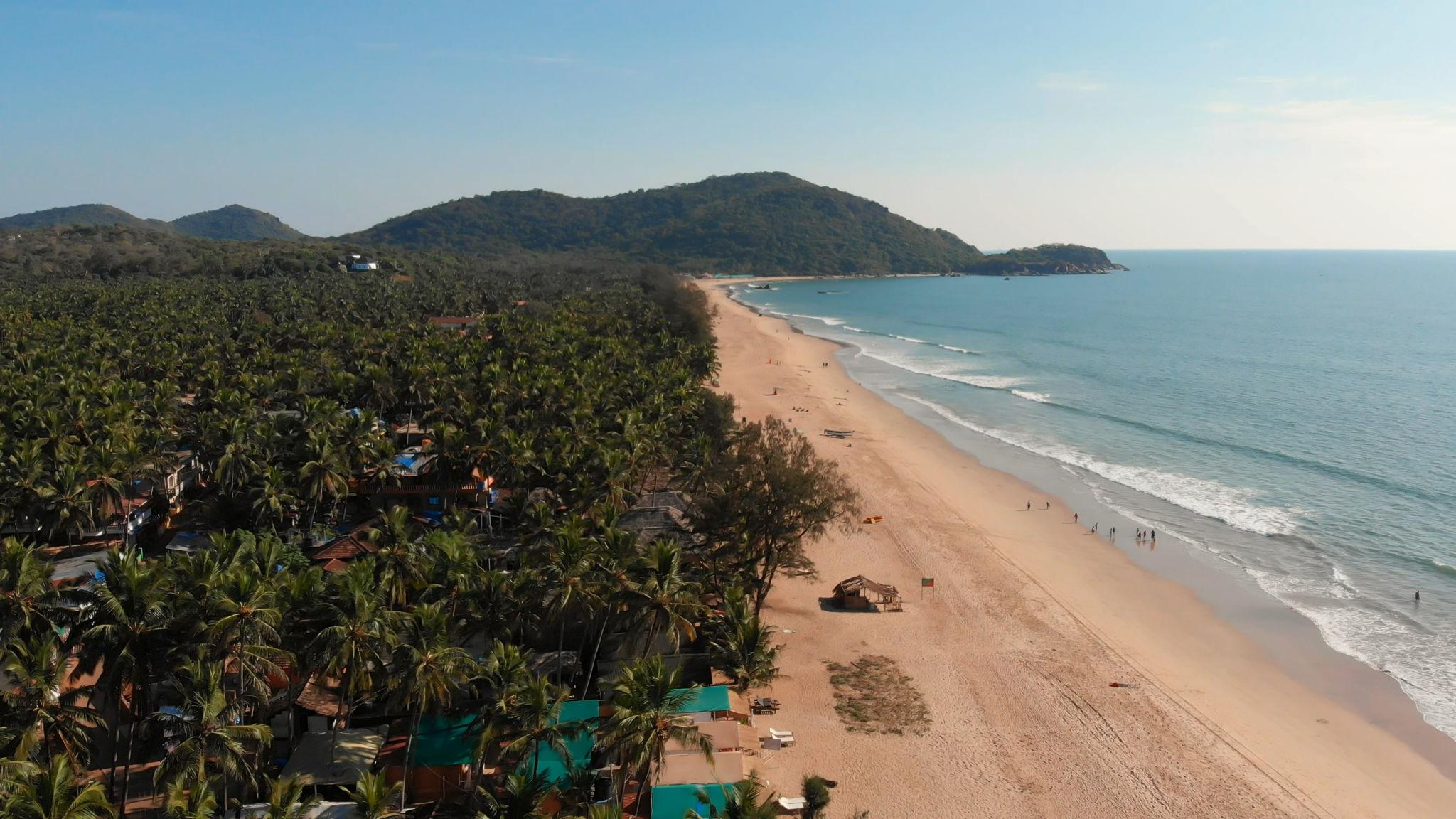
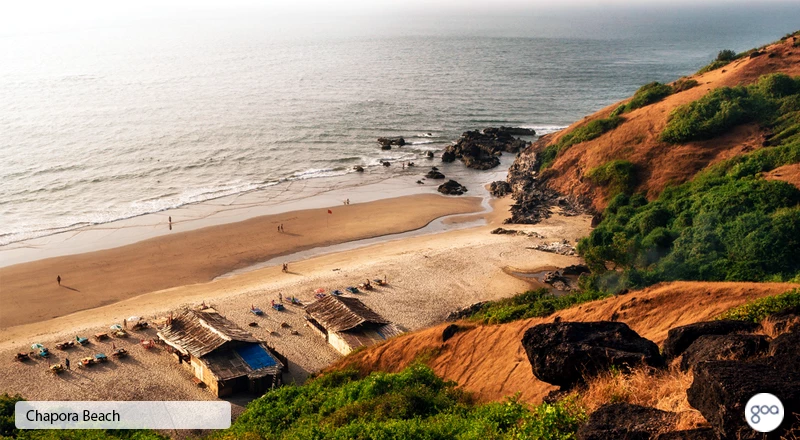
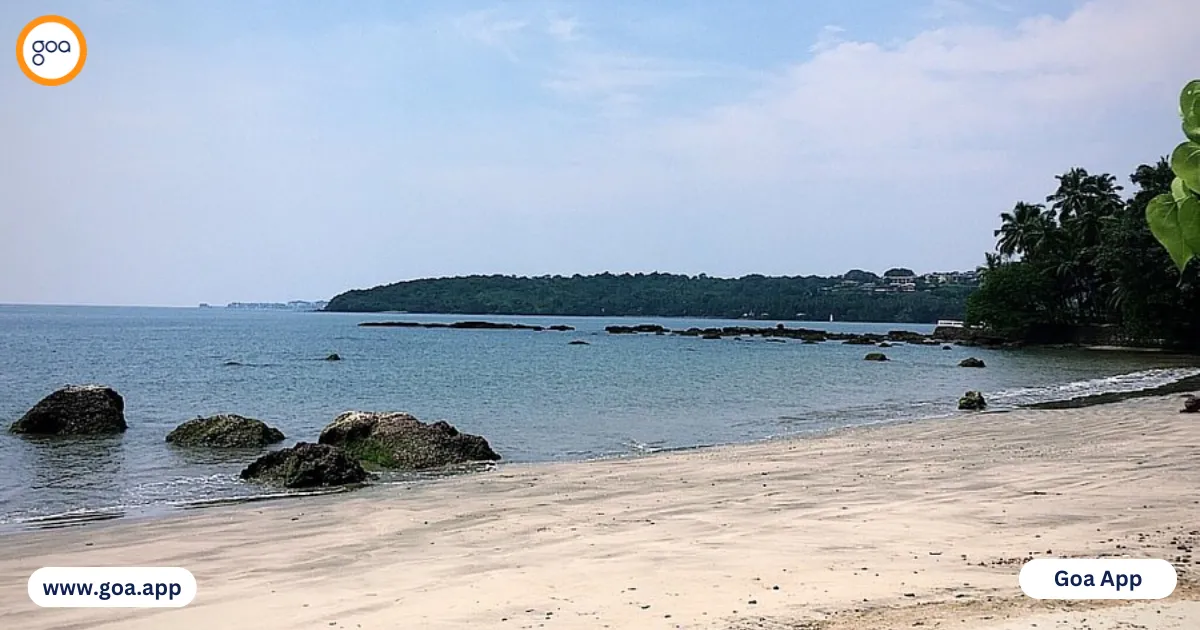
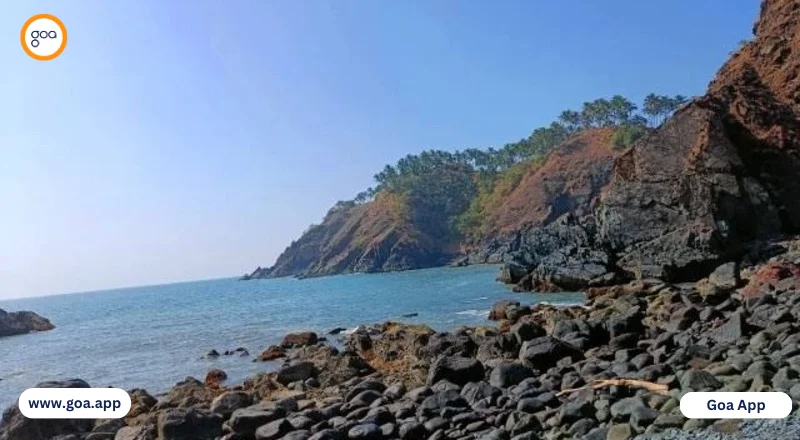
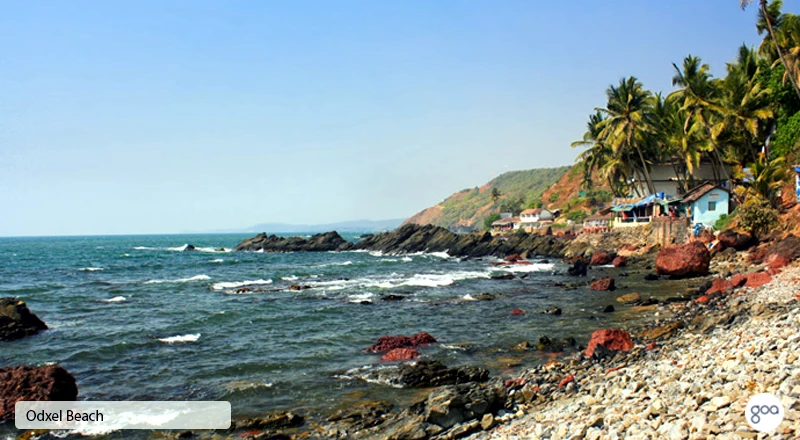
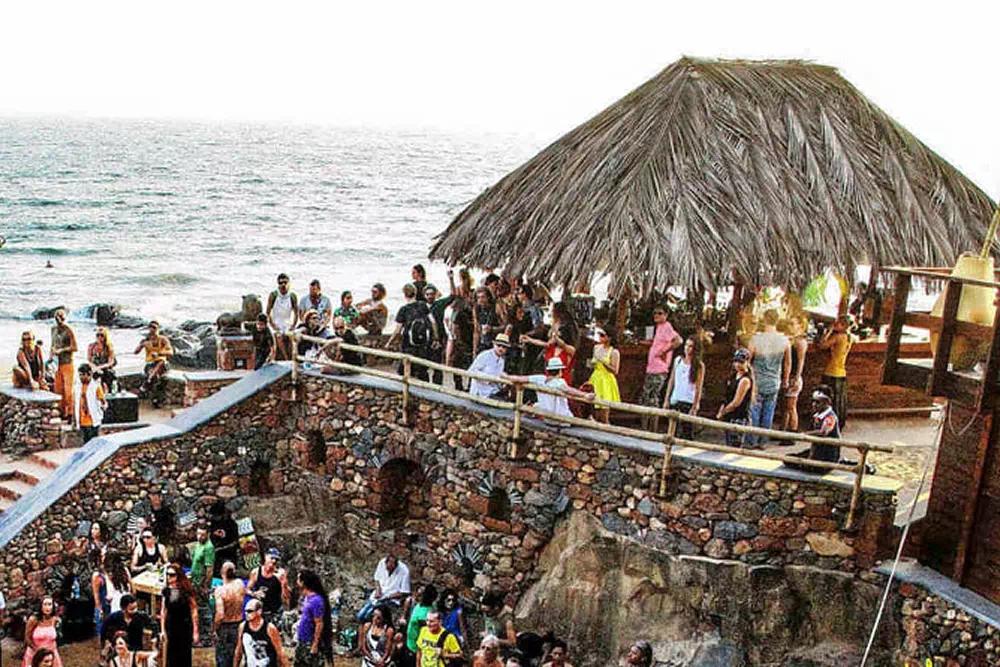
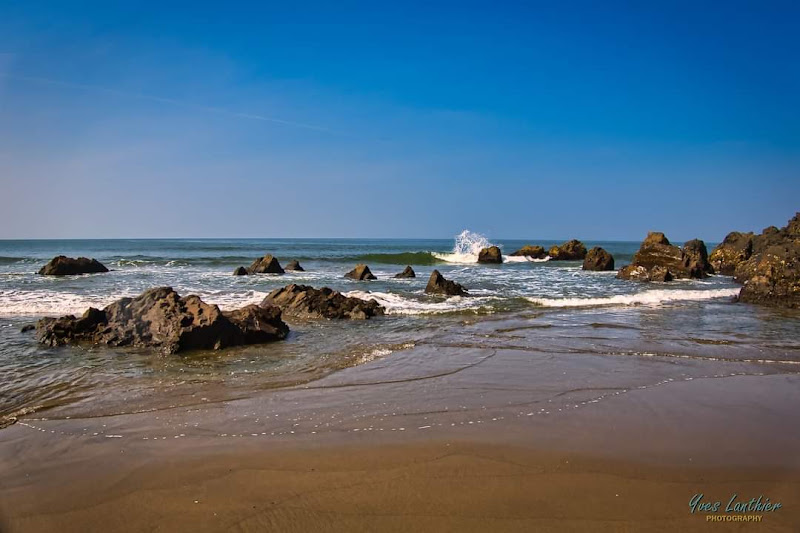
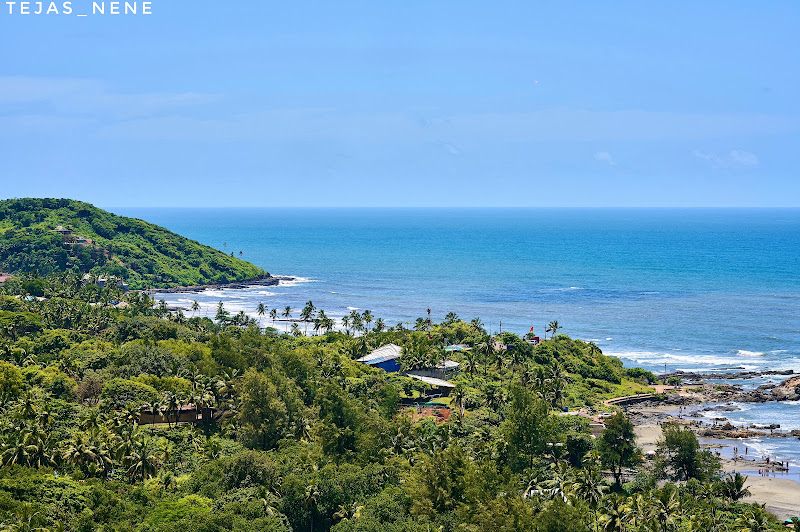
Nestled beneath the towering, rugged cliffs of North Goa, Dream Beach is often whispered about among seasoned travelers as one of the last remaining "secret" spots in the bustling Vagator-Anjuna belt. Unlike the expansive, sun-drenched stretches of Calangute or Baga, Dream Beach is an intimate, cove-like sanctuary that offers a dramatic landscape defined by black volcanic rocks, swaying coconut palms, and the emerald waters of the Arabian Sea. This beach isn't just a destination; it is a retreat for those who find beauty in the raw, unpolished edges of nature. As a professional travel writer who has spent years traversing the Goan coastline, I can attest that Dream Beach captures the bohemian spirit of "Old Goa" better than almost any other location in the north.
The allure of Dream Beach lies in its relative seclusion. While the nearby Vagator Beach and Ozran Beach (Little Vagator) have become hotspots for high-end beach clubs and sunset parties, Dream Beach remains a quiet observer. To reach its shores, one must navigate a steep, winding path down the cliffside, a journey that naturally filters out the casual tourist crowds. Once you descend, you are greeted by a landscape that looks like it was plucked from a cinematic masterpiece. The contrast between the deep red laterite cliffs and the dark rocks scattered across the sand creates a visual palette that is a dream for photographers and artists alike. It is a place where the sound of the crashing waves isn't drowned out by electronic music, but rather complemented by the rustle of palm fronds and the distant call of sea birds.
Historically, this area was a haunt for the original hippies who arrived in Goa in the 1960s and 70s. While the world around it has modernized, Dream Beach retains a sense of timelessness. There are no permanent concrete structures here, preserving the ecological integrity of the cove. During low tide, the beach reveals hidden tide pools and small caverns carved into the rock face by centuries of maritime erosion. Whether you are looking to meditate in silence, capture the perfect golden hour shot, or simply escape the commercial noise of North Goa, Dream Beach serves as a poignant reminder of why Goa became a global sanctuary for the soul in the first place. It is the quintessential hidden gem, offering a slice of paradise for those willing to put in the effort to find it.
Reaching Dream Beach requires a bit of local knowledge and a sense of adventure. Located in the Vagator region of North Goa, it is situated approximately 22 kilometers from the capital city, Panjim, and about 45-50 kilometers from the Dabolim International Airport. If you are flying into the newer Manohar International Airport (Mopa) in the north, the drive is considerably shorter, taking roughly 45 minutes to an hour depending on traffic.
For those traveling by train, the nearest major railway station is Thivim, which is about 19 kilometers away. From Thivim, you can easily hire a pre-paid taxi or a local rickshaw to take you toward Vagator. Once you arrive in the Vagator area, navigate toward the cliffs overlooking the sea, specifically near the landmarks of Ozran Beach. Most GPS units will lead you to the main Vagator parking area, but to find Dream Beach, you need to look for the smaller trails that lead down the cliffside between Big Vagator and the Ozran stretch.
The most authentic way to explore Goa is by renting a scooter or a Royal Enfield. This gives you the flexibility to navigate the narrow, winding lanes of Vagator. Once you park your vehicle at the top of the cliff (there are designated parking spots near the popular cafes), the real journey begins. There is no vehicular access to the beach itself. You will need to hike down a series of steep, uneven stone steps and dirt paths. It is a moderate descent, but it can be slippery during the monsoon or early morning dew, so sturdy footwear is highly recommended. For those who prefer a more comfortable journey, private taxis are available from all major hubs in Goa, but be prepared to walk the final 200-300 meters down the cliff.
Timing is everything when planning a visit to Dream Beach. To experience the beach in its full glory, the winter season (November to February) is undoubtedly the best time. During these months, the weather in Goa is nothing short of spectacular. The temperatures hover between a pleasant 20°C and 30°C, the humidity is manageable, and the sea is calm enough for a refreshing dip. This is also when the water is at its clearest, making the rock pools and the shoreline particularly beautiful.
The shoulder seasons of October and March/April also have their charms. In October, you can witness the landscape in its lushest state, still green from the departing monsoons, though the sea might still be a bit choppy. March and April bring warmer temperatures, which are perfect for those who want to spend long hours in the water, though the midday sun can be quite intense. If you visit during this time, aim for early morning or late afternoon excursions.
The monsoon season (June to September) in Goa is a double-edged sword. While the cliffs surrounding Dream Beach turn a vibrant, velvety green and the atmosphere is incredibly romantic, the beach itself can become inaccessible. The steep paths down the cliff become dangerously slippery, and the Arabian Sea turns ferocious, with high tides often swallowing the entire sandy stretch of the beach. Most shacks and nearby facilities close down during this period. However, for the intrepid traveler who enjoys watching the raw power of nature from the safety of the cliff-top cafes, the monsoon offers a dramatic perspective of Dream Beach that few get to see.
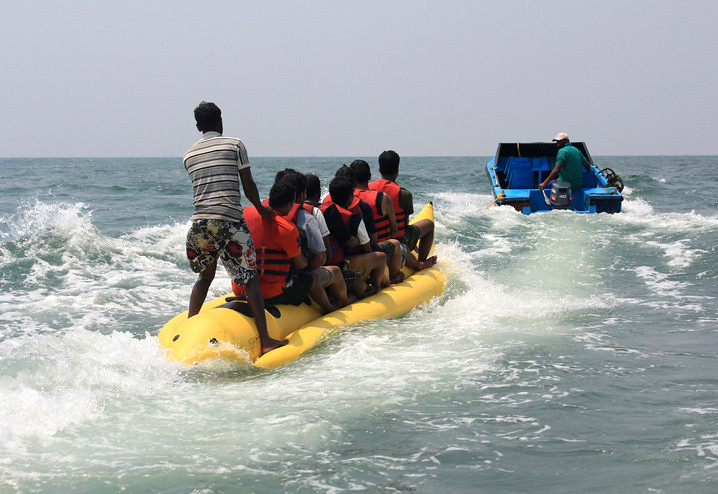
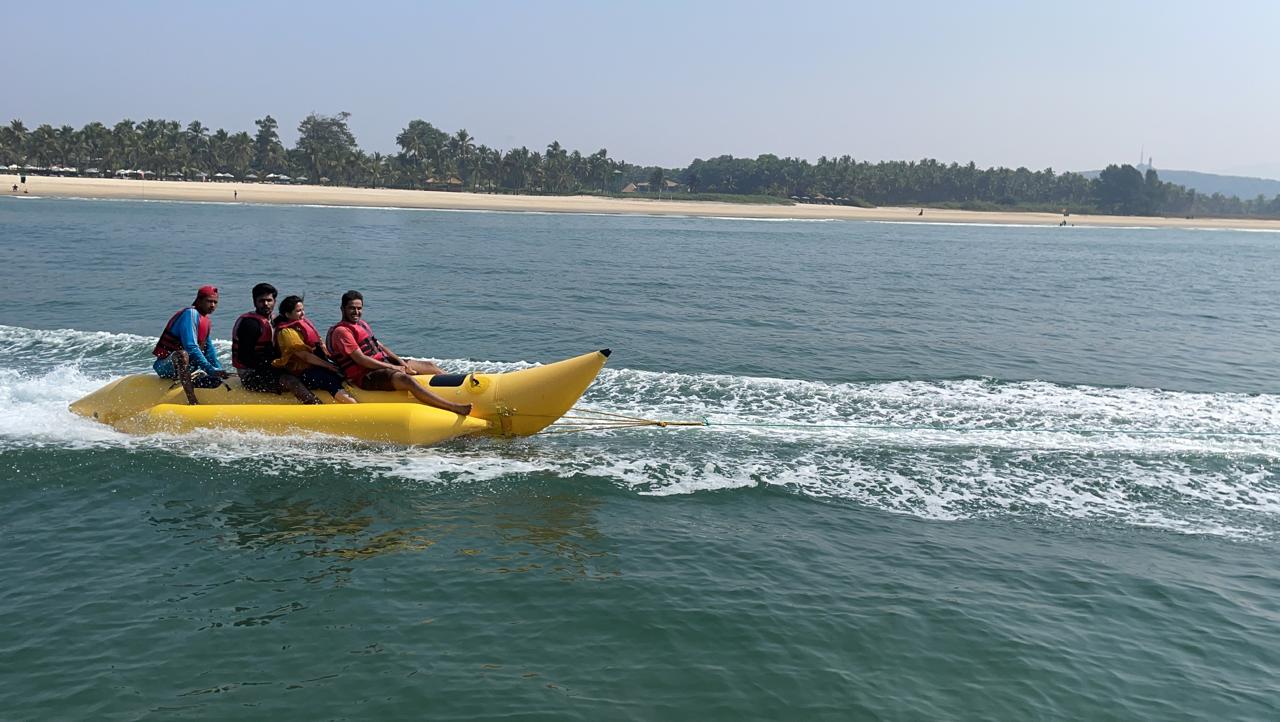
Dream Beach is not your typical "activity-heavy" beach. You won't find jet skis screaming across the water or parasailing operators lining the shore. Instead, the activities here are centered around nature, tranquility, and introspection. One of the most popular things to do is exploring the natural rock formations. The beach is dotted with large volcanic rocks that create small, private alcoves and natural tide pools. During low tide, these pools become miniature ecosystems where you can spot small fish, crabs, and sea anemones.
Photography is another major draw. The interplay of the red cliffs, the dark rocks, and the shifting colors of the Arabian Sea provides an endless array of compositions. Whether you are a professional with a DSLR or an enthusiast with a smartphone, the "Golden Hour" at Dream Beach is a religious experience. As the sun begins to set, the entire cove is bathed in a warm, amber light that reflects off the wet sand and the rock surfaces, creating a shimmering, ethereal effect.
For those who enjoy a bit of physical activity, cliff hiking around the Dream Beach perimeter is highly rewarding. Several small trails wind along the ridge of the cliffs, offering panoramic views of the coastline stretching from Chapora Fort in the north to Anjuna in the south. These trails are perfect for a morning trek before the heat of the day sets in. Additionally, the beach is a fantastic spot for yoga and meditation. The sound of the waves acting as a natural white noise machine, combined with the relative isolation, makes it an ideal place to practice your asanas or simply sit in silent reflection. Finally, don't miss the chance to simply sunbathe and swim. The water here is generally cleaner than at the more crowded beaches, though you should always be mindful of the underwater rocks when entering the sea.
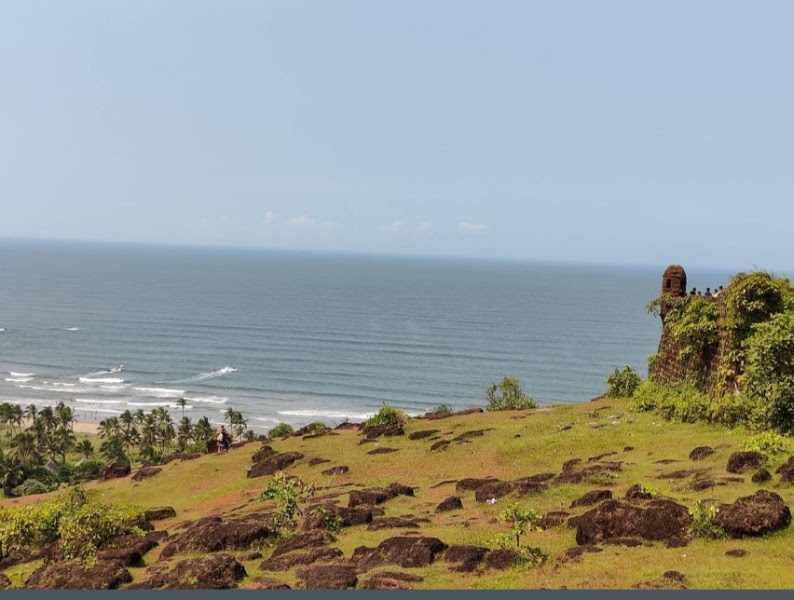
While Dream Beach feels like a world of its own, it is perfectly positioned near some of North Goa's most iconic landmarks. Just a short distance away is the legendary Chapora Fort. Famous for its role in the Bollywood cult classic Dil Chahta Hai, the fort offers some of the most breathtaking views in all of Goa. Walking through the ancient laterite ruins at sunset, looking down at the Vagator shoreline and the Vagator River meeting the sea, is a quintessential Goan experience.
To the immediate south lies Ozran Beach, also known as Little Vagator. This beach is famous for the Shiva Carving on one of the rocks, a piece of art created by a wandering traveler decades ago that has since become a local landmark. Ozran is also home to some of the trendiest beach clubs in the state, offering a sharp contrast to the quietude of Dream Beach. If you are in the mood for some shopping, the Anjuna Flea Market (held on Wednesdays) and the Arpora Saturday Night Market are just a short drive away. These markets are a sensory overload of colors, smells, and sounds, where you can find everything from handmade jewelry to vintage clothing and local spices.
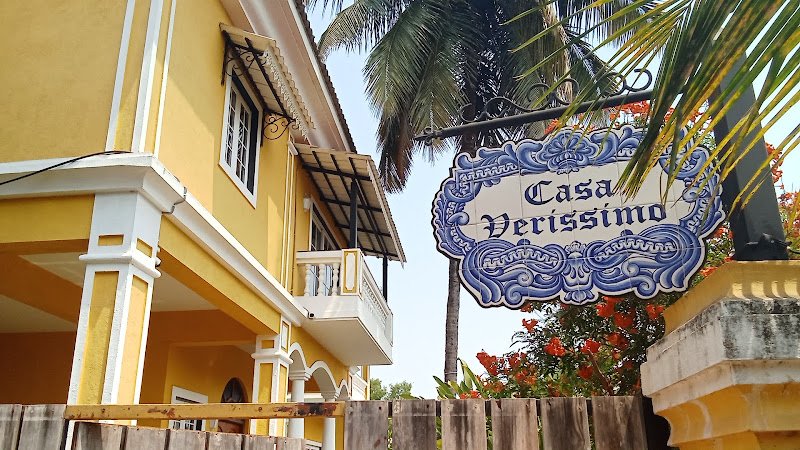
For nature lovers, a visit to the Siolim River or a boat trip to spot dolphins in the deep sea can be easily arranged from nearby operators. If you are interested in Goan history and architecture, the village of Assagao, often called the "Land of Flowers," is nearby. It features beautifully restored Portuguese-era villas, boutique stores, and some of the finest dining establishments in the country. Exploring the narrow lanes of Assagao provides a glimpse into the sophisticated, inland side of Goan life that many beach-goers miss.
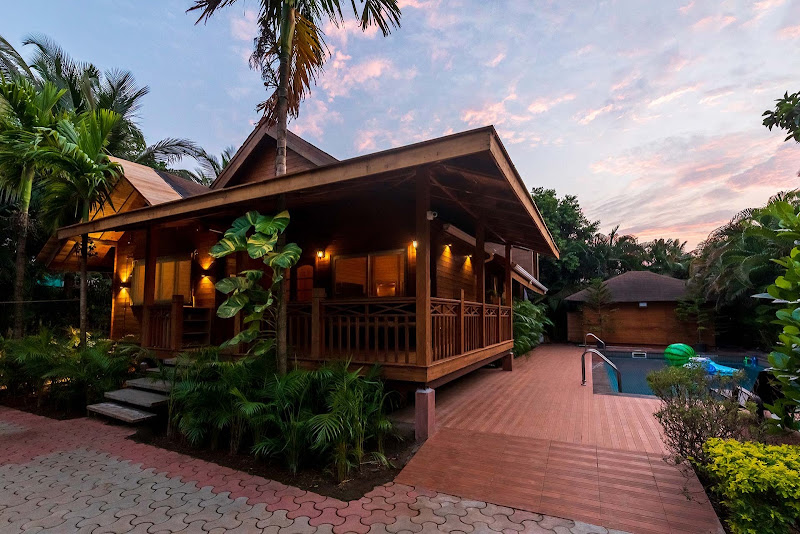
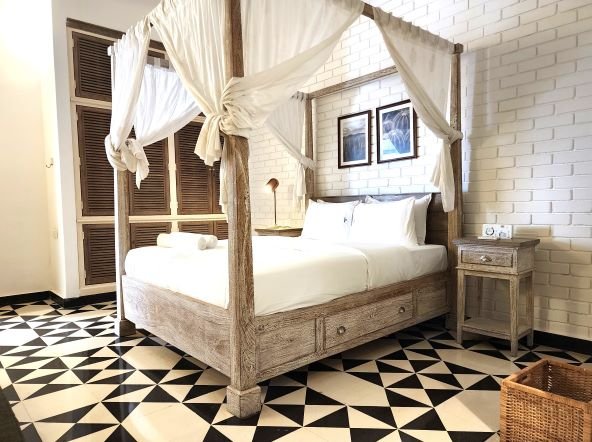
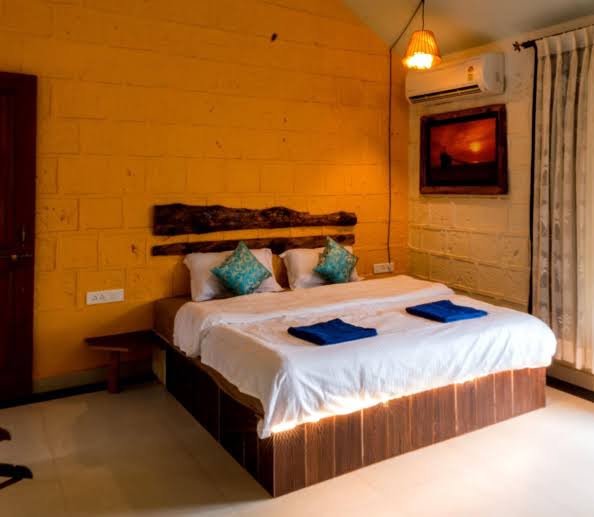
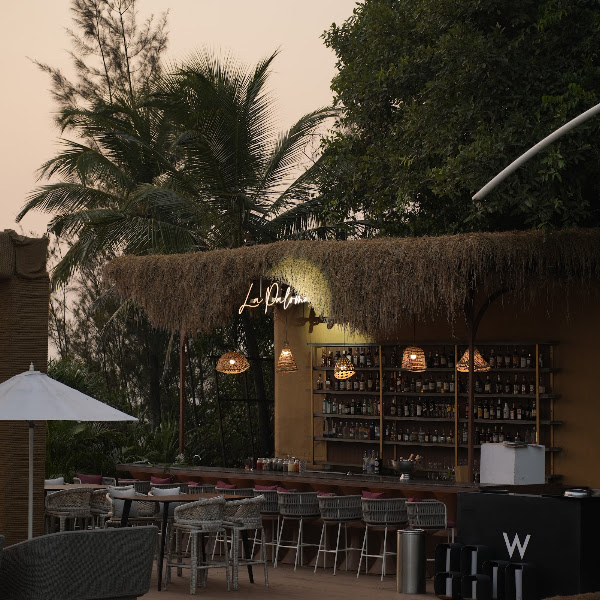
The area surrounding Dream Beach offers a diverse range of accommodation, catering to everything from luxury seekers to budget backpackers. Since there are no hotels directly on the sand of Dream Beach, you will be staying on the Vagator cliffs or in the nearby village. For those seeking a high-end experience, W Goa is the premier choice. Located right on the edge of the Vagator coastline, it offers world-class amenities, stunning views, and a vibrant atmosphere that blends modern luxury with Goan charm.
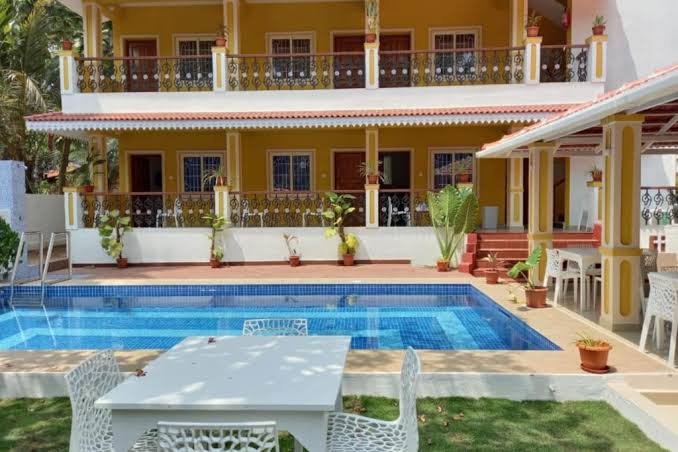
If you prefer something more intimate and boutique, consider The Antares Beach Resort or Olive Bar & Kitchen’s associated stays. these properties are perched on the cliffs and offer direct access to the paths leading down to the beaches. They provide a Mediterranean vibe with white-washed walls and infinity pools that seem to merge with the ocean. For mid-range travelers, there are numerous guest houses and villas in the Vagator and Anjuna area, such as Pappi Chulo or Jungle by the Hostelcrowd, which offer a social atmosphere and are very popular with the younger, international crowd.
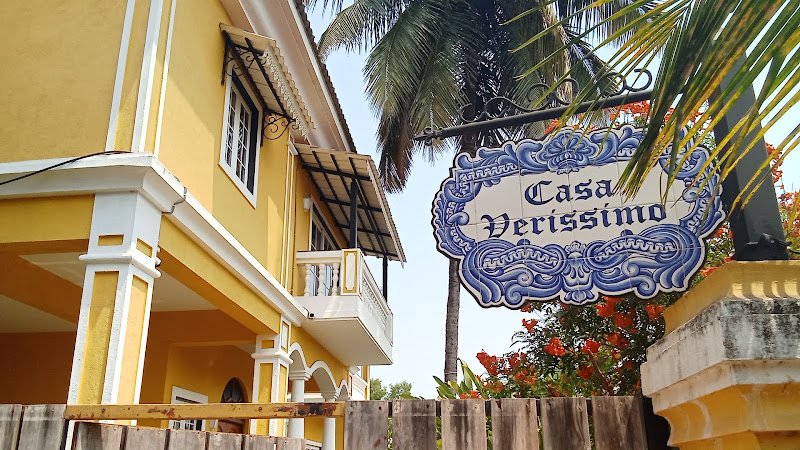
For long-term travelers or those on a strict budget, the lanes of Vagator are filled with traditional Goan houses that have been converted into homestays. These options allow you to experience local hospitality and are often tucked away in quiet, leafy corners. Staying in a homestay often gives you the added benefit of local tips from your hosts, who can point you toward the best secret paths to Dream Beach or the freshest seafood in the village. Regardless of where you stay, ensure your accommodation is within walking or short scooting distance of the cliffs to make the most of your time at the beach.
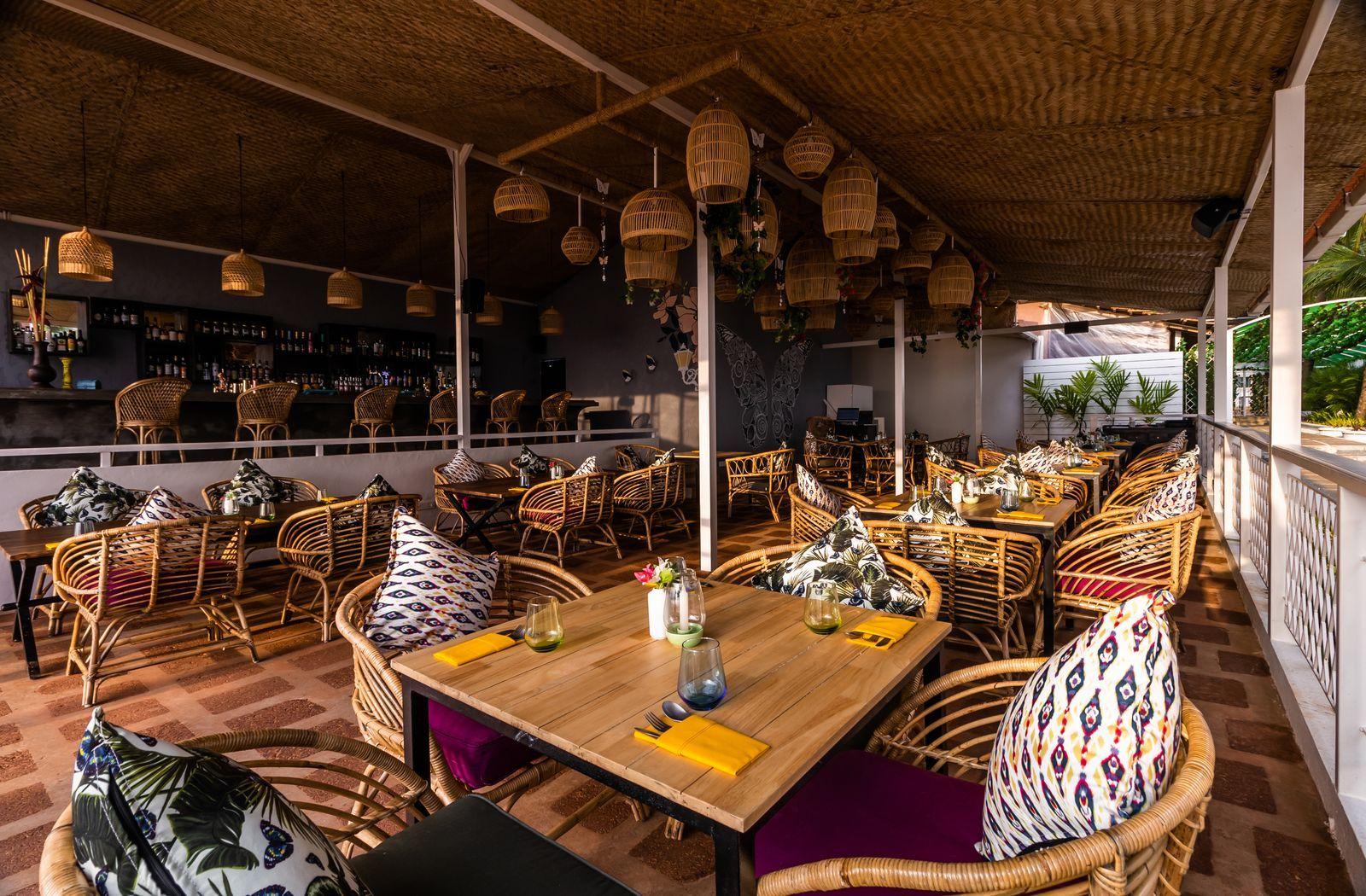
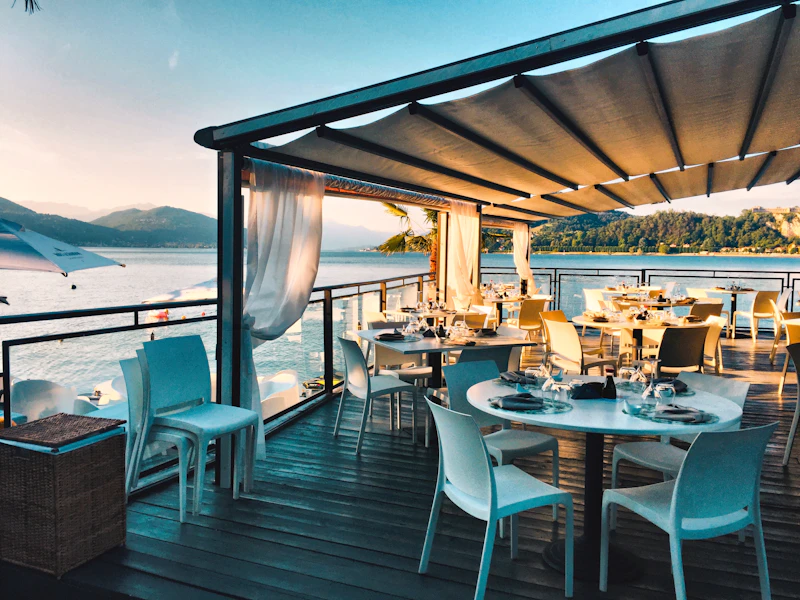
The culinary scene near Dream Beach is one of the most exciting in India. The cliffs above the beach are home to some of the most famous "sunset bars" and restaurants in the country. Thalassa, though it has moved its primary location to Siolim, helped establish this area as a Greek-inspired culinary hub. Today, Antares Restaurant & Beach Club, helmed by celebrity chef Sarah Todd, offers incredible Australian-inspired cuisine with a Goan twist, all while providing a bird's-eye view of the Dream Beach cove.
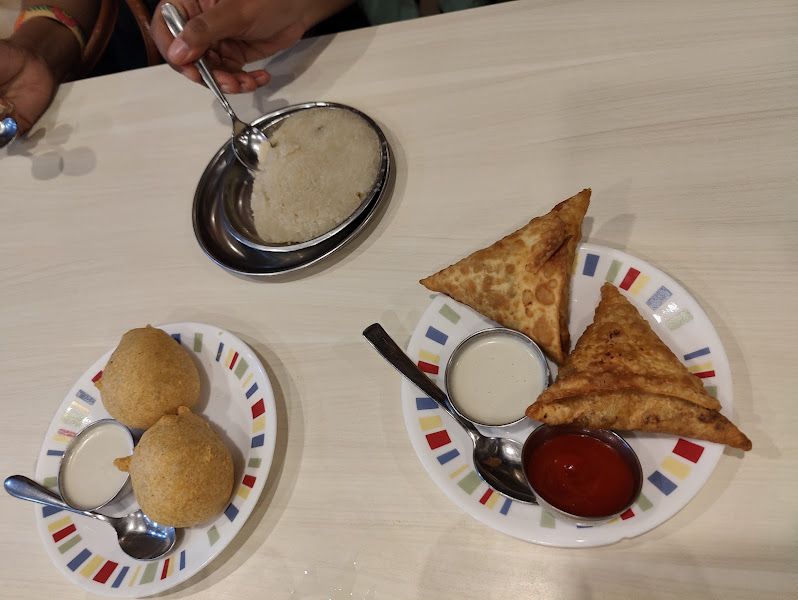
For a more laid-back, bohemian dining experience, Burger Factory in Anjuna/Vagator is a local legend, serving some of the best gourmet burgers you will ever taste. If you are looking for authentic Goan flavors, head into the village to Vinayak Family Restaurant. It is unassuming and simple, but their fish thali is widely considered one of the best in North Goa. For breakfast or a mid-day caffeine fix, Artjuna in nearby Anjuna is a must-visit. Set in an old Portuguese house, it features a lifestyle shop, a library, and a garden cafe serving healthy Mediterranean fare, fresh juices, and excellent coffee.
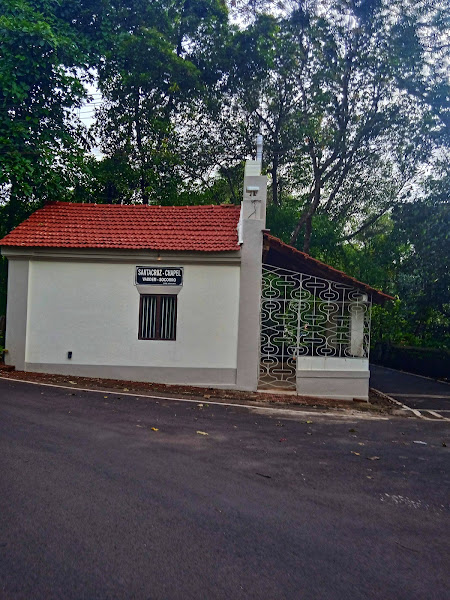
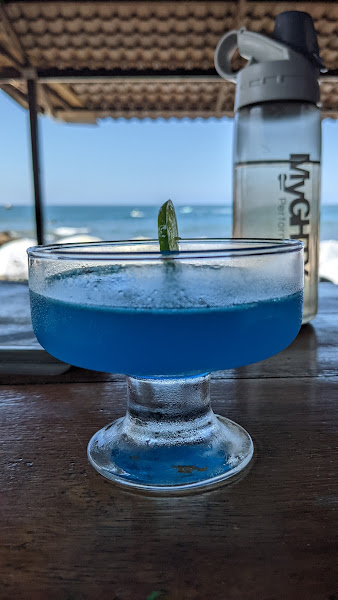
As the sun sets, the cliff-top venues like Titlie and Chronicle come alive. These spots offer "collaborative cuisine" and experimental cocktails, making them perfect for a sophisticated evening out. However, if you prefer the simple life, there are usually a few seasonal shacks at the bottom of the cliffs (depending on the year and regulations) where you can grab a cold King’s Beer and a plate of calamari fry while keeping your toes in the sand. The fusion of global culinary trends and local coastal ingredients makes dining near Dream Beach an integral part of the travel experience.
Dream Beach is a testament to the fact that even in a destination as popular as Goa, magic still exists for those willing to seek it out. It is a place that defies the stereotypical "party" image of the state, offering instead a rugged, soulful, and deeply beautiful coastal experience. From the dramatic descent down the laterite cliffs to the quiet moments spent watching the Arabian Sea crash against volcanic rocks, every second spent at Dream Beach feels like a privilege. It remains a sanctuary for the dreamer, the artist, and the traveler who values the journey as much as the destination. As you stand on its shores, with the ancient ruins of Chapora Fort guarding the horizon and the salt spray on your face, you’ll realize that Dream Beach isn't just a name—it’s a feeling of absolute, unadulterated freedom.