Grandmothers Hole Beach

Grandmothers Hole Beach

4.9 2,287 Verified
South Goa

Overview

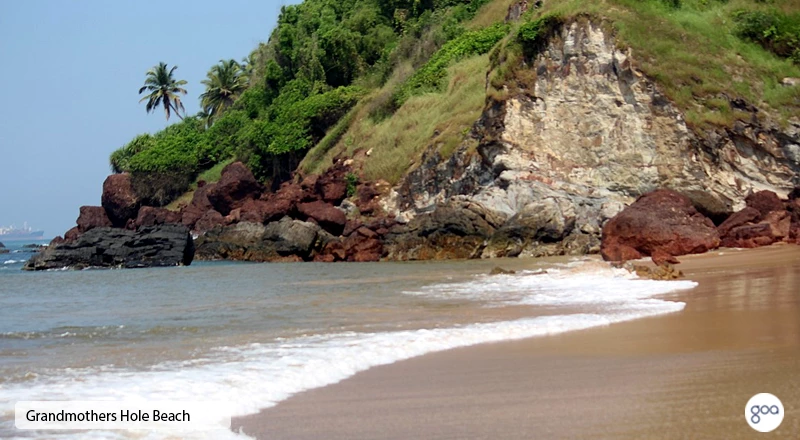
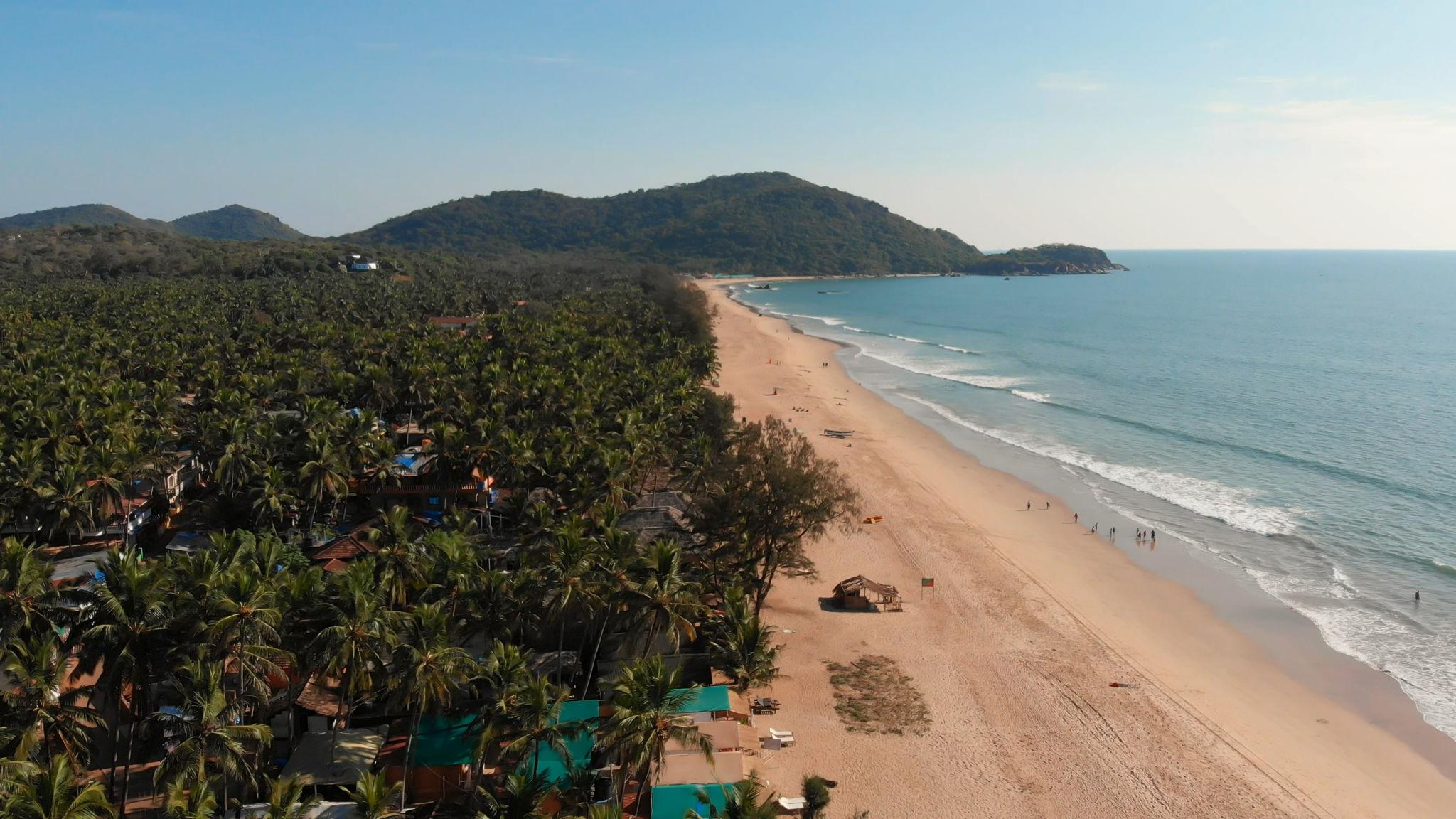
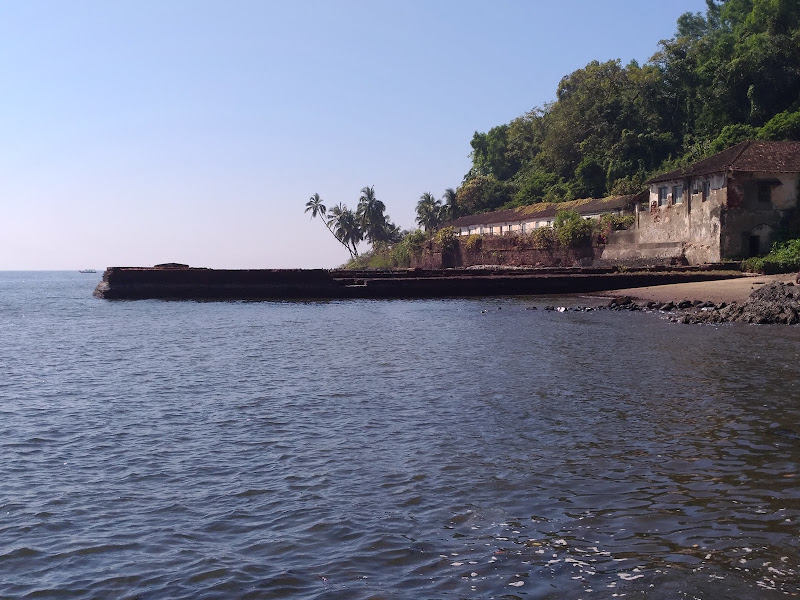
Hidden away from the bustling tourist circuits of North Goa and the mainstream stretches of the South, Grandmothers Hole Beach is perhaps one of the best-kept secrets of the coastal state. Located in the port town of Vasco da Gama, specifically within the vicinity of the Mormugao peninsula, this beach offers a unique blend of historical intrigue, natural beauty, and a sense of isolation that is increasingly rare in Goa. Unlike the expansive sandy horizons of Colva or the party-centric vibes of Anjuna, Grandmothers Hole Beach is a small, secluded cove tucked beneath the ruins of the 17th-century Mormugao Fort.
The name itself, "Grandmothers Hole," stems from a fascinating local legend and a physical landmark. To access the beach, visitors must pass through a small gap—or a "hole"—in the massive stone walls of the fort. Local folklore suggests that an elderly woman used to sit by this gap to watch the sea, though others believe the name simply refers to the protective, cove-like nature of the beach that feels like a safe, hidden nook. This beach is not your typical commercial destination; there are no rows of sunbeds, no loud music from shacks, and no persistent vendors. Instead, you are greeted by the rhythmic sound of waves crashing against dark rocks, the sight of massive cargo ships entering the Mormugao Port, and a panoramic view of the Arabian Sea that stretches infinitely toward the horizon.

The beach is characterized by its dramatic landscape. It is framed by steep cliffs and the weathered laterite stones of the ancient Portuguese fortifications. The sand here is a mix of fine grains and smooth pebbles, and during low tide, small tide pools emerge, teeming with tiny marine life like crabs and small fish. For those who appreciate the "Offbeat Goa" experience, Grandmothers Hole Beach serves as a sanctuary. It is a place for introspection, for photographers looking to capture the raw intersection of man-made history and nature, and for couples seeking a quiet sunset spot away from the crowds of the Japanese Garden, which sits directly above the cliffside.
Visiting this beach is an exercise in discovery. As you descend the stone steps from the Japanese Garden and navigate the narrow opening in the fort wall, you feel as though you are stepping back in time. The air is thick with the scent of salt and the earthy aroma of the surrounding tropical foliage. It is a reminder of Goa’s maritime heritage, overlooking the mouth of the Zuari River where it meets the sea. Whether you are a history buff, a nature lover, or a traveler looking to escape the "mainstream," Grandmothers Hole Beach offers a serene coastal experience that stays with you long after the sand has been washed from your feet.

How to Reach Grandmothers Hole Beach

Reaching Grandmothers Hole Beach requires a bit more effort than reaching the more accessible beaches of Goa, but the journey itself is scenic and rewarding. The beach is located at the extreme western tip of Vasco da Gama in South Goa. Because it is tucked away behind a residential and industrial port area, it is essential to know the specific landmarks to navigate your way there.

  • By Air: The nearest airport is the Dabolim International Airport, which is approximately 5 to 6 kilometers away. From the airport, you can hire a pre-paid taxi directly to the Japanese Garden in Mormugao. The drive takes about 15-20 minutes depending on traffic.
  • By Rail: The Vasco da Gama Railway Station is the closest major railhead, located about 3-4 kilometers from the beach. You can easily find auto-rickshaws or local taxis outside the station. Ask the driver to take you to the "Japanese Garden" or "Mormugao Fort."
  • By Road: If you are traveling from Panjim (the capital city), the distance is about 30 kilometers, which takes roughly an hour by car or scooter. From Margao, it is about 28 kilometers. The route takes you through the beautiful Zuari Bridge and into the heart of Vasco town. Follow the signs for the Mormugao Port Trust (MPT) area.
  • The Final Approach: Once you reach the Japanese Garden (a well-known landmark in Vasco), you will find a well-maintained park overlooking the sea. To get to the beach, you must enter the garden and look for a flight of stone steps leading downward toward the fort walls. Follow these steps until you reach the base of the cliff. You will see a small opening or a "hole" in the fort wall. Stepping through this opening leads you directly onto the sands of Grandmothers Hole Beach.

It is important to note that the area is somewhat secluded. While there is ample parking near the Japanese Garden entrance, public transport like buses does not go directly to the garden gates. It is highly recommended to have your own vehicle (scooter or car) or keep a taxi driver's number handy for your return journey, as finding an auto-rickshaw for the trip back can sometimes be difficult during the evening hours.

Best Time to Visit

Timing is everything when visiting Grandmothers Hole Beach, both in terms of the season and the time of day. Because the beach is small and bounded by cliffs, the experience changes drastically depending on the weather and the tides.

The Peak Season (November to February): This is undoubtedly the best time to visit. The weather in Goa during these months is pleasant, with clear blue skies and a cool breeze blowing off the Arabian Sea. The humidity is at its lowest, making the climb up and down the steps manageable. The sea is generally calm during this period, allowing for safer exploration of the rocky shoreline.

The Shoulder Season (October and March): These months are also good for a visit, though it can get quite warm during the afternoon. If you visit in October, you will see the surrounding cliffs covered in lush, post-monsoon greenery, which makes for incredible photography. However, be prepared for slightly higher humidity levels.

The Monsoon Season (June to September): While the Japanese Garden above the beach looks stunningly green during the rains, descending to Grandmothers Hole Beach can be risky. The stone steps can become extremely slippery, and the sea is often rough with high tides that can completely submerge the narrow sandy stretch. If you visit during the monsoon, it is better to enjoy the view from the safety of the garden above rather than attempting to go down to the shore.

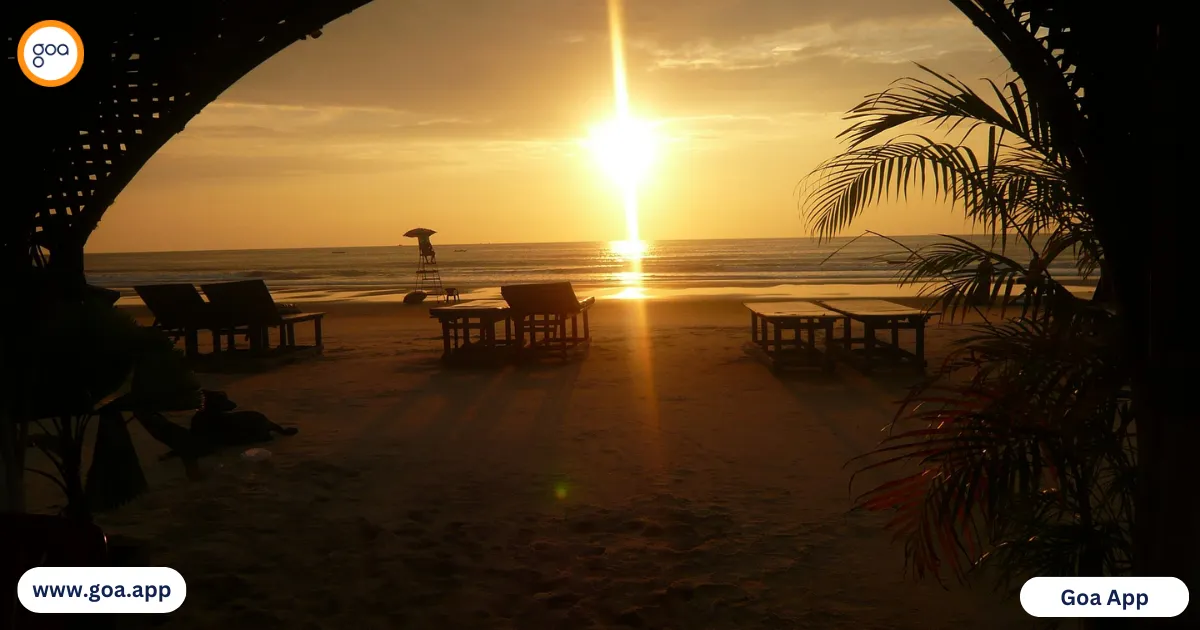
Best Time of Day: To experience the true magic of this location, aim for the late afternoon, around 4:30 PM. This gives you enough time to explore the fort ruins and the beach before the sun begins its descent. The sunset views from Grandmothers Hole are spectacular, as the sun dips directly into the sea, silhouetting the massive ships in the distance. Ensure you begin your climb back up to the garden before it gets completely dark, as the path is not well-lit.

Things to Do at Grandmothers Hole Beach

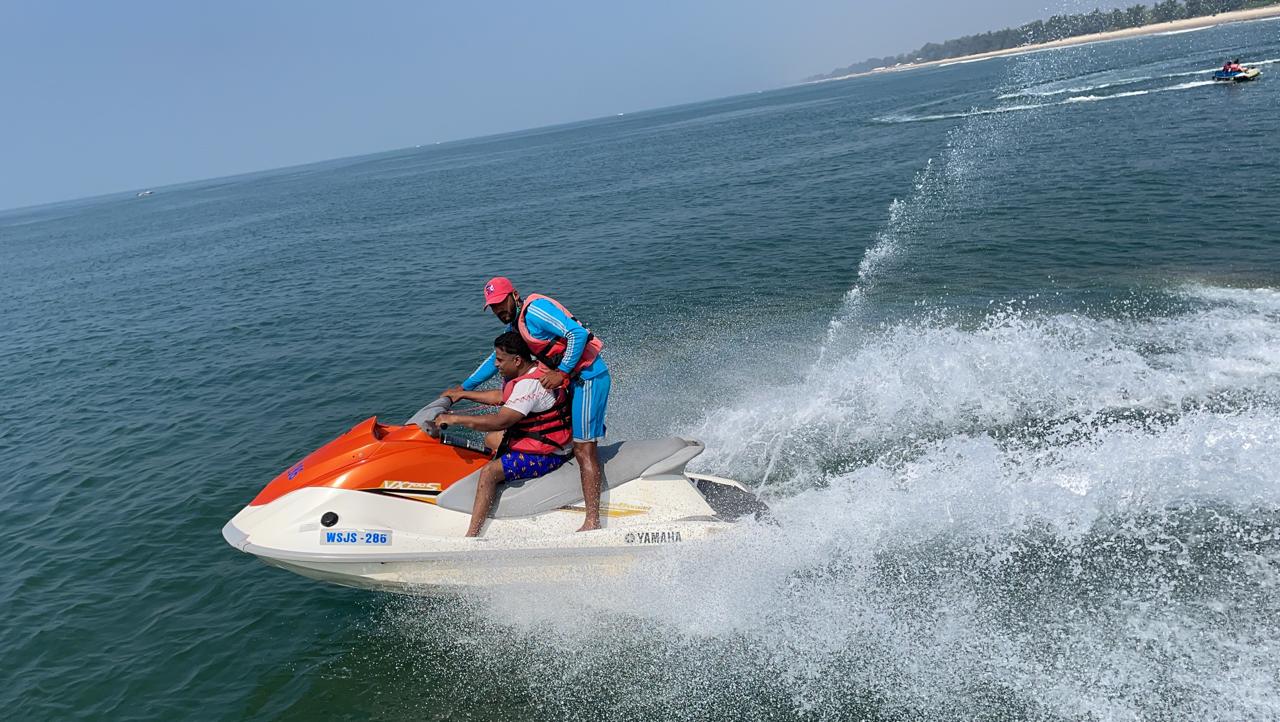
Grandmothers Hole Beach is not a place for high-octane water sports or beach parties. Instead, it offers activities that cater to the soul and the senses. It is a place for "slow travel" and appreciation of the finer details of the Goan coastline.

  • Explore the Mormugao Fort Ruins: Before you even hit the sand, you are surrounded by history. The Mormugao Fort was built by the Portuguese to guard the mouth of the Zuari River. Walking along the weathered walls and looking through the embrasures (where cannons were once placed) gives you a sense of the strategic importance this location held centuries ago.
  • Photography: This is a paradise for photographers. From the rustic textures of the laterite fort walls to the panoramic views of the ocean and the industrial charm of the nearby port, there is no shortage of subjects. The "hole" in the wall itself provides a natural frame for shots of the beach and the waves.
  • Ship Spotting: Because the beach is located near one of India’s major ports, you can see massive cargo vessels, tankers, and occasionally naval ships gliding past. Watching these giants move silently across the horizon against the backdrop of a setting sun is a uniquely "Vasco" experience.
  • Beachcombing and Tide Pool Exploration: The rocky nature of the beach means that during low tide, several small pools of water are trapped among the stones. These are often filled with sea anemones, small crabs, and mollusks. It’s a great spot for kids and nature enthusiasts to observe marine life up close.
  • Picnicking: Since there are no shacks or restaurants on the beach, it is a popular spot for a quiet picnic. Bring along some local snacks like Pao com Chouriço (Goan sausage bread) or some fresh fruit, and enjoy a meal with the sound of the waves as your background music. Just remember to carry all your trash back with you.
  • Meditation and Yoga: The relative silence of Grandmothers Hole Beach makes it an ideal spot for morning meditation or a sunset yoga session. The sound of the ocean and the lack of human interference provide the perfect environment for mindfulness.

Nearby Attractions

The area surrounding Grandmothers Hole Beach is rich with attractions that can easily fill a full day’s itinerary. Since you are already in the Mormugao/Vasco region, you should take the time to explore these nearby spots:

  • Japanese Garden: Located directly above the beach, this beautifully landscaped garden is maintained by the Mormugao Port Trust. It offers manicured lawns, benches for relaxing, and some of the best cliff-top views in Goa. It is a popular spot for local families and morning walkers.
  • Baina Beach: A short drive away, Baina Beach has undergone a massive transformation from its past and is now a clean, sandy stretch popular for evening strolls. It also hosts various cultural events and has a few water sports options.
  • Naval Aviation Museum: Located near the airport, this is the only museum of its kind in India. It showcases the history of the Indian Naval Air Arm with an impressive collection of vintage aircraft, engines, and armaments. It is a must-visit for history and aviation enthusiasts.
  • Hansa Beach: Situated within the naval area, this beach is pristine and very quiet. Access is sometimes restricted to naval personnel and their guests, but if you are allowed entry, it offers a very clean and peaceful environment.
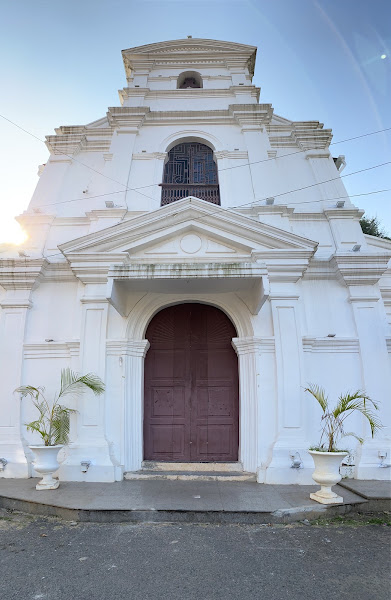
  • St. Andrew’s Church: Located in the heart of Vasco town, this historic church dates back to 1570. Its elegant white facade and neo-Gothic architecture make it a significant landmark of the town’s colonial past.
  • Vasco Market: For a taste of local life, head to the main Vasco market. Here you can find everything from fresh seafood and local spices to traditional Goan sweets like Bebinca and Dodol.

Accommodation Options

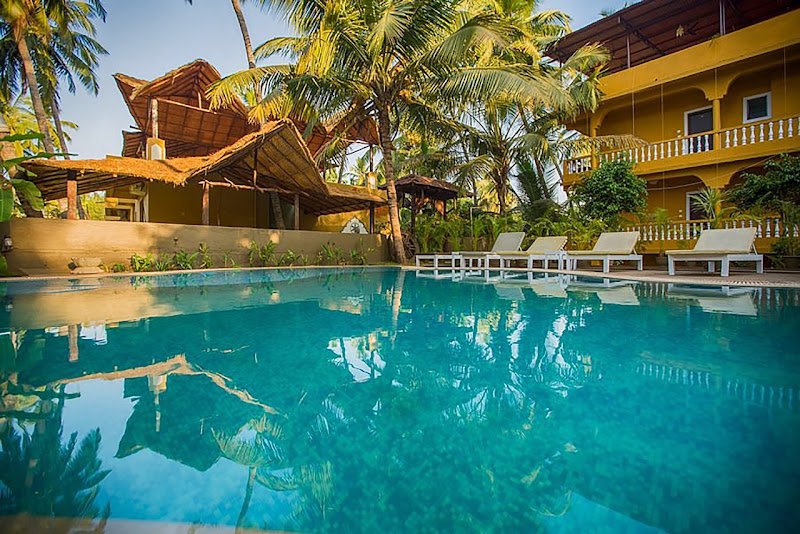
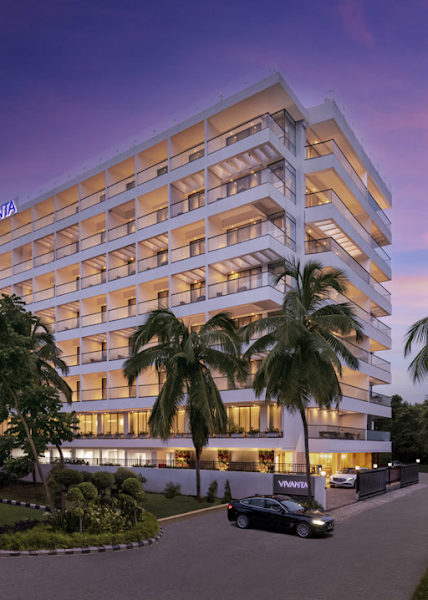
While there are no hotels directly on Grandmothers Hole Beach (which adds to its charm), the town of Vasco da Gama and the nearby Bogmalo area offer a range of accommodation options to suit various budgets.

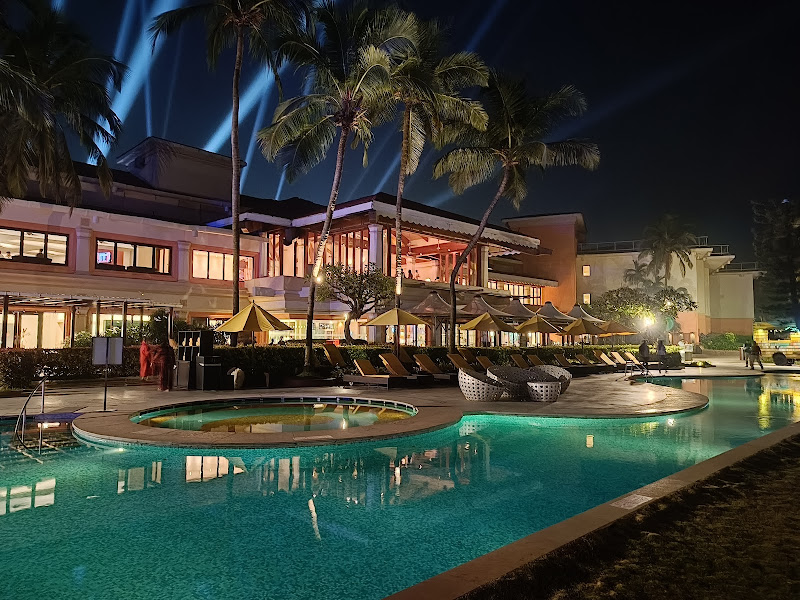
  • Luxury Stays: For those looking for high-end comfort, the Bogmallo Beach Resort is located about 15-20 minutes away. It offers sea-view rooms, multiple dining options, and a direct access to Bogmalo Beach. Another premium option is The HQ, located in the heart of Vasco town, offering modern amenities and a rooftop pool.
  • Mid-Range Hotels: Hotel Maharaja and Hotel Adarsh in Vasco are reliable choices for travelers who want a comfortable stay close to the railway station and the port. These hotels are well-connected and provide easy access to local transport.
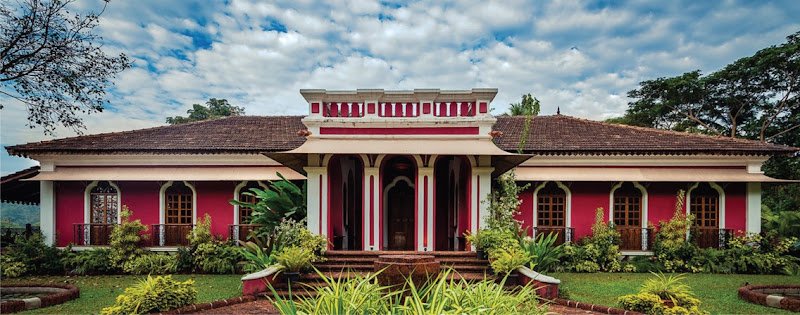
  • Boutique and Heritage Homestays: There are several charming guesthouses in the residential areas of Vasco and nearby Chicalim. These often provide a more personal experience and a chance to interact with local Goan families. Look for properties on platforms like Airbnb that overlook the Zuari River for a scenic stay.
  • Budget Options: There are numerous lodges and small hotels near the Vasco Railway Station that cater to backpackers and budget travelers. While basic, they are convenient for those who are using Vasco as a transit point for trains or flights.

Dining and Cafes

Vasco da Gama is a paradise for food lovers, particularly those who enjoy authentic Goan Catholic and Hindu cuisine. After a visit to the beach, you can head into town to refuel at some of these local favorites:

  • Anantashram: A legendary eatery in Vasco, famous for its authentic Goan fish thali. If you want to taste the freshest catch prepared in traditional spices, this is the place to go. Their Rava Fried Prawns and Fish Curry Rice are highly recommended.
  • The Vasco 74: A trendy spot that offers a mix of continental and local dishes. It’s a great place for a relaxed dinner with a cocktail, featuring a modern ambiance that contrasts with the old-world charm of the town.
  • Adarsh Fruit Court: Known for its refreshing juices, milkshakes, and snacks, this is a great stop for a quick bite. Their "Gadbad" ice cream is a local favorite during the hot summer months.
  • Joet’s Bar & Restaurant (Bogmalo): If you don’t mind a short drive, Joet’s at Bogmalo Beach is a fantastic place to dine right by the water. They serve excellent seafood and have a great selection of drinks, often accompanied by live music in the evenings.
  • Starlight: Located on the way to Bogmalo, this is a no-frills local bar and restaurant known for its spicy Goan seafood preparations. It’s a favorite among locals for a casual Sunday lunch.

Travel Tips for Grandmothers Hole Beach

To ensure your visit to this hidden gem is safe and enjoyable, keep these practical tips in mind:

  • Wear Sturdy Footwear: The path down from the Japanese Garden involves stone steps that can be uneven, and the beach itself is rocky. Avoid flip-flops; instead, wear sandals with a good grip or sneakers.
  • Check the Tides: Grandmothers Hole Beach is very narrow. During high tide, the water can come right up to the fort walls, leaving very little sand to stand on. Check a local tide chart online before you plan your visit.
  • Carry Water and Snacks: There are no shops or vendors once you descend to the beach. Ensure you carry enough drinking water and some light snacks, especially if you plan to stay for the sunset.
  • Safety First: The sea here can have strong currents, and there are no lifeguards on duty. Swimming is generally not advised unless the water is exceptionally calm and you are an experienced swimmer. Stay away from the rocks when the waves are high.
  • Leave No Trace: This is a pristine, non-commercial area. Please be a responsible traveler and carry all your plastic bottles, wrappers, and waste back with you to dispose of in the bins at the Japanese Garden.
  • Respect the Port Regulations: The beach is close to the Mormugao Port Trust area, which is a high-security zone. Do not attempt to climb over fences or enter restricted areas, and be mindful of any signage regarding photography near the port installations.
  • Travel in a Group: While the area is generally safe, it is quite secluded. If you are planning to stay until sunset, it is better to travel with a companion or in a group.
  • Keep an Eye on the Time: The Japanese Garden usually closes by 7:00 PM or 8:00 PM. Make sure you are back up the steps and out of the park before the gates are locked for the night.

Conclusion

Grandmothers Hole Beach is a testament to the fact that Goa still holds secrets for those willing to look beyond the guidebooks. It is a place where history whispers from the cracks of ancient fort walls and where the vastness of the Arabian Sea feels intimately close. It offers a rare opportunity to experience the Goan coastline in its rawest form—unadorned by the trappings of modern tourism.

For the traveler who finds beauty in a rusted anchor, a weathered stone, or a solitary sunset, this beach is a sanctuary. It captures the essence of Vasco da Gama—a town that is simultaneously industrial and idyllic, historical and contemporary. A visit to Grandmothers Hole Beach is not just a trip to the shore; it is a journey through a "hole" in time, leading to a quiet corner of the world where you can simply breathe and watch the ships go by. So, the next time you find yourself in the land of sun, sand, and surf, take the road less traveled to Mormugao and discover the quiet magic of Grandmothers Hole Beach for yourself.

Common Questions

What is the best time to visit Grandmothers Hole Beach?
The best time to visit Grandmothers Hole Beach is from November to February when the weather is pleasant. This unique beach near Dona Paula features a natural rock formation.
How do I get to Grandmothers Hole Beach?
The beach is located near Dona Paula in Panaji. You can take a taxi or bus to Dona Paula and then walk down to the rocky cove. It is easily accessible from the main road.
What are the popular things to do at Grandmothers Hole Beach?
Popular activities include exploring the natural rock arch (the 'hole'), photography, enjoying the sunset, and wading in the shallow water. It is not a swimming beach.
Are there accommodations near Grandmothers Hole Beach?
Yes, nearby Dona Paula and Panaji have many hotels and guesthouses. It's a popular day-trip spot rather than a place to stay overnight.
Is Grandmothers Hole Beach safe for swimming?
No, swimming is not recommended due to sharp rocks and strong currents. It's best for sightseeing and wading only.
What is the legend behind the name?
Legend has it that a grandmother and her grandson were trapped by a storm, and a hole in the rock appeared to save them. Hence the name 'Grandmothers Hole'.

User Reviews

4.9
2287 Reviews
5
85%
4
10%
3
3%
2
1%
1
1%

Login to post a review

Join the community to share your beach experiences.

Login / Sign Up

Location Details

Address
Betul, South Goa
Best Time
All Year Round

Plan Together

Share this beach guide with your travel group on WhatsApp!

Share Now