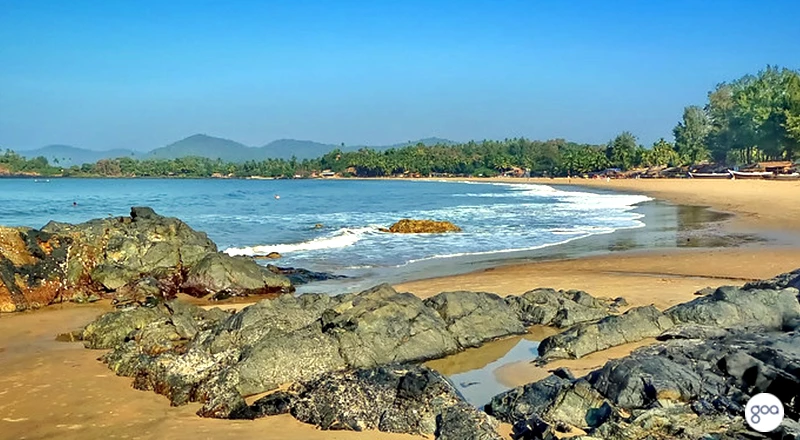
Cabo de Rama Beach

Cabo de Rama Beach

5 2,021 Verified
South Goa

Overview

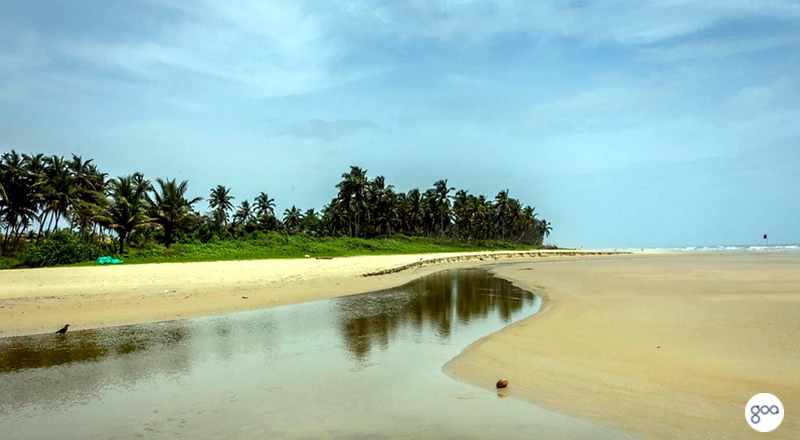
Nestled in the southern reaches of the sunshine state, Cabo de Rama Beach is a testament to the raw, untamed beauty of Goa. Unlike the bustling, neon-lit stretches of North Goa, this secluded haven offers a profound sense of tranquility, framed by dramatic cliffs and the historical echoes of one of Goa’s oldest fortresses. Located in the Canacona taluka, Cabo de Rama is often referred to by locals as a "hidden gem," though its reputation among offbeat travelers has grown steadily over the years. The beach is named after the legendary Lord Rama, who, according to the ancient Indian epic Ramayana, is believed to have taken shelter here with his wife Sita during their 14-year exile. This mythological connection adds a layer of spiritual mystique to an already breathtaking landscape.

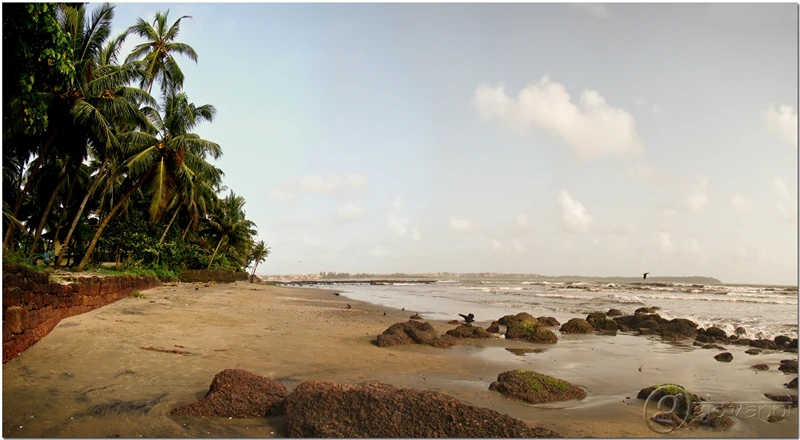
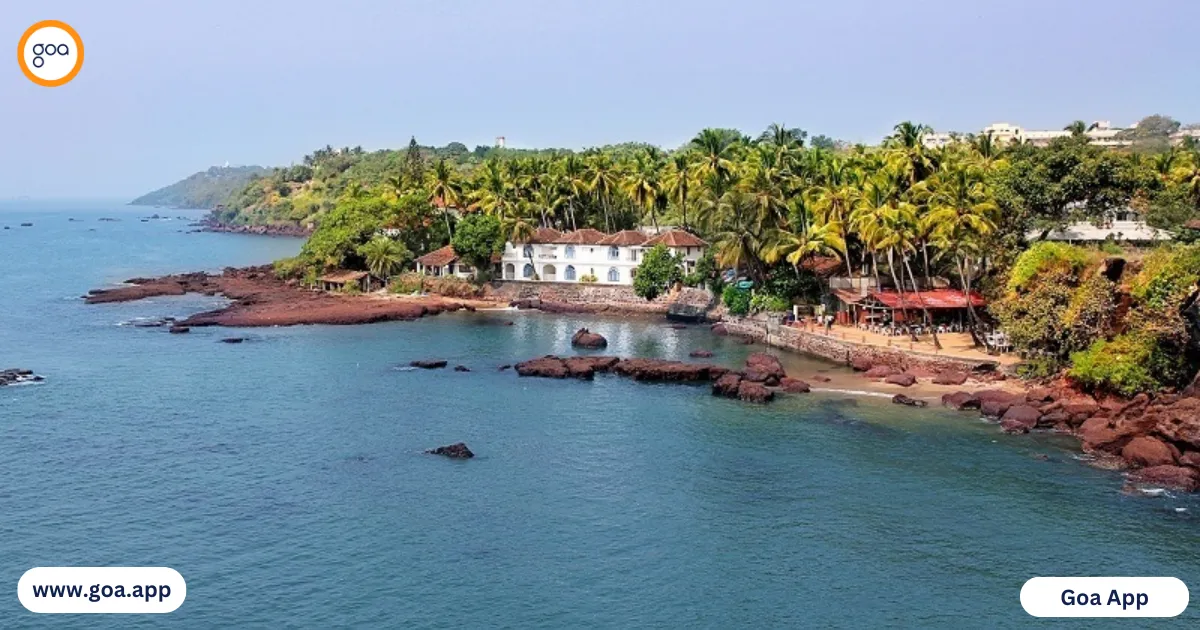
The geography of Cabo de Rama Beach is unique compared to the flat, sandy expanses of Calangute or Candolim. Here, the land drops sharply into the Arabian Sea, creating a stunning vista of turquoise waters crashing against dark, volcanic rocks and fine white sand. The beach is divided into several small coves, some of which are only accessible during low tide. The towering cliffs that overlook the shoreline are covered in lush wild vegetation, providing a striking green contrast to the deep blue of the ocean. For those who seek a meditative escape, the sound of the waves echoing against the cliff walls creates a natural symphony that is far removed from the thumping bass of Goa’s party circuit.

What sets Cabo de Rama apart is its dual identity. On one hand, you have the historical Cabo de Rama Fort, a sprawling citadel that has seen the rise and fall of Hindu, Muslim, and Portuguese empires. On the other hand, you have the pristine beach below, which remains largely untouched by commercialization. There are no rows of loud shacks or water sports operators vying for your attention. Instead, you find a few palm-thatched umbrellas, a handful of local fishermen mending their nets, and the occasional traveler lost in a book. It is a place where time seems to slow down, inviting you to witness the most spectacular sunsets in all of India. Whether you are a history buff, a nature lover, or a couple seeking a romantic getaway, Cabo de Rama Beach promises an experience that is both grounding and ethereal.

How to Reach Cabo de Rama Beach

Reaching Cabo de Rama Beach is an adventure in itself, as the journey takes you through some of the most scenic rural landscapes in South Goa. The beach is situated approximately 28 kilometers from Margao and about 60 kilometers from the state capital, Panjim. Because it is located in a relatively remote area, planning your transport in advance is crucial for a smooth trip.

By Air: The nearest airport is the Dabolim International Airport (GOI), located about 50 kilometers away. From the airport, the most convenient way to reach the beach is by hiring a pre-paid taxi. The drive takes approximately 1.5 to 2 hours, winding through the lush villages of Chicalim, Verna, and Cuncolim. Alternatively, if you are arriving at the new Manohar International Airport (MOPA) in North Goa, be prepared for a much longer journey of about 3 to 3.5 hours, covering nearly 100 kilometers.

By Rail: The Madgaon Junction (MAO) is the closest major railway station, situated roughly 30 kilometers from the beach. Madgaon is well-connected to major Indian cities like Mumbai, Delhi, Bangalore, and Kochi. From the station, you can take a local bus to the Margao Bus Stand and then catch a bus heading toward Canacona or Agonda, asking the driver to drop you at the Cabo de Rama junction. However, for a more direct route, a taxi or an auto-rickshaw from the station is highly recommended.

By Road: If you are driving or riding a rented scooter—which is the preferred mode of transport for many Goan enthusiasts—follow the NH66 highway heading south. The turn-off for Cabo de Rama is well-marked. The road leading to the beach is a narrow, winding strip of asphalt flanked by coconut groves, cashew plantations, and traditional Goan houses with red-tiled roofs. The last stretch of the drive offers glimpses of the sea through the trees, building anticipation for the view ahead.

Local Transport: Within South Goa, you can find local buses that ply between Margao and Cabo de Rama, but they are infrequent. If you are staying in nearby Agonda or Palolem, renting a "Pilot" (Goa’s unique motorcycle taxi) or a self-drive scooter is the most flexible option. Be mindful that mobile network connectivity can be spotty in the Ghat sections, so downloading offline maps is a wise precaution.

Best Time to Visit

The experience of Cabo de Rama Beach changes dramatically with the seasons, making it essential to time your visit according to your preferences. Like most of coastal India, Goa experiences a tropical climate with three distinct seasons.

Winter (November to February): This is undoubtedly the peak tourist season and the best time to visit Cabo de Rama for sun-seekers. The weather is pleasantly cool in the mornings and evenings, with daytime temperatures hovering around 28°C to 32°C. The humidity is at its lowest, making it ideal for exploring the fort and trekking down to the beach. During these months, the sea is calm and crystal clear, perfect for a refreshing dip. This is also when the few seasonal shacks are operational, offering fresh seafood and chilled beverages.

Summer (March to May): As summer approaches, the heat and humidity begin to rise. Temperatures can soar to 35°C or higher. While the beach remains beautiful, the midday sun can be punishing. If you visit during this time, it is best to arrive early in the morning or late in the afternoon to witness the sunset. The advantage of a summer visit is the lack of crowds; you will often have the entire stretch of sand to yourself. However, be prepared for the dry landscape, as the lush greenery of the hills turns a golden brown.

Monsoon (June to October): The monsoon season transforms Cabo de Rama into a verdant paradise. The rains wash the cliffs in shades of emerald, and the surrounding forests come alive with the sound of seasonal streams. For photography enthusiasts and nature lovers, this is a magical time. However, swimming is strictly prohibited as the Arabian Sea becomes extremely rough with high swells. The path down to the beach can also become slippery and treacherous. Many shacks close down during this period, but the Cabo de Rama Fort remains open, offering a moody, atmospheric experience as clouds roll in over the ocean.

Things to Do at Cabo de Rama Beach

While Cabo de Rama is primarily a destination for relaxation, there are plenty of activities for those who wish to engage with the landscape. The beach offers a blend of historical exploration and natural adventure.

  • Explore the Cabo de Rama Fort: Before heading down to the sand, spend an hour wandering through the ruins of the fort. Walk along the massive stone walls and visit the Church of Santo Antonio, which is still active and beautifully maintained. The bastions of the fort offer panoramic views of the entire coastline, providing a perfect vantage point for spotting dolphins in the distance.
  • Trek Down the Cliff: To reach the main sandy area, you must navigate a steep but manageable path down the cliffside. The trek takes about 10-15 minutes and rewards you with changing perspectives of the cove. Wear sturdy footwear, as the trail consists of loose gravel and rocks.
  • Sunset Watching: Cabo de Rama is arguably the best sunset point in South Goa. Because the fort and beach face due west, you get an unobstructed view of the sun dipping below the horizon. The sky often turns shades of fiery orange, pink, and purple, reflecting off the wet sand and the dark rocks.
  • Photography: From the rustic ruins of the fort to the dramatic rock formations on the beach, every corner of Cabo de Rama is a photographer’s dream. The "Lone Palm Tree" on the cliff edge is a popular spot for iconic Goan landscape shots.
  • Swimming and Sunbathing: The waters here are generally clean and inviting. However, always check the tide and current conditions before entering. The northern end of the beach is usually calmer. After a swim, find a spot on the soft white sand to soak up the sun, away from the prying eyes of the world.
  • Picnicking: Since there are limited commercial facilities, many visitors bring their own snacks and drinks for a seaside picnic. Just ensure that you carry all your trash back with you to maintain the pristine condition of the beach.
  • Kayaking: During the peak winter months, some local operators occasionally offer kayaking trips from the nearby Cola Beach that paddle past the Cabo de Rama cliffs. It is a unique way to see the fort from the water.

Nearby Attractions

Cabo de Rama serves as an excellent base for exploring the relatively untouched southern tip of Goa. There are several nearby attractions that can be combined into a full-day itinerary.

  • Cola Beach: Located just a few kilometers south, Cola Beach is famous for its "Blue Lagoon." A fresh-water stream meets the sea here, creating a calm, emerald-green lagoon separated from the crashing waves by a thin strip of sand. It is one of the most picturesque spots in the state.
  • Agonda Beach: A 20-minute drive will take you to Agonda, a long, wide stretch of beach known for being a nesting site for Olive Ridley turtles. It has a more developed "backpacker" vibe with numerous cafes and boutique stays.
  • Kakolem Beach (Tiger Beach): For the truly adventurous, Kakolem is a tiny, hidden cove located between Cabo de Rama and Cola. It is accessible via a steep trek or by boat and is often completely deserted.
  • Betul Lighthouse: Situated to the north, the Betul Lighthouse offers stunning views of the Sal River meeting the Arabian Sea. The surrounding village of Betul is also famous for its fresh river fish and traditional boat-building yards.
  • Palolem Beach: Further south lies Palolem, the most famous beach in South Goa. Known for its crescent shape and "Silent Noise" discos, it offers a contrasting experience of vibrant energy and nightlife.

Accommodation Options

Accommodation directly on Cabo de Rama Beach is limited, which helps maintain its quiet atmosphere. However, there are several high-quality options in the immediate vicinity that cater to different budgets.

The Cape Goa: For those seeking luxury and privacy, The Cape Goa is a premier boutique resort perched on the cliffside. Each cottage features a private deck with a jacuzzi overlooking the ocean. It is widely considered one of the most romantic stays in India, offering unparalleled views and world-class service.

Red Cabana: Located very close to the fort entrance, Red Cabana offers comfortable, eco-friendly wooden cottages. It is a great mid-range option for travelers who want to be within walking distance of both the fort and the beach path.

Cabo de Rama Cottage: These are budget-friendly, basic accommodations that provide a rustic experience. They are perfect for solo travelers or backpackers who prioritize proximity to nature over luxury amenities.

Homestays in Canacona: For a more authentic Goan experience, look for homestays in the nearby villages. Many local families have converted parts of their ancestral homes into guest rooms, providing home-cooked Goan meals and a glimpse into the local lifestyle.

Agonda Resorts: Since Agonda is only 20 minutes away, many visitors choose to stay in the numerous beach huts there and make a day trip to Cabo de Rama. Agonda offers a wider variety of wellness retreats and yoga-centric accommodations.

Dining and Cafes

Dining at Cabo de Rama is less about fine dining and more about enjoying fresh flavors with a view. While the options are fewer than in the north, the quality is often exceptional due to the use of local ingredients.

The Cape Goa Restaurant: Even if you aren't staying at the resort, their cliffside restaurant is open to visitors. It serves a sophisticated mix of Indian and International cuisine. Their seafood platter and signature cocktails are highly recommended, especially during sunset.

The Red Cabana Restaurant: A more casual spot that serves excellent Goan fish thalis. It is a great place to refuel after a long walk around the fort. Their Prawn Balchão and Chicken Xacuti are local favorites that capture the essence of Goan spices.

Local Shacks: During the peak season, a couple of temporary shacks pop up on the beach. They serve basic fare like fried fish, sandwiches, and coconut water. There is nothing quite like eating a freshly caught mackerel while your toes are buried in the sand.

Fisherman’s Wharf (Betul): If you don't mind a short drive, Fisherman’s Wharf in Betul is one of the most famous restaurants in South Goa. Set on the banks of the river, it offers a festive atmosphere with live music and an extensive menu of Goan, Continental, and Asian dishes.

Travel Tips for Cabo de Rama Beach

To ensure you have a safe and enjoyable visit to this remote corner of Goa, keep the following tips in mind:

  • Wear Comfortable Footwear: The terrain around the fort and the path to the beach is uneven and rocky. Avoid flip-flops for the trek; sturdy sandals or sneakers are much safer.
  • Carry Cash: Most small vendors and shacks in this area do not accept cards, and mobile payments can be unreliable due to poor network coverage. The nearest ATM is several kilometers away in the main town.
  • Stay Hydrated: The Goan sun can be intense. Carry a reusable water bottle, as there are limited places to buy drinks once you are down on the beach.
  • Respect the Fort: The Cabo de Rama Fort is a protected historical site. Do not litter, deface the walls, or climb on unstable structures.
  • Safety First: The sea at Cabo de Rama can have strong undercurrents. If you are not a confident swimmer, stay close to the shore. There are no permanent lifeguards on this beach.
  • Mobile Connectivity: Expect very weak or no signal once you descend the cliff. Inform your family or friends of your whereabouts beforehand if you are traveling alone.
  • Pack Sun Protection: Sunscreen, a wide-brimmed hat, and sunglasses are essential. There is very little natural shade on the sandy part of the beach.
  • Timing Your Departure: If you are traveling by scooter or car, try to leave shortly after sunset. The roads leading back to the main highway are not well-lit and can be tricky to navigate in total darkness.

Conclusion

Cabo de Rama Beach is more than just a destination; it is a reminder of what Goa used to be before the era of mass tourism. It is a place where history and nature coexist in a delicate, beautiful balance. From the weathered stones of the Portuguese fort to the pristine white sands washed by the Arabian Sea, every element of this location speaks of resilience and timelessness. While it requires a bit more effort to reach than the more popular beaches, the reward is a sense of peace and wonder that is increasingly hard to find. Whether you are standing on the edge of the cliff watching the sun disappear or walking through the silent corridors of the ancient citadel, Cabo de Rama leaves an indelible mark on your soul. It remains a sanctuary for those who seek the quiet side of Goa, offering a profound connection to the land, the sea, and the stories that bind them together.

Common Questions

What is the best time to visit Cabo de Rama Beach?
The best time to visit Cabo de Rama Beach is from November to February when the weather is cool and dry. This period offers clear skies and calm seas, ideal for exploring the nearby fort and enjoying the beach.
How do I get to Cabo de Rama Beach?
Cabo de Rama Beach is located in South Goa, about 15 km from Canacona. You can reach it by hiring a taxi or riding a scooter from Canacona or Palolem. The road leads to the Cabo de Rama Fort, and the beach is just below the fort.
What are the popular things to do at Cabo de Rama Beach?
Visitors can explore the historic Cabo de Rama Fort, enjoy swimming in the relatively less crowded waters, sunbathe, and take stunning photographs of the coastline. The beach is also great for a quiet picnic away from the usual tourist crowds.
Are there accommodations near Cabo de Rama Beach?
There are limited accommodations directly near the beach, but nearby Palolem and Agonda offer plenty of beach huts, resorts, and homestays. Many visitors stay in Palolem and take a short drive to Cabo de Rama for a day trip.
Is Cabo de Rama Beach safe for swimming?
The beach has calm waters during the peak season, making it safe for swimming. However, there are no lifeguards posted, so visitors should swim at their own risk and avoid venturing too far from the shore.
What is the significance of Cabo de Rama Fort?
Cabo de Rama Fort is one of the oldest forts in Goa, believed to have been used by Lord Rama during his exile according to Hindu mythology. Later, it was occupied by the Portuguese and now offers breathtaking views of the Arabian Sea.

User Reviews

5
2021 Reviews
5
85%
4
10%
3
3%
2
1%
1
1%

Login to post a review

Join the community to share your beach experiences.

Login / Sign Up

Location Details

Address
Canaguinim, South Goa
Best Time
All Year Round

Plan Together

Share this beach guide with your travel group on WhatsApp!

Share Now