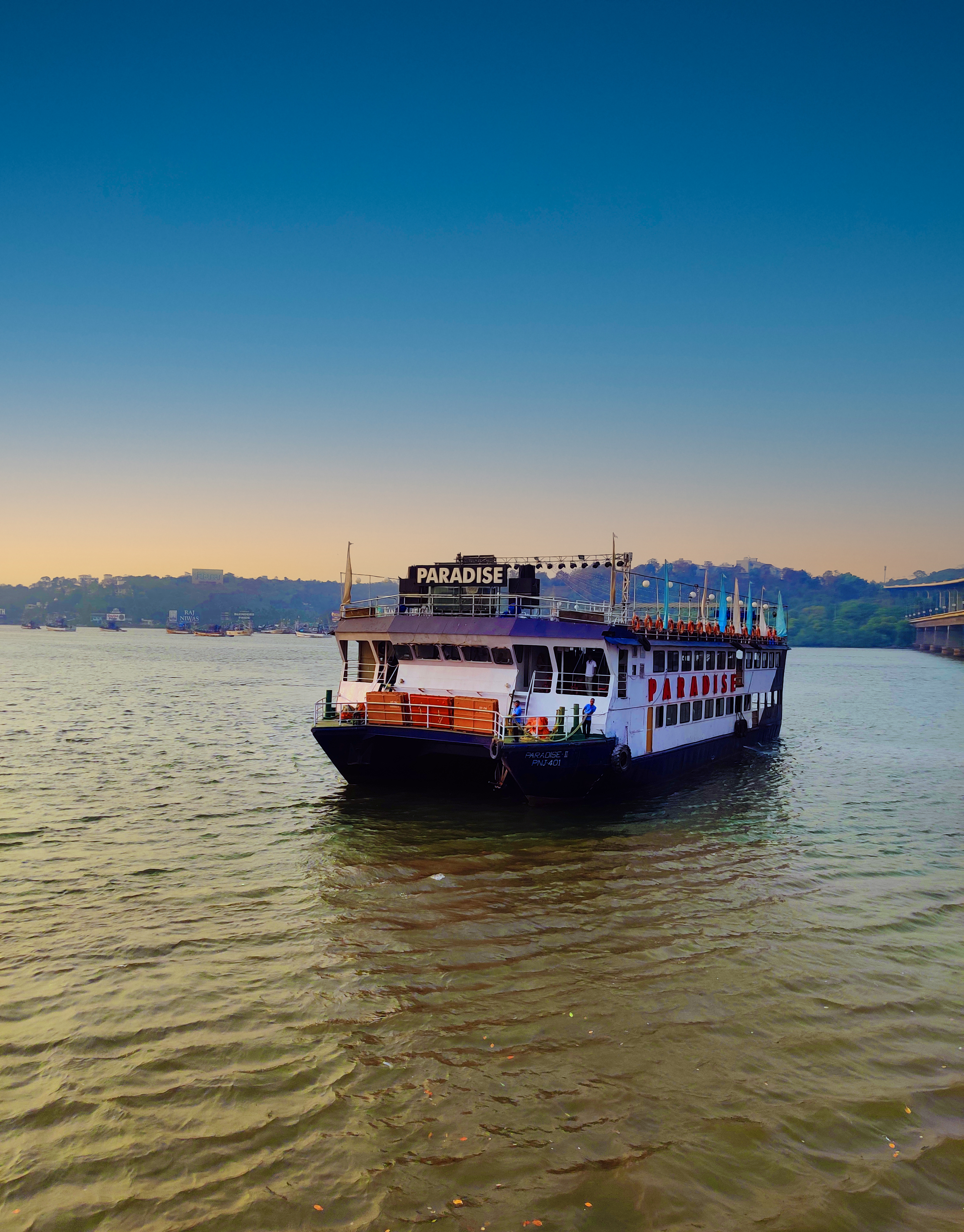
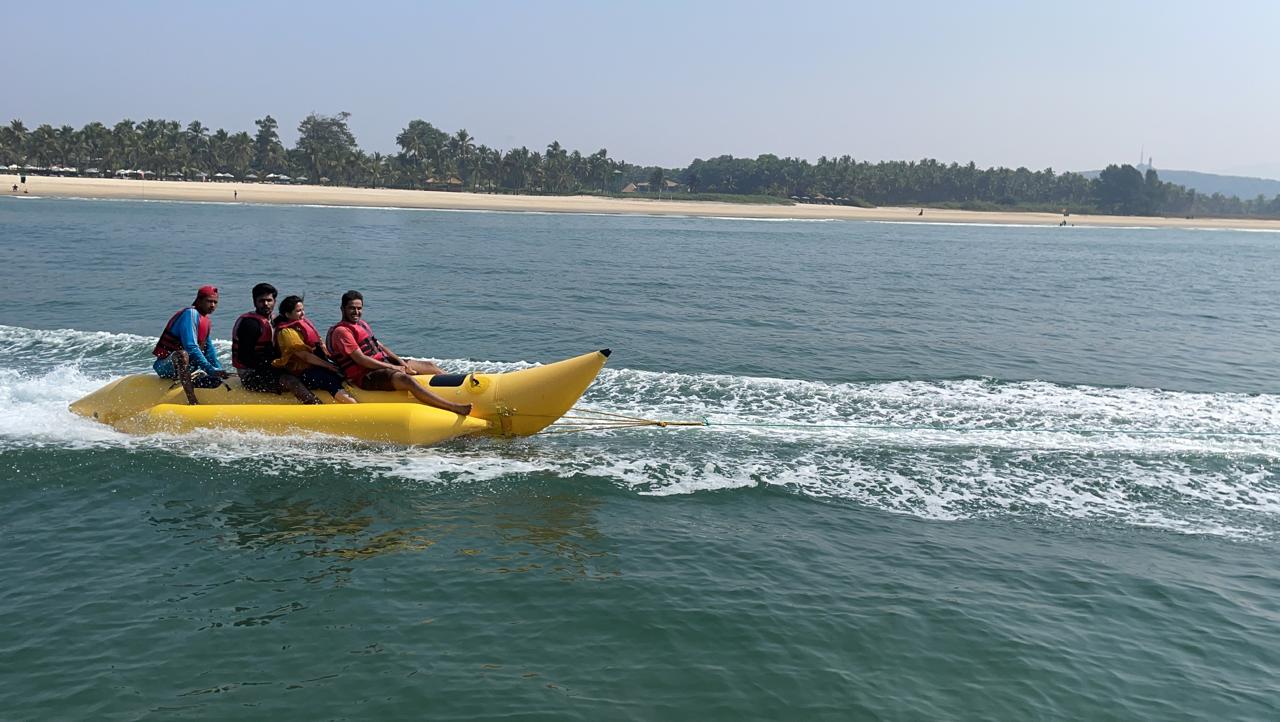
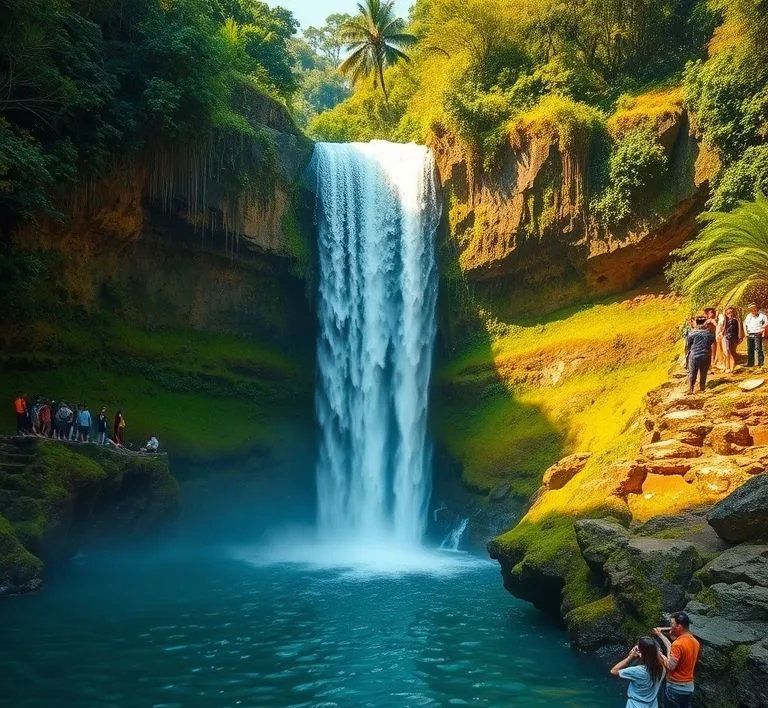
Located tucked away in the southern part of the sun-drenched state of Goa, Hollant Beach is a serene sanctuary that remains one of the region's best-kept secrets. While the northern beaches of Goa are often characterized by their pulsating nightlife, crowded shacks, and neon lights, Hollant Beach offers a starkly different experience. It is a place where time seems to slow down, and the rhythmic sound of the Arabian Sea creates a symphony of peace. Situated in the Mormugao Taluka, near the village of Bogmalo and the small hamlet of Issorcim, this beach is a favorite among locals and discerning travelers who seek solace away from the tourist trail.
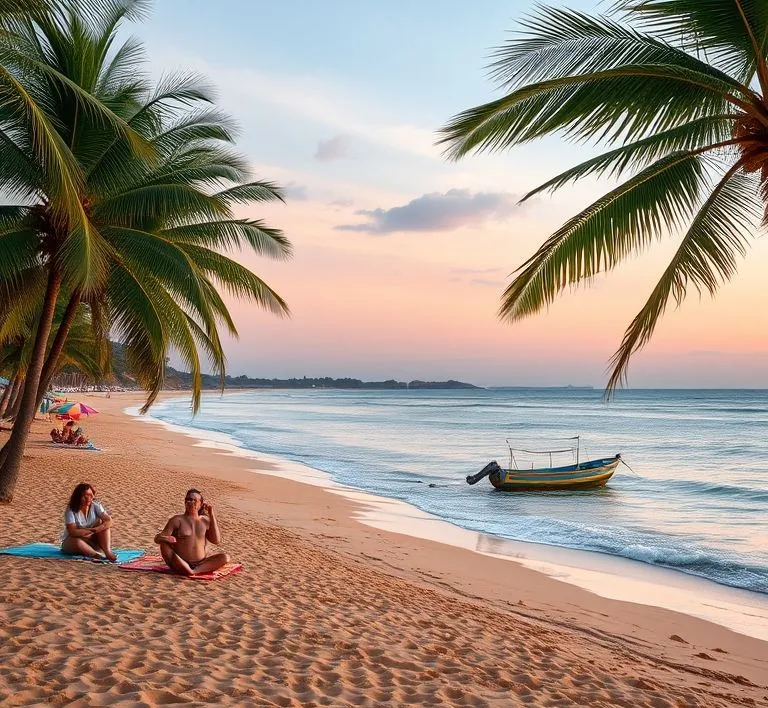
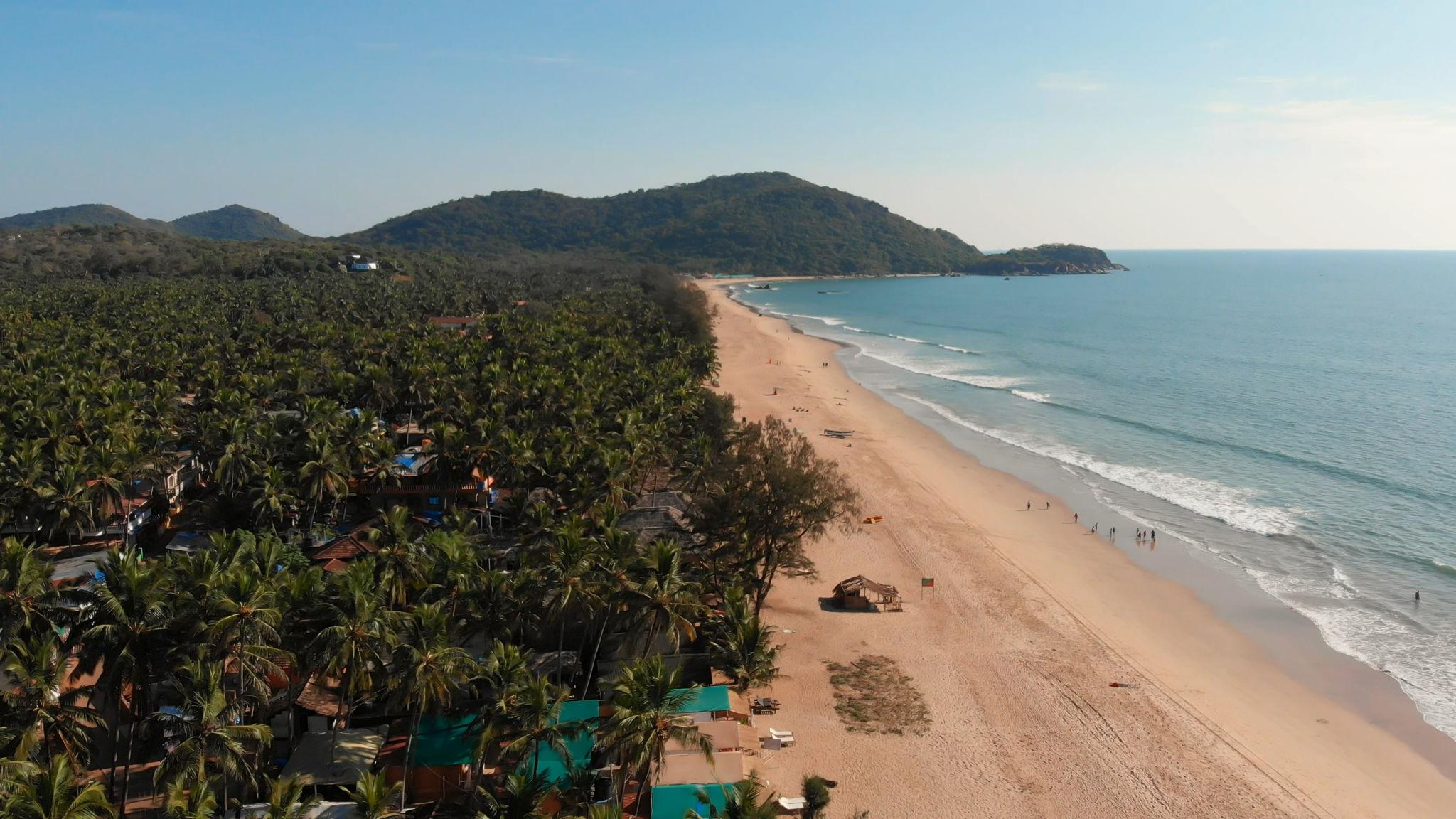
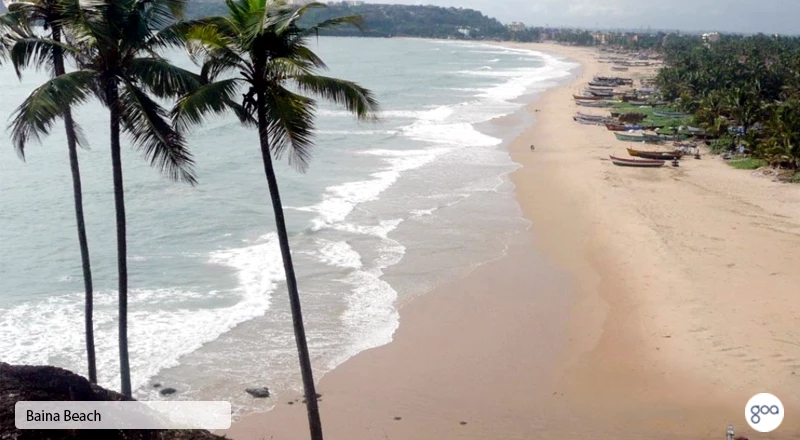
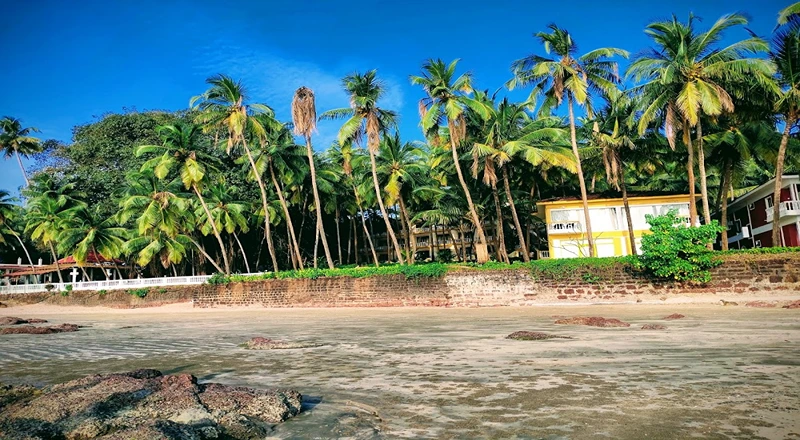
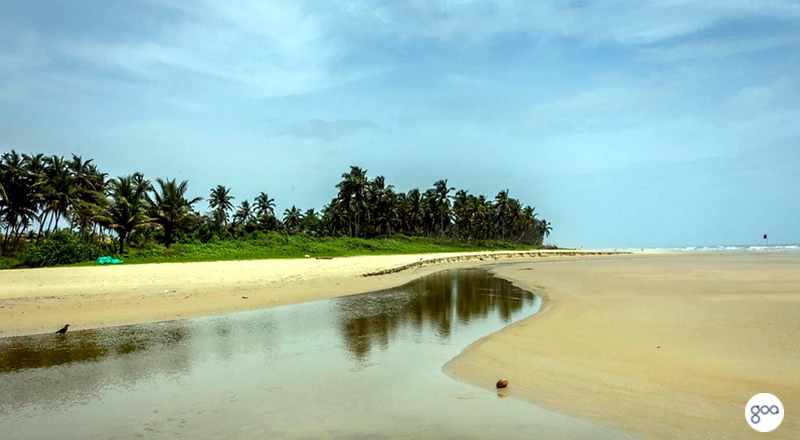
What makes Hollant Beach truly unique is its geographical orientation. It is famously known as the only beach in Goa where one can witness a spectacular sunrise. Because of its eastward-facing curve and the way the land wraps around the bay, the sun emerges from behind the lush Western Ghats, casting a golden hue over the tranquil waters. This geological quirk makes it a photographer's paradise and a spiritual retreat for early risers. The beach itself is characterized by a narrow strip of golden sand, flanked by jagged rocks and a backdrop of dense coconut groves and verdant hills.
The waters at Hollant are remarkably calm. Unlike the heavy surf found at beaches like Anjuna or Vagator, the bay here is shallow and virtually free of dangerous undercurrents. This is due to the presence of coral reefs and the natural bay formation that acts as a buffer against the open sea's aggression. For families with children or those who are not confident swimmers, Hollant Beach provides a safe, pool-like environment for wading and floating. The local community, primarily consisting of traditional Goan fishing families, adds to the authentic charm of the area. Here, you won't find aggressive hawkers; instead, you'll encounter the "Susegad" lifestyle in its purest form—a relaxed, laid-back attitude that defines the Goan spirit.
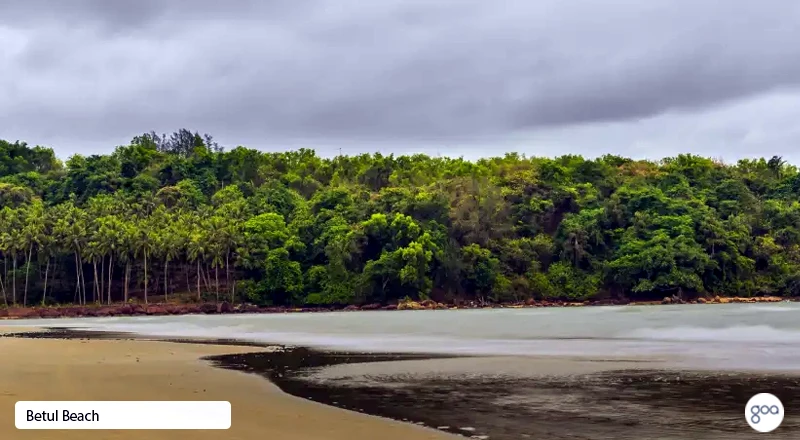
The surrounding landscape is a tapestry of emerald green. During the monsoon and the months immediately following, the hills of Issorcim come alive with seasonal wildflowers and thick foliage. The air is thick with the scent of salt and tropical flora. Hollant is not just a destination for sunbathing; it is a gateway to the rustic, rural soul of South Goa. Whether you are looking to meditate by the shore, enjoy a quiet picnic with loved ones, or simply watch the traditional Ramponkars (local fishermen) pull in their nets, Hollant Beach offers an evocative glimpse into a side of Goa that many tourists never get to see.
Reaching Hollant Beach is relatively easy, yet its slightly secluded location keeps the massive tour buses at bay. It is situated approximately 7 to 8 kilometers from Vasco da Gama city and is incredibly close to Goa’s only international airport. Here is a detailed guide on how to navigate your way to this coastal haven:
Travelers should note that while the beach is accessible, parking can be a bit tight during weekends when locals visit. It is always better to arrive early or use a two-wheeler to ensure easy access to the shorefront.
The charm of Hollant Beach changes with the seasons, and the best time to visit depends entirely on what kind of experience you are looking for. However, for the quintessential Goan beach experience, the winter months (November to February) are unrivaled.
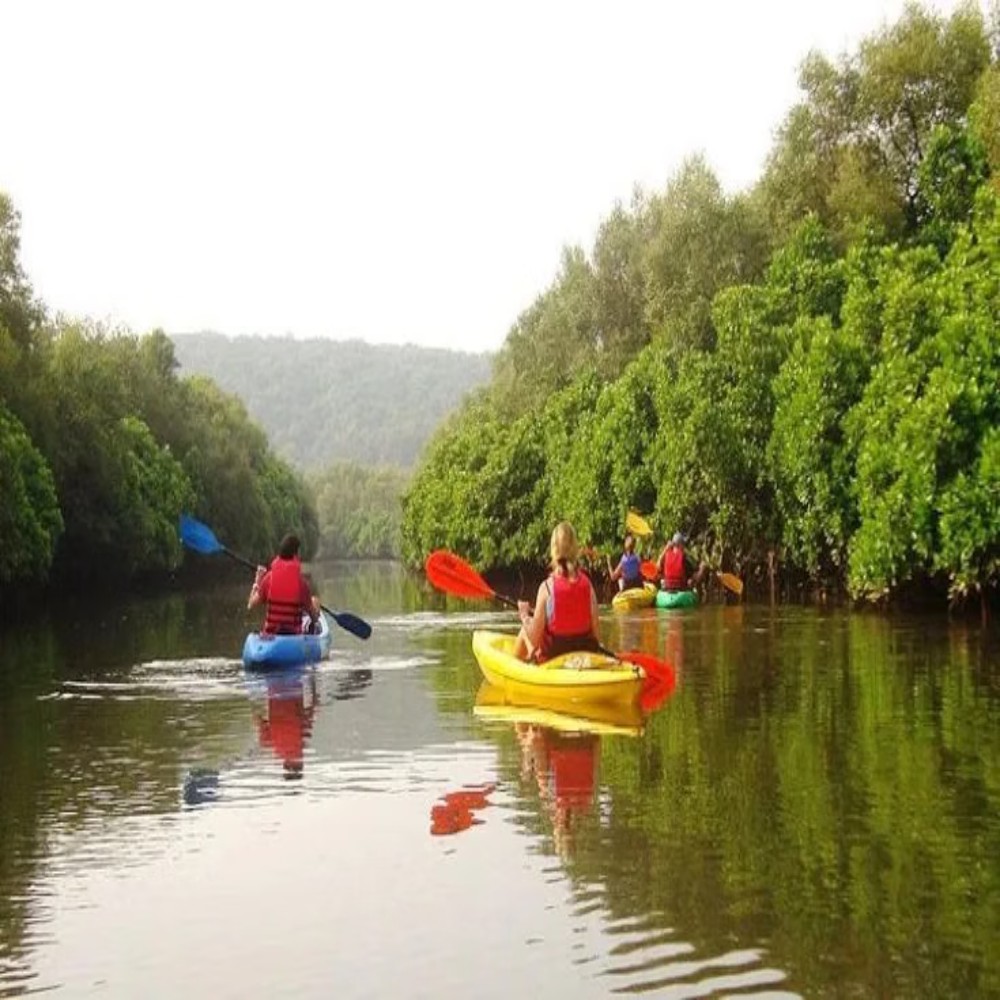
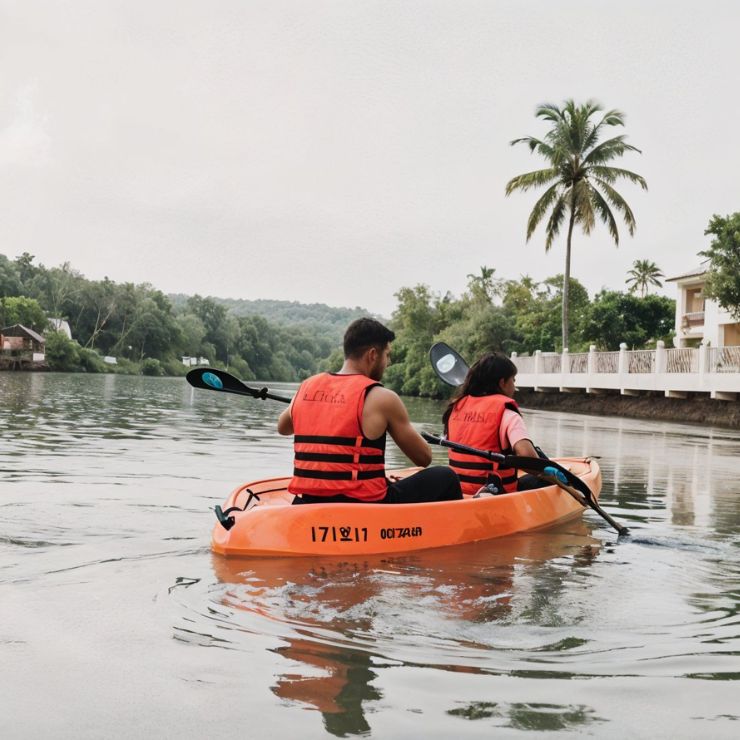
The Peak Season (November to February): This is when the weather is most pleasant. The temperature ranges from a comfortable 20°C at night to 30°C during the day. The humidity is low, the skies are a clear cerulean blue, and the water is crystal clear. This is the ideal time for swimming, kayaking, and witnessing those famous Hollant sunrises. The sea is at its calmest, making it perfect for children to splash around.
The Summer Months (March to May): As summer approaches, the temperature begins to climb, often reaching 35°C or higher. While the afternoons can be quite hot and humid, the early mornings and late evenings at Hollant remain delightful. The advantage of visiting during this time is the absolute peace; you will often have the entire beach to yourself. It’s a great time for those who want to avoid even the minimal crowds of the winter season.
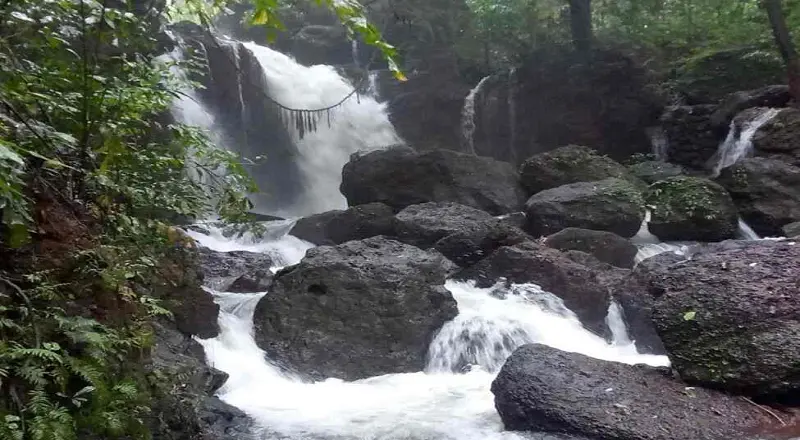
The Monsoon Season (June to September): Goa during the rains is a sight to behold. The hills surrounding Hollant Beach turn a vibrant, neon green. While swimming is strictly prohibited during this time due to the rougher sea conditions and the unpredictability of the weather, the aesthetic beauty of the beach is at its peak. Small seasonal streams often flow down the hills into the sea. If you enjoy the sound of rain on the waves and a moody, romantic atmosphere, the monsoon is a wonderful time to visit, though most beach shacks will be closed.
Post-Monsoon (October): This is a "shoulder" season. The rains have subsided, the landscape is still lush, and the tourist season hasn't fully kicked in. The weather can be a bit unpredictable with occasional showers, but the air is fresh, and the humidity starts to drop. It is a fantastic time for nature lovers and photographers.
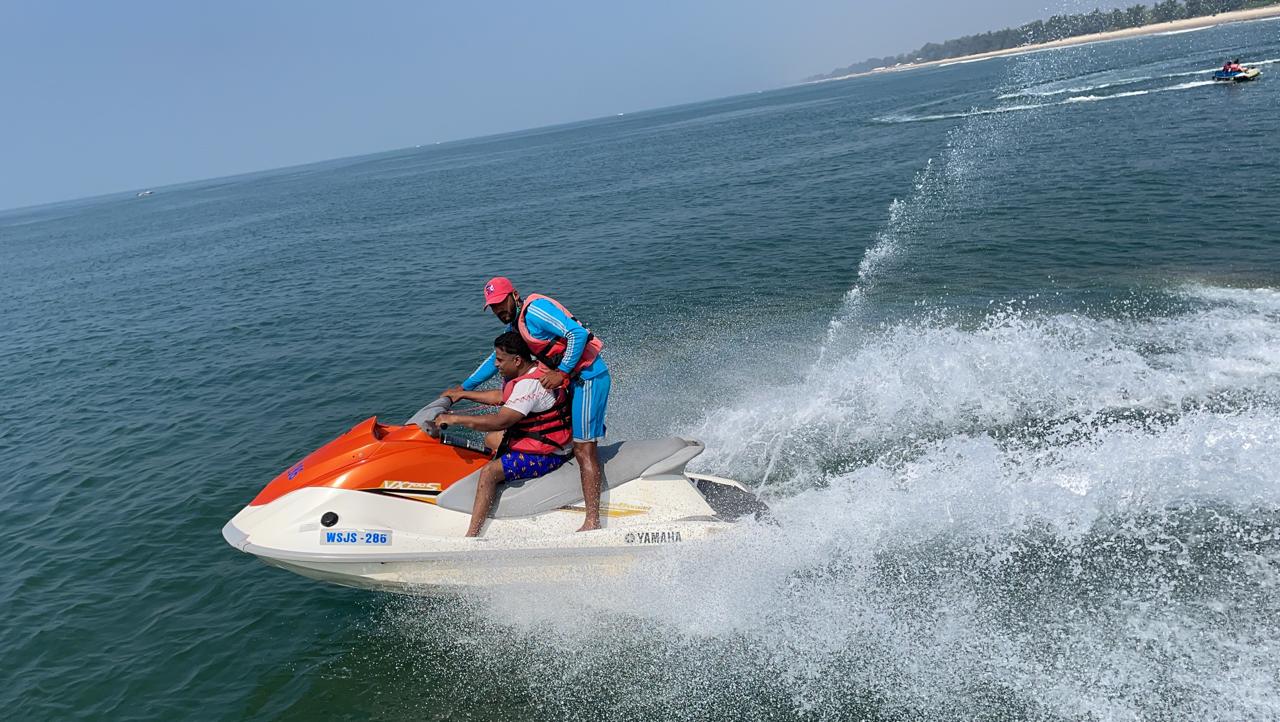
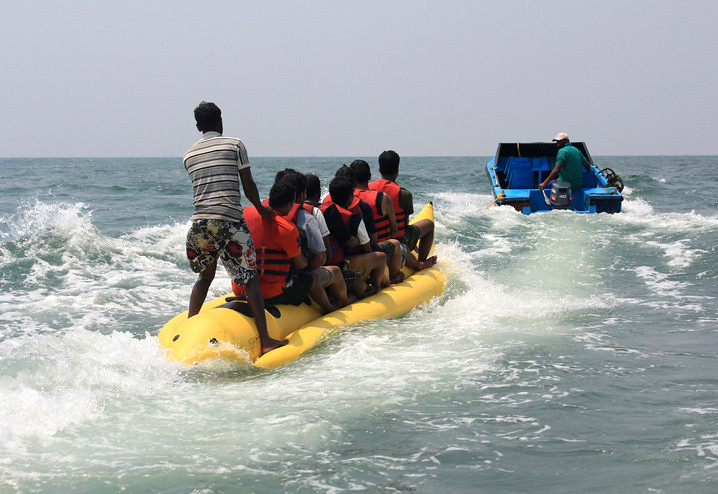
Hollant Beach is not a place for high-octane activities or loud music; rather, it is a destination for slow travel and rejuvenation. However, there are several engaging ways to spend your day here:
While Hollant Beach itself is a destination, its location in South Goa puts it within close proximity to several other fascinating landmarks. If you are staying in the area, make sure to visit these spots:
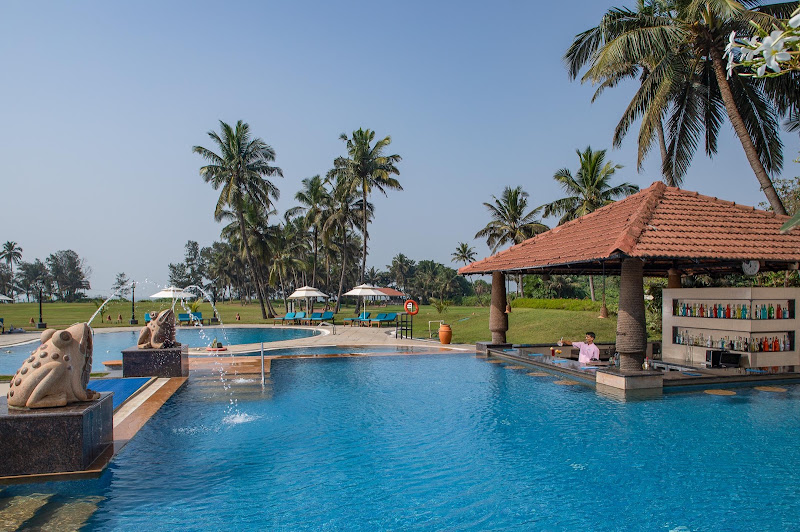
Accommodation directly on Hollant Beach is limited, which helps maintain its quiet atmosphere. However, there are excellent options within a 2-kilometer radius ranging from luxury resorts to cozy guesthouses.
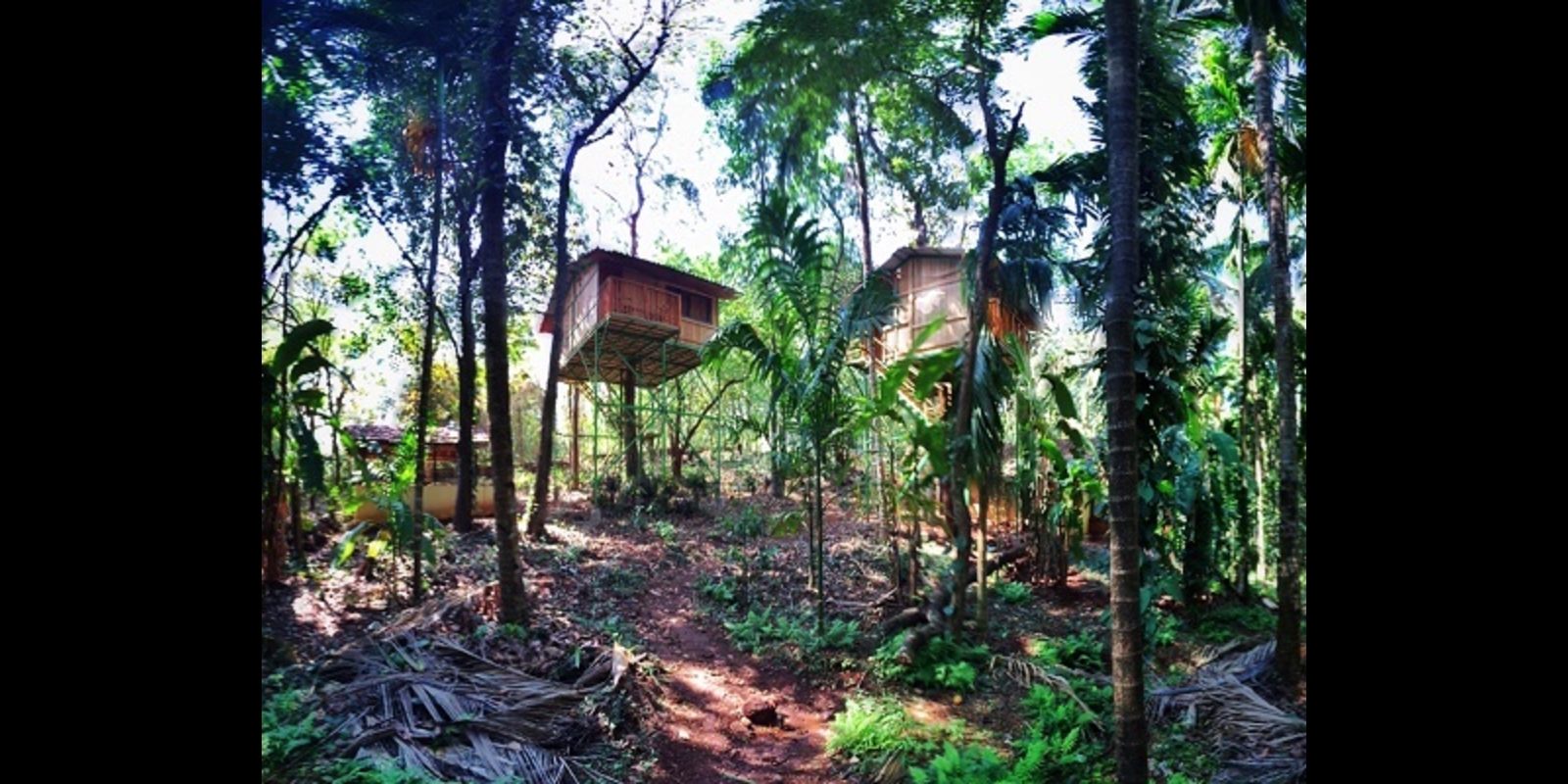
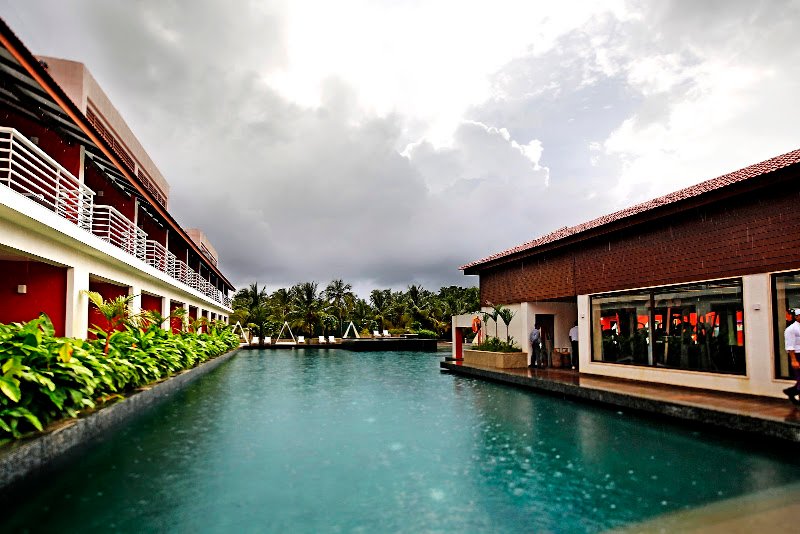
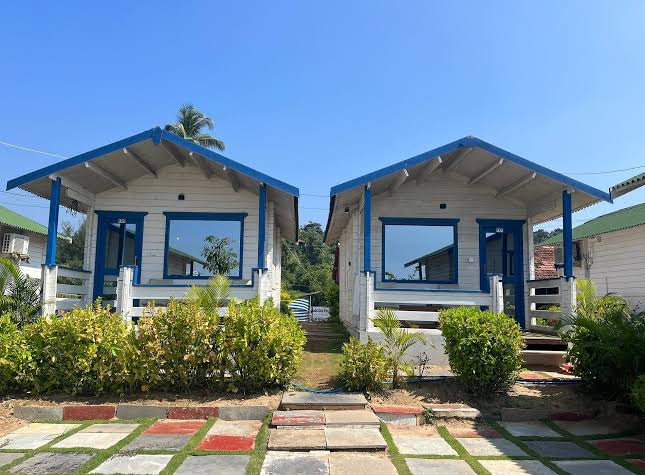
Stone Water Eco Resort: This is perhaps the most famous accommodation near Hollant. Located on the cliffs overlooking the sea, it offers wooden chalets and a beautiful infinity pool. It’s an eco-friendly resort that blends perfectly with the natural surroundings and is just a short walk or drive from the beach.
Bogmalo Beach Resort: If you are looking for a more traditional luxury experience, this 4-star resort is located on the adjacent Bogmalo Beach. It offers full amenities, including multiple restaurants, a spa, and sea-facing rooms. It is about a 10-minute drive from Hollant.
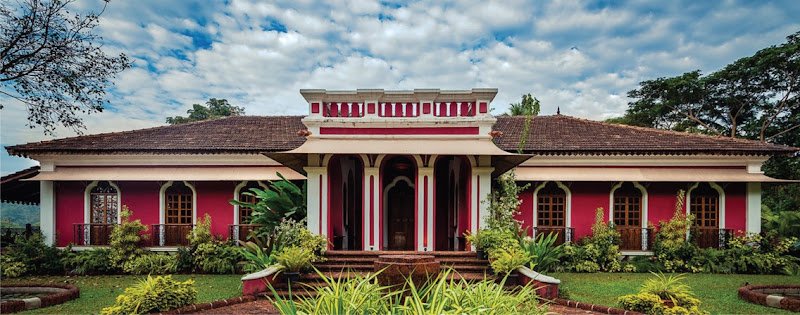
Local Guesthouses and Homestays: In the village of Issorcim and Bogmalo, several local families have converted parts of their homes into guesthouses. These are affordable, clean, and offer a chance to experience Goan hospitality firsthand. Look for names like Coconut Creek Resort or smaller villas listed on booking platforms. These often come with home-cooked Goan meals upon request.
Boutique Villas: There are several private villas available for rent in the hills surrounding Hollant. These are perfect for large groups or families who want privacy and a kitchen to cook their own meals. Staying here provides a "home away from home" vibe amidst the tropical forest.
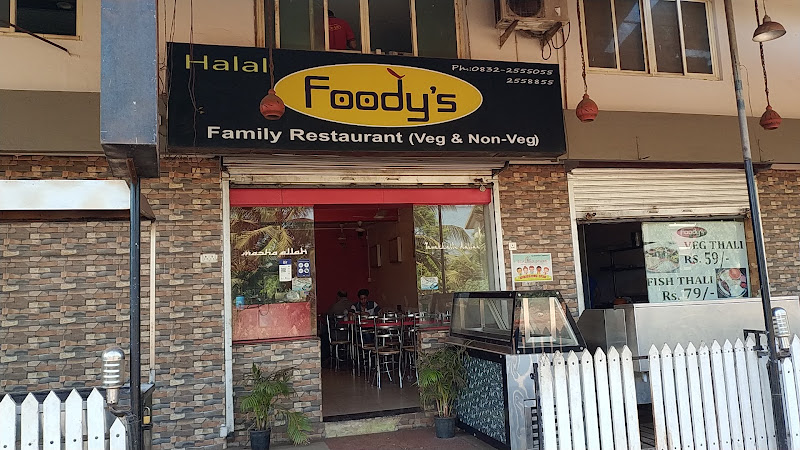
The culinary scene at Hollant Beach is modest but deeply satisfying. The focus here is on fresh seafood and traditional Goan flavors. You won't find many high-end fine-dining restaurants on the sand, but the local eateries pack a punch.
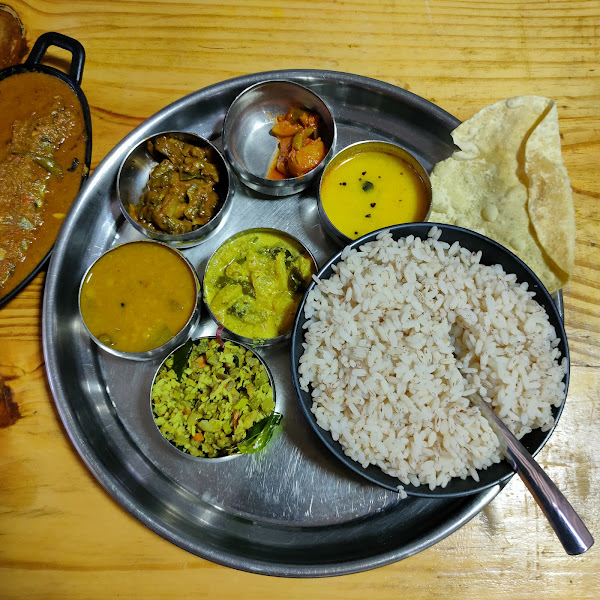
Beach Shacks: During the peak season, a few small shacks set up on the sand. They serve the basics: chilled beer, fresh lime soda, and a variety of seafood. Must-try items include Rava Fried Prawns, Calamari Butter Garlic, and the classic Goan Fish Thali. The fish is often caught that very morning by the village fishermen.
Joet’s (Bogmalo): A short drive away, Joet's is a legendary Goan restaurant. It sits right on the edge of Bogmalo Beach and offers an extensive menu. Their Pork Sorpotel and Chicken Xacuti are highly recommended. It’s a great spot for a sundowner dinner with live music on certain nights.
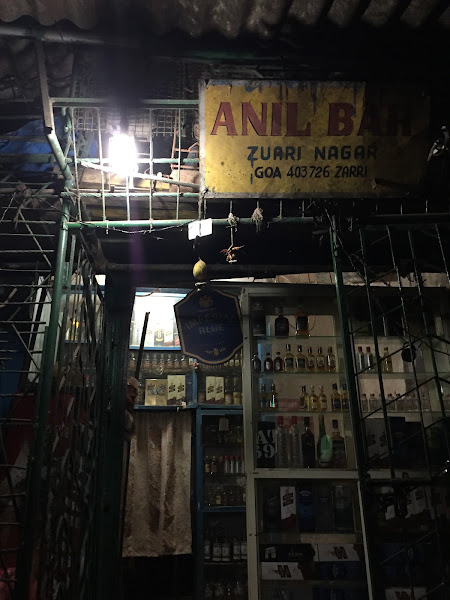
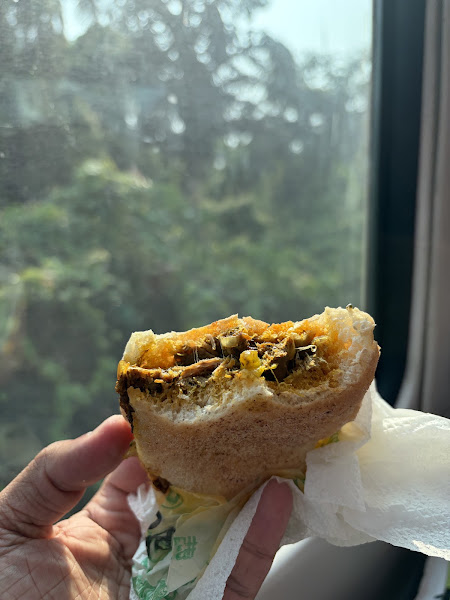
Local "Tavernas": In the village area, you might find small, unassuming bars where locals gather. These are the best places to try authentic Feni (a local spirit made from cashew or coconut) and snack on Ross Omelette (an omelette drowned in spicy gravy). It is a very raw, local experience that foodies will love.
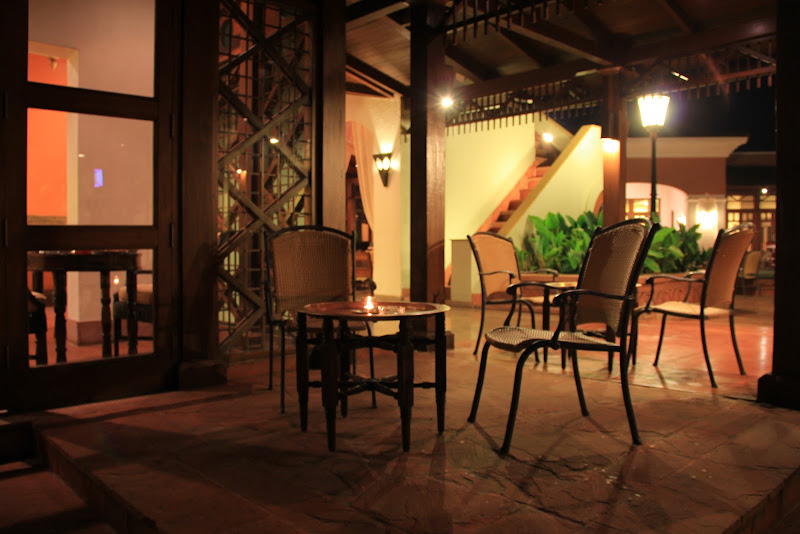
The Verandah (Stone Water Eco Resort): For a more upscale dining experience with a view, the restaurant at Stone Water Eco Resort offers a mix of Indian, Continental, and Goan cuisines. The ambiance is romantic, making it a great spot for couples.
Home-style Cooking: If you are staying at a local homestay, always ask the host if they can prepare a traditional meal. Nothing beats a home-cooked Goan Fish Curry made with freshly ground coconut and local spices, accompanied by Ukda Rice (red parboiled rice).
To make the most of your trip to this hidden gem, keep these practical tips in mind:
Hollant Beach is a rare jewel in Goa’s crown, offering a tranquil alternative to the commercialized chaos found elsewhere in the state. It is a place that rewards the patient traveler—the one who is willing to wake up before dawn to see the first light hit the Arabian Sea, or the one who finds joy in a simple plate of fish curry under a coconut tree. Its calm, shallow waters make it a sanctuary for families, while its rugged beauty and village charm appeal to those looking for an authentic Goan experience.
In an age where "hidden gems" are increasingly hard to find, Hollant Beach maintains its integrity through its quiet location and the protective embrace of the local community. It serves as a reminder of what Goa used to be—a peaceful coastal paradise where the rhythm of life is dictated by the tides and the seasons. Whether you are visiting for a few hours or staying for a week, Hollant Beach promises a sense of peace that will stay with you long after the sand has been washed from your feet. It is, quite simply, the soul of South Goa captured in a single, golden bay.