Overview
Located at the southernmost tip of the sun-drenched state of Goa, Xandrem Beach remains one of the few surviving bastions of true coastal serenity. Tucked away in the Canacona taluka, just a few kilometers before the Karnataka border, this beach is the antithesis of the commercialized, neon-lit stretches of North Goa. While places like Baga and Calangute thrum with the energy of thousands, Xandrem whispers with the rustle of Casuarina needles and the rhythmic pulse of the Arabian Sea. It is a place where time seems to have paused, offering a glimpse into the "Old Goa" that travelers raved about decades ago.
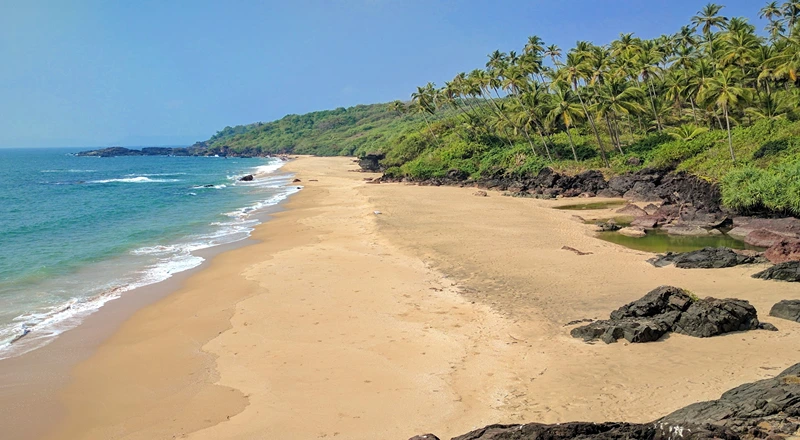
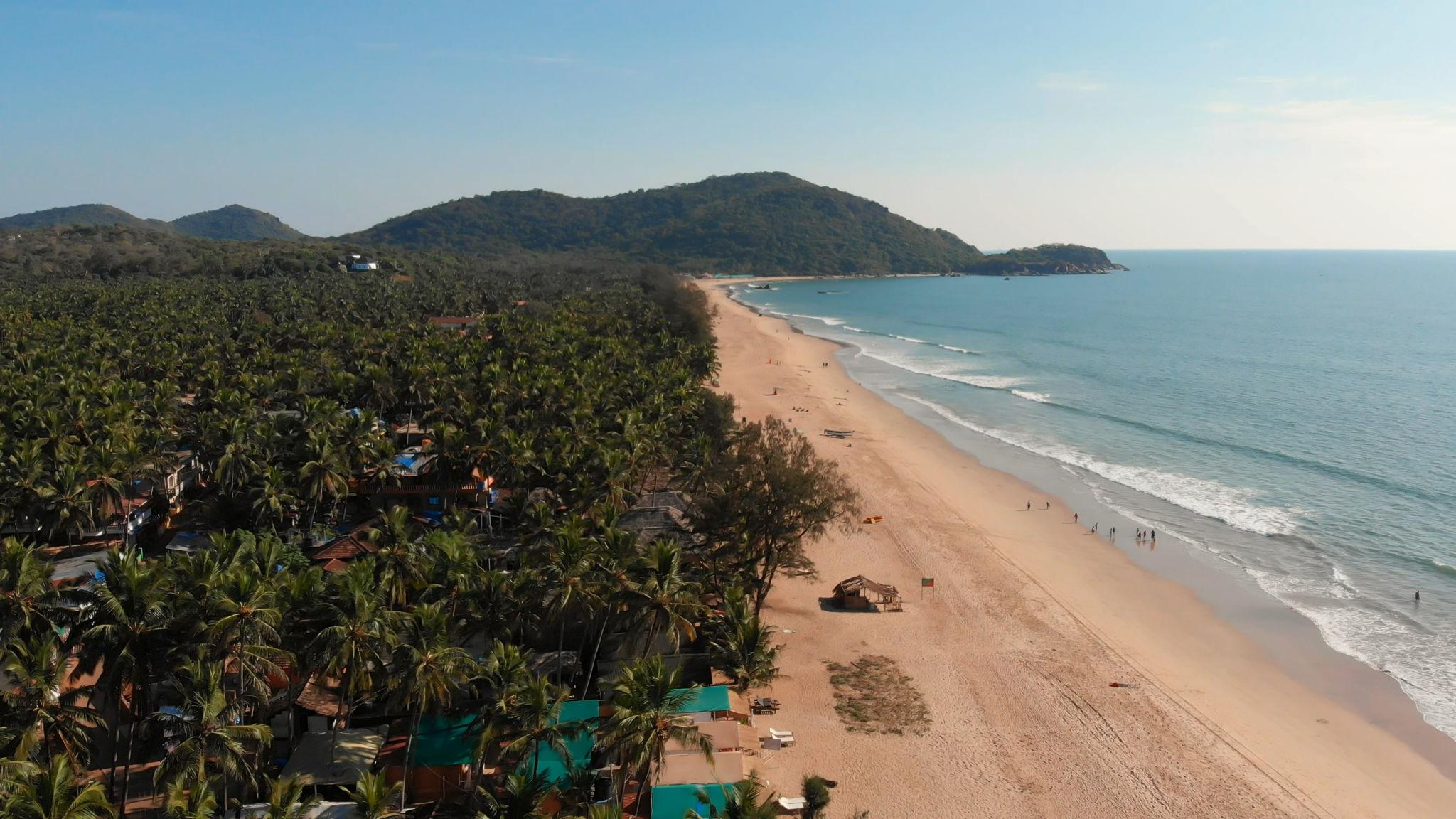
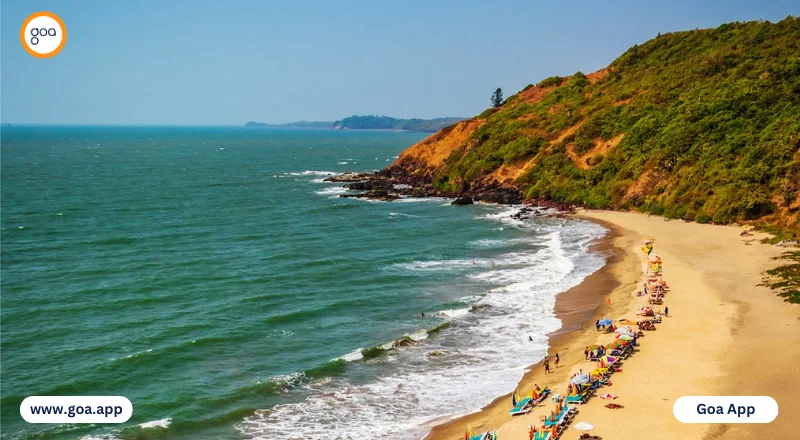
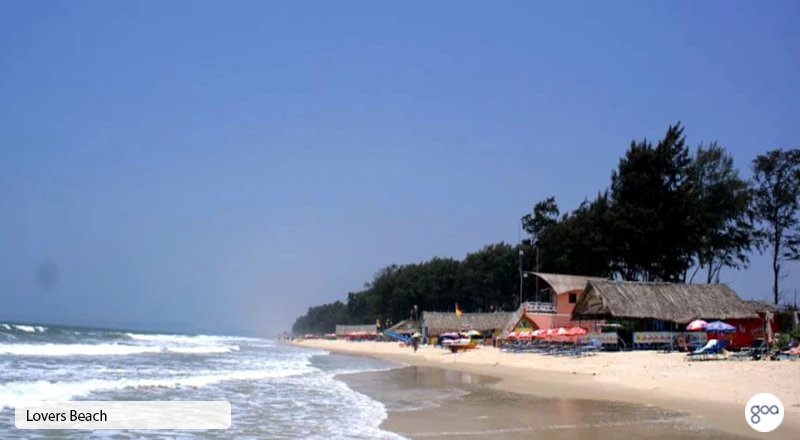
Xandrem Beach is characterized by its pristine golden sands, a gentle crescent coastline, and a backdrop of lush green hills that mark the beginning of the Western Ghats' descent into the sea. The beach is unique because of its relative isolation; it is often ignored by the mainstream tourist circuit, making it a sanctuary for introverts, honeymooners, and soul-seekers. The shoreline is wide, providing ample space for long, meditative walks. Unlike the rocky outcrops found further north at Anjuna, the sand here is soft and welcoming, sloping gently into clear, turquoise waters that are generally safe for swimming during the peak season.
The geography of Xandrem is particularly fascinating. It sits in close proximity to the Galgibaga River and the Talpona River, creating a rich estuarine ecosystem nearby. This makes the area a haven for biodiversity, especially for birdwatchers and nature enthusiasts. The beach is also part of a sensitive ecological zone; along with its neighbor Galgibaga, the region is known for being a potential nesting site for the endangered Olive Ridley sea turtles. Consequently, there is a distinct lack of permanent concrete structures on the beach, a deliberate move to preserve the natural habitat. When you visit Xandrem, you aren't just visiting a beach; you are entering a delicate, thriving ecosystem that demands respect and quiet appreciation.
How to Reach Xandrem Beach
Reaching Xandrem Beach is an adventure in itself, taking you through some of the most scenic landscapes in South Goa. Because of its remote location in the far south, it requires a bit more planning than a trip to the central beaches.
- By Air: The nearest airport is Dabolim Airport (GOI), located approximately 65-70 kilometers away. While the newer Manohar International Airport (Mopa) in the north is now operational, Dabolim remains much more convenient for South Goa destinations. From Dabolim, you can hire a pre-paid taxi, which will take about 1.5 to 2 hours to reach Xandrem. The drive via the NH 66 is exceptionally beautiful, crossing the Zuari River and passing through the verdant hills of Quepem and Cuncolim.
- By Rail: The closest major railway station is Madgaon Junction (MAO), about 40 kilometers away. Madgaon is well-connected to major Indian cities like Mumbai, Bangalore, and Delhi. From Madgaon, you can take a local bus toward Canacona or hire a taxi. A smaller, more local station is Canacona Railway Station, which is only about 10-12 kilometers from Xandrem. A few express trains and most local passenger trains stop here. From Canacona station, an auto-rickshaw or a local taxi is the easiest way to cover the final stretch.
- By Road: If you are driving from within Goa, follow the NH 66 (formerly NH 17) southward. Once you pass the town of Chaudi (the main hub of Canacona), look for signs leading toward Galgibaga or Loliem. The roads become narrower and more winding as you approach the coast, shaded by dense coconut groves and traditional Goan bungalows. If you are coming from Karnataka (Karwar), Xandrem is just a 20-minute drive after crossing the border at Polem.
- Local Transport: For those already staying in Palolem or Patnem, renting a scooter or a Royal Enfield is the best way to reach Xandrem. The 15-kilometer ride from Palolem is stunning, taking you over the Sadolxem Bridge—a narrow, iconic bridge that offers panoramic views of the Talpona River.
Best Time to Visit
Timing your visit to Xandrem Beach is crucial to ensure you experience its beauty in the best possible light. Like most of coastal India, Goa experiences a tropical monsoon climate.
- Winter (November to February): This is undoubtedly the prime time to visit Xandrem. The weather is spectacular, with daytime temperatures hovering around 28°C to 30°C and cool, breezy evenings. The sea is at its calmest, making it perfect for swimming. This is also the period when any seasonal shacks might be operational, and the local flora is in full bloom after the rains.
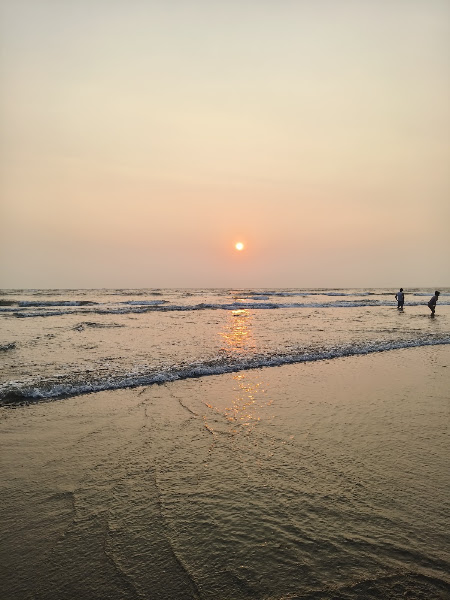
- Summer (March to May): The summer months in South Goa can be quite humid and hot, with temperatures often touching 35°C. However, if you don't mind the heat, this is the quietest time to visit. You will likely have the entire beach to yourself. The early mornings and late evenings remain pleasant, and the sunsets during this time are particularly fiery and dramatic.
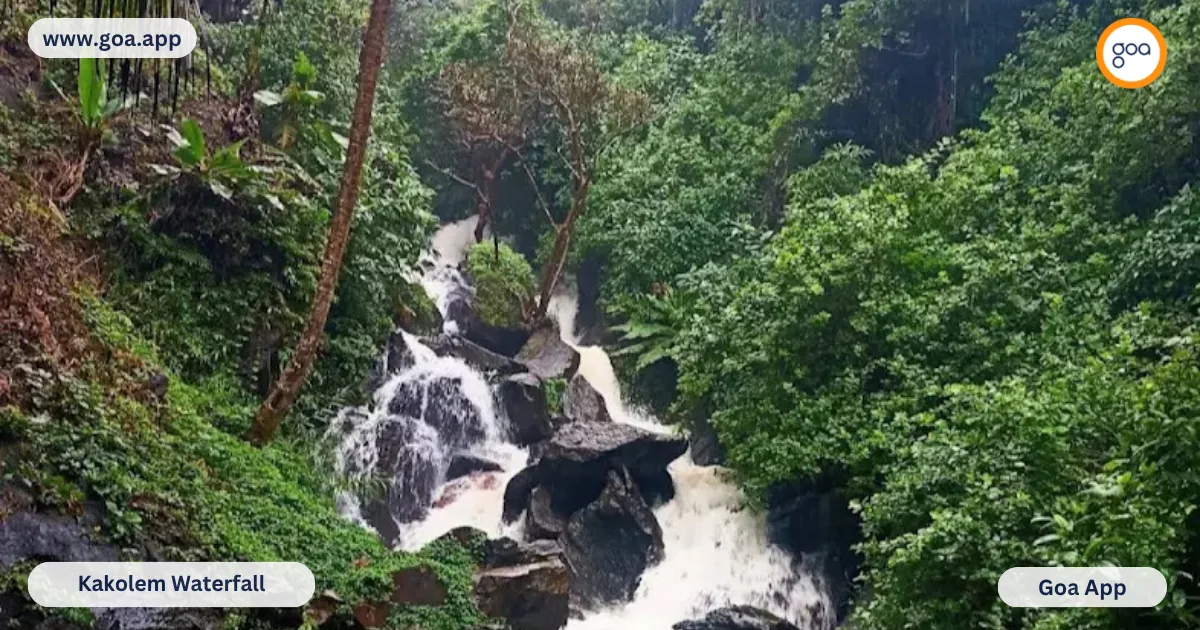
- Monsoon (June to October): The monsoon transforms South Goa into a lush, emerald paradise. While Xandrem Beach becomes incredibly atmospheric with dark clouds and crashing waves, swimming is strictly prohibited due to the rough seas and strong undercurrents. Most seasonal accommodations and shacks close down. However, for photographers and those who love the rain, the drive to Xandrem during the monsoon is magical, as the surrounding hills of the Western Ghats come alive with waterfalls and mist.

Things to Do at Xandrem Beach
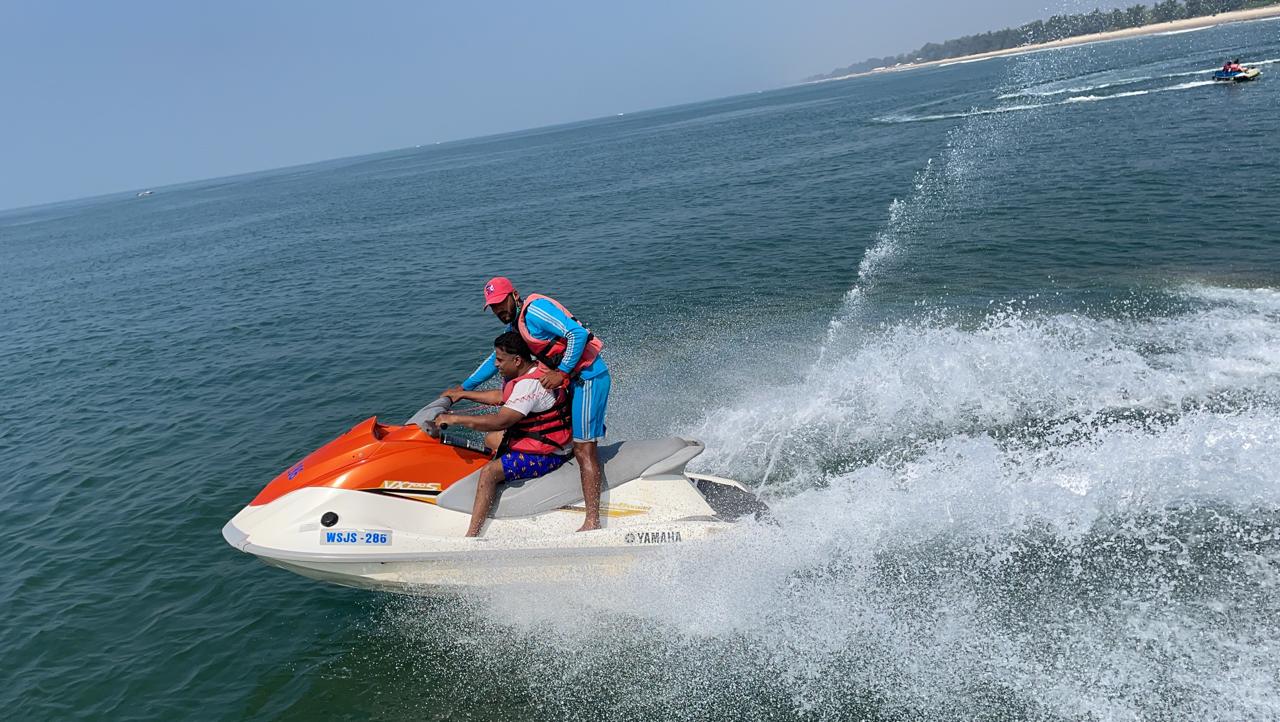
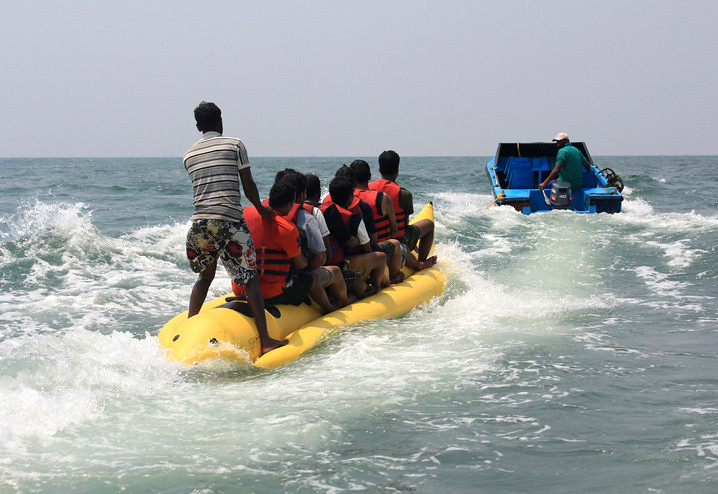
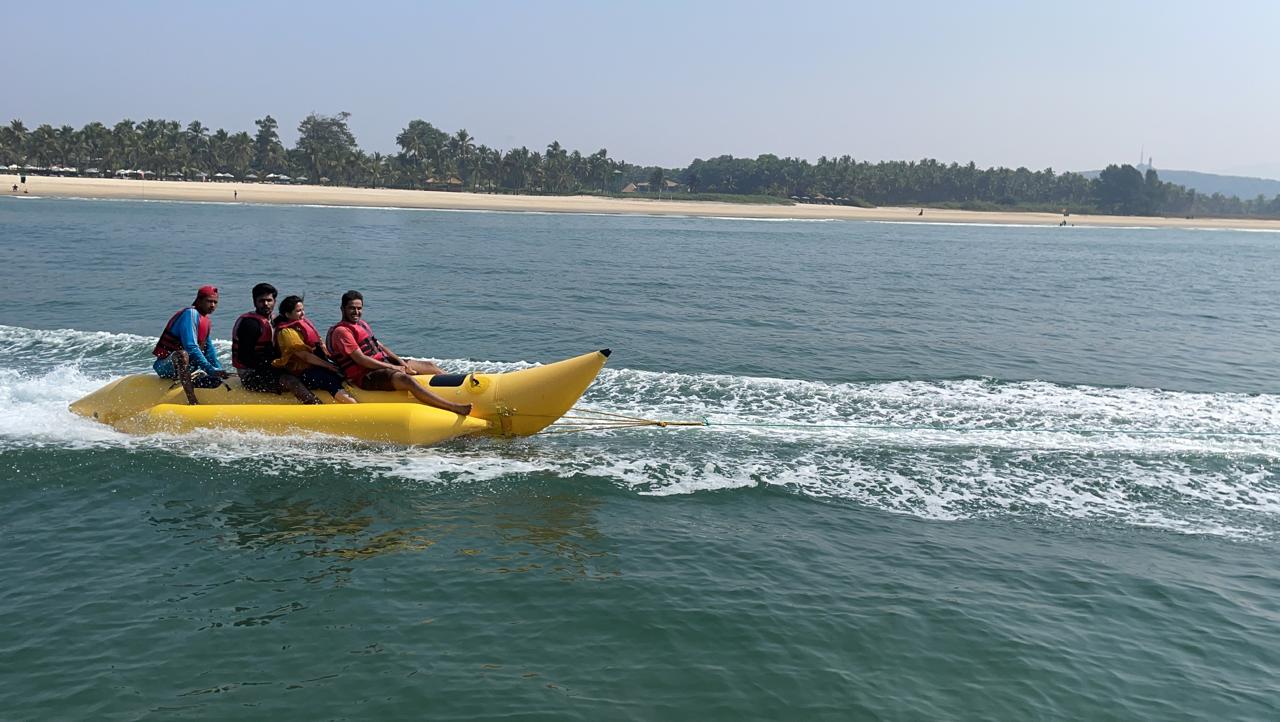
Xandrem is not a place for high-octane water sports or loud beach parties. Instead, it offers activities that nourish the soul and reconnect you with nature.
- Mindful Walking and Meditation: With its long stretch of firm sand and the absence of crowds, Xandrem is the perfect "walking beach." Many visitors come here specifically for sunrise or sunset meditation. The sound of the waves provides a natural white noise that is incredibly grounding.
- Swimming in Pristine Waters: During the peak season, the waters at Xandrem are crystal clear and relatively shallow near the shore. Since there are no jet skis or speedboats to worry about, it offers one of the most peaceful swimming experiences in Goa. Always check with locals about tide conditions before heading in.
- Photography: For landscape photographers, Xandrem is a goldmine. From the casuarina fringe that lines the beach to the traditional wooden fishing boats (canoes) anchored on the sand, every corner is photogenic. The lack of people makes it easy to capture clean, minimalist shots of the horizon.
- Bird Watching: The proximity to the river mouths means you can spot a variety of avian life. Keep an eye out for the White-bellied Sea Eagle, which is often seen soaring above the cliffs, as well as Kingfishers, Herons, and Sandpipers along the shoreline.
- Stargazing: Because Xandrem is far from the light pollution of major towns and commercial hubs, the night sky here is breathtaking. On a clear night, you can easily spot the Milky Way and various constellations. It is one of the few places in Goa where the "dark sky" experience is still possible.
- Exploring the Loliem Plateau: Just a short distance from the beach lies the Loliem Plateau. This is a unique laterite plateau that offers stunning views of the Arabian Sea. During the late monsoon and early winter, the plateau is covered in tiny wild flowers, creating a carpet of color.
Nearby Attractions
While Xandrem itself is a destination for solitude, it is surrounded by several other fascinating spots that are worth a visit.
- Galgibaga Beach: Located just to the north, Galgibaga is famous as a turtle nesting site. It shares a similar vibe to Xandrem—quiet, clean, and forested. There are a few famous seafood shacks here that serve authentic Goan Catholic cuisine.
- Polem Beach: This is the last beach in Goa before you enter Karnataka. It is a small, cove-like beach that is even more secluded than Xandrem. The drive to Polem takes you through the Ghat roads, offering glimpses of the deep blue sea from high altitudes.
- Sadolxem Bridge: This iconic, narrow bridge across the Talpona River is a local landmark. It is so narrow that only one car can pass at a time. It’s a great spot for photos, especially during high tide when the river is full.
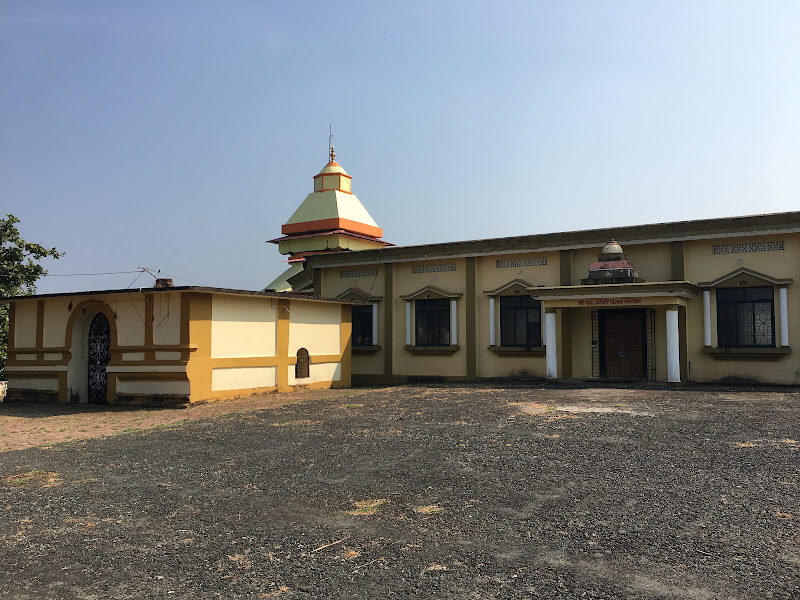
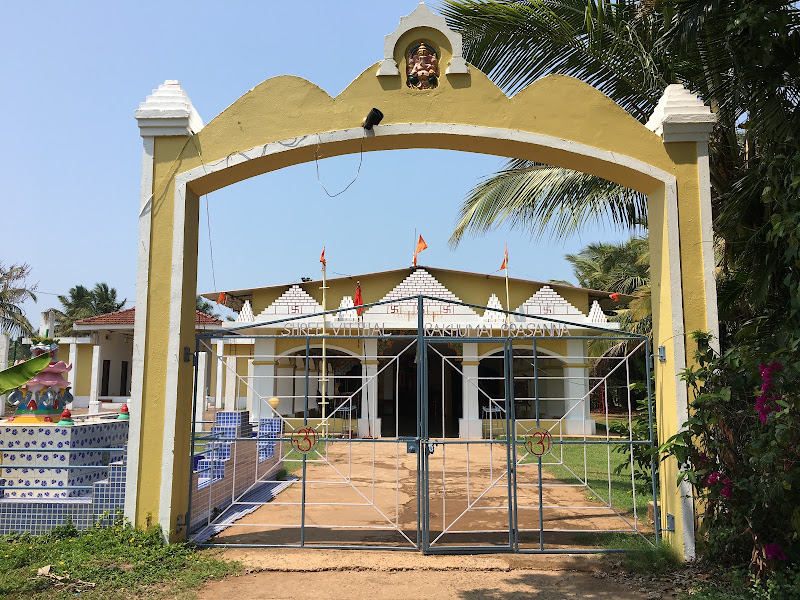
- Loliem Village: Take a stroll through the village of Loliem to see traditional Goan architecture. The village is home to the ancient Shri Keshav Temple and the Shri Damodar Temple, which are central to the local community's spiritual life. The temples are beautifully maintained and offer a peaceful atmosphere.
- Cabo de Rama Fort: About a 45-minute drive north, this historic fort offers some of the best cliff-side views in Goa. The fort has a rich history involving Hindu, Muslim, and Portuguese rulers, and the white-washed church inside its walls is still functional.
Accommodation Options
At Xandrem Beach, you won't find large luxury resorts or sprawling hotel complexes. The accommodation here is intimate and often eco-conscious.
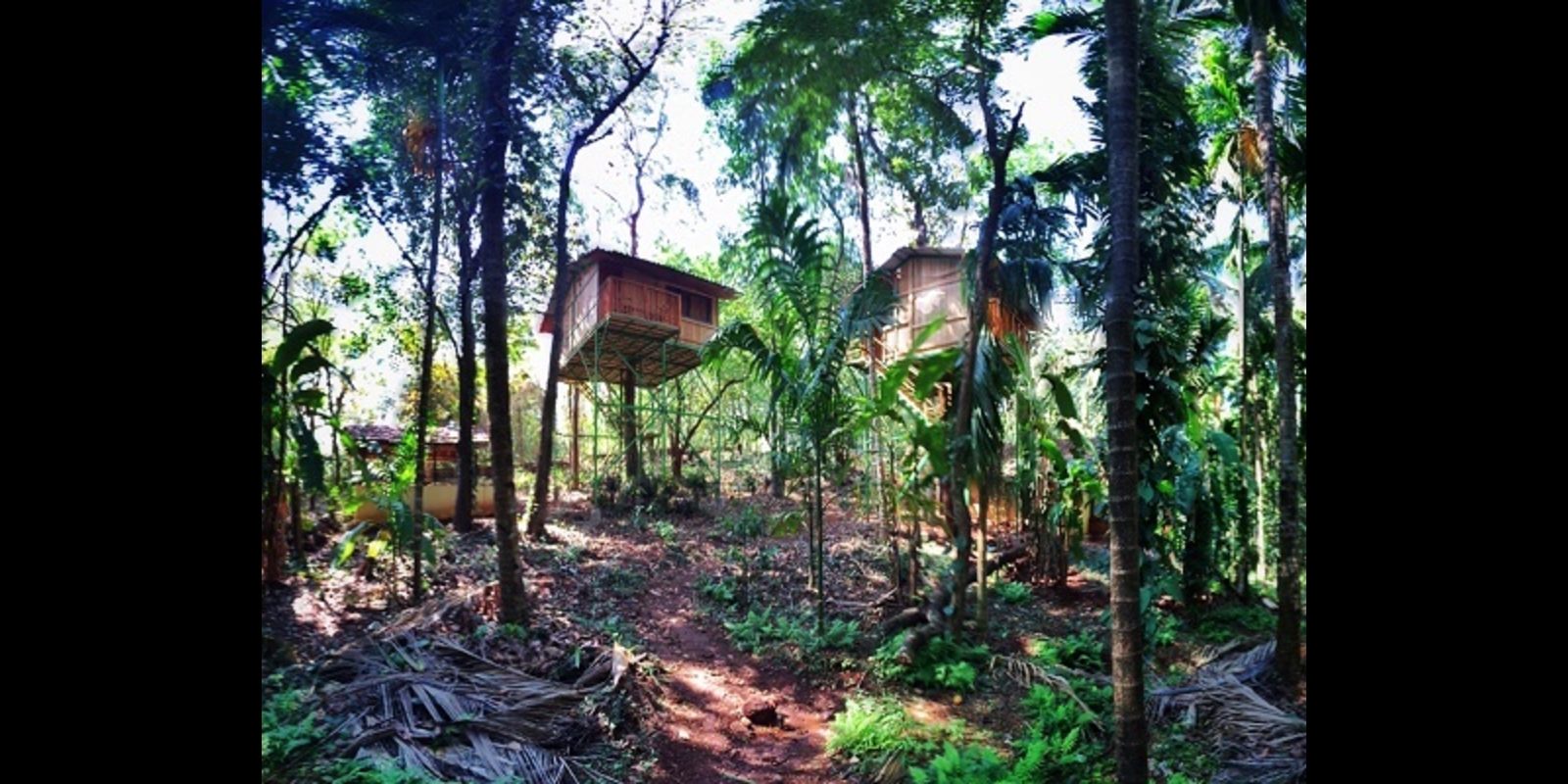
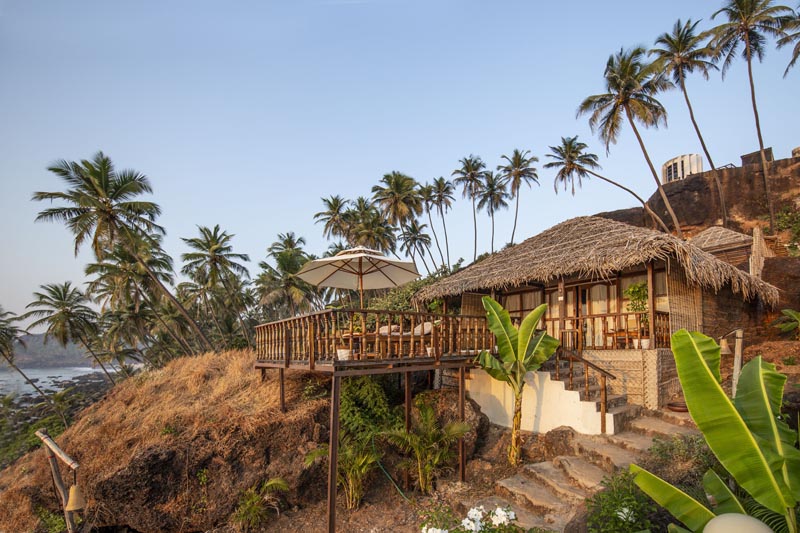
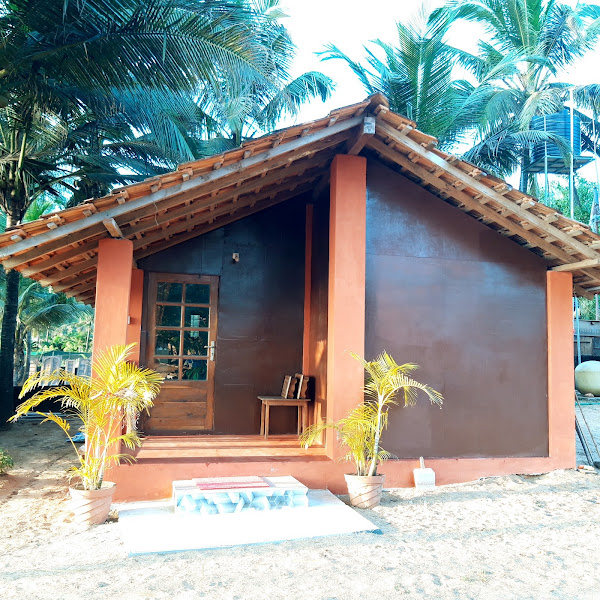
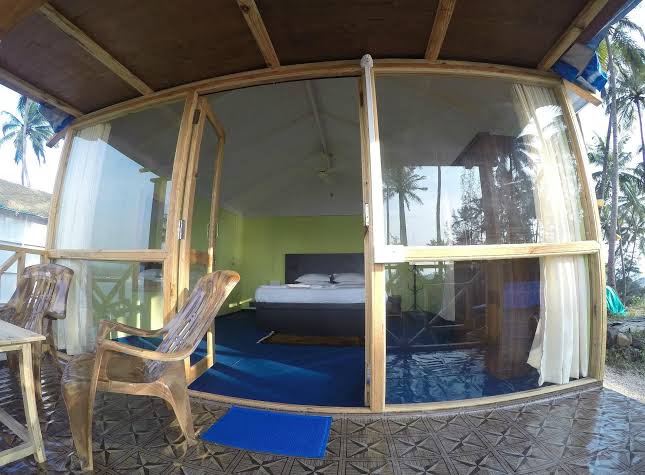
- Eco-Resorts and Huts: There are a few small properties that offer eco-friendly wooden huts nestled among the trees. These are designed to provide comfort while minimizing the impact on the environment. They usually operate from November to April.
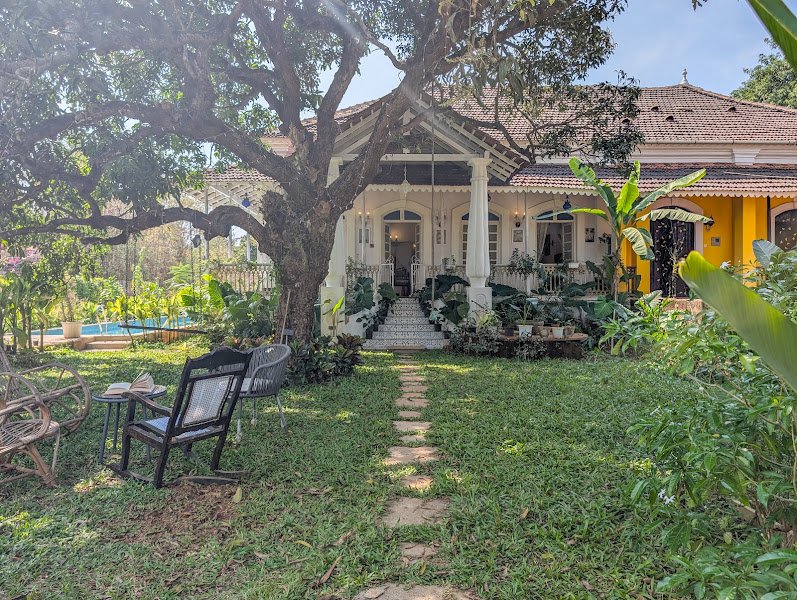
- Homestays in Loliem: For a more authentic experience, look for homestays in the nearby Loliem village. Staying with a local family allows you to enjoy home-cooked Goan meals and learn about the local culture and traditions. Many of these ancestral homes have been renovated to include modern amenities for guests.
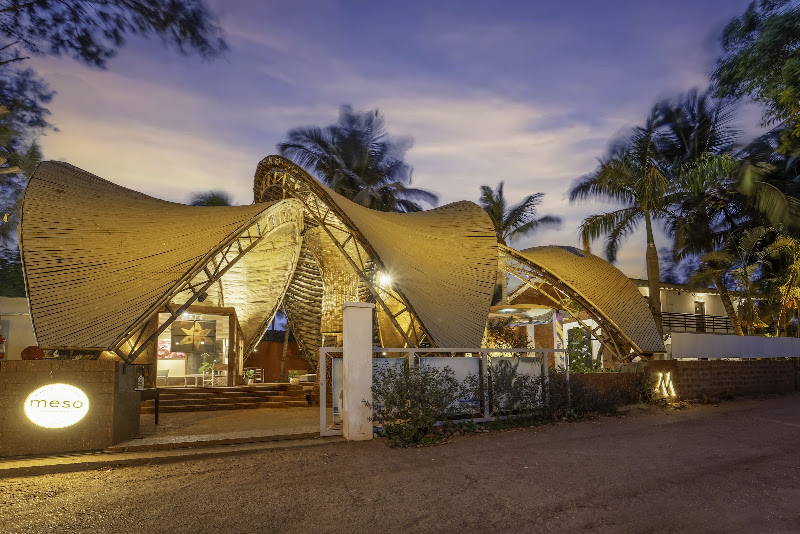
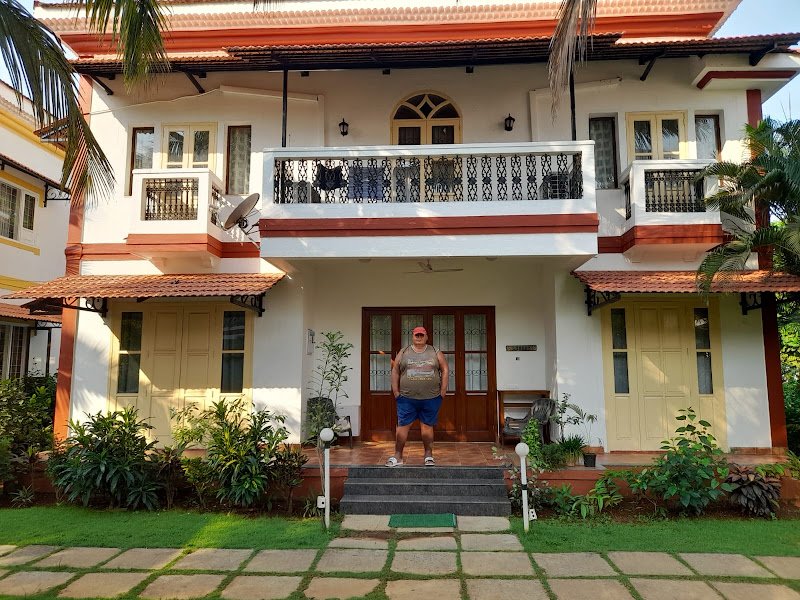
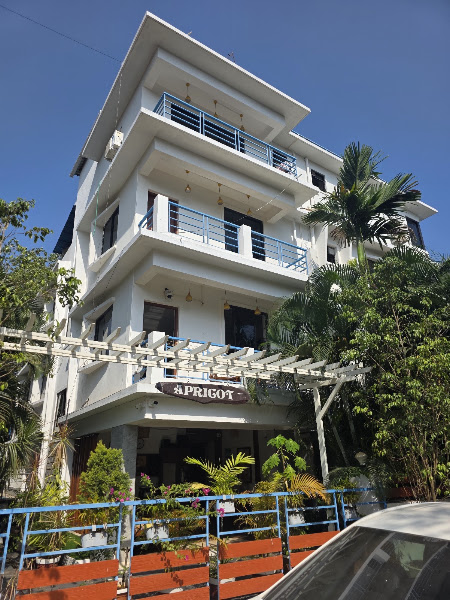
- Boutique Guesthouses: Near the Galgibaga side, there are a few boutique guesthouses that offer a bit more luxury, including air conditioning and curated dining experiences, while still maintaining a quiet, private atmosphere.
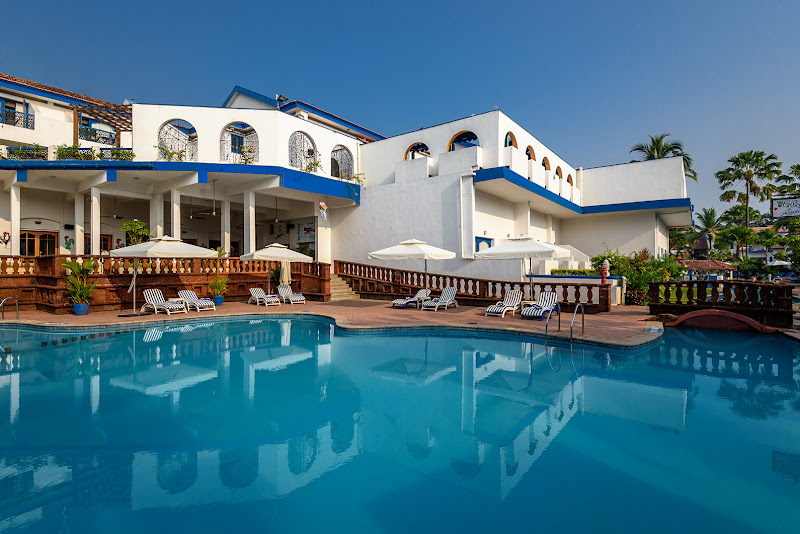
- Palolem/Patnem Options: If you prefer more variety or a livelier atmosphere at night, you can stay in Palolem or Patnem, which are about 15-20 minutes away. These areas offer everything from budget hostels to high-end luxury resorts. You can then make Xandrem your daily escape for peace and quiet.
Dining and Cafes
Dining at Xandrem is about fresh ingredients and traditional flavors. Don't expect multi-cuisine menus; instead, embrace the local bounty.
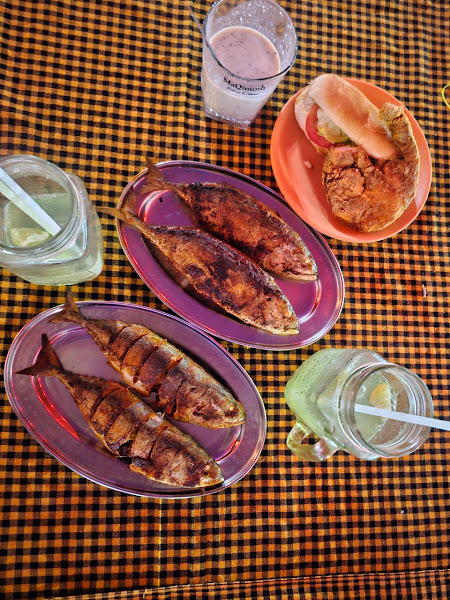
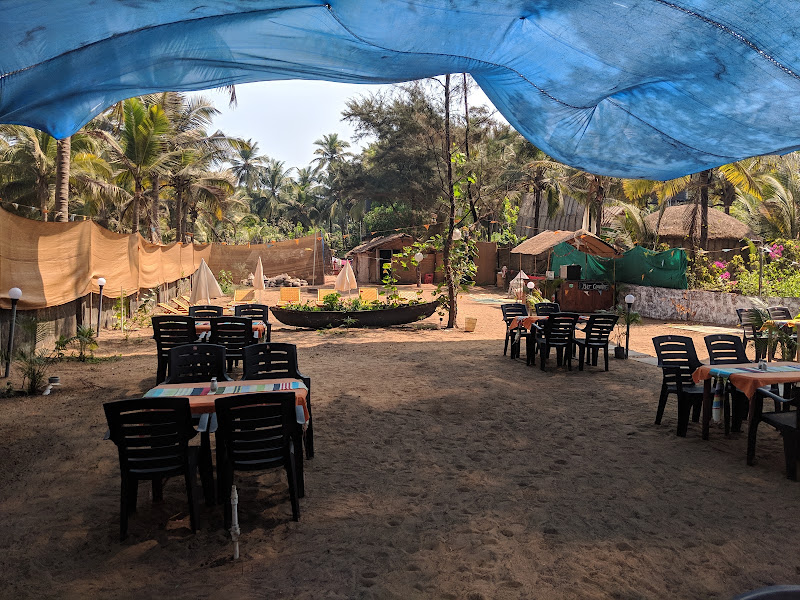
- Local Seafood Shacks: During the season, a couple of small shacks appear on or near the beach. These are the best places to try Rava Fried Fish, Prawn Curry, and Calamari. The fish is often caught that very morning by local fishermen.
- Authentic Goan Thalis: Head into the nearby villages to find small eateries serving the traditional Goan Fish Thali. A typical thali includes rice, a spicy fish curry, fried fish, a vegetable side (foogath), and sol kadi (a refreshing drink made from kokum and coconut milk).
- Surya Beach Cafe (Galgibaga): Located a short distance away, this is a legendary spot for seafood lovers. It’s simple, unpretentious, and serves some of the best oysters and mud crabs in the region.
- Feni Tasting: Being in a rural part of South Goa, you are in the heart of cashew country. Ask locals where you can try Urrack (seasonal) or Cashew Feni. These are local spirits distilled from the cashew apple and are an integral part of Goan social life.
- Vegetarian Options: While seafood is king, local cafes also serve delicious vegetarian dishes like Khatkhate (a mixed vegetable stew with Teppal) and various lentil preparations, often flavored with freshly grated coconut.
Travel Tips for Xandrem Beach
To make the most of your trip to this hidden corner of Goa, keep these practical tips in mind:
- Carry Cash: Network connectivity can be spotty, and many small local vendors or shacks do not accept digital payments or cards. The nearest ATMs are in Chaudi (Canacona), so withdraw enough cash before heading to Xandrem.
- Respect the Environment: Xandrem is a pristine area. Avoid using plastics and ensure you take all your trash back with you. If you happen to see turtle nesting activity, keep your distance and do not use flash photography.
- Transport is Essential: Since public transport to Xandrem is infrequent, it is highly recommended to have your own vehicle (scooter or car). Taxis can be expensive for short distances, and finding one for a return journey from Xandrem can be difficult.
- Sun Protection: The Goan sun can be intense even in winter. Carry high-SPF sunscreen, a wide-brimmed hat, and plenty of water. There isn't much shade on the sand itself once you move away from the tree line.
- Limited Connectivity: Be prepared for weak mobile signals. This is a blessing for those looking to unplug, but if you are relying on GPS, it is a good idea to download offline maps of the Canacona region.
- Dress Modestly in Villages: While beachwear is fine on the sand, if you are visiting the temples in Loliem or walking through the village, it is respectful to wear clothing that covers your shoulders and knees.
- Stock Up on Essentials: There are no major supermarkets near Xandrem. If you need specific toiletries, medicines, or snacks, buy them in Chaudi before you arrive.
Conclusion
Xandrem Beach is more than just a destination; it is a reminder of the quiet beauty that still exists in a world that is increasingly loud and hurried. It represents the "Susegad" spirit of Goa—a relaxed, laid-back attitude toward life that prioritizes peace and contentment over hustle and bustle. Whether you are walking along its golden sands at dawn, sharing a simple meal of fish curry and rice, or watching the stars emerge over the Arabian Sea, Xandrem offers a sense of clarity and calm that is hard to find elsewhere.
For the traveler who seeks to go beyond the postcards and the parties, Xandrem Beach is a rewarding discovery. It requires a bit more effort to reach, and it offers fewer "amenities" than the famous beaches of the north, but the rewards are far greater. It is a place to reconnect with yourself, to listen to the ocean, and to appreciate the raw, natural beauty of the Goan coastline. As you leave Xandrem, you carry with you not just photos, but a piece of its silence and a renewed appreciation for the untouched corners of the world. Plan your visit with an open heart and a commitment to leave only footprints behind.