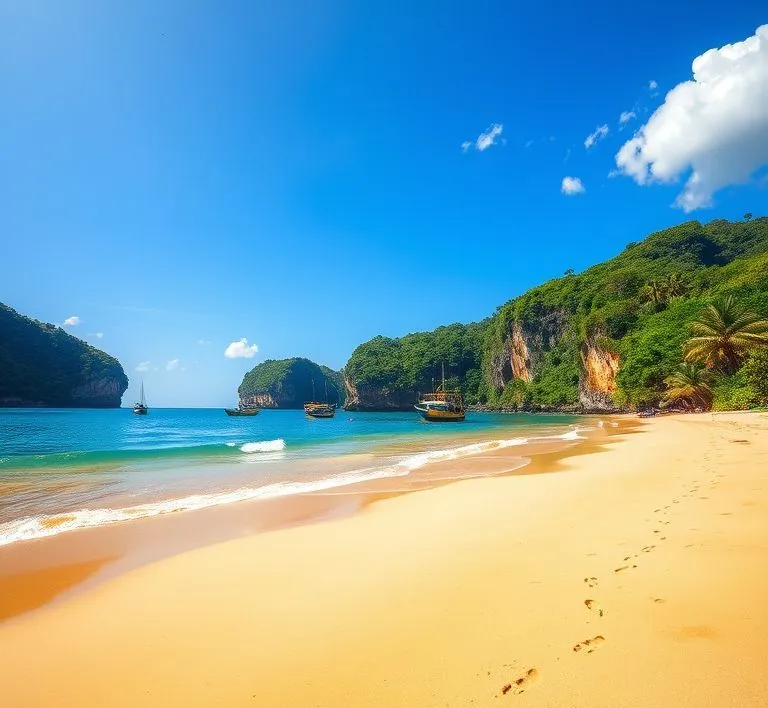
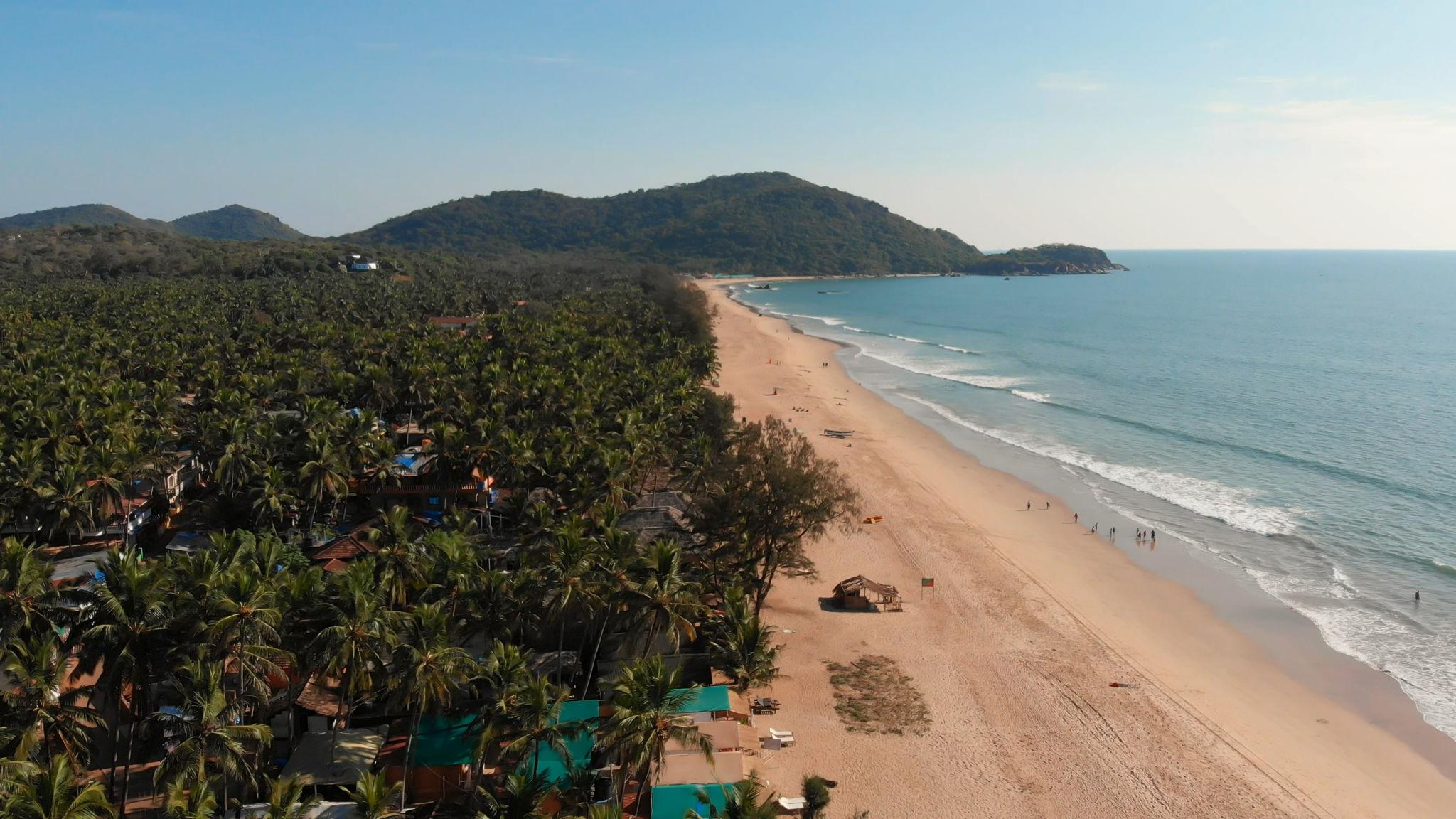
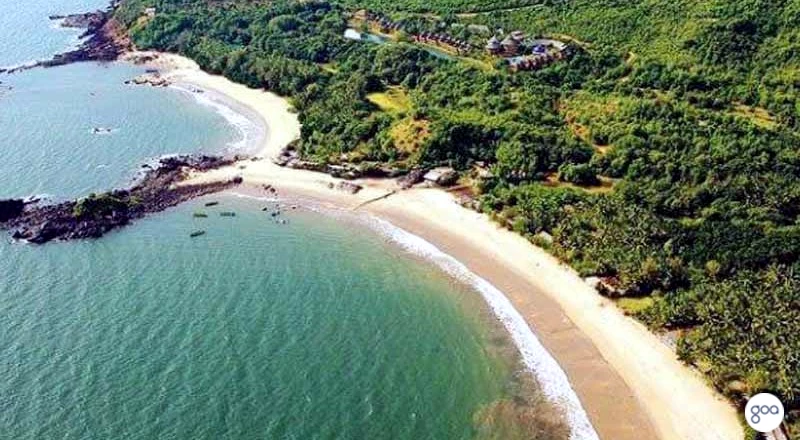
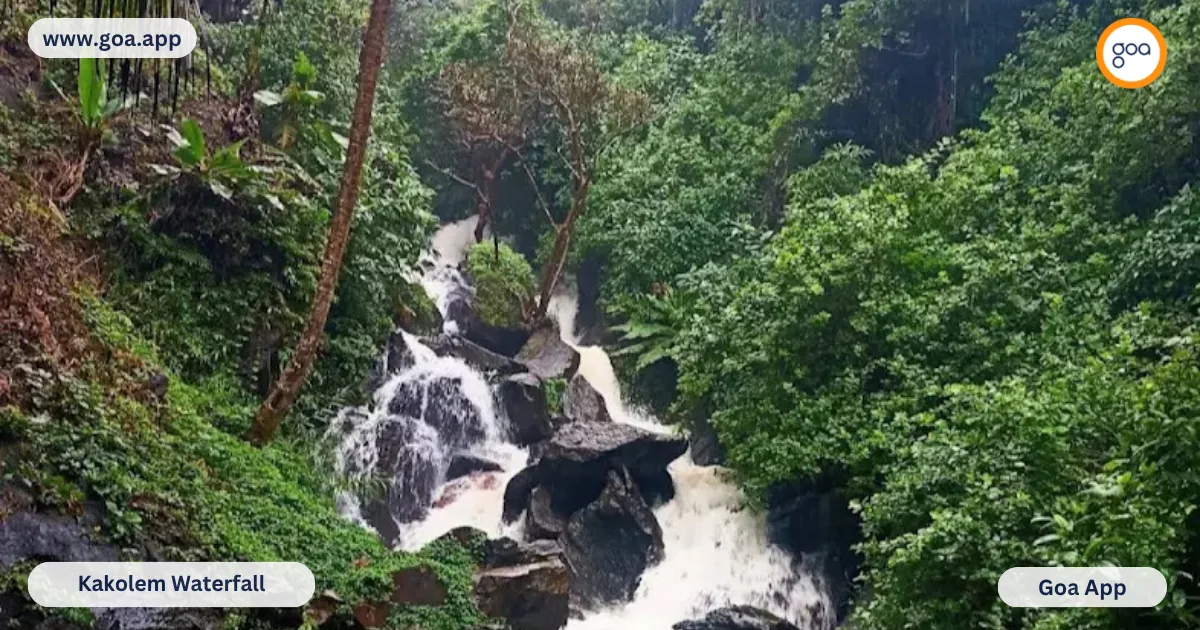
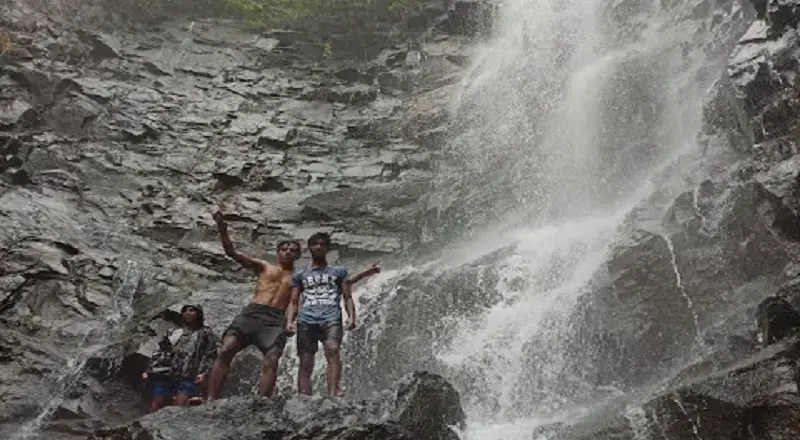
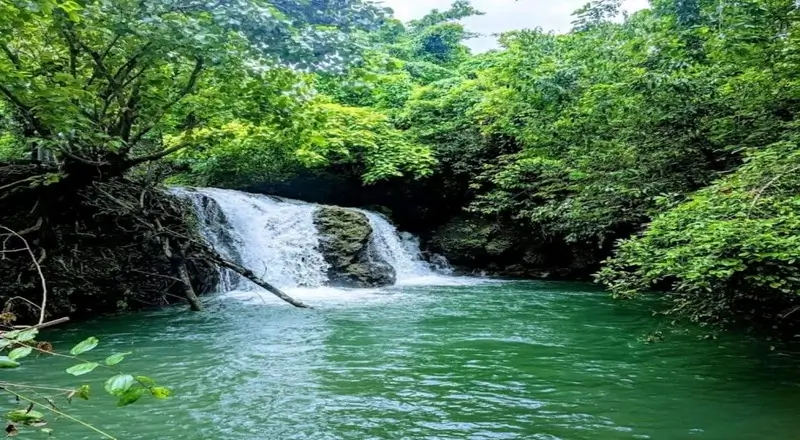
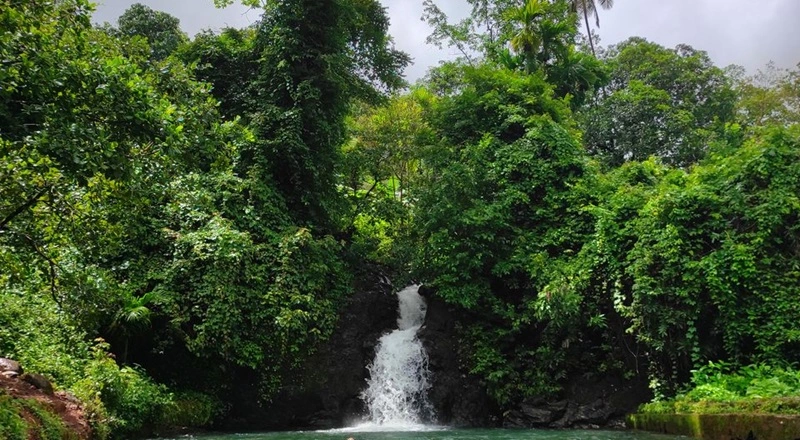
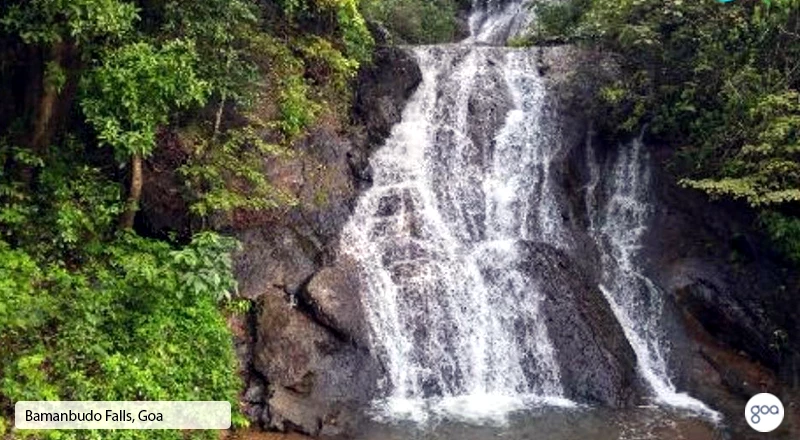
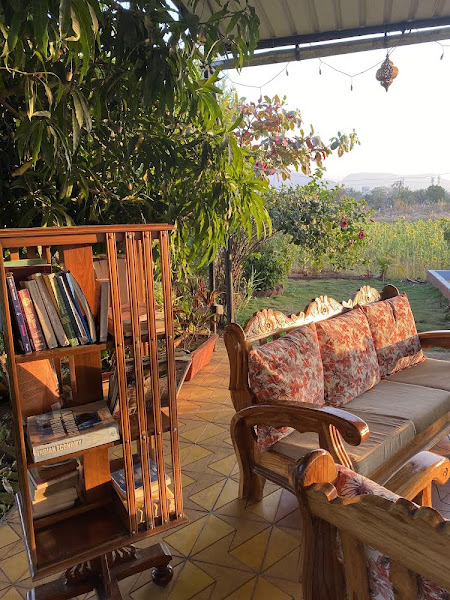
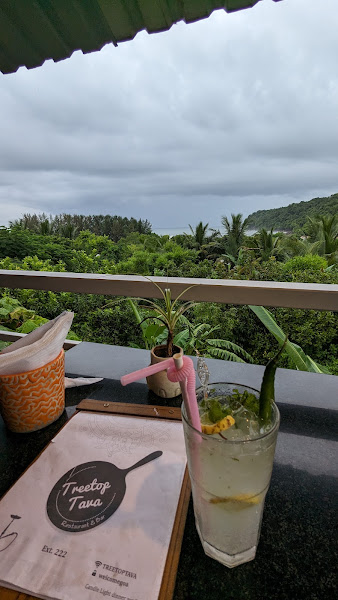
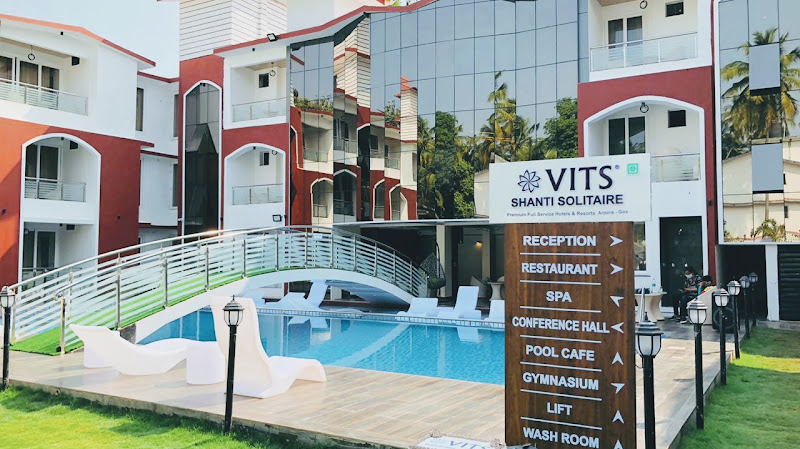
Hidden away from the commercial clamor of North Goa and even the popular stretches of the South, Kakolem Beach, affectionately known as Tiger Beach, remains one of the most elusive and enchanting coastal secrets of the Konkan state. Nestled in a tiny cove between the majestic Cabo de Rama headland and the bohemian shores of Agonda, Kakolem offers a "Robinson Crusoe" experience that is increasingly rare in modern Goa. The beach is a dramatic amphitheater of nature, where steep, verdant cliffs plunge into the cerulean waters of the Arabian Sea, and a unique natural spring cascades down the rocks to meet the salty tide.
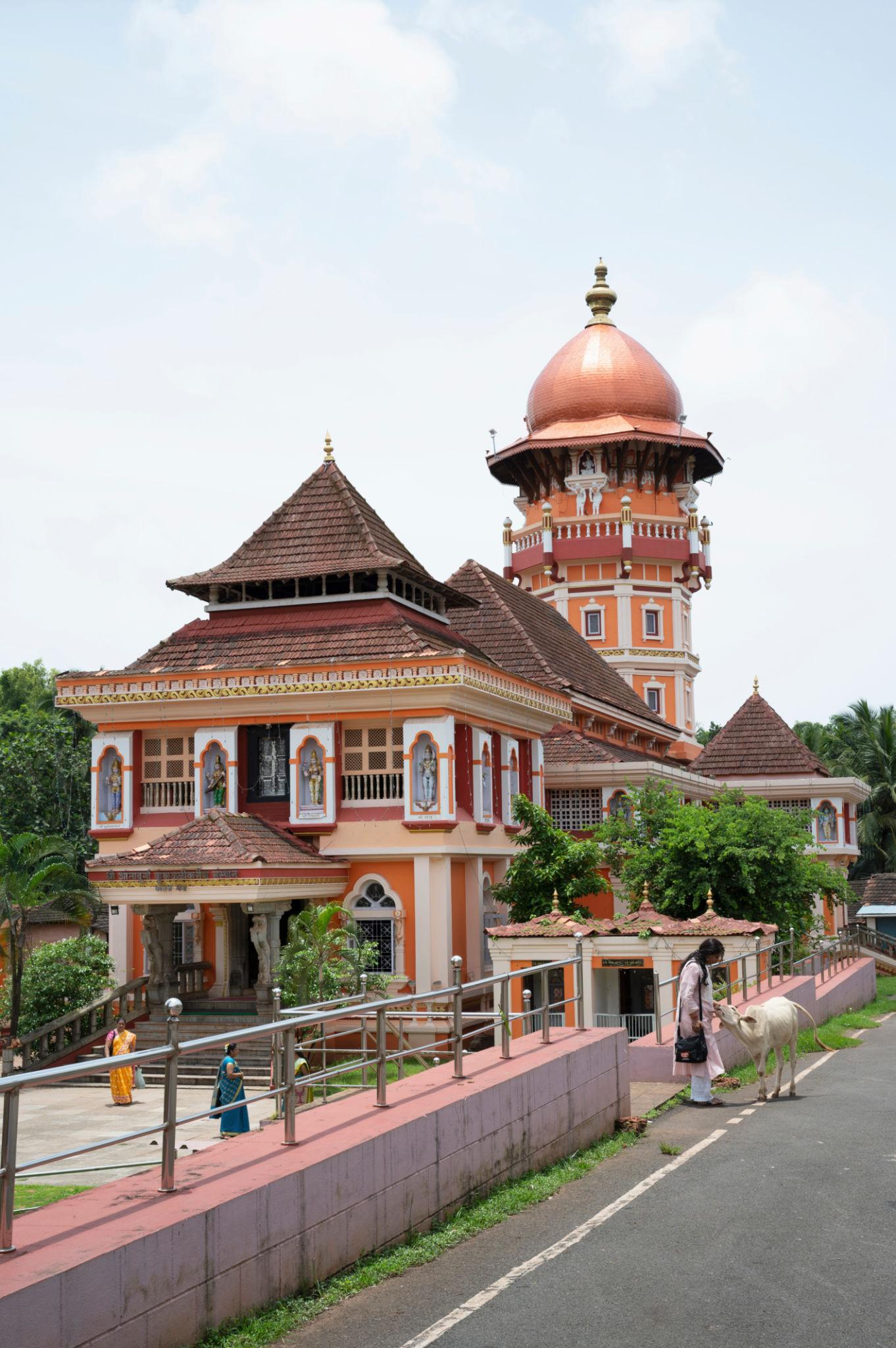
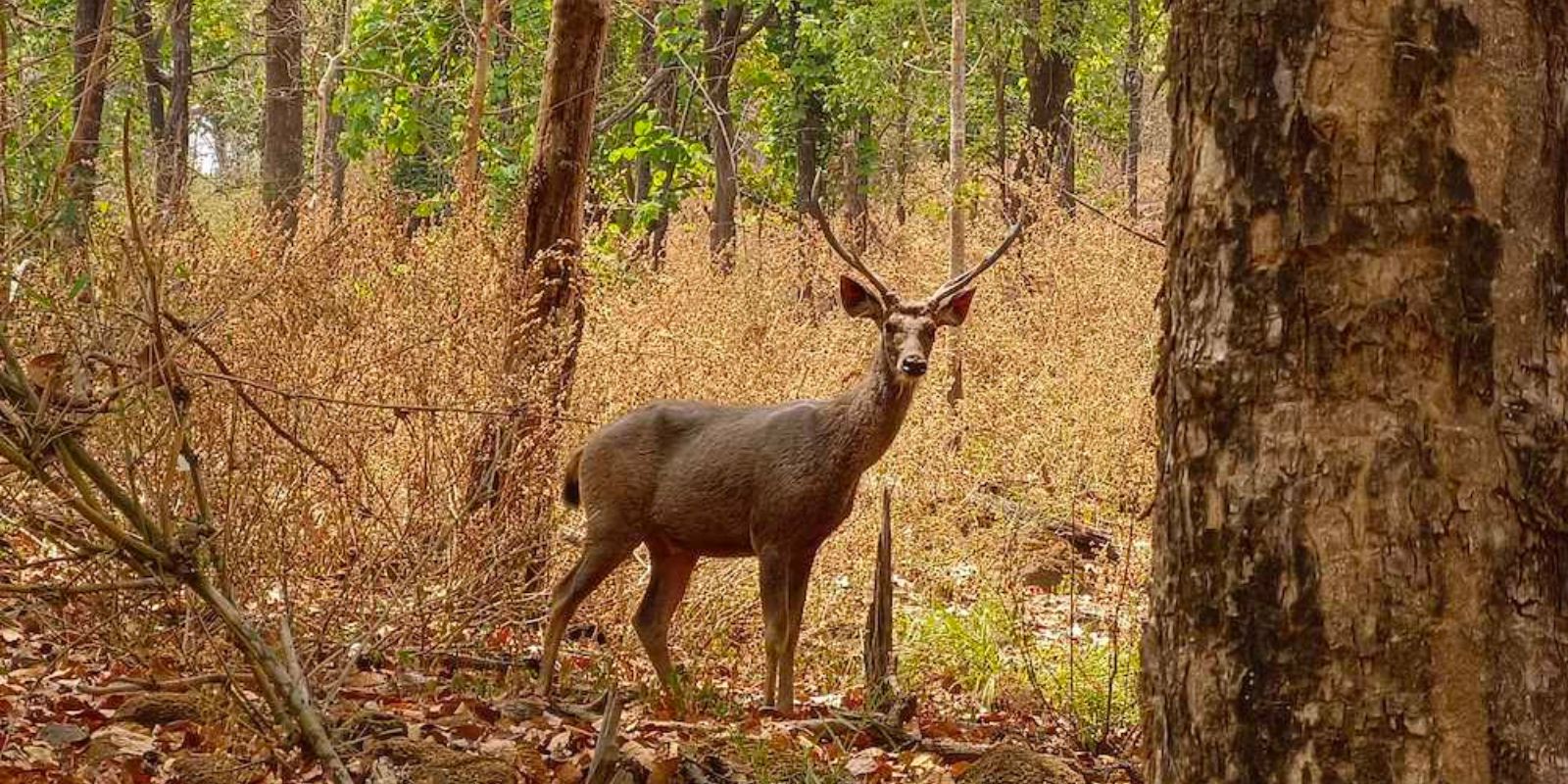
The name "Tiger Beach" is steeped in local lore. While you won't find actual tigers roaming the sands today, legends suggest that tigers once descended from the dense Western Ghats forests to drink from the freshwater stream that flows onto the beach. Others believe the name comes from the sheer ferocity and raw beauty of the landscape. Unlike the flat, expansive stretches of Calangute or Colva, Kakolem is a small, horseshoe-shaped bay characterized by golden-orange sand, volcanic rock formations, and a sense of profound isolation. It is the ultimate destination for those who find luxury in solitude and adventure in the journey itself.

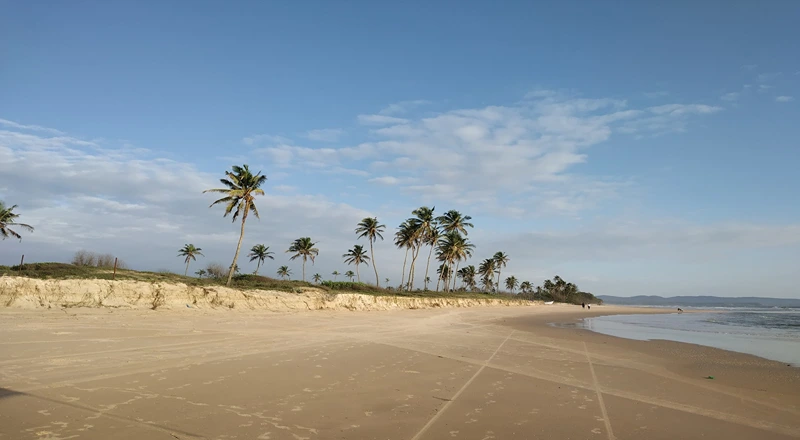
Visiting Kakolem is not merely a beach outing; it is an expedition. Because of its geographical seclusion, it has escaped the rapid development seen elsewhere. There are no rows of sunbeds, no neon-lit bars, and no thumping music. Instead, you are greeted by the rhythmic sound of crashing waves and the rustle of coconut palms. The beach is relatively small, but its verticality—the towering cliffs that surround it—makes it feel immense and protective. For travelers seeking a romantic getaway, a meditative retreat, or a rugged photography expedition, Kakolem Beach stands as the pinnacle of offbeat Goan tourism.
Reaching Kakolem Beach is an adventure in itself, and its relative difficulty is exactly what keeps the crowds at bay. Located in the Canacona taluka of South Goa, it is approximately 60 kilometers from the state capital, Panjim, and about 30 kilometers from the commercial hub of Margao. There are two primary ways to access this hidden cove: by land and by sea.
By Road and Trek: If you are traveling by road, the journey involves a scenic drive through the winding, forest-lined roads of South Goa. Follow the road leading toward the Cabo de Rama Fort. About 7 kilometers before the fort, keep a sharp eye out for a small, unassuming signpost on the right side of the road that points toward Kakolem. From the main road, a rugged, unpaved track leads toward the cliffside. You can take a scooter or a sturdy car part of the way, but eventually, you must park and continue on foot. The trek down to the beach involves descending a series of steep, narrow, and sometimes slippery stone steps carved into the hillside. It takes about 15 to 20 minutes to reach the bottom. Caution is advised during the descent, especially for those with knee issues or during the monsoon when the path becomes treacherous.
By Boat: For those who prefer a more leisurely arrival, renting a motorboat or a "dolphin-spotting" boat from Agonda Beach or Palolem Beach is an excellent option. This route offers a spectacular perspective of the Goan coastline, allowing you to see the dramatic rock formations and hidden caves that are invisible from the land. The boat ride from Agonda takes approximately 20-30 minutes. Landing on the beach by boat can be tricky depending on the tide, so it is usually recommended for day trips during the calm sea months of November to March.
Public Transport: Public transport to Kakolem is virtually non-existent. While buses run between Margao and Canacona, they will drop you on the main highway, leaving you with a several-kilometer walk to the cliff edge. It is highly recommended to rent a private vehicle (scooter or car) or hire a taxi for the entire day to ensure you have a way to return, as finding a taxi at the Kakolem cliffside is nearly impossible.
The timing of your visit to Kakolem Beach significantly impacts your experience, as the landscape changes dramatically with the seasons. Like most of Goa, the winter season (November to February) is the gold standard for visiting. During these months, the weather is pleasantly warm with temperatures ranging from 20°C to 30°C. The sea is at its calmest, making it safer for swimming and allowing boats to dock easily. The natural spring is usually active, providing a cool freshwater rinse after a dip in the ocean.
The Summer Season (March to May) can be quite intense. The afternoon sun reflects off the cliffs, making the trek down and up quite taxing. However, if you visit early in the morning or late in the evening, you will find the beach almost entirely to yourself. The water remains clear, though the humidity can be high.
The Monsoon Season (June to October) transforms Kakolem into a lush, emerald paradise, but it is also the most dangerous time to visit. The trekking path becomes extremely slippery, and the sea becomes violent with high swells. Most boat services are suspended, and the lone shack on the beach usually closes down. While the sight of the waterfall in full flow is breathtaking, it is generally advised to avoid trekking down to the beach during heavy rains. If you do visit in late September or October, the surrounding greenery is at its peak, offering incredible opportunities for landscape photography.
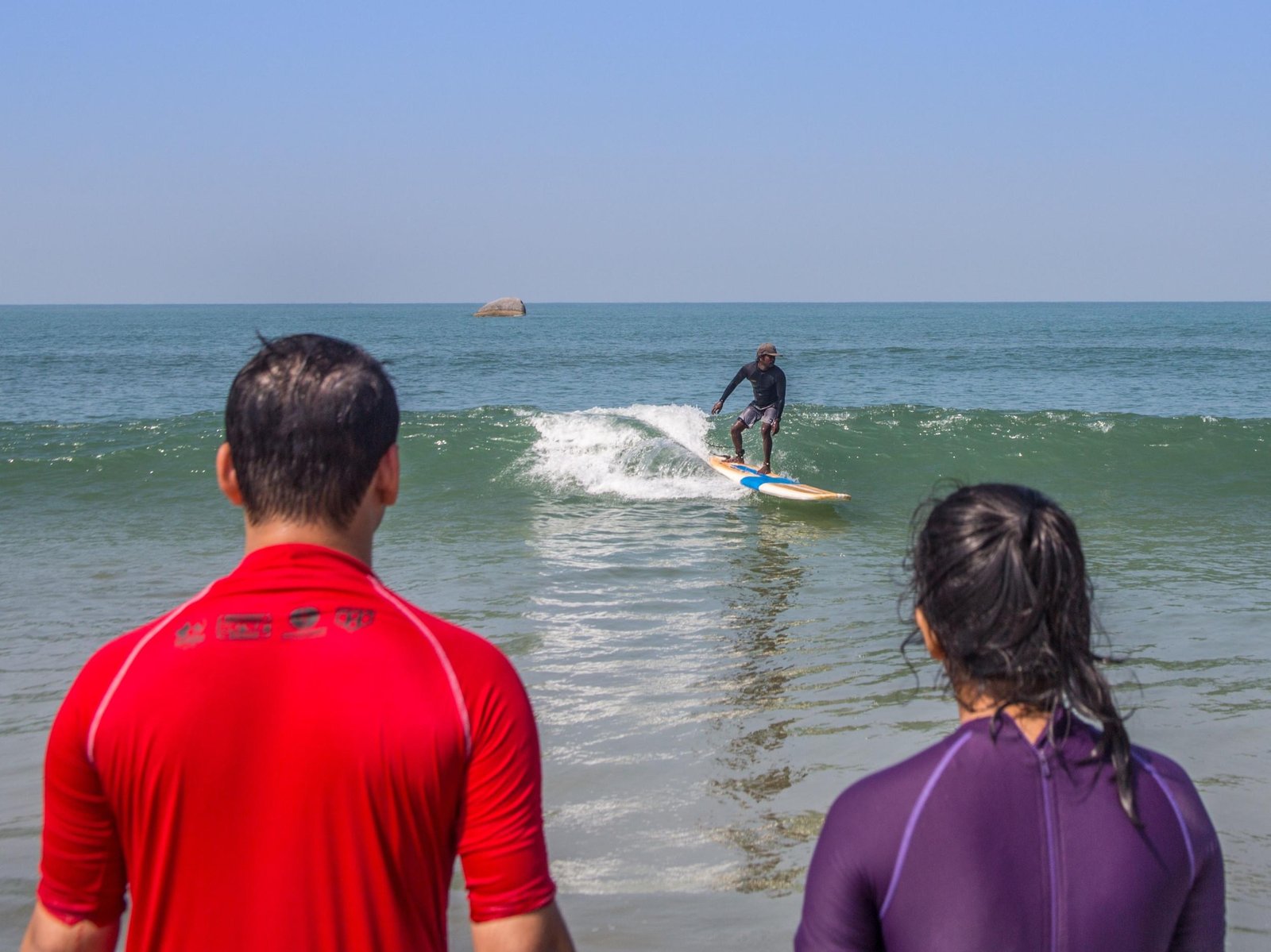
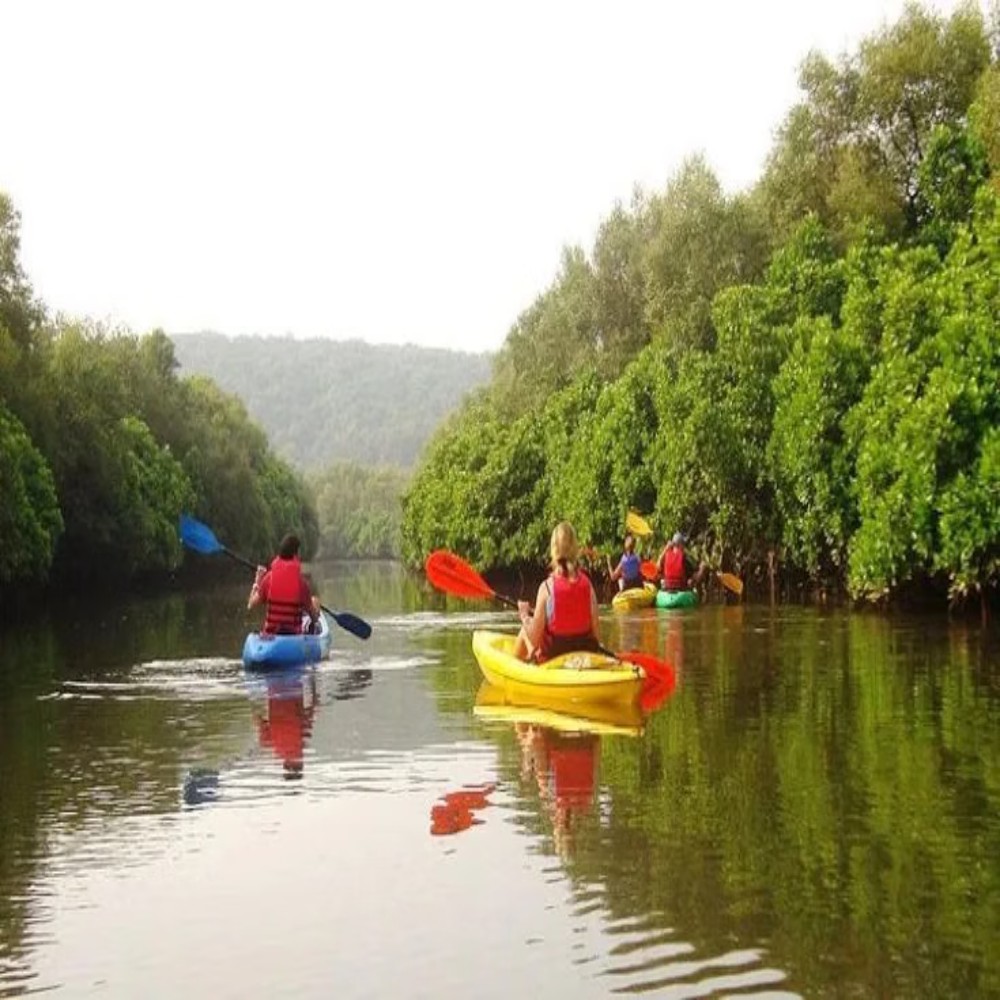
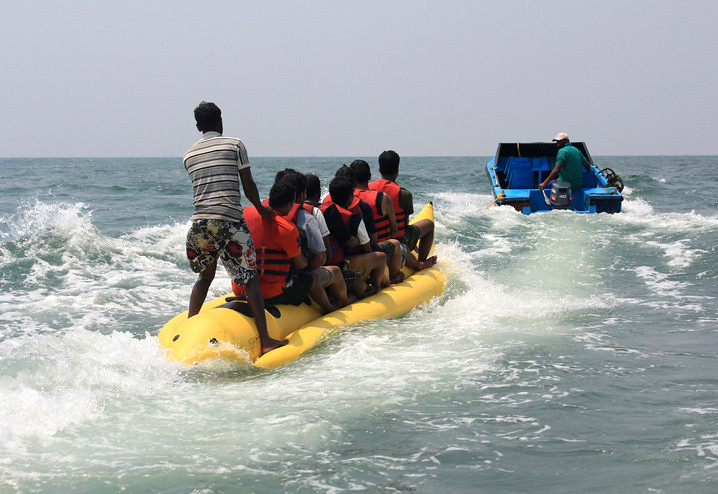
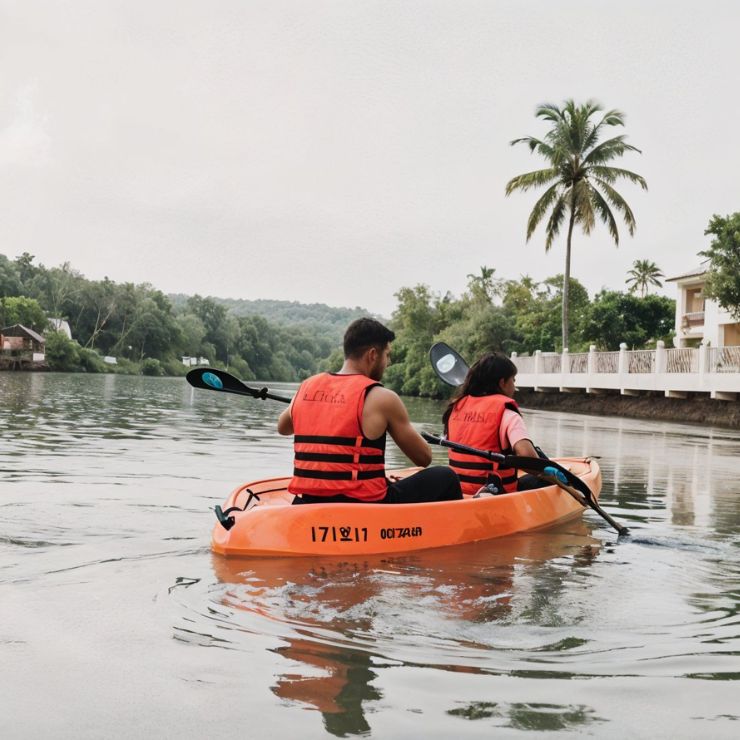
While Kakolem lacks the organized water sports and commercial activities of North Goa, it offers soul-stirring experiences for nature lovers and adventurers. Here are the top things to do:
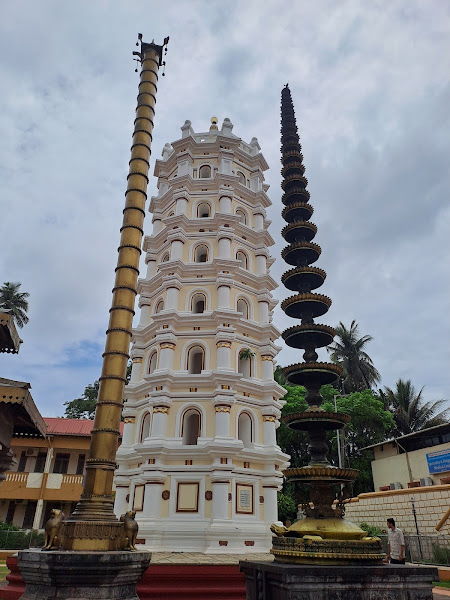
Kakolem's location in the far south puts it within reach of several other historical and natural landmarks. If you are planning a day trip, consider combining your visit with these nearby spots:
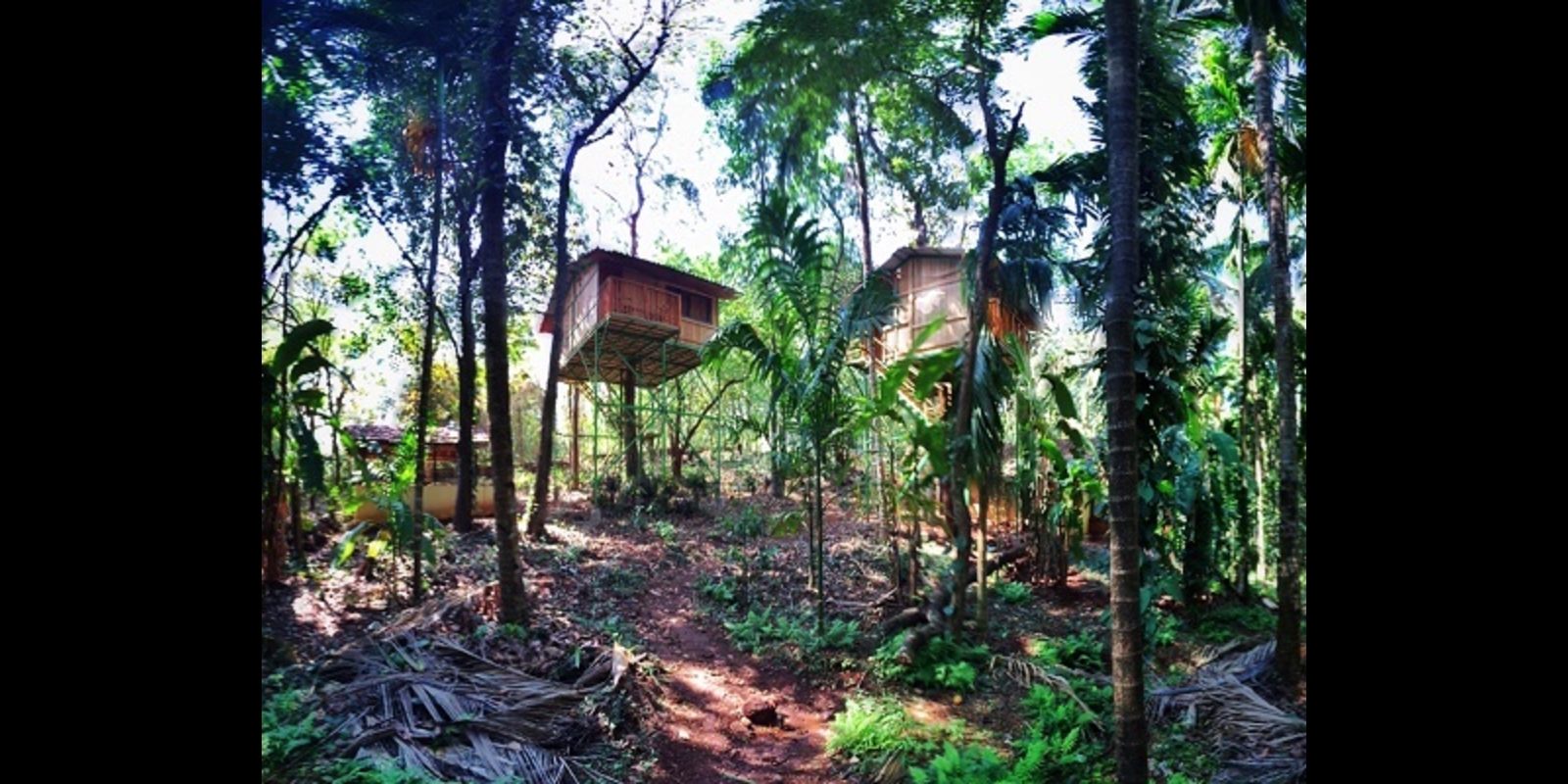
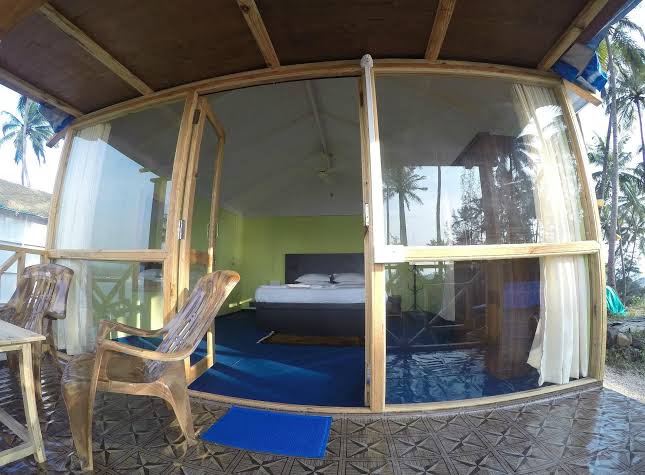
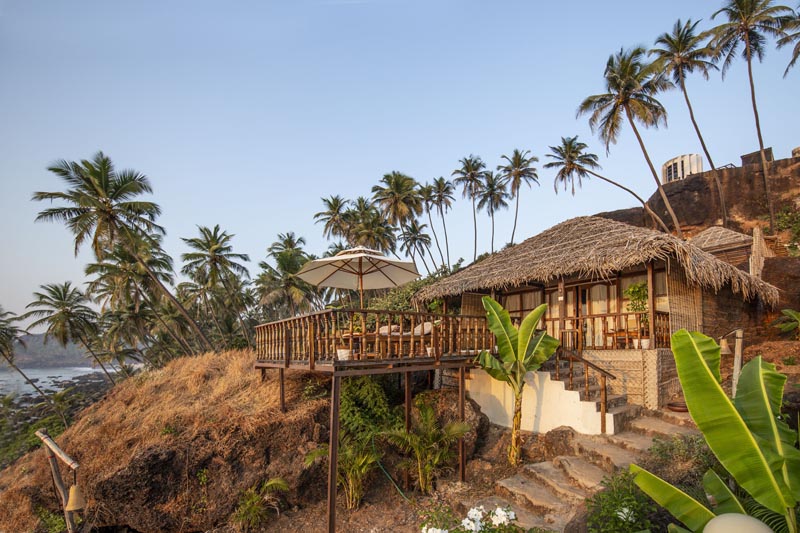
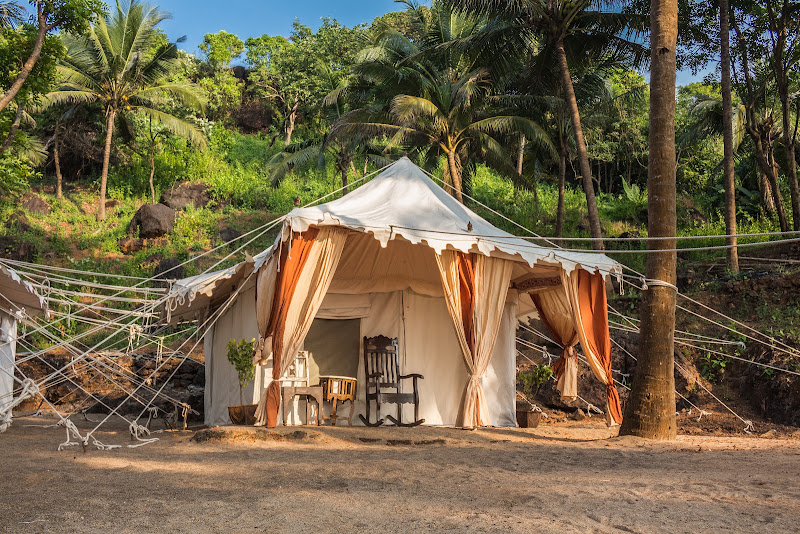
Because Kakolem is a protected and secluded area, accommodation on the beach itself is extremely limited. There is usually only one rustic establishment, the Kakolem Beach Hut, which offers basic wooden cabins during the peak season. These are perfect for travelers who want to wake up to the sound of the waves and don't mind "roughing it" without luxury amenities like air conditioning or high-speed Wi-Fi.
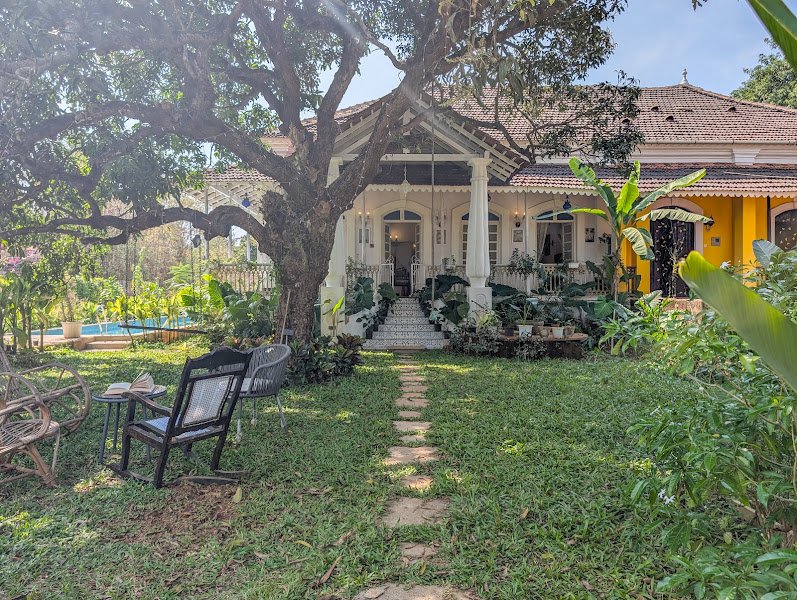
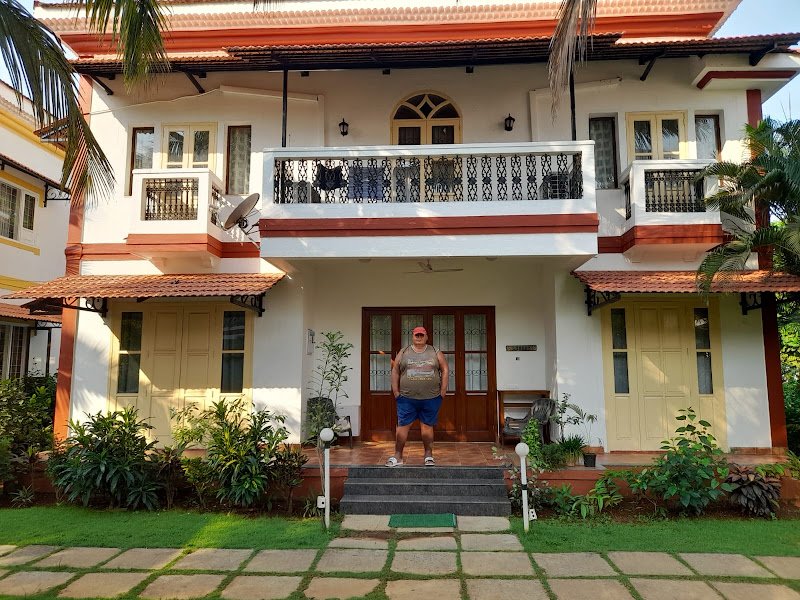
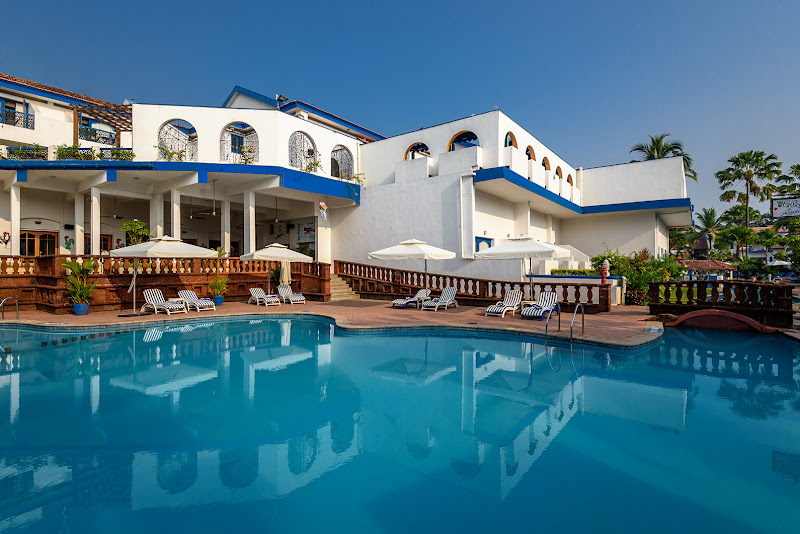
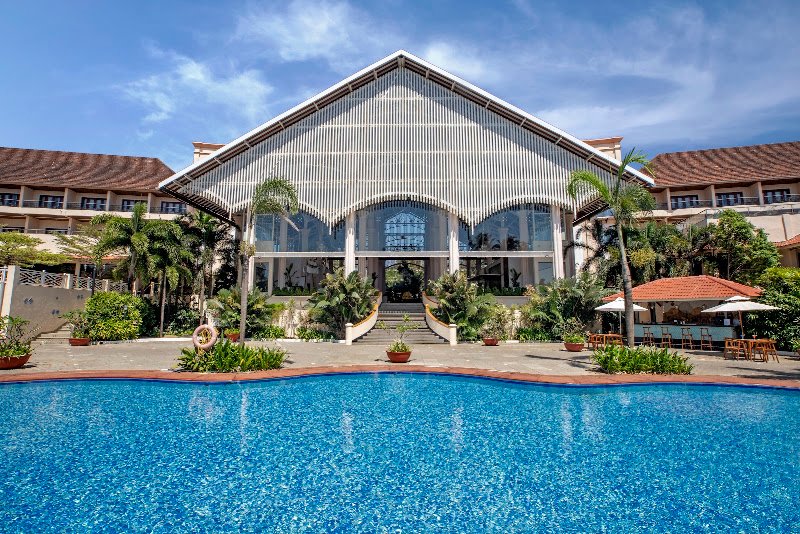
For those seeking more comfort, the surrounding areas provide excellent options:
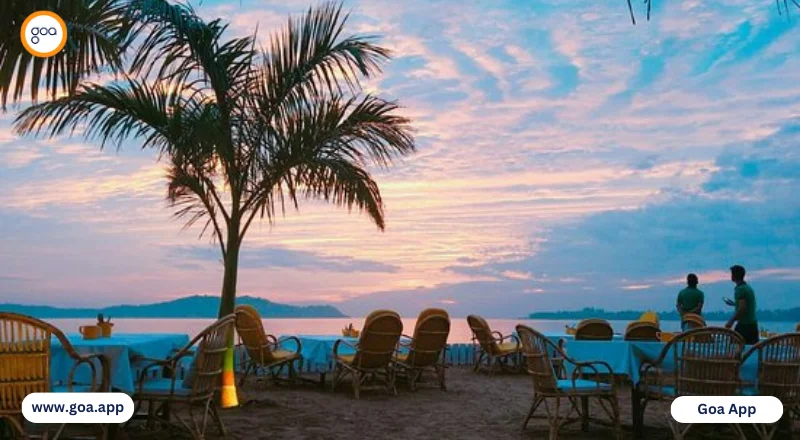
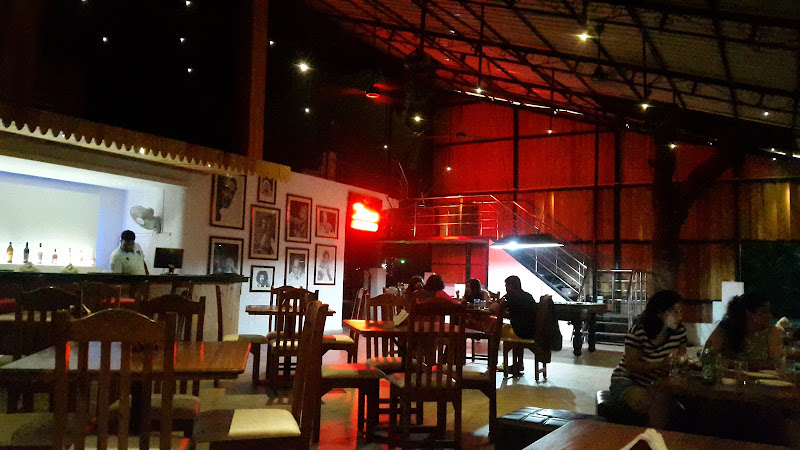
Dining at Kakolem is a minimalist affair. There is typically only one shack on the beach, the Kakolem Shack. Despite its isolation, the food here is surprisingly delicious, focusing on fresh catches and traditional Goan flavors. You can enjoy Rava Fried Fish, Goan Fish Curry with red rice, and calamari. It’s also a great spot to try a chilled King’s Beer or a local Feni cocktail while watching the waves.
If you are looking for more variety, you will need to head toward Agonda or the Cabo de Rama area:
To make the most of your trip to this secluded paradise, keep these practical tips in mind:
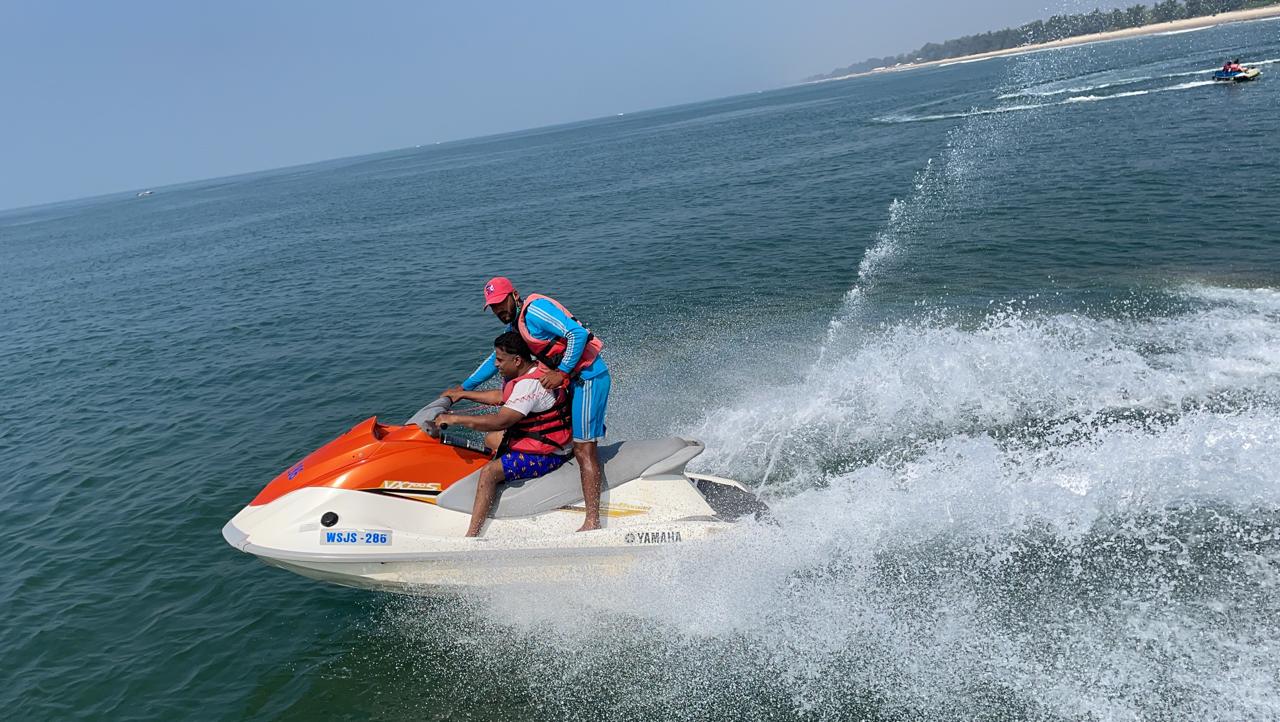
Kakolem Beach is a poignant reminder of what Goa used to be—wild, untamed, and deeply connected to the elements. It is not a place for those who seek the convenience of luxury resorts or the thrill of jet-skis. Instead, it is a sanctuary for the restless soul, the adventurous trekker, and the lover of quiet sunsets. The effort required to reach its shores—the dusty roads, the steep cliffside descent, and the lack of digital connectivity—is the very price of admission to one of the most beautiful spots on the Indian coastline.
Whether you are standing under the cool spray of its natural waterfall, exploring the volcanic rocks at the water's edge, or simply sitting in silence as the sun dips below the Arabian Sea, Kakolem leaves an indelible mark on your heart. It is a place that demands respect for nature and rewards the visitor with a sense of peace that is hard to find elsewhere. If you find yourself in South Goa, take the road less traveled, brave the trek, and discover the raw, majestic beauty of Tiger Beach for yourself. It is, without a doubt, the crown jewel of Goa’s hidden treasures.