Morjim Beach

Morjim Beach

5 2,091 Verified
North Goa

Overview

Nestled in the northern reaches of Goa, within the Pernem taluka, lies Morjim Beach, a destination that offers a stark and refreshing contrast to the neon-lit, high-octane energy of its southern neighbors like Baga and Calangute. Often referred to as "Little Russia" due to the significant number of Russian expatriates who have made this coastal village their seasonal home, Morjim exudes a cosmopolitan yet laid-back vibe that is unique in the subcontinent. It is a place where the signs are often in Cyrillic, the cafes serve authentic Borscht alongside Goan Fish Curry, and the pace of life slows down to match the rhythmic ebb and flow of the Arabian Sea.
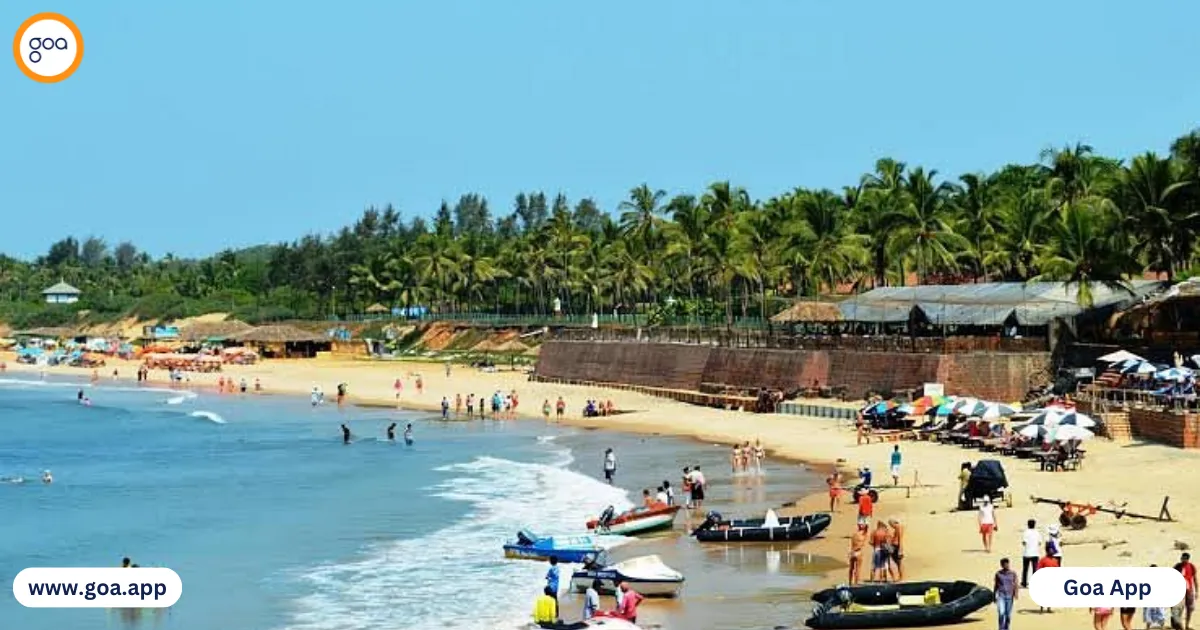
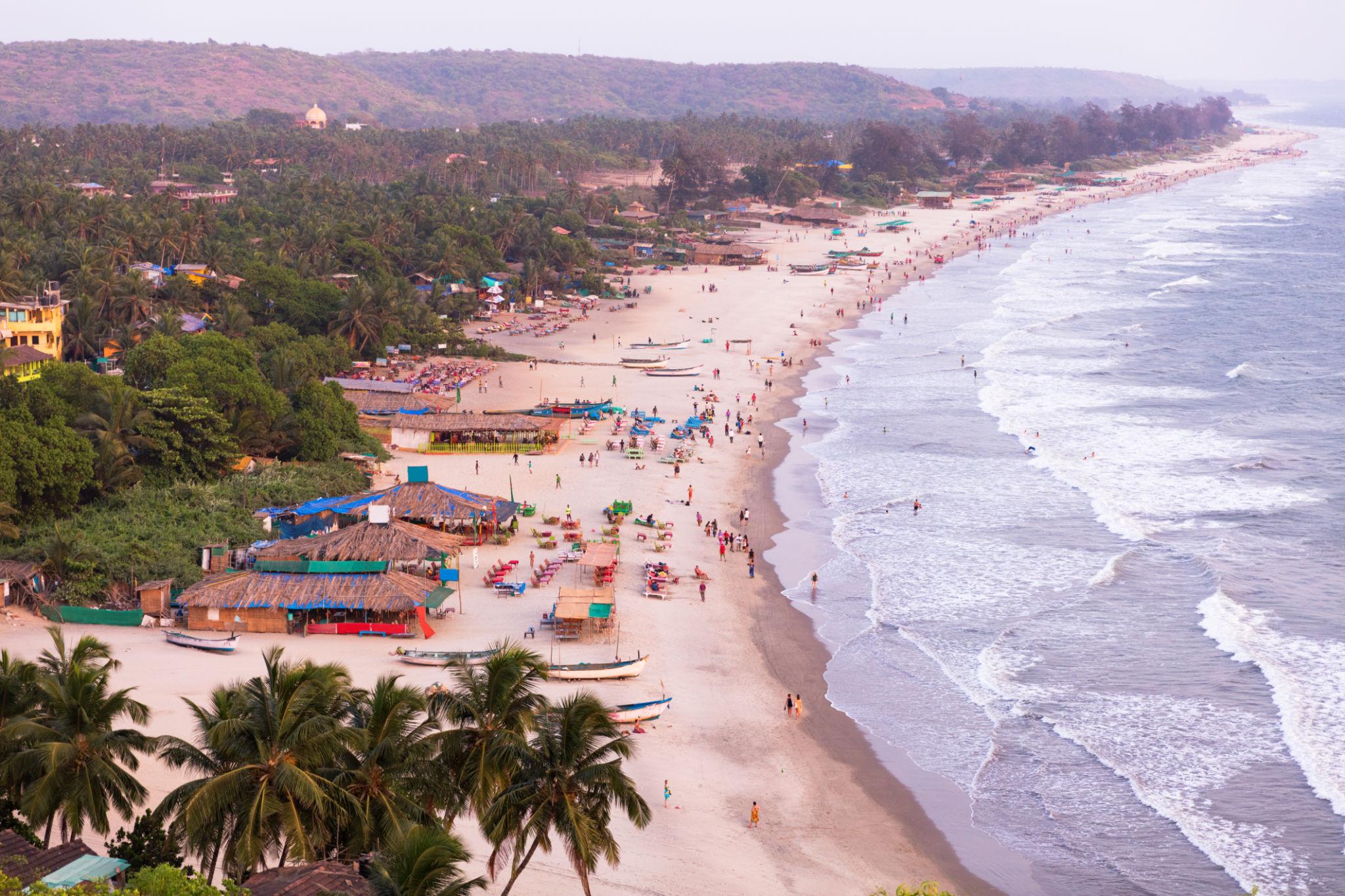
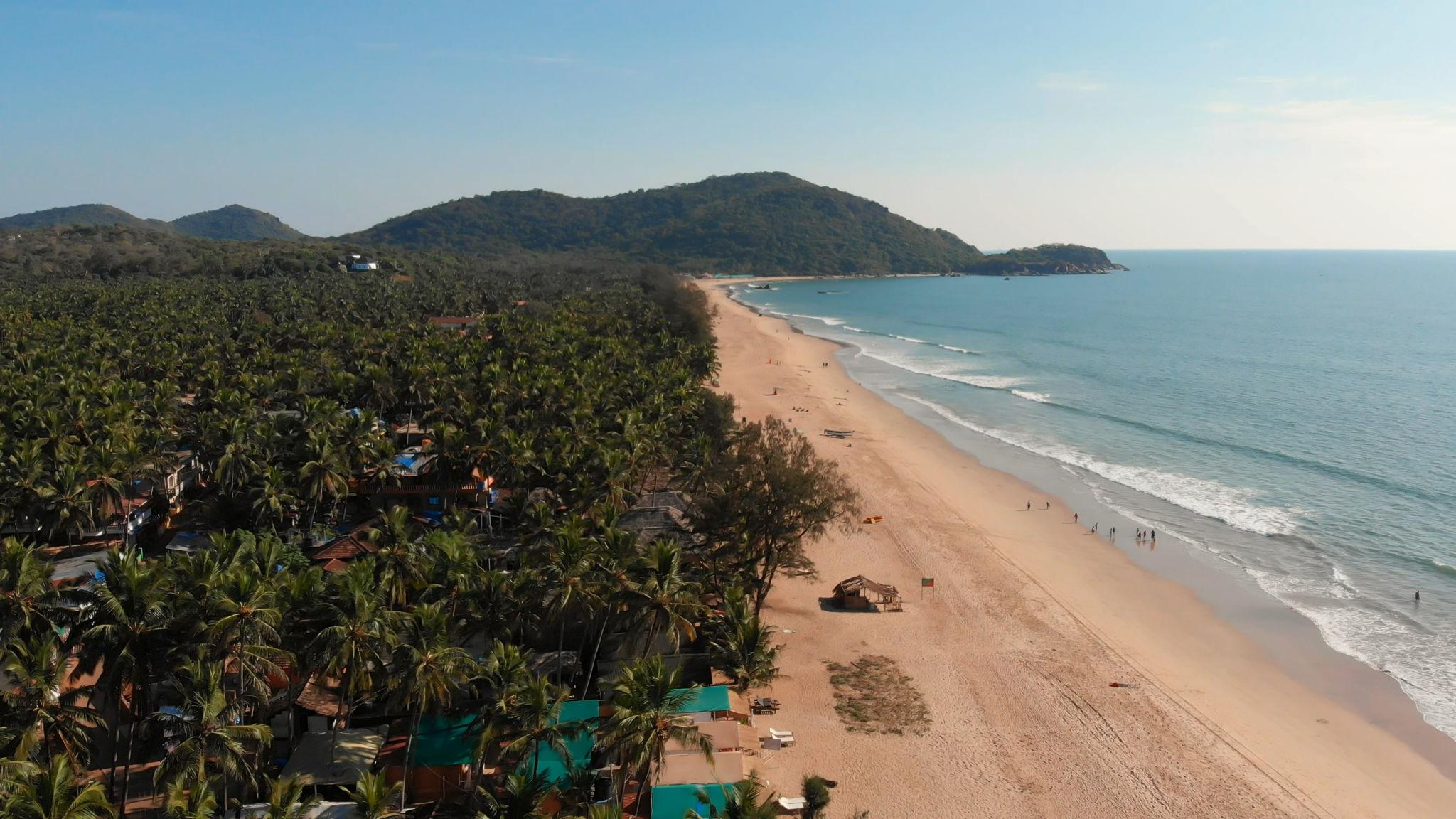
Morjim Beach is perhaps most famous globally as a protected nesting site for the endangered Olive Ridley sea turtles. This ecological significance has shaped the very character of the beach. Unlike other Goan shores where loud music and late-night parties are the norm, Morjim maintains a "Silent Zone" status during the nesting season. This preservation effort ensures that the beach remains relatively pristine, with wide expanses of golden sand, shallow waters, and a serene atmosphere that attracts soul-seekers, nature lovers, and those looking for a sophisticated retreat. The beach is situated at the mouth of the Chapora River, providing a stunning geographical confluence where the river meets the sea, creating a picturesque landscape of sandbars and shifting tides.

The landscape of Morjim is characterized by its vastness. Even during the peak tourist season, the beach rarely feels crowded. The northern end blends seamlessly into Ashwem Beach, while the southern tip offers a panoramic view of the Chapora Fort perched atop a hill across the water. The village itself is a maze of narrow lanes, lush coconut groves, and traditional Goan houses interspersed with modern luxury villas and boutique resorts. For the discerning traveler, Morjim represents the "New Goa"—an era of travel focused on wellness, high-end gastronomy, and a deep respect for the natural environment.

How to Reach Morjim Beach

Reaching Morjim Beach has become significantly more convenient with the opening of the Manohar International Airport (Mopa), which is much closer to North Goa than the older Dabolim Airport. Depending on your mode of transport, the journey to this tranquil haven can be a scenic introduction to the Goan countryside.
  • By Air: The Manohar International Airport (Mopa - GOX) is located approximately 28 kilometers from Morjim. A taxi from Mopa usually takes about 45 to 60 minutes. The older Dabolim Airport (GOI) is about 55-60 kilometers away, and the drive can take anywhere from 1.5 to 2 hours depending on traffic. Prepaid taxi counters are available at both airports, and it is highly recommended to use them or book via the Goa Taxi app to ensure fair pricing.
  • By Rail: The nearest major railway station is Thivim, located about 20 kilometers away. Thivim is well-connected to major Indian cities like Mumbai, Bangalore, and Delhi via the Konkan Railway. From the station, you can hire a taxi or take a local bus to Mapusa, and then another to Morjim. Pernem Railway Station is technically closer (about 15 km), but fewer express trains stop there.
  • By Road: Morjim is well-connected by road. If you are driving from North Goa hubs like Panjim or Mapusa, the route takes you through the scenic Siolim Bridge, which offers breathtaking views of the Chapora River. Mapusa is the nearest major bus terminal, roughly 15 kilometers away, with regular local buses plying to Morjim.
  • Local Transport: Once you arrive in Morjim, the best way to explore is by renting a scooter or a "Pilot" (motorcycle taxi). Rental prices for scooters range from ₹400 to ₹800 per day depending on the season. For those preferring comfort, private taxis are readily available, though they can be expensive for short distances.

Best Time to Visit

The experience of Morjim Beach changes dramatically with the seasons. Understanding the Goan climate is essential for planning a trip that aligns with your expectations.

  • Peak Season (November to February): This is undoubtedly the best time to visit Morjim. The weather is pleasant with clear blue skies and cool evening breezes. The temperature ranges between 20°C and 30°C. This is also the period when the Olive Ridley turtles usually arrive for nesting (typically starting in late November). All the beach shacks, boutiques, and high-end restaurants are fully operational, and the vibe is vibrant yet sophisticated.
  • Shoulder Season (October and March-April): October marks the end of the monsoon, and the landscape is incredibly lush and green. By March, the heat starts to pick up, but the crowds thin out, making it a great time for budget travelers to find deals on luxury stays. The water remains warm and perfect for swimming.
  • Monsoon Season (June to September): During the monsoons, Morjim transforms into a quiet, emerald-green sanctuary. Most beach shacks are dismantled as per government regulations, and swimming in the sea is strictly prohibited due to high tides and strong currents. However, if you enjoy the rain, the dramatic skies, and a solitary atmosphere, the monsoon offers a unique charm. Many permanent cafes and luxury villas remain open, offering significant discounts.

Things to Do at Morjim Beach

Morjim offers a diverse array of activities that cater to both the adventurous spirit and those seeking deep relaxation. Unlike the commercialized water sports hubs of the south, activities here are more nature-centric and specialized.

  • Turtle Watching: As a primary nesting site for Olive Ridley turtles, Morjim offers a rare opportunity for wildlife enthusiasts. The Forest Department maintains a section of the beach specifically for nesting. Visitors must maintain a respectful distance, avoid using flash photography, and follow all local guidelines to ensure the hatchlings are not disturbed.
  • Kite Surfing: Morjim is widely considered the kite surfing capital of India. The steady winds and shallow waters near the river mouth provide ideal conditions for both beginners and professionals. Several schools, such as the Morjim Kite School, offer certified courses and equipment rentals.
  • Bird Watching: The confluence of the Chapora River and the Arabian Sea creates a rich ecosystem. Bird watchers can spot a variety of species, including the White-bellied Sea Eagle, Kingfishers, Sandpipers, and various gulls. The mudflats near the river are particularly active during the early morning hours.
  • Yoga and Wellness: Morjim is a hub for holistic healing. Many resorts and dedicated centers offer daily yoga classes, meditation sessions, and Ayurvedic treatments. The tranquil environment makes it an ideal spot for a wellness retreat.
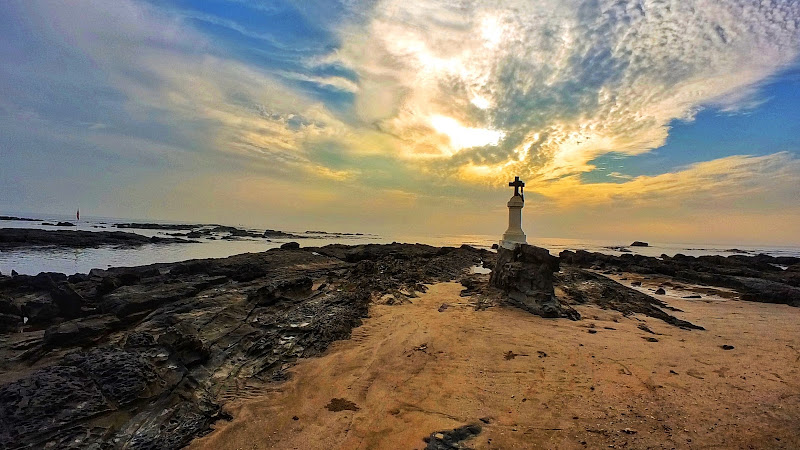
  • Sunset Walks to the Chapora Mouth: Walking south towards the tip of the beach where the river meets the sea is a must-do. During low tide, vast sandbars emerge, allowing you to walk far out into the water. The view of the Chapora Fort silhouetted against the setting sun is one of the most iconic sights in North Goa.
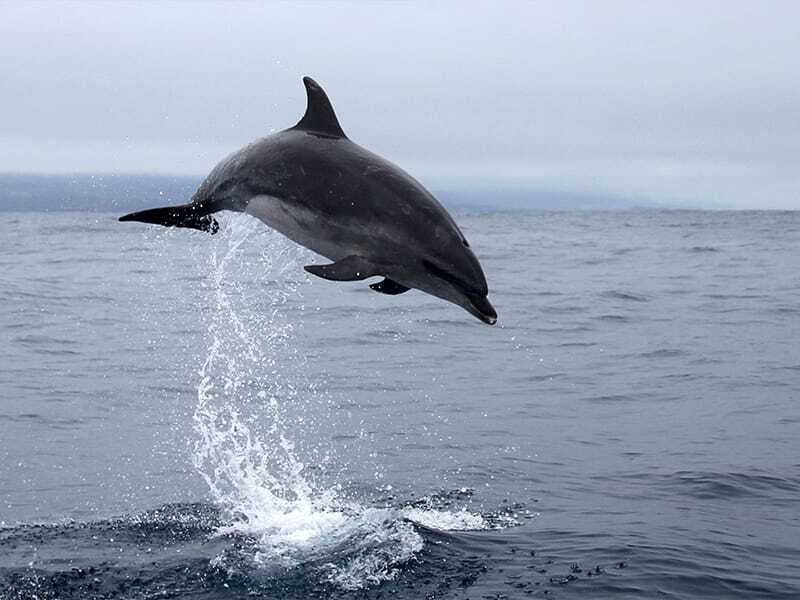
  • Dolphin Sighting: Local boatmen offer early morning trips into the deep sea to spot Indo-Pacific Humpback dolphins. These trips are less commercialized than those in Calangute, providing a more intimate experience with these majestic creatures.

Nearby Attractions

While Morjim itself has plenty to offer, its location makes it a perfect base for exploring the hidden gems of North Goa.

  • Ashwem and Mandrem Beaches: Located just a few kilometers north, these beaches are even quieter than Morjim. They are famous for their boutique fashion stores, high-end beachfront restaurants, and the scenic Mandrem Creek.
  • Chapora Fort: While you can see it from Morjim, visiting it requires a short drive through Siolim and Vagator. Famous for being a filming location for the movie Dil Chahta Hai, the fort offers 360-degree views of the coastline.
  • Siolim Village: A short drive inland takes you to the charming village of Siolim. Visit the St. Anthony’s Church and explore the local market for fresh produce and traditional Goan snacks.
  • Vagator and Anjuna: If you crave a bit of the classic Goan party scene, the rocky cliffs of Vagator and the famous flea markets of Anjuna are about 20-30 minutes away by road.
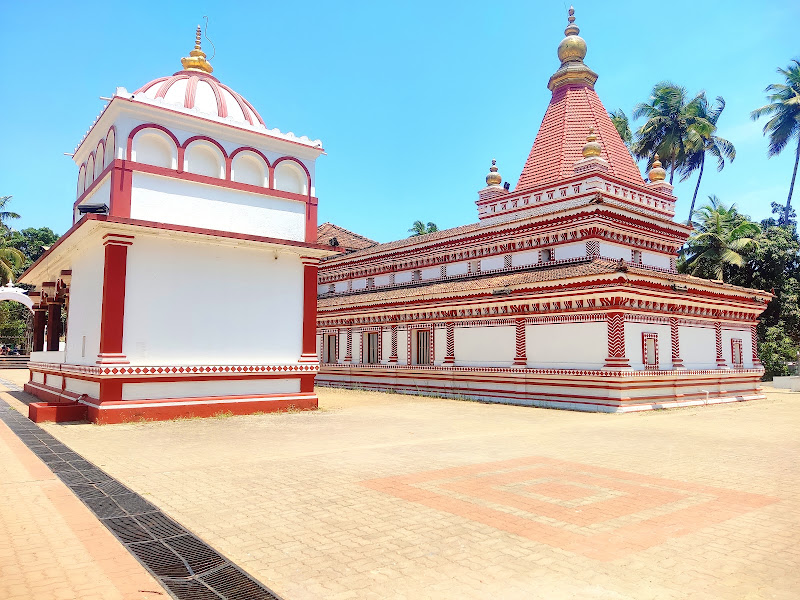
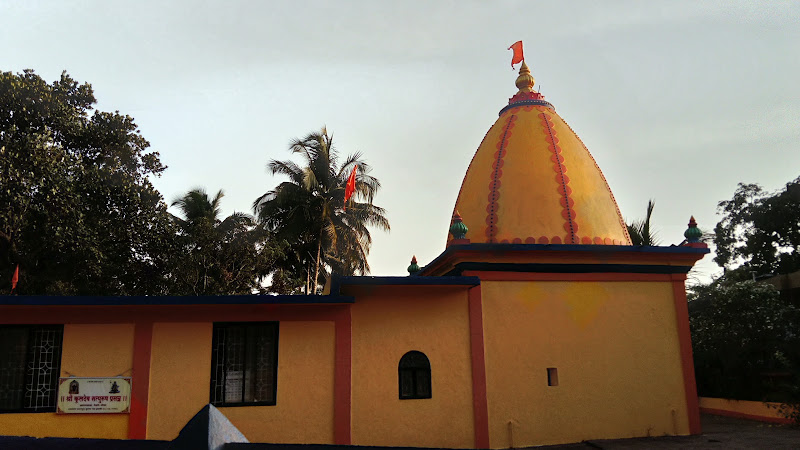
  • Tembeshwar Temple: Located within Morjim village, this ancient temple is dedicated to Lord Shiva and is a fine example of local Goan temple architecture, offering a glimpse into the spiritual life of the villagers.

Accommodation Options

Morjim caters to a sophisticated clientele, with a focus on boutique luxury and eco-friendly stays. However, there are options for every budget.

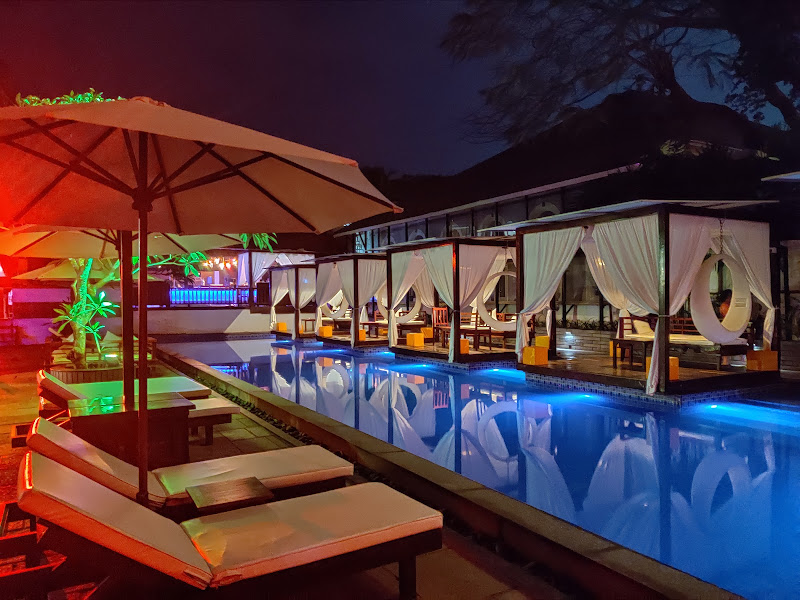
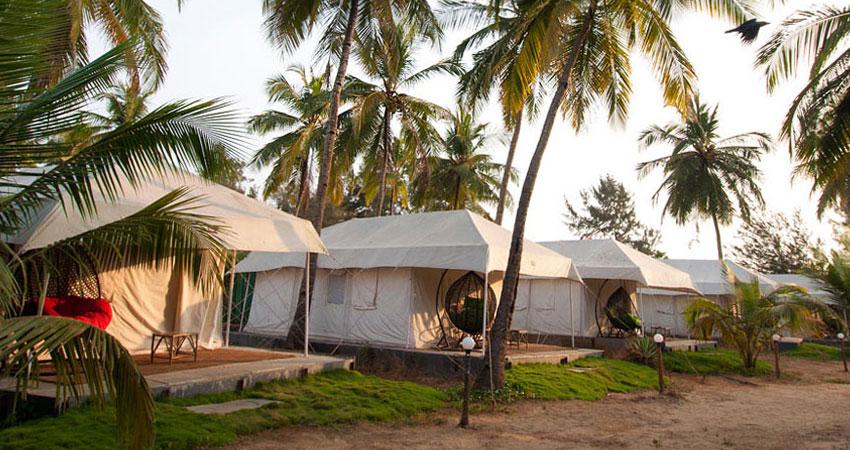
  • Luxury Resorts: Marbela Beach Resort is an iconic destination known for its white-themed luxury tents and upscale beach club. La Gulls Court and Morjim Hermitage offer high-end amenities and direct beach access.
  • Boutique Stays: For a more intimate experience, Sur La Mer offers a blend of French aesthetics and Goan charm. Paros by Amritara provides luxury tents that offer a "glamping" experience right on the dunes.
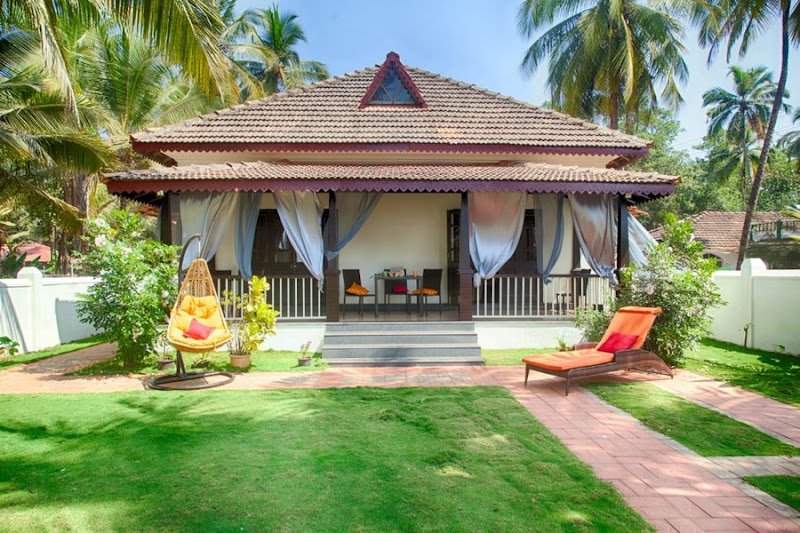
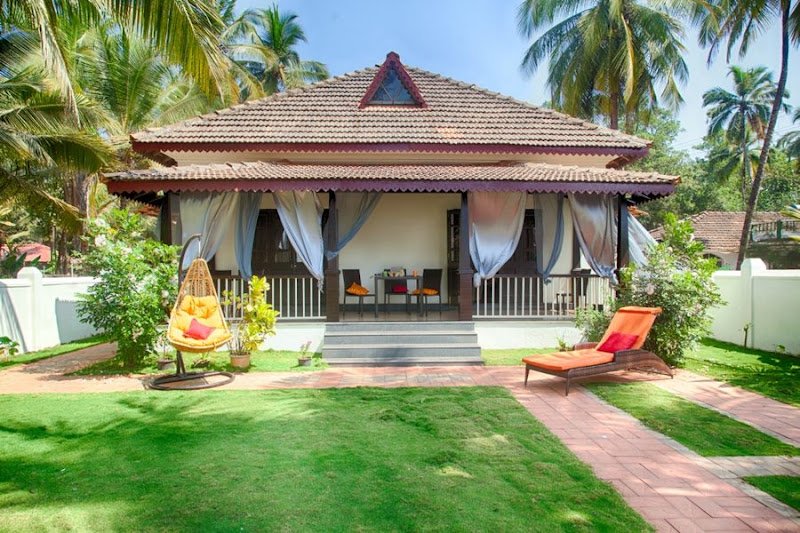
  • Mid-Range and Budget: There are numerous guest houses and "homestays" tucked away in the lanes of Morjim. Look for places like Nanu Resort or independent villas available on rental platforms. During the season, many beach shacks also offer basic wooden cottages for those who want to wake up to the sound of the waves.
  • Wellness Retreats: Many visitors opt for long-term stays in yoga retreats that provide organic meals and a structured wellness program, often located slightly away from the main beach front for added privacy.

Dining and Cafes

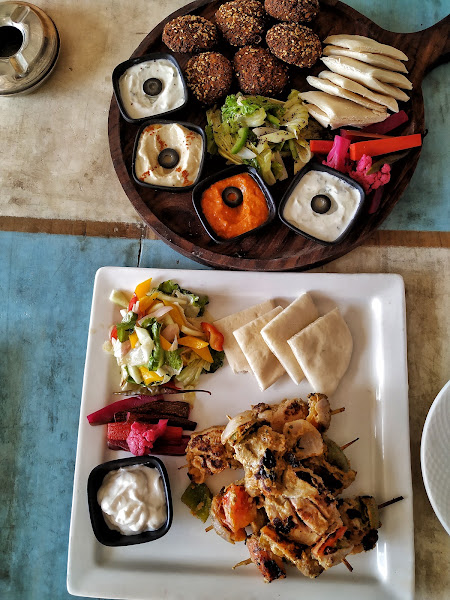
The culinary scene in Morjim is one of the most diverse in Goa, heavily influenced by its Russian residents and the influx of global travelers.

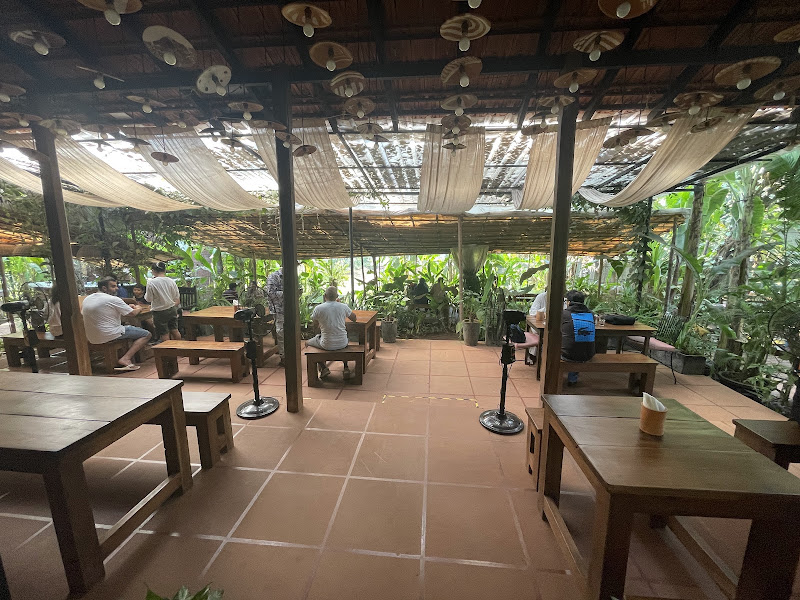
  • Burger Factory: Famous across Goa, their Morjim outlet offers some of the best gourmet burgers in India, served in a rustic, open-air setting.
  • Thalassa (Siolim): While technically in Siolim (just across the bridge), this Greek taverna is a Morjim staple. It offers incredible sunset views, fire dances, and authentic Mediterranean cuisine.
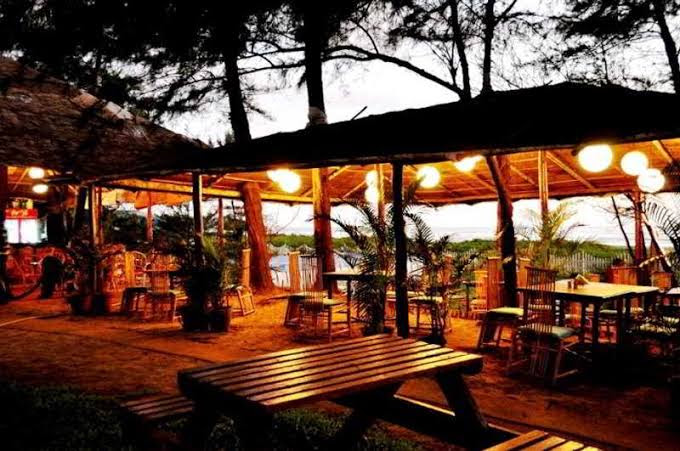
  • Marbela Beach Restaurant: Ideal for a glamorous dinner, serving high-end international cuisine with your feet in the sand.
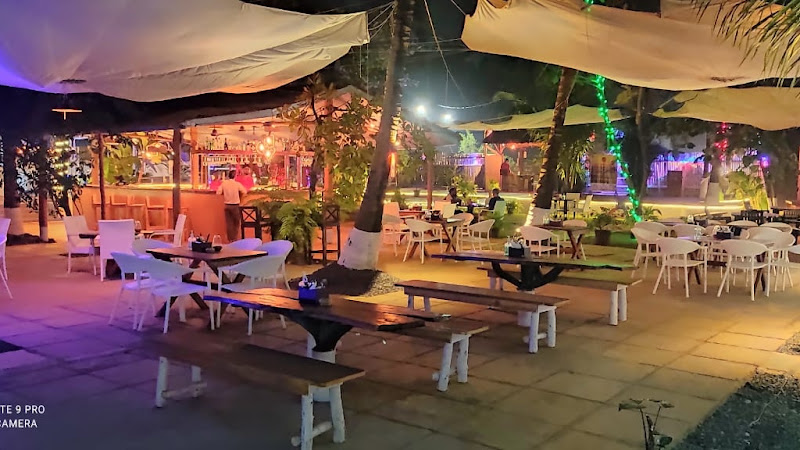
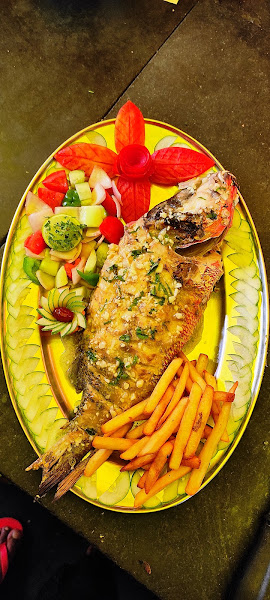
  • Local Shacks: Shacks like Bora Bora and Planet Hollywood (not the hotel chain) are great for fresh seafood. Don't miss the Goan Fish Thali for a taste of local spices and fresh catch.
  • Russian Cuisine: Several small eateries in the village serve authentic Borscht, Blini (pancakes), and Pelmeni (dumplings), providing a unique gastronomic experience you won't find elsewhere in India.
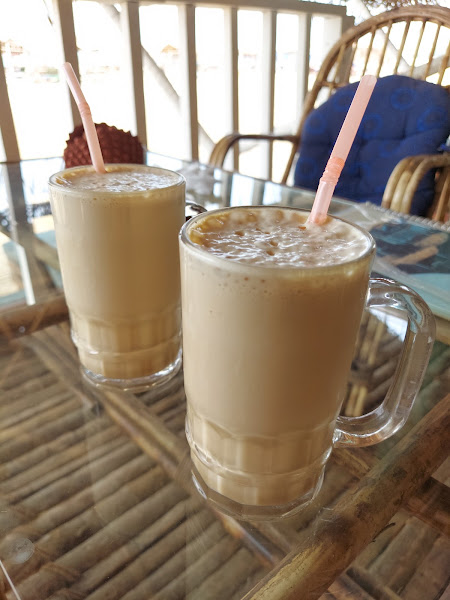
  • Health Cafes: Given the yoga culture, you will find numerous spots serving smoothie bowls, avocado toasts, and kombucha, catering to the health-conscious crowd.

Travel Tips for Morjim Beach

To make the most of your trip to Morjim, keep these practical tips in mind:

  • Respect the Turtles: If you visit during the nesting season, stay away from the cordoned-off areas. Never use bright lights or flash photography at night, as it disorientates the turtles.
  • Cash and Payments: While many upscale places accept cards and UPI, smaller shacks and local transport operators prefer cash. There are a few ATMs in Morjim village, but they can occasionally run out of cash.
  • Sun Protection: The Goan sun can be harsh. Always carry high-SPF sunscreen, a wide-brimmed hat, and stay hydrated. The afternoon heat is best avoided by relaxing in a shaded beach shack.
  • Driving Safety: The roads leading to Morjim, especially the Siolim-Chopdem bridge area, can be narrow. If you are renting a scooter, always wear a helmet and carry a valid driving license, as police checks are frequent.
  • Dress Code: While swimwear is perfectly acceptable on the beach, it is respectful to dress modestly when walking through the village or visiting local temples.
  • Internet and Connectivity: Most cafes and resorts offer Wi-Fi, but mobile network signals (especially for 4G/5G) can be patchy near the shoreline. If you are working remotely, verify the connectivity at your accommodation beforehand.
  • Eco-Conscious Travel: Morjim is an ecologically sensitive area. Avoid using single-use plastics and ensure you do not leave any litter on the beach.
  • Water Safety: The currents near the Chapora River mouth can be very strong and deceptive. Only swim in designated areas and heed the warnings of the lifeguards.

Conclusion

Morjim Beach is a testament to the fact that Goa can be both a party destination and a tranquil sanctuary. It is a place where nature and luxury coexist in a delicate balance. Whether you are there to witness the miraculous journey of the Olive Ridley turtles, to master the winds on a kiteboard, or simply to enjoy a sunset with a plate of fresh seafood, Morjim leaves a lasting impression. Its unique blend of Russian influence, Goan hospitality, and ecological importance makes it one of the most compelling coastal destinations in India. For those who seek the "soul" of Goa away from the commercial noise, Morjim is not just a beach; it is an experience that rejuvenates the spirit and connects you back to the earth.

Common Questions

What is the best time to visit Morjim Beach?
The best time to visit Morjim Beach is from November to February when the weather is pleasant. This is also the nesting season for olive ridley turtles (December to February), attracting nature lovers.
How do I get to Morjim Beach?
Morjim Beach is in North Goa, about 22 km from Panaji. You can take a taxi or rent a scooter from Mapusa or Panaji. It is near the Chapora River estuary, accessible via the main road from Siolim.
What are the popular things to do at Morjim Beach?
Popular activities include turtle watching, swimming in the gentle waves, enjoying Russian cuisine at beach shacks (it's popular with Russian tourists), and birdwatching along the river.
Are there accommodations near Morjim Beach?
Yes, Morjim has many resorts, beach huts, and guesthouses ranging from budget to luxury. It is known for its quieter atmosphere compared to nearby Arambol or Baga.
Is Morjim Beach safe for swimming?
Yes, Morjim Beach is safe for swimming with lifeguards present during the season. However, due to turtle nesting, some areas may be cordoned off. Always swim in designated zones.
Why is Morjim Beach called 'Little Russia'?
Morjim Beach is nicknamed 'Little Russia' because of the large number of Russian tourists who visit and stay here. Many signs, menus, and services are available in Russian.

User Reviews

5
2091 Reviews
5
85%
4
10%
3
3%
2
1%
1
1%

Login to post a review

Join the community to share your beach experiences.

Login / Sign Up

Location Details

Address
Morjim, North Goa
Best Time
All Year Round

Plan Together

Share this beach guide with your travel group on WhatsApp!

Share Now