Betul Beach

Betul Beach

5 2,210 Verified
South Goa

Overview

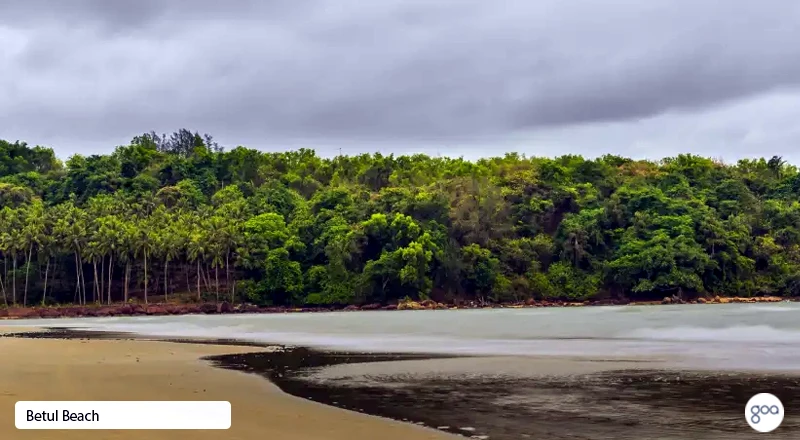
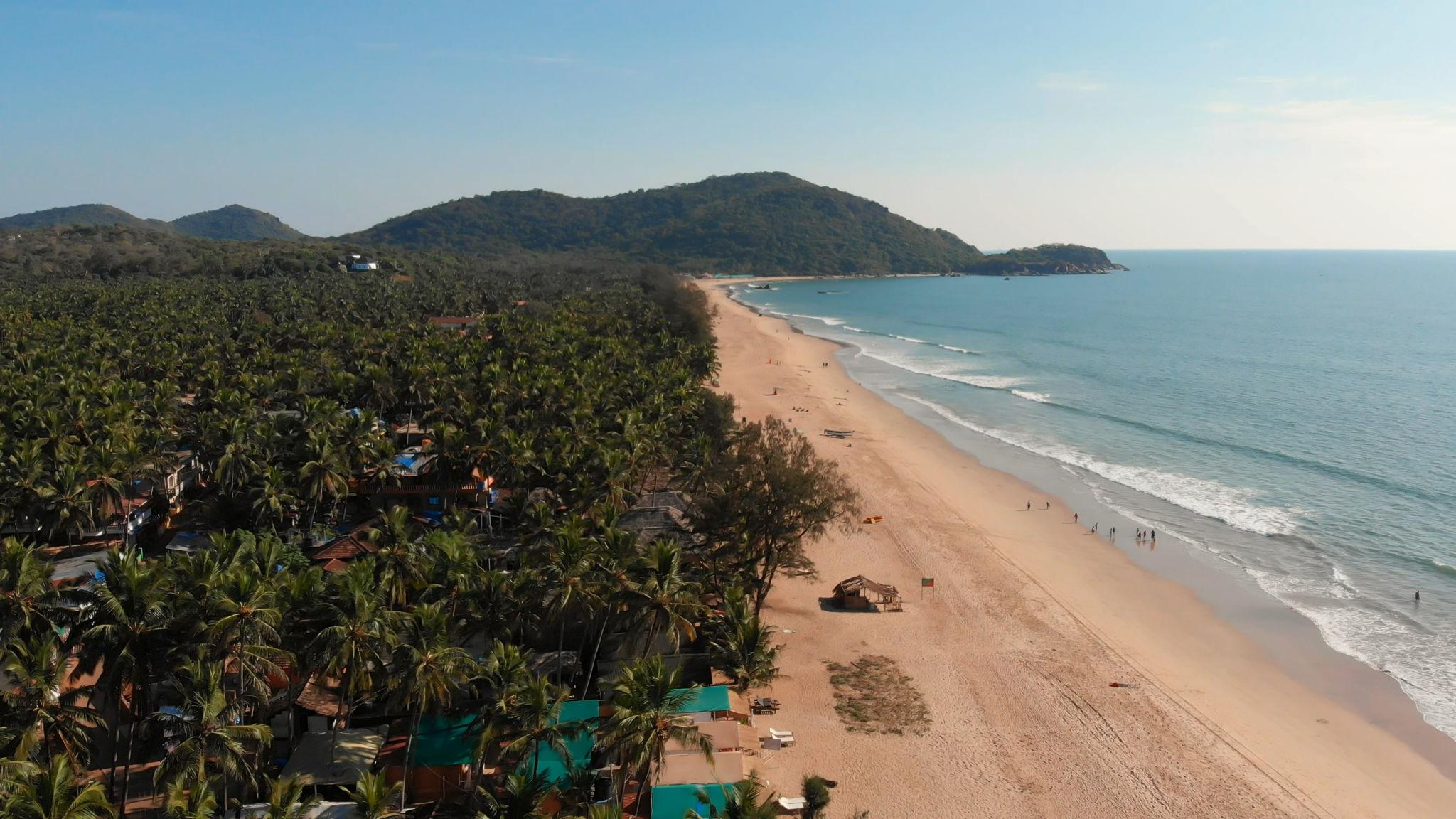
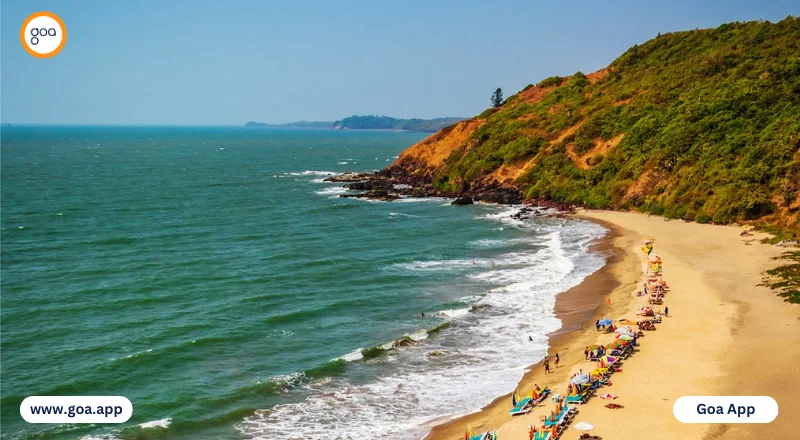
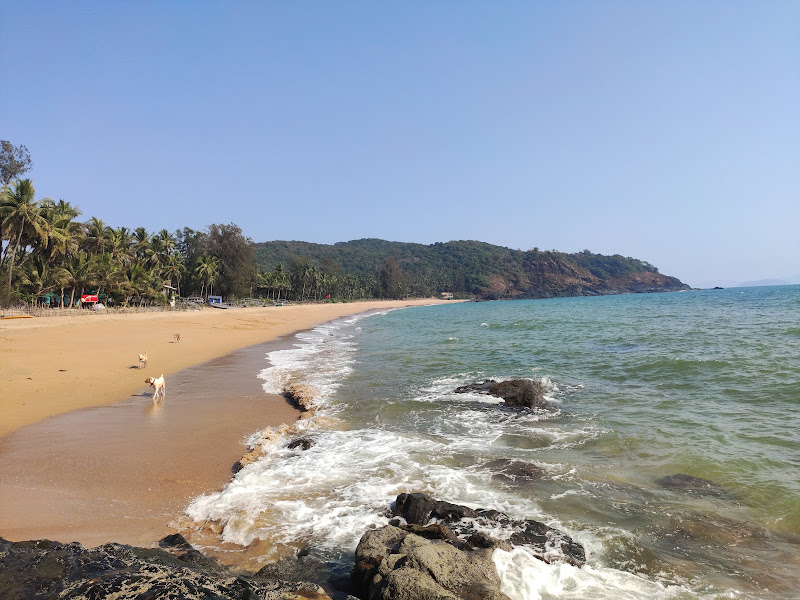
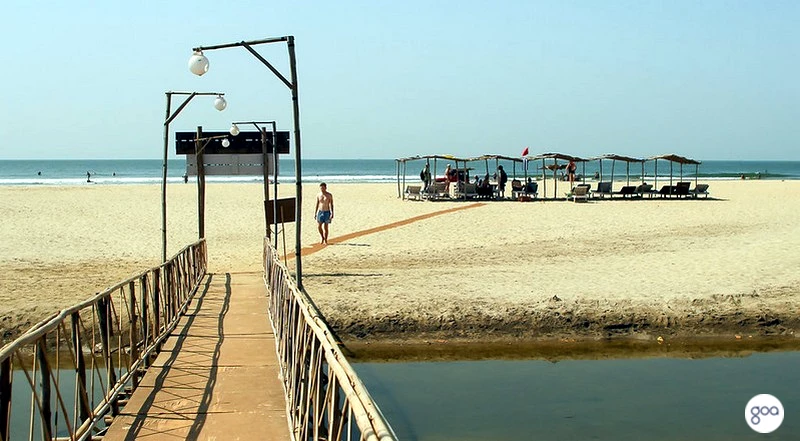
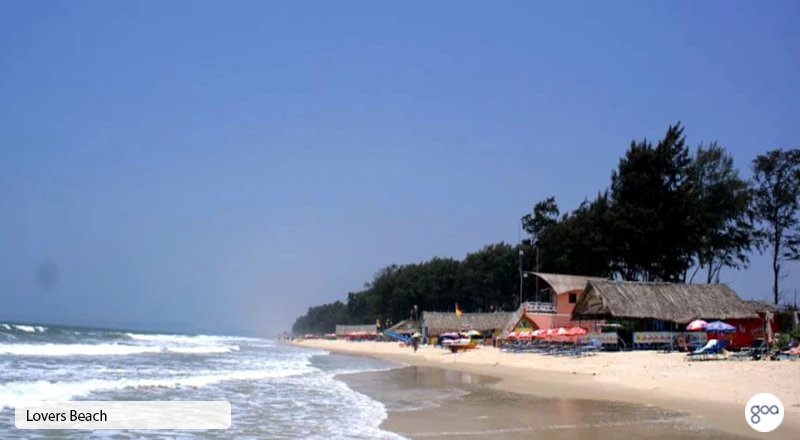
Located at the southern tip of the Sal River in South Goa, Betul Beach is a hidden gem that offers a stark contrast to the bustling, neon-lit shores of North Goa. This coastal sanctuary is where the river meets the Arabian Sea, creating a unique geographical landscape characterized by a serene estuary, a busy fishing jetty, and a wide expanse of silver sand. Unlike the more commercialized stretches of Calangute or Baga, Betul remains a quintessential Goan fishing village, retaining an old-world charm that is increasingly hard to find. The beach is framed by a backdrop of lush coconut groves and fruit trees, while the red laterite cliffs nearby offer a dramatic vantage point over the coastline.

For the discerning traveler, Betul is not just a place to sunbathe; it is a destination for those who appreciate the slower rhythms of life. The atmosphere here is thick with the scent of salt air and drying fish, a testament to its status as one of the most important fishing hubs in the region. The Betul Jetty is a hive of activity in the early mornings, where colorful trawlers return with their daily catch of mackerel, sardines, and the famous Goan prawns. This proximity to the source means that the seafood served in the local vicinity is among the freshest in the state. The beach itself is relatively secluded, often frequented more by local residents and wandering cows than by large groups of tourists, making it an ideal spot for couples, solo travelers, and photography enthusiasts seeking a peaceful retreat.
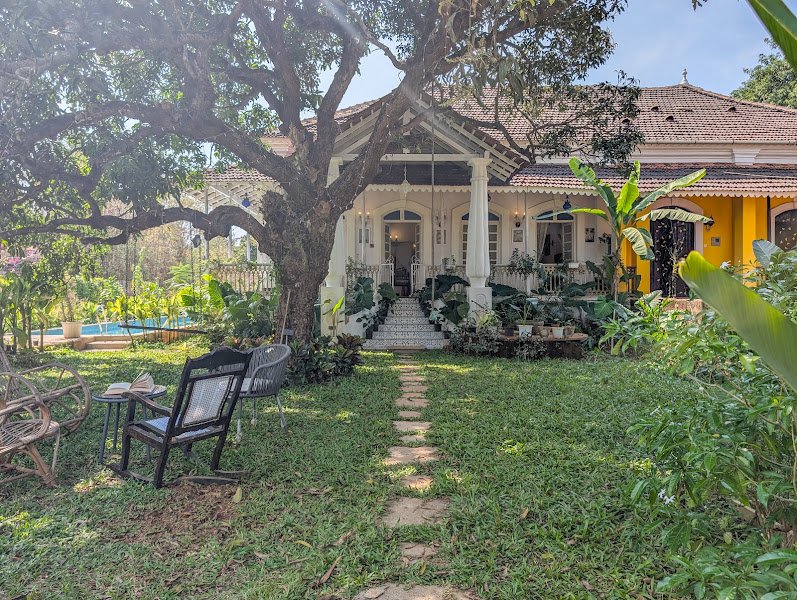
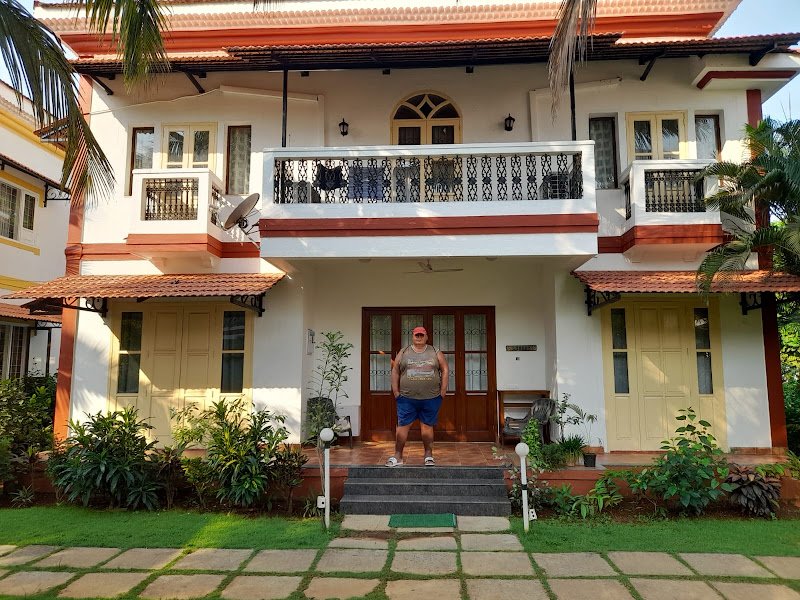
The cultural tapestry of Betul is woven with threads of Portuguese influence and indigenous Konkani traditions. As you wander through the village lanes leading to the beach, you will encounter traditional Indo-Portuguese houses painted in vibrant hues of ochre and indigo, small wayside shrines adorned with fresh marigolds, and the friendly smiles of the local "Kharvi" (fishing) community. Whether you are watching the sunset from the ruins of the Betul Fort or taking a ferry across the river to the neighboring Mobor Beach, Betul offers a sensory experience that captures the soulful essence of South Goa. It is a place where time seems to stand still, and the only schedule to follow is the ebb and flow of the tides.

How to Reach Betul Beach

Reaching Betul Beach is a journey through some of the most scenic landscapes of South Goa. While it is tucked away from the main tourist circuits, it is well-connected by road and is easily accessible from major transit points. Depending on your starting location, here are the most efficient ways to reach this coastal haven:

  • By Air: The Manohar International Airport (Mopa) in North Goa is quite far (approximately 80-90 km), so if possible, fly into the Dabolim Airport (GOI), which is much closer, located about 40 km from Betul. From Dabolim, you can hire a pre-paid taxi directly to Betul, a journey that takes roughly an hour and fifteen minutes. The drive takes you through the charming towns of Chicalim and Verna, offering glimpses of Goa’s lush interior.
  • By Rail: The nearest major railway station is Madgaon Junction (MAO), which is approximately 18 km away. Madgaon is a primary halt for most long-distance trains including the Rajdhani and Mandovi Express. From the station, you can take a taxi, an auto-rickshaw, or a local bus heading towards Quitol or Betul. A taxi ride from Madgaon takes about 35-45 minutes.
  • By Road: Betul is well-connected to Margao, the commercial capital of South Goa. If you are driving from Margao, follow the road towards Chinchinim and then take the turn towards Assolna. You will cross the Assolna Bridge, which offers a stunning view of the Sal River. From Assolna, follow the signs to Betul. If you are coming from the North (Panjim), the distance is about 50 km, and the drive takes approximately 1.5 to 2 hours via the NH66.
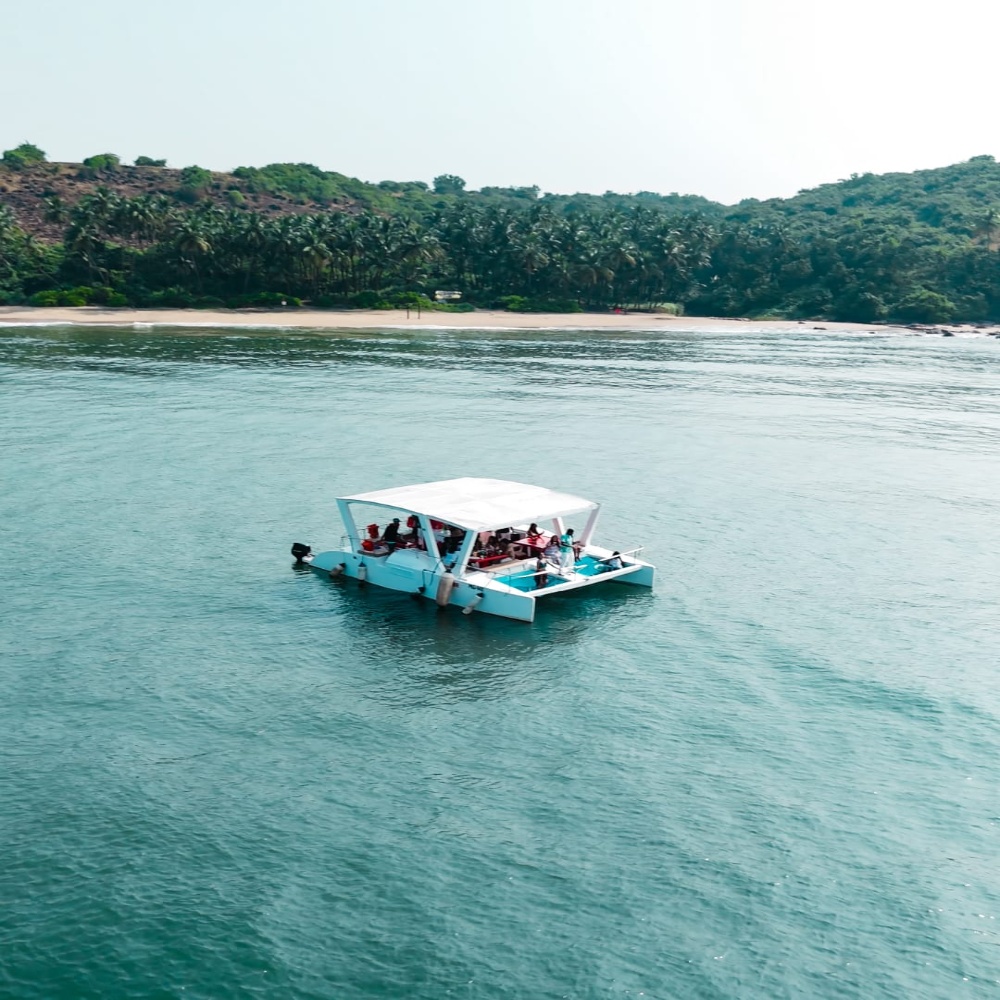
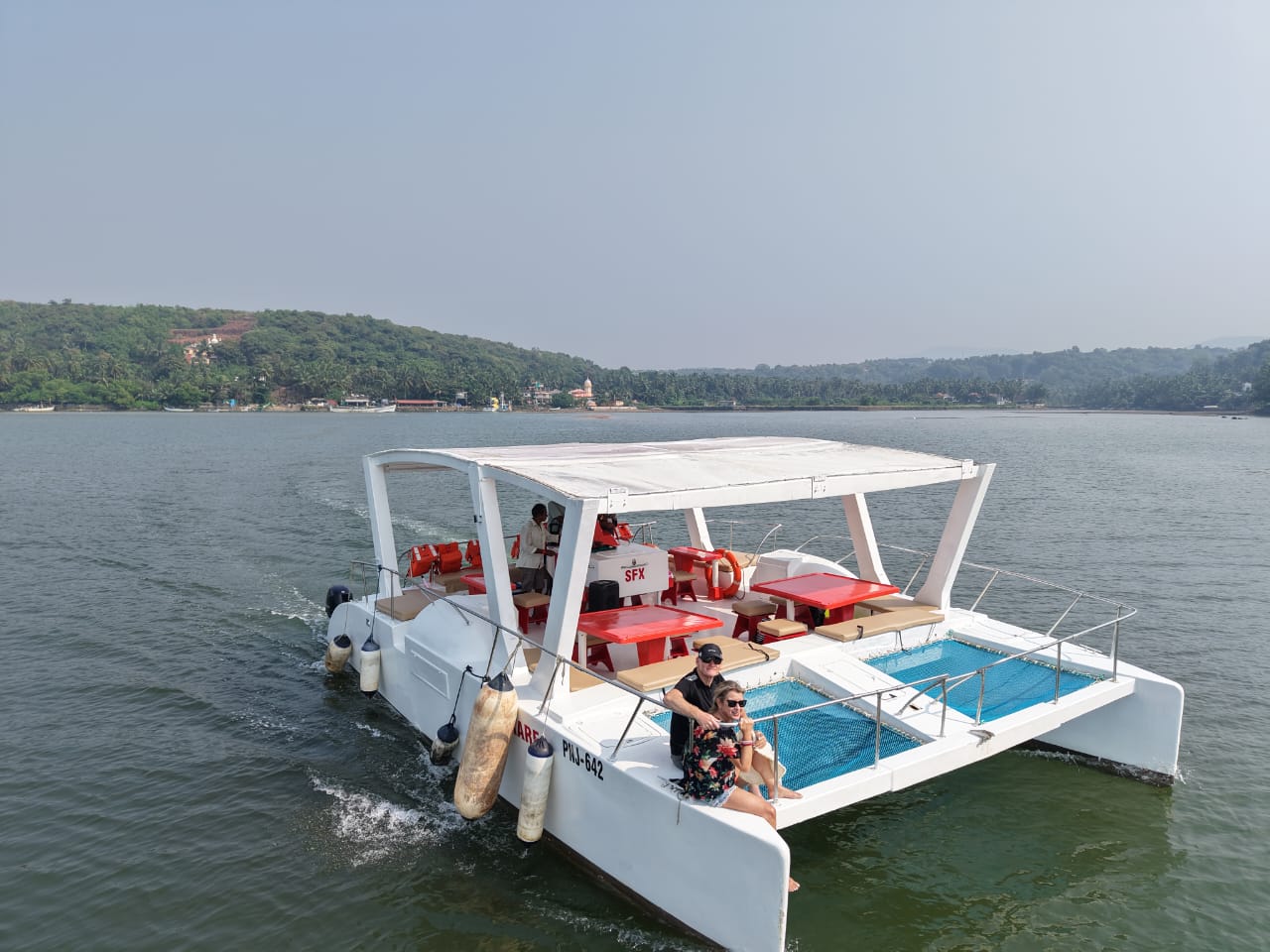
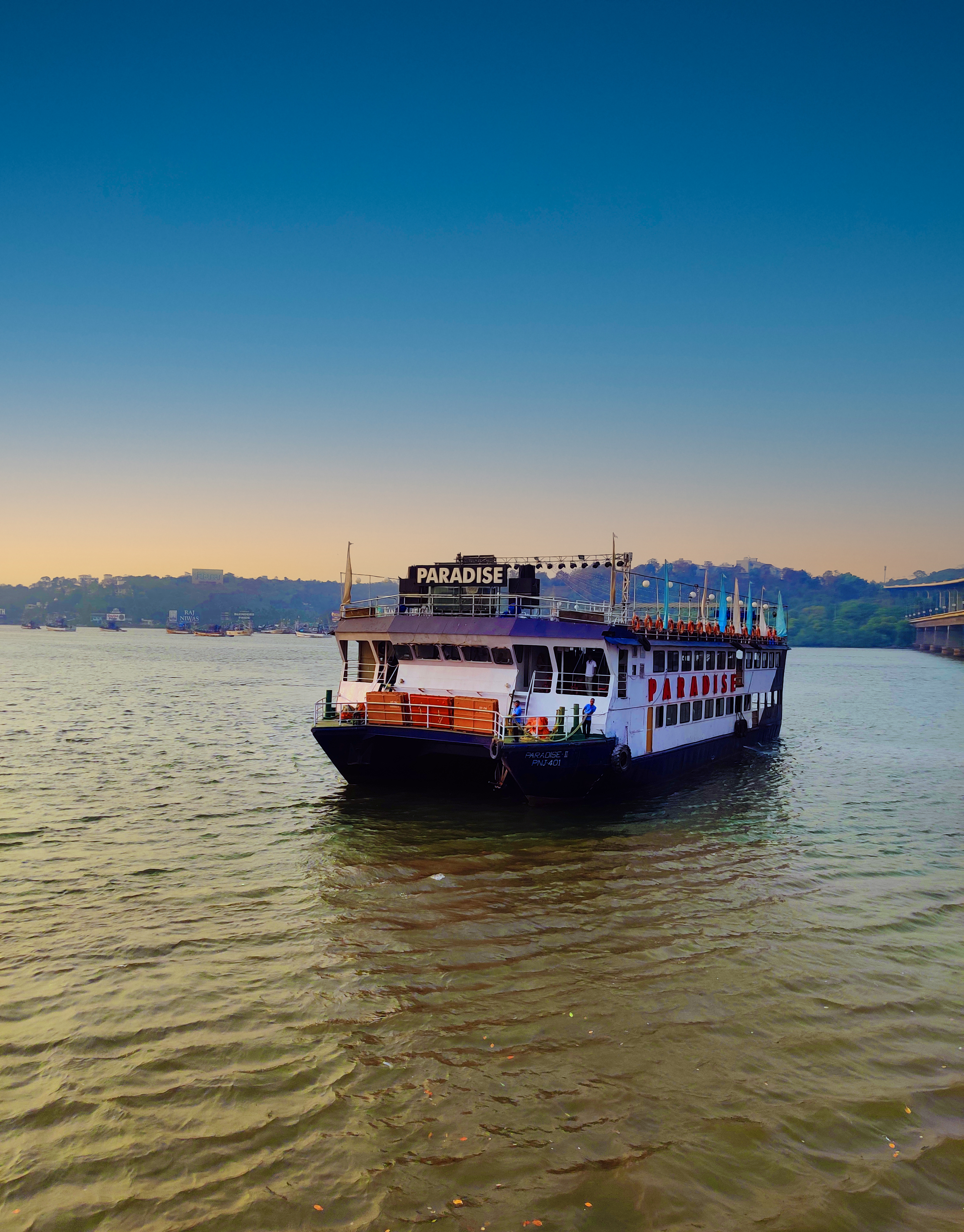
  • By Ferry: One of the most scenic ways to reach Betul is by taking the river ferry. If you are staying on the Mobor or Cavelossim side, you can take a small ferry or a private boat across the Sal River to reach the Betul side. This short trip provides a unique perspective of the fishing trawlers and the riverine ecosystem.

For local transport within the area, renting a scooter or a bicycle is highly recommended. The roads around Betul are narrow and winding, passing through traditional villages and paddy fields, making them perfect for slow exploration on two wheels. However, ensure you have a valid license and wear a helmet, as Goa police are strict about safety regulations.

Best Time to Visit

The experience of Betul Beach changes significantly with the seasons. Choosing the right time to visit depends on whether you prefer vibrant activity, lush greenery, or absolute solitude.

  • Winter (November to February): This is the peak tourist season and undoubtedly the best time to visit Betul. The weather is pleasant, with daytime temperatures hovering around 28°C to 32°C and cool, breezy nights. The humidity is at its lowest, making it ideal for outdoor activities, beach walks, and exploring the nearby fort. All the local shacks and restaurants are fully operational during these months.
  • Summer (March to May): Summers in Goa can be hot and humid, with temperatures often soaring above 35°C. However, if you don't mind the heat, this is a great time to find significant discounts on accommodation. The beach is very quiet, and you can enjoy the serenity of the Sal River without the winter crowds. Early mornings and late evenings are still quite pleasant for a stroll.
  • Monsoon (June to October): The monsoon transforms Betul into a lush, emerald paradise. The Sal River swells, and the surrounding hills turn a vibrant green. While swimming in the sea is strictly prohibited due to high tides and rough currents, the monsoon offers a unique charm for nature lovers and poets. This is the off-season, so many beach shacks may be closed, but the dramatic clouds and the sound of rain on the coconut palms create a magical atmosphere. Note that the fishing activity at the jetty is restricted during the mandatory fishing ban (usually June to July) to allow for fish breeding.

For those interested in local culture, visiting during the Feast of the Holy Cross or other local village festivals can be a rewarding experience, as you get to see the traditional Goan way of life up close.

Things to Do at Betul Beach

While Betul is primarily a destination for relaxation, there are several activities that allow you to engage with the local environment and culture. Here is a curated list of things to do:

  • Explore the Betul Fort: Perched on a hillock overlooking the estuary, the ruins of the Betul Fort offer one of the most spectacular panoramic views in South Goa. Built by Chhatrapati Shivaji Maharaj in the 17th century, the fort served as a strategic lookout point. Today, only a few walls and a lone cannon remain, but the trek up is well worth it for the view of the Sal River meeting the Arabian Sea.
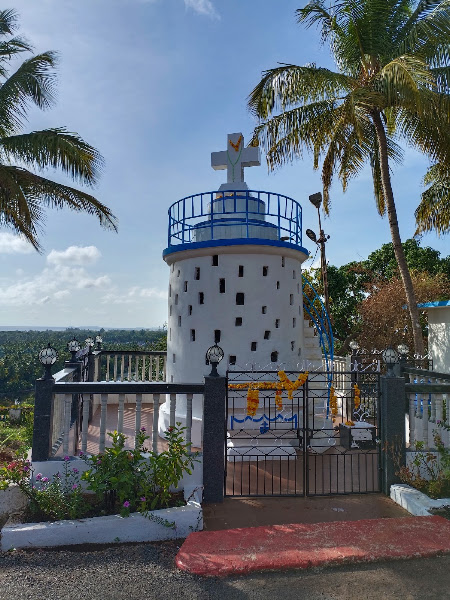
  • Visit the Betul Lighthouse: Located near the fort, the red-and-white striped lighthouse is a prominent landmark. While you might not always be allowed to climb to the top, the area around the lighthouse provides a fantastic vantage point for sunset photography and birdwatching.
  • Witness the Fishing Jetty Culture: Spend a morning at the Betul Fishing Jetty. Watch the skilled fishermen mend their nets, unload crates of fresh seafood, and bargain with wholesalers. It is a raw and authentic look into the backbone of the Goan economy. You can even try your hand at "angling" or traditional line-fishing along the riverbanks.
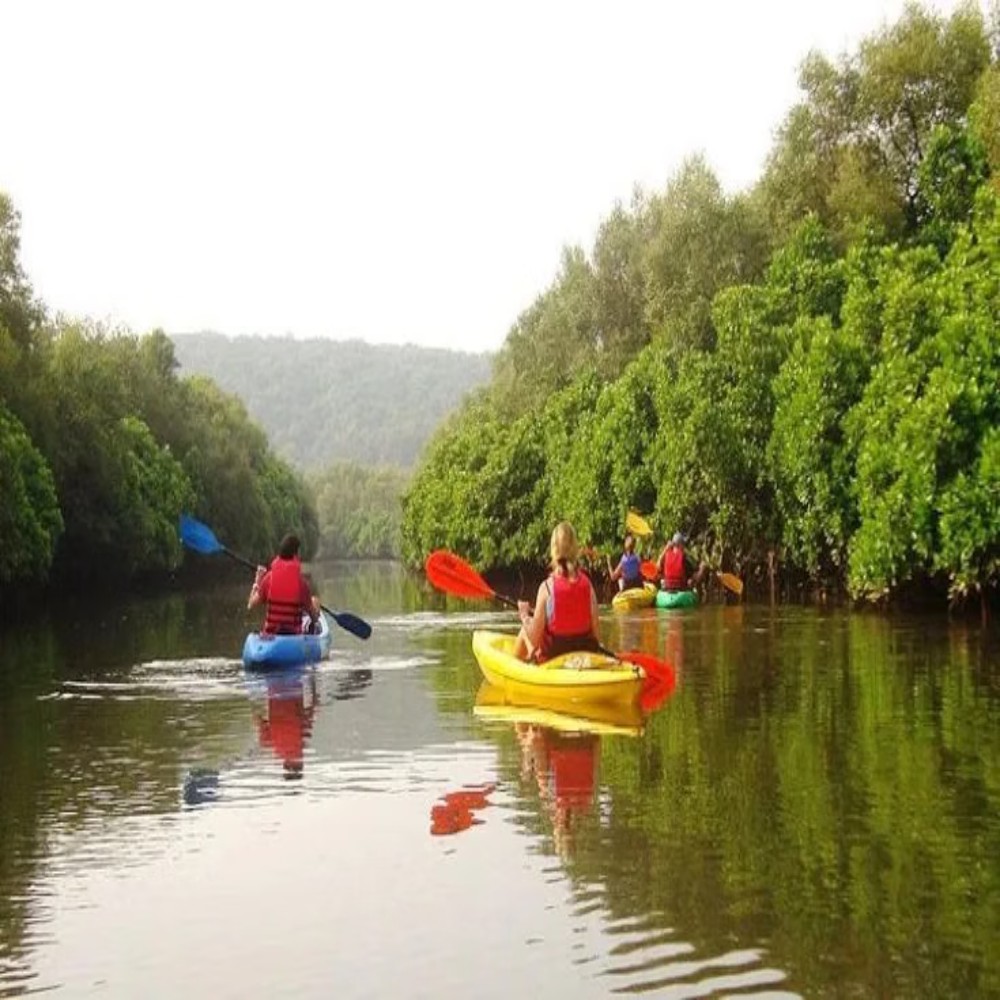
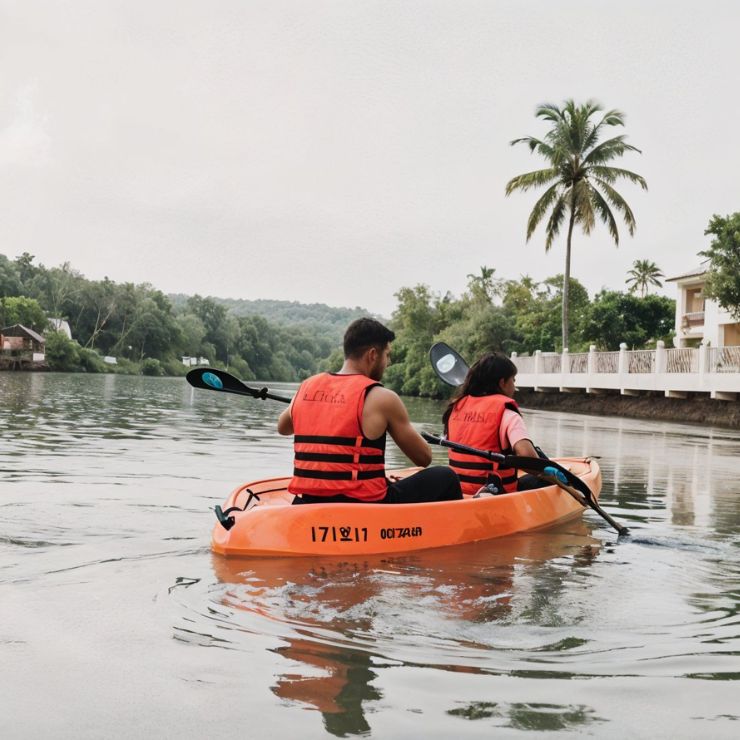
  • River Cruising on the Sal: Hire a local boatman for a leisurely cruise down the Sal River. This is an excellent way to spot local birdlife, including kingfishers, brahminy kites, and egrets. The cruise takes you past thick mangroves and quiet riverside hamlets, offering a different perspective of the Goan countryside.
  • Beachcombing and Sunset Walks: The shoreline at Betul is perfect for long, meditative walks. The sand is firm, and the absence of loud music or crowds allows you to truly connect with nature. The sunsets here are particularly breathtaking, with the sun dipping directly into the Arabian Sea, painting the sky in shades of violet and gold.
  • Photography: From the rustic charm of the fishing boats to the architectural beauty of the village houses and the dramatic vistas from the cliffs, Betul is a paradise for photographers. The light during the "golden hour" (just before sunset) is particularly soft and flattering.

Nearby Attractions

Betul serves as an excellent base for exploring the relatively untouched southern part of Goa. Several interesting landmarks and beaches are within a short driving distance:

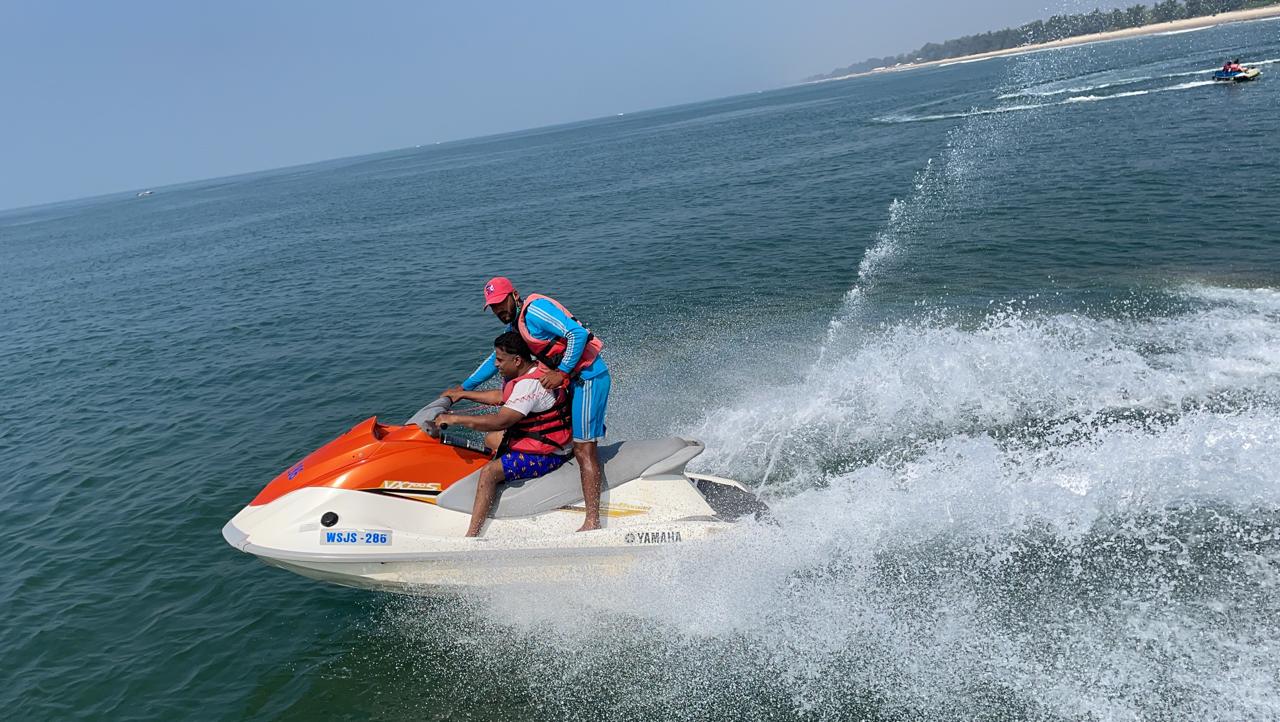
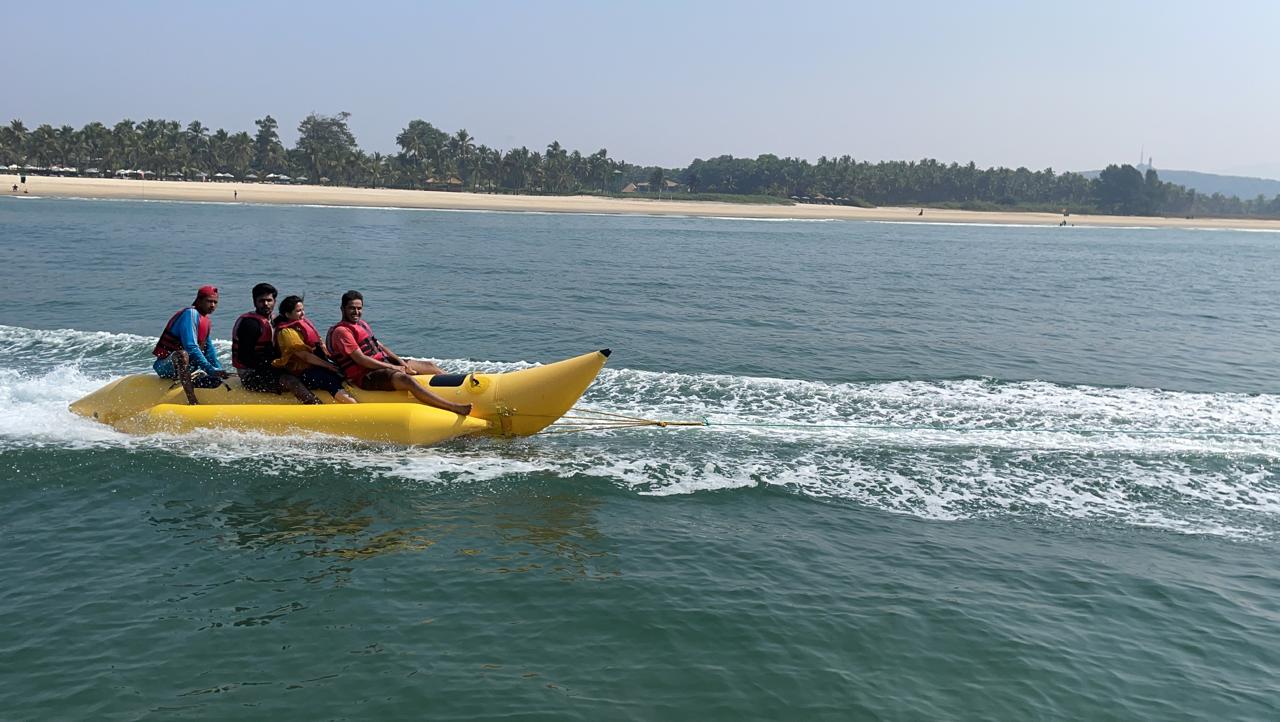
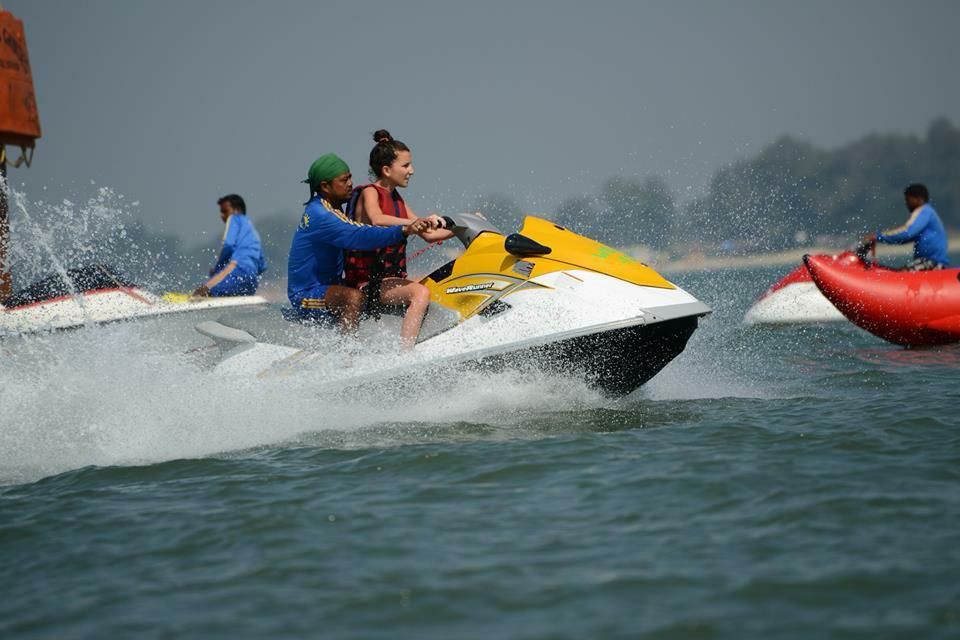
  • Mobor Beach: Located just across the Sal River, Mobor is more upscale and known for its luxury resorts and water sports. You can take a ferry across to enjoy parasailing, jet skiing, or a fancy meal at one of the high-end hotel restaurants.
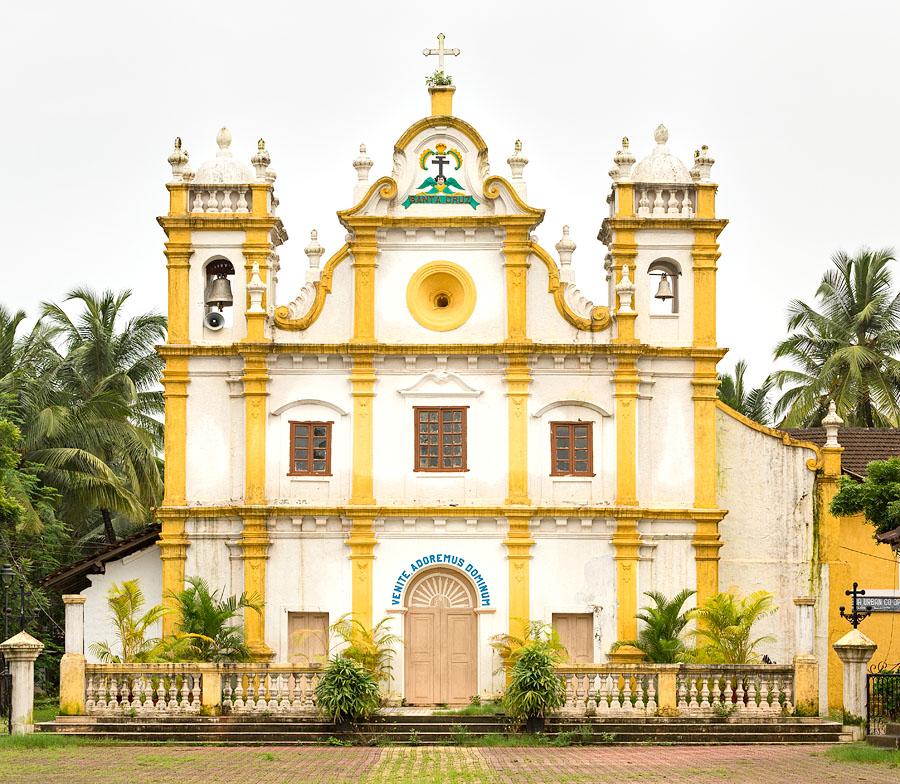
  • Cavelossim Beach: A few kilometers north of Mobor, Cavelossim is famous for its white sands and the beautiful Church of Santa Cruz. The road between Cavelossim and Betul is incredibly scenic, lined with paddy fields and traditional Goan villas.
  • Cabo de Rama Fort: About 15 km south of Betul lies the historic Cabo de Rama Fort. This massive fortress has changed hands between Hindu, Muslim, and Portuguese rulers over centuries. Within its walls sits the white-washed Church of St. Antonio. The views of the sea from the fort's ramparts are unparalleled.
  • Agonda Beach: Further south (about 20 km) is Agonda, a pristine beach known for being a nesting site for Olive Ridley turtles. It has a very "boho-chic" vibe with plenty of vegan cafes and yoga retreats.
  • Canaguinim Beach: If you find Betul too "busy," head to Canaguinim. It is a tiny, secluded cove divided into North and South Canaguinim, surrounded by low rocks and lush greenery. It is one of the most private spots in all of Goa.
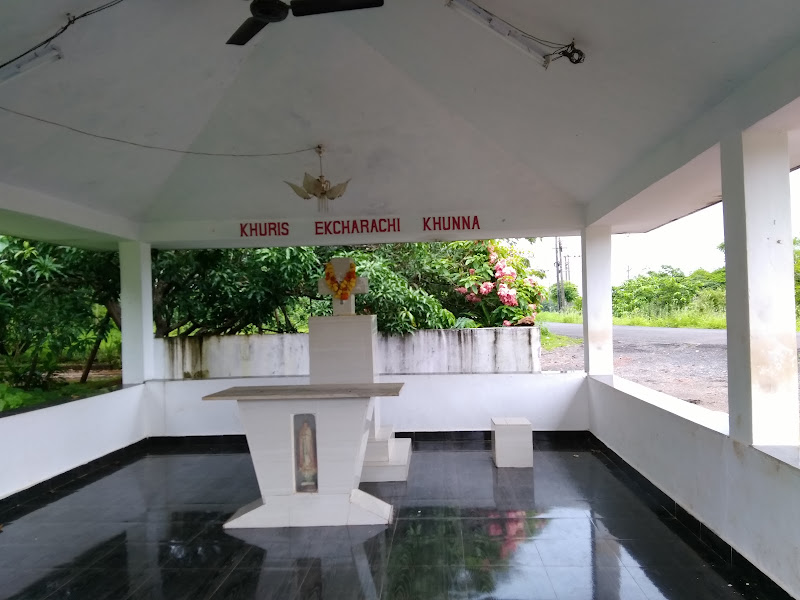
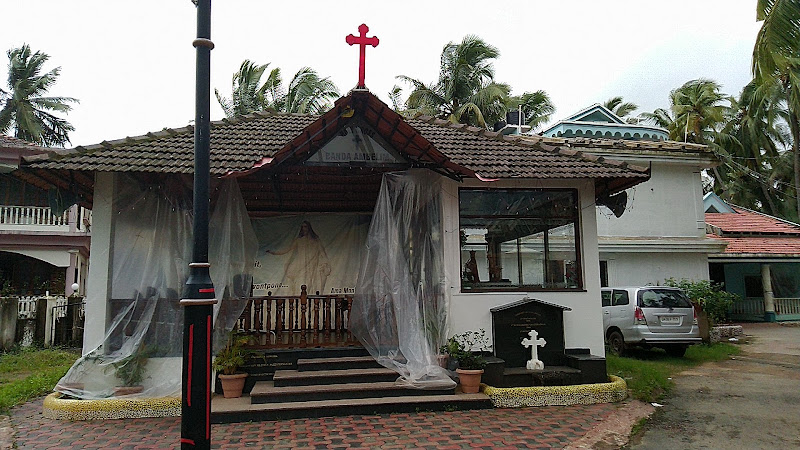
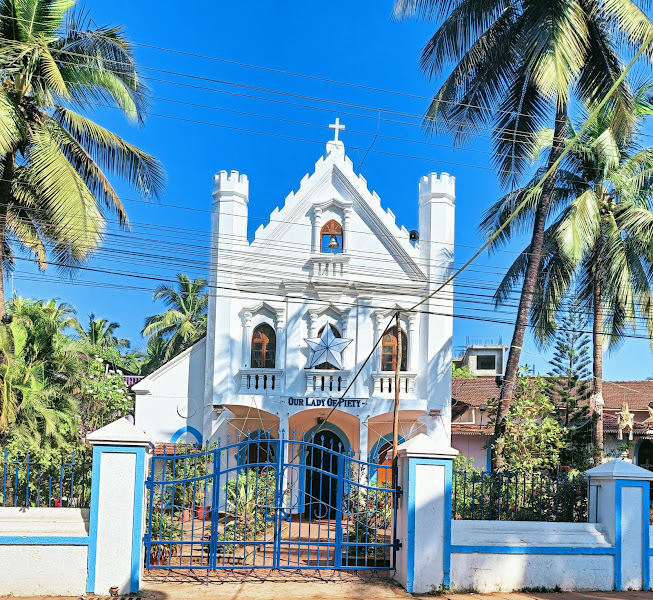
  • The Holy Cross Chapel: Located within Betul village, this quaint chapel is a center of local faith. Its simple yet elegant architecture is a fine example of local religious heritage.

Accommodation Options

Accommodation in Betul ranges from luxurious riverside retreats to humble homestays that offer a glimpse into the local lifestyle. Here are some options to consider:

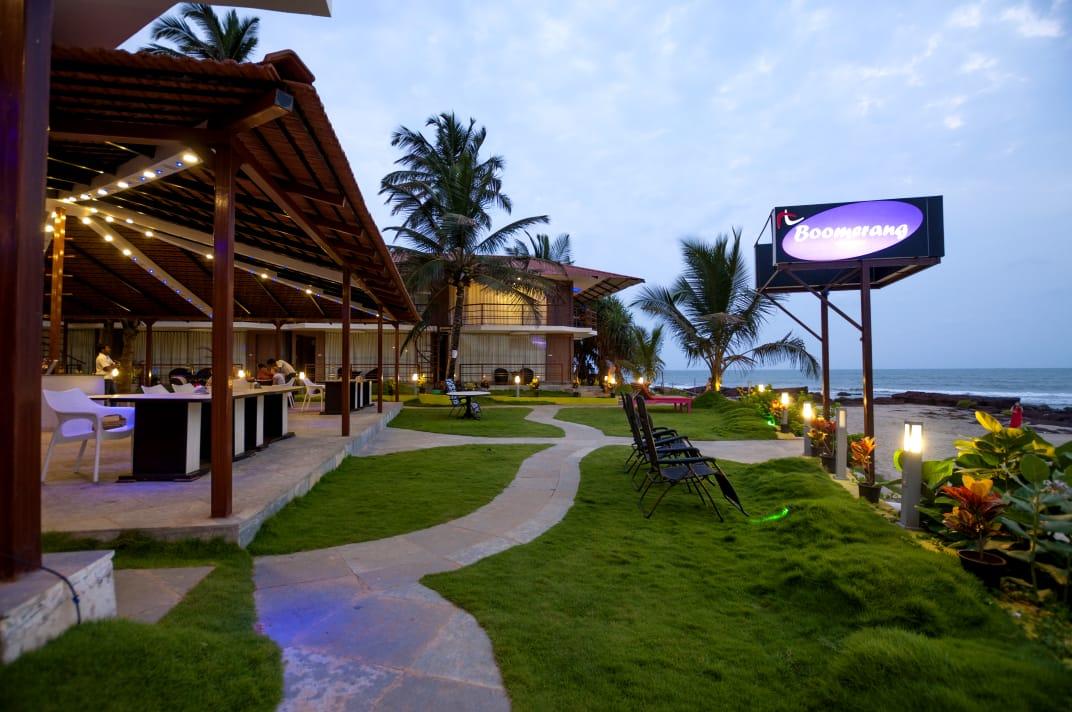
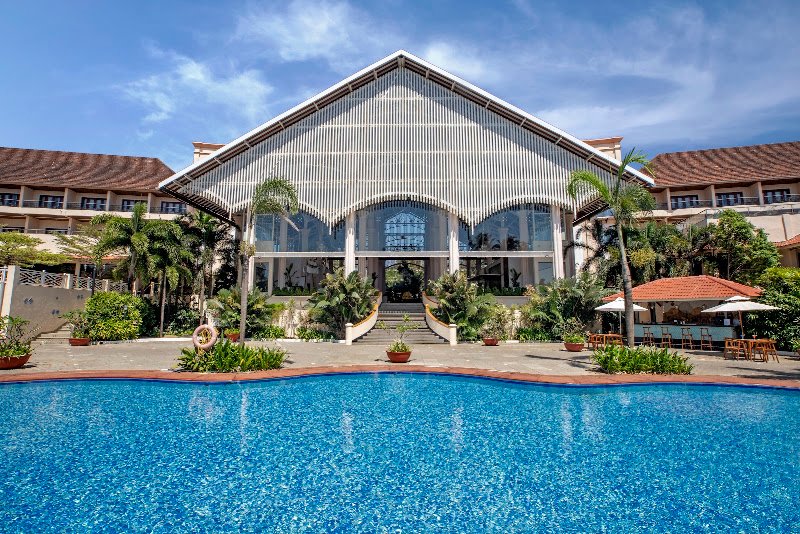
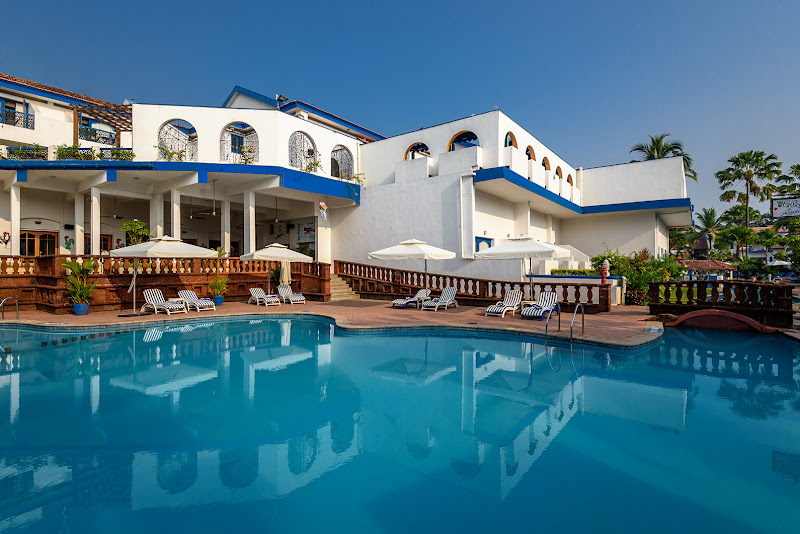
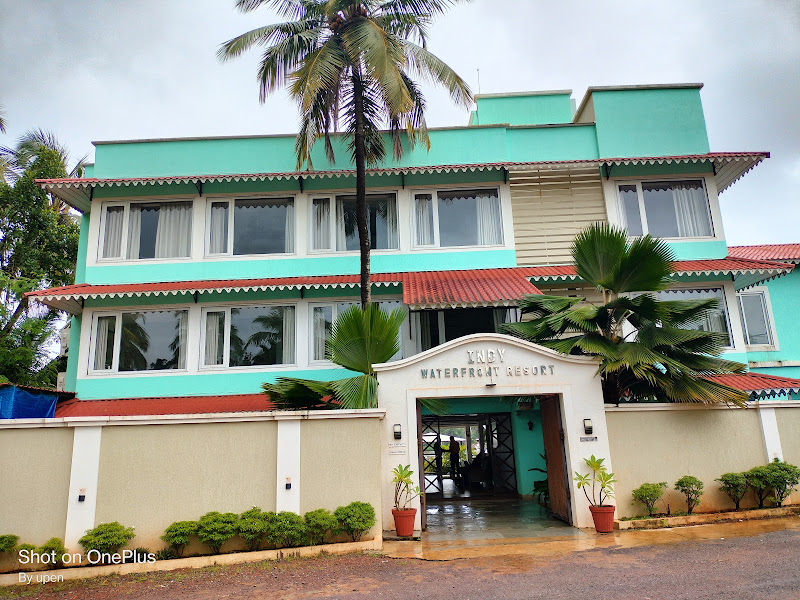
  • Luxury Stays: The Mayfair Hideaway Spa Resort is the most prominent luxury option in the area. Located where the river meets the sea, it offers plush rooms, a beautiful swimming pool overlooking the Sal, and top-tier spa services. It is ideal for those who want seclusion without compromising on comfort.
  • Boutique Guesthouses: There are several boutique properties and villas in the nearby Assolna and Cavelossim areas that offer a more personalized experience. These often feature traditional Goan architecture combined with modern amenities.
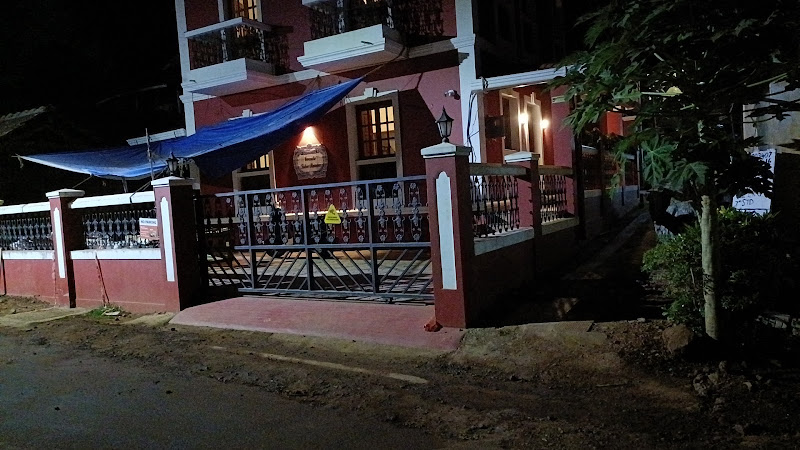
  • Budget and Mid-Range: Several local families in Betul village offer rooms or small cottages for rent. These are basic but clean and provide an authentic experience. Look for guesthouses near the jetty or along the road leading to the beach.
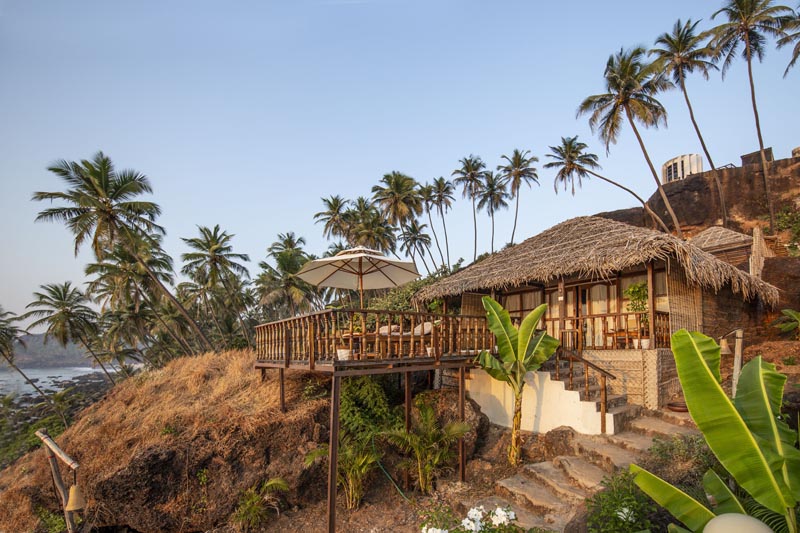
  • Eco-Resorts: Towards the cliffs and the interior, you can find eco-friendly stays that focus on sustainability and nature. These are perfect for travelers who want to disconnect from technology and reconnect with the environment.

Since Betul is a quiet area, it is advisable to book your accommodation in advance, especially during the peak season from December to January, as the limited number of rooms can fill up quickly.

Dining and Cafes

Dining in Betul is an adventure for the palate, especially if you love seafood. The local culinary scene is dominated by fresh catches and traditional Goan spices. Here is what you should not miss:

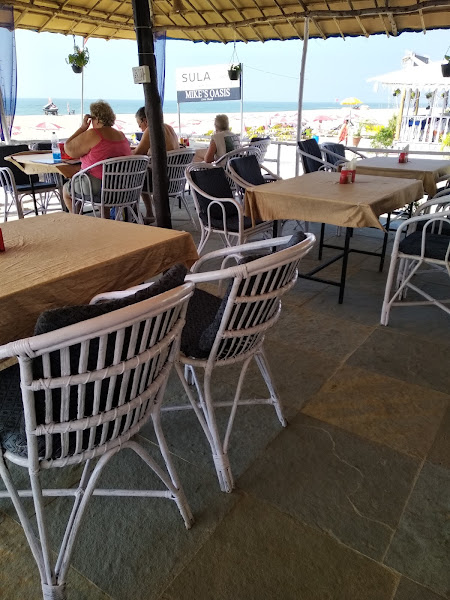
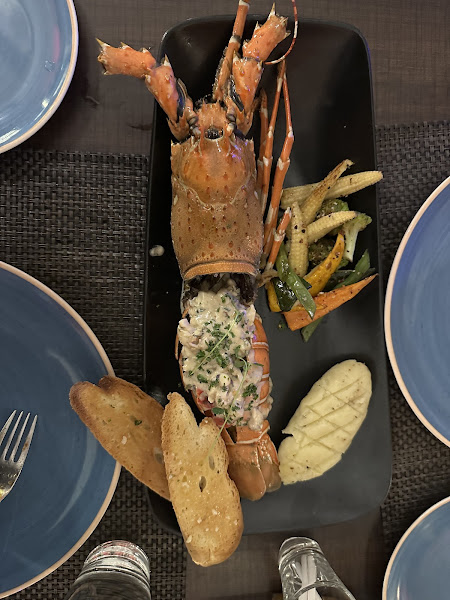
  • Fresh Seafood at Local Shacks: While Betul doesn't have as many shacks as Palolem or Baga, the ones that exist are legendary for their food. Try the Recheado Mackerel (fish stuffed with a spicy red masala) or the Butter Garlic Prawns. The River View Restaurant and other small eateries near the jetty are great places to start.
  • The Fisherman’s Wharf: Located just across the river in Mobor (accessible by a short boat ride or drive), this is one of Goa’s most famous restaurants. It offers a sophisticated dining experience with live music and an extensive menu featuring both local and international seafood dishes.
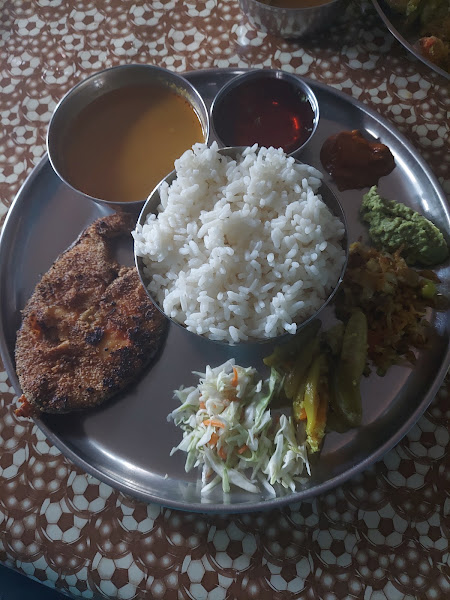
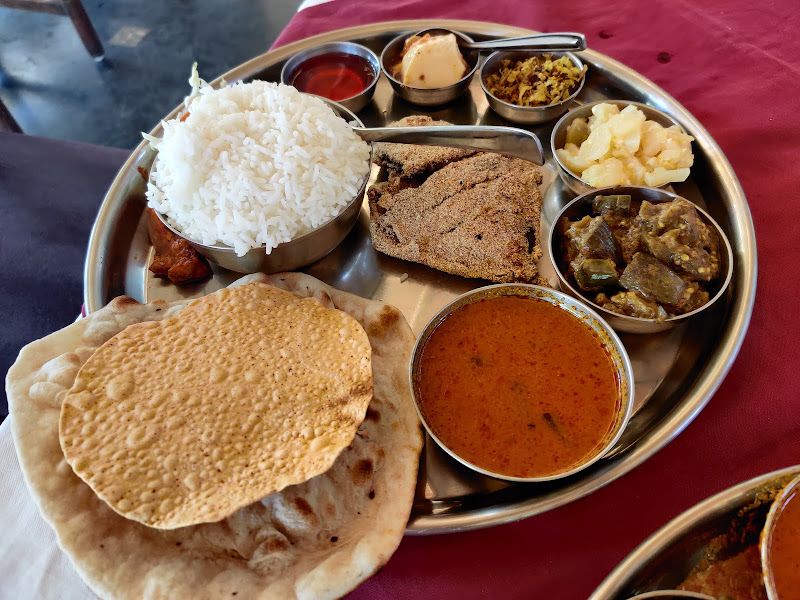
  • Traditional Goan Thalis: For an authentic and affordable meal, look for small village tavernas serving Goan fish thalis. A typical thali includes rice, a fish curry, fried fish, a vegetable dish (foogath), and sol kadi (a refreshing kokum and coconut milk drink).
  • Local Spirits: Don't leave without trying the local Feni (made from cashew or coconut) or Urrak (the first distillate of cashew, available only in the summer months). Enjoy it the local way—with lime, a pinch of salt, and a slit green chili.
  • Blue Whale Restaurant: A popular spot among locals and repeat visitors, known for its relaxed atmosphere and consistent quality of Goan Catholic-style preparations.

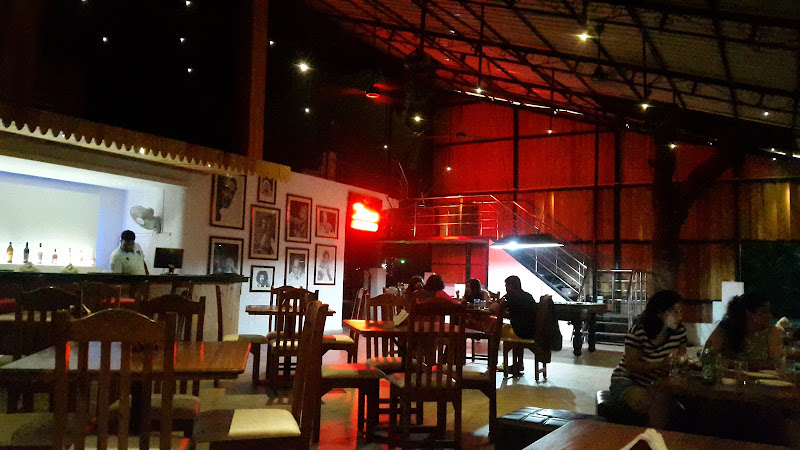
Most restaurants in Betul have a laid-back vibe where "Goan time" applies—meaning food is prepared fresh and may take a while to arrive. Use this time to enjoy the river breeze and a chilled beverage.

Travel Tips for Betul Beach

To make the most of your trip to Betul Beach, keep these practical tips in mind:

  • Carry Cash: While larger resorts and some restaurants accept cards or UPI, many small shops and local vendors in Betul prefer cash. There are limited ATMs in the immediate vicinity, so withdraw money in Margao or Cavelossim.
  • Respect Local Privacy: Betul is a residential village first and a tourist spot second. Be mindful when taking photos of people or their homes, and always ask for permission.
  • Sun Protection: The Goan sun can be intense even in winter. Carry a high-SPF sunscreen, a wide-brimmed hat, and polarized sunglasses to protect yourself during beach walks and boat trips.
  • Stay Hydrated: Always carry a bottle of water. While bottled water is widely available, consider carrying a reusable bottle to reduce plastic waste.
  • Dress Modestly in the Village: While swimwear is perfectly fine on the beach, it is respectful to cover up when walking through the village or visiting local chapels and temples.
  • Check Ferry Timings: If you plan to use the ferry to cross to Mobor, check the timings beforehand. Ferries usually run from early morning until late evening, but frequency can vary.
  • Safety Near the Rocks: The area near the Betul Fort and the lighthouse has some steep cliffs and slippery rocks. Wear sturdy footwear and avoid going too close to the edge, especially during the monsoon or high winds.
  • Environmental Responsibility: Betul’s beauty lies in its cleanliness. Avoid littering and take your plastic waste back with you. Support the local economy by buying from village vendors.

Conclusion

Betul Beach is a rare sanctuary that offers a glimpse into the "Real Goa"—a land of quiet estuaries, industrious fishing communities, and untouched natural beauty. It is a destination that rewards the patient traveler, the one who is willing to trade loud parties for the sound of the wind through the palms and the rhythmic clatter of fishing boats. Whether you are exploring the historic ramparts of the Betul Fort, indulging in a spicy prawn curry by the riverside, or simply watching the sunset paint the Arabian Sea in impossible colors, Betul leaves an indelible mark on your soul.

In an age where travel is often rushed and curated for social media, Betul remains stubbornly authentic. It invites you to slow down, to breathe in the salt air, and to appreciate the simple joys of coastal life. If you are looking for a place to recharge your spirit and experience the tranquil side of India’s most famous beach state, look no further than the silver sands and emerald waters of Betul. It is not just a destination; it is a state of mind that stays with you long after the Goan sand has been washed from your shoes.

Common Questions

What is the best time to visit Betul Beach?
The best time to visit Betul Beach is from November to February when the weather is pleasant. This is a secluded beach near the Sal River estuary, popular for its lighthouse.
How do I get to Betul Beach?
Betul Beach is in South Goa, about 25 km from Margao. You can take a taxi or scooter from Margao or Canacona. It is near the Betul Lighthouse, which is a landmark.
What are the popular things to do at Betul Beach?
Popular activities include climbing the Betul Lighthouse for panoramic views, swimming in the calm waters, sunbathing, and eating fresh crabs at local shacks. It's also a great spot for river views.
Are there accommodations near Betul Beach?
There are a few basic guesthouses and homestays near Betul Beach. For more options, nearby Cavelossim and Mobor have luxury resorts.
Is Betul Beach safe for swimming?
Yes, swimming is safe in the designated areas, but be cautious of the river current near the estuary. Lifeguards are not always present.
What makes Betul Beach special?
Betul Beach is famous for its 17th-century lighthouse and its peaceful, rural setting. It is also known for its crab delicacies and the beautiful confluence of the Sal River and the sea.

User Reviews

5
2210 Reviews
5
85%
4
10%
3
3%
2
1%
1
1%

Login to post a review

Join the community to share your beach experiences.

Login / Sign Up

Location Details

Address
Betul, South Goa
Best Time
All Year Round

Plan Together

Share this beach guide with your travel group on WhatsApp!

Share Now