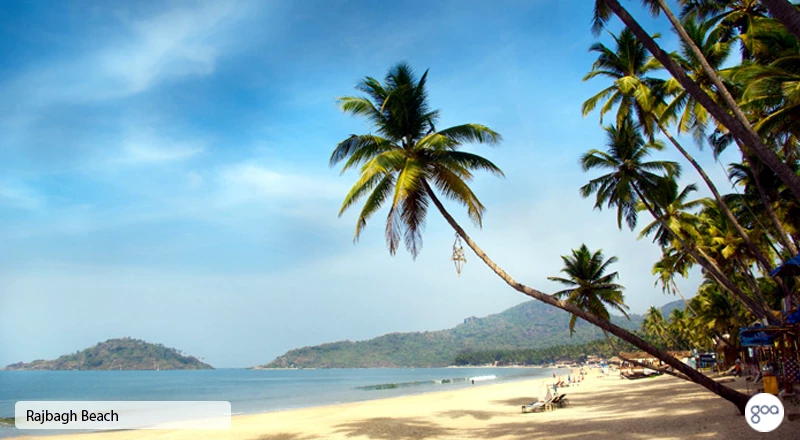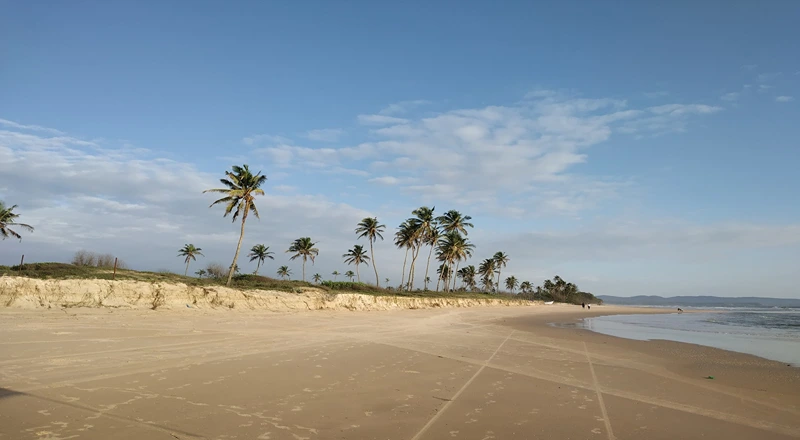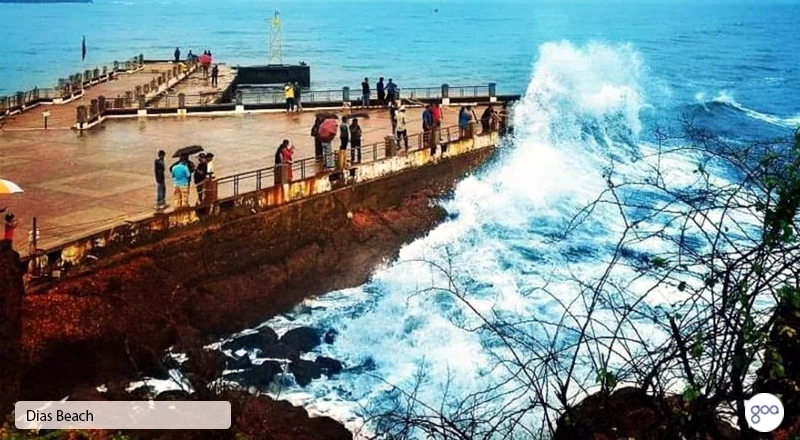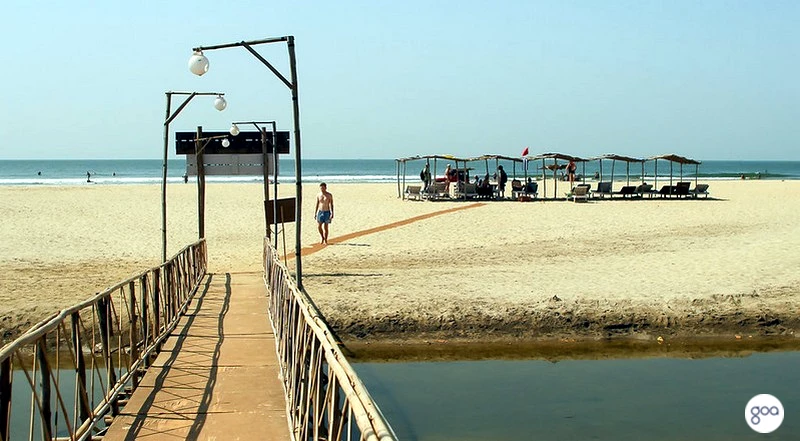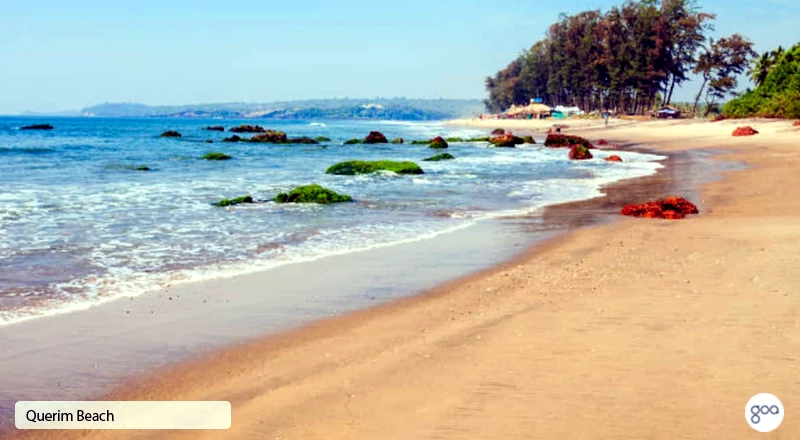
Querim Beach, affectionately known by locals as Keri Beach, stands as the northernmost frontier of Goa’s coastline. Located in the Pernem taluka, this pristine stretch of sand is a far cry from the neon-lit parties of Baga or the bustling markets of Anjuna. It is a place where the Terekhol River meets the vast Arabian Sea, creating a dramatic and picturesque landscape that defines the "Wild North" of Goa. Unlike the palm-fringed shores typical of the state, Querim is uniquely characterized by its dense groves of Casuarina trees, which provide a whistling canopy of shade and a distinct aesthetic that feels more like a secluded coastal forest than a tropical resort.
The beach spans roughly two kilometers of white, powdery sand, flanked by rocky outcrops and the ancient Terekhol Fort visible across the river inlet. For the discerning traveler, Querim offers a rare opportunity to experience Goa as it was decades ago—quiet, untouched, and deeply connected to nature. The atmosphere here is one of profound stillness, interrupted only by the rhythmic crashing of waves and the occasional call of a sea eagle. It is a haven for writers, artists, and soul-searchers who seek the therapeutic benefits of solitude. The local culture remains traditional, with the village of Keri maintaining its roots in fishing and agriculture, centered around the striking Ajoba Temple with its vibrant colors and intricate Goan-Hindu architecture.
As an SEO-optimized destination, Querim Beach is often searched for its "off-the-beaten-path" appeal. It serves as the perfect antidote to the commercialization of North Goa. Whether you are looking to meditate at sunrise, explore the historical remnants of Portuguese influence, or simply walk along a shore where your footprints are the only ones visible, Querim delivers an authentic Goan experience that lingers in the memory long after the tan fades. This guide explores every facet of this hidden gem, ensuring you have the most comprehensive information for your journey to the edge of Goa.
Reaching Querim Beach is an adventure in itself, taking you through winding village roads, lush paddy fields, and over scenic bridges. Because it is located at the northern tip of Goa, it requires a bit more effort to reach than the central beaches, which is precisely what keeps the crowds at bay.
By Air: The most convenient airport for travelers heading to Querim is the newly inaugurated Manohar International Airport (Mopa). Located in the Pernem district, Mopa is approximately 25 to 30 kilometers away from Querim Beach, making the commute significantly shorter (around 45-60 minutes) compared to the older Dabolim Airport. From Mopa, you can hire a pre-paid taxi directly to the beach. If you are arriving at Dabolim Airport, be prepared for a long drive of about 75-80 kilometers, which can take up to 2.5 hours depending on traffic.
By Rail: The nearest railway station is Pernem (PERN), which is on the Konkan Railway route. It is about 20 kilometers from Querim. While not all express trains stop here, many regional trains do. Alternatively, Thivim Railway Station is a major stop for most long-distance trains and is located about 35 kilometers away. From either station, you can find taxis or auto-rickshaws to take you to Keri village.
By Road: If you are staying in other parts of Goa, the best way to reach Querim is by renting a scooter or a car. From Panjim, the capital city, the distance is roughly 50 kilometers. You will follow the NH66 highway towards the north, passing through Mapusa. From Arambol, Querim is just a short 15-minute drive (about 5-7 kilometers) over a small hill. The road from Arambol to Querim is particularly scenic, offering panoramic views of the ocean from the cliffside.
By Ferry: For those coming from the Maharashtra side (Tiracol), there is a regular ferry service that crosses the Terekhol River. The ferry is capable of carrying both passengers and vehicles (cars and bikes), providing a unique and traditional way to enter the northernmost part of Goa. The ferry ride itself is a highlight, offering a great view of the Terekhol Fort and the river mouth.
The timing of your visit to Querim Beach can significantly alter your experience. Like most of coastal India, Goa follows a tropical climate pattern, but the northern isolation of Keri makes certain seasons more appealing than others.
The Peak Season (November to February): This is undoubtedly the best time to visit Querim Beach. The weather is pleasantly cool, with temperatures ranging from 20°C to 30°C. The humidity is at its lowest, and the skies are a constant, clear blue. During these months, the sea is calm enough for long walks along the shore, and the few beach shacks that exist are fully operational. This is the ideal time for photography, as the light is soft and the sunsets are spectacular.
The Shoulder Season (October and March): These months are great for those who want to avoid even the minimal crowds of the peak season. In October, you can witness the landscape in its lushest green state immediately following the monsoons. March begins to get warmer, but the sea remains inviting. You might find better deals on accommodation during these months, and the beach feels even more private.
The Monsoon Season (June to September): Visiting Querim during the monsoon is a choice for the adventurous. Goa receives heavy rainfall during this period, and the Arabian Sea becomes extremely rough. Swimming is strictly prohibited and dangerous during the monsoon due to strong undercurrents. However, the surrounding hills turn a vibrant emerald green, and the Terekhol River swells with rainwater, creating a dramatic, moody atmosphere. Most beach shacks are dismantled during this time, so dining options are limited to the village interiors.
The Summer Season (April to May): Summers in Goa can be hot and humid, with temperatures soaring above 35°C. While the beach breeze provides some relief, the afternoon sun can be punishing. If you visit during this time, it is best to stay indoors during the day and head to the beach only after 5:00 PM to enjoy the sunset and the cooler evening air.
Querim Beach is not a place for high-octane water sports or loud beach parties. Instead, it offers activities that nourish the soul and celebrate the natural environment.
While Querim is isolated, it serves as a great base to explore several other fascinating landmarks in the northernmost corner of Goa.
Terekhol Fort (Fort Tiracol): Perched on a cliff on the opposite bank of the river, this 17th-century Marathi-Portuguese fort is a must-visit. It has been converted into a heritage hotel, but the courtyard and the Church of St. Anthony inside are usually open to visitors. The view from the fort looking back towards Goa is one of the most iconic vistas in the state.
Arambol Beach: Located just south of Querim, Arambol is the bohemian heart of Goa. It is famous for its drum circles, yoga retreats, and vibrant flea markets. If you find Querim too quiet, a quick trip to Arambol provides a dose of social energy and eclectic shopping.
Sweet Water Lake (Paliem Lake): Accessible via a short trek from Arambol (or a slightly longer one from the southern end of Querim), this freshwater lake is nestled right next to the sea. The yellow clay found here is said to have skin-cleansing properties, and many travelers enjoy a dip in the calm lake waters followed by a salt-water rinse in the ocean.
Redi Fort (Yashwantgad Fort): Located just across the border in Maharashtra, about 15 kilometers from Querim, this "Jungle Fort" is an explorer's dream. Overgrown with massive banyan trees and roots that have reclaimed the stone walls, it feels like a scene from an Indiana Jones movie. It is also home to a famous Ganpati temple with a massive monolithic statue.
Paliem Plateau: The plateau between Arambol and Querim is a wonderful spot for hiking. During the late monsoon and early winter, it is covered in wildflowers and offers spectacular views of the Arabian Sea. It is also a popular spot for sunset viewing away from the beach level.
Accommodation at Querim is limited, which helps maintain its quiet character. Most visitors choose to stay in nearby Arambol and visit Querim for the day, but staying locally offers a much deeper experience of Goan village life.
Heritage Luxury: For a high-end experience, Fort Tiracol Heritage Hotel is the premier choice. Though technically across the river in the enclave of Tiracol, it is intimately linked to Querim. The rooms are elegantly designed with a blend of Portuguese and contemporary styles, offering unparalleled views of the estuary.
Eco-Resorts and Guesthouses: In the village of Keri, you will find several family-run guesthouses. These are usually simple, clean, and affordable, providing a glimpse into local life. Look for places like Keri Village Home Stays or small boutique eco-lodges that focus on sustainable tourism. These often feature traditional Goan architecture with red-tiled roofs and expansive verandas.
Beach Shacks: During the peak season (November to March), a few beach shacks offer rudimentary wooden huts right on the sand. These are perfect for backpackers who want to wake up to the sound of the waves. Facilities are basic—usually a bed, a mosquito net, and a small attached bathroom—but the proximity to the ocean is unbeatable.
Mid-Range Options in Arambol: Since Arambol is only 15 minutes away, many travelers opt for the wider variety of boutique hotels and resorts available there. This allows you to enjoy the amenities of a more developed area while spending your days in the tranquility of Querim.
Dining at Querim Beach is an exercise in simplicity and freshness. You won't find fine-dining restaurants here, but you will find some of the best authentic Goan seafood in the state.
Beach Shacks: During the season, shacks like The Lazy Dog or Ajoba View serve fresh catches of the day. You can choose your fish—be it Kingfish, Red Snapper, or Chonak (Sea Bass)—and have it prepared in local styles like Recheado Masala (a spicy, tangy red paste) or simply rava-fried. The shacks also serve standard Indian and international fare, but the local seafood is the highlight.
Local Village Eateries: For a truly authentic experience, head into Keri village. Small, unassuming "hotels" (local cafes) serve Goan Thalis for lunch. A typical thali includes rice, fish curry, fried fish, a vegetable side, and tisreo (clams). It is delicious, filling, and incredibly cheap. Don't forget to try Sol Kadhi, a refreshing pink drink made from kokum and coconut milk that aids digestion.
Fort Tiracol Tavern: If you are looking for a more sophisticated dining experience, the restaurant at Fort Tiracol offers a refined menu. They serve a mix of Portuguese-influenced Goan dishes and contemporary European cuisine. Dining on the terrace overlooking the sea at sunset is one of the most romantic experiences in North Goa.
Refreshments: Fresh tender coconut water is readily available near the beach entrance. Local vendors also sell seasonal fruits like mangoes, cashews, and watermelons, which are perfect for a beach snack.
To ensure your trip to Querim is smooth and enjoyable, keep these essential travel tips in mind:
Querim Beach is the final frontier of Goan coastal beauty, a place where the clock seems to slow down and the natural world takes center stage. It represents a side of Goa that many tourists miss—a side that is rugged, quiet, and deeply spiritual. From the unique Casuarina-lined shores and the historical echoes of the Terekhol Fort to the simple joy of a fresh fish thali in the village, Querim offers a multi-sensory experience that goes beyond the typical beach holiday.
Whether you are a solo traveler seeking peace, a couple looking for a romantic escape, or a nature enthusiast eager to explore the biodiversity of the Terekhol estuary, Querim Beach provides the perfect backdrop. It is a reminder that even in a world of rapid development, there are still pockets of tranquility where the earth remains as it was meant to be. As you stand on the northern edge of Goa, watching the river merge with the sea, you’ll realize that the journey to reach this distant shore was worth every mile. Querim isn't just a destination; it's a state of mind.