Located in the heart of South Goa, Fatrade Beach is a serene and sophisticated coastal stretch that remains one of the state's best-kept secrets. Often overshadowed by its more famous neighbors like Colva or Palolem, Fatrade offers a unique blend of pristine natural beauty and upscale tranquility. This beach is essentially an extension of the Varca-Cavelossim coastline, characterized by its wide expanse of shimmering white sand, which is arguably the softest and cleanest in all of Goa. Unlike the bustling, neon-lit shores of North Goa, Fatrade is the epitome of the "Susegad" lifestyle—a Portuguese-derived Goan concept signifying a quiet, contented, and relaxed pace of life.
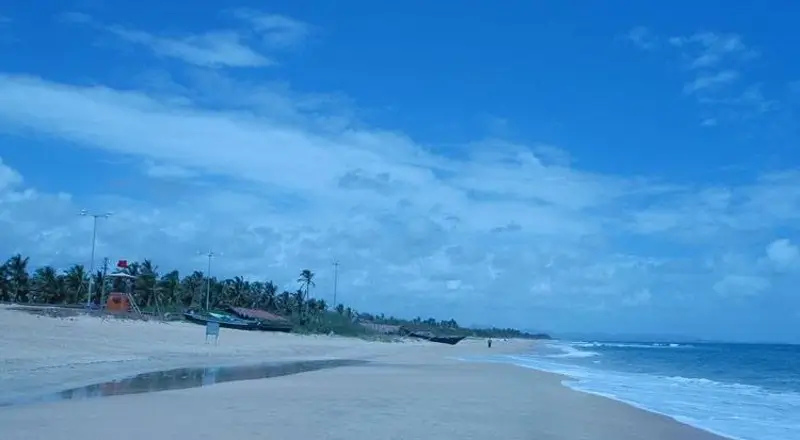
The geography of Fatrade Beach is particularly striking. The shoreline is exceptionally broad, providing ample space for long, meditative walks even during high tide. The sand here has a high quartz content, giving it a bright, almost luminous quality under the tropical sun. Fringed by dense groves of coconut palms and casuarina trees, the backdrop is a lush green tapestry that provides a cooling contrast to the azure Arabian Sea. Because the beach is primarily frequented by guests of the high-end resorts that line its perimeter, such as The Zuri White Sands and Club Mahindra Varca, it maintains an air of exclusivity and cleanliness that is hard to find elsewhere.
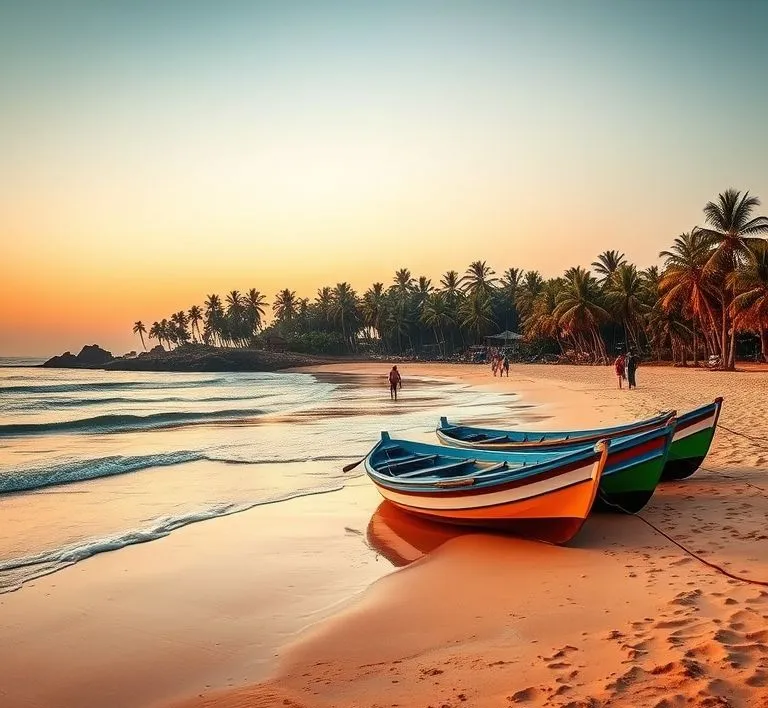
Historically, Fatrade was a quiet fishing village, and even today, you can see traditional wooden outrigger boats (rampons) resting on the dunes. The local community has managed to balance the influx of luxury tourism with the preservation of their cultural roots. Visitors to Fatrade aren't just coming for the water; they are coming for a restorative experience. Whether it is the sight of local fishermen hauling in their morning catch or the breathtaking sunsets that paint the sky in hues of violet and gold, Fatrade Beach represents the soulful, authentic side of South Goa that seasoned travelers yearn for.
Reaching Fatrade Beach is relatively straightforward, though its secluded nature means you won't find it as crowded with public transport as the northern hubs. It is located in the Salcete taluka of South Goa, approximately 10-12 kilometers from the commercial hub of Margao.
The timing of your visit to Fatrade Beach can significantly alter your experience. Like most of coastal India, Goa follows a tropical climate pattern with three distinct seasons.
The Peak Season (November to February): This is undoubtedly the best time to visit Fatrade Beach. The weather is spectacular, with clear blue skies, gentle breezes, and temperatures ranging from 20°C to 30°C. The sea is calm and safe for swimming, and all the beach shacks are fully operational. This is the period when the "Susegad" vibe is at its peak, offering perfect conditions for sunbathing and outdoor exploration.
The Shoulder Season (October and March to May): October marks the end of the monsoons, and the landscape is incredibly lush and green. March to May can get quite hot and humid, with temperatures often soaring above 35°C. However, if you enjoy the heat and want to avoid even the modest crowds of the peak season, this is a great time to find discounted luxury accommodation. Early morning and late evening strolls on the beach remain pleasant during these months.
The Monsoon Season (June to September): Goa during the monsoons is a sight to behold, but it is not ideal for a typical beach holiday. The Arabian Sea becomes rough, and swimming is strictly prohibited. Most beach shacks are dismantled, and water sports are suspended. However, for poets, writers, and those who love the rain, Fatrade offers a dramatic and moody beauty. The surrounding countryside turns a vibrant emerald green, and the sound of the crashing waves is incredibly powerful.
Fatrade Beach is not about high-octane parties; it is about reconnecting with nature and yourself. Here are the top activities to enjoy:
While Fatrade itself is a sanctuary of peace, there are several cultural and natural landmarks within a short distance that are worth a visit.
Our Lady of Gloria Church: Located in the nearby village of Varca, this 17th-century church is a stunning example of Goan-Portuguese architecture. Its whitewashed facade and elegant interiors offer a glimpse into the religious heritage of the region. The church square is a focal point for local festivals and community life.
Cavelossim Beach: Just a few kilometers south, Cavelossim offers a slightly more commercial vibe with more shopping options and high-end restaurants. It is where the Sal River meets the Arabian Sea, creating a unique estuarine ecosystem.
The Sal River Cruise: For a change of pace from the beach, head to the Sal River for a sunset boat cruise. The river is flanked by thick mangroves and is a haven for birdwatchers. You can see kingfishers, herons, and even the occasional marsh crocodile.
Margao Market: To experience the local pulse, visit the Margao market (MMC Market). It is a chaotic but vibrant place where you can buy authentic Goan spices, dried fish, local choris (sausages), and traditional handicrafts. It is the commercial heart of South Goa and offers a sharp contrast to the tranquility of Fatrade.
San Thome Museum: Located in Varca, this museum is dedicated to "Back in Time" technology. It houses a fascinating collection of antique typewriters, clocks, gramophones, and other vintage items, reflecting the evolution of technology in the region.
Fatrade is synonymous with luxury, but there are options for various budgets if you know where to look.
The culinary scene in Fatrade is a delightful mix of traditional Goan flavors and international fine dining.
Beach Shacks: The shacks at Fatrade, such as Susegad Beach Shack or Mish-Mar, are famous for their fresh seafood. You can pick your fish from the catch of the day—be it red snapper, kingfish, or tiger prawns—and have it prepared in local styles like Recheado (spicy red masala) or Cafreal (green herb masala). Don't forget to try the Goan Fish Thali for a complete local lunch experience.
Fine Dining: Inside the Zuri White Sands, Sake offers incredible Pan-Asian cuisine with a view of the pool, while Fins & Rambooze provides a romantic beachfront dining setup. These spots are perfect for a celebratory dinner or a sophisticated evening out.
Local Eateries: For something more authentic and easier on the pocket, head into the village. Small tavernas serve traditional snacks like rissois (prawn turnovers), croquettes, and the famous Goan poi (local bread). Pair these with a chilled glass of Cashew Feni or a local beer for the ultimate Goan experience.
Cafes: There are several quaint cafes along the road to Cavelossim that serve excellent espresso, wood-fired pizzas, and European desserts. These are great spots for a lazy brunch or to catch up on some work while enjoying the sea breeze.
To ensure your trip to Fatrade Beach is seamless and enjoyable, keep these practical tips in mind:
Fatrade Beach is more than just a destination; it is a state of mind. It offers a rare opportunity to experience the unspoiled beauty of South Goa without the commercial noise that has characterized much of the state's coastline. It is a place where the mornings are defined by the sound of the ocean and the evenings are celebrated with the most spectacular sunsets in India. Whether you are a luxury seeker staying at a five-star resort, a solo traveler looking for a quiet corner to write, or a family wanting a safe and clean environment for children to play, Fatrade caters to all with grace and charm.
By choosing Fatrade, you are opting for an authentic Goan experience that prioritizes quality over quantity. From the fine white sands and the swaying palms to the rich flavors of Goan cuisine and the warmth of the local people, every element of this beach invites you to slow down and savor the moment. As you leave the shores of Fatrade, you don't just take back photographs; you take back a sense of peace that lingers long after your tan has faded. It truly remains the soulful heart of South Goa’s majestic coastline.