
Ocean Hike to Crabs Claw Bay, South Goa
per / person. Taxes & convenience fees might apply.
- 7km guided coastal trek through rugged laterite cliffs and scrubland.
- Access to the secluded Crabs Claw Bay, reachable only by foot or boat.
- Exploration of a natural sea cave and tidal rock pools (tide permitting).
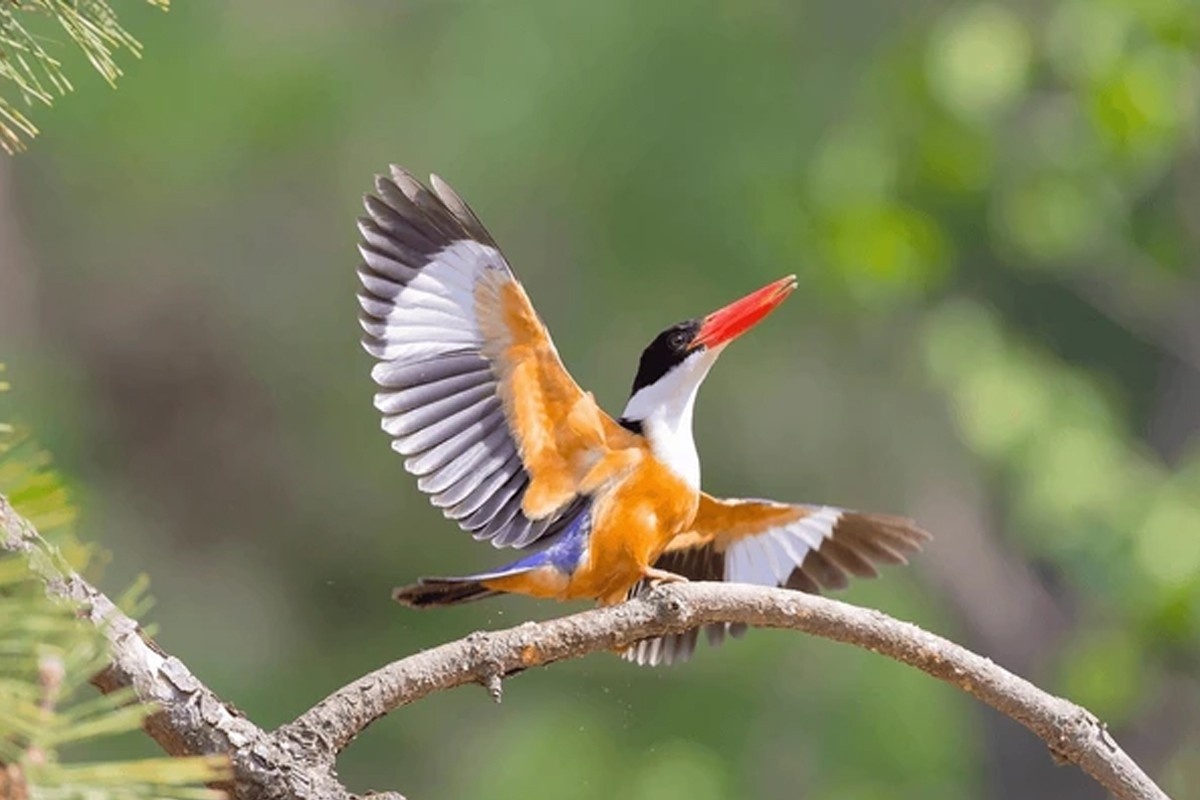
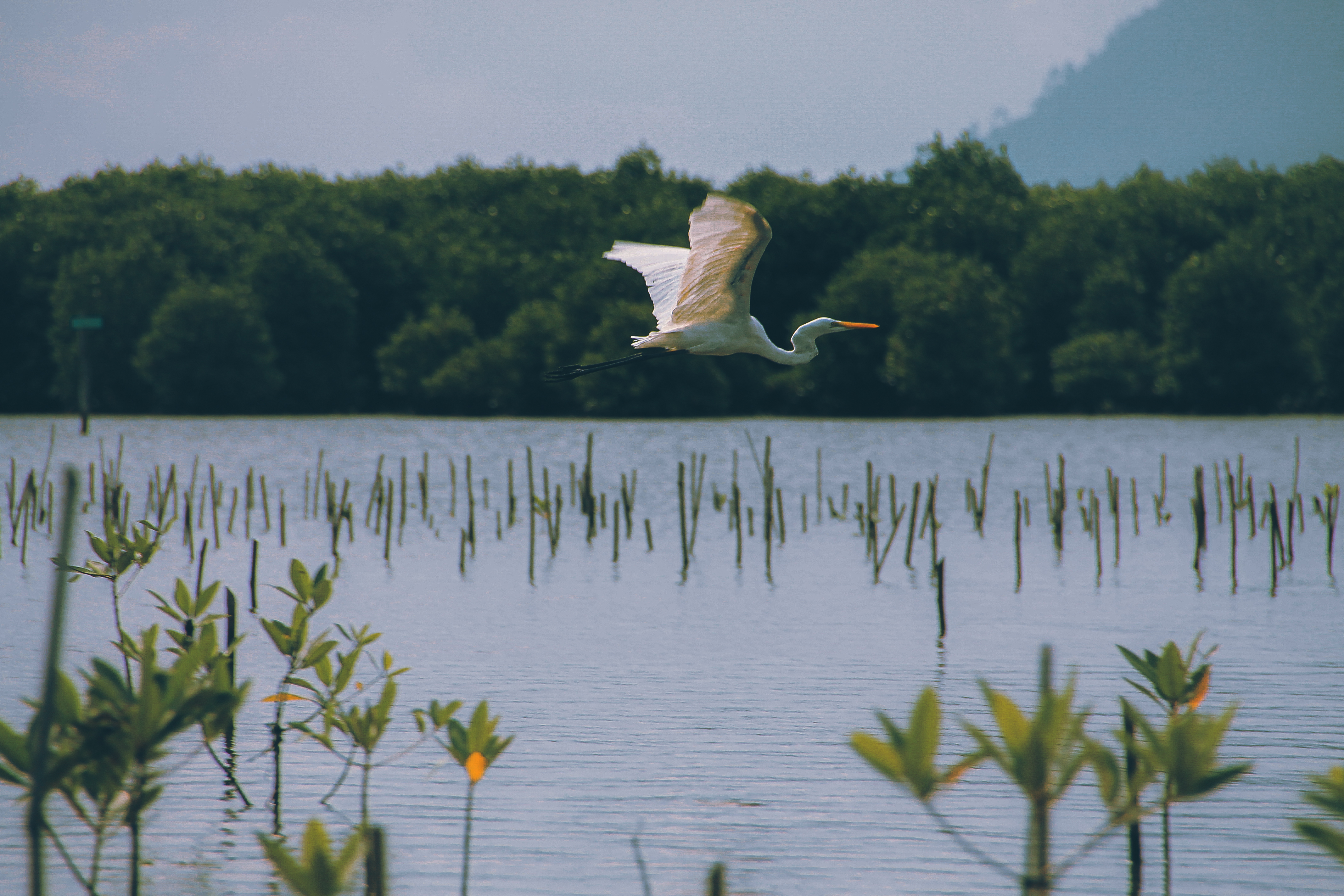
- Opportunities to spot coastal wildlife including Sea Eagles and Ghost Crabs.
- Swimming break in the calm, clear waters of a hidden South Goa cove.
Understanding the Crabs Claw Bay Ocean Hike
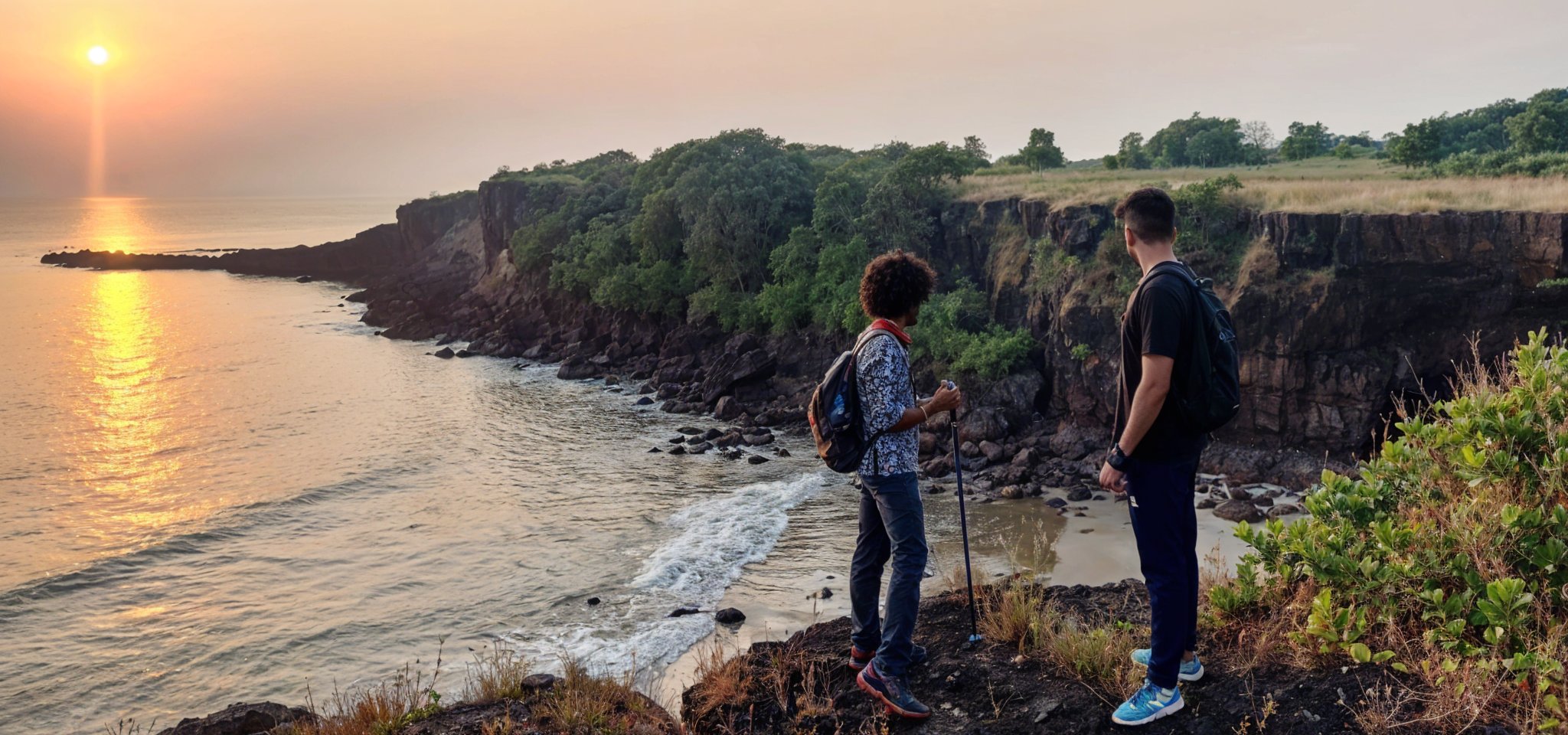
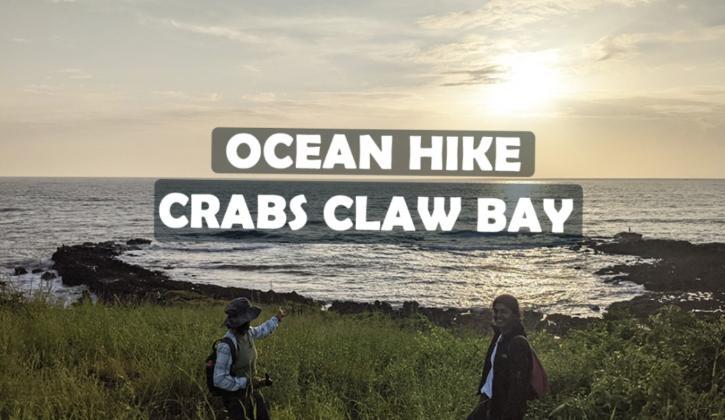
The Ocean Hike to Crabs Claw Bay is one of South Goa’s most rewarding coastal treks. Unlike standard beach walks, this trail follows the undulating ridgeline of the Western Ghats as they meet the Arabian Sea. The route is named after a unique geological formation—a secluded bay where two rocky outcrops curve inward, mimicking the pincers of a crab. This area remains largely inaccessible by road, making it a sanctuary for those who enjoy off-beat trekking in Goa.
Why Travelers Choose This Activity
Most visitors to Goa spend their time on the main sands of Palolem or Agonda. Travelers choose this hike because it offers a different perspective of the coastline. You aren't just looking at the sea; you are navigating the cliffs that define it. It is popular with photography enthusiasts, bird watchers, and hikers who want a physical challenge. The reward is a visit to a secret sea cave and the opportunity to swim in a bay that rarely sees more than a handful of people at a time.
Detailed Trail Breakdown
The Starting Point and Initial Ascent
The trek typically begins near the northern end of Agonda Beach. The first segment involves a steady incline on a dirt path that cuts through coastal scrubland. You will be walking on laterite rock, the red, porous stone characteristic of Goa. This section provides an elevated view of the Agonda coastline, which is excellent for spotting the curve of the beach before you head into the wilderness.
Navigating the Coastal Cliffs
Once you reach the plateau, the trail levels out but becomes more technical. You will walk along the edge of sea cliffs where the wind can be strong. The path here is narrow and requires focus. Along this stretch, you can often spot White-bellied Sea Eagles circling the thermals or dolphins breaching further out at sea. The terrain is a mix of hard rock and loose soil, so sturdy footwear is non-negotiable.
The Descent to Crabs Claw Bay
The final approach to the bay involves a steep descent. You will need to use your hands for balance (scrambling) in a few sections. This part of the hike crosses two small seasonal streams which, depending on the time of year, may require careful stepping over wet rocks. As you descend, the vegetation changes from dry scrub to more lush, salt-tolerant greenery. When the bay finally comes into view, the logic behind the name becomes clear as the rock arms enclose a calm pool of turquoise water.
Difficulty Level and Fitness Requirements
We categorize this hike as Moderate. While the total distance is only about 7 kilometers, the tropical heat and the uneven terrain make it more taxing than a standard inland walk. You should be comfortable with:
- Walking for 3 to 4 hours with breaks.
- Basic rock scrambling (using hands for balance).
- Walking on narrow paths near cliff edges.
- Managing an elevation gain of approximately 200 meters.
Safety and Local Insights
Safety on the Goa coast is largely about tide management and sun protection. Our guides monitor the tide charts closely; the sea cave and certain rock pools are only accessible at low tide. Do not attempt this trek alone if you are unfamiliar with the local tide cycles, as some sections of the rocky shore can become cut off by the rising sea.
Mobile network coverage is extremely spotty once you leave the trailhead. We recommend informing your accommodation of your expected return time. Our guides carry basic first-aid kits, but travelers should bring any personal medication required.
Best Time to Visit
The ideal window for the Crabs Claw Bay hike is from October to March. During these months, the weather is dry and the visibility is at its peak. We recommend an early start, ideally by 7:00 AM, to complete the most strenuous climbing before the midday sun hits. Monsoon trekking (June to September) is possible but significantly more difficult due to slippery rocks and leeches; however, the landscape is incredibly green during this time.
What to Wear and Carry
To ensure a comfortable experience, we recommend the following:
- Footwear: Hiking shoes or trail runners with good grip. Avoid flip-flops or flat-soled sneakers.
- Clothing: Lightweight, moisture-wicking fabrics. Avoid heavy denim.
- Swimwear: Wear your swimsuit under your clothes if you plan to dip in the bay.
- Hydration: At least 2 liters of water per person. There are no shops on the trail.
- Sun Protection: A wide-brimmed hat, sunglasses, and high-SPF sunscreen.
- Bag: A small backpack to keep your hands free during scrambles.
Family and Group Suitability
This hike is best suited for adults and teenagers (12+). Children who are active and used to hiking will enjoy the rock pools, but the cliff sections require constant supervision. It is a great activity for small groups of friends or solo travelers looking to meet like-minded adventurers. We limit group sizes to ensure the guide can provide individual attention during the technical sections.
How to Reach the Trailhead
The trek starts in the Agonda/Canacona region of South Goa. If you are staying in North Goa (Calangute/Baga), expect a 2.5-hour drive to reach the start point. There is limited public transport to the specific trailhead, so most travelers arrive via scooter or private taxi. Parking is usually available in a cleared dirt patch near the main road, but it is unsupervised.
Important Booking Information
When booking, please provide details of any medical conditions or allergies. The tour price typically includes the local guide fee and basic safety equipment. It does not include transport to the meeting point or meals. We follow a Leave No Trace policy—all plastic and trash must be carried back out to protect the pristine environment of the bay.
- Experienced local trekking guide
- Route planning and tide monitoring
- Basic first-aid support
- Briefing on local flora and fauna
- Hotel pickup and drop-off
- Bottled water and snacks
- Swimwear and towels
- Insurance
Have questions about this activity?
Chat with our local experts for instant help and best deals!