Cotigao Waterfall Trek in South Goa
per / person. Taxes & convenience fees might apply.
- Trek through the dense, multi-layered canopy of Cotigao Wildlife Sanctuary.
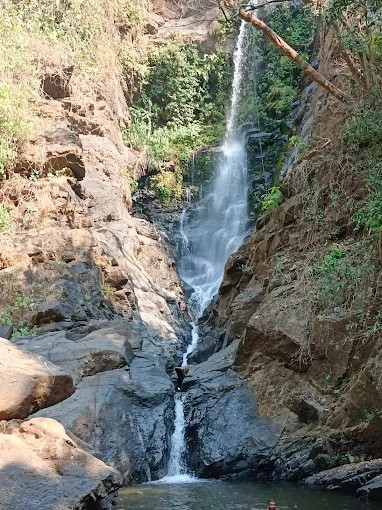
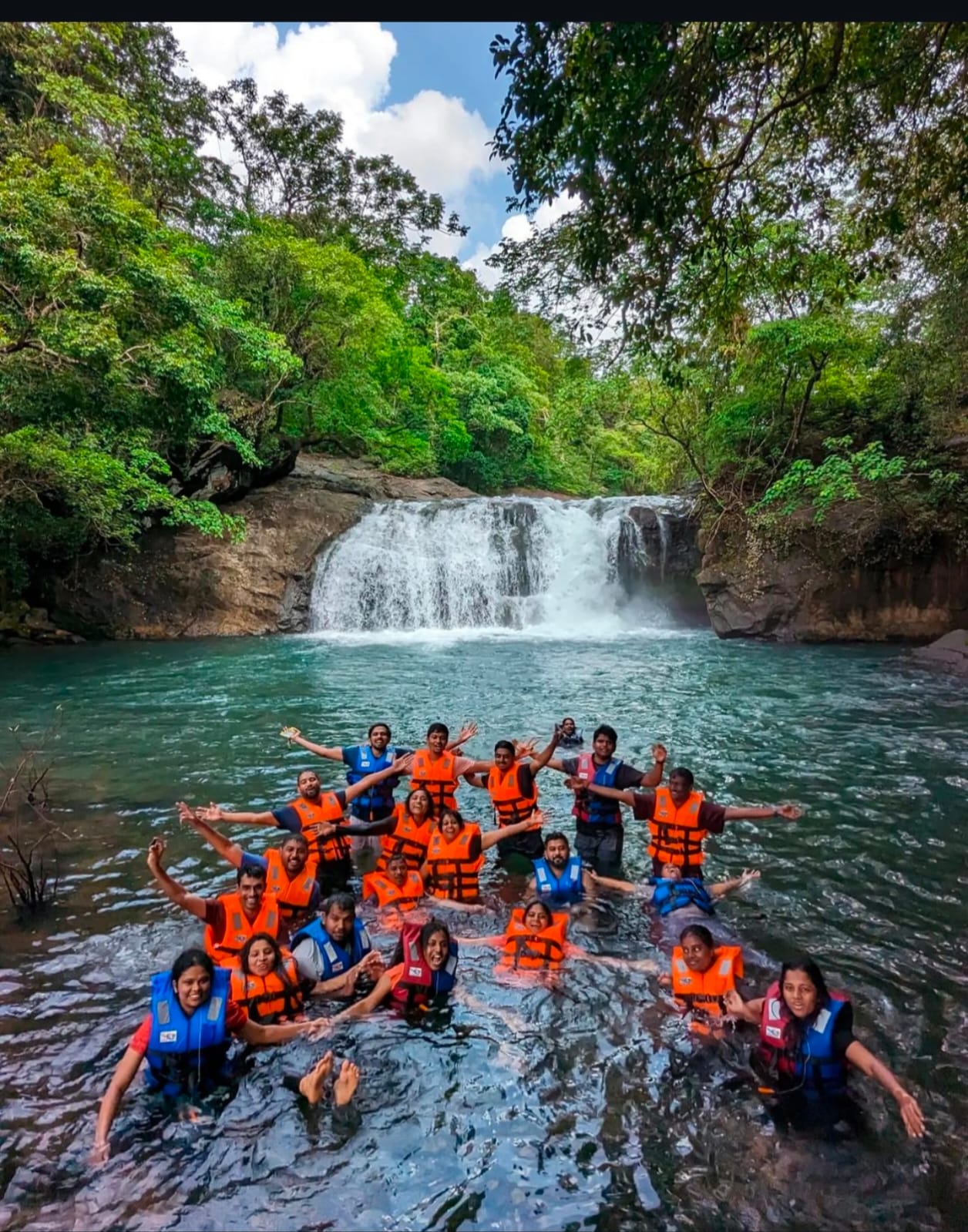
- Swim in a secluded natural rock pool at the base of the waterfall.
- High chances of spotting Malabar Giant Squirrels and rare forest birds.
- Experience a quieter, more authentic side of Goa away from the beaches.
- Guided hike providing insights into local medicinal plants and forest ecology.
Exploring the Cotigao Wildlife Sanctuary
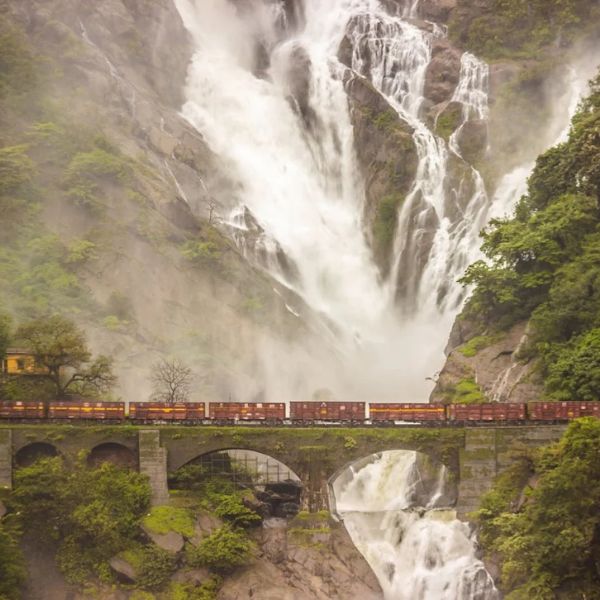
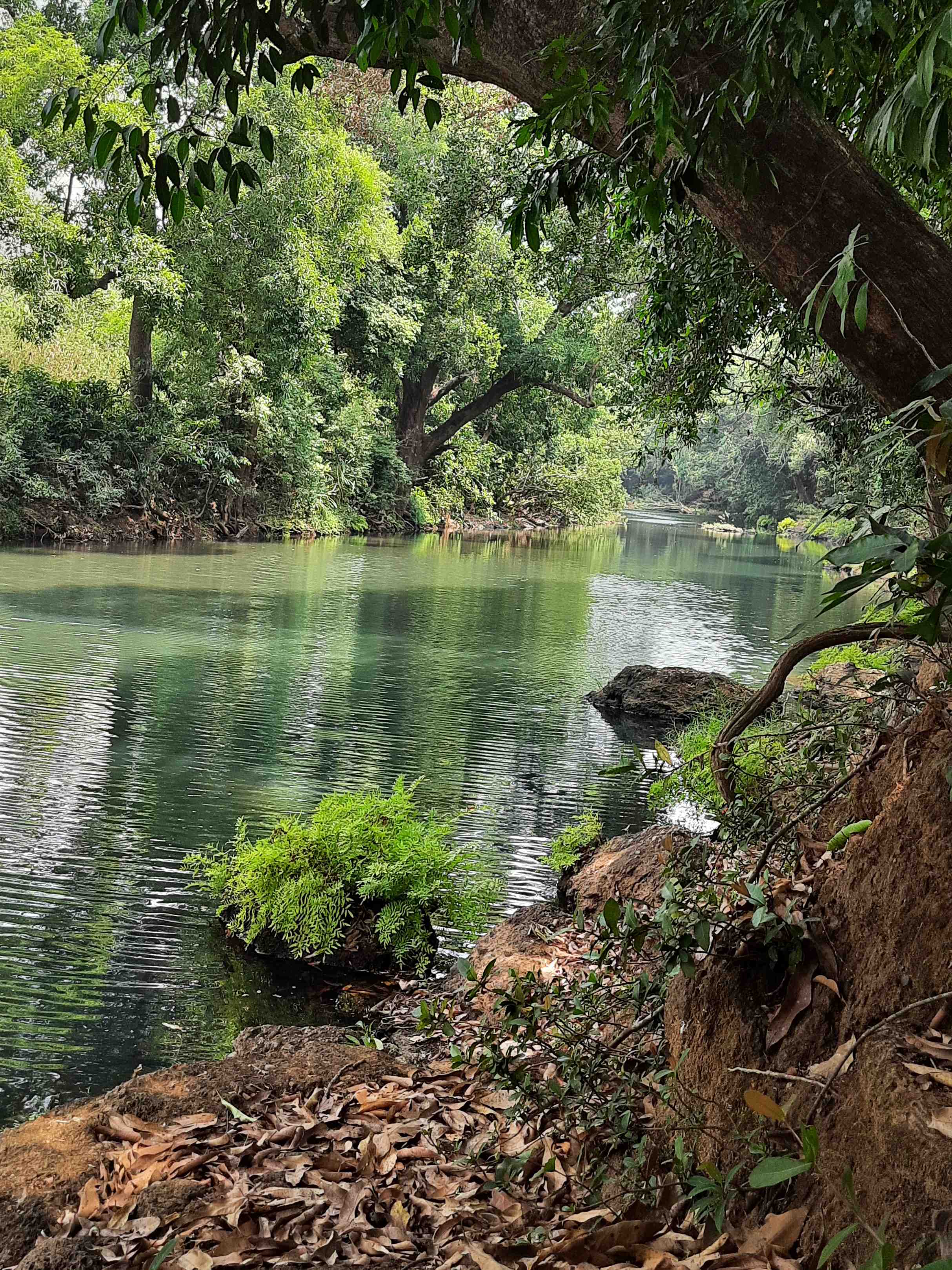
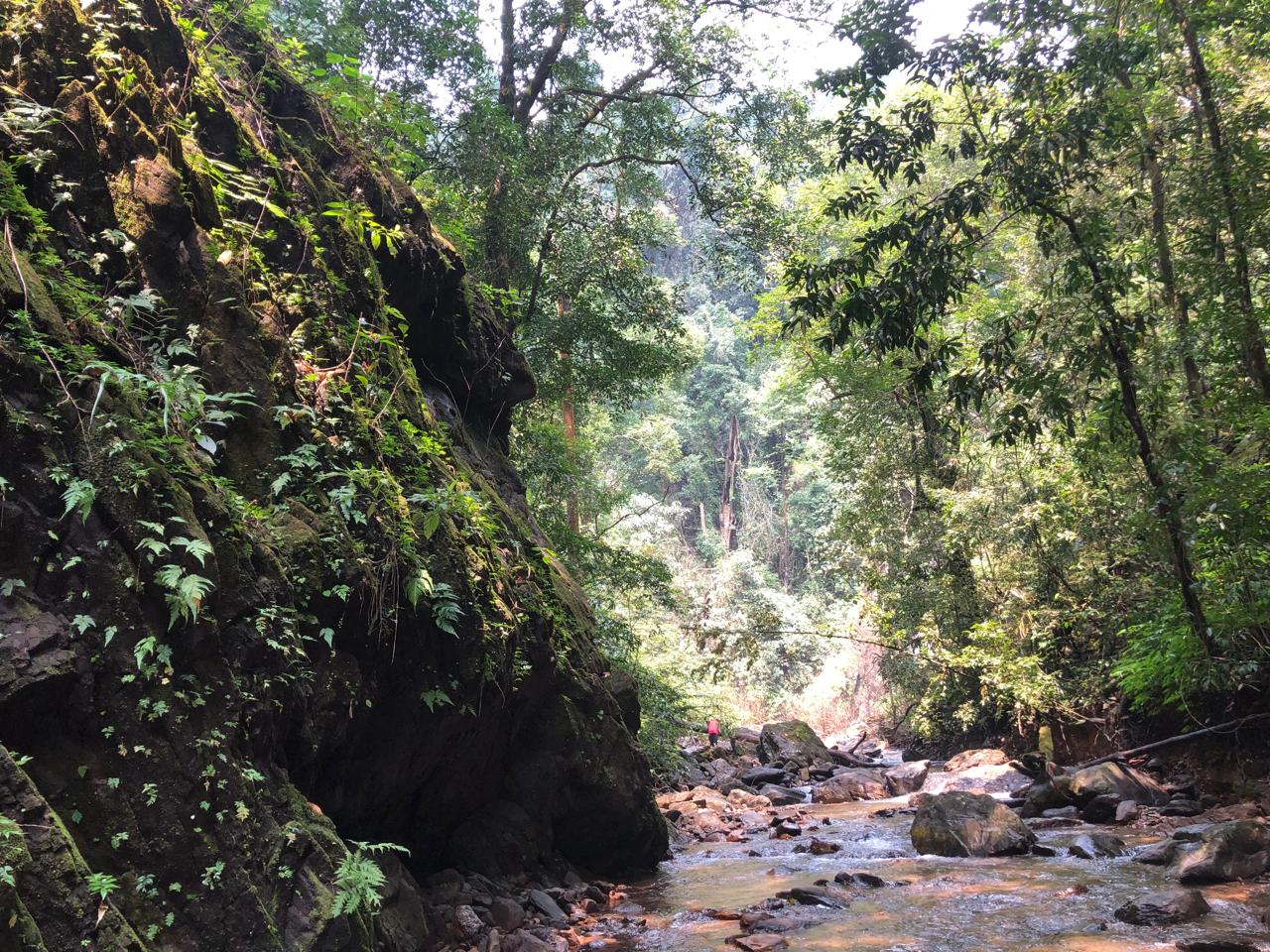
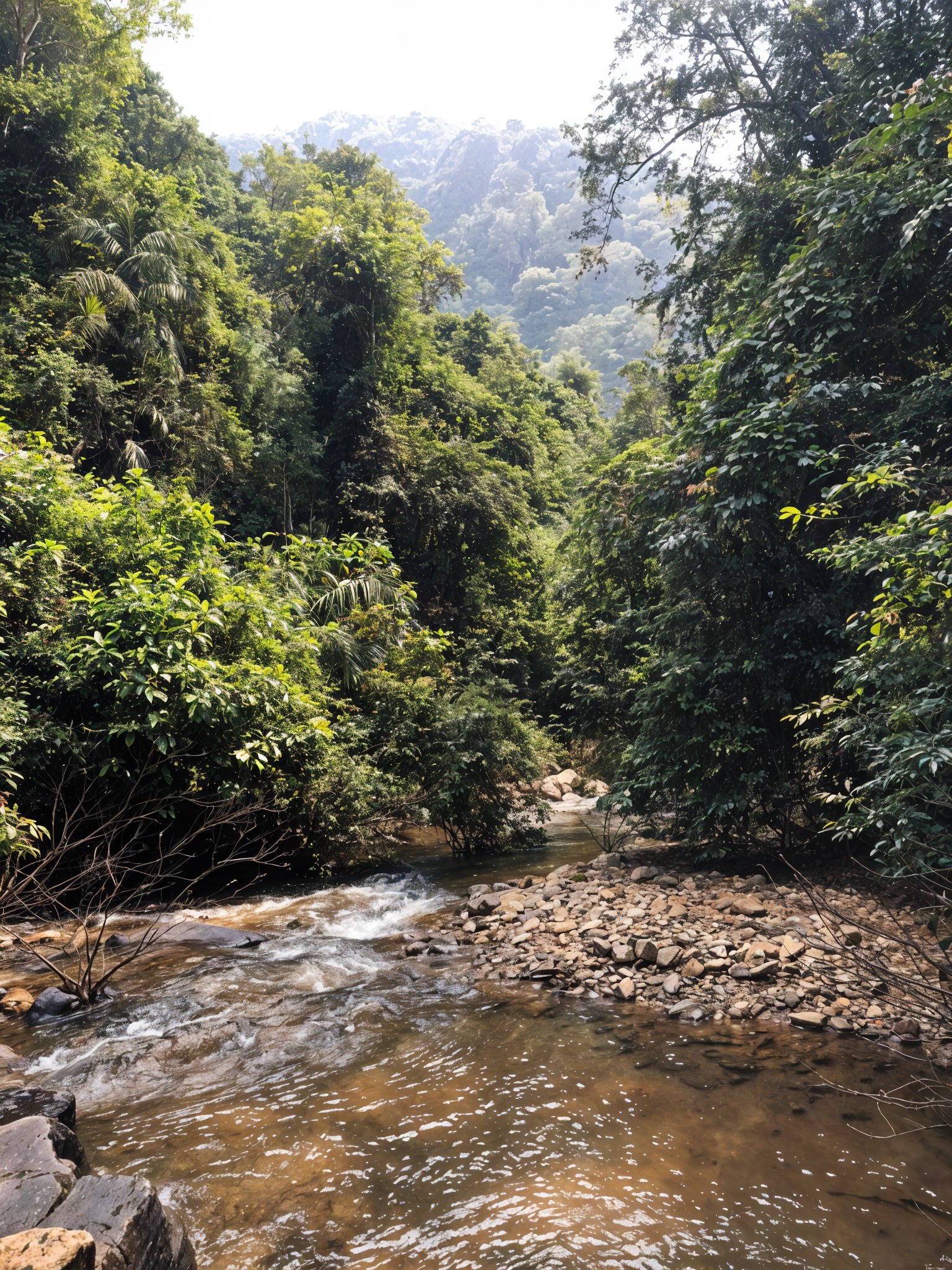
Located in the Canacona taluka of South Goa, the Cotigao Wildlife Sanctuary is the second-largest protected area in the state. Unlike the more famous Dudhsagar Falls, which can feel overcrowded, Cotigao offers a sense of isolation and raw nature. The sanctuary is known for its multi-layered forest canopy, where some trees reach heights of over 30 meters, blocking out much of the direct sunlight and creating a cool, humid environment perfect for hiking.
The Trek to Cotigao Waterfall
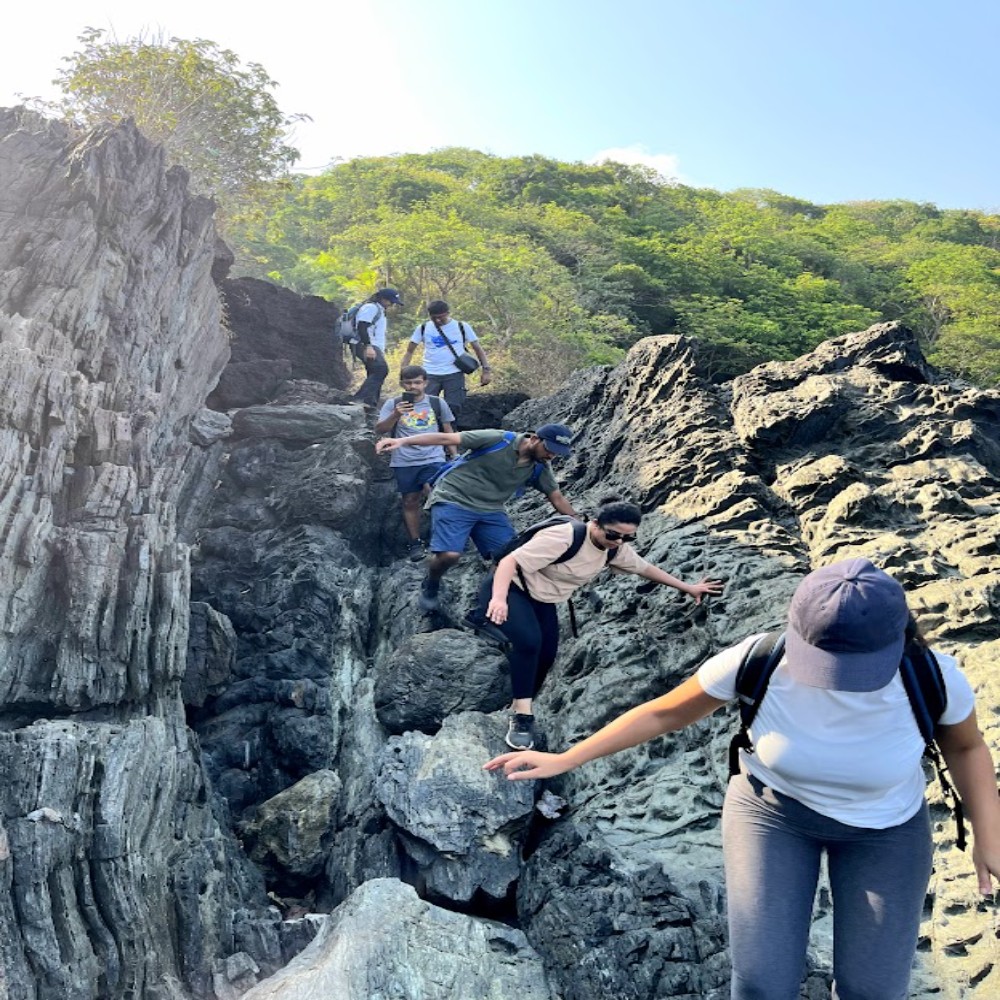
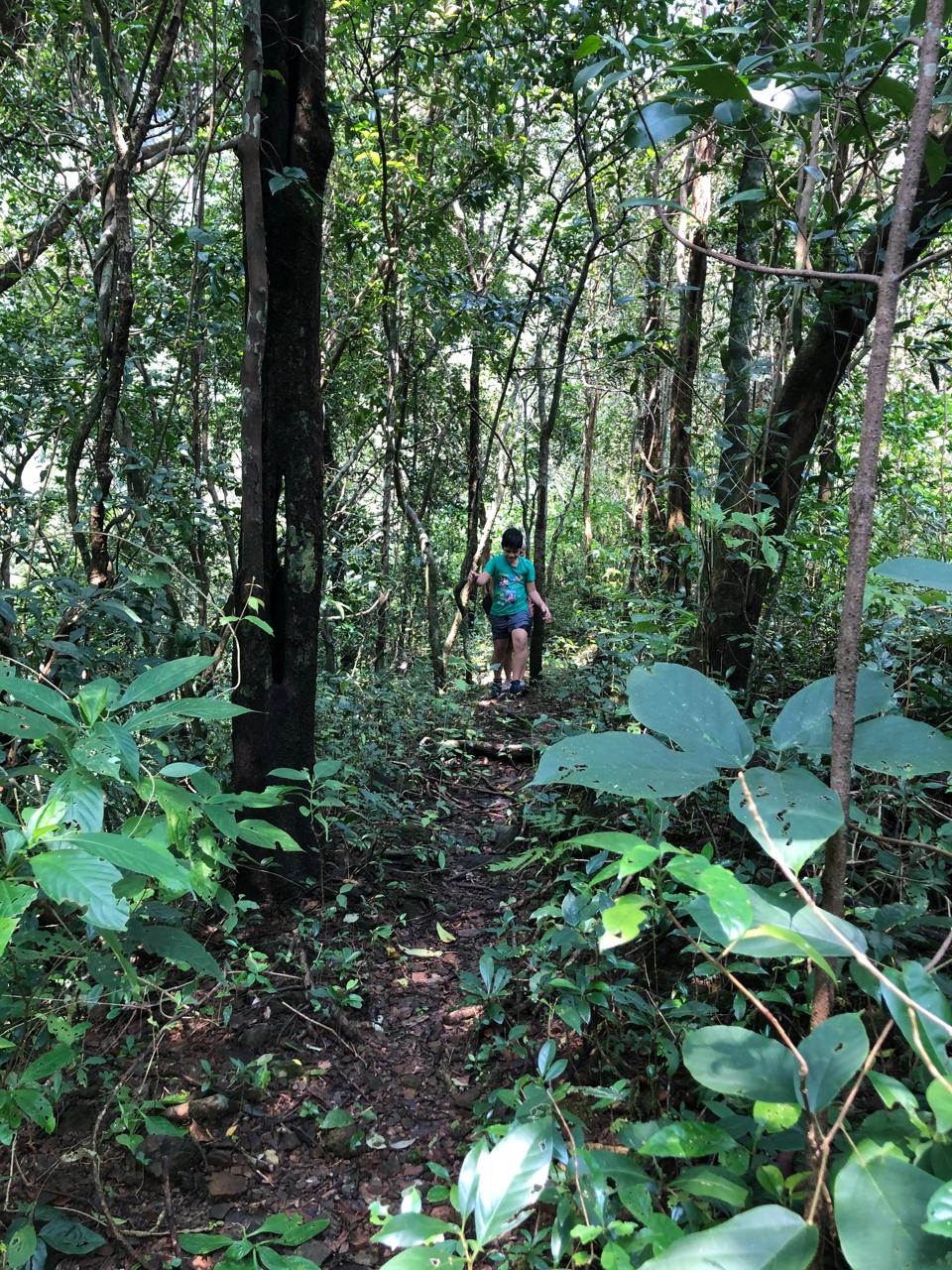
The trek technically begins near the Kuskem village, which serves as the gateway to this specific waterfall. The trail is approximately 2 to 2.5 kilometers long (one way) and is classified as moderate. While the distance is relatively short, the terrain is uneven. You will navigate through thick undergrowth, step over protruding tree roots, and cross small forest streams that can be ankle-deep depending on recent rainfall.
The path is not always clearly marked, which is why a local forest guide is highly recommended and often required by sanctuary authorities. These guides are usually residents of the nearby villages who possess intimate knowledge of the forest's shortcuts and safety concerns.
What to Expect at the Waterfall
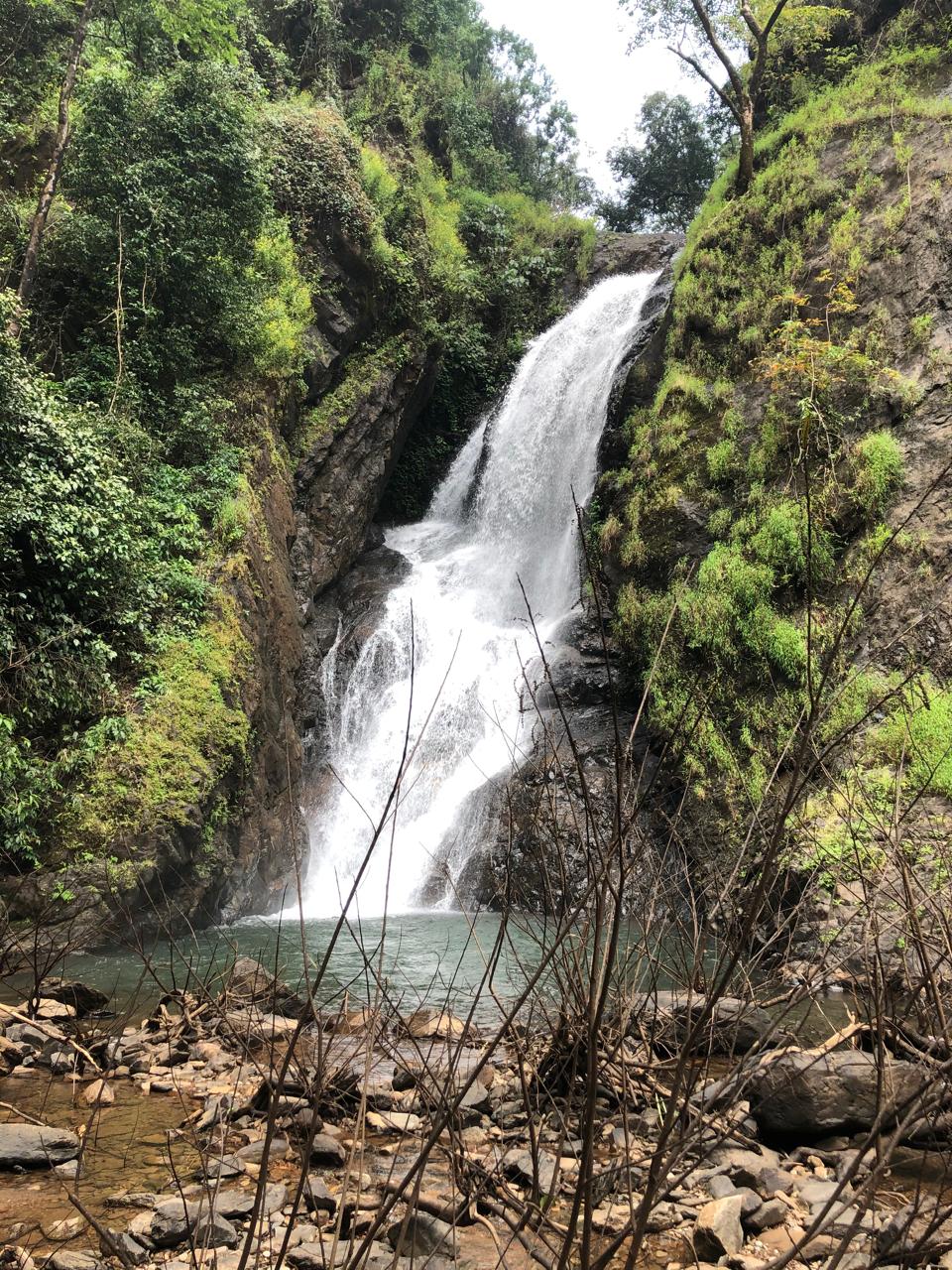
The waterfall itself is a seasonal beauty, most active from the tail end of the monsoon through the early winter months. It drops from a height of about 30 meters into a natural rock pool. The pool varies in depth but generally offers areas safe for a dip. The water is significantly cooler than the ocean, providing a refreshing break after the humid trek. The area surrounding the falls is composed of large, often slippery basalt rocks, so caution is necessary when moving around the base.
Wildlife and Biodiversity
One of the primary reasons travelers choose Cotigao is the high probability of seeing unique Goan wildlife. Keep an eye out for the Malabar Giant Squirrel, which is frequently spotted in the upper canopy. The sanctuary is also a haven for birdlife; you might hear or see the Malabar Pied Hornbill, White-bellied Woodpeckers, and various species of Kingfishers. While larger mammals like leopards and sloth bears inhabit the deep interior of the sanctuary, they are rarely seen by trekkers. However, your guide may point out tracks or signs of wild boar and barking deer along the trail.
Best Time to Visit
Timing is critical for this activity. The best time to visit is from October to February. During these months, the forest is lush, the waterfall has a steady flow, and the trails are manageable.
- Monsoon (June to September): The waterfall is at its most powerful, but the sanctuary may occasionally close due to heavy rains or safety risks. Leeches are very active during this period.
- Post-Monsoon (October to December): Ideal conditions. The water is clear, and the weather is pleasant for hiking.
- Summer (March to May): The waterfall may reduce to a trickle or dry up entirely. The trek remains a good forest walk, but the reward at the end is less dramatic.
Fitness and Difficulty Level
The trek is suitable for individuals with a basic to moderate level of fitness. It is not a flat walk; there is an elevation gain of roughly 100 meters, and the humidity within the forest can be taxing. It is generally suitable for children above the age of 10 and active adults. It is not recommended for those with chronic knee issues or severe respiratory conditions due to the uneven footing and humid air.
Practical Information for Travelers
How to Reach
Cotigao is located about 85 km from Panjim and 45 km from Margao. The nearest popular beaches are Palolem and Agonda, which are roughly 25-30 km away. There is no reliable public transport to the sanctuary gate or Kuskem village. It is best to hire a private taxi for the day or ride a powerful scooter/motorcycle if you are an experienced rider. Ensure you have a full tank of fuel before leaving the coastal highway.
Entry Fees and Permissions
Visitors must register at the sanctuary's main gate. There is a nominal entry fee (usually between ₹20 to ₹50 per person). Additional fees apply for cameras and vehicles. You will also need to pay for a guide if you haven't booked a pre-arranged tour.
What to Carry
- Footwear: Closed-toe shoes with good grip are mandatory. Avoid flip-flops or smooth-soled sandals.
- Hydration: Carry at least 2 liters of water per person. There are no shops inside the forest.
- Clothing: Lightweight, moisture-wicking clothes are best. Long trousers can help protect against leeches and thorny bushes.
- Salt/Tobacco: If trekking in the wet season, carrying a small pouch of salt is useful for removing leeches.
- Dry Bag: Essential for protecting your phone and camera from humidity or accidental splashes at the pool.
Nearby Attractions
If you have a full day, consider visiting the Cotigao Interpretation Centre near the main gate to learn about the local ecosystem. There is also a treetop watchtower located about 6 km from the sanctuary entrance which offers a panoramic view of the forest canopy and a nearby watering hole where animals occasionally gather.
- Guided trek to the waterfall
- Sanctuary entry permits
- Local forest guide fees
- Briefing on local flora and fauna
- Hotel pickup and drop-off
- Bottled water and snacks
- Swimwear and towels
- Camera fees (payable at the gate)
Have questions about this activity?
Chat with our local experts for instant help and best deals!