Crocodile Spotting and Birdwatching Tour in North Goa
per / person. Taxes & convenience fees might apply.
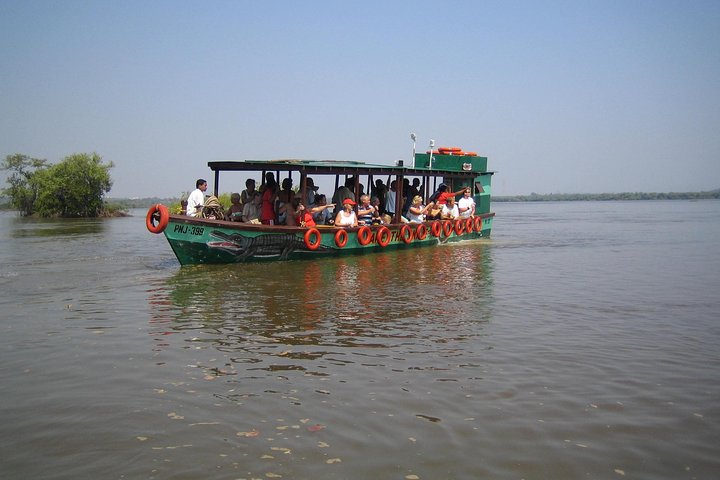
- Guided boat safari through the Cumbarjua Canal backwaters.
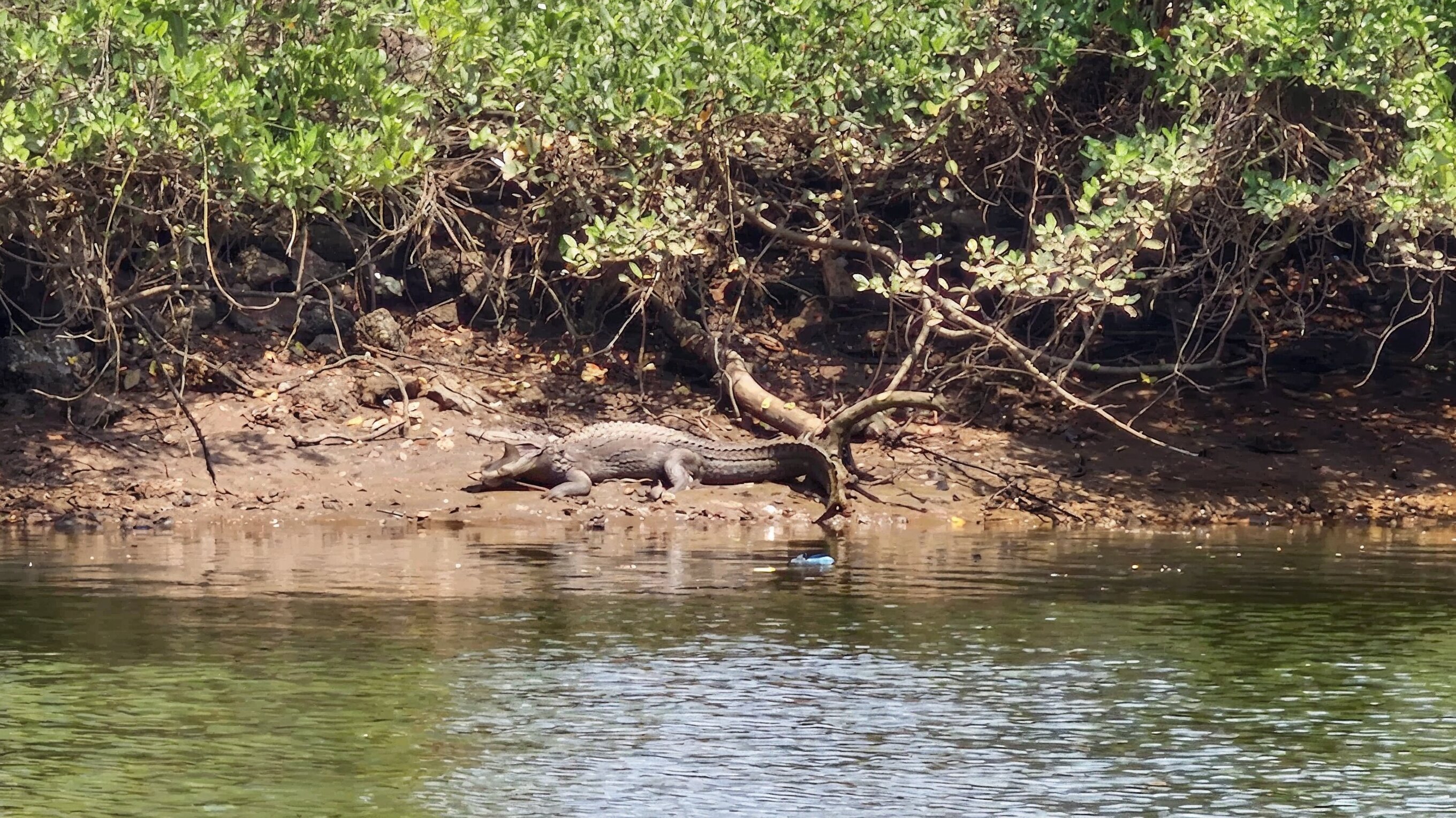
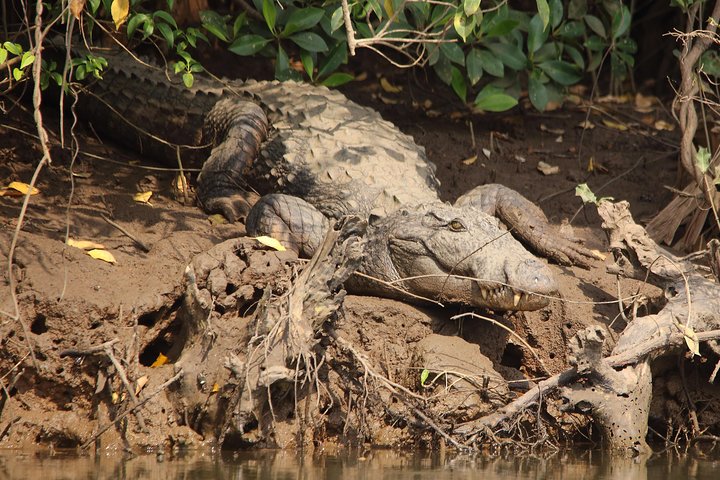
- High probability of spotting Marsh Crocodiles basking on riverbanks.
- Excellent birdwatching including Kingfishers, Egrets, and Kites.
- In-depth explanation of the mangrove ecosystem by a local guide.
- Safe and stable boat ride suitable for all age groups.
Exploring the Wildlife of the Cumbarjua Canal
The Cumbarjua Canal is a 15-kilometer stretch of water that connects the two main rivers of Goa, the Mandovi and the Zuari. This brackish water canal is a unique ecosystem and serves as a sanctuary for the Mugger crocodile (Crocodylus palustris), also known as the Marsh crocodile. On this tour, you leave the typical tourist trails behind to enter a world of dense mangroves, silent waterways, and sun-drenched mudbanks.
Why Travelers Choose This Activity
Most visitors come to Goa for the beaches, but the inland waterways offer a completely different perspective of the state. Travelers choose this tour because it provides a guaranteed sighting of Goa's apex river predator in a safe, controlled environment. It is a slow-paced activity that appeals to those who appreciate nature and want to learn about the local ecology from guides who understand the river's rhythm. It is also one of the few activities in Goa that is equally engaging for young children and elderly travelers, as it requires no physical exertion.
What to Expect on the Water
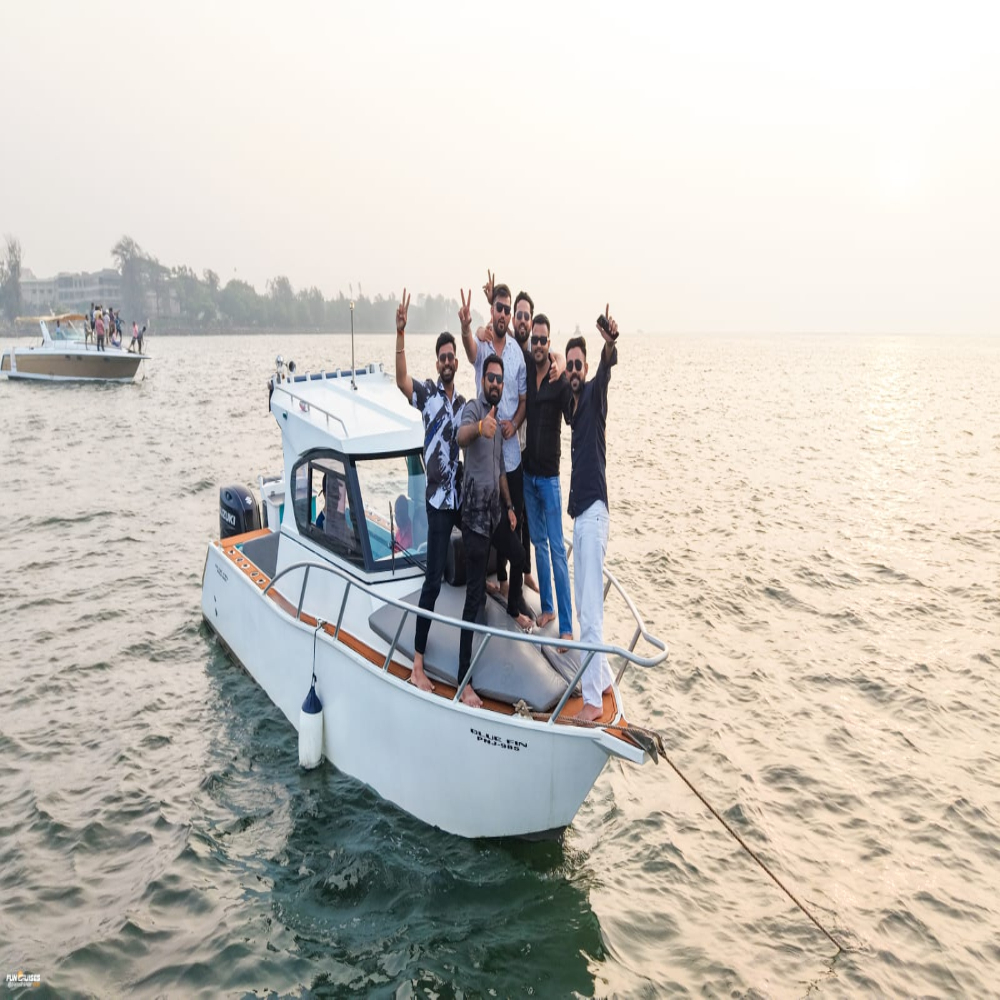
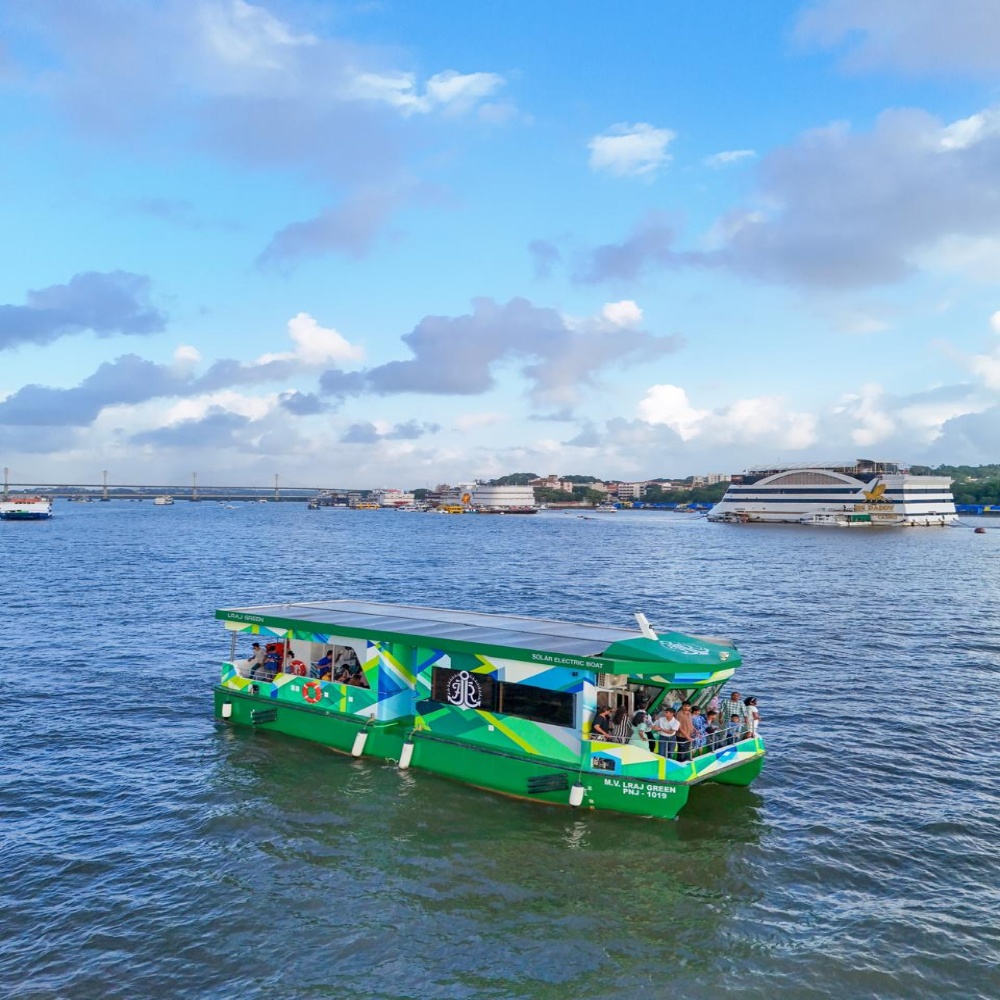
The tour typically begins at the St. Estevam ferry jetty or nearby points in Tiswadi. You will board a stable, motorized boat equipped with safety gear. As the boat drifts through the narrow mangrove creeks, the engine is often throttled back to minimize disturbance. Your guide will point out crocodiles basking on the banks—a behavior used to regulate their body temperature. You will often see them with their mouths open, a cooling mechanism that makes for excellent photography. Beyond the crocodiles, the canal is a haven for birdlife. You can expect to see several species of kingfishers, brahminy kites, ospreys, and various herons wading through the shallows at low tide.
Detailed Species Guide: Birds and Reptiles
The Mugger Crocodile
The crocodiles found here are unique because they have adapted to the saline conditions of the canal, even though they are primarily freshwater reptiles. They are generally shy and will slide into the water if approached too quickly, which is why our captains maintain a respectful and safe distance. You will learn about their nesting habits and their role in the local Goan folklore.
Avian Life
For birdwatchers, this tour is a goldmine. The mangroves provide a perfect nesting ground. Look out for the Stork-billed Kingfisher with its oversized red beak, or the White-bellied Sea Eagle circling above. During the winter months (November to February), the variety increases as migratory birds arrive from colder regions.
The Mangrove Ecosystem
The tour isn't just about the animals; it’s about the environment they live in. Your guide will explain the importance of mangroves in protecting Goa's coastline from erosion and providing a nursery for fish and crabs. You will see different species of mangroves with their distinct aerial roots (pneumatophores) sticking out of the mud like snorkels.
Practical Information for Travelers
Best Time to Visit
The best months for this activity are from October to May. During the monsoon (June to September), the river levels rise, and the crocodiles are much harder to spot as they don't need to bask as frequently. The ideal time of day is during low tide, as this exposes the mudbanks where the crocodiles rest. Morning slots (8:00 AM – 10:00 AM) are usually the best for bird activity and comfortable temperatures.
Difficulty and Accessibility
This is a low-difficulty activity. There is no trekking or swimming involved. Participants simply need to be able to step on and off the boat. It is highly suitable for families with infants and senior citizens. The boat has a canopy to provide shade from the tropical sun.
What to Wear and Carry
- Clothing: Wear light, breathable cotton clothes. Earthy tones (greens, browns, greys) are better for wildlife watching than bright neon colors.
- Footwear: Sandals or flip-flops are fine as you will stay on the boat.
- Sun Protection: Bring a hat, sunglasses, and sunscreen.
- Gear: A camera with a zoom lens (at least 200mm) is recommended for crocodile shots. Binoculars are highly recommended for birdwatching.
Safety and Ethics
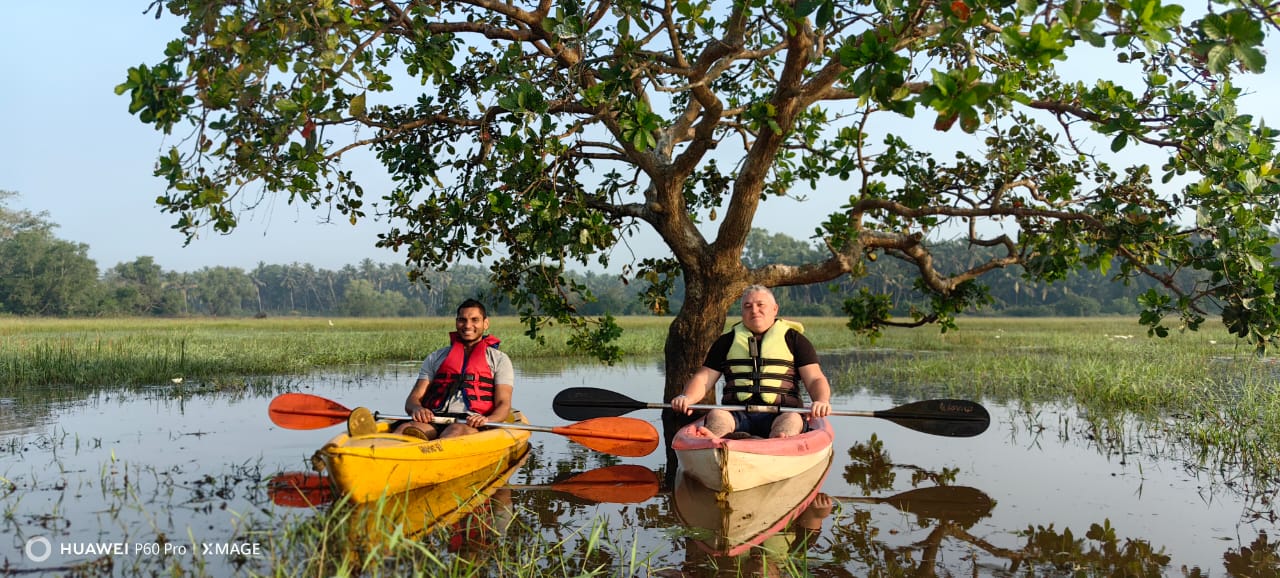
Safety is our primary concern. All passengers are required to wear life jackets provided on the boat. We follow strict ethical guidelines: no feeding of crocodiles and no littering in the canal. We maintain a distance that ensures the animals do not feel threatened, allowing you to observe their natural behavior without interference.
Location and How to Get There
The activity takes place in St. Estevam, North Goa (Tiswadi taluka). This area is about 30-40 minutes from Panjim and about 60-70 minutes from the Calangute/Baga beach belt. Since public transport to these jetty points is limited, it is best to arrive via a pre-booked taxi or a self-drive vehicle. There is ample parking space near the jetty area.
Important Booking Information
Tours are subject to tidal conditions. If the tide is too high, we may reschedule your slot to ensure you have the best chance of seeing crocodiles. It is advisable to book at least 24-48 hours in advance, especially during the peak season of December and January. Please arrive at the jetty 15 minutes before your scheduled departure.
- 1.5 to 2-hour boat safari
- Services of a local naturalist guide
- Life jackets and safety equipment
- Bottled water
- Hotel pickup and drop-off
- Binoculars (available for rent on request)
- Snacks and meals
- Professional photography fees
Have questions about this activity?
Chat with our local experts for instant help and best deals!