Ocean Trek: The North Goa Hippie Trail
per / person. Taxes & convenience fees might apply.
- Guided coastal trek along the historic cliffside paths of North Goa.
- Visit secluded coves and hidden beaches inaccessible by road.
- Learn about the 1960s and 70s hippie history from a local expert.
- Panoramic views of the Arabian Sea from the Vagator cliffs.
- Trek through diverse terrain including laterite plateaus and sandy shores.
Discover the Coastal Heritage of North Goa
The Ocean Trek Hippie Trail is more than just a physical activity; it is a journey through the evolution of Goa’s tourism. This trail follows the natural coastline, connecting the iconic beaches of Anjuna, Vagator, and Chapora. While most tourists see these areas from the seat of a scooter, this trek takes you along the ancient footpaths and laterite plateaus that were once the primary routes for the original bohemian settlers of the 1970s.
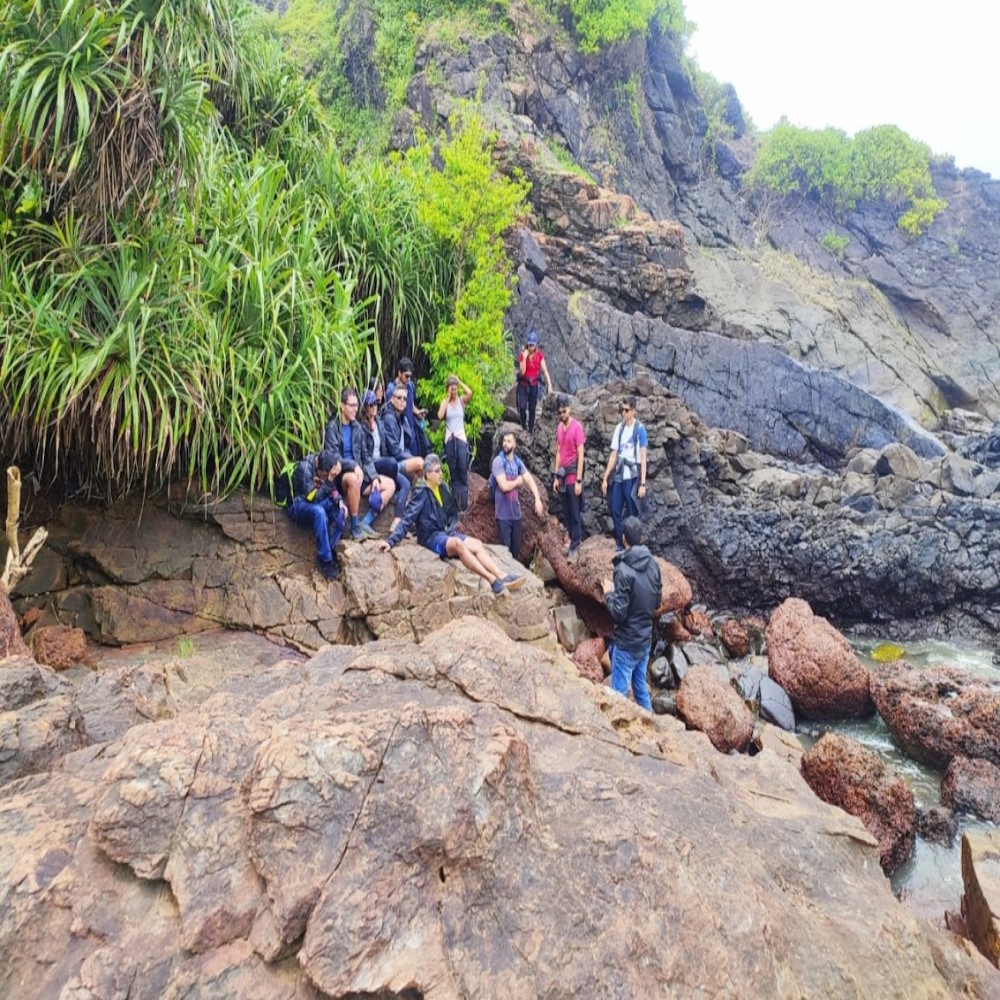
As you walk, you will experience the raw, untamed side of North Goa. The route is characterized by high cliffs overlooking the Arabian Sea, secluded coves that are inaccessible by road, and dramatic rock formations. The trek provides a quiet contrast to the bustling shacks and markets, allowing you to appreciate the natural geography of the Konkan coast.
Why Travelers Choose the Hippie Trail Trek
Most visitors to Goa stick to the paved roads and popular beach fronts. Travelers choose this trek because it offers exclusive access to parts of the coastline that remain largely unchanged. It is a favorite for those who enjoy photography, as the elevated viewpoints provide panoramic vistas of the ocean that you simply cannot get from the beach level.
- Historical Context: Learn about the origins of the hippie movement in Goa and how places like Anjuna became global hubs for alternative living.
- Natural Beauty: Explore hidden coves and tidal pools that are tucked away between the major headlands.
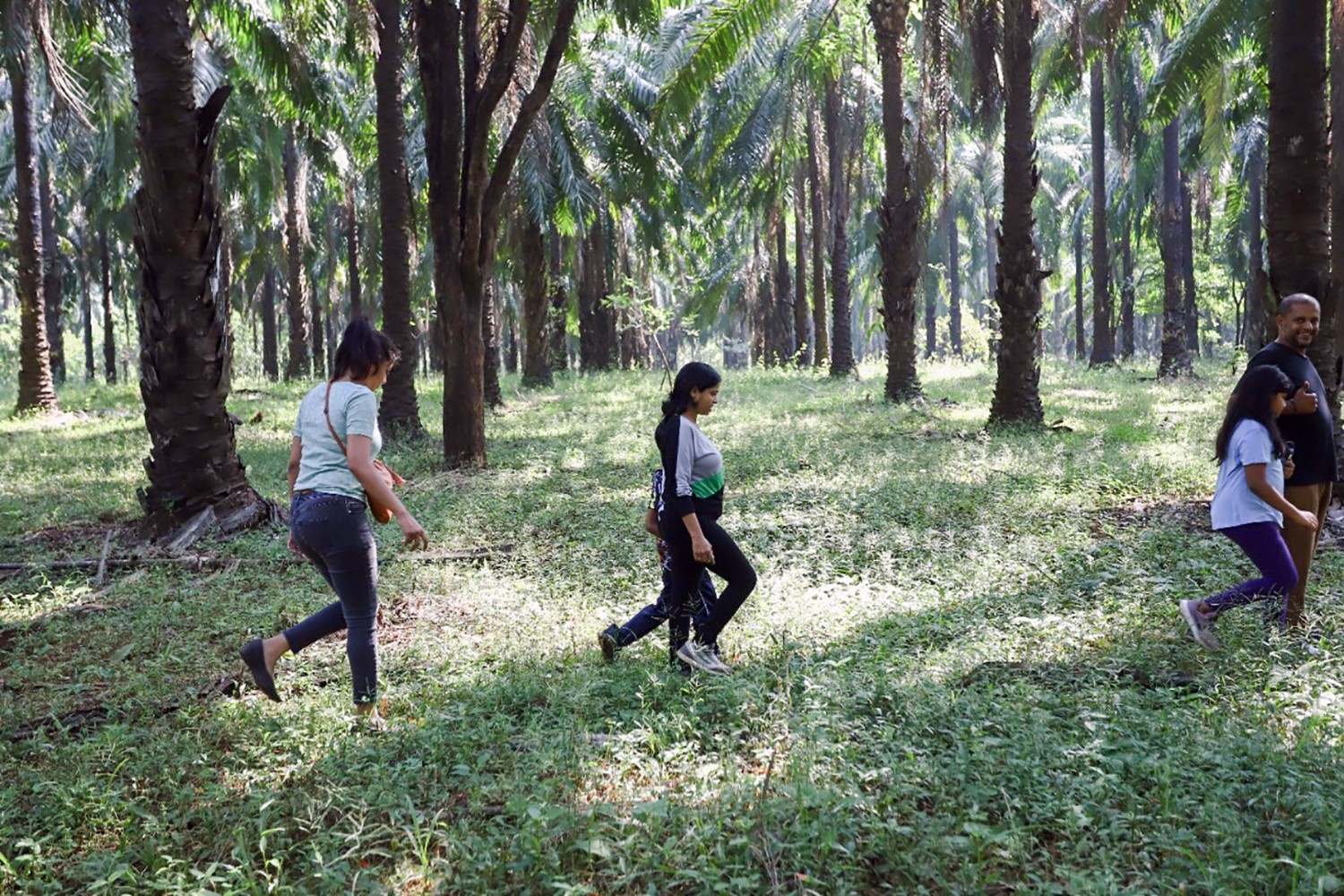
- Physical Activity: It is a great way to stay active, offering a moderate workout that combines hiking with beach walking.
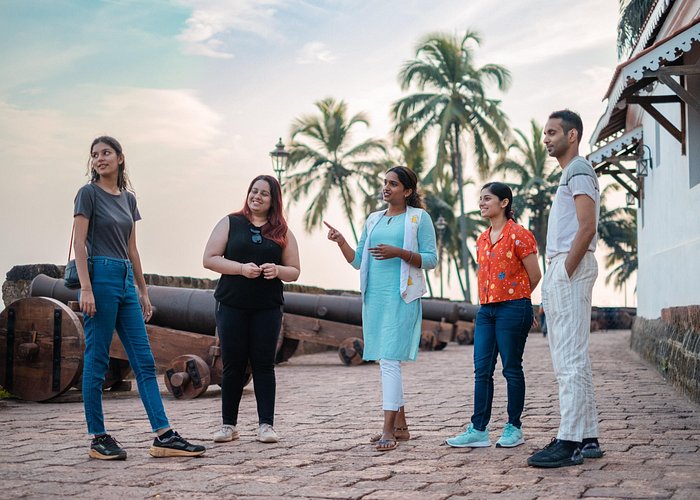
- Local Insights: Our guides share stories of the legendary figures and landmarks that shaped the local culture.
Detailed Route and What to Expect
The trek typically begins near the northern end of Anjuna Beach. From here, the path ascends onto the laterite plateau. The terrain is a mix of hard-packed red soil, rocky outcrops, and sandy stretches. You will navigate through Ozran Beach (often called Little Vagator), passing by the famous rock carving of Shiva, and continue toward the towering cliffs of Big Vagator.
The Cliffside Walk
This is the most scenic part of the journey. Walking along the edge of the cliffs (at a safe distance), you will have the vast Arabian Sea to your left. On clear days, the water is a brilliant blue, and you can see local fishing boats traditional to the Goan coast. Your guide will point out the abandoned villas and old stone structures that once served as communes and retreats for travelers decades ago.
Hidden Coves and Swimming Stops
One of the highlights of the Hippie Trail is descending into small, nameless coves. These spots are perfect for a quick break. Depending on the tide and sea conditions, there may be opportunities for a quick dip in the sea in areas away from the main tourist crowds. These secluded spots offer a sense of tranquility that is rare in North Goa.
Ending at Chapora Fort
The trek usually concludes near the base of the Chapora Fort. This 17th-century Portuguese fortification offers the perfect vantage point to look back at the route you have just conquered. It is a symbolic end to the trek, as the fort has long been a gathering point for sunset watchers and history enthusiasts alike.
Difficulty Level and Physical Requirements
We categorize this trek as Moderate. While you do not need professional climbing experience, you should have a reasonable level of fitness. The trail involves several ascents and descents on uneven, rocky terrain. Some sections can be narrow, and the laterite rock can be slippery, especially if there has been recent rain.
Note for Travelers: This trek is not recommended for individuals with severe knee issues, heart conditions, or a significant fear of heights (vertigo), as several sections of the path run along the cliff edges.
Best Time to Visit
The ideal window for the Ocean Trek is from October to March. During these months, the weather is dry, and the sea breeze keeps the temperature manageable. We recommend starting the trek as early as possible—ideally by 8:00 AM—to finish before the midday sun becomes too intense.
Monsoon Suitability
During the monsoon months (June to September), the trail becomes incredibly lush and green. However, it also becomes much more challenging. The rocks can be very slippery, and the wind on the cliffs can be strong. If you choose to trek during the monsoon, sturdy footwear with excellent grip is mandatory, and you should be prepared for sudden rain showers.
What to Wear and Carry
To ensure a comfortable experience, we recommend the following:
- Footwear: Proper hiking shoes or sneakers with good tread. Do not attempt this trek in flip-flops or sandals.
- Clothing: Lightweight, breathable cotton or dry-fit clothing. A hat or cap is essential for sun protection.
- Hydration: Carry at least 1.5 to 2 liters of water per person. There are no shops along the cliffside sections of the trail.
- Sun Protection: Apply sunscreen before starting and bring sunglasses.
- Small Backpack: To keep your hands free while navigating rocky sections.
Important Booking Information
When booking the Ocean Trek Hippie Trail, please ensure you provide your local contact number. The meeting point is usually a well-known landmark in Anjuna or Vagator. Transfers to the starting point are typically not included, but we can help arrange a taxi if needed. This activity is best enjoyed in small groups to ensure the guide can provide personalized attention and maintain safety standards along the trail.
Local Travel Tips
If you are staying in areas like Calangute or Baga, allow at least 30 minutes for travel to the meeting point in Anjuna. Parking is usually available near the starting point, but it is often easier to arrive by taxi or rented scooter. After the trek, we recommend visiting one of the local juice centers or heritage cafes in Chapora to relax and soak in the local atmosphere.
- Professional local guide
- Historical narration and cultural insights
- Basic first aid support
- Light refreshments (fruit/biscuits)
- Hotel pickup and drop-off
- Heavy meals or lunch
- Alcoholic beverages
- Personal expenses
Have questions about this activity?
Chat with our local experts for instant help and best deals!