Introduction to Chapora fort
Perched majestically atop a high hill overlooking the swirling waters of the Arabian Sea and the serpentine Chapora River, Chapora Fort stands as one of the most iconic landmarks in North Goa. Located in the vibrant village of Bardez, this ancient fortification is far more than just a collection of weathered laterite stones; it is a silent witness to the shifting tides of Goan history, from the era of Islamic sultanates to the Portuguese colonial period and the modern-day influx of global travelers. For many, the fort is synonymous with the spirit of freedom and friendship, largely due to its starring role in the 2001 Bollywood cult classic Dil Chahta Hai, which transformed this quiet ruin into a mandatory pilgrimage site for every visitor to the sunshine state.
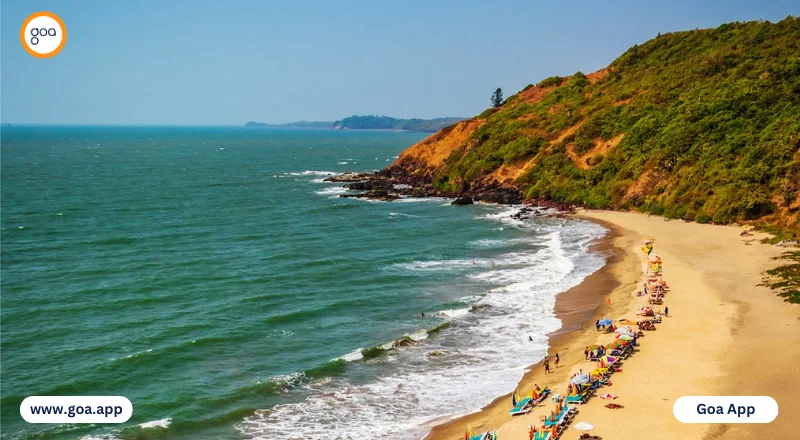
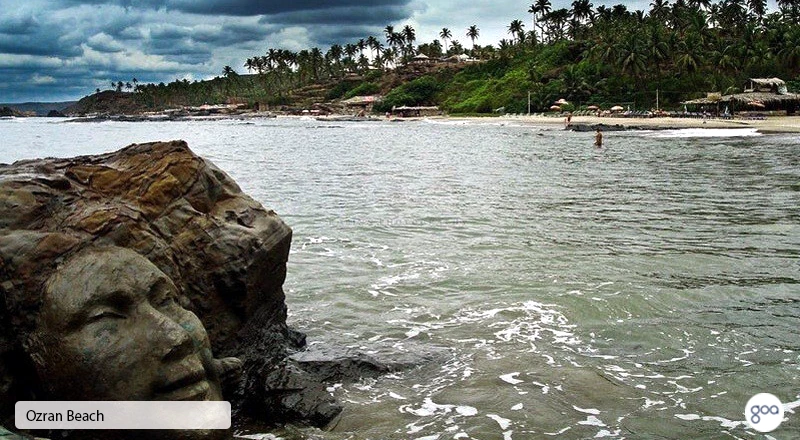
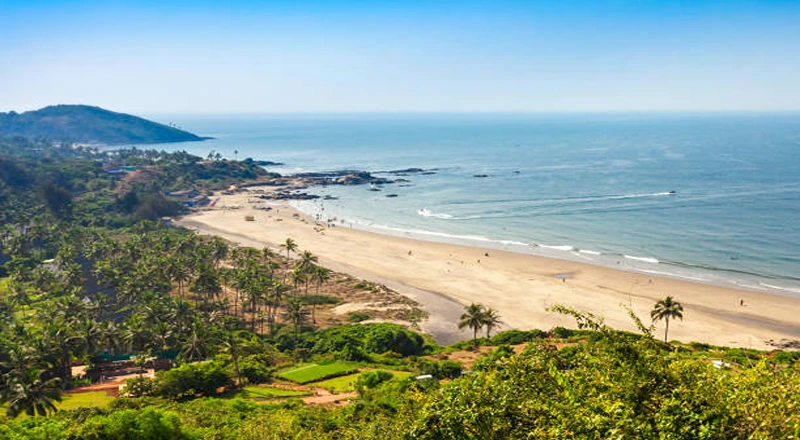
The fort offers a breathtaking 360-degree panorama that captures the very essence of Goa’s coastal beauty. To the south, the crescent-shaped shores of Vagator Beach and Ozran Beach (often called Little Vagator) stretch out in a golden arc, framed by swaying coconut palms and dark volcanic rocks. To the north, the view extends across the mouth of the river toward the tranquil stretches of Morjim Beach, famous for its Olive Ridley turtle nesting sites. The atmosphere here is thick with the scent of the salty sea breeze and the rustling of dry grass that covers the interior of the fort. Whether you are a history buff looking to trace the footsteps of Maratha warriors and Portuguese soldiers, or a photography enthusiast seeking the perfect golden hour shot, Chapora Fort provides an immersive experience that bridges the gap between Goa's militant past and its bohemian present.
As you begin the steep climb up the laterite-paved path from the Vagator side, you immediately feel a shift in energy. The hustle and bustle of the nearby cafes and markets fade away, replaced by the grandeur of the open sky and the imposing red walls of the fortress. Chapora Fort is not just a destination; it is a viewpoint into the soul of Goa, offering a perspective that allows you to see the coastline not as a series of disconnected beaches, but as a continuous, living landscape shaped by nature and human ambition alike.
History of Chapora fort
The history of Chapora Fort is a complex tapestry of conquest, loss, and strategic maneuvering. Long before the Portuguese set foot on Indian soil, the site was recognized for its military value. The original structure was built by Adil Shah, the Sultan of Bijapur. It was known as Shahpura (Town of the Shah), a name that eventually evolved into the local "Chapora." During this period, the fort served as a northern outpost to defend the Sultanate's territories against rival local chieftains and the growing influence of maritime powers.
In 1510, the Portuguese, led by Afonso de Albuquerque, conquered Goa. However, the Chapora region remained a contentious border zone for decades. The Portuguese officially took control of the fort in the mid-16th century but found it difficult to maintain against the fierce resistance of the Marathas and the Desais of Pernem. One of the most significant chapters in the fort's history occurred in 1683. The legendary Maratha ruler Sambhaji, son of Chhatrapati Shivaji Maharaj, launched a massive campaign against the Portuguese. Legend has it that the Portuguese defenders were so intimidated by the Maratha forces that they surrendered the fort without a protracted fight. The Marathas held the fort for a brief period, using it as a base to launch raids into the Portuguese-held "Old Conquests."
Recognizing the strategic vulnerability of the original structure, the Portuguese completely rebuilt the fort in 1717. This is the version of the fort whose ruins we see today. The reconstruction was part of a larger defensive strategy to secure the northern borders of Goa against the Bhonsle Rajas of Sawantwadi. Despite the heavy fortifications, the fort continued to change hands. In 1739, the Bhonsles captured the fort, holding it for two years before the Portuguese regained it in 1741. Eventually, as the Portuguese expanded their territory further north into the "New Conquests" (including Pernem and Bicholim), the strategic importance of Chapora Fort began to wane. By the mid-19th century, the fort was largely abandoned by the military, leaving it to the elements and the creeping greenery of the Goan jungle. Today, it stands as a protected monument under the Archaeological Survey of India (ASI), serving as a reminder of the centuries-long struggle for dominance over the Goan coastline.
Architecture
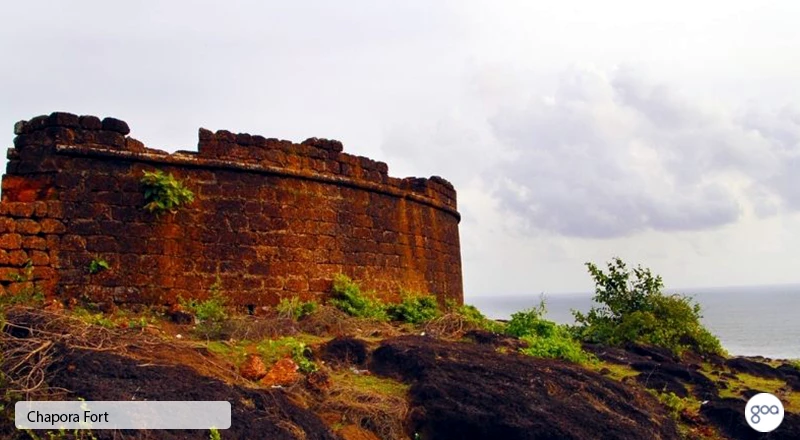
The architecture of Chapora Fort is a quintessential example of Portuguese military engineering adapted to the local terrain and materials of the Konkan coast. The primary building material is laterite, a reddish, iron-rich stone that is ubiquitous in Goa. When freshly quarried, laterite is soft enough to be cut into large blocks, but it hardens significantly upon exposure to air, making it an ideal material for enduring the heavy monsoon rains and the salty air of the Arabian Sea.
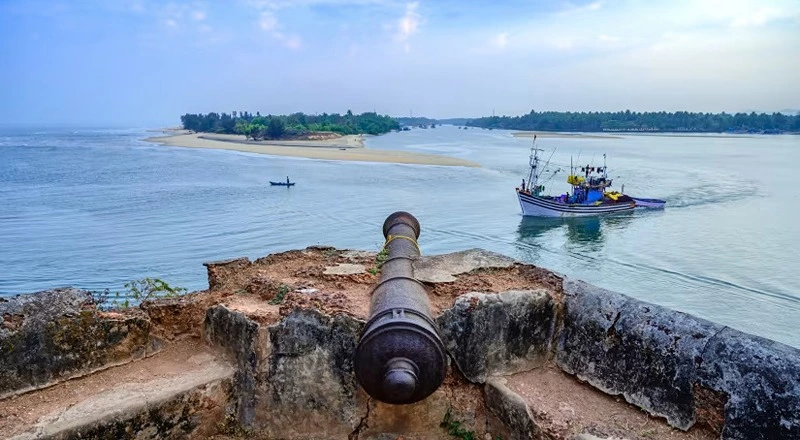
The fort follows the natural contours of the hilltop, resulting in an irregular, somewhat triangular footprint. Unlike many European forts of the era that featured perfectly symmetrical designs, Chapora was built to maximize the defensive potential of the steep cliffs that surround it. The most striking feature is the massive outer wall, which remains largely intact. These walls are punctuated by several bastions—projecting towers that allowed defenders to fire upon attackers from multiple angles. The bastions are equipped with embrasures where cannons were once mounted, pointed toward the Chapora River and the sea lanes.
The main entrance is located on the eastern side, featuring a wide gate that leads into the interior. Within the walls, the fort is surprisingly spacious, though most of the internal structures have long since crumbled. Historically, the fort would have housed barracks for soldiers, a small chapel dedicated to St. Anthony, storage rooms for gunpowder and provisions, and several wells to ensure a steady water supply during a siege. One of the most intriguing architectural rumors surrounding Chapora is the existence of underground tunnels. It is believed that secret passages were built to allow soldiers to escape to the sea or the river during an emergency, though many of these have been lost to time or filled with debris. The ramparts are wide enough for soldiers to patrol, and walking along these today provides a sense of the scale and security the fort once provided. The lack of a roof or many standing internal buildings gives the fort an airy, skeletal feel, emphasizing the raw power of the red stone against the blue sky.
Why Chapora fort is Famous
While its historical significance is undeniable, the modern-day fame of Chapora Fort is deeply rooted in Indian pop culture. In 2001, the film Dil Chahta Hai was released, featuring a pivotal scene where the three protagonists (played by Aamir Khan, Akshaye Khanna, and Saif Ali Khan) sit on the fort's ramparts, looking out at the sea and contemplating their futures. This single cinematic moment transformed the fort from a quiet historical ruin into a symbol of youth, friendship, and the quintessential "Goa road trip." To this day, the fort is affectionately referred to by many domestic tourists as the "Dil Chahta Hai Fort."
Beyond the Bollywood connection, Chapora is famous for offering arguably the best sunset views in North Goa. As the sun begins its descent, the laterite walls glow with a fiery orange hue, and the reflection on the Arabian Sea creates a shimmering path of gold. It is a place that captures the "hippie" essence of Goa—the sense of timelessness and peace that drew travelers here in the 1960s and 70s. The fort's location also makes it a prime spot for observing the unique geography of the region. From the northern walls, you can see the "meeting of the waters," where the Chapora River flows into the sea, creating complex sandbars and turquoise channels. This vista is a favorite for landscape photographers and nature lovers. Furthermore, its proximity to the trendy hubs of Vagator and Anjuna ensures it remains at the heart of the Goan social scene, serving as a quiet escape from the loud music and crowded beaches nearby.
Strategic Importance
In the 17th and 18th centuries, the strategic importance of Chapora Fort could not be overstated. It served as the northernmost sentinel of the Portuguese "Old Conquests." Its primary function was to monitor and control the entrance to the Chapora River, which was a vital artery for trade and inland navigation. Any hostile fleet attempting to sail upriver toward the heart of Goa would have to pass under the muzzles of Chapora’s cannons.
The fort also acted as a vital communication link. From its high vantage point, signals could be exchanged with other Portuguese fortifications along the coast, such as Aguada Fort to the south. This created a defensive network that allowed the Portuguese to respond quickly to maritime threats. The height of the hill provided an unobstructed view of the surrounding plains, making it nearly impossible for an enemy army—whether Maratha or Bhonsle—to approach Vagator or Assagao without being detected miles away. The steep, rocky slopes on the seaward side acted as a natural barrier, meaning the fort only needed heavy man-made defenses on its landward eastern side. Even after the Portuguese moved their borders further north, the fort remained an important symbolic presence, asserting their dominance over the local population and ensuring that the lucrative trade routes remained secure from piracy and rival colonial powers.
Best Time to Visit
To truly appreciate the beauty of Chapora Fort, timing is everything. The best time to visit is during the winter months, from November to February. During this period, the weather in Goa is pleasant, with clear blue skies and a cool breeze blowing in from the sea. The humidity is at its lowest, making the steep climb up to the fort much more manageable and enjoyable. This is also the peak tourist season, so while the fort may be busier, the surrounding area is full of life, with all the nearby cafes and boutiques in full swing.
For those who prefer a more dramatic landscape, the monsoon season (June to September) offers a completely different experience. The dry, brown grass of the fort's interior turns into a lush, vibrant green, and the dark monsoon clouds create a moody, atmospheric backdrop for photography. However, be warned: the laterite stones can become incredibly slippery when wet, and the climb can be treacherous. If you visit during the monsoon, ensure you have sturdy footwear with excellent grip.
In terms of the time of day, late afternoon is the undisputed winner. Aim to arrive around 4:30 PM. This gives you enough time to explore the ruins and find a comfortable spot on the western ramparts before the sunset begins. The "Golden Hour" at Chapora Fort is legendary, providing the best light for photos. Alternatively, early morning (around 7:00 AM to 9:00 AM) is perfect for those who want to avoid the crowds and experience the fort in meditative silence. The midday sun can be punishingly hot, as there is very little shade within the fort walls, so it is best avoided between 11:00 AM and 3:30 PM.
Timings & Entry Fee
One of the great things about visiting Chapora Fort is its accessibility. As of the current regulations, there is no entry fee to visit the fort. It is a public monument maintained by the state, making it an excellent option for budget travelers and families alike.
The official timings for the fort are generally from 9:30 AM to 5:30 PM. However, because the fort does not have a formal gate that is locked at night in the traditional sense, many visitors stay until just after sunset to catch the final rays of light. It is strongly advised not to linger too long after dark, as the terrain is uneven, there is no artificial lighting, and the descent can be dangerous without visibility. While there are no tickets required, you may occasionally find local guides near the entrance who offer to share historical stories for a small tip. While not necessary for the visit, they can provide some interesting local flavor to your tour.
Things To Do at Chapora fort
While the fort is primarily a ruin, there are several things to do that can easily fill a couple of hours of your itinerary:
- The Hike: The journey starts with a short but steep hike from the parking area. Walking up the red laterite path is a great way to get some light exercise while enjoying the changing views of Vagator.
- Exploring the Ramparts: You can walk the entire perimeter of the fort walls. This offers different perspectives of the landscape—from the dense coconut groves of the interior to the crashing waves of the Arabian Sea.
- Photography: This is a paradise for photographers. From wide-angle landscape shots to "Instagrammable" portraits on the edge of the walls, the opportunities are endless.
- Sunset Gazing: Join the dozens of travelers who sit quietly on the walls every evening to watch the sun dip below the horizon. It’s a communal experience of silence and beauty.
- Bird Watching: The thermals created by the cliffs attract various birds of prey. It is not uncommon to see kites and eagles soaring at eye level or just above the fort.
- Meditation and Reflection: If you visit in the early morning, the quietude of the ruins makes it an excellent spot for some peaceful reflection or a quick yoga session overlooking the ocean.
- Spotting the "Dil Chahta Hai" Wall: For Bollywood fans, finding the exact spot where the movie was filmed is a fun "treasure hunt" activity.
Photography Spots
If you are looking to capture the perfect shot for your travel blog or social media, Chapora Fort offers several iconic vantage points. Here are the top photography spots you shouldn't miss:
- The Southwest Corner: This is the most famous spot, offering a direct view of the Big Vagator beach. The curve of the shoreline combined with the height of the fort creates a sense of immense scale.
- The River Mouth: Head to the northern walls to capture the Chapora River meeting the sea. The contrast between the river's calm water and the ocean's waves, separated by sandbars, is visually stunning.
- The Main Gateway: The arched entrance of the fort, built from dark laterite, provides a perfect frame for portraits. The play of light and shadow inside the gateway is excellent for black-and-white photography.
- The Lone Trees: Scattered within the fort are a few hardy trees that have survived the winds. These solitary figures against the backdrop of the ruins and the sea make for very artistic, minimalist compositions.
- The "Ledge" Walk: There are sections where the wall seems to drop off into the sea. Taking a photo from a distance of someone sitting on these walls (safely!) captures the adventurous spirit of Goa.
Nearby Attractions
Chapora Fort is located in one of the most active parts of North Goa, meaning there is plenty to see and do within a 5-kilometer radius:
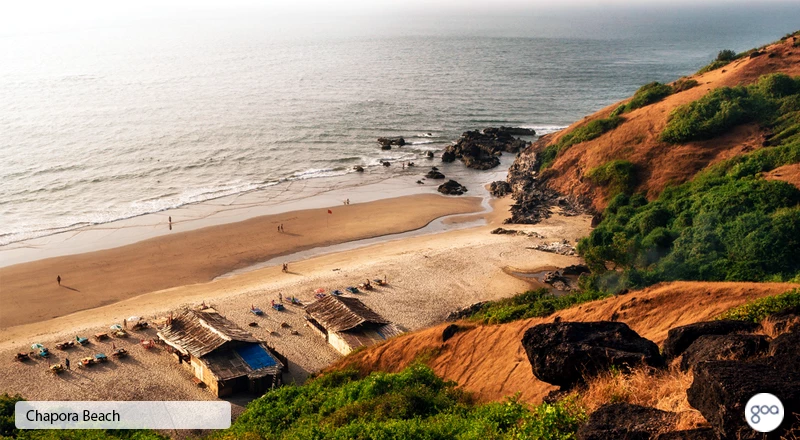
- Vagator Beach: Located right at the base of the fort, this beach is divided into "Big Vagator" and "Small Vagator" (Ozran). It’s famous for its dramatic cliffs and the carved face of Lord Shiva on one of the rocks.
- Chapora Fishing Village: At the foot of the hill lies the traditional fishing village. It’s a great place to see the local way of life, watch the colorful trawlers, and perhaps visit the Chapora Juice Centre, a legendary spot for fresh fruit shakes.
- Anjuna Beach: Just a short drive south, Anjuna is famous for its Wednesday Flea Market and its history as the original hippie destination in Goa.
- Morjim Beach: Accessible by a drive around the river, Morjim is quieter and known for its vast stretches of sand and the "Little Russia" vibe due to the many Russian expatriates living there.
- Thalassa: One of Goa's most famous Greek restaurants is located nearby in Siolim/Vagator, offering incredible views and high-end dining.
- Badem Sunset Point: For a different perspective of the river, the Badem area offers a quiet, elevated view that is less crowded than the fort.
How To Reach Chapora fort
Reaching Chapora Fort is relatively easy, as it is well-connected by road to the major hubs of North Goa. The fort is approximately 22 kilometers from the capital city of Panaji and about 10 kilometers from Mapusa, the nearest major town.
- By Scooter/Bike: This is the most popular way to reach the fort. You can rent a scooter from almost anywhere in Calangute, Baga, or Anjuna. Simply follow the signs for Vagator and then look for the "Chapora Fort" signposts. There is a designated parking area at the base of the hill for a small fee.
- By Taxi/Auto-Rickshaw: Taxis are readily available. If you are staying in South Goa, a taxi is the most comfortable option, though it can be expensive. Auto-rickshaws from Mapusa are a more budget-friendly alternative.
- By Bus: You can take a local bus from Mapusa to Vagator. From the Vagator bus stop, it is a roughly 15-20 minute walk to the base of the fort.
- The Final Ascent: Regardless of how you arrive at the base, the final stretch must be done on foot. It is a 10-minute climb up a slope. The path is made of uneven stones, so take your time.
Travel Tips
To ensure you have the best possible experience at Chapora Fort, keep these travel tips in mind:
- Wear Proper Shoes: Leave the flip-flops for the beach. The climb and the walk along the ramparts involve uneven, slippery, and sometimes sharp laterite rocks. Sneakers or hiking sandals are highly recommended.
- Stay Hydrated: There are no shops or vendors inside the fort. Carry a bottle of water with you, especially if you are visiting during the hotter parts of the day.
- Sun Protection: The fort is an open plateau with almost no shade. Wear a hat, sunglasses, and apply plenty of sunscreen to avoid a nasty sunburn.
- Watch the Monkeys: You might encounter monkeys near the entrance or on the path. Keep your food items hidden and avoid provoking them.
- Safety First: The walls of the fort do not have railings. Be extremely careful when walking near the edge, especially if it is windy or if you are trying to take a selfie.
- Keep it Clean: Chapora is a historical monument. Please do not litter. Carry your trash back down with you to the bins in the parking area.
- Visit the Juice Centre: After your descent, stop at the Chapora Juice Centre in the village. Their "Special Mixed Fruit" juice is the perfect reward for the hike.
Conclusion
Chapora Fort is a place where history and pop culture collide against a backdrop of stunning natural beauty. It is a site that rewards the curious traveler with more than just a view; it offers a sense of perspective on Goa’s long and tumultuous past. Whether you are standing on the bastions imagining the approach of a Maratha fleet or sitting with friends recreating a scene from a beloved movie, the fort provides a space for connection—to history, to nature, and to each other. It remains an essential part of the North Goa experience, a red laterite crown that continues to watch over the Arabian Sea, inviting every visitor to stop, breathe, and take in the magnificent horizon. No trip to Goa is truly complete without a sunset spent on these ancient walls, watching the world turn golden as the day comes to a close.