Night Herping Trail and Local Dinner in North Goa
per / person. Taxes & convenience fees might apply.
- Guided night forest walk with a professional herpetologist to spot rare nocturnal species.
- Observe endemic amphibians like the Malabar Gliding Frog and various tree snakes.
- Use UV torches to discover glowing scorpions and unique nocturnal insects.
- Enjoy an authentic, home-cooked Goan dinner at a local village home.
- Small group sizes ensure a safe, educational, and non-intrusive wildlife experience.
An Introduction to Night Herping in North Goa
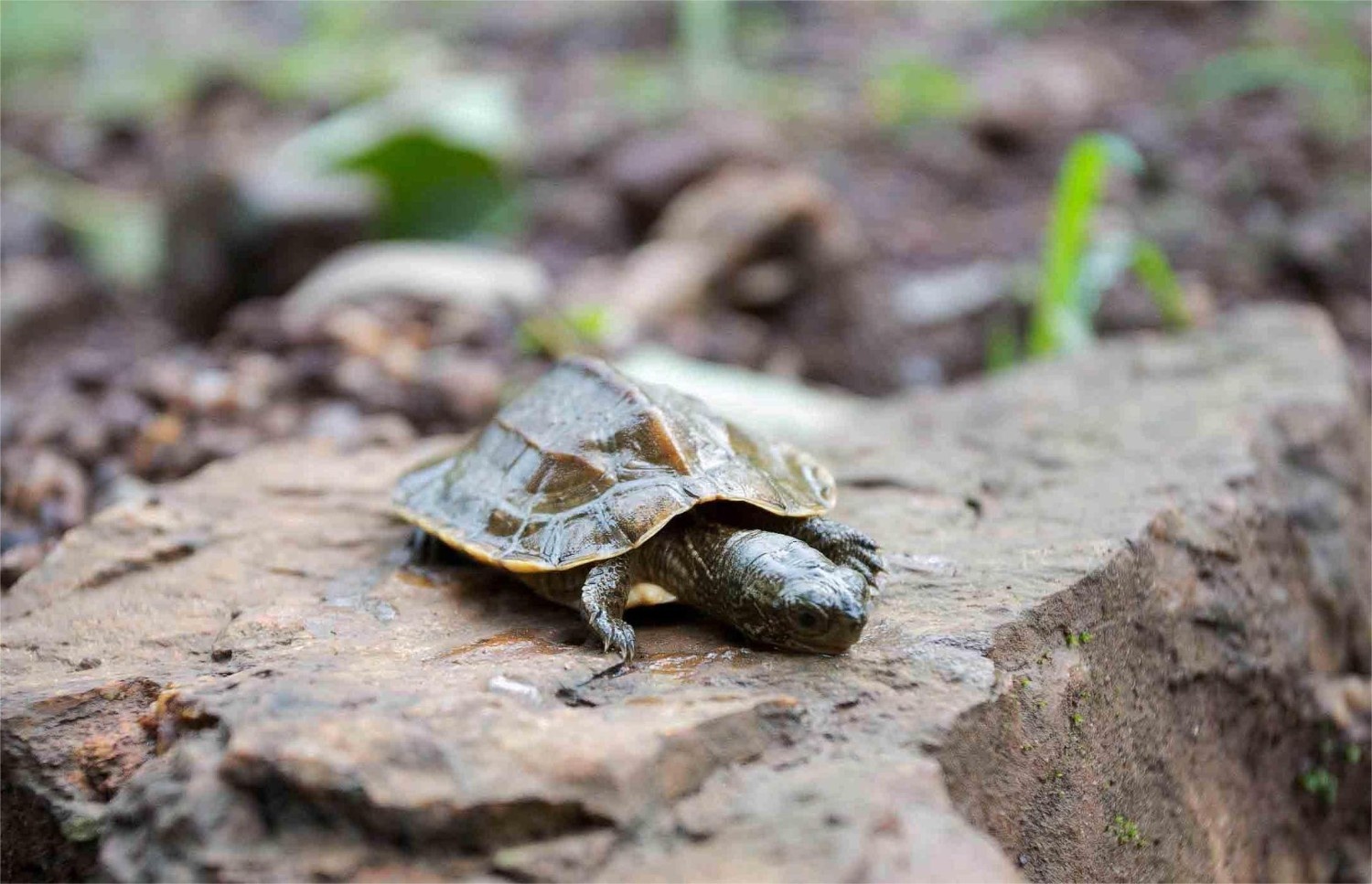
While most visitors experience Goa's beaches and nightlife, the hinterlands of North Goa offer a completely different world that comes alive after sunset. This Night Herping Trail and Local Dinner in Sangod provides a rare opportunity to step into the Western Ghats' foothills to observe nocturnal biodiversity. 'Herping' is the act of searching for amphibians and reptiles, and in the dense foliage of the Mhadei Wildlife Sanctuary region, this activity reveals a vibrant ecosystem often missed by the average traveler.
This is not a high-speed adventure; it is a slow-paced, observational walk. Accompanied by a professional herpetologist, you will navigate forest paths and stream edges to find species that are masters of camouflage. The experience is educational, safe, and focused on ethical wildlife viewing, making it a favorite for photographers, students, and families looking for a meaningful connection with nature.
Why Travelers Choose This Experience
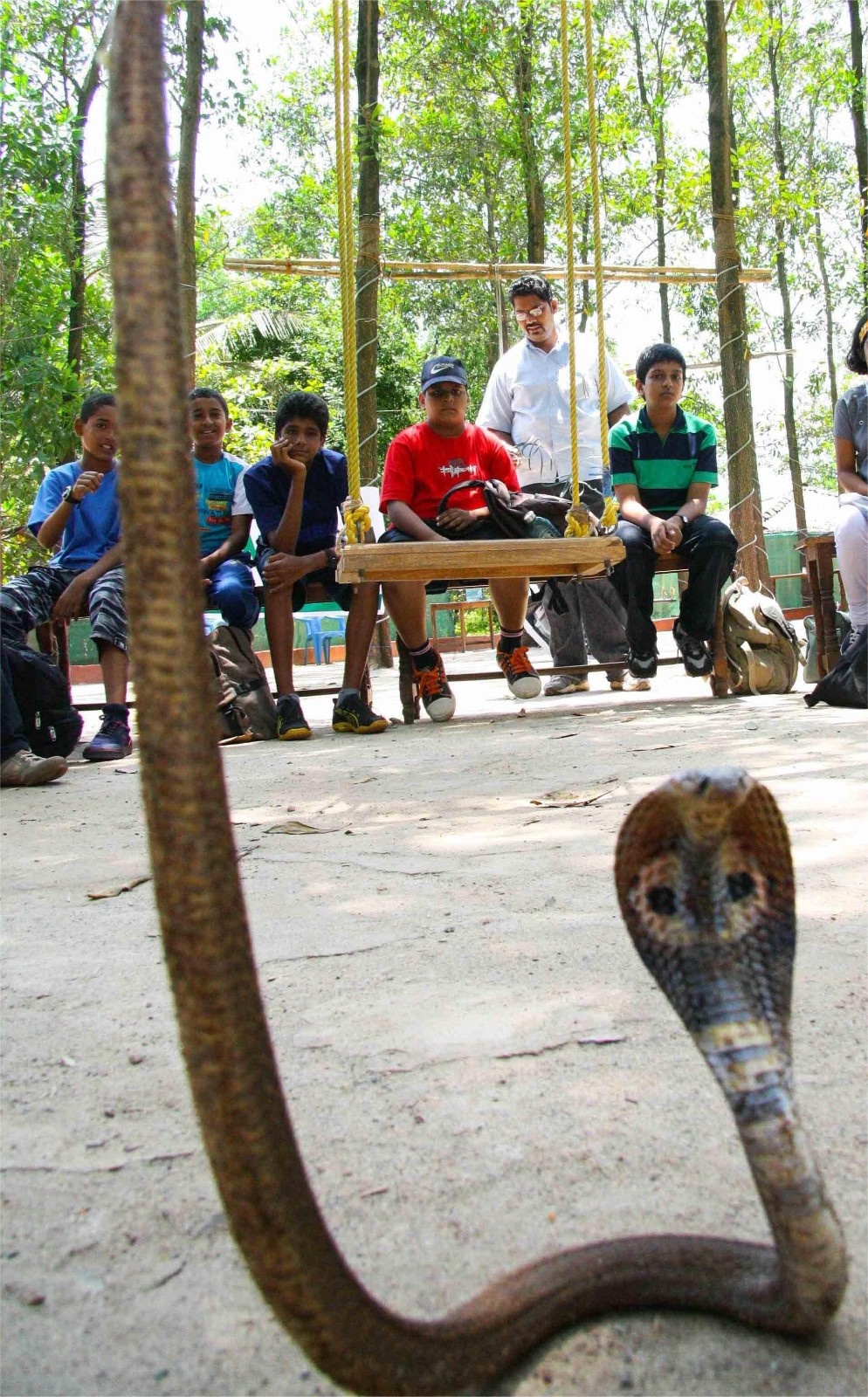
Most wildlife tours in India focus on large mammals, but the 'lesser fauna'—the frogs, snakes, and lizards—are equally fascinating. Travelers choose this trail because it offers expert-led insights into animal behavior that you simply cannot get on your own. It is a controlled environment where safety is prioritized, ensuring that even those with a fear of snakes can appreciate these creatures from a safe distance. Additionally, the inclusion of a traditional Goan dinner at a local village home provides a cultural touchpoint, allowing guests to support the local community while enjoying authentic regional cuisine.
What to Expect on the Trail
The experience begins in the late afternoon as the sun starts to set over the Sangod forest. After a brief safety orientation and an introduction to the equipment, you will head into the trail. As darkness falls, the forest sounds change, and your guide will use high-powered torches and UV lights to scan the canopy and the forest floor.
The Walk and Wildlife Spotting
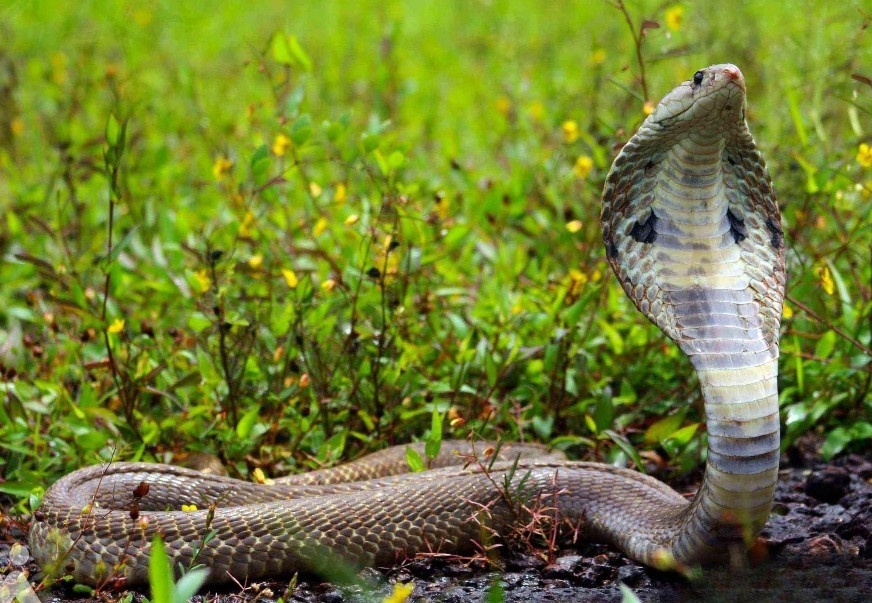
The walk covers approximately 2 to 3 kilometers of forest terrain. You aren't just walking; you are looking for eyeshine and movement. Your guide will point out Malabar Gliding Frogs perched on leaves, Common Indian Toads near water sources, and various species of snakes. One of the highlights of the night is using UV light to spot scorpions, which glow a bright neon blue/green under the light—a sight that never fails to impress.
The Ethical Approach
We follow a strict no-touch policy for most species to ensure the animals are not stressed. The guide may occasionally use professional tools to move a specimen for better visibility or safety, but the primary goal is observation in situ. This approach ensures that the habitat remains undisturbed and the wildlife remains wild.
Species Spotlight: What You Might See
The biodiversity in the Sangod area is exceptional. Depending on the season, sightings may include:
- Amphibians: The Malabar Gliding Frog, Indian Tree Frog, Humayun’s Night Frog, and the Ornate Narrow-mouthed Frog.
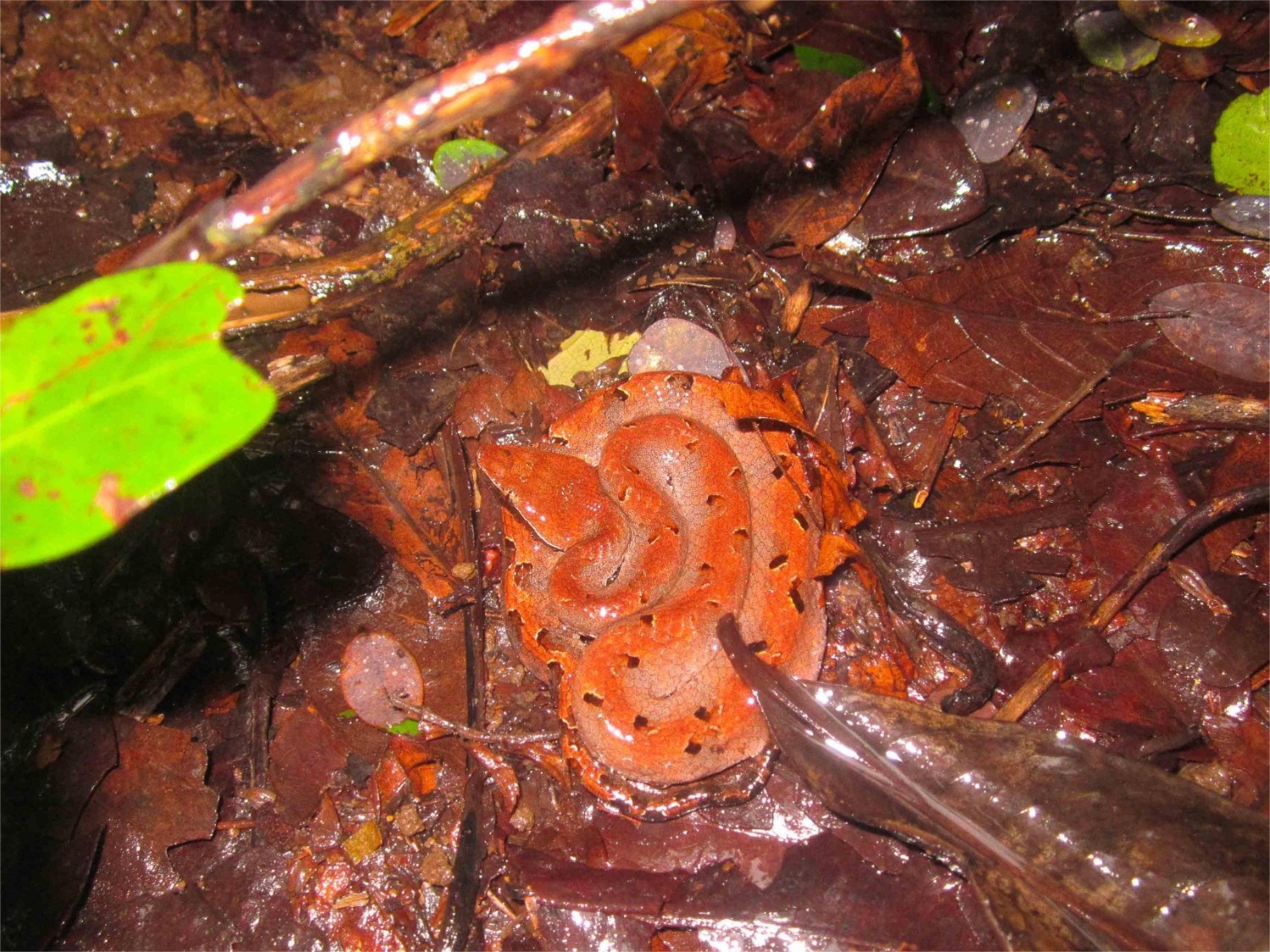
- Reptiles: The Bronzeback Tree Snake (non-venomous and very active), Green Vine Snakes, Hump-nosed Pit Vipers, and various geckos including the Termite Hill Gecko.
- Insects and Others: Giant Wood Spiders, stick insects, katydids, and the aforementioned glowing scorpions.
Authentic Goan Village Dinner
After the trail, the experience transitions from the forest to a traditional Goan home in the village. This isn't a restaurant meal; it is a home-cooked feast prepared by a local family using seasonal ingredients. The meal is typically served in a communal setting, often in a courtyard, providing a glimpse into the quiet, rural life of North Goa.
Sample Menu
- Fish Curry: Freshly caught fish cooked in a spicy, coconut-based gravy.
- Chicken Xacuti: A classic Goan preparation using roasted spices and coconut.
- Vegetable Bhaji: Seasonal local greens or pumpkin stir-fry.
- Accompaniments: Local red rice, dal, handmade pickles, and papad.
- Dessert: Traditional sweets like Bebinca or fresh fruit.
Vegetarian and vegan requirements are easily accommodated if informed at the time of booking. The spice levels are moderate, catering to a general palate while remaining true to local flavors.
Practical Information for Participants
Difficulty Level and Fitness
The trail is classified as Easy to Moderate. While the terrain is relatively flat, you will be walking on uneven forest ground, through some leaf litter, and occasionally near slippery stream banks. A basic level of physical fitness and steady balance is required. It is not suitable for those with severe mobility issues.
Best Time to Visit
The best time for herping in Goa is during and immediately after the monsoon season (June to October) when amphibian activity is at its peak. However, the post-monsoon months (November to February) are also excellent for spotting reptiles as the weather is cooler and the forest remains lush. During the peak summer months (March to May), sightings may decrease as many species go into estivation, but the trail remains open for those interested in nocturnal insects and specific reptiles.
Safety and Professionalism
Safety is our primary concern. Our guides are trained naturalists equipped with first-aid kits and professional handling equipment. We maintain small group sizes (usually capped at 8 people) to ensure everyone stays together and receives personalized attention. The trail follows established paths known to the local guides, minimizing risks.
What to Wear and Carry
- Clothing: Wear full-length trousers and long-sleeved shirts to protect against mosquito bites and thorny bushes. Dark or earthy colors are preferred.
- Footwear: Closed-toe shoes with good grip are mandatory. Trekking shoes or sturdy sneakers are ideal. Avoid sandals or flip-flops.
- Gear: While we provide torches, you are welcome to bring your own headlamp or flashlight as a backup.
- Photography: If you are a photographer, a macro lens and a dedicated flash with a diffuser are highly recommended for night wildlife.
- Water: Carry a reusable water bottle to stay hydrated.
Location and Transport
The activity is centered in Sangod, North Goa, which is approximately 50-60 km from the popular beach hubs of Calangute and Baga. The drive takes about 1.5 to 2 hours depending on traffic. Public transport is not available for this late-night return, so we recommend hiring a private taxi or driving your own vehicle. Parking is available at the meeting point. If you need assistance with transport, please contact us in advance to arrange a reliable local cab service.
Important Booking Information
- Advance Booking: Required at least 48 hours in advance to coordinate with the local family for dinner preparations.
- Age Limit: Children aged 10 and above are welcome but must be accompanied by an adult.
- Weather Policy: The trail operates during light rain (which often improves sightings). In case of extreme weather or heavy storms, the activity may be rescheduled or refunded.
- Respect the Environment: We operate on a Leave No Trace policy. Do not litter or remove any plants or animals from the forest.
- Expert herpetologist/naturalist guide
- High-intensity torches and UV lights
- Guided forest trail access
- Full traditional Goan dinner (Veg/Non-Veg options)
- First-aid support
- Hotel pickup and drop-off
- Personal snacks and bottled water
- Alcoholic beverages
- Camera fees (if applicable at forest checkpoints)
Have questions about this activity?
Chat with our local experts for instant help and best deals!