Menezes Braganca House Heritage Tour, Chandor
per / person. Taxes & convenience fees might apply.
- Explore a 450-year-old living mansion owned by the same family for generations.
- See the private library of Luis de Menezes Braganca with over 5,000 rare books.
- Visit the private chapel containing a sacred relic of St. Francis Xavier.
- Admire authentic 17th-century rosewood furniture and Belgian crystal chandeliers.
- View rare collections of Chinese porcelain and family portraits from the Portuguese era.
Exploring the Menezes Braganca House in Chandor
Located in the quiet village of Chandor, once the ancient capital of the Kadamba dynasty, the Menezes Braganca House stands as the most exquisite example of a Portuguese-style manor house in Goa. Built in the 17th century, the house has been expanded over generations, resulting in a massive structure that occupies one side of the village square. The mansion is unique because it is divided into two distinct wings—the East Wing and the West Wing—each maintained by different branches of the family.
The Historical Significance of the Mansion
The house was originally granted to the Braganca family by the King of Portugal. Over the centuries, the family grew in influence, producing prominent lawyers, journalists, and freedom fighters. The most notable figure associated with the house is Luis de Menezes Braganca, a renowned journalist and anti-colonial activist who played a pivotal role in the Goan civil rights movement. Visiting this house isn't just about looking at old furniture; it is about understanding the intellectual and political history of Goa.
What to Expect Inside the Two Wings
The house is so large that it is often treated as two separate tours. While both wings share the same grand facade, their interiors offer slightly different perspectives on Goan history.
The West Wing (Pereira-Braganza Wing)
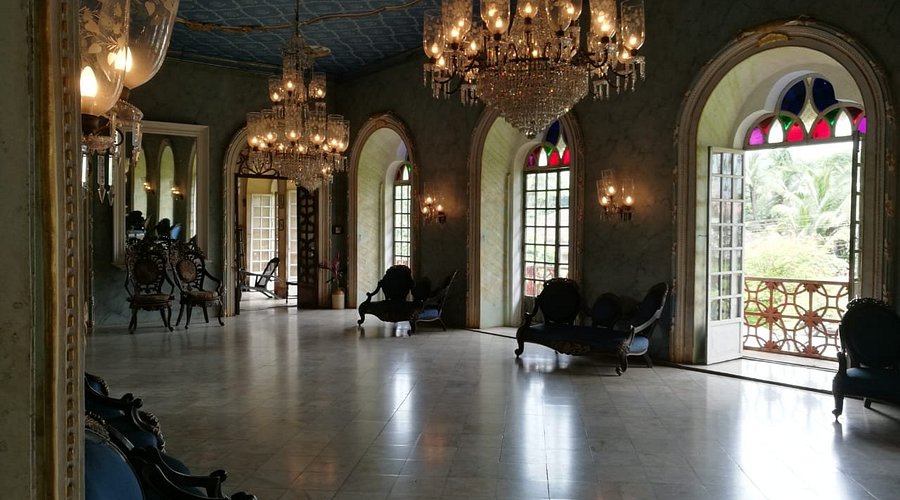
The West Wing is famous for its Grand Ballroom. This room features a floor made of Italian marble and is lit by massive Belgian crystal chandeliers. The walls are lined with high-backed chairs carved from rosewood, many of which were gifts from Portuguese royalty. One of the most striking features of this wing is the private chapel, which is dedicated to St. Francis Xavier. It is said to house a small relic (a fingernail) of the saint, which was granted to the family centuries ago.
The East Wing (Menezes-Braganza Wing)
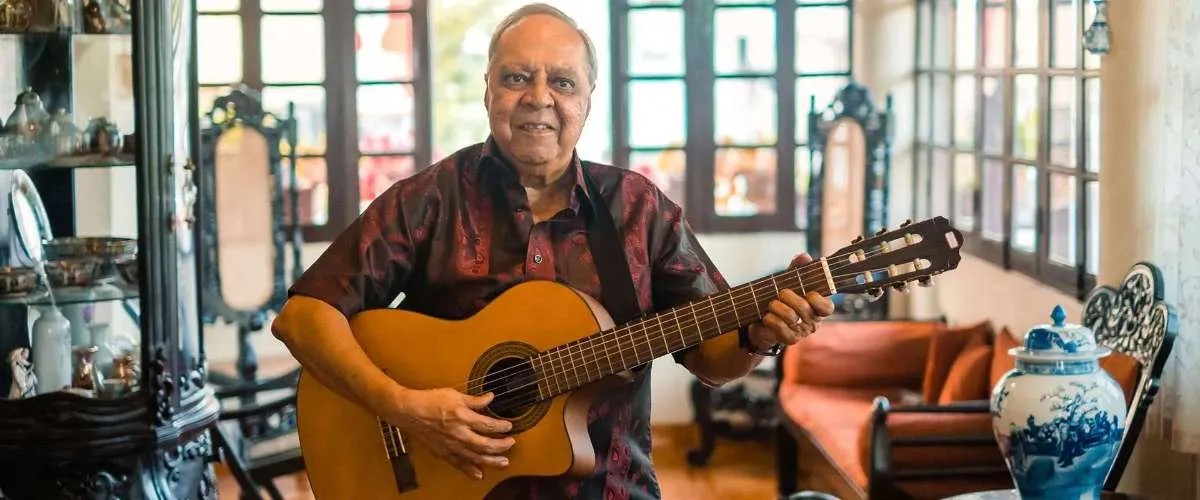
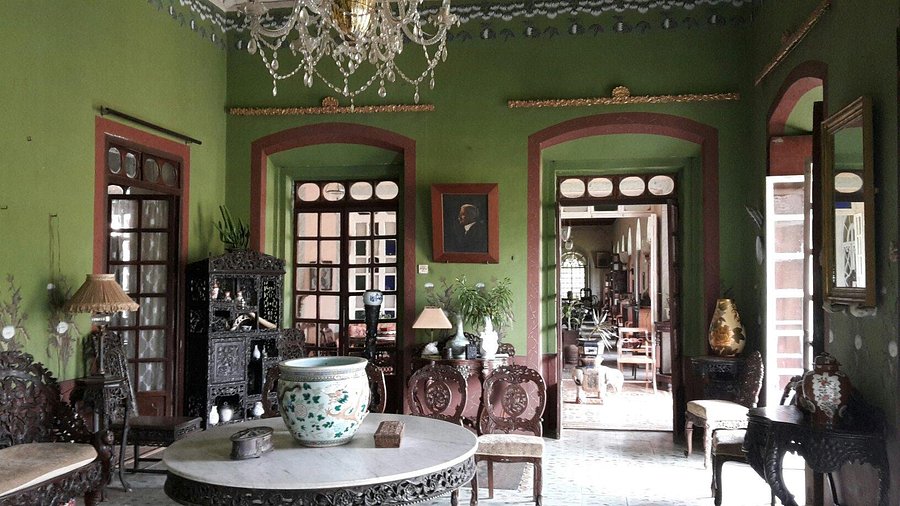
The East Wing is home to the legendary private library. For book lovers, this is the highlight of the visit. It contains over 5,000 leather-bound books in several languages, including rare first editions and historical documents collected by Luis de Menezes Braganca. The furniture in this wing is equally impressive, featuring intricate mother-of-pearl inlay work and heavy teakwood tables that have remained in the family for over 400 years.
Architectural Details to Look For
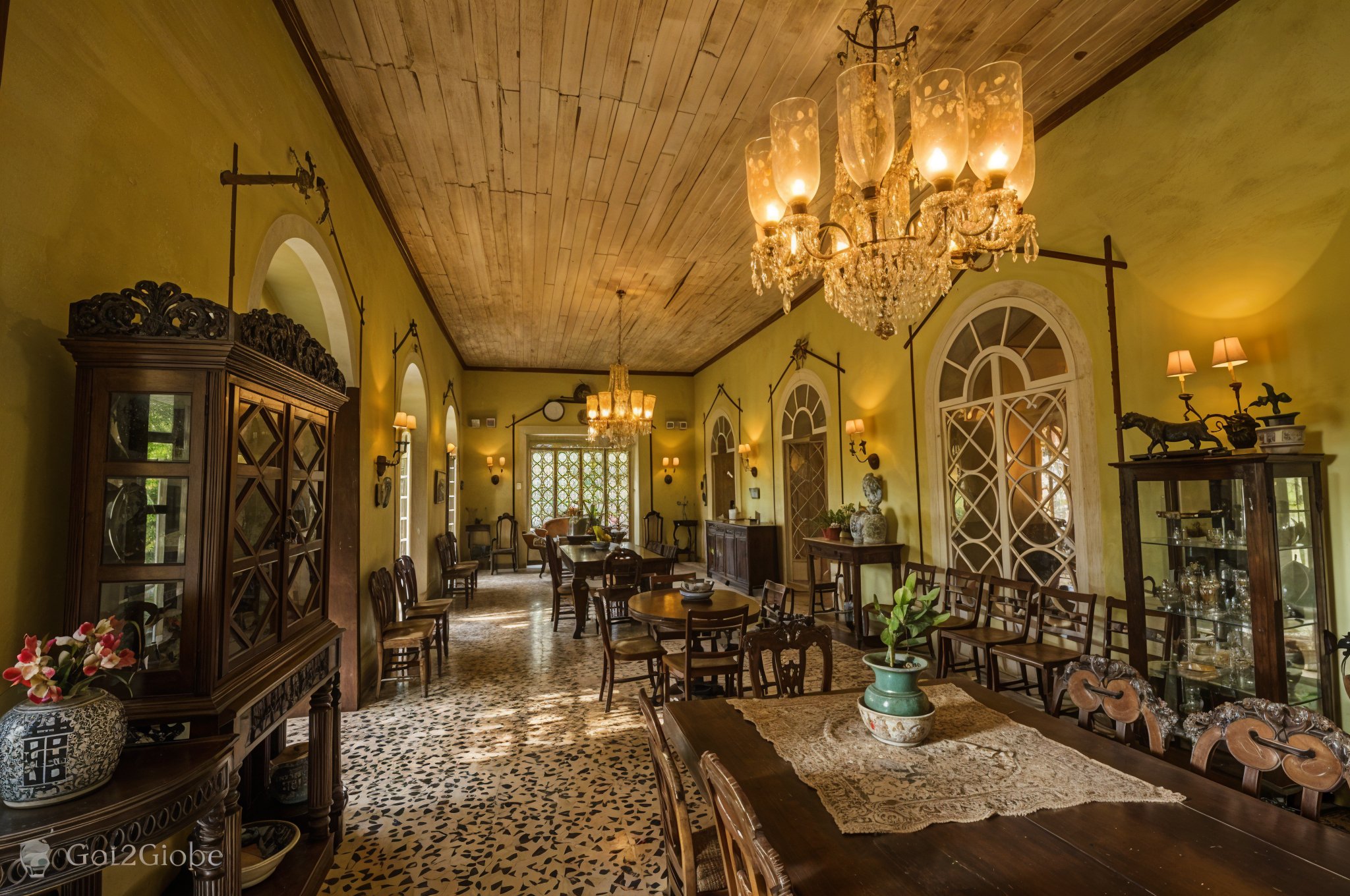
As you walk through the rooms, pay attention to the oyster shell windows. Before glass was commonly imported to Goa, thin, polished translucent shells were used to let in light while keeping out the heat. You will also see azulejos (Portuguese hand-painted tiles) and heavy wooden beams that have survived the humid Goan climate for centuries. The dining room features a table that can seat over 30 guests, showcasing the scale of social life in the 1800s.
Practical Information for Travelers
Difficulty Level and Accessibility
This is a low-intensity activity suitable for all age groups, including seniors and children. The tour involves walking through various rooms on the ground and first floors. While there are some stairs, the pace is slow. Most of the tour is indoors, making it a perfect activity for both hot afternoons and rainy monsoon days.
Best Time to Visit
The best time to visit is between October and March when the weather in South Goa is pleasant. However, the house is open year-round. We recommend visiting in the morning (around 10:30 AM) to avoid the midday heat, as the mansion is not air-conditioned (though the high ceilings and thick walls keep it naturally cool). The house is usually closed on Sundays and during certain local festivals, so it is always wise to check availability before traveling to Chandor.
How to Get to Chandor
Chandor is located about 10 km from Margao and roughly 40 km from Panjim. There is no direct public transport that drops you at the doorstep frequently. The most reliable way to reach is by hiring a private taxi or a self-drive car. If you are coming from North Goa, it is best to combine this visit with other South Goa attractions like the Chandreshwar Bhoothnath Temple or the Big Foot Museum in Loutolim to make the most of your trip.
Safety and Etiquette
Since this is a private residence, visitors are expected to follow basic etiquette:
- Dress Modestly: Avoid swimwear or extremely revealing clothing. Standard casual wear is perfectly fine.
- Photography: Always ask for permission before taking photos. Some areas of the house may have a small photography fee (usually ₹50-₹100), and flash is often prohibited to protect the antique fabrics and paintings.
- Do Not Touch: Many of the artifacts and pieces of furniture are centuries old and extremely fragile. Please refrain from sitting on the antique chairs or touching the displays.
- Cash Payments: The entry fee is collected at the door and is usually around ₹200 per person. It is highly recommended to carry cash, as network connectivity for UPI can be spotty in Chandor.
Why This Experience is Unique
Most heritage sites in India are managed by the government and can feel impersonal. At Menezes Braganca House, you are a guest in a family home. You might see family members reading in the library or supervising the maintenance of the garden. The stories you hear are not from a script but from living oral history passed down through generations. It provides a level of authenticity that you won't find at more commercialized tourist spots in North Goa.
Nearby Attractions in Chandor
After your tour, take a short walk around Chandor village. You can see the St. Tiago Church and the remains of the ancient Kadamba city wall. The village itself is very picturesque and offers a glimpse into the slow-paced, traditional Goan lifestyle that is becoming rare in the coastal belts.
- Guided tour of the mansion interiors
- Access to the East and West wings
- Historical narration by family members or caretakers
- Access to the garden area
- Photography fees (if applicable)
- Hotel pickup and drop-off
- Food and beverages
- Tips for the guides
Have questions about this activity?
Chat with our local experts for instant help and best deals!