Ocean Trek to Cabo De Rama, South Goa
per / person. Taxes & convenience fees might apply.
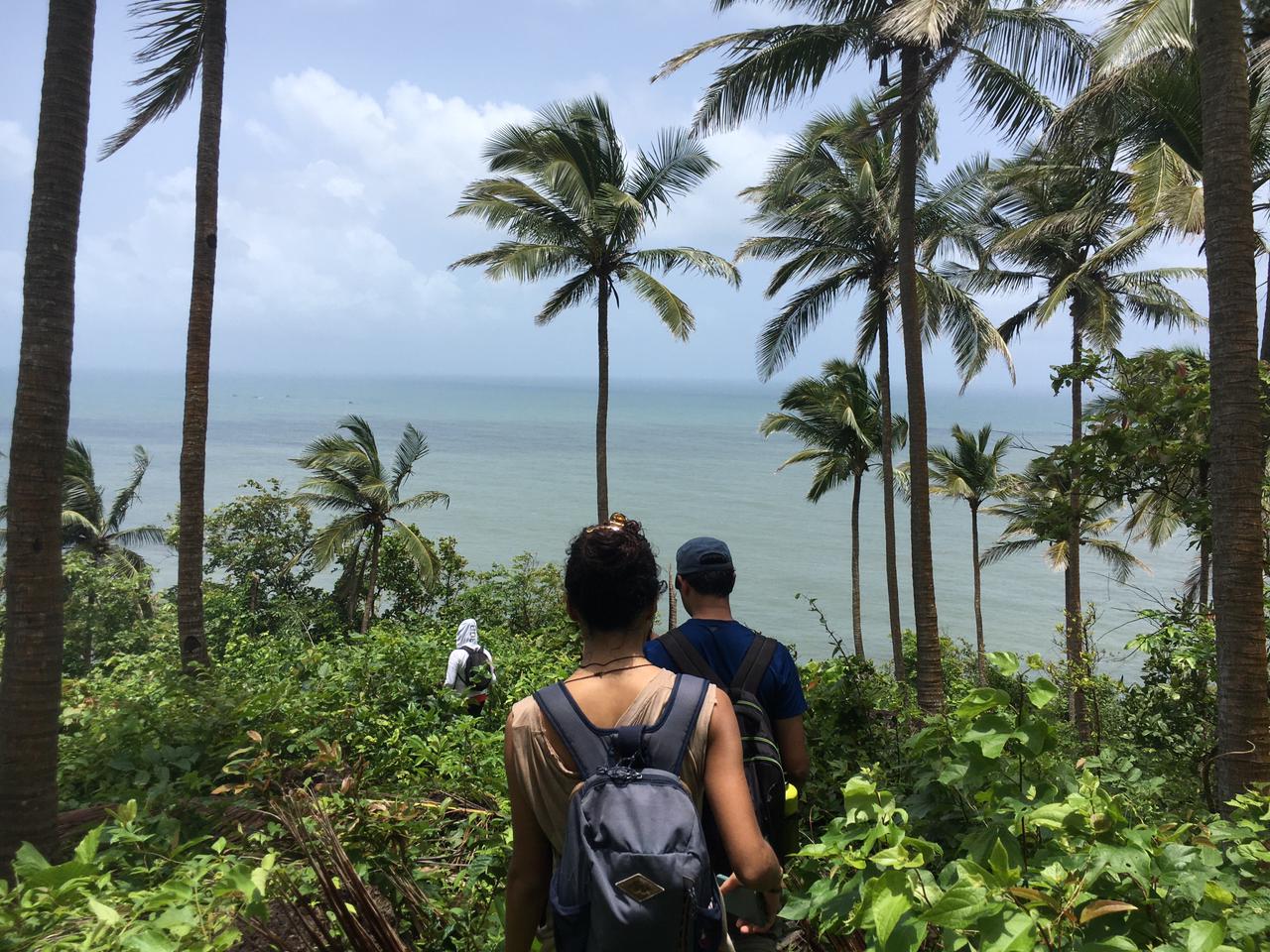
- 7km scenic coastal trail starting from the northern end of Agonda Beach.
- Visit the secluded and road-inaccessible Kaikola Beach.
- Guided exploration of the 16th-century Cabo De Rama Fort ruins.
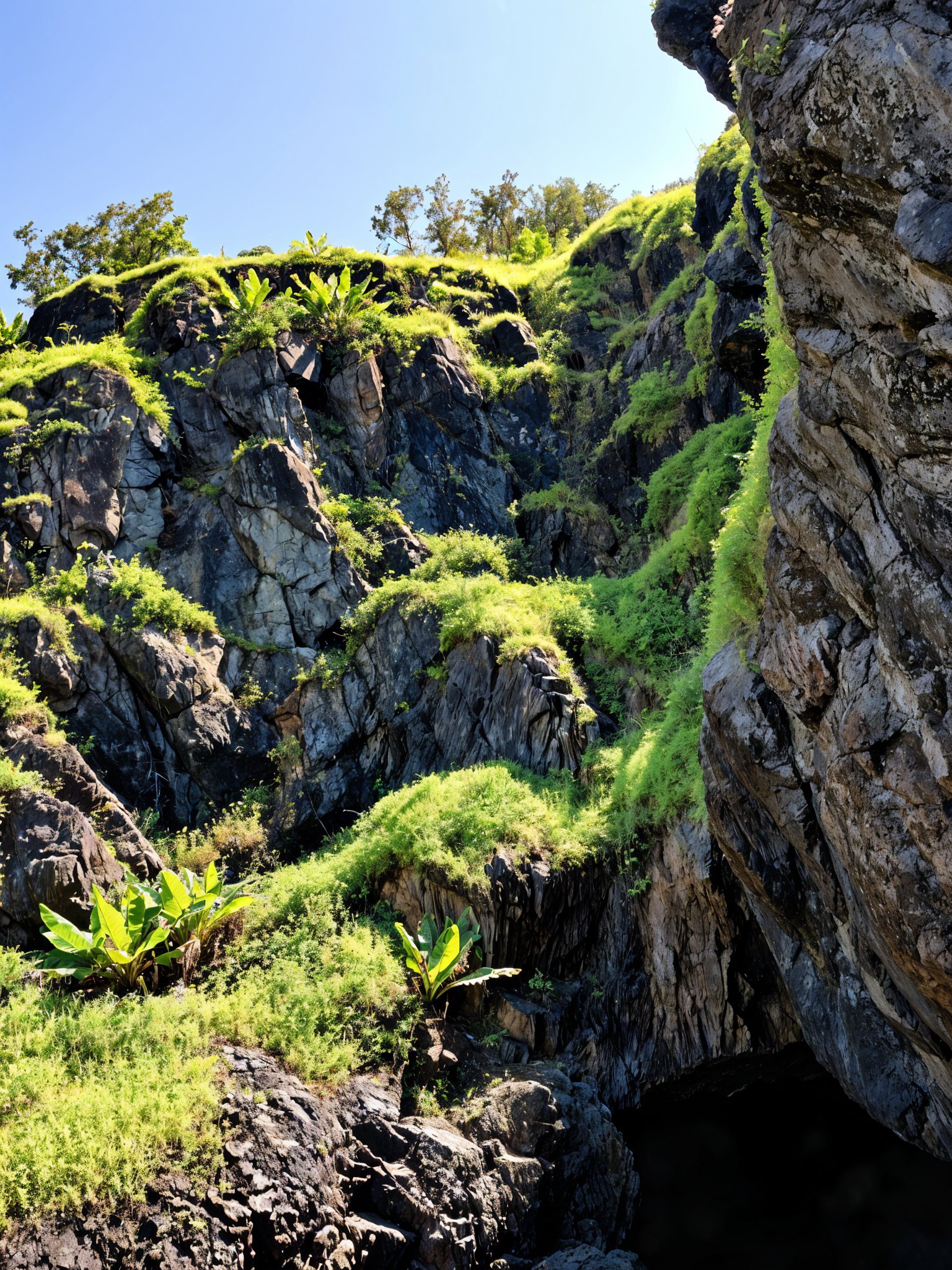
- Constant 180-degree views of the Arabian Sea from 100-foot laterite cliffs.
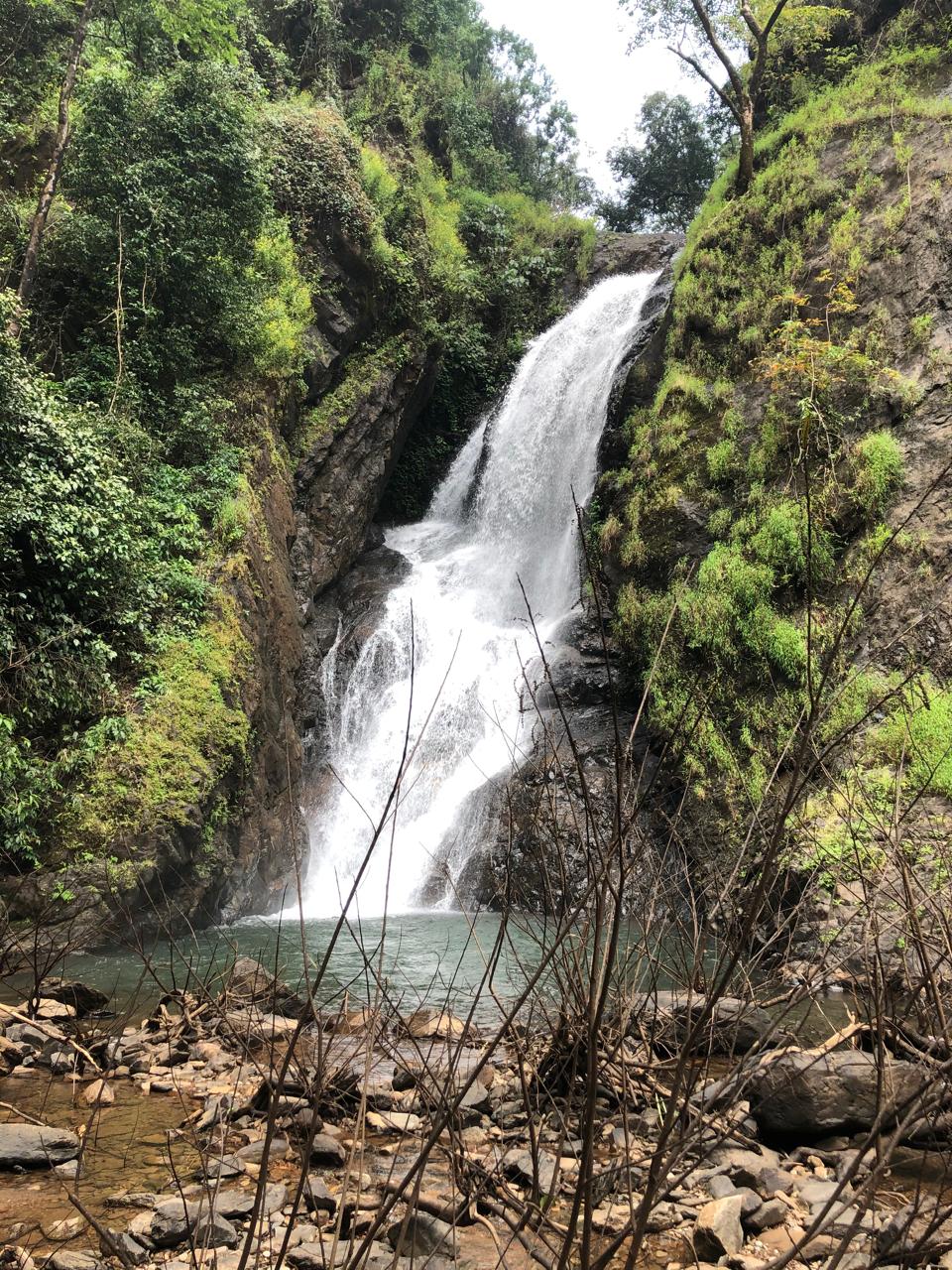
- Experience a mix of rocky headlands, forest trails, and a river crossing.
Exploring the South Goa Coastline: Agonda to Cabo De Rama
South Goa is known for its quiet beaches, but the stretch between Agonda and Cabo De Rama offers a much more rugged experience than the typical tourist path. This 7km trek is one of the few true coastal hikes in the state, taking you away from the shacks and into a landscape of laterite cliffs, small seasonal streams, and hidden beaches that are inaccessible by road.
The trek is led by local guides who understand the tides and the terrain, which is essential given the rocky nature of the headlands and a specific river crossing that requires local knowledge of the water levels.
The Trek Route and Terrain
The journey begins at the northern end of Agonda Beach. From here, the trail immediately moves into a different environment, leaving the sandy shores for the elevated headlands. Travelers should expect a variety of terrains throughout the 4-hour journey:
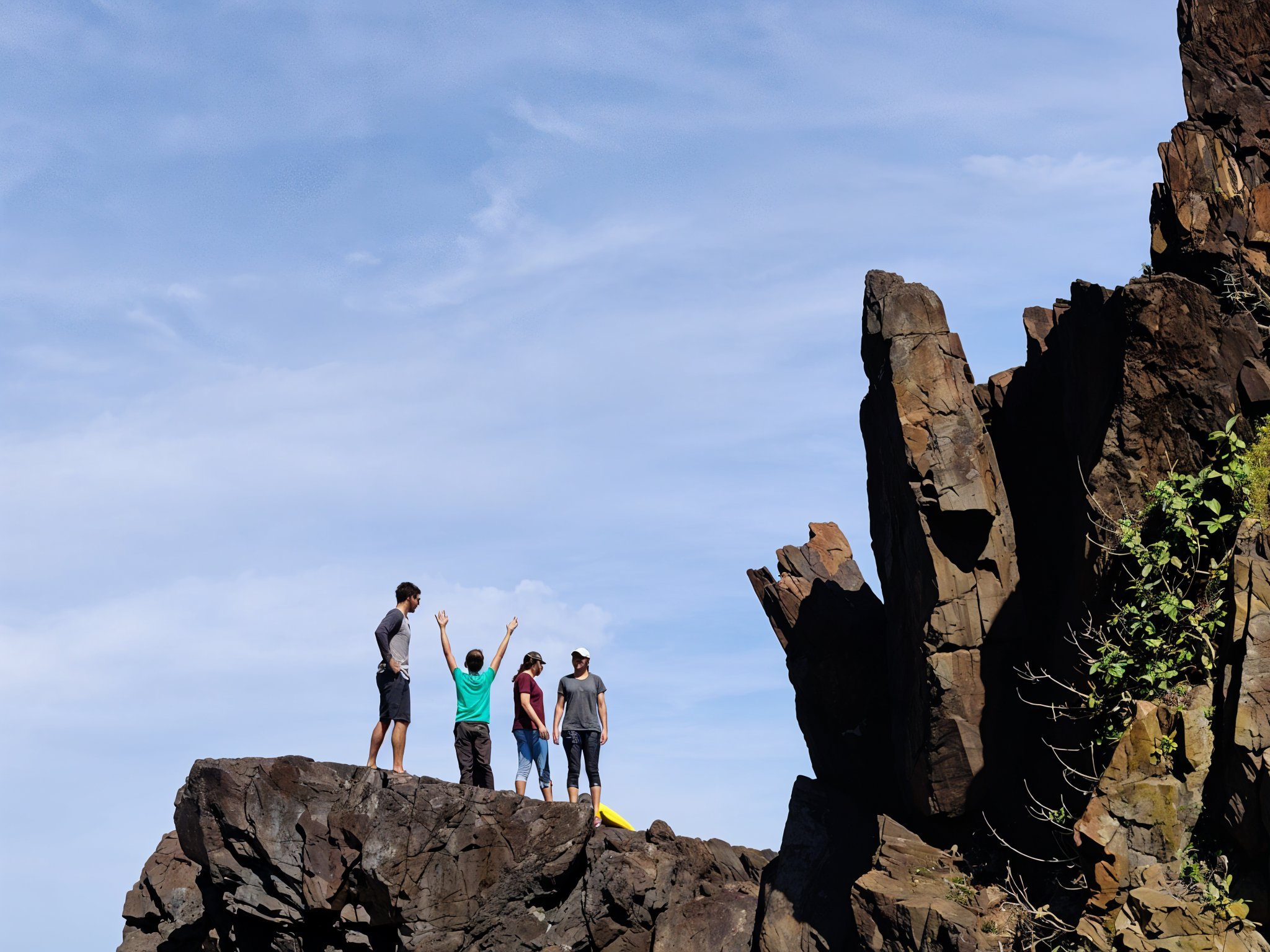
- Rocky Headlands: You will navigate across basalt and laterite rocks. This requires good balance and steady footwear, as some sections involve light scrambling.
- Coastal Forest: The trail winds through groves of cashew and coconut trees. These sections provide much-needed shade but can be humid.
- River Crossing: One of the unique features of this trek is crossing a small river (the Saleri river outlet) that meets the sea. Depending on the tide and season, this is typically ankle to knee-deep. It adds an adventurous element to the hike but requires caution.
- Kaikola Beach: About midway through the trek, you will descend to Kaikola Beach. This is a small, secluded crescent of sand that rarely sees visitors. It is an ideal spot for a short break before the final ascent toward the fort.
History of Cabo De Rama Fort
The trek concludes at the Cabo De Rama Fort, a site of immense historical significance. Named after Lord Rama, who according to local legend took shelter here with Sita during his exile, the fort has a history that predates the Portuguese arrival.
The current structure, however, is largely a result of Portuguese fortification in the 1760s. They recognized the strategic value of the high cliffs for defending the southern coastline. As you explore the ruins at the end of your trek, you will see the massive western walls that drop straight into the sea, the Church of Santo Antonio which is still in use, and several rusted cannons pointing toward the Arabian Sea. The fort served as a government prison until 1955 and now stands as a quiet vantage point for sunset seekers.
Why Travelers Choose This Activity
Most visitors to Cabo De Rama simply drive to the fort entrance, take a few photos, and leave. Choosing the Ocean Trek allows you to earn the view. Travelers choose this experience because it combines physical exercise with nature photography and history. It is particularly popular with small groups and solo travelers who want to avoid the crowded beaches of North Goa and see the 'wild' side of the Konkan coast.
Difficulty Level and Physical Requirements
We categorize this trek as Moderate. While the total distance is only 7km, the terrain is uneven. You will be walking on loose rocks, climbing short but steep inclines (with an elevation gain of roughly 120 meters), and navigating sandy stretches which can be tiring.
Who is it for? It is suitable for active adults and children above the age of 12. It is not recommended for individuals with chronic knee issues, heart conditions, or those who have difficulty walking on uneven surfaces. A basic level of cardiovascular fitness is required to complete the 4-hour walk comfortably in the Goan heat.
Best Time to Visit and Weather Considerations
The ideal window for the Cabo De Rama trek is from October to February. During these months, the weather is dry, and the temperatures in the early morning are manageable.
- Morning vs. Afternoon: Most treks start early (around 7:00 AM or 8:00 AM) to finish before the midday sun peaks. However, an afternoon trek timed to reach the fort for sunset is also a popular option.
- Monsoon Suitability: During the monsoon (June to September), the trail becomes extremely slippery and the river crossing can become dangerous due to high water levels and swells. We generally do not operate the full coastal trek during peak monsoon for safety reasons.
Practical Information: What to Wear and Carry
Being prepared is the difference between an enjoyable hike and an uncomfortable one. The Goan sun is intense, especially when reflecting off the ocean and the laterite rocks.
- Footwear: Do not wear flip-flops or sandals. Sturdy hiking shoes or trail running shoes with good grip are mandatory.
- Clothing: Wear light, moisture-wicking clothes. Full-length trekking pants can help protect against thorny bushes in the forest sections.
- Hydration: Carry at least 2 liters of water per person. There are no shops or vendors along the trail until you reach the fort area.
- Sun Protection: A wide-brimmed hat, sunglasses, and high-SPF sunscreen are essential.
- Small Backpack: Keep your hands free for balance while scrambling over rocks.
Logistics: Transport and Parking
Since this is a point-to-point trek (starting at Agonda and ending at Cabo De Rama), logistics require some planning.
Getting to the Start: You will need to reach the northern end of Agonda Beach. If you are staying in Palolem or Patnem, a short rickshaw or taxi ride will get you there.
Returning from the Fort: The trek ends at the fort parking lot. From here, you will need a taxi to return to your hotel or back to Agonda to pick up your vehicle. Because Cabo De Rama is somewhat isolated, it is highly recommended to pre-arrange a taxi or have your guide assist in calling one. Local transport apps like GoaMiles may have limited availability in this remote area, so having a local driver's contact number is a smart move.
Safety and Responsible Travel
Your guide carries a basic first-aid kit for minor scrapes or stings. However, travelers should stay on the marked trail and follow the guide’s instructions, especially near cliff edges.
We follow Leave No Trace principles. This is a pristine coastal environment; please ensure all plastic bottles, wrappers, and waste are carried back out with you. There are no trash bins on the trail.
- Professional local trekking guide
- Guided tour of Cabo De Rama Fort
- Drinking water (500ml bottle)
- Light snacks (Fruit/Energy bar)
- First-aid support
- Hotel pickup and drop-off
- Return transport from Cabo De Rama Fort to Agonda
- Lunch
- Personal expenses and tips
Have questions about this activity?
Chat with our local experts for instant help and best deals!