Overview of Se Cathedral
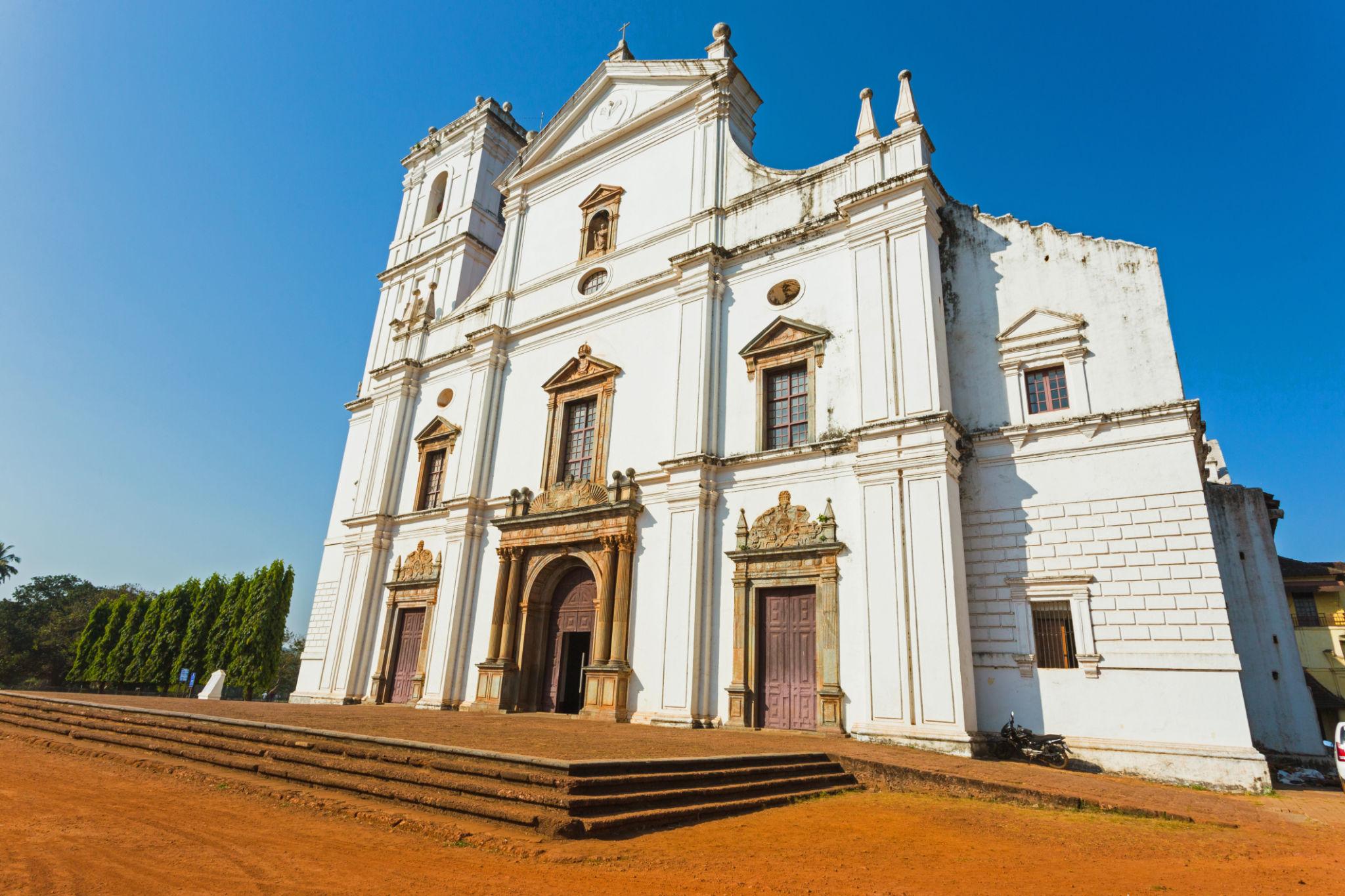
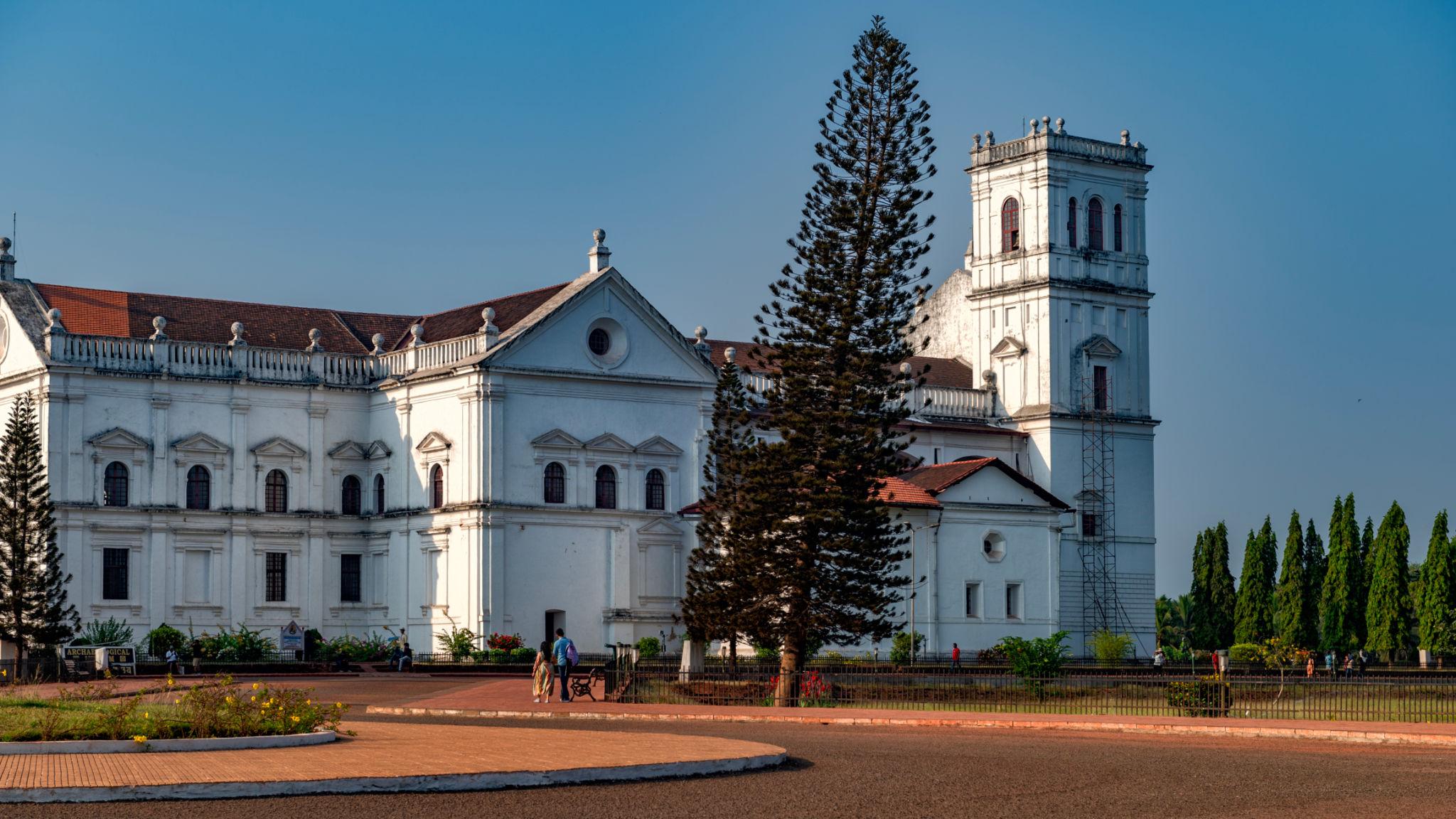
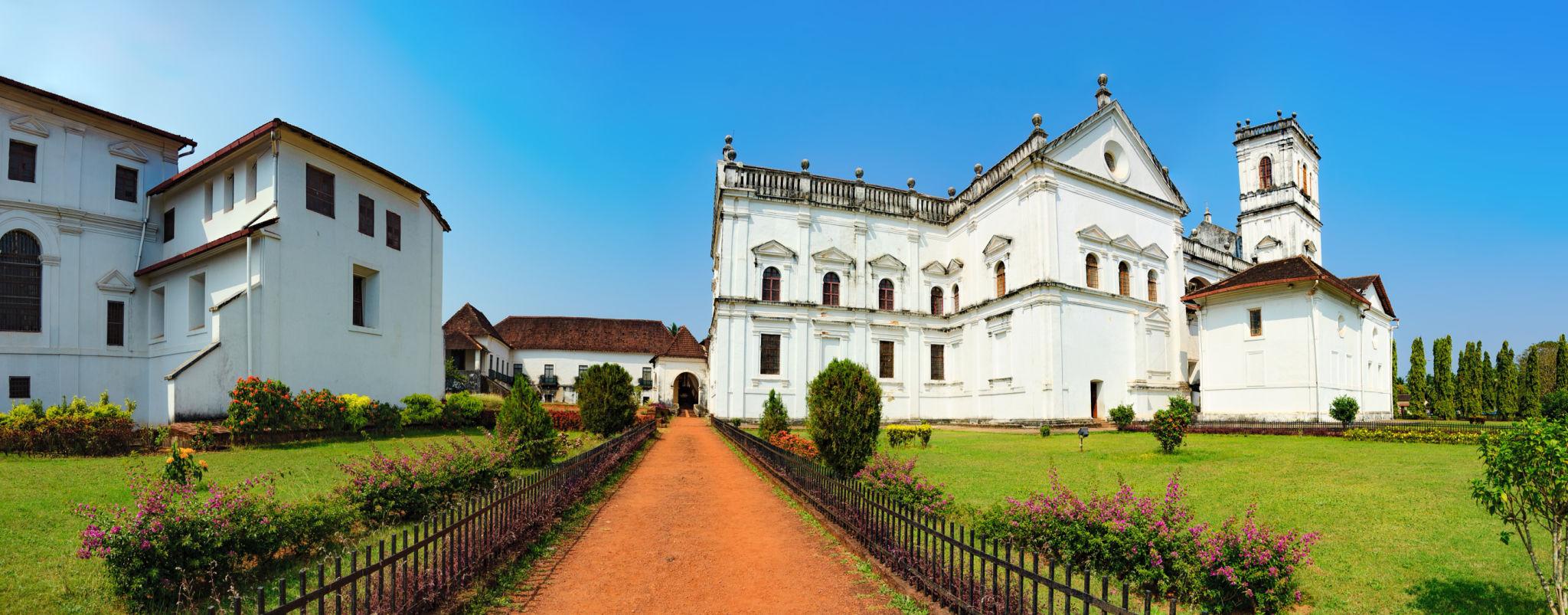
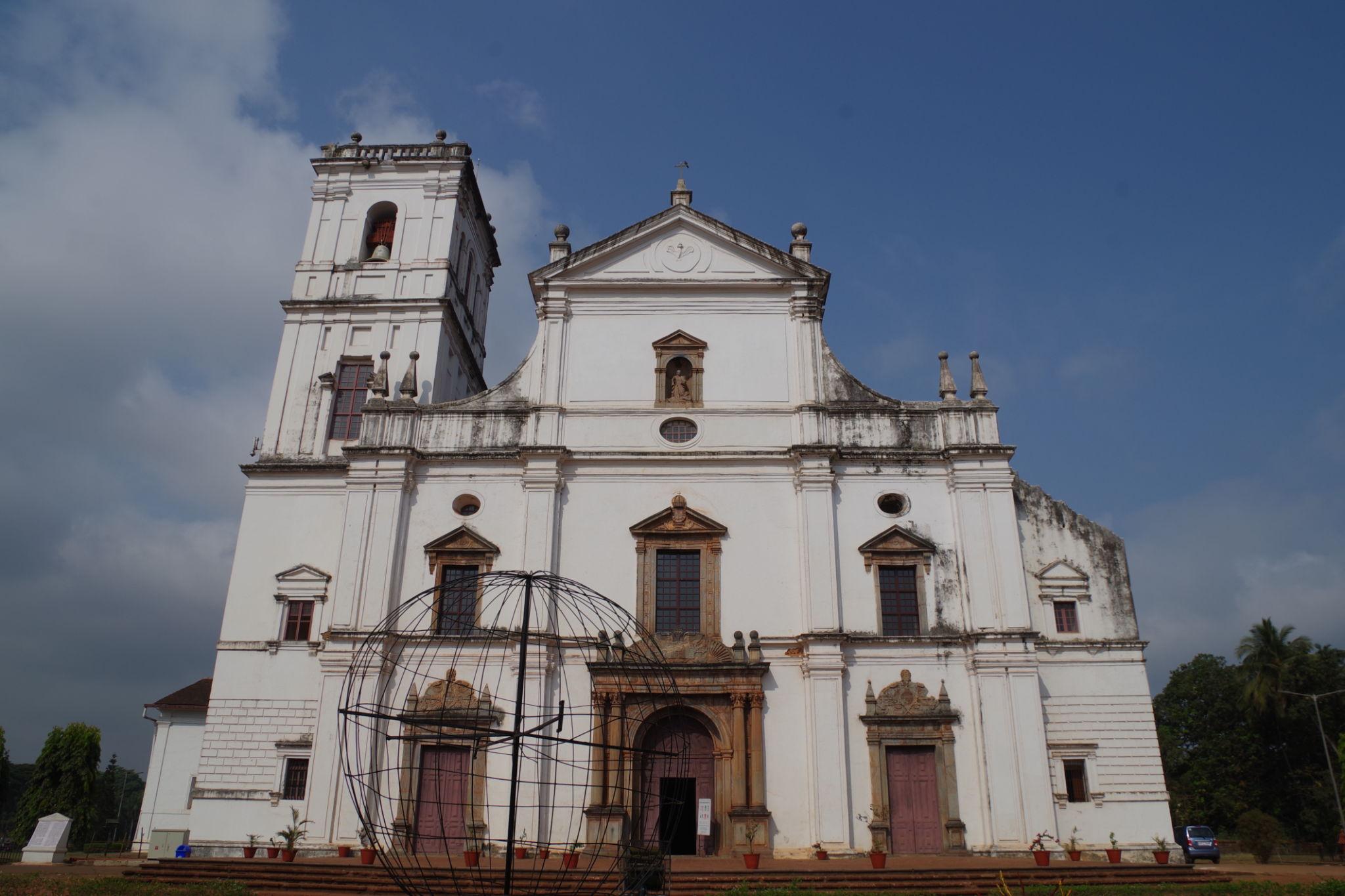
Standing as a monumental testament to the grandeur of the Portuguese era in India, the Se Cathedral (Sé Catedral de Santa Catarina) is not merely a place of worship but a towering landmark of history, faith, and architectural brilliance. Located in the heart of Old Goa (Velha Goa), this majestic structure is one of the largest church buildings in Asia and remains the seat of the Archbishop of Goa and Daman. As you approach the cathedral, its stark white facade set against the lush green manicured lawns of the UNESCO World Heritage site creates a visual spectacle that transports visitors back to the 16th century, often referred to as the "Rome of the East."
The Se Cathedral is dedicated to Saint Catherine of Alexandria, on whose feast day the Portuguese, led by Afonso de Albuquerque, defeated the local Muslim army and took possession of Goa in 1510. This victory marked the beginning of a four-and-a-half-century-long colonial rule that would profoundly shape the cultural, religious, and social fabric of the region. Today, the cathedral stands as a symbol of the enduring Catholic legacy in Goa, drawing thousands of pilgrims and tourists who come to marvel at its sheer scale, its "Golden Bell," and the miraculous stories housed within its thick laterite walls.
For a traveler, the Se Cathedral is more than just a stop on a sightseeing tour; it is an immersive experience. The silence that envelops the massive nave, the scent of aged wood and incense, and the intricate gilded altars provide a stark contrast to the bustling beaches of North Goa. It is a site where history is etched into every stone, offering a profound look into the religious fervor that once drove the expansion of the Portuguese Empire in the Orient. Whether you are a history buff, an architecture enthusiast, or a spiritual seeker, the Se Cathedral offers a deep, resonant connection to Goa’s multifaceted identity.
History & Religious Significance
The history of the Se Cathedral is inextricably linked with the arrival of the Portuguese in India. After Afonso de Albuquerque’s decisive victory on November 25, 1510, a small chapel was initially built to honor Saint Catherine. However, as the Portuguese influence grew and Goa became the capital of the Portuguese Eastern Empire, the need for a grander cathedral became apparent. The construction of the current edifice began in 1562, during the reign of King Dom Sebastião. The process was slow and meticulous, spanning several decades; the main structure was completed by 1619, while the altars were finalized around 1640.
The religious significance of the Se Cathedral cannot be overstated. It was designed to be a "powerhouse" of the Catholic Church in Asia, meant to showcase the wealth and might of the Portuguese crown. It served as the primary center for the Goan Inquisition, a dark but significant period in history that shaped the religious landscape of the region. Despite its complex past, the cathedral evolved into a sanctuary of peace. Over the centuries, it has witnessed the rise and fall of empires, survived epidemics that depopulated Old Goa, and remained a steadfast beacon of the Catholic faith through the transition of Goa from a Portuguese colony to a state within the Indian Union.
One of the most profound historical elements within the cathedral is the Cross of Miracles. Originally located on a hill in 1619, it is said that a vision of Christ appeared on this cross, and it has since been reported to grow in size. It was moved to the Se Cathedral in 1845 and remains a focal point for pilgrims seeking divine intervention. The cathedral’s enduring presence earned it the status of a Minor Basilica, and it remains an active site of worship, holding immense spiritual weight for the local Catholic community who view it as the "Mother Church" of the Archdiocese.
Architecture of Se Cathedral
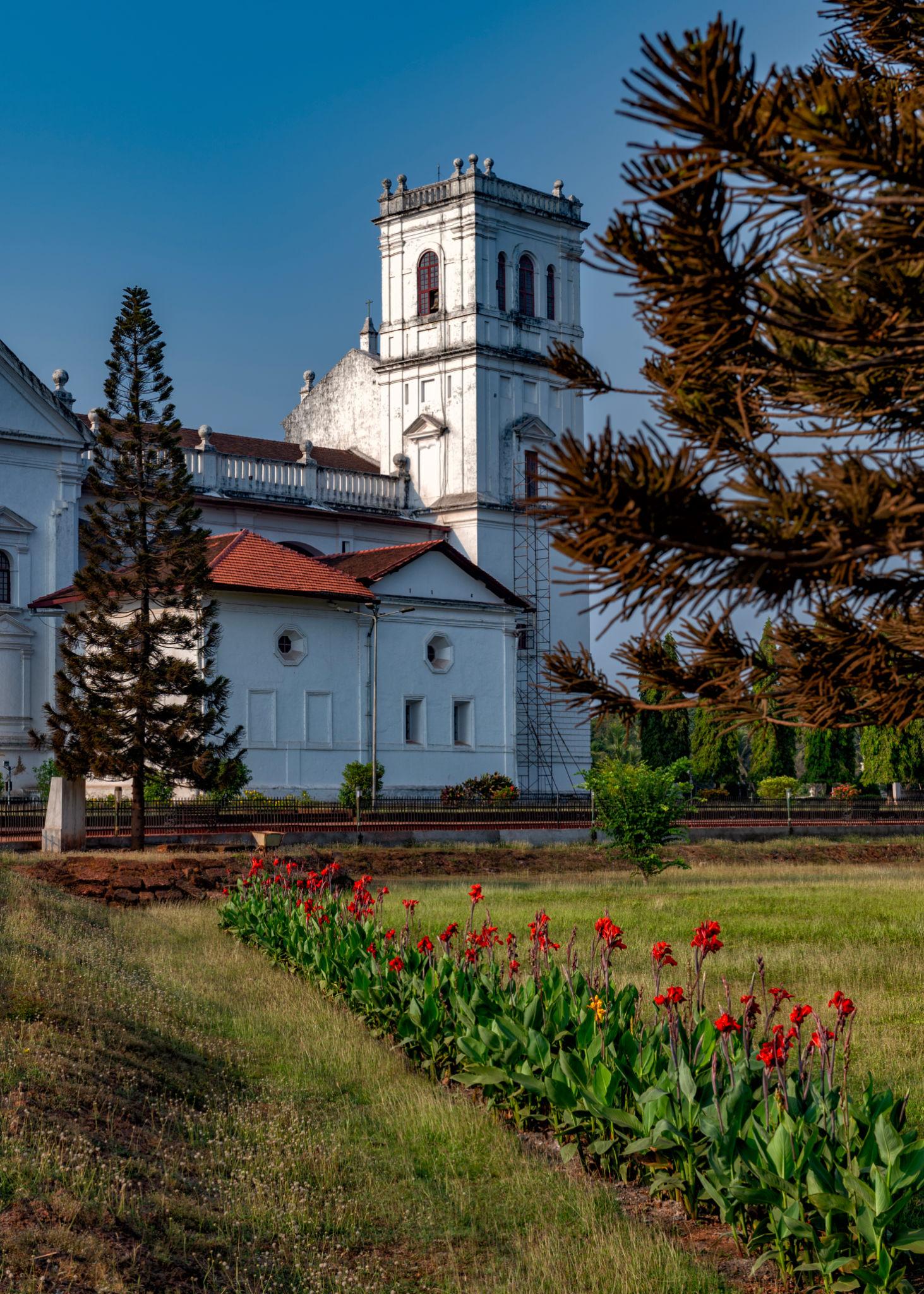
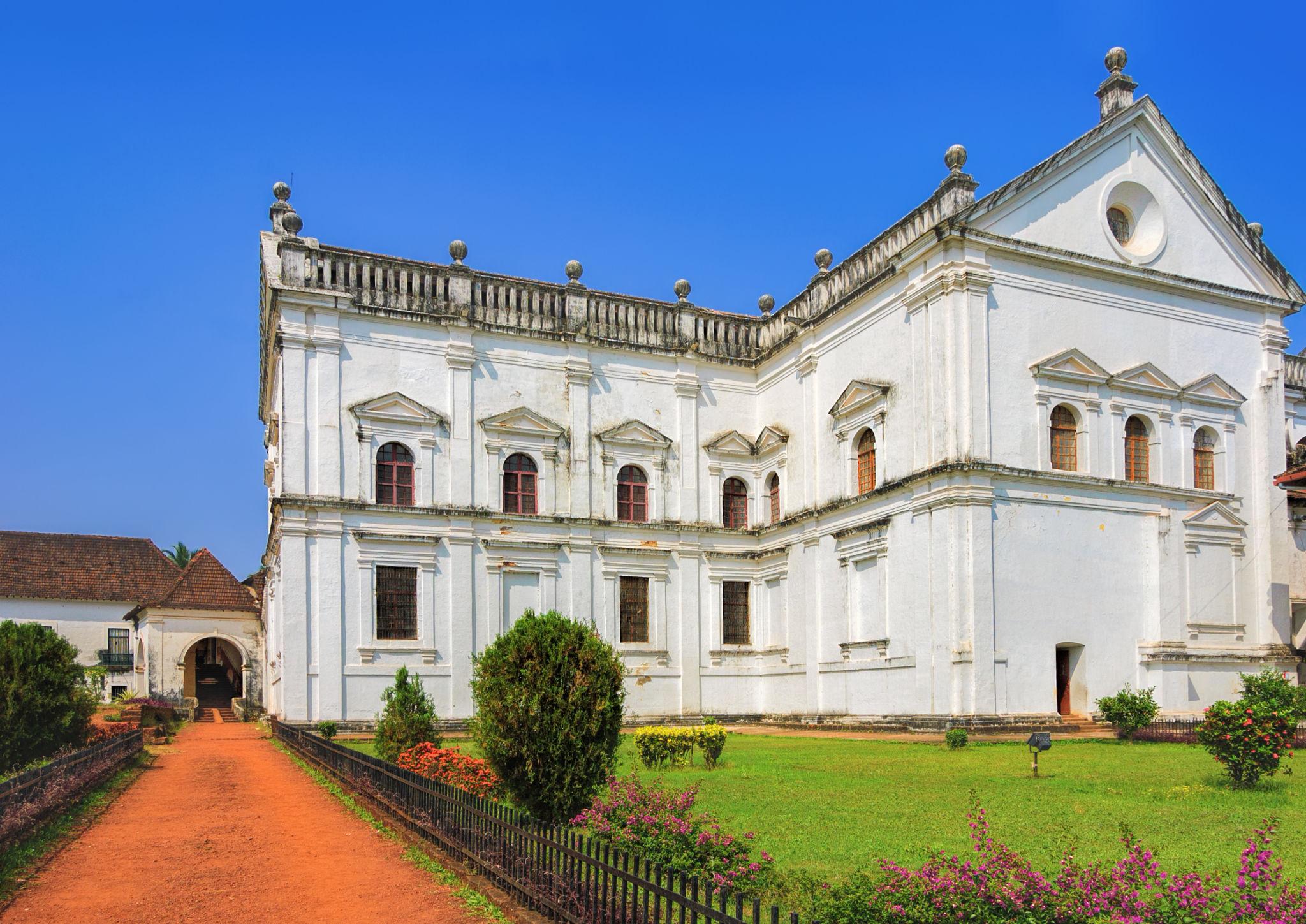
The architecture of the Se Cathedral is a masterclass in the Portuguese-Gothic and Tuscan styles. The exterior of the building is characterized by its simplicity and strength, built primarily from local laterite stone and finished with a thick coat of lime plaster. Originally, the cathedral was designed with two symmetrical towers. However, the southern tower collapsed during a lightning strike in 1776 and was never rebuilt. This asymmetry has since become the cathedral's most defining visual feature, giving it a unique, somewhat weathered silhouette that adds to its historical charm.
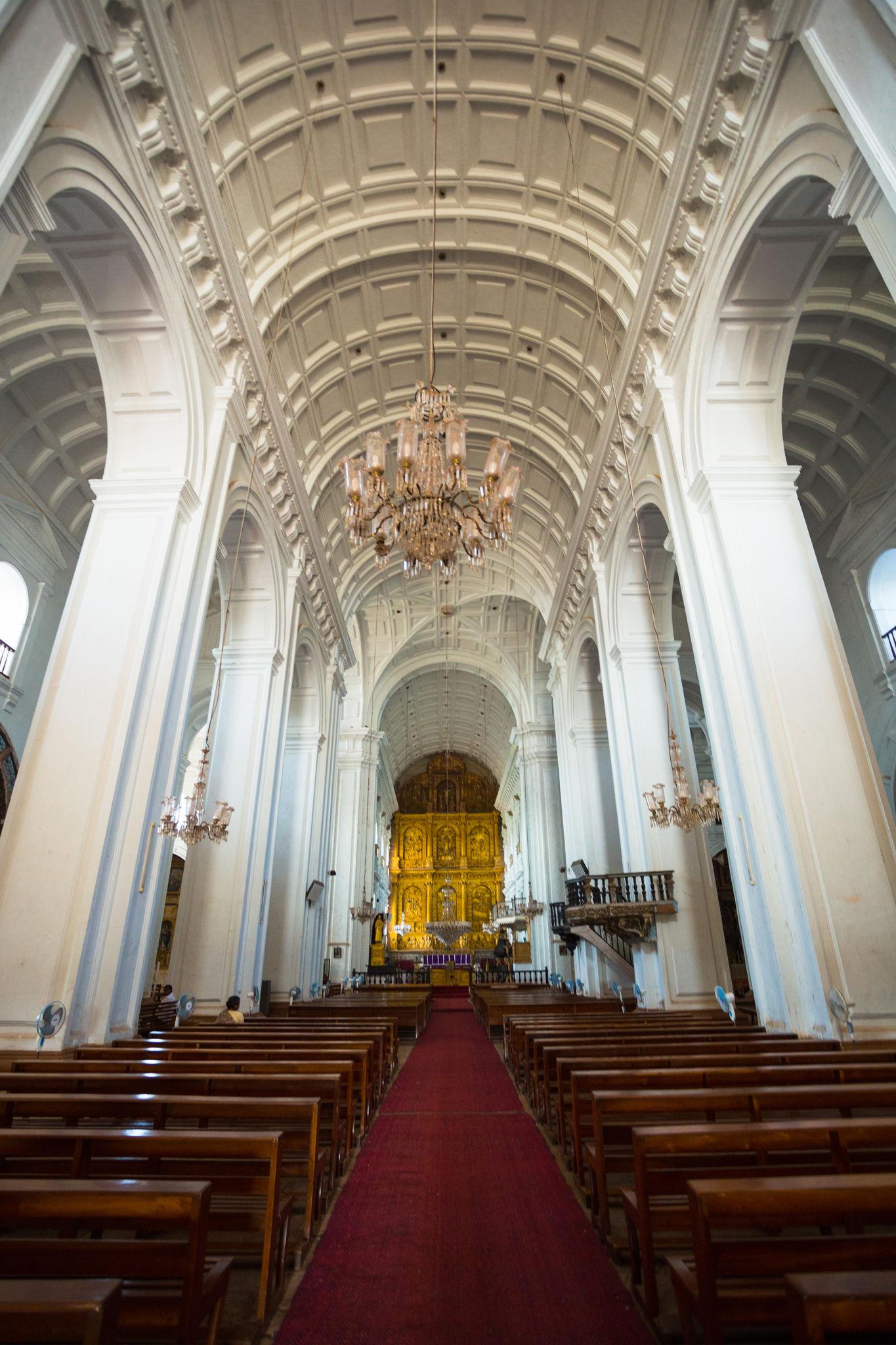
As you step inside, the architectural style shifts to the Corinthian order. The interior is vast, measuring approximately 250 feet in length and 181 feet in breadth, with the vaulted ceiling rising to a height of 115 feet. The nave is flanked by several magnificent chapels, each separated by intricate wood carvings and massive pillars. The use of space is intentional, designed to make the individual feel small in the presence of the divine, a hallmark of Renaissance-era church design.
Key architectural highlights include:
- The Golden Bell: Housed in the remaining tower, this is the largest bell in Goa and one of the finest in the world. It is known for its rich, melodic tone that can be heard for miles.
- The Main Altar: Dedicated to Saint Catherine, the main altar is a stunning example of Baroque artistry. It features heavily gilded wood carvings depicting scenes from the life and martyrdom of the saint.
- The Vaulted Ceilings: The barrel-vaulted ceiling over the nave is a feat of 16th-century engineering, providing excellent acoustics that amplify the liturgical chants and organ music.
- The Baptismal Font: Located near the entrance, this font was used by Saint Francis Xavier, the patron saint of Goa, to baptize many converts, linking the cathedral to one of the most influential figures in Christian history.
Main Deity / Spiritual Importance
While the Se Cathedral is a monument to many saints and biblical figures, its primary dedication is to Saint Catherine of Alexandria. A 4th-century martyr known for her intellect and unwavering faith, Saint Catherine is often depicted with a broken wheel, the instrument of her attempted torture. Her presence is felt throughout the cathedral, most notably in the grand reredos of the high altar, which tells the story of her life through a series of gilded panels. For the local community, she represents the triumph of faith over adversity, a theme that resonates deeply with the history of Christianity in Goa.
Beyond Saint Catherine, the spiritual heart of the cathedral for many locals is the Chapel of the Cross of Miracles. This chapel houses a large wooden cross that is the subject of intense devotion. Local tradition holds that the cross possesses healing powers and has grown miraculously over the centuries. It is not uncommon to see devotees kneeling in silent prayer here, seeking solace or expressing gratitude for answered prayers. This blend of official canon and local miraculous tradition is a hallmark of Goan spirituality.
The cathedral also houses several other chapels dedicated to various saints, including Saint Bernard, Saint Anthony, and Our Lady of Hope. Each of these spaces serves as a private sanctuary for prayer, allowing the cathedral to function as both a massive public gathering space and a collection of intimate spiritual niches. The spiritual importance is further elevated during the Exposition of the Sacred Relics of Saint Francis Xavier (held at the nearby Basilica of Bom Jesus), during which the Se Cathedral plays a central role in the liturgical processions and masses that draw millions of people from across the globe.
Festivals & Celebrations
The Se Cathedral is a vibrant center for liturgical celebrations, with the Feast of Saint Catherine on November 25th being the most significant. This day is marked by a grand High Mass attended by high-ranking clergy and thousands of the faithful. The atmosphere is one of solemnity mixed with celebration, as the history of the city's "liberation" and the saint’s martyrdom are commemorated. Traditional Goan hymns, often accompanied by the cathedral's historic organ, fill the air, creating a deeply moving experience.
Other major celebrations include:
- Christmas: The Midnight Mass at Se Cathedral is a legendary event. The cathedral is beautifully illuminated, and the large interior allows for a grand choir performance that attracts people of all faiths.
- Easter: The Holy Week observances are particularly poignant here. The "Way of the Cross" and the Good Friday processions through the streets of Old Goa are somber yet visually striking traditions that have been maintained for centuries.
- The Feast of Saint Francis Xavier: While centered at the Basilica of Bom Jesus across the road, the Se Cathedral hosts many of the overflow crowds and special masses during the novenas leading up to December 3rd.
- The Feast of the Cross of Miracles: Celebrated on the 23rd of February, this feast draws those with a specific devotion to the miraculous cross, involving special prayers and blessings.
During these festivals, the area around the cathedral comes alive with small stalls selling traditional Goan sweets like bebinca and dodol, as well as religious articles. The blend of high-church liturgy and local street-fair atmosphere is a quintessential Goan experience that showcases the community’s deep-rooted traditions.
Best Time to Visit
To truly appreciate the Se Cathedral, timing is essential. The winter months (November to February) are undoubtedly the best time to visit Goa. The weather is pleasant, with cool breezes and clear skies, making it comfortable to explore the sprawling grounds of Old Goa without the intense heat of the tropical sun. This period also coincides with major festivals like the Feast of St. Catherine and Christmas, offering a chance to see the cathedral in its full spiritual glory.
If you prefer a quieter, more contemplative experience, the monsoon season (June to September) offers a different kind of beauty. The laterite stones of the cathedral turn a darker, richer hue when wet, and the surrounding gardens become incredibly lush and vibrant. While the rain can be heavy, the lack of crowds allows for a more personal connection with the space. However, be mindful that some outdoor areas might be slippery.
In terms of the time of day, early morning (7:30 AM to 9:30 AM) is ideal. The light at this hour is soft, perfect for photography, and the atmosphere is serene before the large tour buses arrive. Alternatively, visiting in the late afternoon allows you to witness the golden hour, where the setting sun casts a warm glow on the white facade, highlighting its architectural details. Avoid visiting during mid-day (12:00 PM to 3:00 PM) as the heat can be draining and the interior light can be quite flat.
Timings, Entry Fee & Dress Code
Planning your visit requires knowledge of the cathedral's operational hours and etiquette. The Se Cathedral is open to visitors daily from 7:30 AM to 6:30 PM. However, please note that during Mass times, sightseeing is restricted to ensure that the sanctity of the service is maintained. On Sundays, there are multiple masses in the morning, so it is best to plan your tourist visit for the afternoon.
Entry Fee: There is no entry fee to visit the Se Cathedral. It is a place of worship and remains free for all. However, there is a small fee if you wish to visit the Archaeological Museum located in the adjacent convent. Donations for the upkeep of the cathedral are always welcomed and can be placed in the designated boxes inside.
Dress Code: As a sacred religious site, a strict dress code is enforced. Visitors are expected to dress modestly. This means:
- Shoulders must be covered: No sleeveless tops, tank tops, or spaghetti straps.
- Legs must be covered: Shorts, mini-skirts, and short dresses are not permitted. Trousers or skirts that fall below the knee are required.
- Headwear: While not mandatory for women to cover their heads, hats and caps should be removed by men upon entering the cathedral.
- Footwear: You are generally allowed to wear shoes inside, but it is respectful to walk quietly.
If you are dressed inappropriately, you may be denied entry or asked to wrap a shawl (sometimes available for rent or purchase outside) around yourself. It is always best to come prepared.
How to Reach Se Cathedral
The Se Cathedral is located in Old Goa, approximately 9 kilometers east of the state capital, Panjim. It is well-connected by various modes of transport, making it easily accessible from different parts of the state.
- By Taxi/Auto-Rickshaw: This is the most convenient way to reach the cathedral from Panjim, Candolim, or Baga. A taxi ride from Panjim takes about 15-20 minutes. Ensure you negotiate the fare or use a ride-hailing app if available.
- By Bus: Frequent government (Kadamba) and private buses run between the Panjim Bus Stand and Old Goa. The journey is affordable and takes about 20-30 minutes. The bus stop in Old Goa is just a short walk from the cathedral complex.
- By Motorcycle/Scooter: Many tourists rent scooters to explore Goa. The ride from Panjim to Old Goa along the Mandovi River is scenic and straightforward. There is ample parking available near the cathedral.
- By Train: The nearest railway station is Karmali, located just about 2 kilometers away from Old Goa. From the station, you can take a quick rickshaw or taxi ride to the cathedral.
- By Air: If you are arriving from Dabolim Airport or Mopa (Manohar International Airport), it is best to hire a pre-paid taxi. The drive from Dabolim takes about 45 minutes, while from Mopa, it can take over an hour depending on traffic.
Things to Do
While the primary activity is admiring the architecture and offering prayers, there are several specific things you should do to make your visit to Se Cathedral comprehensive:
- Listen for the Golden Bell: If you happen to be there during the Angelus or before a Mass, listen to the resonance of the Golden Bell. Its sound is famously described as "the best in the world."
- Explore the 15 Chapels: Don’t just stay in the main nave. Walk along the aisles and look into the various chapels. Each has its own unique altar, paintings, and history. The Chapel of the Blessed Sacrament is particularly beautiful with its intricate carvings.
- Visit the Museum: The convent adjoining the cathedral houses the Archaeological Museum of Goa. It contains a fascinating collection of artifacts, including portraits of Portuguese viceroys, Hindu deities found in the region, and fragments of ancient temple carvings.
- Observe the Paintings: The walls of the cathedral are adorned with large paintings depicting the life of Saint Catherine. These are excellent examples of the colonial art style that blended European techniques with local sensibilities.
- Attend a Mass: Even if you are not Catholic, attending a Mass (especially in Konkani) is a wonderful way to experience the living culture of Goa. The music and the devotion of the locals provide a deep insight into the community's heart.
- Walk the Grounds: The area surrounding the cathedral is beautifully maintained. Take a slow walk to appreciate the scale of the building from different angles and to see the ruins of other structures that once formed part of this ecclesiastical complex.
Nearby Attractions
The Se Cathedral is part of a larger complex of religious and historical sites in Old Goa, making it easy to visit several landmarks in one day:
- Basilica of Bom Jesus: Located directly across the road, this UNESCO World Heritage site holds the mortal remains of Saint Francis Xavier. Its unplastered laterite exterior and stunning Baroque interior make it a must-visit.
- Church of St. Francis of Assisi: Situated right next to the Se Cathedral, this church features beautiful Manueline architecture and a museum. Its interior is famous for its painted panels depicting the life of St. Francis.
- Church of St. Cajetan: Modeled after St. Peter’s Basilica in Rome, this church is slightly further away but worth the walk for its unique architecture and serene atmosphere.
- Viceroy’s Arch: This historic gateway was once the main entrance to the city of Goa for the Portuguese governors arriving by sea. It stands as a silent witness to the city's former glory.
- Mount Mary Church: For those willing to take a short uphill walk or drive, this church offers one of the best panoramic views of Old Goa and the Mandovi River.
- Museum of Christian Art: Located in the Convent of Santa Monica, this museum houses some of the most exquisite examples of Indo-Portuguese Christian art in the world.
Photography & Visitor Guidelines
Capturing the beauty of Se Cathedral is a priority for many, but it is important to follow specific guidelines to remain respectful:
- Inside the Cathedral: Photography is generally permitted, but flash photography is strictly prohibited. Flash can damage the ancient paintings and is disruptive to those praying. During Mass, photography is not allowed at all.
- Respect the Worshippers: Remember that this is an active church. Avoid walking into the sanctuary area (the raised platform around the altar) and keep your voice to a whisper.
- Exterior Photography: The exterior and the gardens are perfect for wide-angle shots. The best light for the facade is in the morning. For a unique shot, try to capture the cathedral through the arches of the nearby St. Francis of Assisi church.
- No Drones: The use of drones is generally prohibited in the Old Goa heritage zone without prior permission from the Archaeological Survey of India (ASI).
- Silence: Turn your mobile phones to silent mode before entering. The acoustics of the cathedral are such that even a small sound can echo throughout the entire building.
- No Eating/Drinking: Do not carry food or open drinks inside the cathedral. There are plenty of spots outside in the gardens or nearby cafes to have a snack.
Where to Eat Nearby
After exploring the cathedral, you will likely be looking for a place to rest and refuel. Old Goa offers several options ranging from quick snacks to full Goan meals:
- Vila Nova: A popular spot for tourists, offering a mix of Goan, Indian, and Continental dishes. It’s a great place to try a traditional Goan Fish Thali.
- Local Shacks and Stalls: Near the bus stand and the museum entrance, you will find several small stalls selling snacks like samosas, batata vadas, and fresh coconut water. These are perfect for a quick, budget-friendly bite.
- The Rasoda: If you are looking for authentic North Indian vegetarian food, this restaurant is highly rated and offers a clean, comfortable dining experience.
- Heritage Cafes in Panjim: Since Panjim is only 15-20 minutes away, many visitors choose to head back to the city for lunch. Places like Viva Panjim or Hospedaria Venite offer an atmospheric setting and incredible traditional Goan-Portuguese cuisine like Pork Vindaloo or Chicken Xacuti.
- Bakers Street: Located on the way back to Panjim, this is a great stop for coffee and pastries if you are looking for something lighter.
Accommodation Nearby
While most visitors stay in the beach belts of North or South Goa, staying near Old Goa offers a more peaceful and historical experience:
- Old Goa Residency: Managed by the Goa Tourism Development Corporation (GTDC), this property is located right in the heart of the heritage circuit. It offers basic, clean rooms at very affordable prices.
- The Postcard Velha: For a luxury experience, this boutique hotel is located on a hilltop in Old Goa. It offers stunning views, colonial-style architecture, and personalized service, making it perfect for a retreat.
- Heritage Stays in Panjim: Panjim’s Fontainhas (Latin Quarter) is about 15 minutes away and offers beautiful heritage hotels like Panjim Inn or WelcomHeritage Panjim Pousada. Staying here allows you to enjoy the old-world charm of the city.
- Riverfront Resorts: There are several mid-range resorts along the Mandovi River between Panjim and Old Goa that offer a mix of modern amenities and scenic views.
Travel Tips
To make your trip to the Se Cathedral as smooth as possible, keep these professional travel tips in mind:
- Stay Hydrated: The Goan sun can be unforgiving. Always carry a bottle of water, but remember to drink it outside the church premises.
- Hire a Guide: While you can explore on your own, hiring an ASI-certified guide can provide you with deep historical insights and stories that you won't find on information plaques.
- Combine Your Visit: Plan to spend at least half a day in Old Goa. Combine the Se Cathedral with the Basilica of Bom Jesus and the Archaeological Museum for a comprehensive experience.
- Footwear: Wear comfortable walking shoes. The heritage complex involves a fair amount of walking on stone paths and grass.
- Local Etiquette: Goans are very proud of their religious heritage. Being respectful, keeping your voice low, and following the dress code will ensure you are welcomed warmly.
- Check for Special Events: Before you visit, check if there are any special liturgical events or feasts happening, as this might affect accessibility but could also offer a unique cultural experience.
Conclusion
The Se Cathedral is much more than a relic of a colonial past; it is a living, breathing monument that continues to inspire awe and devotion. Its massive walls have stood the test of time, witnessing the evolution of Goa from a strategic port to a global tourist destination. The architectural grandeur, the spiritual weight of the Miraculous Cross, and the historical significance of its dedication to Saint Catherine all combine to make it a cornerstone of Goan heritage.
Walking through its vast nave, one cannot help but feel a sense of perspective. The cathedral serves as a reminder of the artistic and spiritual ambitions of a bygone era, yet it remains deeply relevant to the people of Goa today. Whether you come to admire the "Golden Bell," to study the intricate Baroque altars, or simply to find a moment of peace in a busy world, the Se Cathedral offers a profound experience that lingers long after you have left its hallowed halls. It is, without a doubt, an essential stop for anyone seeking to understand the true soul of Goa.