Overview of Basilica of Bom Jesus
The Basilica of Bom Jesus is not merely a religious structure; it is the beating heart of Christian heritage in India and a cornerstone of the UNESCO World Heritage site known as "Churches and Convents of Goa." Located in Old Goa, approximately 10 kilometers east of the capital city, Panjim, this majestic edifice stands as one of the oldest churches in India and is a quintessential example of Baroque architecture. The term "Bom Jesus" literally translates to "Good Jesus" or "Holy Jesus," the name given to the Infant Jesus. This basilica is globally renowned for housing the sacred, incorrupt remains of St. Francis Xavier, the patron saint of Goa, who co-founded the Society of Jesus (Jesuits).
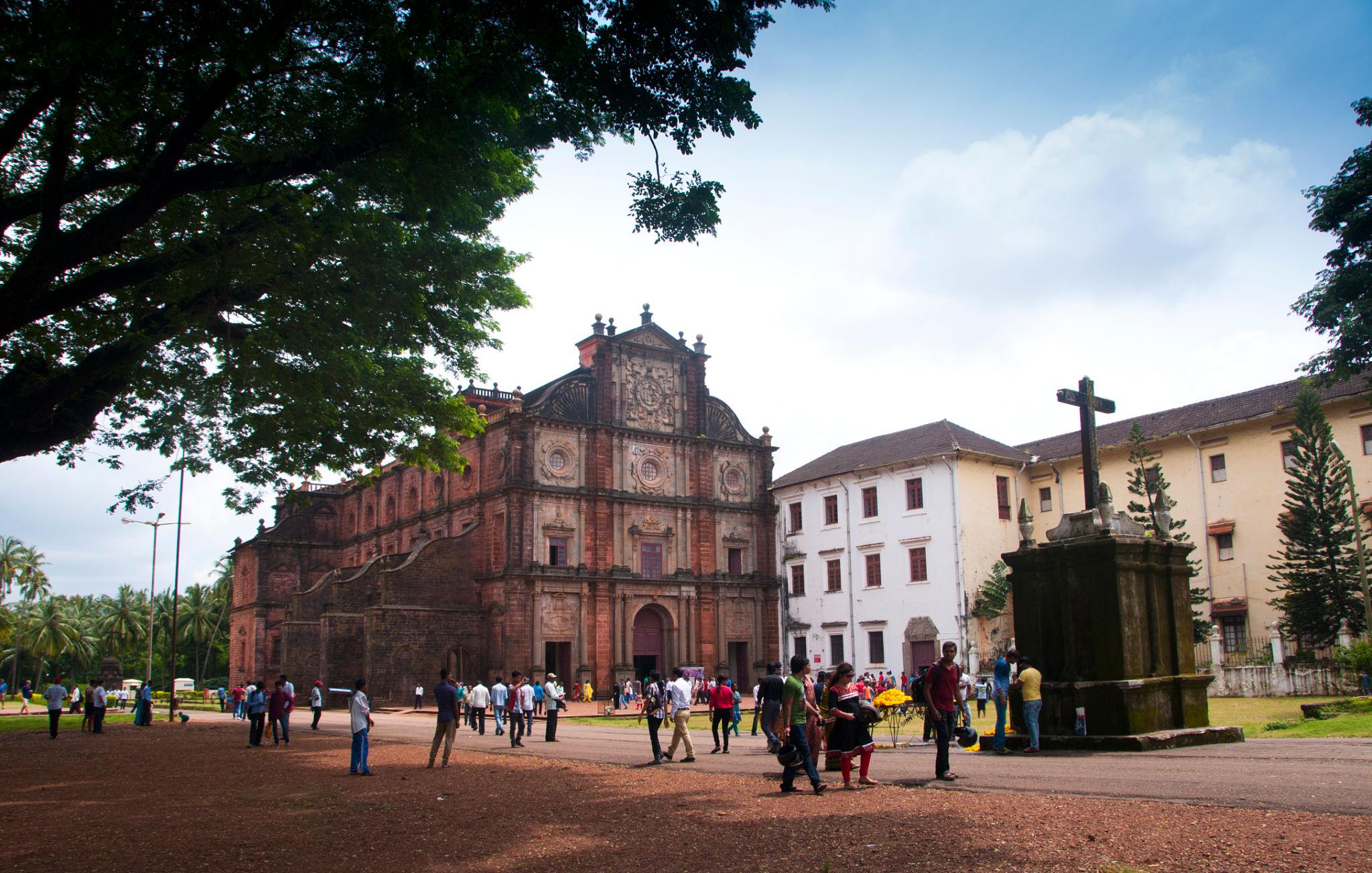
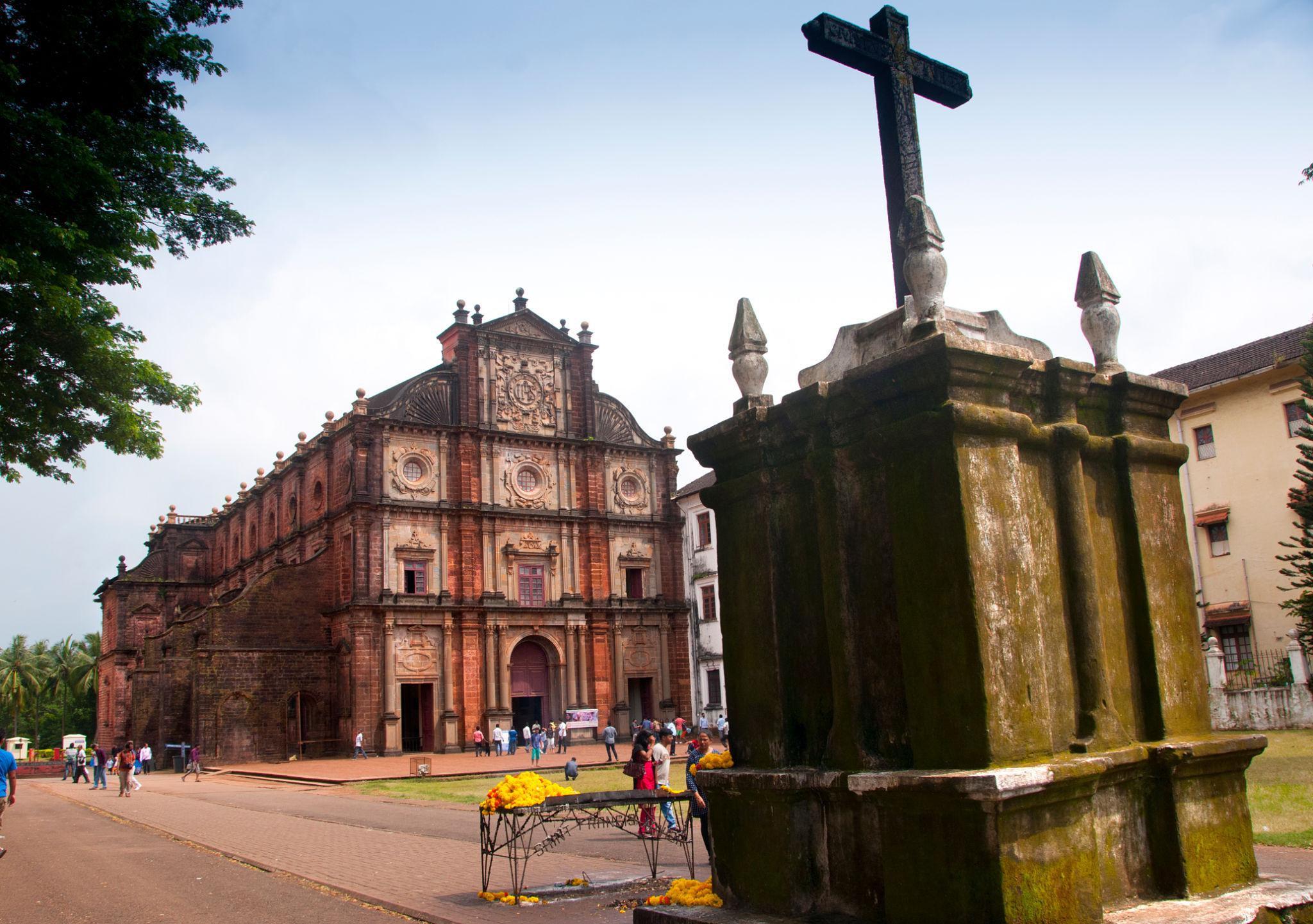
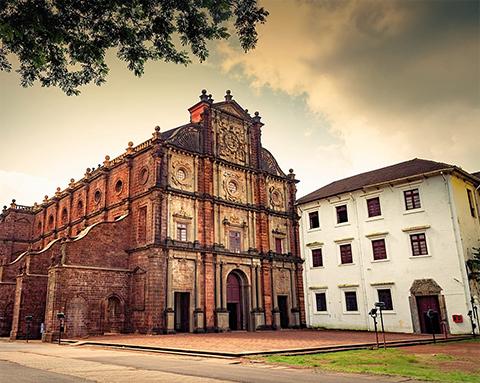
As you approach the basilica, the first thing that strikes you is its unique exterior. Unlike most Portuguese-era churches in Goa which are covered in white lime plaster, the Basilica of Bom Jesus displays a raw, weathered look with its exposed red laterite stone. This aesthetic choice, though originally a result of removing the plaster for preservation in the mid-20th century, has become its most iconic visual characteristic. The site draws millions of pilgrims and tourists every year, transcending religious boundaries to serve as a symbol of Goa’s complex, multicultural history. It is a place where the air is thick with the scent of old wood, incense, and centuries of fervent prayer, making it an essential stop for anyone looking to understand the soul of the "Rome of the East."
History & Religious Significance
The history of the Basilica of Bom Jesus is inextricably linked with the arrival of the Jesuit Order in India. Construction of this monumental church began in 1594 and was completed in 1605. It was consecrated by Aleixo de Menezes, the Archbishop of Goa, on May 24, 1605. The church was elevated to the status of a Minor Basilica in 1946, the first of its kind in India. The Jesuits, led by the vision of St. Ignatius of Loyola, sought to create a structure that reflected the grandeur and spiritual authority of the Catholic Church during the Counter-Reformation period.
The religious significance of the basilica reached its zenith when it became the final resting place of St. Francis Xavier. After his death on Sancian Island near China in 1552, his body was first taken to Malacca and later brought to Goa in 1554. According to historical accounts and religious tradition, the saint's body was found to be "incorrupt"—meaning it did not undergo the natural process of decay. This miracle solidified the basilica's status as a premier pilgrimage site. Over the centuries, the saint has been credited with protecting the state of Goa from various calamities, earning him the affectionate title "Goencho Saib" (Lord of Goa). The history of the basilica also reflects the rise and fall of the Portuguese Empire in the East; while the city of Old Goa was eventually abandoned due to plagues and shifting political tides, the Basilica of Bom Jesus remained a steadfast beacon of faith, meticulously maintained by the church authorities even as the surrounding city fell into ruins.
Architecture of Basilica of Bom Jesus
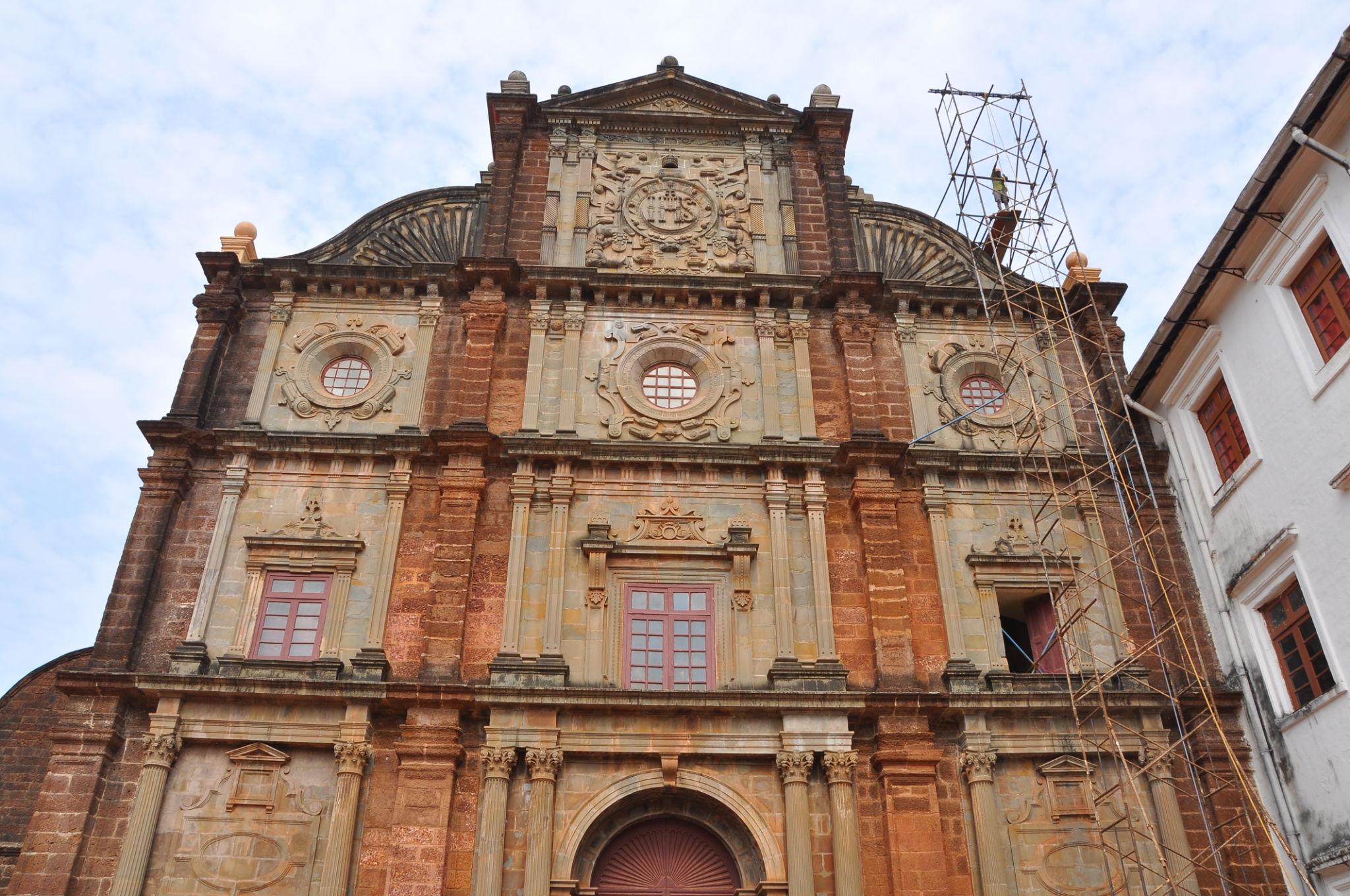
The architecture of the Basilica of Bom Jesus is a masterclass in the Baroque and Mannerist styles, showcasing the artistic transition from the Renaissance to the more ornate Baroque era. The facade is a stunning three-story structure built using black granite brought from Bassein (modern-day Vasai). It features a combination of Doric, Ionic, and Corinthian orders, which were the hallmarks of classical European architecture. The ground floor features three massive portals, the central one being the largest, flanked by two smaller entrances. Above these, the second story features three large windows, while the third story is adorned with three circular windows and a central medallion featuring the Jesuit emblem (IHS).
Inside, the layout follows a simple cruciform plan, but the simplicity of the plan is offset by the sheer opulence of the ornamentation. The floor is paved with white marble and inlaid with semi-precious stones, creating a cool, reflective surface that contrasts with the dark wood of the pews. The main altar is a breathtaking sight, towering from floor to ceiling. It is heavily gilded and features a massive statue of St. Ignatius of Loyola protecting the Infant Jesus. Above the statue is a medallion of the Holy Trinity. The interior walls are adorned with large paintings depicting scenes from the life of St. Francis Xavier. One of the most remarkable architectural features is the Mausoleum of St. Francis Xavier, located in a chapel to the right of the main altar. This three-tiered tomb was designed by the 17th-century Florentine sculptor Giovanni Battista Foggini and was a gift from the Grand Duke of Tuscany, Cosimo III. It is crafted from marble and jasper, featuring bronze plaques that narrate the saint's missionary journeys.
Main Deity / Spiritual Importance
While the church is dedicated to the Infant Jesus (Bom Jesus), the spiritual gravity of the site centers heavily on St. Francis Xavier. For the local Catholic community and pilgrims from across the globe, the basilica is a "living" shrine. The presence of the saint’s relics creates an atmosphere of profound sanctity. Devotees believe that the saint continues to intercede on their behalf, and it is common to see people from all walks of life—regardless of their personal faith—kneeling in silent prayer before the silver casket.
The spiritual importance is also reflected in the Sacristy, a richly decorated room that houses various relics and religious artifacts. The walls here are lined with portraits of saints and Jesuit martyrs, reinforcing the missionary spirit that founded the church. The basilica serves as a reminder of the "Apostle of the Indies" and his tireless efforts to spread Christianity across Asia. For many, a visit to the basilica is a spiritual journey, a chance to connect with a legacy of devotion that has remained unbroken for over 400 years. The sense of peace found within its thick laterite walls is often described as transformative, providing a sanctuary from the bustling world outside.
Festivals & Celebrations
The most significant event at the Basilica of Bom Jesus is the Feast of St. Francis Xavier, celebrated annually on December 3rd. This is preceded by a nine-day novena, during which thousands of devotees flock to Old Goa to attend open-air masses held in various languages, including Konkani, English, Portuguese, and Marathi. The atmosphere during the feast is electric yet solemn, with the entire area around the basilica transformed into a vibrant fairground selling traditional Goan sweets, religious icons, and local handicrafts.
Another monumental event is the Exposition of the Sacred Relics. Every ten years, the silver casket containing the body of St. Francis Xavier is brought down from its elevated pedestal and placed in a glass case at the center of the church for public viewing and veneration. This event lasts for about 45 days, usually starting in late November and ending in early January. The last exposition took place in 2014, and the next is highly anticipated by the global Catholic community. During the exposition, millions of pilgrims travel to Goa, making it one of the largest religious gatherings in India. Other Christian festivals like Christmas and Easter are also celebrated with great fervor, featuring midnight masses and beautiful choir performances that take advantage of the basilica’s exceptional acoustics.
Best Time to Visit
The best time to visit the Basilica of Bom Jesus is during the winter months, from November to February. During this period, the weather in Goa is pleasant and cool, making it ideal for exploring the vast grounds of Old Goa without the intense heat of the summer sun. Visiting in early December allows you to witness the grandeur of the Feast of St. Francis Xavier, though you should be prepared for significant crowds.
If you prefer a quieter, more contemplative experience, the monsoon season (June to September) offers a different kind of beauty. The rain-washed laterite stone takes on a deep, dark hue, and the surrounding gardens turn a vibrant green. However, be aware that heavy downpours can sometimes make outdoor exploration difficult. For those looking to avoid the tourist rush, visiting on a weekday in the early morning (around 9:00 AM) is highly recommended. Sunday mornings are typically busy with local parishioners attending mass, which provides a beautiful insight into local culture but might limit your ability to walk around freely for photography.
Timings, Entry Fee & Dress Code
To ensure a smooth visit, it is important to be aware of the following logistical details:
- Timings: The basilica is generally open to visitors from 9:00 AM to 6:30 PM on weekdays and Saturdays. On Sundays, the visiting hours for tourists are usually from 10:30 AM to 6:30 PM, as the early morning hours are reserved for religious services.
- Entry Fee: There is no entry fee to visit the Basilica of Bom Jesus. It is a place of worship open to everyone. However, donations for the maintenance of the site are welcomed.
- Dress Code: As this is a highly sacred site, a strict dress code is enforced. Visitors are expected to dress modestly. This means shoulders and knees should be covered. Avoid wearing sleeveless tops, short skirts, or hot pants. If you are not dressed appropriately, you may be asked to wrap a shawl around yourself, which is sometimes available at the entrance, but it is better to come prepared.
- Mass Timings: If you wish to attend a service, masses are typically held at 7:00 AM and 8:00 AM on weekdays, with additional services on Sundays. It is advisable to check the official parish board for any changes in timing.
How to Reach Basilica of Bom Jesus
The Basilica of Bom Jesus is located in Old Goa, which is well-connected to all major parts of the state. Here are the best ways to reach the site:
- By Road (Bus): The most economical way to reach Old Goa is by taking a government (Kadamba) or private bus from the Panjim Bus Stand. Buses run frequently (every 15-20 minutes) and the journey takes about 20 to 30 minutes.
- By Taxi/Auto-Rickshaw: You can easily hire a taxi or an auto-rickshaw from Panjim, Candolim, or Baga. While more expensive than the bus, it offers the convenience of door-to-door service. Ensure you use the "Goa Miles" app or negotiate the fare beforehand if the vehicle is not metered.
- By Scooter/Bike Rental: Many tourists prefer to rent a scooter or a motorcycle to explore Goa at their own pace. The drive from Panjim to Old Goa along the Mandovi River is scenic and straightforward. There is ample parking available near the basilica.
- By Train: The nearest railway station is Karmali (KRMI), located just about 3 kilometers away from the basilica. From the station, you can take a quick rickshaw or taxi to reach the site.
Things to Do
A visit to the Basilica of Bom Jesus offers more than just a quick look at the altar. To truly experience the site, consider the following activities:
- Marvel at the Tomb of St. Francis Xavier: Spend time examining the intricate bronze reliefs on the Italian-made mausoleum, which depict various stages of the saint's life and miracles.
- Visit the Art Gallery: Located within the basilica complex, this is one of the largest Christian art galleries in Asia. It houses several large-scale oil paintings from the 16th and 17th centuries.
- Attend a Mass: Even if you are not Catholic, attending a mass allows you to experience the spiritual energy of the basilica and hear the beautiful hymns sung by the local choir.
- Explore the Sacristy: This area contains precious wooden carvings and chests used for storing vestments, offering a glimpse into the administrative and ceremonial side of the church.
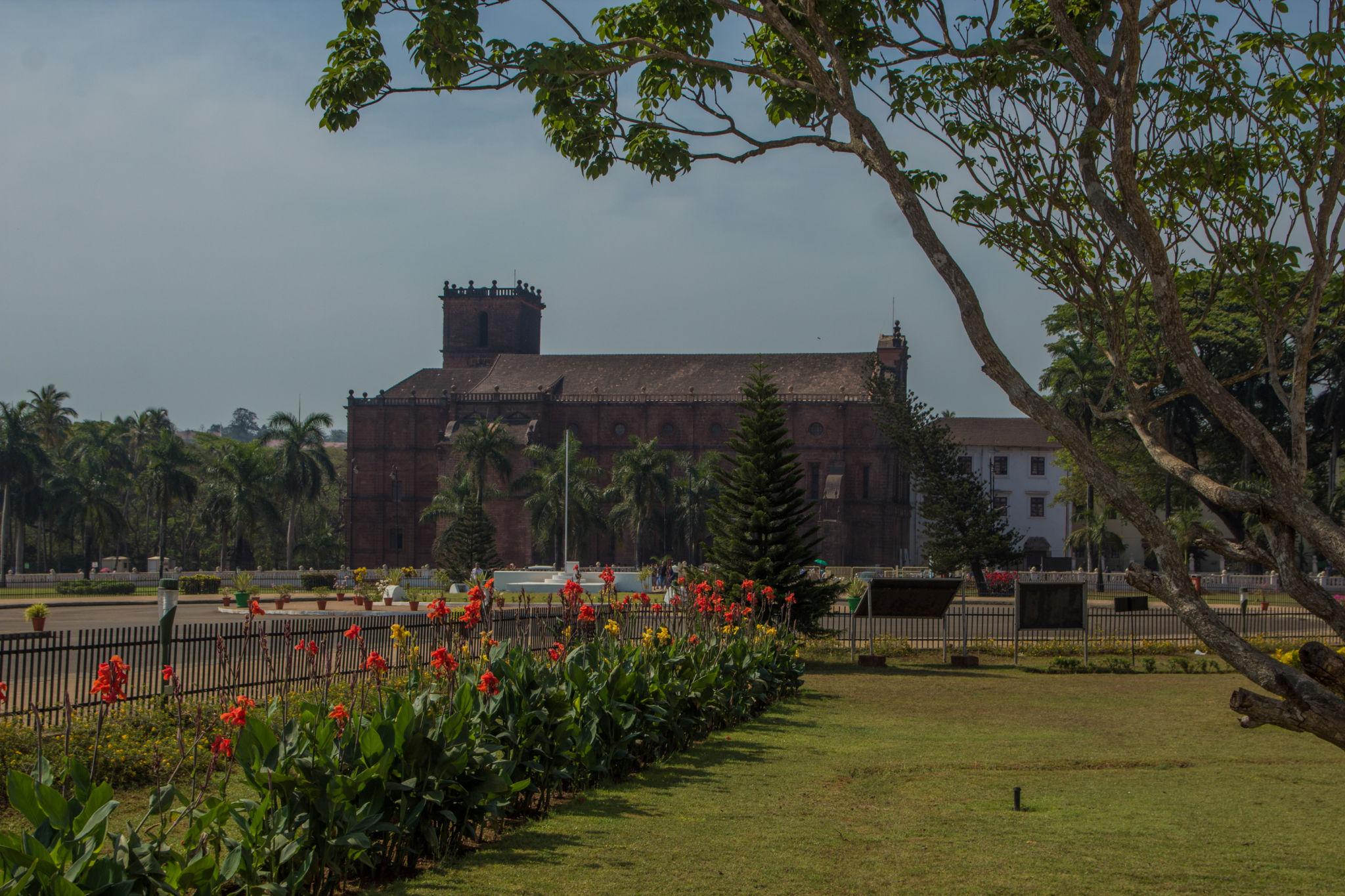
- Walk through the Gardens: The well-maintained lawns surrounding the basilica are perfect for a quiet stroll and offer excellent vantage points for photography of the exterior architecture.
- Light a Candle: There is a designated area for devotees to light candles and offer their intentions, a traditional practice that adds to the personal connection with the site.
Nearby Attractions
The Basilica of Bom Jesus is situated in the heart of Old Goa, surrounded by several other historical and religious landmarks within walking distance:
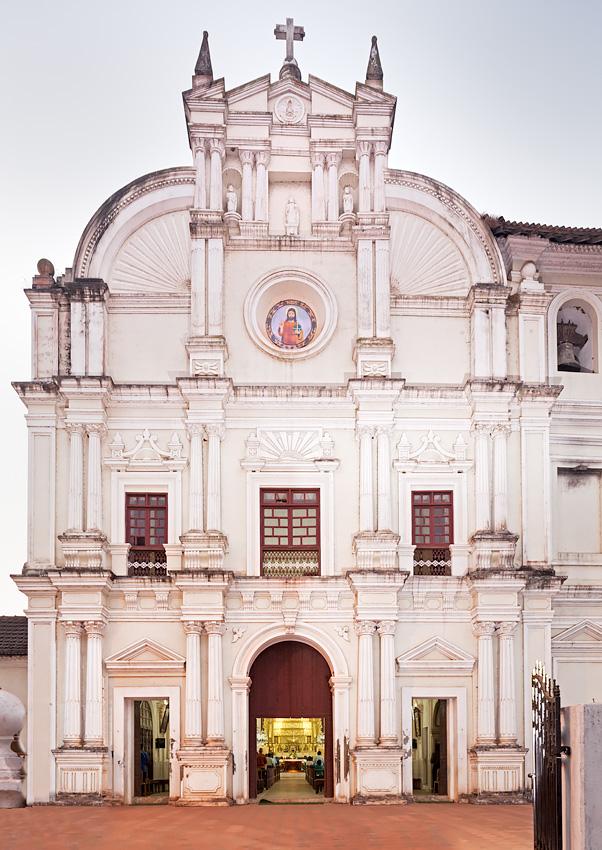
- Se Cathedral: Located directly across the road, this is the largest church in Asia. It is famous for its "Golden Bell" and its stunning Tuscan-style architecture.
- Church of St. Francis of Assisi: Adjacent to the Se Cathedral, this church features a blend of Hindu and Christian architectural elements and houses the Archaeological Museum.
- Archaeological Museum of Old Goa: Located in the convent of St. Francis of Assisi, this museum contains a vast collection of artifacts from the Portuguese era, including portraits of viceroys and ancient sculptures.
- Church of St. Cajetan: Modeled after St. Peter’s Basilica in Rome, this beautiful white church is known for its Corinthian columns and serene atmosphere.
- Viceroy’s Arch: A historic gateway built to commemorate the arrival of Vasco da Gama, it once served as the main entrance to the city of Old Goa.
- Mount Mary Church: Perched on a hill, this church offers a panoramic view of the entire Old Goa complex and the Mandovi River.
- St. Augustine Tower: The ruins of a once-massive church and monastery, the 46-meter-high belfry tower is a hauntingly beautiful sight.
Photography & Visitor Guidelines
To preserve the sanctity and the physical structure of the basilica, visitors are asked to follow these guidelines:
- Photography: Photography is generally allowed outside the basilica and in the surrounding gardens. However, photography and videography are strictly prohibited inside the main prayer hall and during mass. This is to maintain a respectful environment for those praying.
- Silence: Maintain strict silence inside the church. Even whispered conversations can echo loudly in the cavernous interior.
- Mobile Phones: Ensure your mobile phone is switched off or put on silent mode before entering the premises.
- Respect the Relics: Do not attempt to touch the glass casing of the saint's tomb or any of the ancient paintings and sculptures.
- No Smoking or Eating: Consuming food, beverages, or smoking within the church complex is strictly forbidden.
- Guided Tours: If you hire a guide, ensure they are government-authorized. Be wary of unofficial guides who may provide inaccurate historical information.
Where to Eat Nearby
After exploring the spiritual sites of Old Goa, you can find several dining options ranging from quick snacks to full Goan meals:
- The Basilica Canteen: Located within the vicinity, it offers basic snacks, tea, coffee, and cold drinks at very reasonable prices.
- Local Eateries: Numerous small stalls near the bus stand serve traditional Goan snacks like Ros Omelette, vegetable samosas, and batata vadas.
- Riverfront Restaurants: A short drive toward Panjim will lead you to several restaurants along the Mandovi River that serve authentic Goan fish thalis and seafood.
- Viva Panjim (Panjim): If you don't mind a 15-minute drive, this famous restaurant in the Fontainhas area offers some of the best Pork Vindaloo and Chicken Cafreal in Goa.
- Hotel Mandovi: A classic choice for those looking for a more formal dining experience with a view of the river.
Accommodation Nearby
While most visitors stay in the beach belts of North Goa or in Panjim, staying near Old Goa offers a more peaceful experience. Here are some options:
- The Postcard Velha: A luxury boutique hotel located on a hillock in Old Goa, offering colonial charm and modern amenities.
- Old Goa Residency: Managed by the Goa Tourism Development Corporation (GTDC), this is a budget-friendly and reliable option located right in the heart of the heritage zone.
- Heritage Homes: There are several homestays and heritage villas in the nearby villages of Ribandar and Loutolim that provide a more immersive Goan cultural experience.
- Panjim Hotels: Since Panjim is only 15 minutes away, staying in the capital provides access to a wider range of hotels, from budget guesthouses in Fontainhas to luxury hotels like the Vivanta by Taj.
Travel Tips
To make the most of your visit to the Basilica of Bom Jesus, keep these tips in mind:
- Hydration: Carry a bottle of water, as exploring the various sites in Old Goa involves a fair amount of walking in the sun.
- Footwear: Wear comfortable walking shoes. You will likely be on your feet for several hours as you move between the basilica, the cathedral, and the museums.
- Sun Protection: Use sunscreen, wear a hat, or carry an umbrella, especially if you are visiting between 11:00 AM and 4:00 PM.
- Combine Your Visit: Plan to spend at least half a day in Old Goa to see all the major churches and the museum. It is more efficient than making multiple trips.
- Local Interaction: Don't hesitate to talk to the local sacristans or volunteers if you have questions about the church's history; they often share fascinating local legends not found in guidebooks.
- Souvenirs: Look for small stalls outside the church selling traditional Goan clay items and religious medallions as unique mementos of your visit.
Conclusion
The Basilica of Bom Jesus is far more than an architectural landmark; it is a profound testament to the enduring power of faith and the rich, layered history of Goa. Its weathered laterite walls have witnessed the rise and fall of empires, the arrival of explorers, and the silent prayers of millions. Whether you are drawn by its historical significance, its Baroque splendor, or a personal spiritual quest, the basilica offers an experience that is both humbling and inspiring. As you stand before the silver casket of St. Francis Xavier, you are not just looking at a relic of the past, but participating in a living tradition that continues to shape the cultural identity of Goa today. A visit here is a journey into the heart of the "Rome of the East," leaving every traveler with a sense of peace and a deeper appreciation for the spiritual heritage of India.