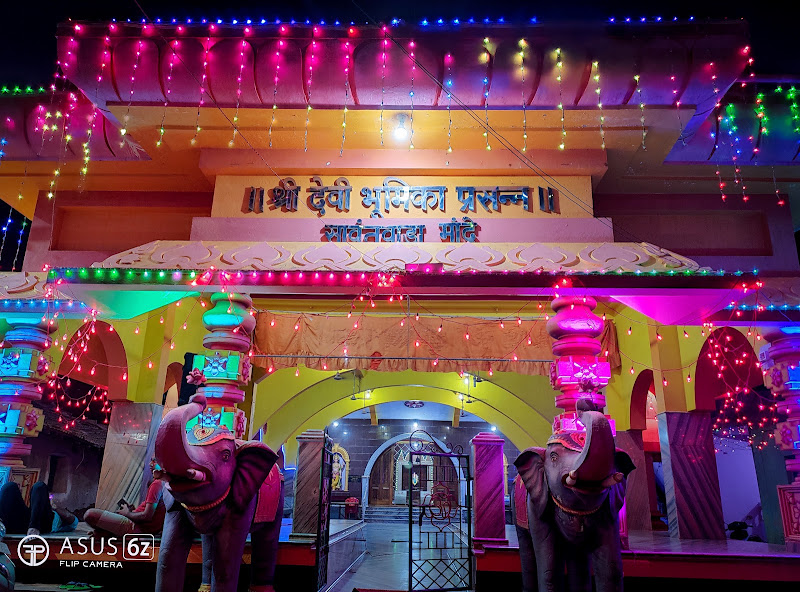
Overview of Saturday Night Market Goa
The Saturday Night Market in Arpora, often referred to as the heartbeat of North Goa’s nocturnal culture, is far more than just a shopping destination; it is a sprawling, multi-sensory festival that encapsulates the bohemian soul of the sunshine state. Originally conceptualized by a German expatriate named Ingo in the late 1990s, the market has evolved into a legendary institution that bridges the gap between traditional Goan bazaars and high-octane European nightlife. Spanning across a massive hillside in Arpora, this market is a labyrinth of neon lights, aromatic food stalls, boutique designer kiosks, and pulsating music stages that operate only during the peak tourist season from November to April.
For any traveler seeking the true essence of Goan nightlife, the Saturday Night Market is an essential pilgrimage. It represents a "Global Village" where the East meets the West. Here, you will find indigenous artisans from Rajasthan selling intricate silver jewelry right next to European designers showcasing avant-garde apparel. The market is strategically divided into three distinct zones: the Lower Level, which focuses on local handicrafts and traditional Indian wares; the Central Level, which houses the main stage and a massive food court; and the Upper Level, which is home to international designer boutiques and the more underground electronic music spots. This vertical hierarchy ensures that every visitor, whether a family looking for souvenirs or a hardcore raver looking for the next beat, finds their niche within the Arpora hillside.
Top Goa Experience • Part 1
Highly Recommended Near Saturday Night Market Goa
Explore All
What sets the Saturday Night Market apart from the daytime flea markets like Anjuna is its sheer energy. As the sun sets over the Arabian Sea, the market transforms into a glowing wonderland. The air is thick with the scent of wood-fired pizzas, Goan spices, and expensive incense. It is a place where commerce and celebration coexist in perfect harmony. In this detailed guide, we will explore every facet of this iconic venue, ensuring you have all the information needed to navigate one of Asia’s most unique nightlife experiences.
Ambience & Vibe
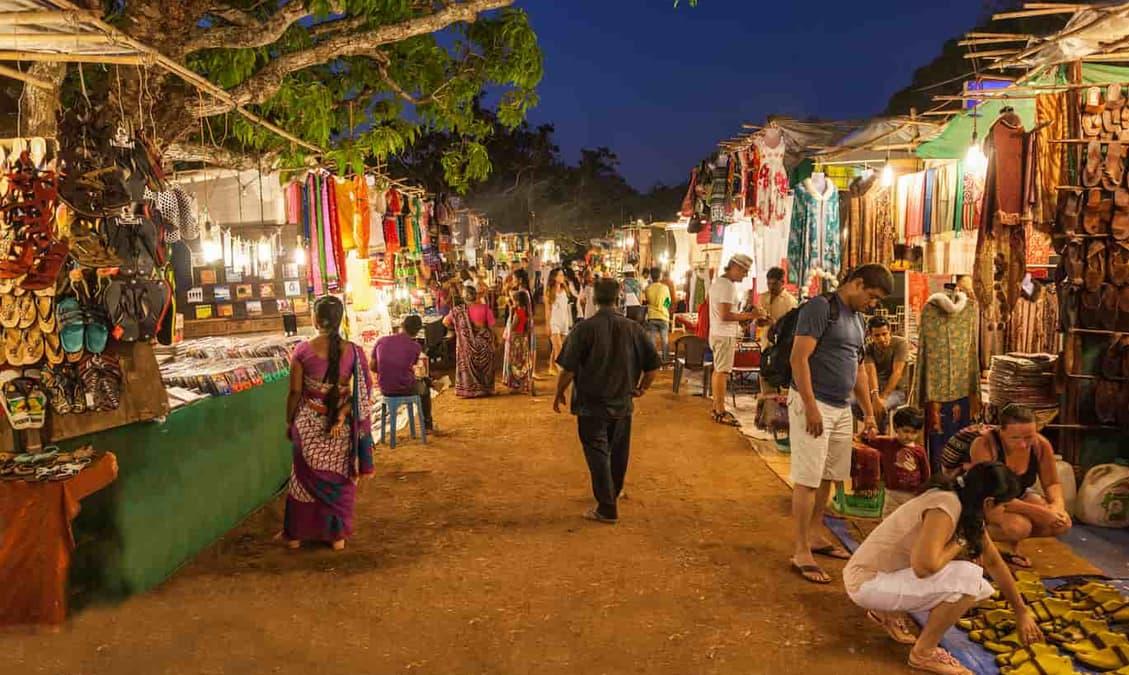
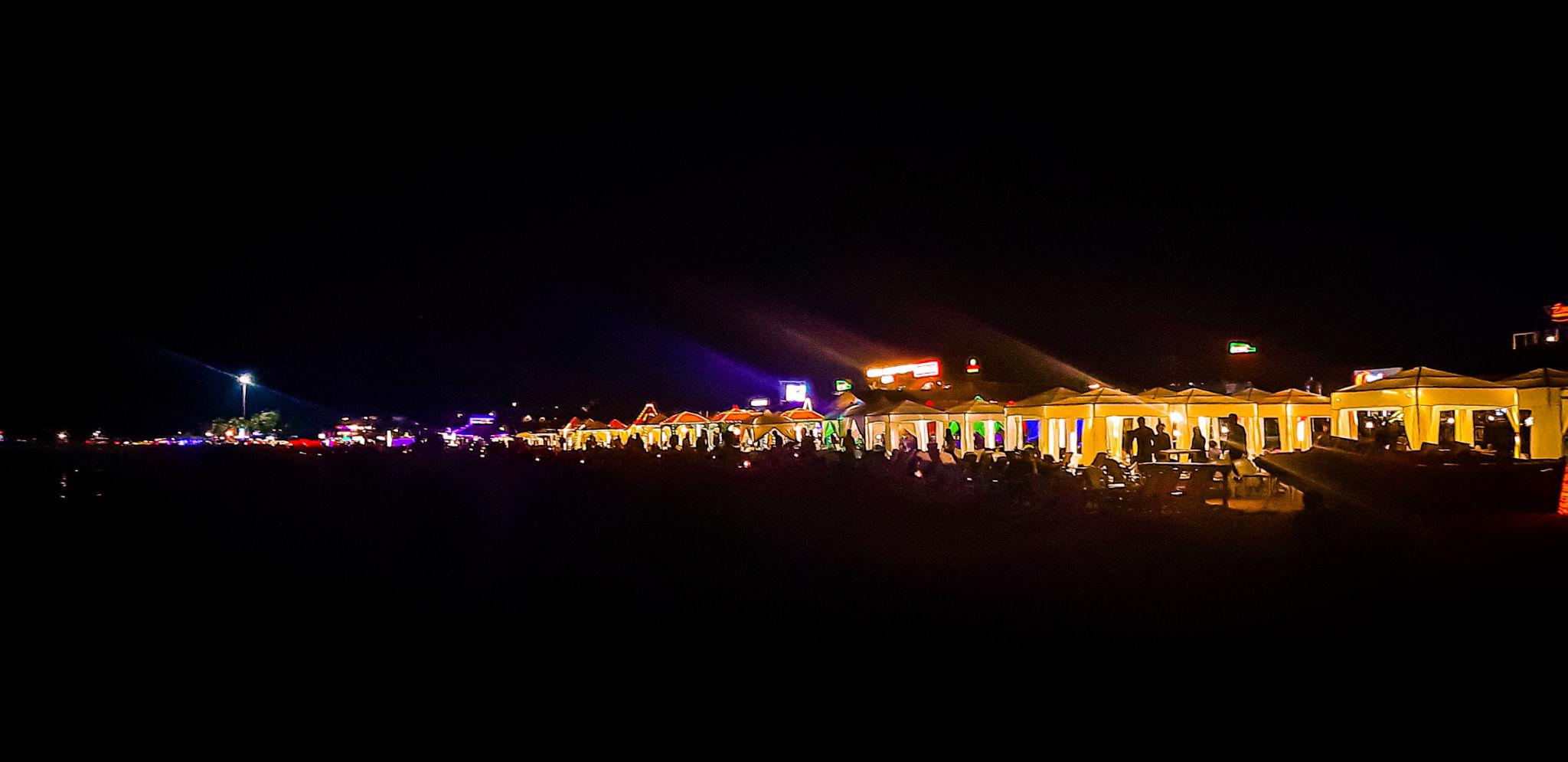
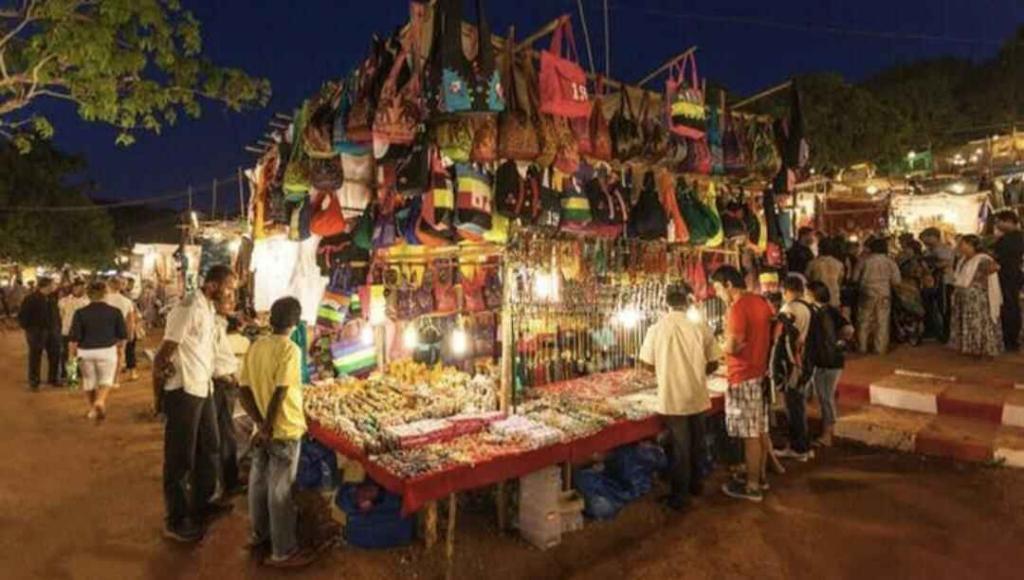
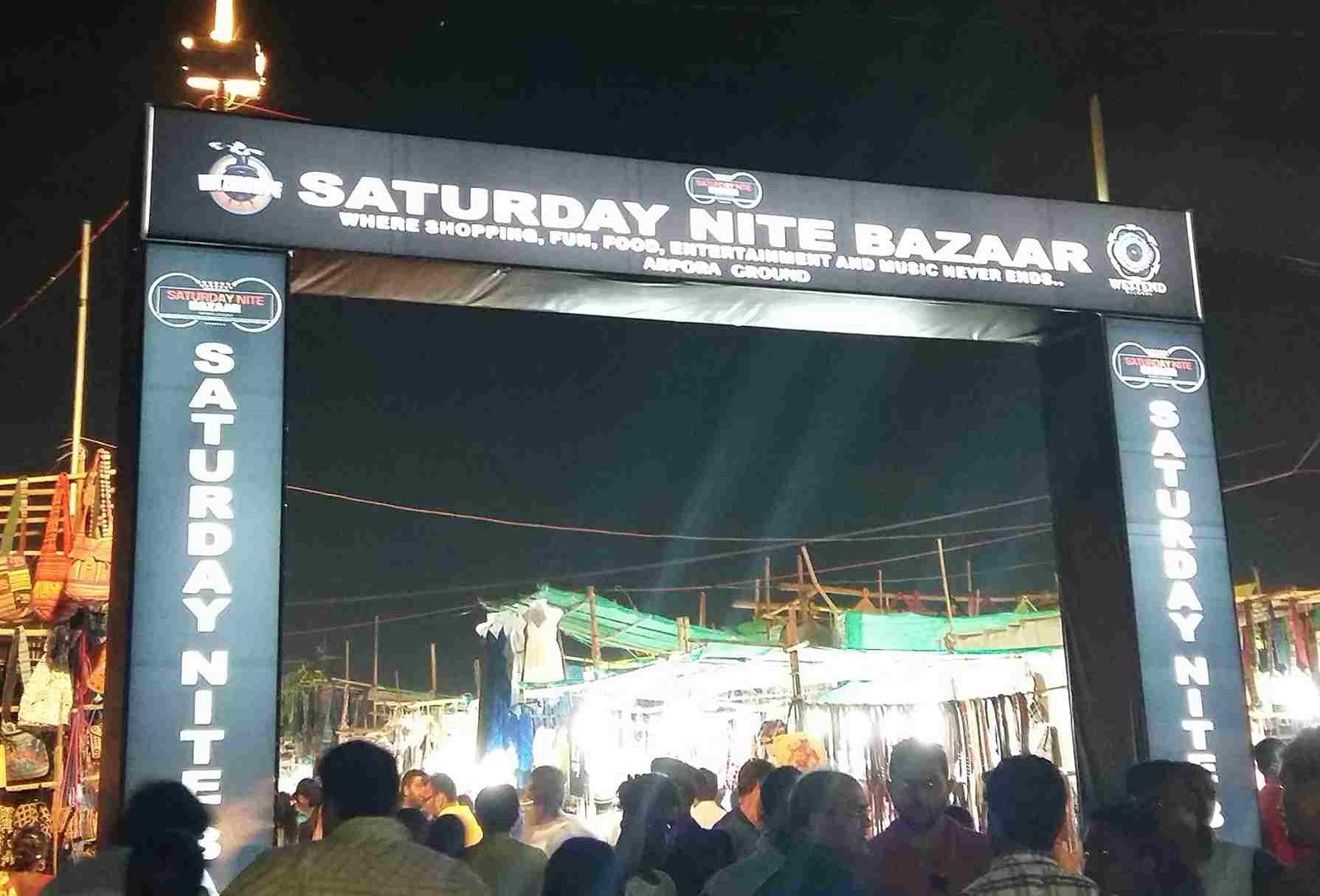
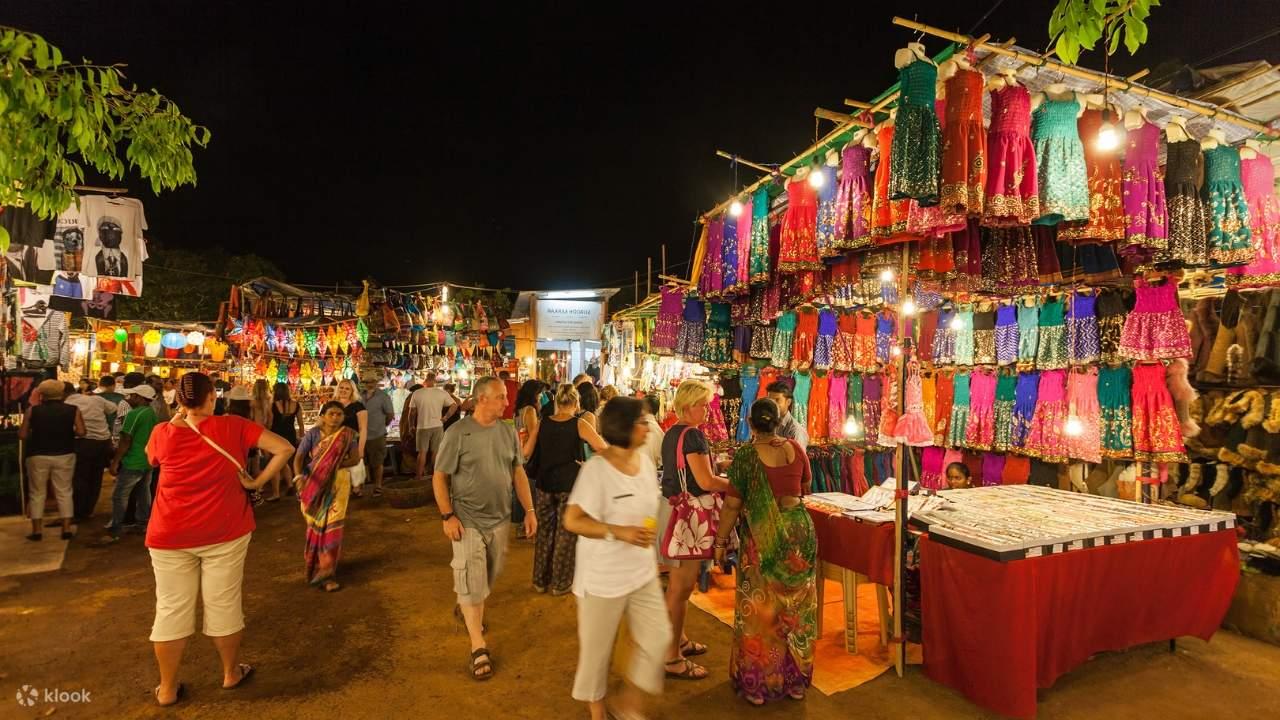
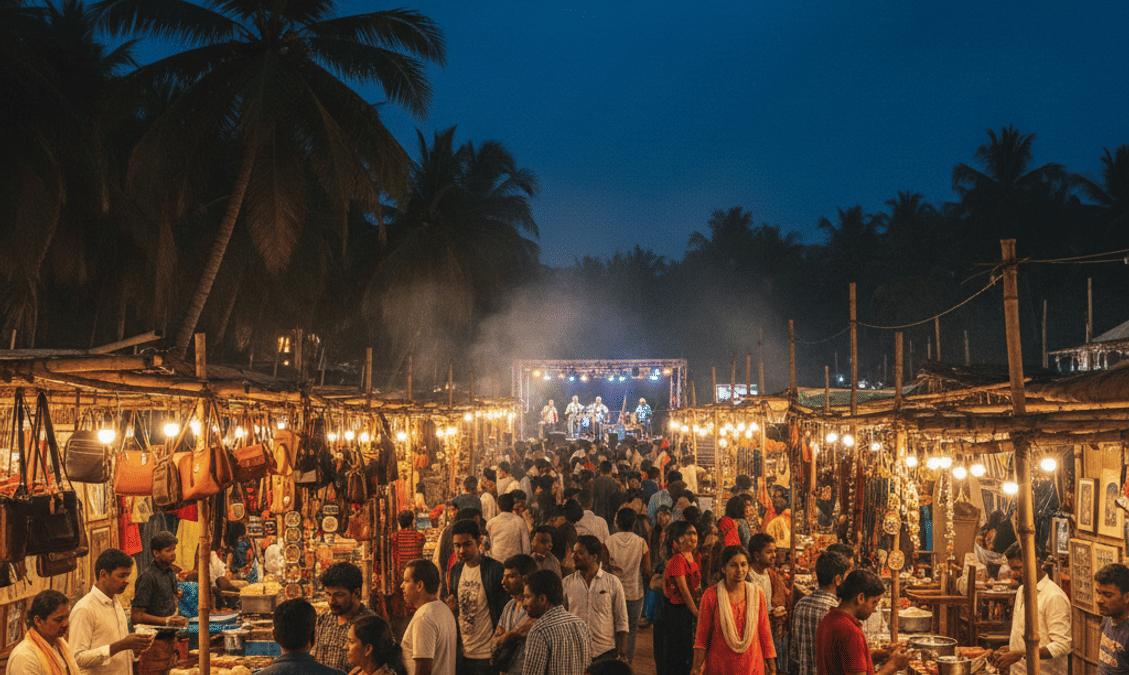
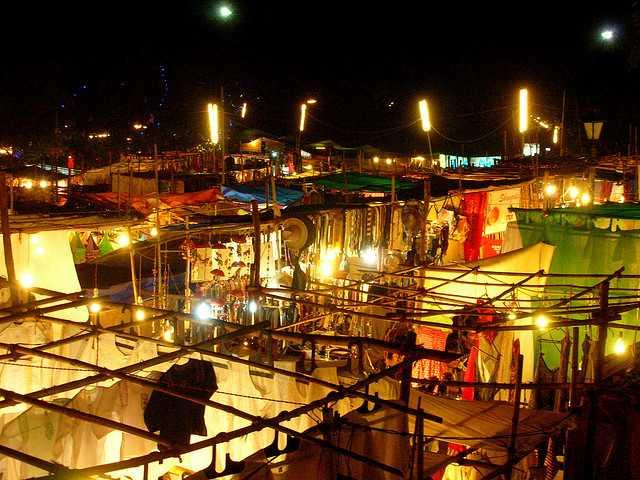
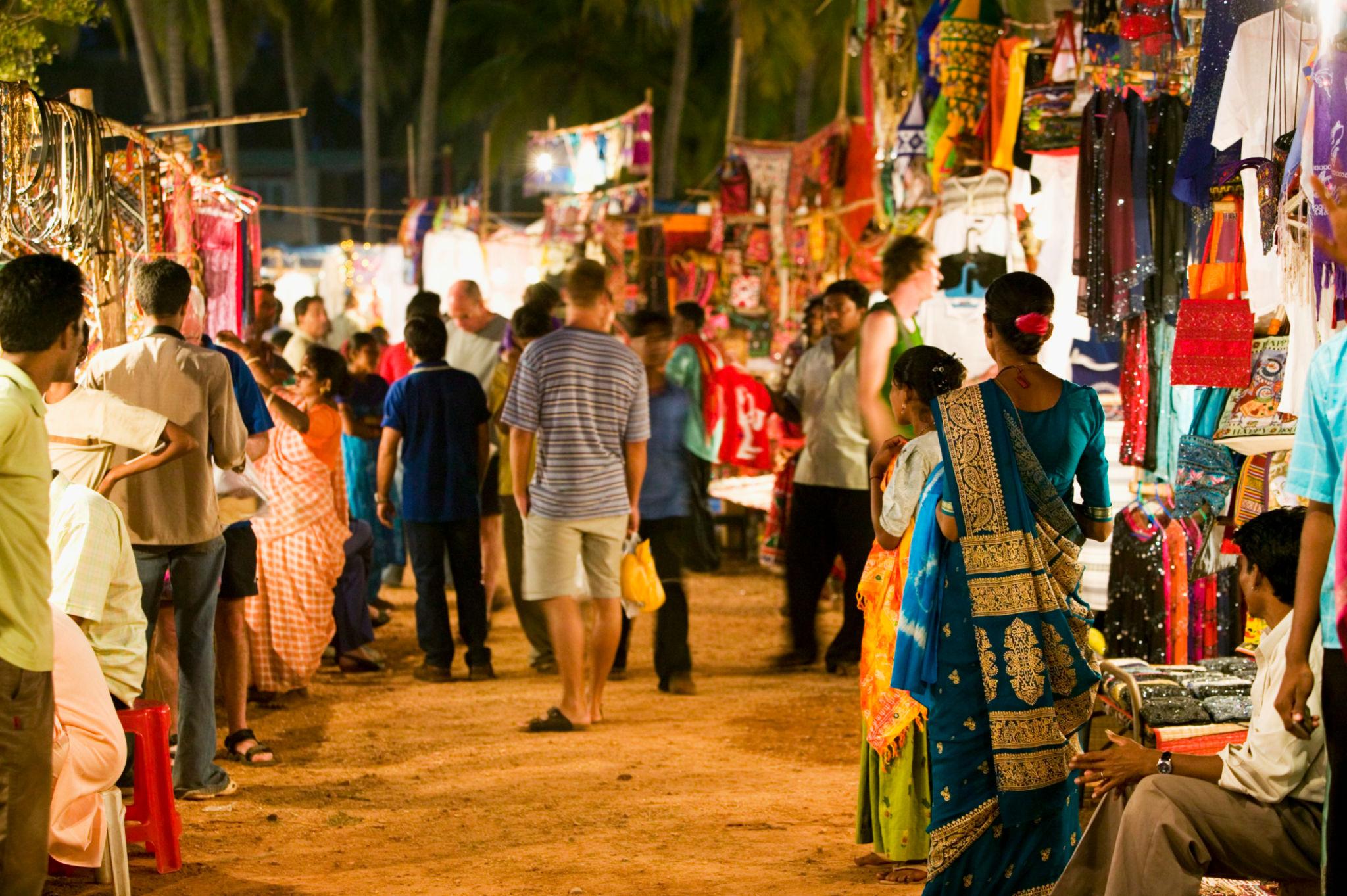
The ambience of the Saturday Night Market is best described as "Hippie-Chic meets Carnival Chaos." The moment you step through the arched entrance, you are greeted by a kaleidoscope of colors. Thousands of fairy lights are draped across ancient banyan trees, and neon signs flicker against the dark Goan sky. The vibe is electric yet laid-back, embodying the "Susegad" spirit of Goa while maintaining the intensity of a music festival. The layout is intentionally maze-like, encouraging visitors to lose themselves in the rows of stalls that climb the Arpora hill.
Recommended Guide
Goa Nightlife Guide (2026): Best Clubs, Beach Parties, Casinos & Late-Night Experiences 🌙🔥
Goa is not just India’s beach capital—it’s the undisputed nightlife hub of the country. Whether you’re a solo traveler looking to meet new people,...
Read Guide →
As you wander through the market, the sensory input is overwhelming in the best way possible. You’ll hear the clinking of cocktail shakers, the distant thud of a bassline from the upper deck, and the rhythmic chanting of street performers. The Lower Level feels like a traditional mela, with vibrant textiles, pashminas, and leather goods creating a tapestry of Indian heritage. Moving upward, the vibe shifts toward a more cosmopolitan atmosphere. The Middle Level is the social hub, where the large open-air amphitheater serves as the focal point. Here, people from all corners of the globe sit on hay bales or plastic chairs, sharing stories over cold beers.
The Upper Level offers a more sophisticated, "boutique" vibe. The lighting is dimmer, the music is more experimental, and the crowd is noticeably more fashionable. This area feels like a high-end outdoor lounge, where the breeze from the hilltop provides a welcome respite from the tropical humidity below. The entire venue is designed to be an immersive experience; it’s not just about what you buy, but how you feel while you’re there. The Saturday Night Market manages to be both a crowded tourist hotspot and a soulful sanctuary for the creative community that calls Goa home.
Recommended Guide
Best Night Clubs in Goa for Singles (Updated Guide)
Goa isn’t just India’s party capital—it’s one of the most exciting places in Asia for solo travelers looking to meet new people, dance all night, a...
Read Guide →
Music, DJs & Entertainment
Music is the lifeblood of the Saturday Night Market. Unlike a standard nightclub where one DJ dominates the room, the market offers a diverse sonic landscape across multiple stages. The Main Stage, located in the heart of the food court, is the center of live entertainment. Throughout the night, you can witness an eclectic mix of performances ranging from world-renowned fire dancers and acrobats to live bands playing Reggae, Blues, Jazz, and Indian Fusion. It is not uncommon to see a traditional Rajasthani folk group followed immediately by a high-energy Afro-beat ensemble.
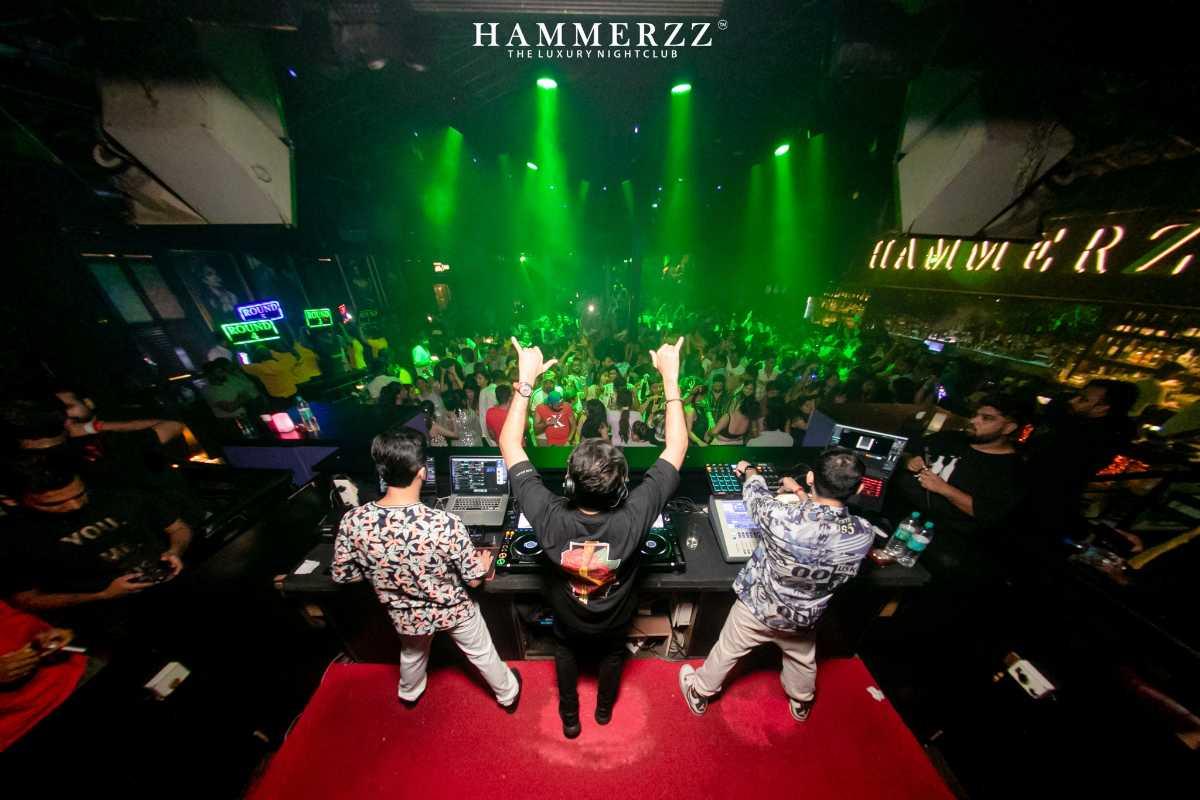
For those who prefer electronic sounds, the Upper Level is where the party truly intensifies. This area often features local and international DJs spinning deep house, tech-house, and the iconic Goa Trance. The sound systems here are top-tier, and the natural amphitheater of the hillside creates excellent acoustics. The "Boutique House" area often hosts "silent discos" or intimate DJ sets where the focus is on underground beats rather than commercial hits. The music here creates a sophisticated backdrop for the shoppers and socialites who frequent the designer stalls.
Recommended Guide
Nightlife in Baga
When people think about Goa nightlife, the first place that comes to mind is usually Baga Beach. Famous for its energetic atmosphere, beachside bars, legen...
Read Guide →
Beyond the organized stages, entertainment is found in every corner. You might stumble upon a solo guitarist playing acoustic covers near a cocktail bar or a group of percussionists leading an impromptu drum circle near the entrance. The Fire Dancers are a particular highlight; their nightly performances involve intricate choreography with flaming poi and hoops, drawing massive crowds and creating spectacular photo opportunities. The entertainment at the Saturday Night Market is curated to reflect the global nature of the venue, ensuring that there is always a rhythm to match your mood.
Top Goa Experience • Part 2
Highly Recommended Near Saturday Night Market Goa
Explore All
Food & Drinks
If the music is the soul of the market, the food is undoubtedly its heart. The Saturday Night Market is a culinary destination in its own right, boasting one of the most diverse food courts in India. The Global Food Court features stalls run by expatriates who have settled in Goa, bringing authentic flavors from their homelands. You can embark on a gastronomic journey starting with authentic Burmese Khao Suey, moving to Greek Gyros, and finishing with Tibetan Momos or Israeli Shakshuka.
For those craving local flavors, the market offers an abundance of Goan delicacies. You must try the Pork Sorpotel or Chicken Xacuti served with fresh poi (Goan bread). The seafood stalls are equally impressive, offering grilled prawns, calamari, and the famous Goan fish curry. One of the most legendary stalls is the Rotisserie Chicken stand, where the aroma of slow-roasting meat wafts across the entire middle level, drawing in hungry shoppers from afar.
The drink scene is equally vibrant. Several well-stocked bars are scattered throughout the venue. The Beer Garden is a popular spot for those looking to grab a chilled Kingfisher and watch the crowds go by. For something more sophisticated, the cocktail bars on the upper level serve expert concoctions, including Feni-based cocktails that provide a local twist on classic drinks. Don't miss the fresh fruit juice stalls, which offer refreshing blends of watermelon, pineapple, and ginger—perfect for staying hydrated in the Goan heat. Whether you want a quick street-food snack or a full sit-down international dinner, the Saturday Night Market caters to every palate and budget.
Best Time & Best Days to Visit
The Saturday Night Market is a seasonal event, typically operating from November to April. It is closed during the monsoon months (May to October) due to its open-air nature. As the name suggests, the market is held only on Saturdays. While it officially opens around 6:00 PM, the atmosphere doesn't truly peak until much later.
- 6:00 PM - 8:00 PM: This is the best time for families and those who want to shop seriously without the intense crowds. The temperature is cooler, and you have the pick of the best items before they sell out.
- 9:00 PM - 11:30 PM: This is the "Prime Time." The market is at its most energetic, the live performances on the main stage are in full swing, and the food court is buzzing. This is when the "nightlife" aspect of the market truly shines.
- 12:00 AM - 2:00 AM: The shopping stalls begin to wind down, but the bars and the upper-level music zones remain active. This is the best time for party-goers who want to soak in the late-night vibe before heading to nearby after-party spots.
If you are visiting during the peak Christmas and New Year period (late December), be prepared for massive crowds. During these weeks, it is advisable to arrive as early as possible to secure parking and avoid the gridlock on the Arpora-Anjuna road. For a more relaxed experience, visiting in late November or early March allows you to enjoy the full scale of the market with a bit more breathing room.
Entry Fee, Cover Charges & Table Booking
One of the most appealing aspects of the Saturday Night Market is that entry is generally free for all visitors. Unlike many high-end clubs in Baga or Anjuna, there is no mandatory cover charge just to walk in and enjoy the atmosphere. This makes it an incredibly inclusive venue where budget backpackers and luxury travelers mingle freely.
However, there are certain areas where costs may apply:
- VIP Lounges & Bar Seating: While most of the market is free-roaming, some specific bar areas or raised platforms near the stages may require a minimum spend or a table booking, especially during special events or performances by high-profile DJs.
- Parking Fees: There is usually a nominal fee for parking your scooter or car in the designated lots surrounding the market. Expect to pay around ₹50 for a two-wheeler and ₹100-₹200 for a car.
- Concert Events: Occasionally, the market hosts specific ticketed music festivals or international acts within its premises. In such cases, a separate entry fee might be charged for access to the performance zone.
For table bookings in the popular food areas or near the main stage, it is mostly a "first-come, first-served" basis. If you are a large group, arriving by 8:00 PM is your best bet to secure a cluster of seats together.
Dress Code & Club Rules
The dress code at the Saturday Night Market is "Goan Boho-Chic." There are no strict "no slippers" or "collared shirt" rules like you might find at Club Cubana or Tito’s. The key here is comfort and individual expression. You will see everything from flowing maxi dresses and floral shirts to elaborate rave gear and traditional Indian ethnic wear.
Recommendations for Dress:
- Footwear: This is crucial. The market is built on a hillside with uneven terrain, rocky paths, and many stairs. Leave the high heels at home and opt for comfortable sneakers, sturdy sandals, or flat boots.
- Clothing: Wear breathable fabrics like cotton or linen. Even at night, the humidity can be high, and the crowds generate significant heat.
- Accessories: Don't be afraid to accessorize with hats, scarves, and jewelry—you're in the fashion capital of Goa, after all!
Market Rules & Etiquette:
- No Outside Food or Drinks: Like any major venue, bringing your own alcohol or snacks is generally discouraged.
- Bargaining: While bargaining is expected at the local handicraft stalls on the lower level, the "Boutique" stalls on the upper level often have fixed prices for their designer goods. Use your judgment and always be polite.
- Respect the Artists: Many of the performers rely on tips. If you enjoy a fire dance or a street performance, showing your appreciation with a small tip is customary.
- Zero Tolerance for Drugs: Despite the "hippie" reputation, the market has a strict policy against illegal substances, and security personnel are present throughout the venue.
Crowd Type & Nightlife Experience
The crowd at the Saturday Night Market is perhaps the most diverse you will find anywhere in India. It is a melting pot of cultures, ages, and backgrounds. You will find European expats who have lived in Goa for decades, domestic tourists from Mumbai and Delhi, international backpackers on the "banana pancake trail," and local Goans enjoying a night out. It is also remarkably family-friendly, with many parents bringing children to enjoy the food and music early in the evening.
The nightlife experience here is "horizontal" rather than "vertical." In a club, you are confined to a dance floor; at the Saturday Night Market, the entire hillside is your playground. You can spend thirty minutes dancing to a DJ, the next hour shopping for vintage leather bags, and the following hour eating authentic sushi while watching a fire show. This variety prevents the "club fatigue" that often sets in at traditional venues. It is a social experience where people are more open to conversation, making it one of the best places in Goa to meet fellow travelers and interesting characters from around the world.
Location & How to Reach Saturday Night Market Goa
The Saturday Night Market is located in Arpora, North Goa. It is situated on the Aguada-Siolim Road, nestled between the popular beach towns of Baga and Anjuna. Its central location makes it easily accessible from most major tourist hubs in North Goa.
How to Reach:
- By Scooter/Bike: This is the most popular way to reach the market. It’s a 10-minute drive from Baga, 15 minutes from Anjuna, and about 20 minutes from Calangute. Follow the signs for "Arpora" or "Club Cubana"—the market is located right near the base of the hill leading to the club.
- By Taxi/Auto-Rickshaw: Taxis are readily available from all major hotels. Be sure to negotiate the fare beforehand or use a ride-hailing app like GoaMiles. On Saturday nights, traffic can be heavy, so factor in extra time.
- On Foot: If you are staying in Arpora or near the Arpora junction, the market is within walking distance. However, be cautious as the roads are narrow and can be very busy on market nights.
Landmarks: Look for the Marinha Dourada Resort or the neon signs for Club Cubana. The market entrance is hard to miss, characterized by a massive influx of vehicles and bright lights illuminating the hillside.
Nearby Attractions & After-Party Spots
The Saturday Night Market is perfectly positioned to be the starting point for a legendary night out. Once the market begins to wind down around 1:00 AM or 2:00 AM, the party doesn't have to end. Several of Goa’s most famous nightlife spots are just a stone's throw away.
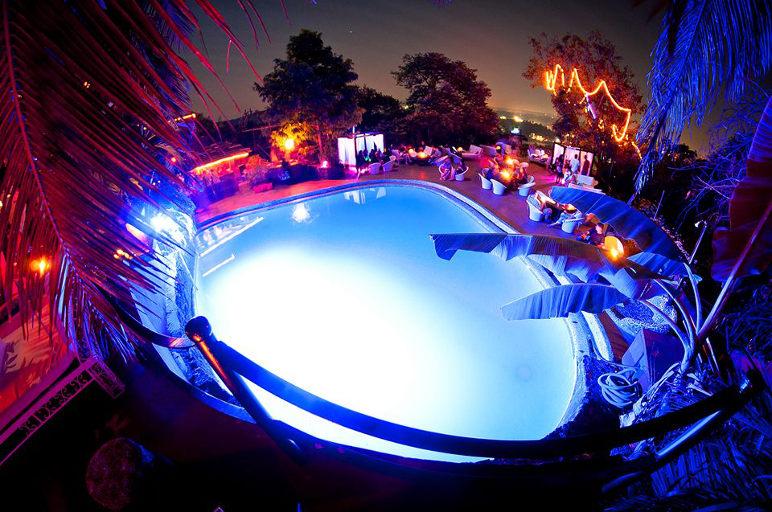
- Club Cubana: Known as the "Nightclub in the Sky," this multi-level club with a swimming pool is located on the same hill as the market. It is the most popular after-party destination for market-goers.
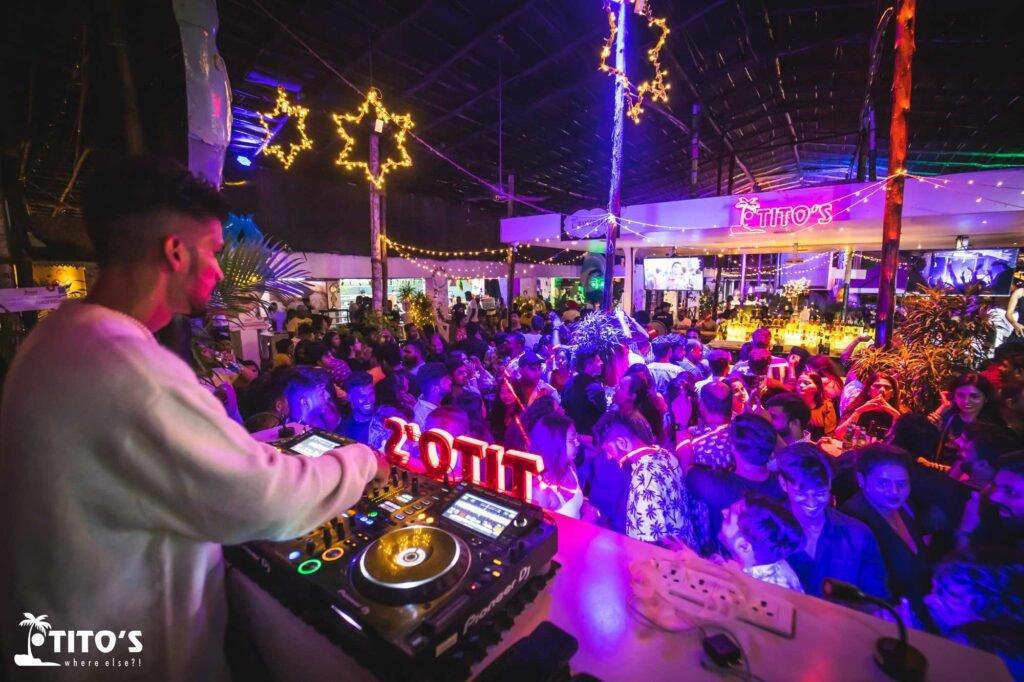
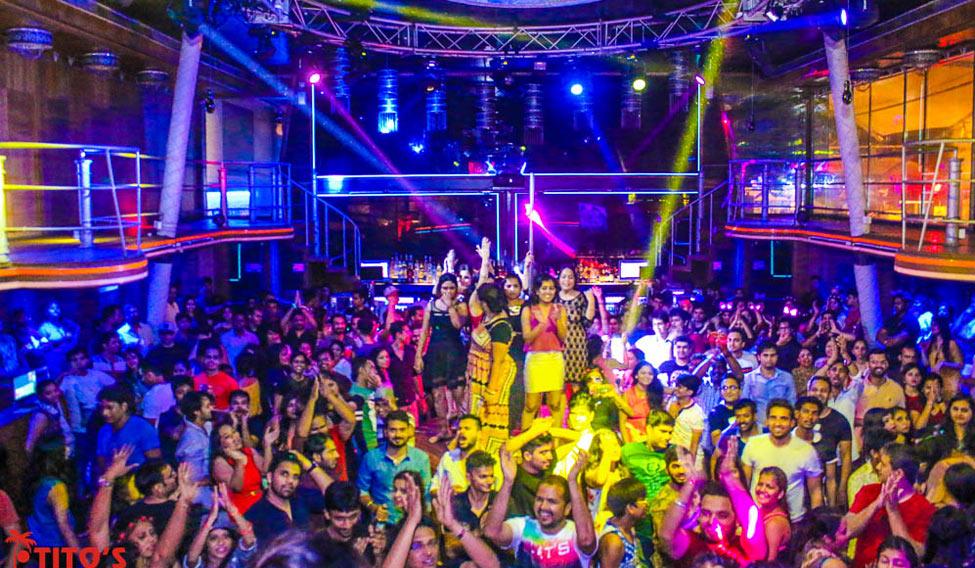
- Tito’s Lane (Baga): A 10-minute drive will take you to the famous Tito’s Lane, home to Club Tito’s, Cafe Mambo, and numerous other bars that stay open until the early hours of the morning.
- Anjuna Beach Shacks: For a more underground vibe, head toward Anjuna. Places like Curlies or Shiva Valley often host late-night trance parties, especially during the peak season.
- Splashdown Waterpark: Located right in Arpora, this is a great spot to visit during the day before heading to the market in the evening.
Safety Tips & Visitor Guidelines
While the Saturday Night Market is generally a safe and welcoming environment, the sheer volume of people requires some common sense and caution.
- Watch Your Belongings: Like any crowded market worldwide, pickpockets can operate here. Keep your wallet in your front pocket, and if you're carrying a backpack, wear it in front of you in very crowded areas.
- Stay Hydrated: The combination of humidity and walking up the hillside can lead to dehydration. Drink plenty of water throughout the night.
- Identify a Meeting Point: It is incredibly easy to get separated from your group in the maze of stalls. As soon as you enter, pick a recognizable landmark (like the main stage or a specific large tree) as a "lost and found" meeting spot.
- Traffic Safety: The roads leading to Arpora become extremely congested. If you are riding a scooter, be extra vigilant of cars and other riders. Avoid drinking and driving; taxis are plenty and much safer for a night out.
- Cash is King: While some larger boutiques and food stalls accept cards or UPI (like Google Pay), many of the smaller vendors only take cash. There are ATMs nearby, but they often run out of money on Saturday nights, so come prepared.
Photography & Instagram Spots
For content creators and photography enthusiasts, the Saturday Night Market is a goldmine. The vibrant colors and unique lighting provide endless opportunities for the perfect shot.
- The Entrance Arch: A classic shot featuring the glowing "Saturday Night Market" sign with the bustling crowd in the background.
- The Fire Dancers: Capture the trails of fire against the dark sky. Use a slow shutter speed for a dramatic effect.
- The Boutique House (Upper Level): This area is beautifully decorated with lanterns and designer displays, offering a more "aesthetic" and sophisticated backdrop.
- The Spice Stalls: The mounds of colorful spices on the lower level make for excellent macro photography and vibrant cultural shots.
- Overlooking the Market: From the highest point of the upper level, you can get a panoramic shot of the entire market glowing in the valley below.
Where to Stay Nearby
If you want to be in the heart of the action, staying in Arpora is your best bet. However, Baga and Anjuna are also excellent choices.
- Luxury: Resort Rio and DoubleTree by Hilton Goa - Arpora offer high-end amenities and are just minutes away from the market.
- Boutique: Nilaya Hermitage offers a more secluded, artistic stay on the Arpora hillside with stunning views.
- Budget/Hostels: The Hosteller or Zostel in Anjuna are great for solo travelers who want to stay close to the market and the beach party scene.
- Mid-Range: Resort Marinha Dourada is a classic Goan resort located right near the market entrance, famous for its lakeside views.
Travel Tips
To make the most of your Saturday Night Market experience, keep these final tips in mind:
- Charge Your Phone: You will be using it for photos, navigating the market, and calling taxis. A portable power bank is a good idea.
- Check the Weather: While it rarely rains in the peak season, an unseasonal shower can turn the hillside paths muddy. Check the forecast before heading out.
- Don't Rush: Plan to spend at least 3 to 4 hours here. There is too much to see, eat, and hear to do it in a quick walkthrough.
- Bargain Fairly: Remember that for many local artisans, this is their primary source of income. Bargain, but don't be unreasonable.
- Sample the "Magic Tea": Look for stalls selling herbal infusions and "Magic Tea"—a local market staple that is both refreshing and soothing.
Conclusion
The Saturday Night Market in Arpora is more than just a place to spend money; it is a celebration of the eclectic, inclusive, and vibrant spirit that makes Goa one of the world's premier travel destinations. It is a venue where the traditional and the modern collide, creating an atmosphere that is impossible to replicate. Whether you are dancing under the stars on the upper deck, haggling over a vintage leather jacket, or savoring a plate of authentic Goan curry, the market offers a sense of wonder that stays with you long after the lights go out. It is the ultimate North Goa nightlife experience—a place where every Saturday night, the hillside comes alive with the magic of the "Global Village." No trip to Goa is complete without immersing yourself in the beautiful chaos of the Saturday Night Market.