Overview of Hivrem Waterfall
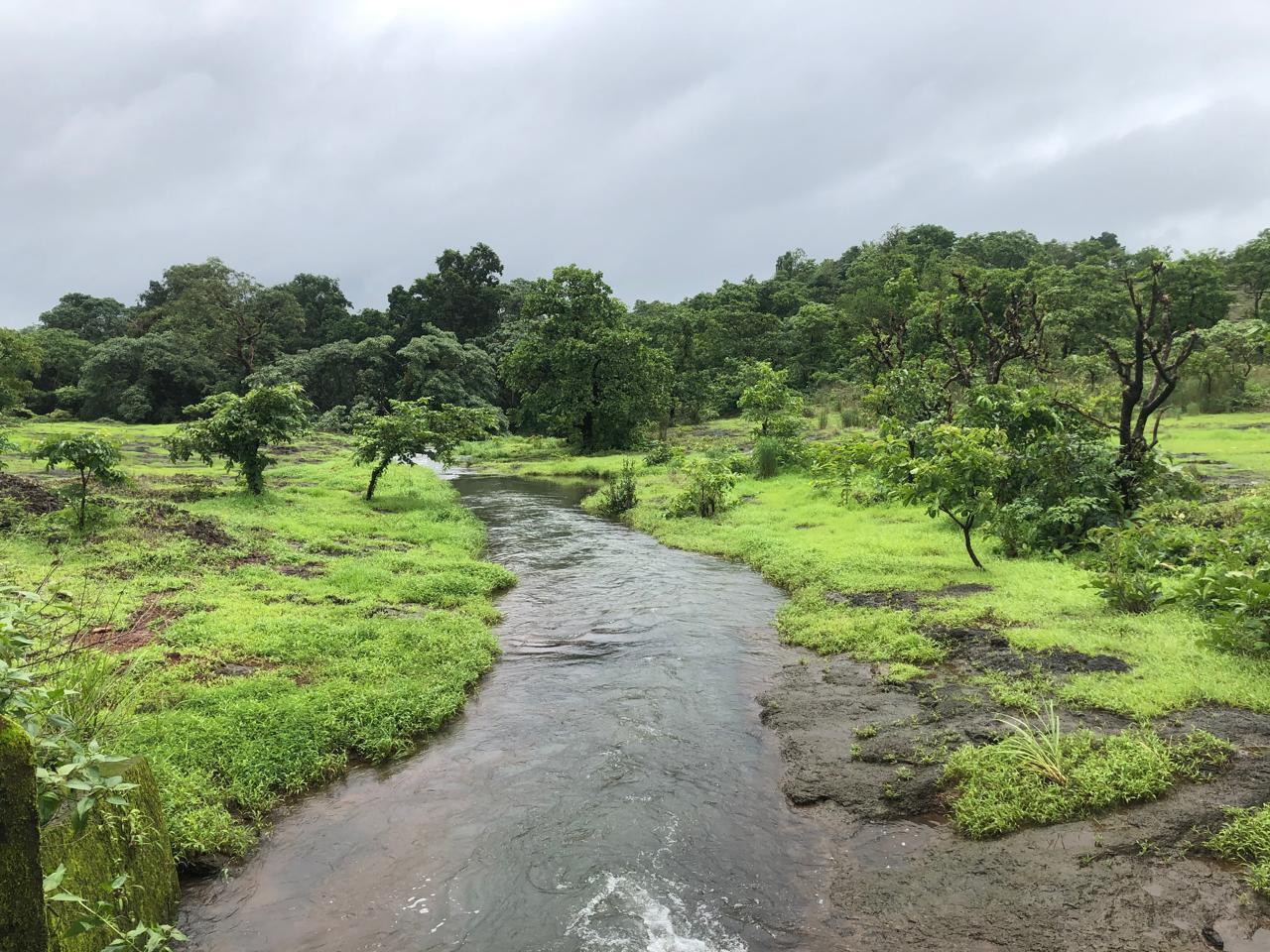
Deep within the emerald embrace of the Sattari Taluka in North Goa lies a spectacle of nature that remains largely untouched by the frantic pace of mainstream tourism. Hivrem Waterfall is not just a destination; it is a sensory journey into the heart of the Western Ghats, a UNESCO World Heritage site known for its staggering biodiversity and raw, rugged beauty. While most travelers associate Goa with the sun-kissed sands of Baga or the bohemian vibes of Arambol, the hinterlands of Sattari offer a starkly different, more primordial experience. Hivrem is a collection of multiple cascades, tucked away near the quaint village of Hivrem, which serves as the gateway to this liquid paradise.
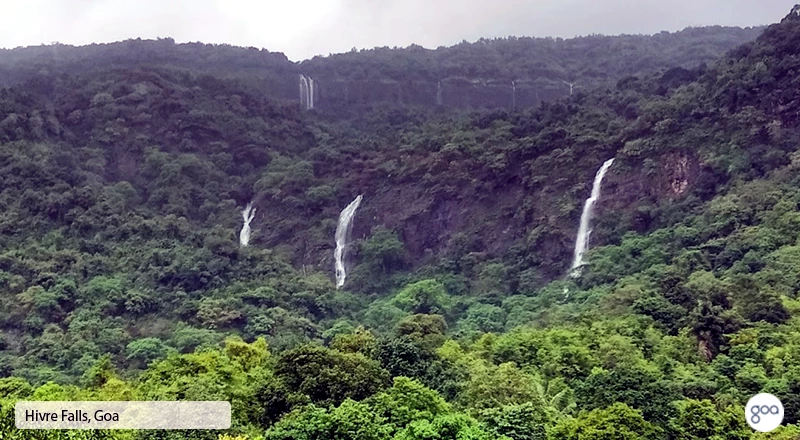
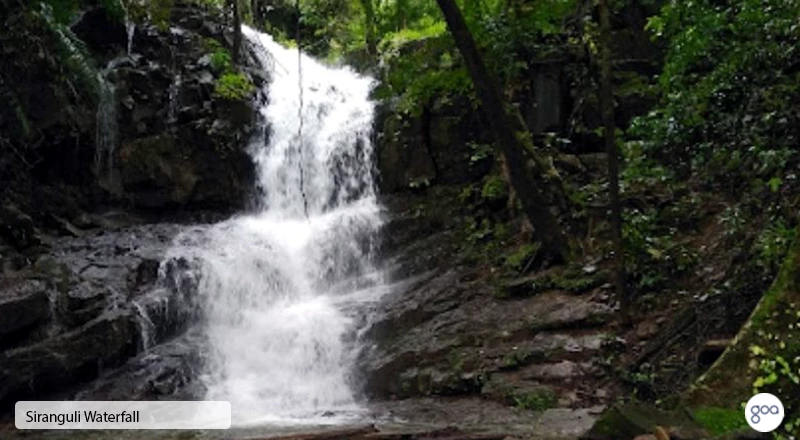
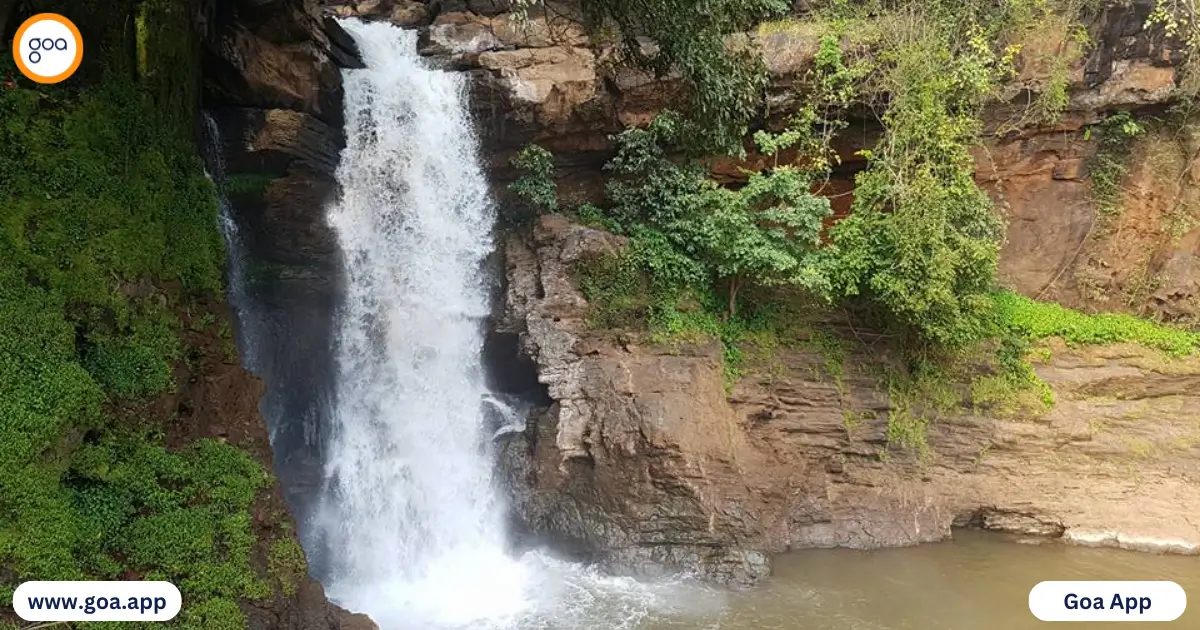
The waterfall is part of the larger Mhadei Wildlife Sanctuary ecosystem, an area that acts as a vital corridor for tigers, leopards, and an array of endemic bird species. As you approach the Hivrem region, the air grows cooler, the humidity takes on a fresh, earthy scent, and the sound of distant crashing water begins to dominate the soundscape. Unlike the more famous Dudhsagar Falls, which can feel like a crowded transit hub during peak season, Hivrem offers a sense of profound isolation. It is a place where the only footsteps you hear are your own, and the only music is the rhythmic call of the Malabar Whistling Thrush. This waterfall is particularly special because it isn't just one drop; as you climb higher through the dense foliage, you encounter several tiers of cascades, each with its own unique character and plunge pool.
Top Goa Experience • Part 1
Highly Recommended Near Hivrem Waterfall
Explore All
For the adventure seeker, Hivrem represents the "other Goa"—a land of ancient rock formations, towering teak trees, and a local community that lives in harmony with the seasonal rhythms of the monsoon. The waterfall is a seasonal marvel, reaching its full, thunderous glory during the rainy months when the Sahyadri mountains transform into a vertical garden of mist and moss. It is a site that demands respect and physical effort to reach, making the eventual sight of the white water tumbling over black basalt rock even more rewarding. In this guide, we will explore every facet of this hidden gem, ensuring you are fully prepared for one of the most exhilarating treks in the coastal state.
How to Reach Hivrem Waterfall
Reaching Hivrem Waterfall requires a bit of planning, as it is located far from the coastal belt. The journey itself is a scenic drive through the Goan countryside, passing through sleepy hamlets, cashew plantations, and dense forests. The primary landmark you need to aim for is the town of Valpoi, which is the administrative headquarters of the Sattari region. From Valpoi, the village of Hivrem is approximately 12 to 14 kilometers away.
Recommended Guide
15 Best Hill Stations Near Goa distance & Travel Tips
Discover the 15 best hill stations near Goa to visit in 2026. Our guide covers distances, trekking trails, and local highlights.
Read Guide →
- By Private Vehicle (Scooter/Car): This is the most recommended mode of transport. If you are starting from Panjim, the capital city, the distance is roughly 50 kilometers and will take about 1.5 to 2 hours. You will head towards Ponda and then take the route towards Valpoi. If you are coming from North Goa beach towns like Calangute or Mapusa, the drive is about 60 kilometers. Use GPS to reach Valpoi, but once you enter the Sattari interiors, don't hesitate to ask locals for directions to "Hivrem Village," as signal can be spotty.
- By Bus: For those on a budget, you can take a KTC (Kadamba Transport Corporation) bus from Panjim or Mapusa to Valpoi. Once you reach the Valpoi bus stand, you will need to find a local bus heading towards Hivrem. These local buses are infrequent, so it is often better to hire a local motorcycle taxi (locally known as a Pilot) or a private rickshaw from Valpoi to take you to the base of the village.
- The Route: The road from Valpoi to Hivrem is narrow but paved, winding through the foothills of the Sahyadris. You will cross several small bridges over tributaries of the Mhadei River. The final stretch into Hivrem village is particularly beautiful, with the towering mountains looming ahead, often capped in clouds.
Once you reach Hivrem village, you will find a small open area where you can park your vehicle. It is highly advisable to park responsibly so as not to block the narrow village roads. From this point, the motorized journey ends, and your trekking adventure begins. There are no signboards pointing to the falls, so engaging a local guide from the village is not just helpful—it is often essential for first-timers.
Best Time to Visit
Timing is everything when it comes to visiting Hivrem Waterfall. Because it is a rain-fed system located in the heart of the Western Ghats, its appearance changes dramatically with the seasons. To see the waterfall in its most majestic form, you must align your visit with the Indian Monsoon and its immediate aftermath.
Recommended Guide
Why Foreigners Love Arambol, Morjim, and Agonda
Goa has long been one of India’s most famous beach destinations, attracting millions of travelers from around the world every year. While bustling beache...
Read Guide →
- Monsoon (June to September): This is the peak time to witness the raw power of Hivrem. The falls are at their most voluminous, and the surrounding forest is a vibrant, neon green. However, this is also the most challenging time. The trek becomes significantly harder due to slippery rocks, mud, and a high density of leeches. The river crossings can also become dangerous if there has been heavy rainfall in the preceding hours.
- Post-Monsoon (October to November): Many seasoned trekkers consider this the ideal window. The rains have subsided, making the trek safer and more manageable, yet the waterfall still retains about 70-80% of its volume. The weather is pleasant, the skies are clear for photography, and the leeches are less of a nuisance. The natural pools at the base of the falls are also clearer and safer for a quick dip.
- Winter (December to February): By this time, the water volume decreases significantly. While the trek is still a beautiful nature walk, the "waterfall" might be reduced to a gentle stream. It is still a great time for bird watching and experiencing the tranquility of the forest without the monsoon humidity.
- Summer (March to May): It is generally not recommended to visit Hivrem during the peak of summer if your primary goal is to see a waterfall. Most of the cascades dry up, and the heat in the dense forest can be oppressive. However, the deep forest shade still offers a respite for those looking for a rigorous hike.
Regardless of the month, it is best to start your journey early in the morning. Aim to reach the village by 8:30 AM or 9:00 AM. This ensures you complete the trek and spend enough time at the falls before the afternoon sun gets too hot or the evening monsoon clouds roll in, which can make the descent tricky in low light.
Trek Details for Hivrem Waterfall
The trek to Hivrem Waterfall is often classified as moderate to difficult, depending on your fitness level and the time of year. Unlike the well-paved paths of some commercial parks, this is a raw jungle trail that involves navigating through dense undergrowth, crossing streams, and climbing steep, rocky inclines. The total trekking time is approximately 1.5 to 2 hours one way, covering a distance of roughly 3.5 to 4 kilometers.
Recommended Guide
Water Sports in Candolim Goa | Best Prices, Packages & Booking Guide
Candolim Beach, located in North Goa, is one of the most popular destinations for water sports in Goa. Known for its clean shoreline, less crowded environm...
Read Guide →
The Starting Phase: The trek begins from the edge of Hivrem village. The initial stretch is relatively flat, passing through local plantations and open scrubland. You will soon enter the canopy of the Mhadei Wildlife Sanctuary. The sound of the village fades away, replaced by the buzzing of cicadas and the rustling of leaves. You will encounter your first stream crossing fairly early. Depending on the rainfall, the water can be ankle-deep or knee-deep. Use a trekking pole or a sturdy stick for balance.
Top Goa Experience • Part 2
Highly Recommended Near Hivrem Waterfall
Explore All
The Ascent: After the initial flat walk, the trail begins to climb. This is where the trek gets physically demanding. The path becomes narrow and is often obstructed by massive tree roots and boulders. In some sections, the incline is nearly 45 degrees, requiring you to use your hands for stability. During the monsoon, these rocks are covered in moss and are incredibly slippery. Proper footwear with excellent grip is non-negotiable here. As you climb, you will hear the roar of the water getting louder, which serves as a great motivator.
The Three Cascades: One of the unique aspects of the Hivrem trek is that there isn't just one "end point." There are at least three major levels of waterfalls.
- The First Level: A smaller, gentler cascade with a shallow pool. Many families or casual trekkers stop here.
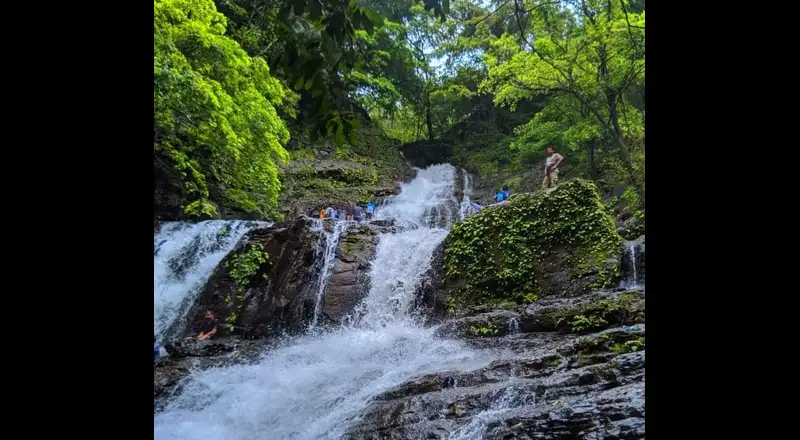
- The Second Level: Requires a further 15-minute steep climb. This cascade is much taller and more impressive, with water crashing down a jagged rock face.
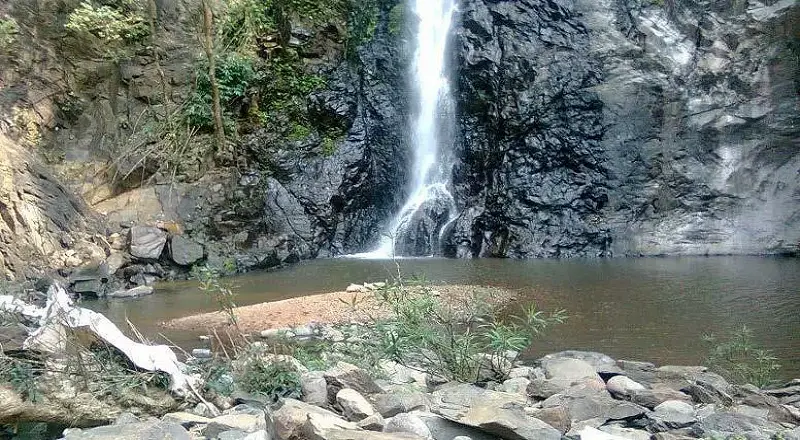
- The Third (Main) Level: This is the "Grand Finale." Reaching this requires navigating a very narrow path along the edge of the hill. The view here is breathtaking—a massive wall of water plunging into a deep, rocky basin surrounded by sheer cliffs draped in ferns.
The Descent: Remember that "going down is harder than going up." The steep, slippery sections you climbed now require careful foot placement to avoid slips. Take your time and don't rush, especially if it starts to drizzle. The humidity can be draining, so ensure you have saved some water for the return leg.
Things to Do
While the waterfall is the star attraction, the Hivrem region offers a variety of experiences for nature lovers and adventurers. It is a place to disconnect from the digital world and reconnect with the primal elements of the earth.
- Wilderness Swimming: The natural plunge pools at the base of the cascades are incredibly refreshing. The water is cold, clear, and mineral-rich. However, always test the depth before jumping in, as submerged rocks can be dangerous. The second level usually has the best pool for a safe dip.
- Bird Watching: Sattari is a birdwatcher's paradise. Keep your eyes peeled and your binoculars ready for the Great Pied Hornbill, the Malabar Grey Hornbill, and the vibrant Oriental Dwarf Kingfisher. The dense canopy is home to hundreds of species that are rare in the coastal areas of Goa.
- Macro Photography: If you are into photography, the forest floor is a treasure trove. From exotic mushrooms and colorful forest crabs to rare orchids and intricate spider webs glistening with dew, there is an infinite amount of detail to capture.
- Mindfulness and Meditation: Find a flat rock away from the main spray of the water, sit back, and just listen. The "white noise" of the waterfall combined with the high oxygen levels of the forest makes Hivrem an incredible spot for meditation and mental rejuvenation.
- Village Interaction: Before or after your trek, spend some time in Hivrem village. The locals are incredibly warm and can share stories about the forest, the wildlife, and the history of the region. Learning about their sustainable way of life is a humbling experience.
Safety Tips
Safety should be your top priority when venturing into the Goan hinterlands. Hivrem is remote, and medical facilities are far away, so taking precautions is essential for a successful trip.
- Hire a Local Guide: The trail is not marked, and it is very easy to take a wrong turn into the deep forest. Local youths from Hivrem village often act as guides for a small fee. Not only do they know the best paths, but they also know which rocks are stable and can assist you during stream crossings.
- Leech Protection: During the monsoon, leeches are everywhere. Wear long socks and tuck your trousers into them. Carrying a small pouch of salt or a bottle of tobacco water can help detach them if they latch onto you. While leeches are harmless, the sight of them can be unsettling for some.
- Footwear: Do not attempt this trek in flip-flops or smooth-soled sneakers. You need trekking shoes with deep lugs or specialized "monsoon shoes" (locally available rubber sandals with grip) that can handle mud and wet rock.
- Hydration and Nutrition: Carry at least 2 liters of water per person. The humidity will make you sweat profusely. Bring high-energy snacks like nuts, energy bars, or seasonal fruits. Important: Carry all your trash back with you. Do not leave plastic bottles or wrappers in the forest.
- Weather Awareness: If you see the sky turning dark and hear thunder, it is best to start your descent immediately. Flash floods in the Ghats are a real possibility, and streams that were ankle-deep can turn into raging torrents within minutes.
- Inform Someone: Since mobile connectivity is non-existent at the waterfall, inform your hotel or a friend about your plans and your expected return time.
Nearby Attractions
The Sattari district is one of the most beautiful parts of Goa, and if you have the energy after your trek, there are several other spots nearby that are worth a visit. Combining Hivrem with these locations can make for a full day of exploration.
- Nanuz Fort: Located near Valpoi, this small but historic fort was built by Shivaji Maharaj and later occupied by the Portuguese. It played a significant role during the Rane Revolts. While mostly in ruins now, it offers a glimpse into Goa's military history and provides a great view of the surrounding valley.
- Charavane Waterfall: Another stunning waterfall located in the same taluka. It is slightly easier to reach than Hivrem and is famous for its beautiful rock formations. If you are a "waterfall chaser," this is a must-visit.
- Mhadei River Rafting: During the monsoon months (July to September), the Mhadei River offers Grade II and Grade III rapids. The rafting starting point is usually near Valpoi. It is a thrilling way to experience the river that feeds the Hivrem cascades.
- Brahma Temple, Carambolim: Located in the village of Nagargao near Valpoi, this is one of the few temples in India dedicated to Lord Brahma. The idol dates back to the 12th century and is a masterpiece of Kadamba architecture.
- Chorla Ghat: If you continue driving uphill from Valpoi towards the Karnataka border, you enter Chorla Ghat. This stretch of road offers some of the most spectacular mountain views in Western India, with numerous seasonal waterfalls visible from the highway.
Entry Fees & Timings
Currently, there is no official entry fee collected by the government to visit Hivrem Waterfall. It is a public natural site within the forest limits. However, there are a few practical "costs" and timing constraints to keep in mind:
- Guide Fees: While not mandatory, hiring a local guide is highly recommended. Expect to pay between INR 500 to INR 1000 depending on the size of your group and your bargaining skills. This money goes directly to the local community, supporting the village economy.
- Timings: The waterfall is technically "open" 24 hours, but for safety reasons, you should only visit between 8:00 AM and 5:00 PM. Forest officials or locals may discourage you from entering the trail after 3:00 PM because the forest gets dark very quickly under the thick canopy, making the return trek dangerous.
- Parking: There is no official parking lot. You will be parking on village roadsides. Usually, there is no charge, but ensure you aren't obstructing any local tractors or pathways.
It is worth noting that during periods of extreme rainfall, the local administration or forest department may temporarily close access to the trek if the river levels are deemed too dangerous. Always check the local news or ask in Valpoi town if there are any active restrictions.
Where to Eat Nearby
Hivrem is a remote village, so do not expect any cafes or restaurants at the base of the waterfall. You will need to head back towards Valpoi for a proper meal. However, the food in this region is some of the most authentic Goan cuisine you will ever taste.
- Local Village Stalls: In Hivrem village itself, you might find a tiny "Gado" (stall) selling tea, biscuits, and perhaps Mirchi Vada (fried chili fritters). These are perfect for a quick post-trek snack.
- Valpoi Town: This is your best bet for a hearty lunch. Look for small local eateries serving Goan Fish Thali. The fish here is often sourced from the nearby rivers and is incredibly fresh. The Xit-Kodi (Fish Curry Rice) in the Sattari style is slightly spicier and uses more local "Teppal" (Sichuan pepper) than the touristy coastal versions.
- Ros Omelette: If you are passing through Valpoi in the late afternoon, keep an eye out for carts selling Ros Omelette—an omelette drowned in a spicy chicken or chickpea gravy, served with local Pao (bread). It is the ultimate Goan comfort food.
- Self-Packed Picnic: Most visitors choose to carry their own lunch. Sandwiches, hard-boiled eggs, and fruit are great options. Just remember the golden rule: Pack it in, pack it out. Never leave food scraps behind as they can attract wild animals.
Accommodation Nearby
Most people visit Hivrem Waterfall as a day trip from the coastal areas or Panjim. However, if you want to truly soak in the hinterland experience, there are a few interesting options in the Sattari and Chorla region.
- Eco-Resorts: There are several eco-resorts located in the nearby Chorla Ghat area (about 45-60 minutes from Hivrem). These resorts offer luxury tents or cottages and focus on nature trails, bird watching, and sustainability. They are perfect for those who want to stay in the heart of the forest.
- Guesthouses in Valpoi: Valpoi has a few basic lodges and guesthouses. These are budget-friendly and functional, suitable for trekkers who want to start their hike very early in the morning without a long drive from the coast.
- Homestays: The concept of homestays is slowly growing in the Sattari villages. Staying with a local family allows you to experience Goan hospitality firsthand and enjoy home-cooked meals. You can often find these listed on major booking platforms or by asking around in Valpoi.
- Farmstays: The region is famous for its spice plantations. Some of these plantations offer overnight stays, providing a serene environment surrounded by nutmeg, pepper, and betel nut trees.
Photography Spots
For a photographer, Hivrem Waterfall is a dreamscape of textures, light, and motion. To get the best shots, you need to be prepared for the low-light conditions of the forest and the constant mist from the falls.
- The River Crossings: The points where the trail crosses the stream provide excellent opportunities for "leading line" compositions. Use the stepping stones as a foreground element to lead the eye into the lush forest.
- The Second Level Cascade: This level often has the best "framing" opportunities. You can use the overhanging ferns and moss-covered branches to frame the white water. A tripod is essential here if you want to capture that silky, long-exposure effect of the moving water.
- The Main Plunge Pool: For a sense of scale, have a fellow trekker stand on one of the boulders near the base of the main fall. The contrast between the tiny human figure and the massive wall of water is powerful.
- The Canopy: Don't just look at the water. Look up. The way the sunlight filters through the dense canopy (the "God rays" or Komorebi) creates a magical atmosphere, especially in the early morning.
- Technical Tip: Bring a waterproof bag for your gear and plenty of microfiber cloths. The spray from the waterfall will constantly mist your lens. A circular polarizer is also highly recommended to cut the glare on the wet rocks and to make the greens of the forest pop.
Hidden Gem Score & Crowd Level
Hidden Gem Score: 9.5/10
Hivrem Waterfall is one of the few remaining places in Goa that feels truly "wild." It hasn't been commercialized, there are no concrete paths, and it requires a genuine physical effort to reach. For those who value authenticity and solitude, it is a perfect ten. The only reason it isn't a ten is that it is becoming slightly more known among the local trekking community in Goa.
Crowd Level: Very Low to Moderate
- Weekdays: You will likely be the only person there, or you might encounter one or two local villagers. It is incredibly peaceful.
- Weekends: During the monsoon weekends, you might see small groups of local Goan trekkers or students from Valpoi and Panjim. Even then, the "crowd" rarely exceeds 20-30 people spread across the different levels of the waterfall.
- Comparison: Compared to Dudhsagar, which sees thousands of visitors daily, or Arvalem, which is a roadside attraction, Hivrem is a sanctuary of quiet. You won't find loud music, plastic litter (hopefully), or the chaos of commercial tourism here.
Conclusion
Hivrem Waterfall is a testament to the fact that Goa’s true beauty lies far beyond its shoreline. It is a place that challenges you, rewards you, and ultimately humbles you with its sheer natural power. The trek through the Mhadei Wildlife Sanctuary is as much a part of the experience as the waterfall itself—a journey through an ancient landscape that has remained unchanged for centuries.
Visiting Hivrem is an act of slow travel. It’s not about ticking a box or getting a quick selfie; it’s about the sweat of the climb, the thrill of the stream crossing, and the cool spray of the Sahyadris on your face. It is a reminder that the best things in life are often hidden, requiring patience and effort to uncover. As you stand at the base of the final cascade, watching the water tumble down from the heights of the Ghats, the noise of the world outside disappears. All that remains is the rhythm of the earth and the pure, unadulterated spirit of Goa’s hinterlands.
If you decide to visit, go with an open heart and a deep respect for the environment. Follow the principles of Leave No Trace, support the local village economy, and take nothing but pictures. Hivrem is a fragile paradise, and it is up to us, the travelers, to ensure it remains as pristine for the next generation as it is today. Whether you are an avid trekker, a nature photographer, or someone just looking to escape the coastal crowds, Hivrem Waterfall is a destination that will leave an indelible mark on your soul.