Overview of Charavane waterfall
Deep within the heart of the Sattari Taluka in North Goa, tucked away from the neon lights of Baga and the crowded shacks of Calangute, lies a pristine natural wonder known as the Charavane waterfall. As a travel writer who has traversed the length and breadth of the Western Ghats, I can confidently state that Charavane represents the soulful, "Green Goa" that many tourists unfortunately overlook. This waterfall is not just a body of water cascading down a cliff; it is a vital part of the Mhadei Wildlife Sanctuary ecosystem, a region recognized globally for its high biodiversity and status as a UNESCO World Heritage site.
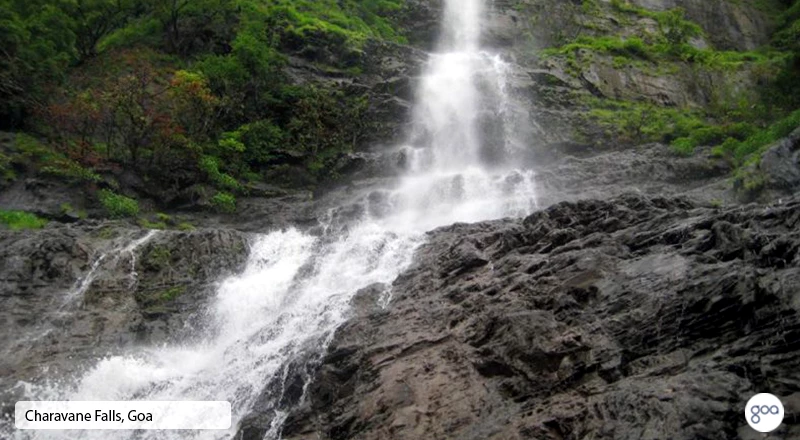
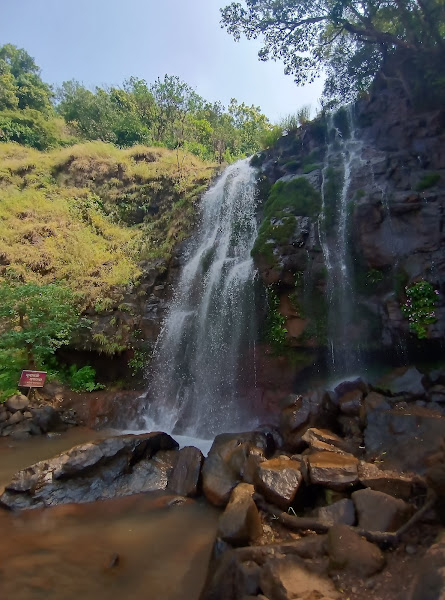
The Charavane waterfall is named after the quaint, traditional village of Charavane, located approximately 12 kilometers from the bustling town of Valpoi. Unlike the majestic Dudhsagar, which is often swamped with thousands of visitors, Charavane offers a more intimate and meditative experience. Here, the water descends in a series of gentle tiers, creating natural pools that invite weary travelers to soak their feet. The surroundings are dominated by semi-evergreen forests, where the air is thick with the scent of damp earth and wild blossoms. For the locals, this region is a sacred landscape, often associated with local deities and spirits of the forest, adding a layer of cultural mystique to your visit.
Top Goa Experience • Part 1
Highly Recommended Near Charavane waterfall
Explore All
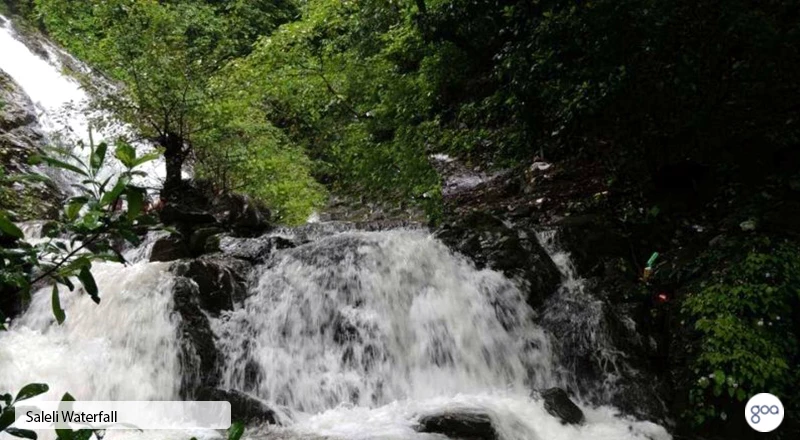
Visiting Charavane is an invitation to witness the raw power of the monsoons. During the rainy season, the waterfall transforms from a trickling stream into a roaring white curtain of water, framed by emerald-green moss and ancient creepers. It is a place where the concept of "Susegad"—the relaxed, laid-back Goan way of life—meets the untamed energy of the wilderness. Whether you are a solo backpacker seeking solitude, a couple looking for a romantic escape, or a group of friends eager for an offbeat adventure, Charavane provides a backdrop that is both dramatic and deeply peaceful.
How to Reach Charavane waterfall
Reaching Charavane waterfall is an adventure in itself, taking you through some of the most scenic rural landscapes in Goa. Since it is located in the hinterlands of the Sattari district, public transport is limited, making private vehicles or rented scooters the most practical choice for travelers. The journey involves navigating winding roads that cut through spice plantations and dense forest canopies.
Recommended Guide
15 Best Hill Stations Near Goa distance & Travel Tips
Discover the 15 best hill stations near Goa to visit in 2026. Our guide covers distances, trekking trails, and local highlights.
Read Guide →
- From Panjim (State Capital): The waterfall is roughly 55 to 60 kilometers from Panjim. The most efficient route is to head towards Old Goa, continue towards Ponda, and then take the road leading to Valpoi. Once you reach Valpoi, you will need to ask for directions to the village of Charavane. The drive takes approximately 1.5 to 2 hours, depending on the weather and road conditions.
- From North Goa Beaches (Calangute/Baga): If you are staying in the popular tourist hub, the distance is about 50 kilometers. You should aim for Mapusa, then head towards Bicholim, and finally towards Valpoi. This route offers a stunning transition from the coastal plains to the hilly terrains of the Western Ghats.
- By Rail: The nearest major railway station is Thivim. From Thivim, you can hire a taxi or take a local bus to Valpoi. However, taxis can be expensive for this distance, so renting a bike from Mapusa or Thivim is often recommended for budget travelers.
- By Air: The Manohar International Airport (Mopa) is closer to Sattari than the old Dabolim airport. From Mopa, it is a scenic 1.5-hour drive through the northern hinterlands.
Once you reach the Charavane Village, the road ends, and the trail begins. You can park your vehicle near the village school or a local landmark as directed by the villagers. It is highly recommended to use GPS until Valpoi, but after that, relying on local knowledge is better, as mobile network signals can be spotty in the deep valleys of Sattari. Look for the signboards indicating the entrance to the forest area, which are often maintained by the local community or the forest department.
Best Time to Visit
Timing your visit to Charavane waterfall is crucial to ensure you see it in its full glory. Because it is a seasonal waterfall fed by rainwater, its appearance changes drastically throughout the year. As a Goan travel expert, I categorize the visiting periods into three distinct experiences:
Recommended Guide
Where to Party in Goa? (Ultimate 2026 Nightlife Guide)
Goa is not just a destination—it’s an experience. When the sun sets over the Arabian Sea, the state transforms into India’s ultimate nightlife capita...
Read Guide →
- The Monsoon Peak (June to September): This is arguably the best time to visit if you want to see the waterfall at its most powerful. The rains turn the entire Sattari taluka into a lush, vibrant jungle. The waterfall is voluminous, and the surrounding streams are full. However, be prepared for heavy downpours and muddy trails. The trek becomes more challenging, and leeches are common during this period.
- The Post-Monsoon Window (October to December): This is my personal favorite time to visit. The rains have subsided, but the vegetation remains brilliantly green. The water flow is steady and crystal clear, making it ideal for photography and swimming in the natural pools. The weather is pleasant—cool in the mornings and not too hot during the day.
- The Winter Season (January to March): By this time, the waterfall begins to thin out. While the forest remains beautiful, the "wow factor" of the cascading water diminishes. It is still a great spot for a peaceful forest walk, but don't expect the dramatic white torrents seen in July.
Avoid visiting during the peak summer months of April and May. The waterfall often dries up completely, and the heat in the inland areas of Goa can be oppressive, making the trek uncomfortable. To get the most out of your trip, aim for a weekday visit to avoid the local weekend crowds, and try to arrive by 9:00 AM to enjoy the morning light filtering through the canopy.
Trek Details for Charavane waterfall
The trek to Charavane waterfall is considered moderate in difficulty, making it accessible to most people with a basic level of fitness. It is not a grueling mountain climb, but it does require navigating uneven terrain, slippery rocks, and shallow stream crossings. The trail is approximately 1.5 to 2 kilometers long (one way) starting from the village edge.
Recommended Guide
Water Sports in Candolim Goa | Best Prices, Packages & Booking Guide
Candolim Beach, located in North Goa, is one of the most popular destinations for water sports in Goa. Known for its clean shoreline, less crowded environm...
Read Guide →
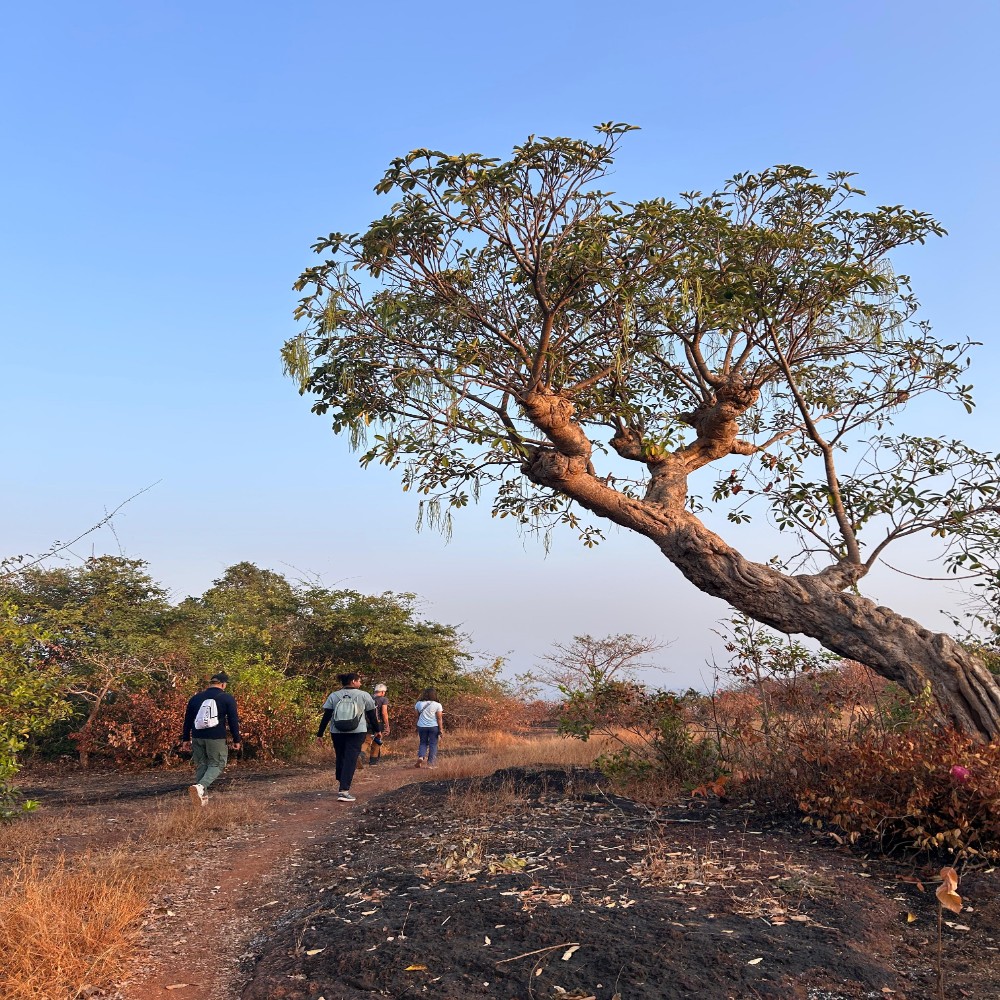
The journey begins with a walk through the outskirts of Charavane village, where you might see locals tending to their cashew or betel nut groves. As you enter the forest, the trail narrows. During the monsoon, the path is often covered in leaf litter and can be quite slippery. You will encounter several small streams that you must wade through. The water is usually ankle-deep, but after a heavy rain, it can rise to knee-level, so proceed with caution.
Top Goa Experience • Part 2
Highly Recommended Near Charavane waterfall
Explore All
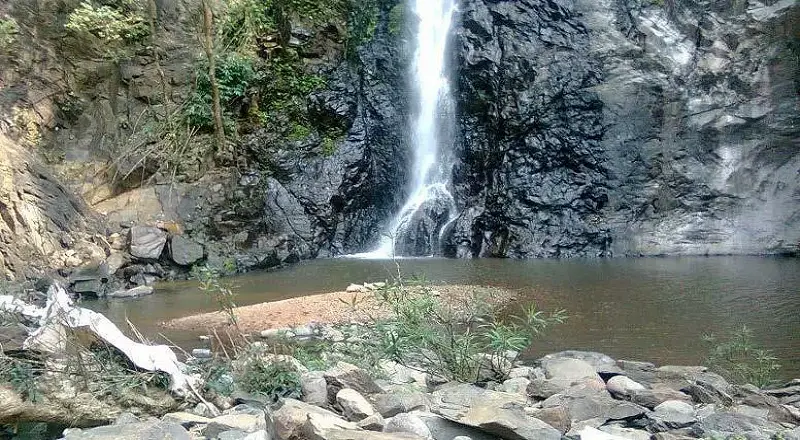
One of the highlights of the trek is the rich flora and fauna. Keep an eye out for the Malabar Whistling Thrush, whose flute-like call echoes through the trees. You might also spot giant wood spiders, vibrant butterflies like the Blue Mormon, and if you are lucky, the shy Malabar Giant Squirrel. The final stretch of the trek involves a slight incline over rocky boulders. As you round the final bend, the sound of the waterfall grows louder, and the air becomes noticeably cooler. The sight of the water cascading over the black basalt rocks of the Western Ghats is a rewarding conclusion to the hike.
The total time for the trek, including stops for photos and resting, is about 45 minutes to an hour one way. I recommend wearing sturdy trekking shoes with a good grip (Grip-on or similar brands) and carrying a bamboo walking stick if you find the muddy slopes challenging. There are no formal guides at the entrance, but the path is relatively well-trodden. If you feel unsure, you can often find a local youth in the village who would be happy to guide you for a small tip.
Things to Do
While the waterfall is the main attraction, Charavane offers a variety of activities for nature lovers and adventure seekers. It is a place that encourages you to slow down and engage with the environment through all your senses.
- Natural Hydrotherapy: The lower tiers of the waterfall form shallow pools. Sitting under the gentle cascade of water is a fantastic way to relax your muscles after the trek. The water is cool and refreshing, acting as a natural spa in the middle of the jungle.
- Bird Watching: Sattari is a paradise for birders. Bring a pair of binoculars to spot endemic species. The dense canopy is home to hornbills, sunbirds, and various species of owls. The early morning hours are particularly rewarding for avian enthusiasts.
- Botanical Exploration: The trail is lined with diverse plant life. You can observe wild orchids, various types of ferns, and massive teak and bamboo trees. It is an excellent place for students and nature lovers to learn about the tropical forest ecosystem of the Western Ghats.
- Picnicking: Many visitors bring light snacks to enjoy by the water. However, it is imperative to follow a "Leave No Trace" policy. The area is ecologically sensitive, and plastic litter is a significant threat to the local wildlife.
- Mindfulness and Meditation: The sheer tranquility of the spot makes it perfect for meditation. The rhythmic sound of falling water and the absence of urban noise create an ideal environment for mental rejuvenation.
Safety Tips
Safety should be your top priority when visiting any hinterland waterfall in Goa. Charavane is beautiful, but the wilderness can be unpredictable. Following these tips will ensure a safe and enjoyable experience:
- Beware of Slippery Rocks: The rocks around the waterfall are covered in algae and moss, making them incredibly slick. Avoid jumping from rock to rock, and always test your footing before putting your full weight down.
- Monitor Weather Conditions: If it starts raining heavily while you are at the waterfall, head back to the village immediately. Flash floods can occur in the Western Ghats, causing stream levels to rise rapidly and dangerously.
- Leech Protection: During the monsoon, leeches are highly active. Wear long socks and trousers. Carrying a small bottle of salt or tobacco water can help in detaching them if they happen to latch onto you.
- Stay Hydrated: Although you are near water, the humidity can lead to quick dehydration. Carry at least two liters of drinking water per person.
- Mobile Connectivity: Be aware that mobile signals (especially BSNL and Jio) are weak or non-existent once you enter the deep forest. Inform someone of your plans before you head out into the trek.
- Wildlife Awareness: While rare, snakes like the Malabar Pit Viper are found in this region. Stay on the marked trail and avoid poking your hands into dark crevices or thick undergrowth.
Nearby Attractions
If you are making the trip to Sattari, it makes sense to explore other nearby gems. This region is the "green heart" of Goa and offers several attractions within a 20-30 kilometer radius of Charavane.
- Hivre Waterfall: Another stunning waterfall located nearby. Hivre is slightly more challenging to reach but offers a magnificent view of the valley. It is often visited by serious trekkers.
- Nanuz Fort: Built by Maratha ruler Shivaji Maharaj and later occupied by the Portuguese, this small fort in Valpoi has a rich history related to the Goan resistance movements. It offers a glimpse into the military history of the region.
- Chorla Ghat: A short drive from Valpoi will take you up the winding roads of Chorla Ghat, which connects Goa to Karnataka and Maharashtra. The viewpoints here offer breathtaking vistas of the Anjunem Dam and the surrounding peaks.
- Tambdi Surla Temple: Located about 45 minutes away, this 12th-century Shaivite temple is the oldest in Goa. Carved from black basalt, it is a masterpiece of Kadamba-Yadava architecture and is situated deep within the Bhagwan Mahavir Wildlife Sanctuary.
- Arvalem Caves and Waterfall: Located in Sanquelim, these ancient rock-cut caves and the nearby waterfall are significant historical and natural sites worth a detour on your way back to the coast.
Entry Fees & Timings
Currently, there is no formal entry fee to visit Charavane waterfall, as it is largely managed at a community level. However, this can change if the Forest Department decides to implement a ticketing system as they have done at other popular spots. It is always a good idea to keep some small change (INR 50-100) in case there is a local parking fee or a conservation fee collected by the village panchayat.
Timings: The ideal time to visit is between 9:00 AM and 5:00 PM. It is highly discouraged to stay at the waterfall after sunset. The forest becomes very dark, and navigating the trail back to the village can be dangerous. Additionally, the movement of wild animals increases after dusk. Aim to start your trek back by 4:00 PM to ensure you reach your vehicle while there is still plenty of daylight.
Where to Eat Nearby
Don't expect fancy cafes or fine-dining restaurants near Charavane. The culinary experience here is all about authentic, local Goan flavors. Valpoi town is your best bet for a proper meal.
- Local Village Shacks: In Charavane village, you might find small "Gada" (kiosks) selling tea, omelet-pao, and biscuits. This is the perfect place to have a quick breakfast before your trek.
- Valpoi Eateries: In the main market of Valpoi, there are several small restaurants serving Goan Fish Thali. Look for places where locals are eating. You can enjoy fresh river fish, Xitt Kodi (rice and curry), and local vegetable preparations like Khatkhate.
- Self-Packed Picnic: Since options are limited, many travelers prefer to carry their own sandwiches, fruits, and energy bars. Just remember to carry all your wrappers back with you.
- Spice Plantation Lunches: Some spice plantations in the neighboring Ponda or Sattari areas offer traditional Saraswat or Catholic Goan buffets served on banana leaves. These are usually a bit further away but offer a high-quality dining experience.
Accommodation Nearby
While most people visit Charavane as a day trip from the coast, staying overnight in the Sattari region allows you to fully immerse yourself in the forest atmosphere. There are a few unique options for those wishing to stay close to nature.
- Eco-Resorts in Chorla Ghat: Places like Wildernest Nature Resort or Swapnagandha offer luxury eco-cottages with stunning views of the Vazra Sakla falls and the valley. These are about a 45-minute drive from Charavane.
- Homestays: There are emerging homestays in and around Valpoi and Sanquelim where you can stay with a Goan family. This is an excellent way to experience local hospitality and home-cooked food.
- Forest Guest Houses: The Goa Forest Department has guest houses in certain areas of the Mhadei Wildlife Sanctuary. These require prior booking through the forest department office in Panjim and offer basic but clean accommodation.
- Budget Lodges in Valpoi: For solo travelers on a tight budget, Valpoi town has a few basic lodges. They are simple and provide just the essentials, serving as a convenient base for exploring the various waterfalls in the district.
Photography Spots
For photographers, Charavane is a dreamscape. The interplay of light, water, and dense foliage provides endless opportunities for stunning shots. Here are the best spots to capture the essence of the place:
- The Main Cascade: Use a tripod and a slow shutter speed (long exposure) to capture the "milky" effect of the water as it flows over the dark rocks. The contrast between the white water and the black stone is visually striking.
- The Stream Crossings: The small bridges and stepping stones over the streams on the way to the waterfall make for great "action" shots of hikers amidst the jungle.
- Macro Photography: The damp environment is perfect for macro shots. Focus on the intricate patterns of moss, the dew drops on ferns, or the vibrant colors of tropical insects.
- Canopy Shots: Look up! The way the sunlight filters through the massive teak leaves creates a beautiful "bokeh" effect and captures the scale of the Western Ghats forest.
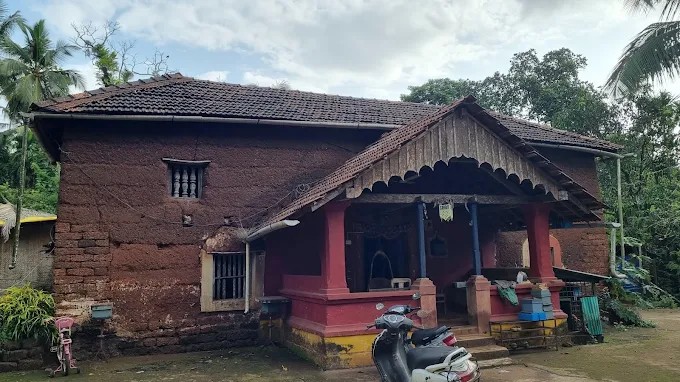
- Village Life: On your way back, capture the rustic charm of Charavane village—the traditional houses with tiled roofs, the cattle, and the friendly faces of the local residents.
Hidden Gem Score & Crowd Level
Hidden Gem Score: 9.5/10
Charavane is one of the few places in Goa that remains largely untouched by commercial tourism. It retains its purity and offers a genuine connection with nature. It is a "hidden gem" in the truest sense of the word, providing a stark contrast to the commercialized "party" image of the state.
Crowd Level: Low to Moderate
On weekdays, you might find yourself being the only person at the waterfall. On weekends, local families from Valpoi and Bicholim often visit for a picnic, but even then, it never feels "crowded" in the way Baga or Dudhsagar does. If you value privacy and quietude, Charavane will not disappoint.
Conclusion
Charavane waterfall is a testament to the fact that there is so much more to Goa than its coastline. It is a place where nature reigns supreme, offering a refreshing sanctuary for the soul. The trek through the Mhadei Wildlife Sanctuary, the cool spray of the tiered falls, and the warm hospitality of the Sattari villagers combine to create an experience that lingers in your memory long after you have left.
As a traveler, visiting Charavane comes with a responsibility. We must protect these fragile ecosystems by being conscious of our impact. Avoid plastics, respect the local culture, and leave the forest exactly as you found it—undisturbed and beautiful. If you are looking to discover the "Real Goa" and want an adventure that takes you off the beaten path, make sure Charavane waterfall is at the top of your itinerary. It is not just a destination; it is a journey into the green heart of India's most beloved holiday state.