Overview of Madiyani Gululem Waterfall
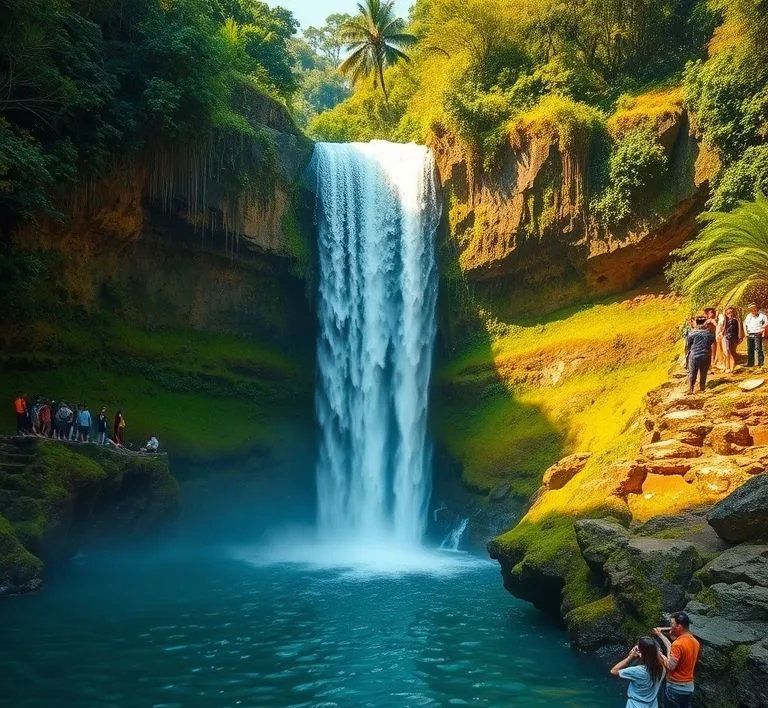
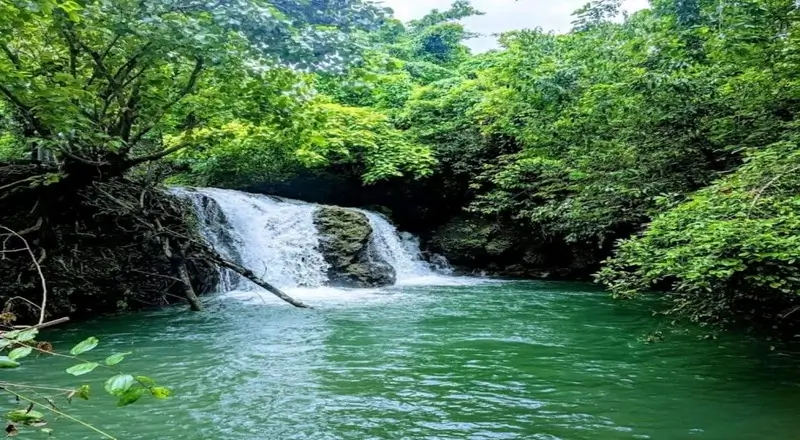
Deep within the emerald embrace of the Sattari taluka in North Goa lies a hidden liquid treasure known as the Madiyani Gululem Waterfall. While the coastal belt of Goa is synonymous with sun-kissed beaches and vibrant nightlife, the hinterlands offer a starkly different, ethereal experience. Madiyani Gululem is not just a waterfall; it is a testament to the raw, pulsating beauty of the Western Ghats, a UNESCO World Heritage site. This multi-tiered cascade is tucked away near the quaint village of Gululem, serving as a serene sanctuary for those looking to escape the commercial bustle of Calangute or Baga.
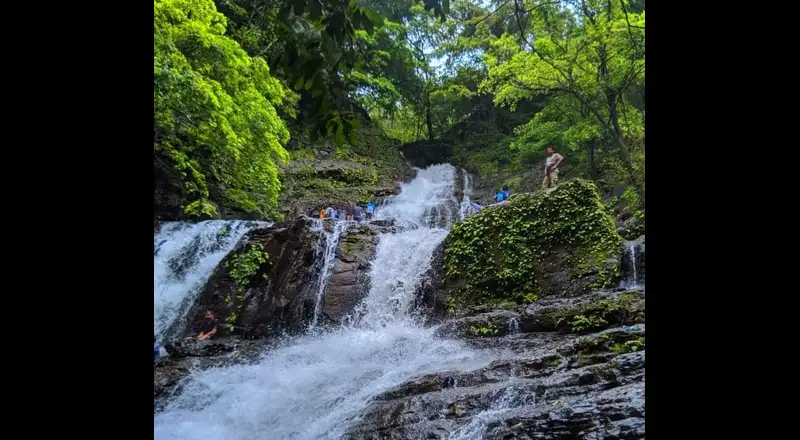
The waterfall is fed by the pristine streams originating from the Mhadei Wildlife Sanctuary, ensuring that the water remains crystal clear and refreshingly cool even during the humid months. What makes Madiyani Gululem particularly special is its seclusion. Unlike the famous Dudhsagar Falls, which attracts thousands of tourists daily, Madiyani remains a "local secret." The soundscape here is dominated by the rhythmic roar of falling water, the chirping of the Malabar Whistling Thrush, and the rustling of ancient teak and bamboo trees. For the discerning traveler, this site offers a profound connection with nature, characterized by moss-covered rocks, dense tropical foliage, and the misty spray of the Sahyadri range.
Top Goa Experience • Part 1
Highly Recommended Near Madiyani Gululem Waterfall
Explore All
Geographically, the waterfall is part of a complex network of seasonal and perennial falls that dot the Sattari region. The rock formations here are primarily basaltic, creating natural steps that allow the water to tumble down in several stages before pooling into a shallow, inviting basin at the bottom. This guide aims to provide you with an exhaustive roadmap to exploring this magnificent site, ensuring your journey to the heart of Goa’s wilderness is both safe and unforgettable.
How to Reach Madiyani Gululem Waterfall
Reaching Madiyani Gululem Waterfall is an adventure in itself, requiring a transition from broad highways to narrow, winding village roads that cut through dense forests. The waterfall is located approximately 55 to 60 kilometers from the capital city, Panjim, and about 45 kilometers from Mapusa.
Recommended Guide
15 Best Hill Stations Near Goa distance & Travel Tips
Discover the 15 best hill stations near Goa to visit in 2026. Our guide covers distances, trekking trails, and local highlights.
Read Guide →
- By Private Vehicle (Car/Scooter): This is the most recommended mode of transport. From Panjim, you should head towards Old Goa and continue towards Ponda or take the direct route via Bicholim. Your primary landmark will be the town of Valpoi, which is the administrative hub of Sattari. From Valpoi, you need to drive towards the village of Gululem. The roads are generally well-maintained but can become quite narrow and slick during the monsoon season. Using a GPS is helpful, but do not hesitate to ask locals for "Gululem Falls" or "Madiyani," as mobile network coverage can be spotty in the deep valleys.
- By Bus: For budget travelers, public transport is available but requires patience. You can take a Kadamba bus from Panjim or Mapusa to Valpoi. Once you reach the Valpoi bus stand, you will need to find a local "pilot" (motorcycle taxi) or a rickshaw to take you to Gululem village. Be warned that return transport from the village can be difficult to find late in the evening, so it is best to coordinate with your driver for a pickup.
- From South Goa: If you are traveling from Margao, the distance is roughly 65 kilometers. The route via Mollem and then towards Valpoi offers some of the most scenic views of the forest canopy, though it adds a bit of travel time.
The final stretch of the journey involves parking your vehicle at the edge of Gululem village or near the designated trailhead. From here, the only way forward is on foot, as the terrain becomes too rugged for any motorized transport. Ensure your vehicle has enough fuel, as petrol pumps are scarce once you move past the Valpoi town limits.
Best Time to Visit
Timing your visit to Madiyani Gululem Waterfall is crucial to ensure you see it in its full glory while maintaining personal safety. The Goan landscape undergoes a dramatic transformation with the seasons, and the waterfall reflects this change vividly.
Recommended Guide
Where to Party in Goa? (Ultimate 2026 Nightlife Guide)
Goa is not just a destination—it’s an experience. When the sun sets over the Arabian Sea, the state transforms into India’s ultimate nightlife capita...
Read Guide →
- Monsoon (June to September): This is undoubtedly the best time to witness the waterfall's sheer power. The rains turn the entire Sattari region into a lush, green paradise. The waterfall swells with volume, and the mist created by the crashing water is truly magical. However, this is also the most challenging time for trekking, as the trails become muddy and the river crossings can be dangerous due to sudden surges in water levels.
- Post-Monsoon (October to November): Many seasoned hikers consider this the "sweet spot." The rains have subsided, making the trek safer and more manageable, but the waterfall still retains a significant flow. The weather is pleasant, and the humidity is lower than in the peak of summer. The flora is still vibrant, and the natural pools are clear enough for a dip.
- Winter (December to February): During these months, the flow of the waterfall reduces significantly, turning into a gentle, elegant stream. While it may not be as dramatic as the monsoon, the cool weather makes the trek highly enjoyable. This is the best time for bird watching and photography, as the skies are clear and the light is soft.
- Summer (March to May): It is generally advised to avoid visiting during the peak of summer. The waterfall may dry up to a mere trickle, and the intense heat of the Goan sun can make the uphill trek quite exhausting.
Trek Details for Madiyani Gululem Waterfall
The trek to Madiyani Gululem Waterfall is classified as moderate in difficulty. It is not a simple walk in the park, but it is certainly achievable for anyone with a basic level of fitness. The total trekking time is approximately 60 to 90 minutes one way, depending on your pace and the prevailing weather conditions.
The trail begins at the outskirts of Gululem village. Initially, you will walk through flat terrain consisting of cashew plantations and local farmlands. As you delve deeper, the forest canopy thickens, and the sunlight begins to filter through the leaves in golden shafts. One of the highlights—and challenges—of this trek is the stream crossings. Depending on the rainfall, you may have to wade through knee-deep water. The rocks at the bottom can be incredibly slippery, so a sturdy pair of trekking shoes with good grip is non-negotiable.
Recommended Guide
Water Sports in Candolim Goa | Best Prices, Packages & Booking Guide
Candolim Beach, located in North Goa, is one of the most popular destinations for water sports in Goa. Known for its clean shoreline, less crowded environm...
Read Guide →
As you ascend, the trail becomes narrower and steeper. You will encounter various species of indigenous trees, including the Matti (Terminalia elliptica), which is the state tree of Goa. Keep an eye out for the wildlife; while leopards and sloth bears inhabit the Mhadei region, they are elusive. You are more likely to see giant wood spiders, vibrant butterflies like the Blue Mormon, and perhaps a vine snake camouflaged in the bushes. The final approach to the waterfall involves a bit of a scramble over boulders. Once you hear the thunderous sound of the water, you know you are close. The sight of the water plunging down the dark basalt rocks, framed by wild ferns and orchids, is a rewarding conclusion to the physical exertion.
Top Goa Experience • Part 2
Highly Recommended Near Madiyani Gululem Waterfall
Explore All
Things to Do
Madiyani Gululem Waterfall offers a variety of activities for nature lovers and adventure seekers alike. It is a place meant for slow exploration rather than a quick "check-in" visit.
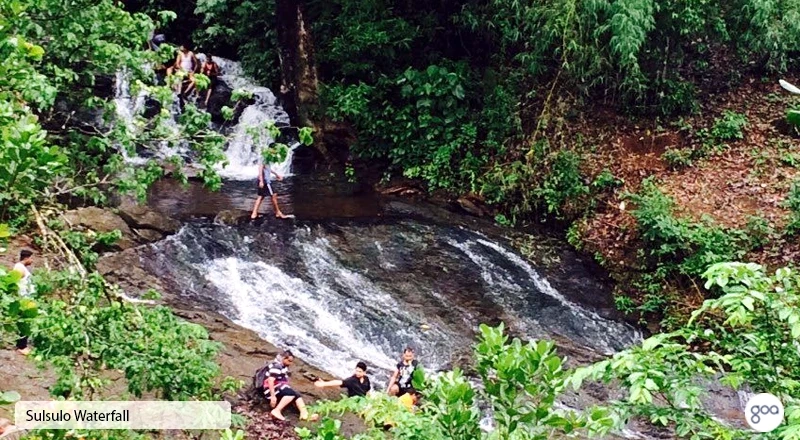
- Natural Jacuzzi Experience: The base of the waterfall forms several natural pools. While the main plunge pool can be deep and have strong currents during the monsoon, the smaller pools on the side are perfect for a refreshing soak. The cool, oxygenated water acts as a natural therapy for tired muscles.
- Bird Watching: The Sattari hinterlands are a haven for ornithologists. Bring a pair of binoculars to spot the Malabar Grey Hornbill, the Ruby-throated Yellow Bulbul (Goa's state bird), and various species of kingfishers. The best time for this is early morning.
- Forest Bathing (Shinrin-yoku): Take a moment to sit in silence. The high concentration of negative ions near the waterfall combined with the phytoncides released by the forest trees is known to reduce stress and improve mood.
- Picnicking: Many visitors bring light snacks to enjoy by the water. However, it is imperative to follow Leave No Trace principles. Ensure you carry back every bit of plastic or waste you bring in. The locals are very protective of their environment, and maintaining the purity of the water is essential.
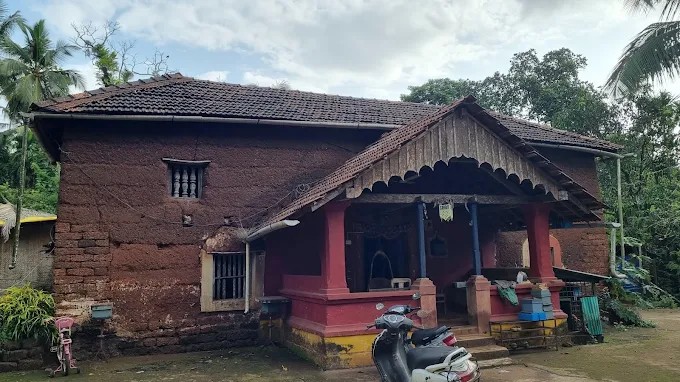
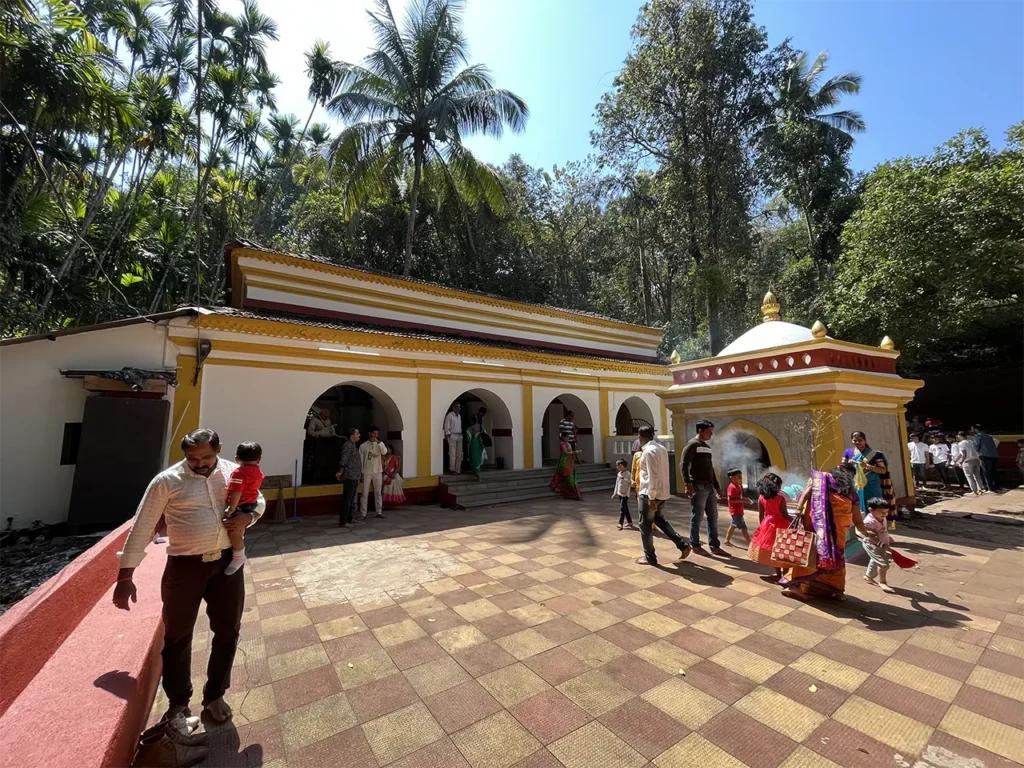
- Exploring the Village: Before or after your trek, take some time to walk through Gululem village. Observe the traditional Goan Hindu architecture, the small temples dedicated to local deities (Gramdevtas), and the slow-paced life of the villagers who live in harmony with the forest.
Safety Tips
While the beauty of Madiyani Gululem is undeniable, the wilderness of the Western Ghats demands respect. Safety should be your top priority when venturing into this remote area.
- Hire a Local Guide: The trail can be confusing, especially during the monsoon when paths are overgrown. Hiring a local youth from Gululem village not only ensures you don't get lost but also provides an income source for the community. They are experts at navigating the slippery rocks and can point out hidden flora and fauna.
- Leech Protection: During the monsoon, the forest floor is teeming with leeches. While they are harmless, their bites can be annoying. Wear long socks, tuck your trousers into your socks, and carry a small pouch of salt or tobacco water to deter them.
- Footwear: Flip-flops or sandals are a recipe for disaster on this trek. Use high-quality trekking shoes or "Bhivka" (local rubber sandals) that provide excellent grip on wet surfaces.
- Hydration and Snacks: There are no shops once you leave the village. Carry at least 2 liters of water and energy-dense snacks like nuts, fruit, or energy bars.
- Weather Awareness: Be wary of heavy downpours. Flash floods can occur in the streams you need to cross. If the water starts turning muddy and the flow increases rapidly, head back to higher ground immediately.
- Mobile Connectivity: Do not rely on your phone for navigation. Download offline maps and inform someone at your hotel or a friend about your expected return time.
Nearby Attractions
If you are making the trip to Sattari, it is worth exploring other nearby landmarks to make the most of your day in the Goan hinterlands.
- Hivre Waterfalls: Located not too far from Gululem, Hivre is another spectacular waterfall that requires a trek. It is often combined with Madiyani for a full day of "waterfall hopping."
- Tambdi Surla Temple: About an hour's drive away is the 12th-century Mahadev Temple at Tambdi Surla. It is the oldest temple in Goa, built in the Kadamba style using weather-resistant black basalt. It is a masterpiece of intricate carvings and historical significance.
- Mhadei Wildlife Sanctuary: This sanctuary is a biodiversity hotspot. While you need a permit for deep exploration, the peripheral areas offer great opportunities for nature walks and spotting endemic species of the Western Ghats.
- Chorla Ghat: If you continue driving uphill towards the border of Karnataka and Maharashtra, you will reach Chorla Ghat. The drive offers breathtaking panoramic views of the Anjunem Dam and the lush valleys below.
- Nanuz Fort: Built by Shivaji Maharaj and later occupied by the Portuguese, this small fort near Valpoi has a rich history related to the Rane Revolts. Though mostly in ruins, it offers a glimpse into Goa's martial past.
Entry Fees & Timings
As of now, there is no formal "entry fee" ticketed by the tourism department specifically for the Madiyani Gululem Waterfall. However, since it falls within or near protected forest zones, you may encounter Forest Department checkpoints.
- Forest Entry: If you are required to enter through a designated wildlife sanctuary gate, a nominal fee of approximately INR 20 to INR 50 per person may be charged. Camera fees may be extra.
- Timings: The ideal time to start your trek is between 8:00 AM and 9:00 AM. This allows you to reach the waterfall by mid-morning, enjoy your time, and head back before the forest gets dark. It is highly recommended to leave the waterfall area by 3:30 PM to ensure you are back at the village before sunset. The forest becomes pitch black very quickly, and navigating the trail at night is dangerous.
- Local Guide Fees: While not mandatory, if you hire a local guide, expect to pay between INR 500 to INR 1000 depending on the group size and the duration of the trek. This is a fair price for the safety and local knowledge they provide.
Where to Eat Nearby
Sattari is not a place for fine dining; it is a place for authentic, spicy, and soul-satisfying Goan Saraswat and Hindu cuisine. You won't find many restaurants near the waterfall itself, so you will need to head back to Valpoi or nearby villages.
- Local Eateries in Valpoi: Look for small "Khanavals" or eateries that serve the traditional Goan Fish Thali. Expect fresh river fish or mackerel, served with "Sheet-Kodi" (rice and coconut curry), "Kismur" (dried prawn salad), and local vegetable preparations.
- Ros Omelette: If you are back in Valpoi town by evening, try the Ros Omelette from a street-side cart. It is a quintessential Goan snack consisting of a fluffy omelette drowned in spicy chicken or chickpea gravy (ros), served with local "Pao."
- Home-cooked meals in Gululem: Some enterprising families in the village may offer home-cooked meals if informed in advance. This is the best way to try local delicacies like Kulith Pithla (horse gram curry) or Taikilo (seasonal wild greens).
- Eco-Resorts: If you are looking for a more comfortable dining experience, resorts like Wildernest or Swapnagandha (located on Chorla Ghat) offer buffet meals featuring traditional Goan cuisine with a view of the mountains.
Accommodation Nearby
To truly soak in the atmosphere of the Goan wilderness, consider staying overnight in the Sattari or Chorla region rather than driving back to the coast.
- Wildernest Nature Resort: Located on the higher ridges of the Western Ghats, this eco-resort offers luxury in the lap of nature. Their infinity pool overlooking the valley is iconic. It is perfect for those who want to combine the Madiyani trek with a high-end nature retreat.
- Swapnagandha Resort: A sister concern of Wildernest, this property offers equally stunning views and cozy cottages. It is highly rated for its bird-watching tours and folk dance performances.
- Nandanvan Heritage Farm: For a more rustic and educational stay, this spice plantation and farm stay offers a deep dive into Goan agriculture and traditional living. It is located within a reasonable driving distance from Valpoi.
- Homestays in Valpoi: There are several budget-friendly guesthouses and homestays within Valpoi town. These are ideal for solo travelers and backpackers who want a base to explore multiple waterfalls in the region.
- Government Rest Houses: The Forest Department and PWD have guest houses in the area. These require advance booking through their respective offices in Panjim and offer basic but clean accommodation at very low prices.
Photography Spots
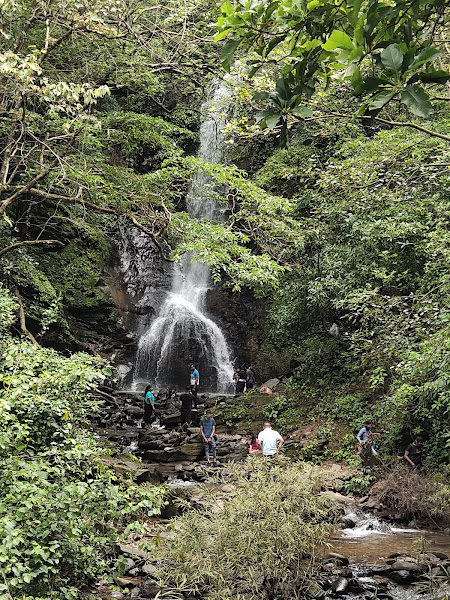
Madiyani Gululem Waterfall is a dream destination for photographers. The contrast between the dark rocks, the white cascading water, and the vibrant green moss provides a stunning color palette.
- The Main Plunge: For the classic long-exposure shot, set up your tripod at the base of the main fall. Use an ND filter to smooth out the water flow, creating that ethereal "silk" effect.
- The Stream Crossings: These spots offer great opportunities for lifestyle and adventure photography. Capturing your fellow trekkers navigating the clear water with the dense forest as a backdrop makes for compelling storytelling.
- Macro Photography: Don't just look up; look down. The forest floor is home to fascinating fungi, colorful beetles, and intricate spider webs covered in dew. The Malabar Pit Viper (if you are lucky and keep a safe distance) is a prized subject for wildlife photographers.
- The Canopy: Use a wide-angle lens to capture the towering trees that seem to touch the sky, creating a natural cathedral of green.
- Golden Hour: While you shouldn't be in the forest after dark, the light around 3:00 PM starts to soften, casting a warm glow on the waterfall spray. This is the best time for portraits with the waterfall in the background.
Hidden Gem Score & Crowd Level
Hidden Gem Score: 9.5/10
Madiyani Gululem Waterfall is one of the few remaining places in Goa that has not been overrun by mass tourism. Its remote location and the requirement of a trek act as a natural filter, keeping the crowds away. Even on weekends, you are likely to encounter only a handful of local hikers or serious nature enthusiasts.
Crowd Level: Very Low
During the weekdays, you might have the entire waterfall to yourself. This solitude is rare in a popular tourist state like Goa. The absence of loud music, commercial stalls, and litter makes it a true sanctuary. However, its "hidden" status also means there are no facilities like toilets or changing rooms, so plan accordingly. If you value peace, quiet, and authenticity over convenience, Madiyani Gululem will be the highlight of your Goan itinerary.
Conclusion
The Madiyani Gululem Waterfall is a poignant reminder that Goa is much more than its coastline. It is a land of ancient forests, rugged mountains, and life-giving rivers. A journey to this waterfall is a journey into the heart of the Sahyadris, offering a physical challenge that is rewarded with a sensory feast. Whether you are an avid trekker, a photography enthusiast, or someone simply looking to reconnect with the earth, Madiyani Gululem provides an experience that is both humbling and exhilarating.
As you plan your visit, remember that you are a guest in a fragile ecosystem. The beauty of Gululem village and its surrounding forests depends on responsible tourism. Respect the local customs, listen to your guides, and ensure that the only thing you leave behind are footprints. By choosing to explore the "Offbeat Goa," you are not just seeing a new place; you are supporting the preservation of Goa's natural heritage and the livelihoods of its inland communities. So, lace up your boots, pack your sense of wonder, and head out to discover the misty, magical world of Madiyani Gululem.