Overview of Harvalem Waterfalls
Nestled in the lush, emerald hinterlands of North Goa, far removed from the thumping bass of the coastal party belt, lies one of the state's most serene natural treasures: Harvalem Waterfalls. Also frequently referred to as the Arvalem Waterfalls, this majestic cascade is located in the Sanquelim (Sankhali) village within the Bicholim taluka. While Goa is globally renowned for its sun-kissed beaches and Portuguese-era architecture, the interior regions of the state offer a different kind of magic, characterized by dense tropical forests, ancient temples, and roaring waterfalls that come alive with a ferocity that is both humbling and beautiful.
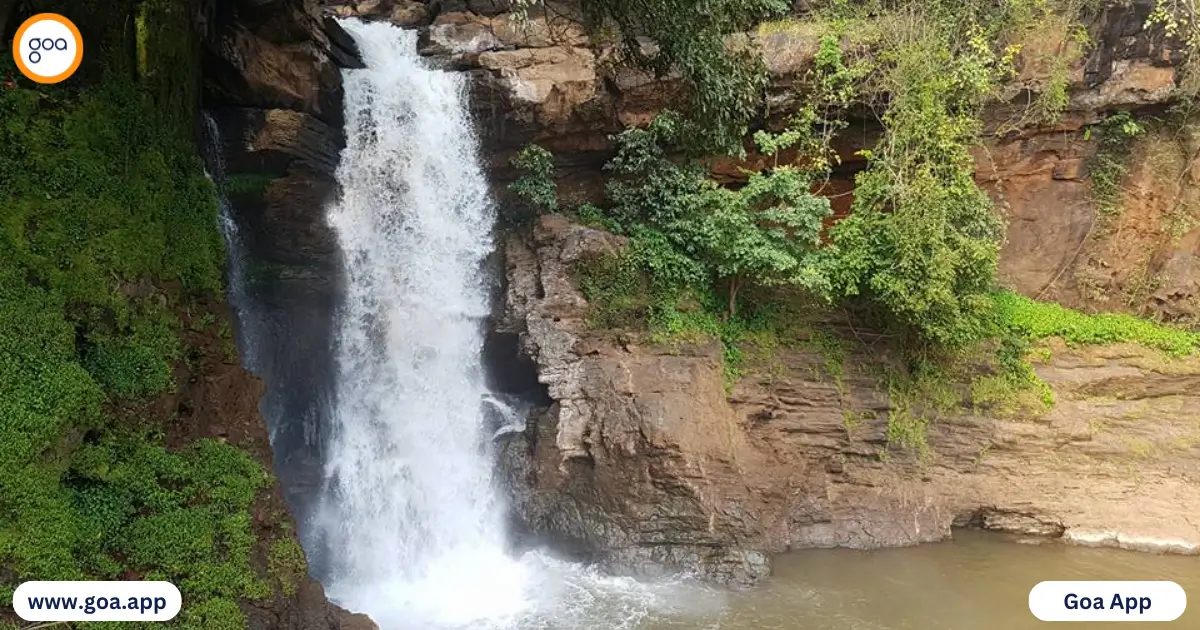
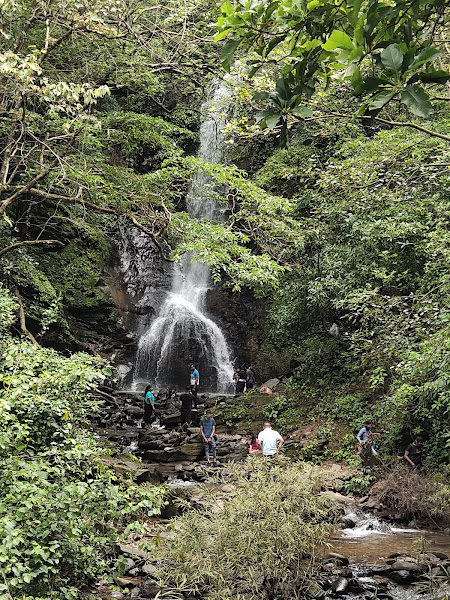
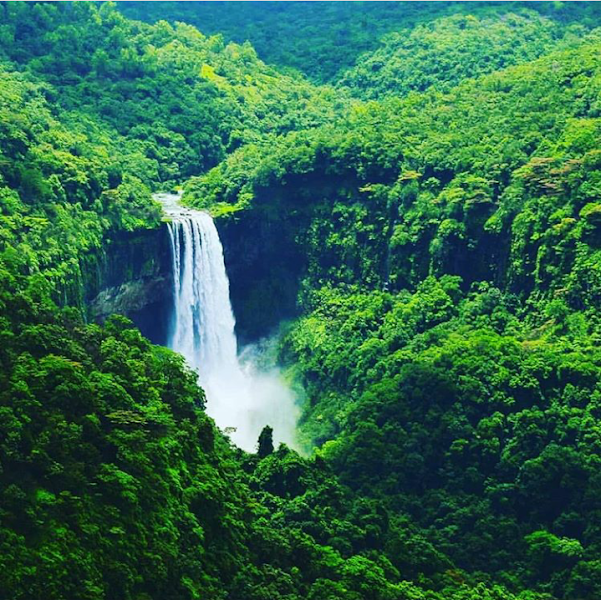
The Harvalem Waterfalls drop from a height of approximately 50 meters (164 feet), creating a thunderous sound that echoes through the surrounding valley. The water descends into a large, deep plunge pool at the bottom, surrounded by jagged rock formations and a canopy of ancient trees. What makes Harvalem particularly unique is its proximity to significant historical and religious sites, specifically the Arvalem Caves and the Shree Rudreshwar Temple. This trifecta of nature, history, and spirituality makes it a must-visit destination for those who wish to experience the "authentic" Goa—the Goa of the Sahyadri foothills.
Top Goa Experience • Part 1
Highly Recommended Near Harvalem Waterfalls
Explore All
Geologically, the waterfall is a result of the runoff from the Western Ghats, finding its way through the iron-ore-rich soil of the Bicholim mining belt. The water often takes on a slightly reddish hue during the peak monsoon due to the high silt and mineral content of the region. Unlike the world-famous Dudhsagar Falls, which requires a complex logistical arrangement involving trains and jeeps, Harvalem is remarkably accessible, making it a favorite for local families, photographers, and travelers seeking a peaceful afternoon without the exhaustion of a high-intensity trek.
The site is managed with a sense of local pride. Over the years, the Goa Tourism Development Corporation (GTDC) has developed a viewing gallery and a concrete bridge that allows visitors to witness the falls from a safe yet intimate distance. Whether you are a solo traveler looking for a quiet spot to meditate or a family on a weekend picnic, Harvalem provides a refreshing escape from the humidity of the coast. The air here is noticeably cooler, scented with the fragrance of wet earth and wild flora, offering a sensory experience that defines the Goan monsoon experience.
Recommended Guide
15 Best Hill Stations Near Goa distance & Travel Tips
Discover the 15 best hill stations near Goa to visit in 2026. Our guide covers distances, trekking trails, and local highlights.
Read Guide →
How to Reach Harvalem Waterfalls
Reaching Harvalem Waterfalls is a scenic journey that takes you through the heart of Goa’s rural landscape. Depending on where you are stationed in the state, the route will offer views of paddy fields, cashew plantations, and sleepy Goan villages. Here is a detailed breakdown of how to reach this hidden gem:
- From Panjim (The Capital): Harvalem is located about 30 to 32 kilometers from Panjim. The most efficient route is to cross the Mandovi Bridge and head toward Ponda/Old Goa, then divert toward the town of Sanquelim. The drive typically takes about 1 hour and 15 minutes. You will pass through the historic town of Banastari and eventually reach the Sanquelim market, from where the waterfalls are just a few kilometers away.
- From North Goa Beaches (Calangute, Baga, Anjuna): If you are staying in the popular tourist hubs of North Goa, the distance is approximately 35 to 40 kilometers. You should take the Mapusa-Bicholim road. This route is particularly beautiful as it winds through the hilly terrain of the interior. Expect a travel time of 1.5 to 2 hours depending on traffic.
- From South Goa (Margao): From Margao, the distance is roughly 45 kilometers. The best route is via Ponda. Ponda is known as the temple heartland of Goa, and the drive from Ponda to Sanquelim is smooth and well-paved. This journey takes about 1.5 hours.
- By Public Transport: You can take a Kadamba bus from Panjim or Mapusa to Sanquelim. Once you reach the Sanquelim bus stand, you can hire a local motorcycle taxi (famously known in Goa as a "Pilot") or an auto-rickshaw to take you the remaining 2-3 kilometers to the waterfall site.
- By Rental Vehicle: Renting a scooter or a car is the most recommended way to visit. Having your own transport allows you to explore the nearby caves and temples at your own pace. Ensure your GPS is set to "Arvalem Waterfalls" or "Rudreshwar Temple," as they share the same parking area.
The roads leading to Sanquelim are generally in good condition, but be prepared for narrow stretches and sharp turns as you enter the village areas. During the monsoon, the mist can reduce visibility slightly, so drive cautiously. There is ample parking space near the entrance of the Rudreshwar Temple, which serves as the gateway to the falls.
Recommended Guide
Where to Party in Goa? (Ultimate 2026 Nightlife Guide)
Goa is not just a destination—it’s an experience. When the sun sets over the Arabian Sea, the state transforms into India’s ultimate nightlife capita...
Read Guide →
Best Time to Visit
Timing is everything when visiting a tropical waterfall. The experience at Harvalem changes drastically with the seasons, and choosing the right month can make the difference between seeing a roaring giant or a gentle trickle.
- The Monsoon Season (June to September): This is undoubtedly the best time to visit Harvalem Waterfalls. As the Southwest monsoon hits the Western Ghats, the water volume increases exponentially. The falls become a powerful, white curtain of water, and the surrounding vegetation turns a vibrant, neon green. The atmosphere is electric, with the sound of the falls audible from the parking lot. However, be prepared for heavy rain showers and slippery paths.
- Post-Monsoon (October to December): This is the ideal time for those who want to enjoy the beauty of the falls without the torrential downpours. The water flow remains steady and impressive, the weather is pleasantly cool, and the skies are usually clear blue, making it perfect for photography. The lushness of the monsoon still lingers, but the humidity is much more manageable.
- Winter (January to March): During these months, the flow begins to recede. While the waterfall is still beautiful, it is not as "grand" as it is in the monsoon. This is a great time for a peaceful visit, as the crowds are thinner and the plunge pool is calmer.
- Summer (April to May): It is generally advised to avoid visiting Harvalem in the peak of summer if your primary goal is to see a spectacular waterfall. The flow can reduce to a thin stream, and the heat in the Bicholim area can be quite intense. However, the Arvalem Caves and the temple remain open and are worth visiting for their historical value.
Pro Tip: Try to reach the waterfalls in the early morning (around 9:00 AM). The morning light filtering through the trees is spectacular, and you will likely have the place to yourself before the afternoon picnic crowds arrive.
Recommended Guide
Water Sports in Candolim Goa | Best Prices, Packages & Booking Guide
Candolim Beach, located in North Goa, is one of the most popular destinations for water sports in Goa. Known for its clean shoreline, less crowded environm...
Read Guide →
Trek Details for Harvalem Waterfalls
Unlike the arduous trek to Dudhsagar or the forest hike to Tambdi Surla, Harvalem Waterfalls does not require a "trek" in the traditional sense. It is one of the most accessible waterfalls in Goa, making it suitable for senior citizens and young children alike. However, there are some minor physical aspects to consider:
Top Goa Experience • Part 2
Highly Recommended Near Harvalem Waterfalls
Explore All
The journey from the parking area to the main viewing point involves a short walk of about 200 to 300 meters. The path is well-laid with concrete and stone. To get a closer look at the base of the falls or to reach the upper viewing gallery, you will need to climb a series of stone steps. These steps are relatively wide but can become quite slippery during the monsoon due to moss and constant spray from the falls. There are sturdy railings provided for support.
For the more adventurous, there are small footpaths that lead into the surrounding wooded areas, offering different vantage points of the stream that feeds the waterfall. However, there is no official forest trail that requires a guide. The "trekking" element here is more of a leisurely nature walk. You can walk across the concrete bridge that spans the river, providing a panoramic view of the drop. The ease of access is a major draw, but it also means the site can get crowded on weekends. If you are looking for a rugged hiking experience, Harvalem might feel too "manicured," but for those looking for natural beauty without the physical strain, it is perfect.
Things to Do
While the waterfall is the main attraction, the Harvalem area offers a variety of activities that can easily fill a half-day or full-day itinerary. Here is what you can do:
- Witness the Majesty of the Falls: Spend time at the viewing gallery. The sheer force of the water during the monsoon is a sight to behold. It is a great place for mindfulness; simply sitting and listening to the "white noise" of the falling water can be incredibly therapeutic.
- Explore the Arvalem Caves: Located just a few hundred meters from the falls, these ancient rock-cut caves (also known as the Pandava Caves) date back to the 6th century. They are carved into laterite stone and feature five compartments with "lingas." While local legend associates them with the Pandavas of the Mahabharata, historians believe they have Buddhist origins. The architecture is simple yet evocative of a bygone era.
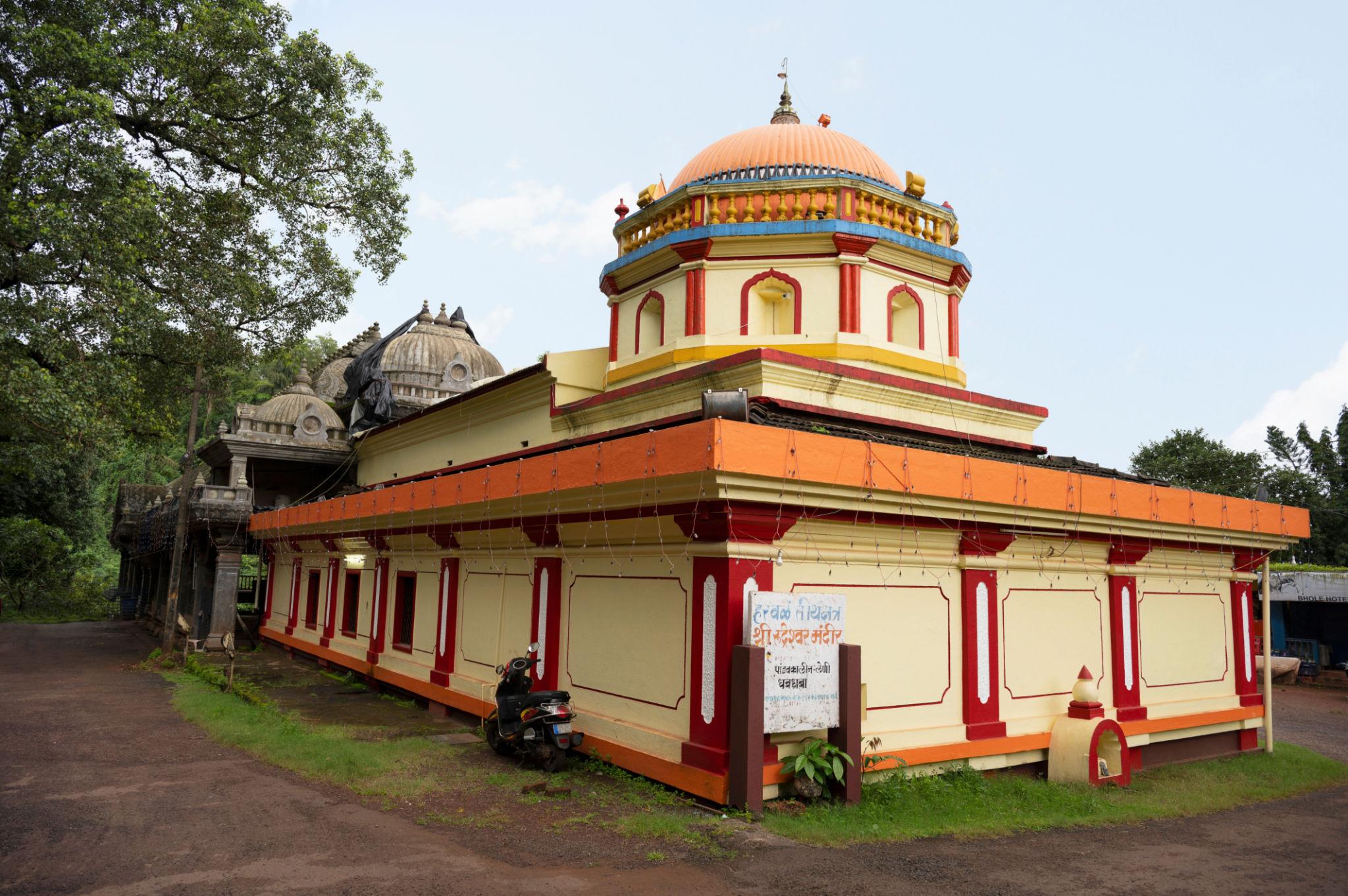
- Seek Blessings at Shree Rudreshwar Temple: This temple is dedicated to Lord Shiva and is situated right next to the waterfall. The temple holds great religious significance, especially for performing last rites and "Shraddha" ceremonies. The sight of the temple with the waterfall in the background is one of the most iconic images of interior Goa.
- Photography: Harvalem is a paradise for photographers. From long-exposure shots of the cascading water to capturing the intricate carvings of the caves, there is no shortage of subjects. The bridge offers a great spot for "selfies" with the falls as a backdrop.
- Picnicking: There are shaded areas and benches where families often gather to enjoy a meal. However, please ensure you carry all your trash back with you, as the area is an ecologically sensitive zone.
- Visit the Government Park: The local authorities have maintained a small park area near the falls which is great for children to run around in while the adults enjoy the view.
Safety Tips
While Harvalem Waterfalls is beautiful, nature must always be respected. Safety should be your top priority during your visit.
- Beware of Slippery Surfaces: The mist from the waterfall creates a constant dampness on the stairs and the viewing bridge. Moss growth is common. Wear sturdy footwear with good grip (avoid flip-flops or smooth-soled sandals).
- No Swimming During Monsoon: The plunge pool at the bottom of the falls looks inviting, but during the monsoon, the currents are incredibly strong and unpredictable. There have been instances of accidents in the past. It is strongly advised not to enter the water when the flow is heavy.
- Stay Within Designated Areas: Do not attempt to climb the rocks on the side of the waterfall. The laterite rock in Goa is porous and can crumble easily. Stick to the paved paths and the viewing gallery.
- Monkey Menace: Like many forest areas in Goa, Harvalem has a resident population of macaques. They are used to humans and can be quite bold. Avoid carrying open food packets or plastic bags, as the monkeys may try to snatch them from you. Do not feed them, as it disrupts their natural diet and behavior.
- Hydration and Sun Protection: Even though the waterfall area is cool, the walk back to the parking lot and the visit to the caves can be hot. Carry water and wear sunscreen.
- Emergency Contacts: Keep local emergency numbers handy. The nearest major town is Sanquelim, which has medical facilities, but it is always better to be cautious.
Nearby Attractions
If you have traveled all the way to Sanquelim, it is worth exploring other nearby attractions to make the most of your trip to the Bicholim taluka:
- Arvalem Caves (Pandava Caves): As mentioned, these are walking distance from the falls. They offer a cool, dark respite from the sun and a fascinating glimpse into Goa’s pre-colonial history.
- Mayem Lake: Located about 10 kilometers from Harvalem, Mayem Lake is a popular spot for boating. It is surrounded by rolling hills and offers a very peaceful environment. There is a GTDC resort here as well.
- Bicholim Town: Known for its traditional pottery and brass work. You can visit local workshops to see artisans at work or buy authentic Goan handicrafts.
- Corjuem Fort: A bit further away (about 15 km), this is one of the smaller, inland forts of Goa. It offers stunning views of the river and the surrounding villages. It is much less crowded than the coastal forts like Aguada or Chapora.
- Carambolim Lake: If you are a birdwatcher, this lake (about 20 km away) is a haven for migratory birds during the winter months. It is one of the most important wetland ecosystems in Goa.
- Saptakoteshwar Temple: Located in Narve, this is one of the most important Shiva temples in the state, with a history tied to the Kadamba dynasty and later rebuilt by Shivaji Maharaj.
Entry Fees & Timings
One of the best things about Harvalem Waterfalls is that it remains an affordable destination for everyone. As of the current regulations:
- Entry Fee: There is no entry fee to visit the Harvalem Waterfalls or the Arvalem Caves. It is a public site maintained by the government.
- Parking Fees: There might be a nominal parking fee for cars and bikes (usually between ₹20 to ₹50) collected by local vendors or the panchayat, especially during peak weekends.
- Timings: The waterfall area is generally open from 9:00 AM to 6:00 PM. While there are no physical gates that "lock" the waterfall itself, it is not advisable to visit after dark as the area is not well-lit and the proximity to the forest increases the risk of encountering wildlife.
- Temple Timings: If you wish to visit the Shree Rudreshwar Temple, it usually follows traditional temple hours (open early morning, closed during the afternoon from 1 PM to 4 PM, and open again in the evening).
Where to Eat Nearby
Sanquelim is a bustling local town, so you won't find high-end fine dining, but you will find authentic, delicious Goan food. Here are your options:
- Local Dhabas and Cafes: Near the entrance of the falls and the temple, there are several small kiosks selling snacks like Batata Vada, Samosas, and Omelette Pao. You can also find fresh coconut water, which is incredibly refreshing after the walk.
- Sanquelim Market: For a proper meal, head into Sanquelim town (2 km away). Look for small "Bhojanalayas" or local bars and restaurants that serve a Goan Fish Thali. A typical thali will include rice, fish curry, fried fish (usually Rava fried), a vegetable side dish (Bhaji), and "Sol Kadi" (a digestive drink made from kokum and coconut milk).
- Hotel Florentine (Saligao - on the way back): If you are heading back toward the coast, many travelers stop at Florentine for their famous Chicken Cafreal.
- Ambiance and View: While there aren't many restaurants with a direct view of the falls, the peace of eating a simple meal in the shade of the trees near the parking lot is an experience in itself. Always carry a bottle of water, as the humidity can be dehydrating.
Accommodation Nearby
Most visitors treat Harvalem Waterfalls as a day trip from the coastal areas or Panjim. However, if you wish to stay nearby to experience the misty mornings of the Goan hinterland, here are some options:
- GTDC Mayem Lakeview: Located about 10 km away at Mayem Lake, this government-run hotel offers decent rooms and a beautiful view of the lake. It is a quiet and budget-friendly option.
- Guesthouses in Sanquelim/Bicholim: There are a few basic guesthouses and lodges in the main towns. These are primarily used by business travelers or those visiting for religious reasons, so don't expect luxury amenities.
- Eco-Resorts in the Western Ghats: If you drive further east toward Chorla Ghat (about 1 hour away), you will find premium eco-resorts like Wildernest or Swapnagandha. These offer a high-end experience of the Goan mountains and are perfect for nature lovers.
- Staying in Old Goa or Panjim: For the best balance of comfort and proximity, staying in Panjim or Old Goa is recommended. You can easily reach Harvalem in an hour and return to the city for dinner.
Photography Spots
If you are looking to fill your Instagram feed or build a professional portfolio, Harvalem offers several "money shots":
- The Concrete Bridge: This is the most popular spot. It allows you to frame the entire 50-meter drop in a vertical shot. During the monsoon, the spray might get on your lens, so carry a microfiber cloth.
- The Temple Staircase: The steps leading down from the Rudreshwar Temple provide a unique perspective where you can capture the ancient temple architecture on one side and the roaring falls on the other.
- The Arvalem Caves Entrance: The dark, weathered laterite of the caves provides a fantastic contrast to the bright green moss and the white water in the distance. It’s a great spot for "moody" or historical photography.
- Long Exposure from the Base: If you have a tripod, go to the lower viewing area. A 1-2 second exposure will turn the falling water into a silky white veil, creating a professional-grade landscape photo.
- The River Stream: Don't just focus on the drop. The river flowing away from the falls, littered with boulders and overhanging trees, offers beautiful "forest-core" aesthetics.
Hidden Gem Score & Crowd Level
Hidden Gem Score: 7.5/10
While Harvalem is well-known among locals, it remains relatively "hidden" for the average domestic or international tourist who rarely leaves the beach. It doesn't have the commercial buzz of Calangute or the "bucket list" status of Dudhsagar, which is precisely its charm. It feels like a secret that the locals are keeping for themselves.
Crowd Level: Moderate
- Weekdays: On a Tuesday or Wednesday, you might find only a handful of people there. It is incredibly peaceful and ideal for solo travelers.
- Weekends: On Sundays, the site transforms into a popular picnic spot for Goan families. It can get quite loud and crowded, with children playing and groups enjoying lunch.
- Festivals: During Mahashivratri, the area around the Rudreshwar Temple and the falls becomes very crowded as thousands of devotees come to offer prayers and take a holy dip. If you are not there for the festival, it is best to avoid these specific dates.
Conclusion
Harvalem Waterfalls is a poignant reminder that Goa is much more than just its coastline. It is a place where the power of nature meets the depth of ancient history. The sight of the water plunging down the cliff, the quiet dignity of the 6th-century caves, and the spiritual aura of the Rudreshwar Temple together create an experience that is uniquely Goan. It is a destination that rewards the curious traveler—the one who is willing to drive an hour inland to see the "other side" of the state.
Whether you are visiting in the peak of the monsoon to witness its raw power or in the cooler winter months for a peaceful retreat, Harvalem leaves a lasting impression. It is accessible, affordable, and breathtakingly beautiful. As you stand on the bridge, feeling the cool mist on your face and hearing the roar of the water, you'll realize that the true heart of Goa lies here, in the shadows of the Sahyadris, where the water has been falling and the prayers have been chanted for over a thousand years. Don't just visit Goa; experience its soul at Harvalem.