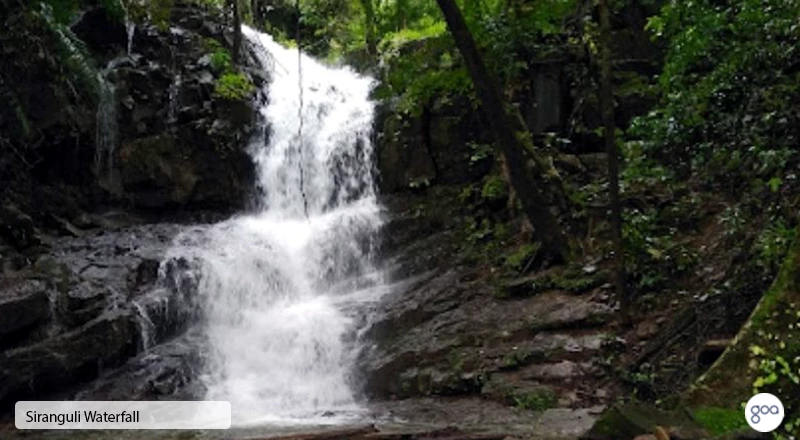
Siranguli waterfall

Siranguli waterfall

5 1,645 Verified
Nature Spot Trekking North Goa

Quick Navigation

Explore sections of this guide

Overview of Siranguli waterfall

Deep within the heart of the Sattari Taluka in North Goa, tucked away from the thumping bass of the coastal parties and the neon lights of the casinos, lies a sanctuary of pure, unadulterated nature: the Siranguli waterfall. This hidden gem is part of the majestic Western Ghats, a UNESCO World Heritage site known for its incredible biodiversity and breathtaking landscapes. Siranguli is not just a waterfall; it is a testament to the raw, rugged beauty of Goa’s hinterlands, often referred to as the "Green Heart" of the state.

The waterfall is located near the village of Hivre, which serves as the base for many trekkers looking to explore the Mhadei Wildlife Sanctuary. Unlike the famous Dudhsagar Falls, which attracts thousands of tourists daily, Siranguli remains a well-kept secret among local Goans and hardcore trekking enthusiasts. The water cascades down a series of rocky tiers, creating a visual spectacle that is particularly mesmerizing during the monsoon season. The surrounding forest is a dense canopy of semi-evergreen and tropical moist deciduous trees, providing a home to a variety of endemic species.

As a professional travel writer who has traversed the length and breadth of Goa, I can tell you that the experience of visiting Siranguli is about more than just the destination. It is about the sensory immersion—the smell of the damp earth (petrichor) as you trek through the forest, the distant call of the Malabar Whistling Thrush, and the sight of vibrant butterflies fluttering across the trail. The Siranguli waterfall is an essential visit for anyone looking to understand the ecological importance of the Sahyadri Mountains and the role they play in maintaining the water table of the entire Konkan region. It offers a profound sense of solitude and a chance to reconnect with the earth in a way that the crowded beaches of Calangute or Baga simply cannot provide.

How to Reach Siranguli waterfall

Reaching Siranguli waterfall requires a bit of planning, as it is located in a relatively remote part of North Goa. The nearest major town is Valpoi, which is the administrative headquarters of the Sattari Taluka. Depending on where you are staying in Goa, the journey can take anywhere from one and a half to three hours by road.

  • From Panjim (The Capital): The distance is approximately 50 kilometers. You should take the road towards Ponda and then head towards Valpoi via the Bicholim-Sanquelim route. The drive is scenic, passing through sleepy villages and lush cashew plantations. Once you reach Valpoi, you will need to head towards the village of Hivre, which is about 12-14 kilometers further into the interior.
  • From North Goa Beaches (Calangute/Baga): The distance is roughly 60-65 kilometers. It is best to travel early in the morning to avoid the city traffic in Mapusa and Sanquelim. Follow the signs for Sanquelim and then proceed to Valpoi.
  • From South Goa (Margao): This is a longer journey of about 70 kilometers. You will pass through the Mollem National Park area if you take the bypass, or you can go through Ponda. The route via Ponda is generally more straightforward for those heading to the Sattari region.
  • By Public Transport: While there are state-run Kadamba buses and private buses that ply from Panjim and Mapusa to Valpoi, they are frequent only during peak hours. From Valpoi, you might find a local bus heading towards Hivre, but they are rare. The most practical way to reach the starting point of the trek is by hiring a private taxi or riding a rented scooter/bike.

Pro Tip: Ensure your vehicle has a full tank of fuel before leaving Valpoi, as there are no petrol pumps in the immediate vicinity of Hivre village. Additionally, download offline maps of the area, as mobile network connectivity can be extremely patchy once you enter the forest zones of the Western Ghats.

Best Time to Visit

The timing of your visit to Siranguli waterfall will drastically change your experience. Because it is a seasonal forest waterfall, its appearance fluctuates with the rainfall patterns of the Konkan coast.

  • The Monsoon (June to September): This is undoubtedly the best time to see the waterfall in its full, roaring glory. The Sahyadris receive heavy rainfall during these months, turning the entire landscape into a vibrant shade of emerald. The waterfall becomes a powerful force of nature, and the surrounding streams are brimming with water. However, trekking during the peak monsoon can be challenging due to slippery paths and the abundance of leeches.
  • Post-Monsoon (October to November): This is the ideal time for those who want a balance between beauty and accessibility. The rains have subsided, making the trekking trails safer and less muddy, but the waterfall still retains a significant volume of water. The weather is also pleasant—cool in the mornings and not too humid during the day.
  • Winter (December to February): During the winter months, the flow of the waterfall decreases significantly. It becomes a gentle trickle rather than a cascading fall. While the trek is still enjoyable for the forest experience, the "wow factor" of the waterfall is diminished.
  • Summer (March to May): It is generally not recommended to visit Siranguli during the peak summer. The waterfall often dries up completely, and the heat in the forest can be oppressive. The trekking trails become dusty, and the lush greenery turns into a dry brown.

To witness the true spirit of Siranguli, aim for a visit in late August or early September when the monsoon is beginning to wane, but the water levels are still high.

Trek Details for Siranguli waterfall

The trek to Siranguli waterfall is an adventure in itself and is considered moderately difficult. It is not a paved path; rather, it is a trail that winds through the dense undergrowth of the Mhadei Wildlife Sanctuary. The trek usually begins from the outskirts of Hivre village.

Distance and Duration: The trek is approximately 3 to 4 kilometers one way, depending on the exact path taken. It typically takes about 1.5 to 2 hours to reach the falls, accounting for the uneven terrain and the need to navigate through forest cover.

The Trail: The journey starts with a walk through local agricultural lands and cashew groves. As you move deeper, the trail enters the forest. You will encounter several small stream crossings. During the monsoon, these streams can be knee-deep, requiring you to balance on slippery rocks. The path involves some uphill climbs and downhill scrambles. You will often find yourself ducking under low-hanging branches or stepping over massive tree roots that crisscross the forest floor.

Flora and Fauna: Keep an eye out for the Terminalia elliptica (locally known as the Crocodile Bark tree) and various species of wild orchids. If you are quiet, you might spot the Malabar Giant Squirrel with its distinctive maroon fur, or perhaps a Vine Snake camouflaged among the leaves. The area is also a paradise for birdwatchers, with sightings of the Great Hornbill being a rare but possible highlight.

Guide Requirement: While the trail is somewhat marked by the footsteps of previous trekkers, it is highly recommended to hire a local guide from Hivre village. The forest is dense, and it is easy to lose your way, especially when the clouds descend and visibility drops. Local guides not only ensure your safety but also share fascinating stories about the local folklore and the medicinal plants found in the region.

Things to Do

While the primary attraction is the waterfall itself, a trip to Siranguli offers a variety of activities for nature lovers and adventurers.

  • Natural Hydrotherapy: The base of the waterfall has several spots where you can sit under the falling water. The pressure of the water acting on your shoulders and back provides a natural massage that is incredibly refreshing after a long trek.
  • Bird Watching: The Sattari region is one of the best birding hotspots in Goa. Bring a pair of binoculars to spot forest birds like the Orange Minivet, Asian Fairy-bluebird, and the Emerald Dove.
  • Macro Photography: The forest floor is a world of its own. During the monsoon, you can find a variety of colorful fungi, rare insects, and unique mosses that make for excellent macro photography subjects.
  • Mindfulness and Meditation: The sheer isolation of Siranguli makes it a perfect place for meditation. Find a flat rock away from the main splash zone, close your eyes, and listen to the rhythmic sound of the water and the wind rustling through the trees.
  • Picnicking (Eco-friendly): You can enjoy a meal by the falls, but it is imperative that you carry all your trash back with you. There are no waste disposal bins in the forest, and maintaining the pristine nature of the site is the responsibility of every visitor.

Safety Tips

Safety should be your top priority when exploring the wilder side of Goa. The Western Ghats are beautiful but can be unforgiving to the unprepared.

  • Leech Protection: During the monsoon, the forest is crawling with leeches. While they are harmless, their bites can be annoying. Wear long socks, tuck your trousers into your socks, and apply a mixture of tobacco and coconut oil or carry a small pouch of salt to deter them.
  • Footwear: Do not attempt this trek in flip-flops or smooth-soled sneakers. You need sturdy trekking shoes with good grip. The rocks near the waterfall are covered in algae and are incredibly slippery.
  • Hydration and Snacks: Carry at least 2 liters of water per person. The humidity in the forest can lead to rapid dehydration. Pack energy-dense snacks like nuts, chocolate, or fruit.
  • Weather Awareness: Be wary of heavy downpours. Flash floods can occur in forest streams within minutes. If you notice the water turning muddy and the flow increasing rapidly, leave the stream area immediately and move to higher ground.
  • Inform Someone: Since there is no mobile network, always inform your hotel or a friend about your plans and your expected return time.
  • First Aid: Carry a basic first aid kit containing antiseptic cream, band-aids, and any personal medication.

Nearby Attractions

The Sattari region is rich in both natural and historical sites. If you have time, you can combine your visit to Siranguli with these nearby attractions:

  • Hivre Waterfalls: Often visited along with Siranguli, Hivre consists of a series of smaller cascades that are equally beautiful and located in the same general area.
  • Nanuz Fort: Built by Shivaji Maharaj and later occupied by the Portuguese, this fort in Valpoi has historical significance, particularly regarding the Rane Revolts against colonial rule.
  • Tambdi Surla Temple: Located about 25-30 kilometers from Valpoi, this 12th-century Shaivite temple is the oldest in Goa. Carved from black basalt, it is a masterpiece of Kadamba-Yadava architecture.
  • Chorla Ghat: A stunning mountain pass that connects Goa, Karnataka, and Maharashtra. It offers panoramic views of the Sahyadris and is home to the Vazira Sakla Falls.
  • Mhadei River Rafting: During the peak monsoon, you can experience white-water rafting on the Mhadei River, starting from the village of Ustem.

Entry Fees & Timings

Currently, there is no formal "ticket counter" for Siranguli waterfall, as it is located within a community-managed forest area under the jurisdiction of the Forest Department. However, there are certain guidelines to follow:

  • Entry Fee: There is usually no entry fee for the waterfall itself. However, if you hire a local guide (which you should), expect to pay between INR 500 to INR 1000 depending on the group size and the duration of the trek.
  • Timings: The forest is strictly off-limits after dark. It is best to start your trek by 9:00 AM so that you can spend a few hours at the falls and return to the village by 3:00 PM or 4:00 PM. Entering the forest after 2:00 PM is not advisable as the light fades quickly under the dense canopy.
  • Permissions: Occasionally, during periods of extreme rainfall or for conservation reasons, the Forest Department may restrict entry. It is a good idea to check with locals in Valpoi before heading all the way to Hivre.

Where to Eat Nearby

You won't find any cafes or restaurants near the waterfall. Your best bet for a meal is in the town of Valpoi or by requesting a meal at a local home in Hivre village.

  • Local Goan "Xit-Kodi": In Valpoi, look for small family-run eateries (khanavals) that serve authentic Goan fish curry and rice. The fish is usually fresh from the local rivers or the daily market.
  • Ros Omelette: A quintessential Goan street food. If you are returning in the evening, you will find carts in Valpoi market serving spicy gravy (ros) with an omelette and local Pao (bread).
  • Bhaji-Pao: For breakfast, try the local Goan mushroom or mixed vegetable bhaji with hot buns or pao at any small tea stall.
  • Self-Catering: Most trekkers carry their own lunch. Pick up fresh fruit, biscuits, and local snacks like Kapa (fried potato or banana slices) from the Valpoi market before you start your journey.

Accommodation Nearby

For those who want to stay close to nature, there are several options ranging from rustic homestays to luxury eco-resorts in the Sattari and Chorla Ghat region.

  • Homestays in Valpoi/Hivre: There are a few local families who offer basic rooms and home-cooked meals. This is the best way to experience the local culture and hospitality.
  • Wildernest Nature Resort: Located in Chorla Ghat, this is a luxury eco-resort that offers stunning views of the Vazira Falls and the valley. It is about a 45-minute drive from Valpoi but offers a world-class experience in the wilderness.
  • Swapnagandha Resort: A sister concern of Wildernest, this resort offers similar eco-friendly cottages with a focus on peace and tranquility.
  • Government Guest Houses: The Forest Department and the PWD have guest houses in Valpoi, but these usually require prior booking through their respective offices in Panjim.

Photography Spots

Siranguli is a dream for landscape and nature photographers. Here are some spots you shouldn't miss:

  • The Tiered View: About 50 meters before you reach the main pool, there is a vantage point where you can capture several tiers of the waterfall in a single frame. This is perfect for long-exposure shots that make the water look like silk.
  • The Stream Crossings: The dappled sunlight filtering through the leaves as you cross the forest streams creates a magical, ethereal atmosphere for portraits.
  • The Main Basin: Get close to the base of the falls to capture the power of the water. Be careful of the spray, as it can get on your lens. Use a waterproof cover for your camera.
  • Flora Close-ups: The trek is filled with unique botanical subjects. Look for the bright red Wild Ginger flowers or the intricate patterns on the tree barks.

Hidden Gem Score & Crowd Level

Hidden Gem Score: 9.5/10

Siranguli waterfall is one of the few remaining places in Goa that has not been commercialized. There are no signboards, no shops selling plastic bottles, and no loud music. It remains a pristine piece of the Western Ghats, offering a level of tranquility that is becoming increasingly rare.

Crowd Level: Very Low

Even on weekends, you are unlikely to find more than a handful of people at Siranguli. On weekdays, you will likely have the entire waterfall to yourself. This makes it an excellent choice for those who find the crowds at Dudhsagar or Arvalem waterfalls overwhelming. The difficulty of the trek acts as a natural filter, ensuring that only those who truly appreciate nature make the effort to reach it.

Conclusion

The Siranguli waterfall is more than just a scenic spot; it is a journey into the soul of Goa's wilderness. It challenges you with its rugged trails, rewards you with its breathtaking beauty, and cleanses you with its cool, mountain waters. In a state that is rapidly changing, Siranguli stands as a reminder of the importance of conservation and the enduring power of nature.

As you plan your trip, remember to be a responsible traveler. Respect the local customs of the Hivre villagers, follow the "Leave No Trace" principles, and approach the forest with the reverence it deserves. Whether you are a solo traveler seeking peace, a photographer hunting for the perfect shot, or a group of friends looking for an adventure, Siranguli offers an experience that will stay with you long after the Goan sand has been washed from your shoes. So, pack your trekking boots, grab your camera, and head into the emerald depths of Sattari to discover one of Goa’s most magnificent hidden treasures.

User Reviews

5
1645 Reviews
5
85%
4
10%
3
3%
2
1%
1
1%

Login to post a review

Join the community to share your nature experiences.

Login / Sign Up

Location Details

Address
Siranguli Waterfall, Dharbandora, South Goa, Goa 403410, India
Best Time
Monsoon (June - Sept)

Plan Together

Share this nature guide with your travel group on WhatsApp!

Share Now

Nearest Beaches from Siranguli waterfall

Nearest Forts from Siranguli waterfall

Nearby Religious Sites from Siranguli waterfall

Nearby Nightlife from Siranguli waterfall