Overview of Tobirt waterfall
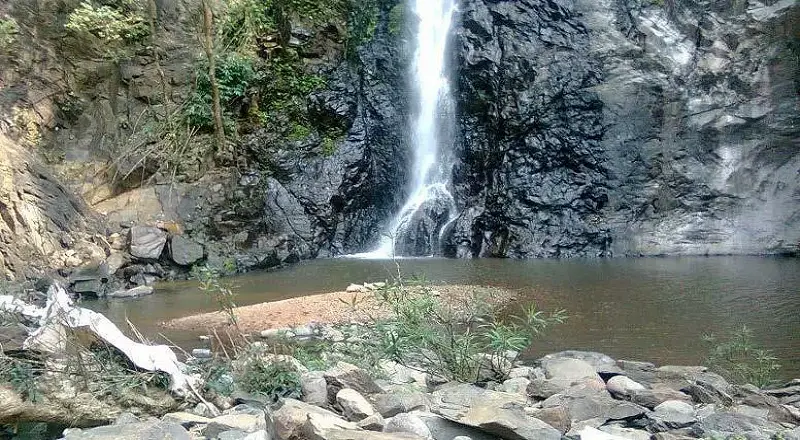
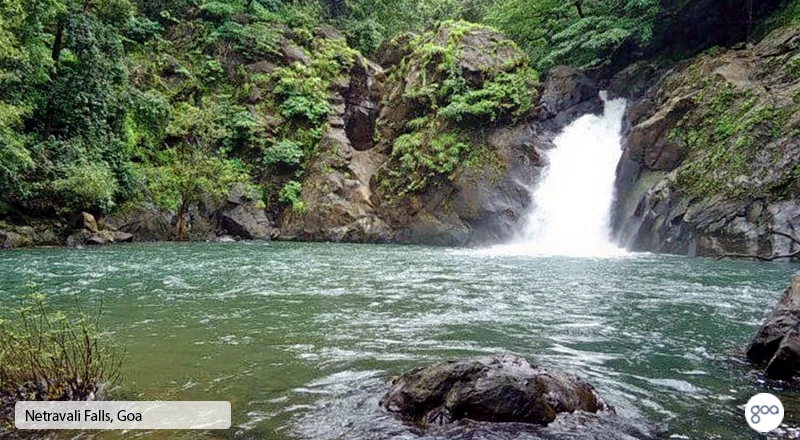
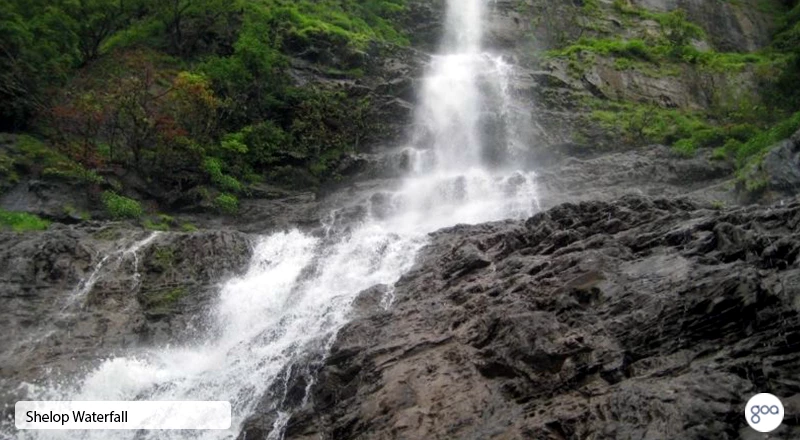
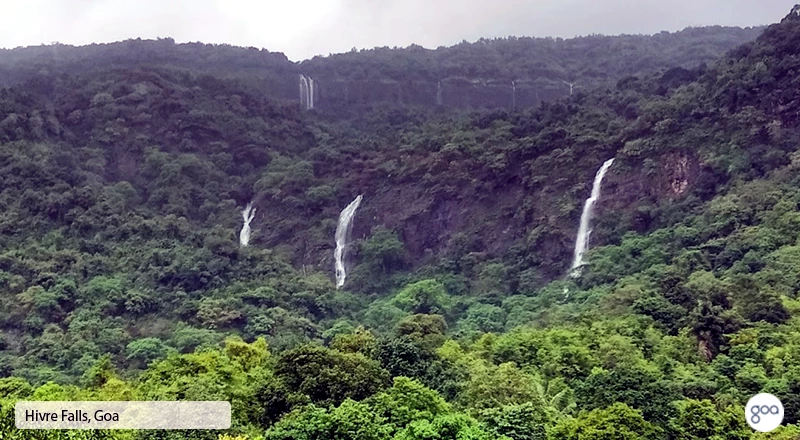
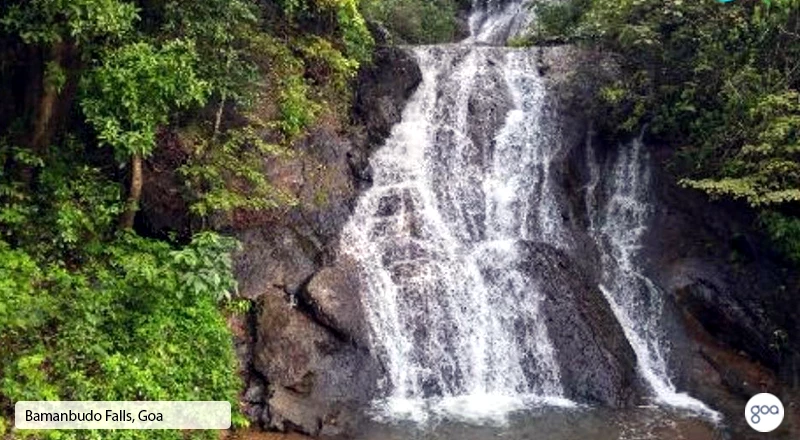
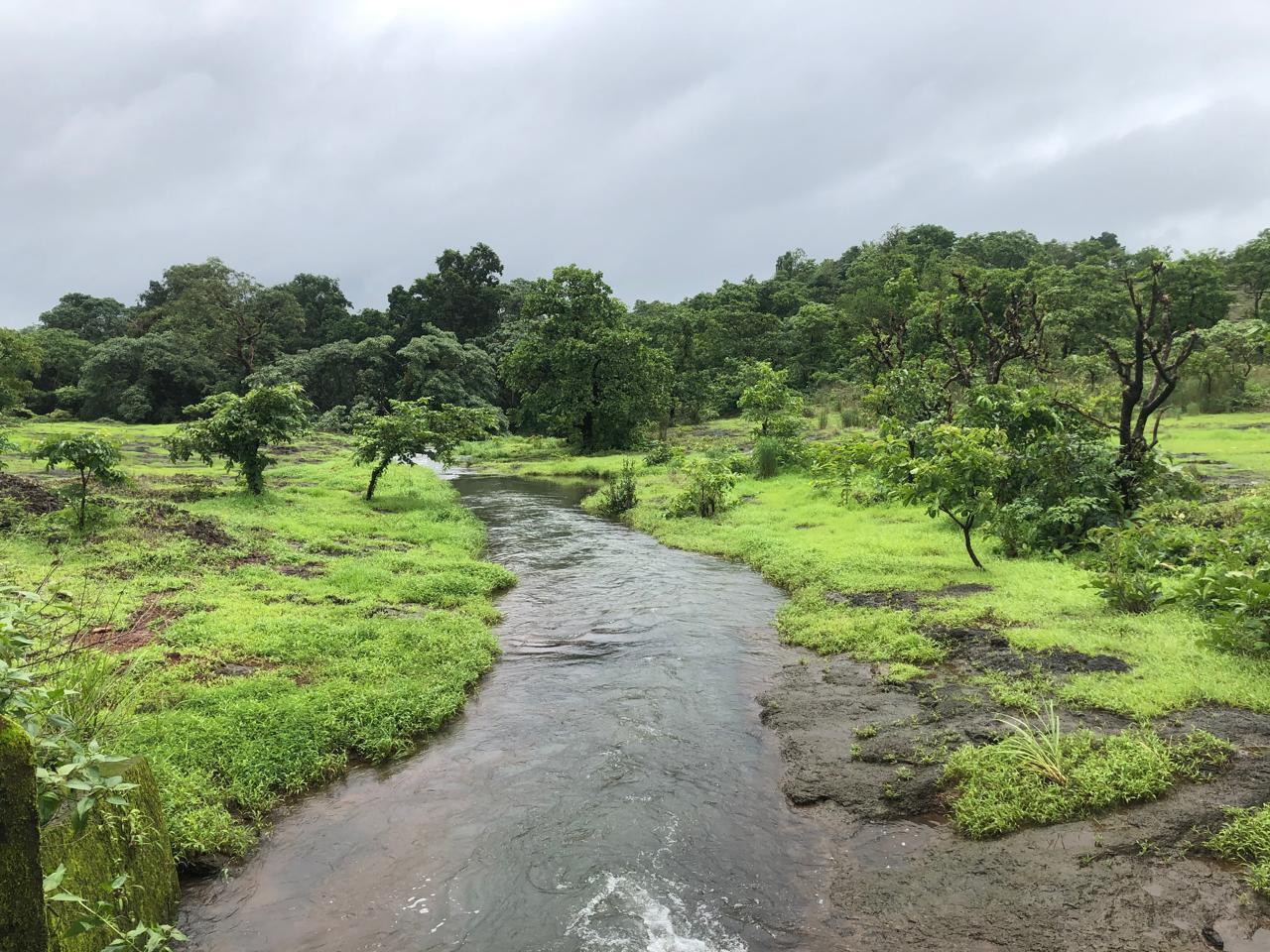
The Tobirt waterfall is one of South Goa’s most guarded secrets, a cascading marvel tucked away in the dense, emerald embrace of the Netravali Wildlife Sanctuary. Located in the Sanguem Taluka, this waterfall represents the "other side" of Goa—one that is far removed from the neon lights of Baga and the crowded shacks of Calangute. As a professional travel writer who has spent years traversing the Western Ghats, I can confidently say that Tobirt is not just a destination; it is an immersive experience into the primordial beauty of the Sahyadri mountain range. The waterfall is a seasonal spectacle, coming to life with thunderous energy during the monsoon months, carving its way through ancient basalt rocks and prehistoric ferns.
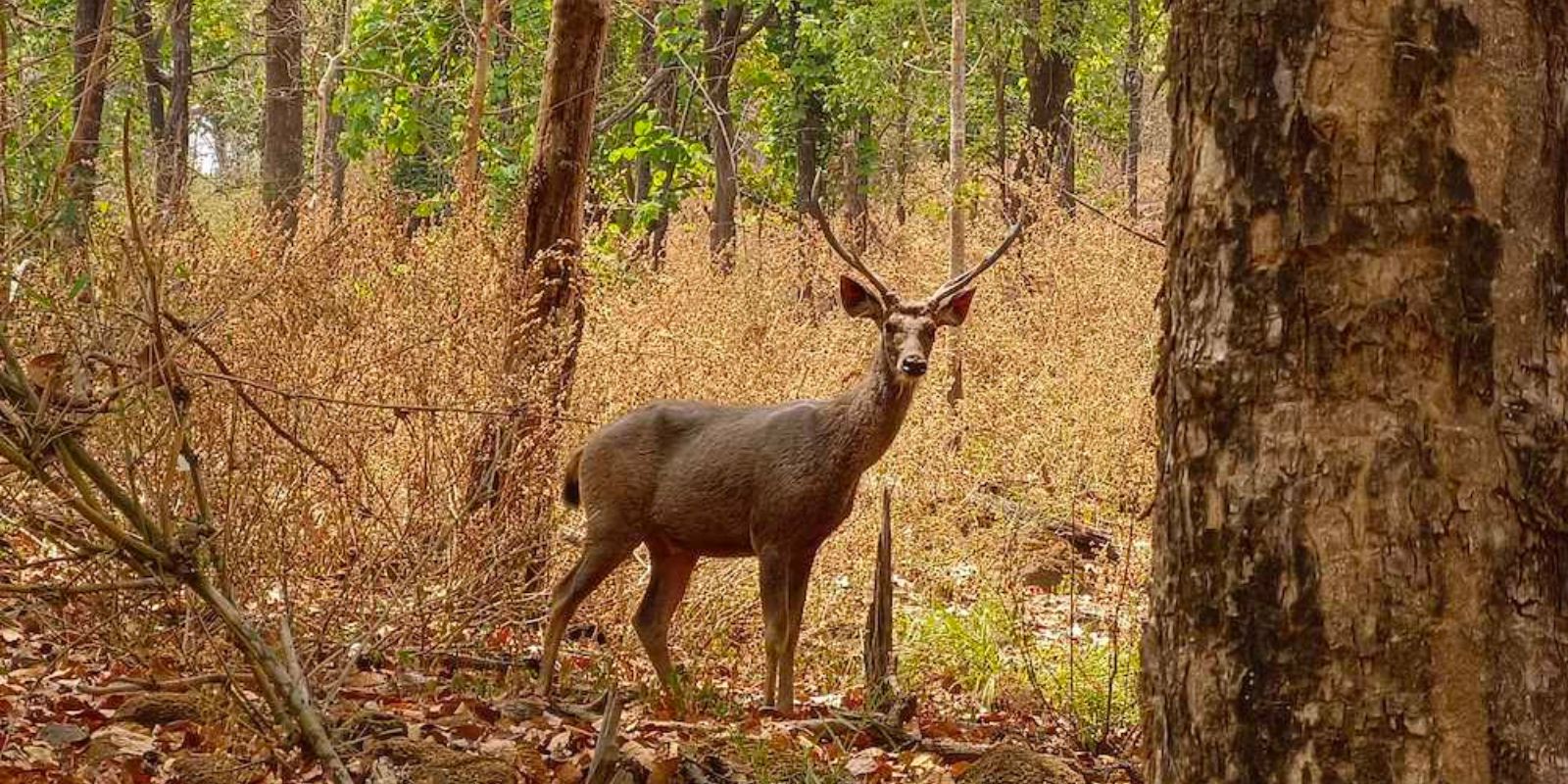
What makes Tobirt waterfall particularly special is its location within a biodiversity hotspot. The Netravali region serves as a crucial corridor for wildlife, and the trek to the falls often feels like a journey through a living museum of flora and fauna. The air here is thick with the scent of damp earth and wild orchids, and the only soundtrack is the rhythmic call of the Malabar Whistling Thrush and the distant roar of the falling water. Unlike the more famous Dudhsagar Falls, which can feel commercialized, Tobirt offers a sense of solitude and raw natural power. It is a multi-tiered cascade, with water plunging into clear, cold pools that invite the weary trekker for a refreshing dip. For those looking to understand the true spirit of Goan hinterlands, Tobirt is an essential pilgrimage that showcases the state's incredible ecological wealth.
Top Goa Experience • Part 1
Highly Recommended Near Tobirt waterfall
Explore All
Geologically, the area around Tobirt waterfall is fascinating. The rocks are part of the Dharwar Craton, some of the oldest geological formations in India. The water that feeds Tobirt originates from high-altitude springs deep within the sanctuary, ensuring that the water remains pristine and unpolluted. For the local community in the nearby villages of Vichundrem and Netravali, these waters are sacred, providing life to the spice plantations and paddy fields downstream. When you visit Tobirt, you are stepping into a landscape that has remained largely unchanged for centuries, offering a profound sense of peace and a much-needed disconnect from the digital world.
How to Reach Tobirt waterfall
Reaching the Tobirt waterfall requires a bit of planning, as it is located in a remote part of South Goa. The journey itself is a scenic drive through winding roads, canopy-covered lanes, and quaint Goan hamlets. Here is a detailed breakdown of how to navigate your way to this hidden gem:
Recommended Guide
15 Best Hill Stations Near Goa distance & Travel Tips
Discover the 15 best hill stations near Goa to visit in 2026. Our guide covers distances, trekking trails, and local highlights.
Read Guide →
- From North Goa (Panjim/Calangute): The distance is approximately 80 to 90 kilometers. You will need to head south towards Margao and then continue towards Quepem and Sanguem. The drive takes about 2.5 to 3 hours depending on traffic. It is highly recommended to start early, around 7:00 AM, to avoid the midday heat and maximize your time at the falls.
- From South Goa (Palolem/Colva): If you are staying in the south, you are in luck. From Palolem, the drive is about 45-50 kilometers. You should head towards Cuncolim, then take the road towards Quepem and finally towards Netravali. The roads are generally in good condition but can be narrow and winding as you enter the sanctuary area.
- By Public Transport: While challenging, it is possible. You can take a bus from Margao to Sanguem or Netravali. From the Netravali bus stand, you will likely need to hire a local "pilot" (motorcycle taxi) or a private jeep to take you to the starting point of the trek near Vichundrem village. However, having your own vehicle (car or a powerful scooter like an Activa or Himalayan) is the most convenient option.
- The Final Approach: Once you reach the Netravali Wildlife Sanctuary gate, you will need to register your entry. From there, a forest road leads towards the trailhead. The landmarks to look out for are the small local forest department check-posts. I recommend downloading offline maps (Google Maps) as mobile connectivity is extremely spotty or non-existent once you enter the deep forest zones.
For those driving, ensure your vehicle has enough fuel. The last reliable petrol pumps are in Sanguem town. Beyond that, you are at the mercy of small village shops that might sell petrol in bottles at a premium. Also, ensure your brakes are in top condition, as the descent back from the sanctuary involves several steep hairpin bends that can be slippery during the monsoon.
Best Time to Visit
Timing is everything when it comes to visiting Tobirt waterfall. Because it is a rain-fed cascade, its appearance changes dramatically with the seasons. To see it in its full glory, you must align your visit with the Indian monsoon cycle.
Recommended Guide
Why Foreigners Love Arambol, Morjim, and Agonda
Goa has long been one of India’s most famous beach destinations, attracting millions of travelers from around the world every year. While bustling beache...
Read Guide →
- Monsoon (June to September): This is the absolute best time to visit. The waterfall is at its most powerful, and the surrounding forest is a vibrant, electric green. However, be prepared for heavy rainfall. The trek can be muddy and slippery, and the river crossings might be challenging. This is when the "Tobirt experience" is at its peak intensity.
- Post-Monsoon (October to November): If you prefer a more moderate experience, the months immediately following the rains are ideal. The water flow is still significant, but the trails are drier and easier to navigate. The weather is also more pleasant, with lower humidity levels compared to the peak monsoon.
- Winter (December to February): By December, the waterfall begins to thin out. While the forest remains beautiful and the weather is cool and perfect for trekking, the "wow factor" of the waterfall might be slightly diminished. This is a great time for birdwatchers and those who want to explore the sanctuary without the risk of heavy downpours.
- Summer (March to May): It is generally not recommended to visit Tobirt during the summer. The waterfall often dries up to a mere trickle, and the heat in the Goan hinterlands can be oppressive. The trekking paths become dusty, and the lush greenery turns into a dry brown.
Pro tip: Try to visit on a weekday. While Tobirt is relatively unknown compared to other spots, it can attract small groups of locals on Sundays. A Wednesday or Thursday visit almost guarantees that you will have the entire waterfall to yourself, allowing for a meditative and tranquil experience.
Trek Details for Tobirt waterfall
The trek to Tobirt waterfall is an adventure that tests your stamina while rewarding your senses. It is considered a moderate difficulty trek, primarily due to the uneven terrain and the humidity of the tropical jungle. The trek usually begins near the village of Vichundrem, where you can leave your vehicle.
Recommended Guide
Water Sports in Candolim Goa | Best Prices, Packages & Booking Guide
Candolim Beach, located in North Goa, is one of the most popular destinations for water sports in Goa. Known for its clean shoreline, less crowded environm...
Read Guide →
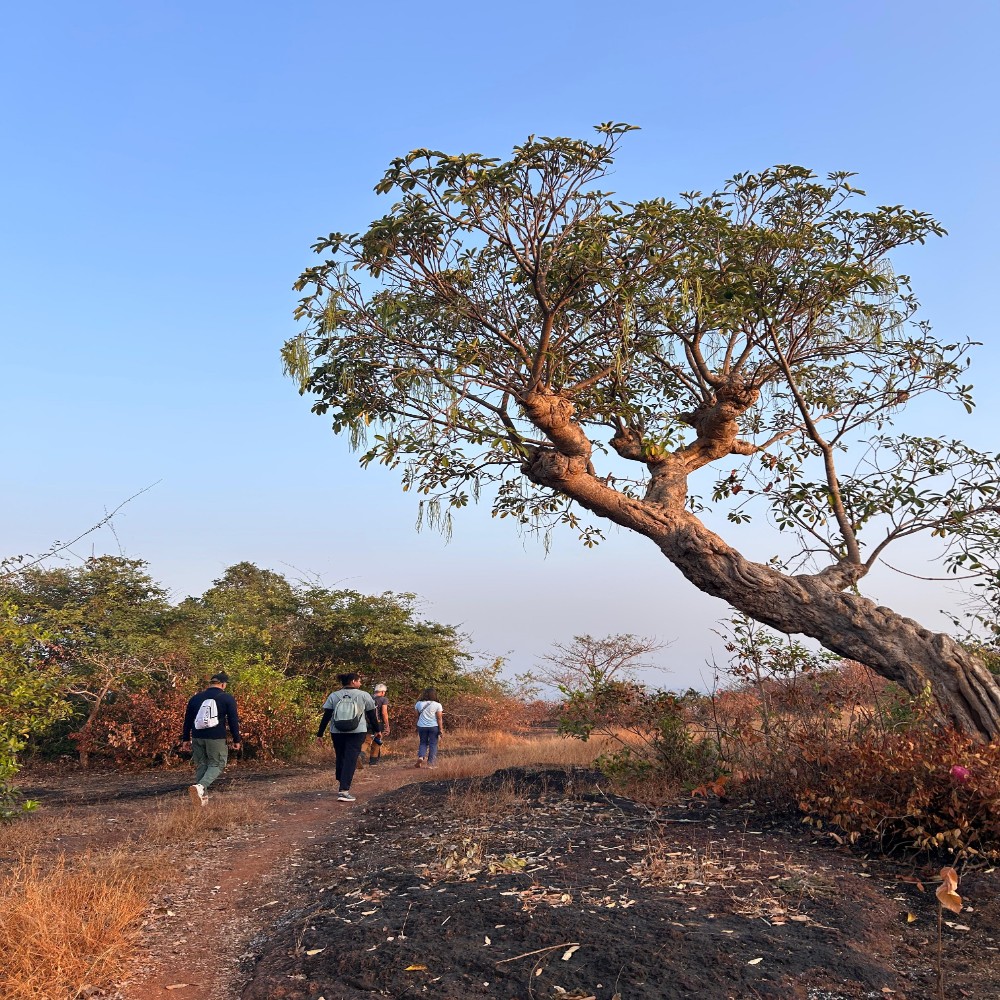
The distance of the trek is approximately 3 to 4 kilometers (one way), taking about 60 to 90 minutes depending on your pace and how often you stop to admire the scenery. The trail starts with a relatively flat walk through buffer zones where you might see local villagers tending to their cashew or betel nut plantations. As you go deeper, the canopy closes in, and the sunlight filters through the leaves in dappled patterns. You will encounter several small streams that need to be crossed. During peak monsoon, these streams can reach knee-height, so sturdy trekking sandals or boots with good grip are non-negotiable.
Top Goa Experience • Part 2
Highly Recommended Near Tobirt waterfall
Explore All
The final stretch of the trek involves a slight ascent over rocky patches and tangled roots. This is where the sound of the waterfall begins to grow louder, acting as a natural GPS. The path can be slippery due to the growth of moss on the stones. It is essential to watch your step and use trekking poles if you have them. Along the way, keep an eye out for the Giant Wood Spider weaving its intricate webs across the trail, and the Malabar Pit Viper, which occasionally rests on low-hanging branches (stay on the path and do not disturb the wildlife). The trek concludes as the forest opens up to reveal the magnificent Tobirt waterfall crashing down into a natural amphitheater of rock.
Things to Do
While the waterfall is the main attraction, the area around Tobirt offers a variety of activities for nature lovers and adventure seekers:
- Natural Jacuzzi: The base of the waterfall has several pools where the water collects before flowing downstream. The pressure of the falling water creates a natural massaging effect. Sitting under the smaller cascades is incredibly therapeutic and a great way to soothe muscles after the trek.
- Bird Watching: Netravali is an ornithologist's paradise. Carry a pair of binoculars to spot endemic species like the Flame-throated Bulbul (Goa's state bird), the Great Pied Hornbill, and various species of kingfishers and sunbirds that frequent the water's edge.
- Macro Photography: The forest floor is teeming with life. From colorful fungi and rare wildflowers to iridescent beetles and butterflies like the Blue Mormon, there are endless subjects for photography enthusiasts.
- Mindfulness and Meditation: The sheer isolation of Tobirt makes it a perfect spot for meditation. Find a flat rock, sit back, and practice deep breathing while listening to the white noise of the waterfall. It is a powerful way to reset your mental state.
- Picnicking: You can carry light snacks or a packed lunch to enjoy by the falls. However, it is strictly mandatory to carry back all your trash. The sanctuary is a plastic-free zone, and maintaining its purity is the responsibility of every visitor.
Safety Tips
Safety should be your top priority when venturing into the wilder parts of South Goa. The Tobirt waterfall area is beautiful but can be unforgiving if you are unprepared. Follow these essential safety guidelines:
- Leech Protection: During the monsoon, the trails are infested with leeches. While they are harmless, their bites can be annoying. Wear long socks, tuck your trousers into your socks, and carry a small pouch of salt or tobacco water to deter them. Applying Odomos or a similar repellent can also help.
- Flash Floods: In the peak of monsoon, heavy rains in the upper reaches of the mountains can cause a sudden rise in water levels. If you notice the water turning muddy or see branches floating down rapidly, leave the water immediately and move to higher ground.
- Footwear: Do not attempt this trek in flip-flops or smooth-soled sneakers. The rocks are incredibly slippery. Use dedicated trekking shoes or high-quality sandals like Quechua or Wildcraft with rubber lugs for grip.
- Hydration and Snacks: There are no shops inside the sanctuary. Carry at least 2 liters of water per person and energy-boosting snacks like nuts, dates, or electoral powder.
- Travel in Groups: It is never advisable to trek to Tobirt alone. Go with at least one partner or hire a local guide from the village. In case of an injury, having someone to call for help is vital.
- Wildlife Respect: Remember you are in a wildlife sanctuary. Do not make loud noises, play music, or try to feed any animals you encounter. Give snakes and large insects a wide berth.
Nearby Attractions
Since the journey to Sanguem is quite long, it makes sense to club your visit to Tobirt waterfall with other nearby attractions. The Netravali region is packed with hidden gems:
- Mainapi Waterfall: Located in the same sanctuary, Mainapi is another stunning waterfall that requires a slightly more strenuous trek. If you are fit, you can attempt both in one day, though it is quite exhausting.
- Savari Waterfall: Another tiered beauty nearby, Savari is famous for its scenic trail and the opportunity to see wild bison (Gaur) in the surrounding meadows.
- Bubble Lake (Budbudyanchi Tali): Located at the Gopinath Temple in Netravali, this is a fascinating pond where continuous bubbles rise to the surface. Local legend says they react to the sound of clapping. It is a peaceful spot with great historical significance.
- Salaulim Dam: About 30-40 minutes away from the sanctuary entrance, this dam is famous for its unique "Duckbill Spillway" which looks like a giant sinkhole in the water. The botanical garden nearby is also worth a visit.
- Usgalimal Rock Carvings: For history buffs, these petroglyphs on the banks of the Kushavati River date back to the Upper Paleolithic or Mesolithic era. They are among the most important prehistoric sites in Western India.
Entry Fees & Timings
To visit Tobirt waterfall, you must adhere to the regulations of the Goa Forest Department. Here are the current details (subject to change, so always check at the gate):
- Entry Fee: Approximately INR 100 to 200 per person for adults. There are separate charges for cameras (around INR 100 for a DSLR) and vehicles (around INR 100 for a car).
- Timings: The sanctuary gate typically opens at 9:00 AM and closes for entry by 3:00 PM. You are expected to exit the forest by 5:00 PM or 5:30 PM. It is dangerous to be on the forest trails after dark.
- Permits: You do not need to book in advance for small groups. You can simply register your names and vehicle details at the entry gate. Ensure you carry a valid ID proof (Aadhar or Passport).
Where to Eat Nearby
You won't find any fancy cafes or fine-dining restaurants near Tobirt waterfall. Instead, you will find authentic, soul-satisfying Goan village food. This is the place to experience "Khanaval" style dining.
In Netravali village, there are a few small local eateries that serve traditional Goan Fish Thali. Expect fresh river fish or mackerel, a bowl of spicy "Hooman" (fish curry), "Kismoor" (dried shrimp salad), and local red rice. If you are a vegetarian, the "Bhaji-Pao" or a simple veg thali with seasonal forest vegetables is delicious. One highly recommended spot is the eatery near the Tanshikar Spice Farm, where they serve organic meals prepared with spices grown on-site. Remember to inform them in advance if you are a large group, as they cook fresh meals based on daily demand. For a quick snack, look for stalls selling Ross Omelet or hot samosas paired with ginger tea in the Sanguem market area.
Accommodation Nearby
If you want to truly soak in the atmosphere of the Netravali Wildlife Sanctuary, I recommend staying overnight rather than doing a day trip from the coast. Here are the best options:
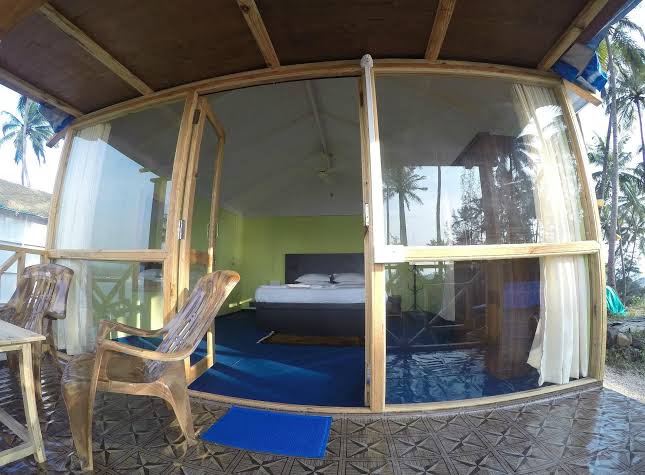
- Tanshikar Spice Farm: This is an excellent eco-stay option. They offer rustic cottages and a chance to live in the heart of a working spice plantation. The food is organic, and they can arrange guided treks to Tobirt and other nearby falls.
- Angadi Eco Resort: Located close to the sanctuary, this resort offers a more comfortable stay with a focus on nature. It’s perfect for families who want to experience the wilderness without sacrificing basic luxuries.
- Netravali Forest Rest House: Managed by the Forest Department, this is a budget-friendly option. It is basic but clean. You need to book this in advance through the Forest Department office in Margao or Panjim.
- Homestays in Vichundrem: Some local families have started offering rooms to trekkers. This is the best way to experience Goan hospitality and learn about the local culture.
Photography Spots
For photographers, Tobirt waterfall is a dream. To get the best shots, keep these spots in mind:
- The River Crossing: About halfway through the trek, you cross a stream with moss-covered boulders. This is a great spot for long-exposure shots of the flowing water with the dense canopy as a backdrop.
- The First Viewpoint: As you approach the falls, there is a clearing where you can see the upper tiers of Tobirt. Use a wide-angle lens here to capture the scale of the waterfall against the mountain.
- The Base Pool: Get close to the water (watch for spray on your lens) to capture the power of the fall. Use a Neutral Density (ND) filter to achieve that silky-smooth water effect even in daylight.
- The Canopy Walk: On the return journey, the light often breaks through the trees in "god rays." This is perfect for capturing the ethereal, moody atmosphere of the Goan jungle.
Hidden Gem Score & Crowd Level
Hidden Gem Score: 9.5/10. Tobirt is one of the few places in Goa that remains largely untouched by mass tourism. Its remote location and the requirement of a trek act as a natural filter, keeping the crowds away. Most tourists stick to the beaches or the easily accessible Dudhsagar, leaving Tobirt for the true explorers.
Crowd Level: Very Low. On a typical weekday, you might be the only person at the waterfall. Even on weekends, you will likely only encounter a few groups of local hikers or nature enthusiasts. There are no loud parties, no commercial stalls at the base, and no plastic litter—just the raw, unadulterated beauty of nature. This makes it an ideal spot for those seeking a "Sussegad" (relaxed/quiet) experience in the truest sense.
Conclusion
The Tobirt waterfall is a testament to the fact that Goa is much more than its coastline. It is a place where the mountains meet the clouds, and where the silence is only broken by the roar of falling water. Visiting Tobirt is a humbling experience that reminds us of the importance of preserving our natural heritage. It requires effort to reach, but the reward is a glimpse into a pristine world that few get to see. Whether you are an avid trekker, a photography enthusiast, or someone simply looking to escape the chaos of city life, Tobirt offers a sanctuary for the soul. As you plan your trip, remember to be a responsible traveler: take nothing but pictures, leave nothing but footprints, and kill nothing but time. The magic of Tobirt lies in its purity—let’s keep it that way for generations to come.