Overview of Mahalaxmi Temple
The Mahalaxmi Temple, located in the serene village of Bandora (also known as Bandivade) in the Ponda taluka, stands as one of the most significant and ancient spiritual landmarks in the state of Goa. For a traveler seeking to understand the "other side" of Goa—away from the sun-drenched beaches and pulsating nightlife—this temple offers a profound window into the soul of the Konkan region. Dedicated to Goddess Mahalaxmi, the deity of wealth, prosperity, and spiritual liberation, the temple is more than just a place of worship; it is a symbol of Goan resilience and cultural preservation.
As you drive through the winding roads of Ponda, the landscape shifts from the coastal palms to dense, tropical greenery punctuated by spice plantations and ancient shrines. The Mahalaxmi Temple is nestled in a valley, surrounded by hills, creating a natural amphitheater of devotion. This particular temple is unique because it is considered the "Adishakti" (the primordial energy) by many Goan Hindus. Unlike many other temples that underwent significant modernization, the Mahalaxmi Temple at Bandora has retained an old-world charm that transports visitors back several centuries.
The atmosphere here is thick with the scent of burning camphor, fresh jasmine garlands (known locally as gajras), and the earthy aroma of the surrounding forest. It serves as the Kuldevta (family deity) for many Saraswat Brahmin families and other local communities who travel from across the globe to seek the Goddess's blessings. Whether you are a history buff, an architecture enthusiast, or a spiritual seeker, the Mahalaxmi Temple provides an immersive experience that highlights the intricate tapestry of Goan Hindu traditions, which have survived through eras of colonial upheaval.
History & Religious Significance
The history of the Mahalaxmi Temple is a gripping saga of faith surviving against all odds. The original temple was not located in Bandora; it was situated in the village of Colva in the Salcete taluka. However, the 16th century brought a period of immense turmoil for the Hindu population of Goa with the arrival of the Portuguese and the subsequent Goa Inquisition. During this time, many Hindu temples were demolished to make way for churches, and the practice of non-Christian faiths was heavily restricted.
In 1567, fearing the desecration of their beloved deity, a group of brave devotees managed to smuggle the idol of Goddess Mahalaxmi out of Colva under the cover of darkness. They traveled across the Kushavati River to the safer territories of the Sonda Rajas, who were Hindu rulers independent of Portuguese control. The idol was initially hidden in a small, inconspicuous shrine in Bandivade before the current structure was established. This act of "divine relocation" is a common theme among Goan temples, including the famous Mangueshi and Shanta Durga temples, which also fled Portuguese territory.
The religious significance of this temple is further enhanced by its mention in the Skanda Purana, an ancient Sanskrit text. It is believed that the Goddess Mahalaxmi took this peaceful (Saumya) form after a fierce battle. Historically, the temple received patronage from the Kadamba dynasty and later the Silahara kings. The current structure was renovated and expanded in 1866, with further additions made in the 20th century to accommodate the growing number of pilgrims. Today, it stands as a testament to the "Kavlent" tradition—a specific lineage of worship and community governance that has remained intact for over four centuries.
Architecture of Mahalaxmi Temple
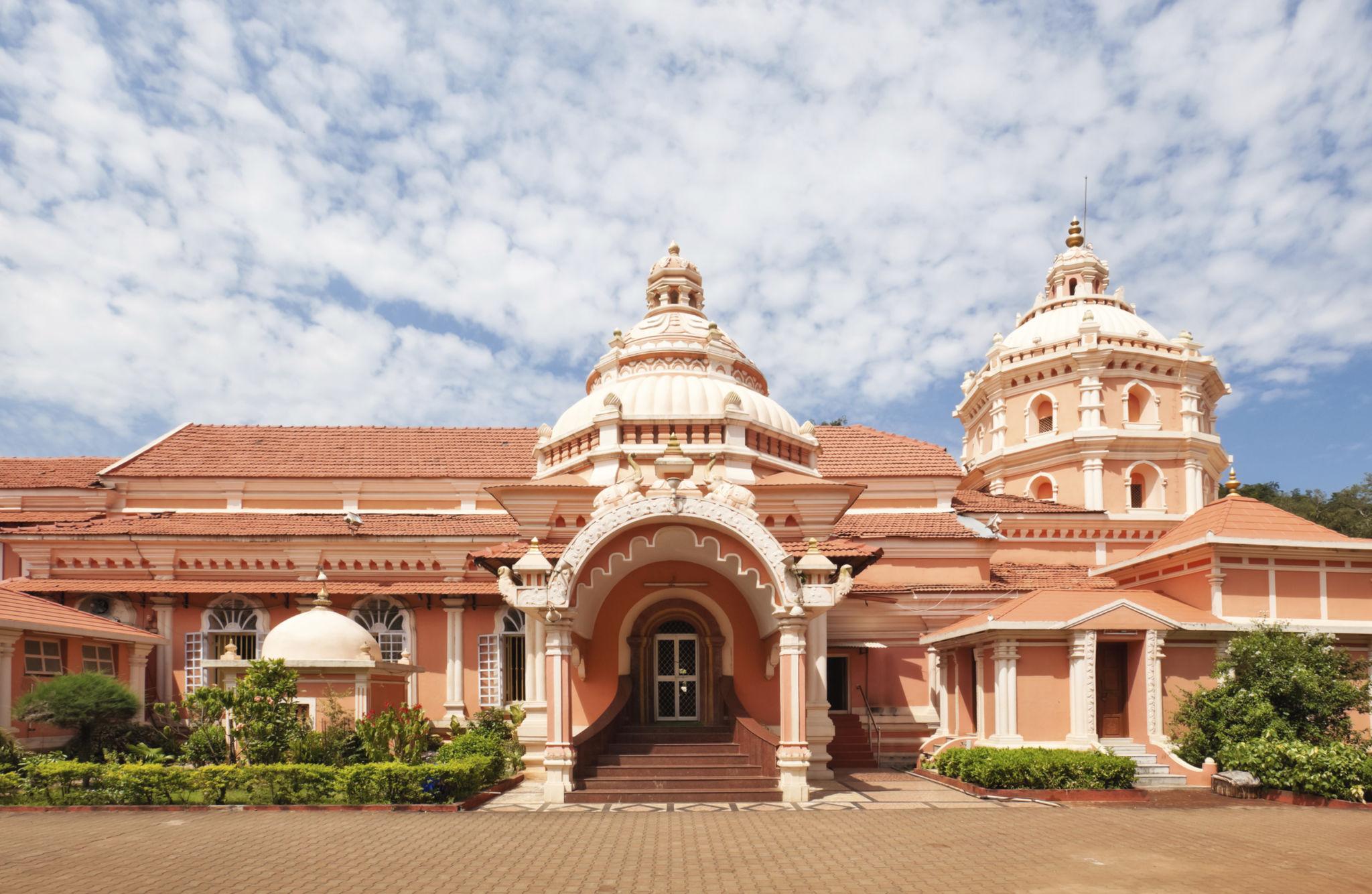
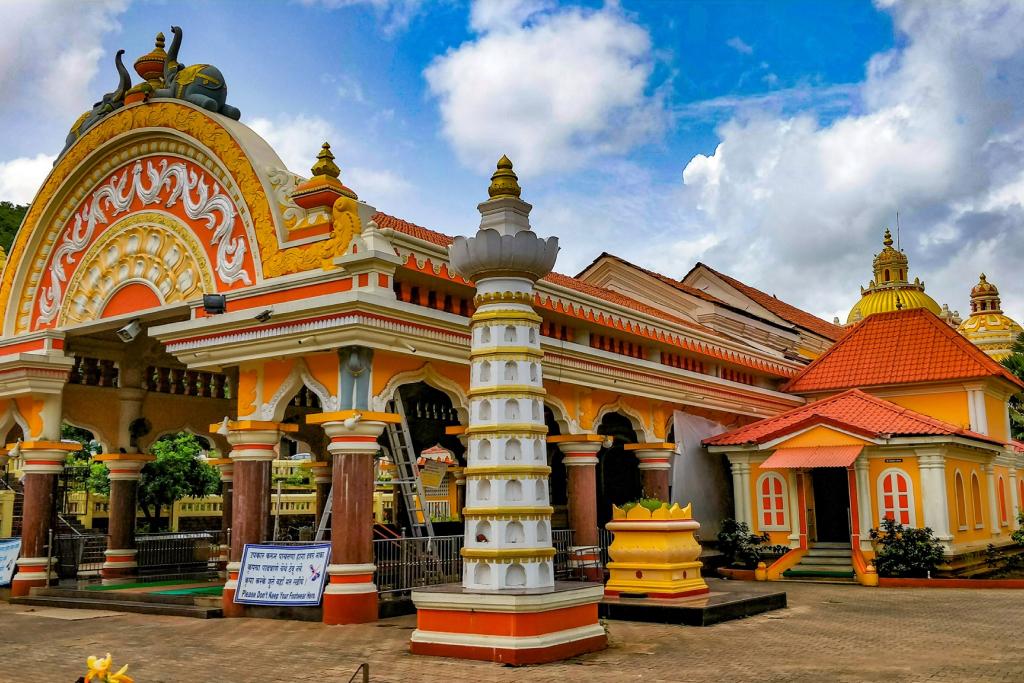
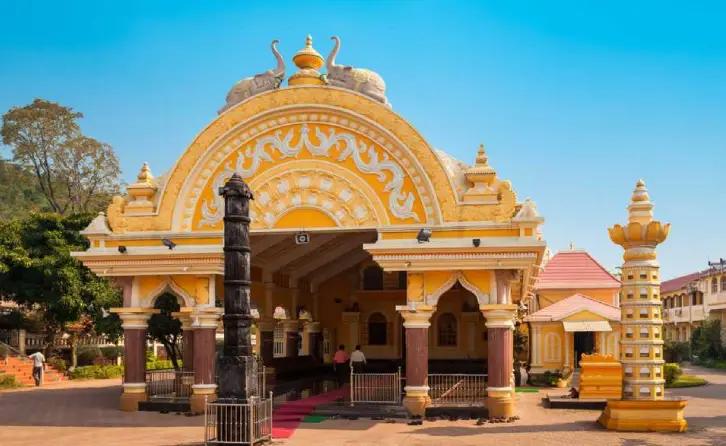
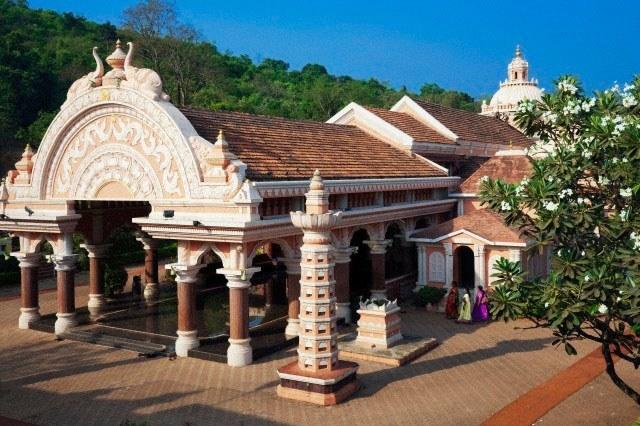
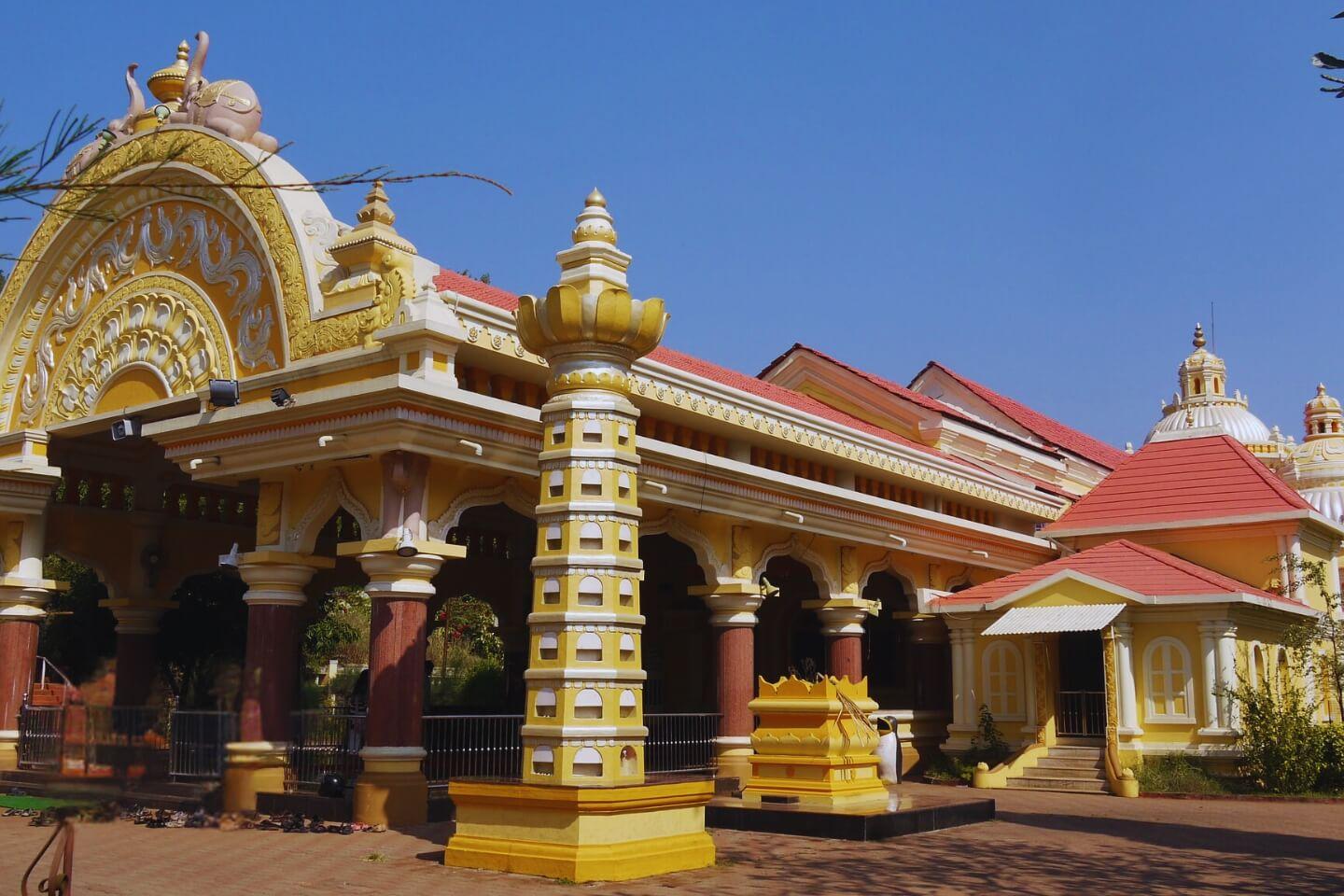
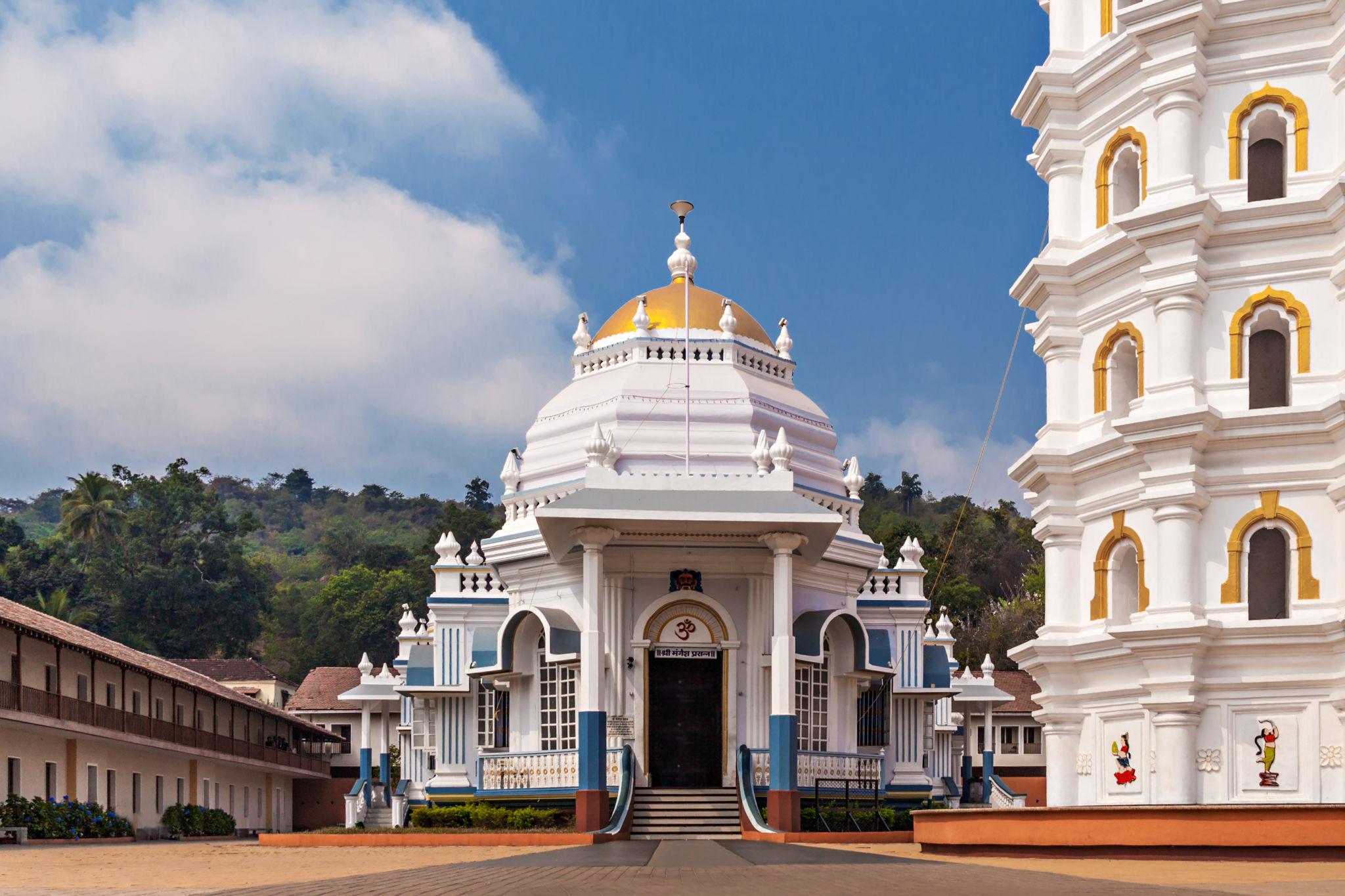
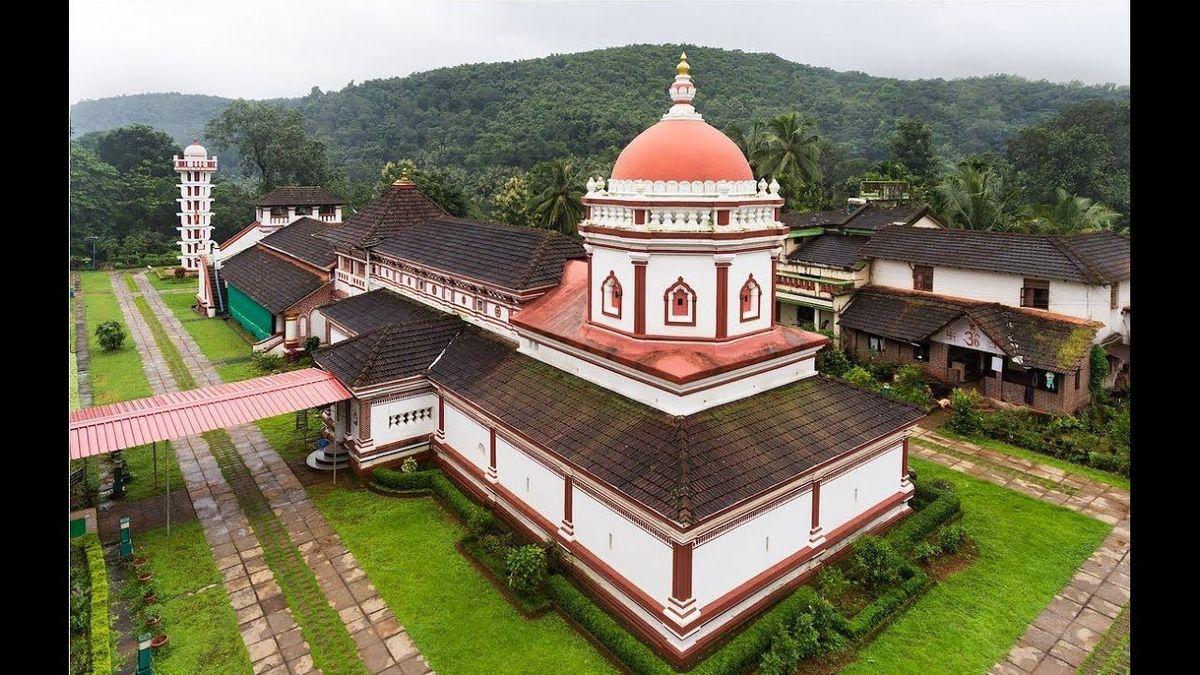
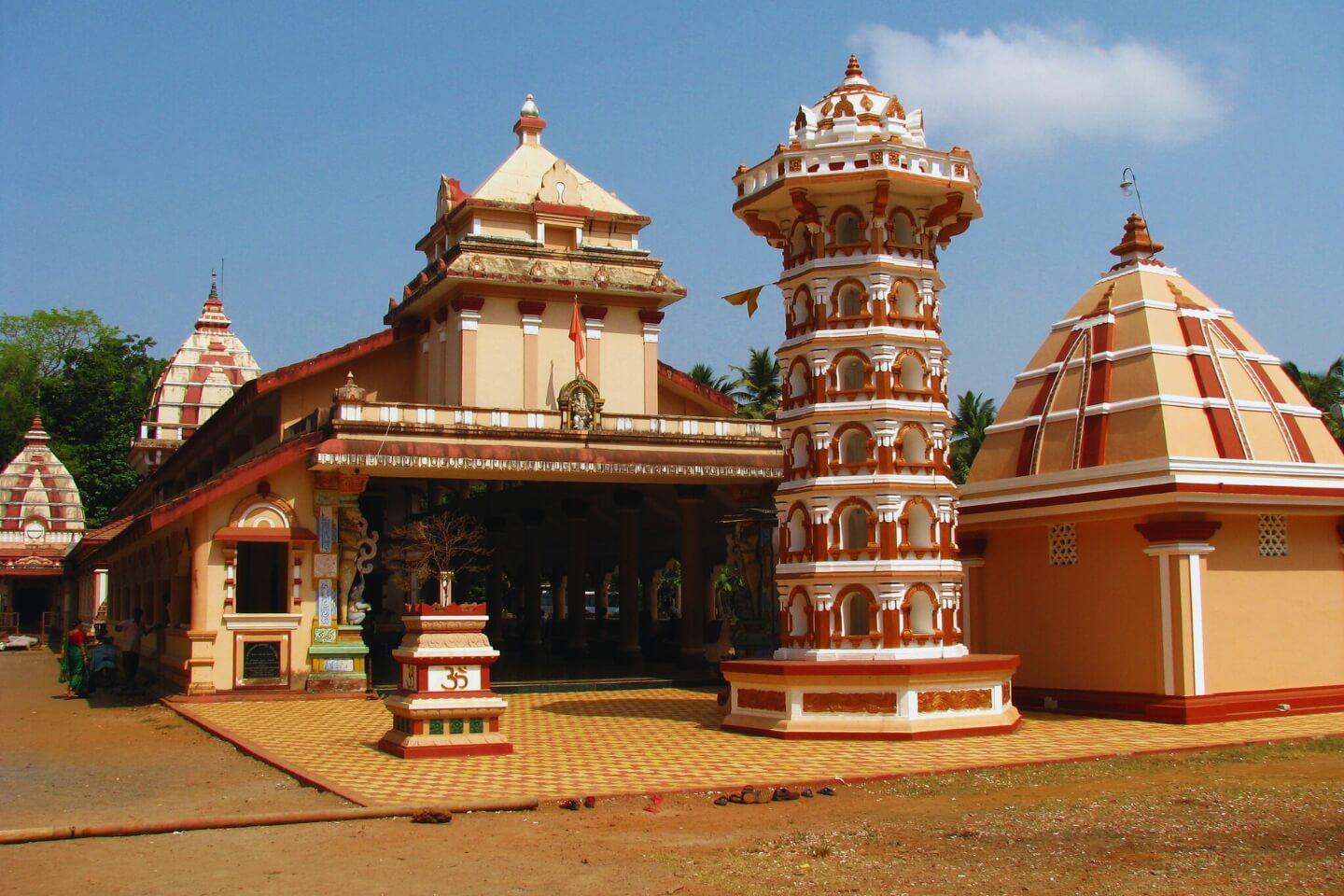
The architecture of the Mahalaxmi Temple is a masterful blend of traditional Goan temple styles, Maratha influences, and subtle hints of Portuguese aesthetic elements that crept into local craftsmanship over time. As you approach the temple, the first thing that catches your eye is the magnificent Deepstambha (tower of light). This multi-storied, white-washed octagonal tower is a classic feature of Goan Hindu architecture. On festival nights, hundreds of oil lamps are lit in the niches of this tower, creating a celestial glow that can be seen from a distance.
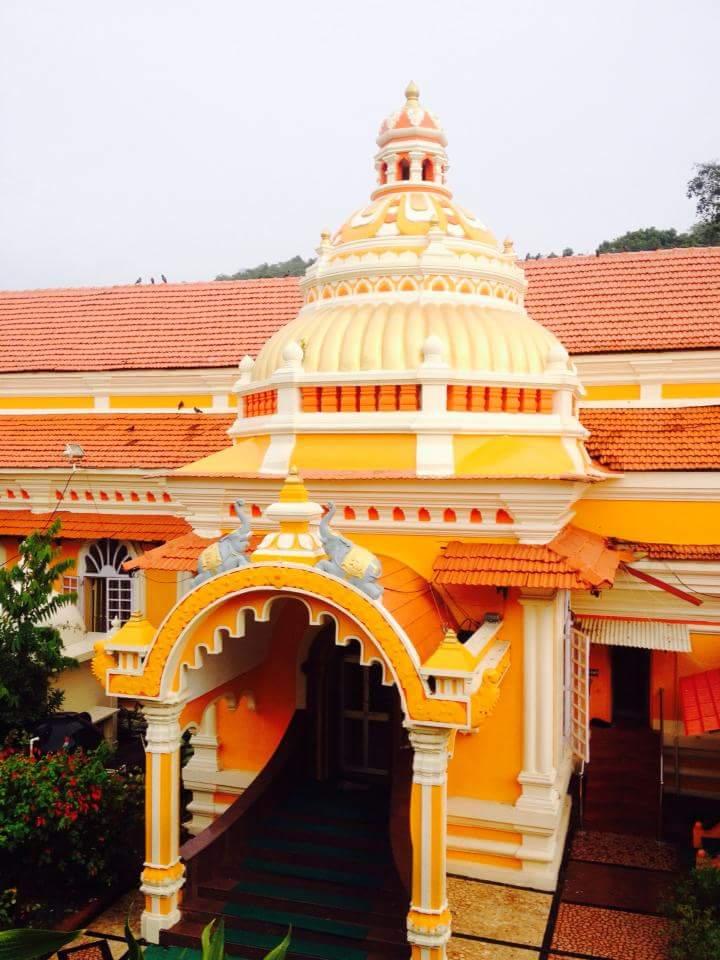
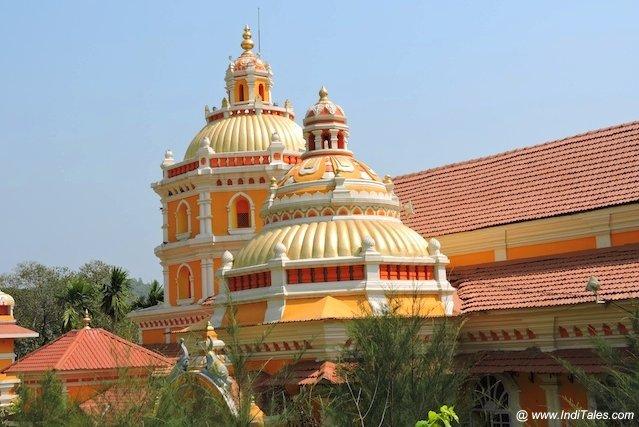
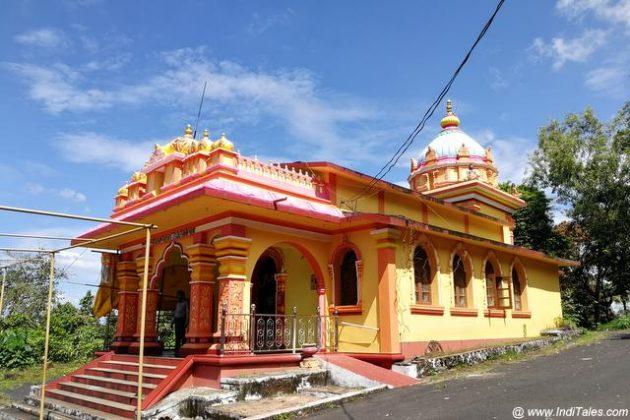
The main temple building features a prominent dome, which is a departure from the traditional pyramidal shikhara found in North Indian temples. This dome reflects the influence of Bijapuri and Mughal architecture, adapted by Goan artisans to suit the local climate and materials. The roof is typically tiled with Mangalore tiles, designed to withstand the heavy Goan monsoons. The temple complex is built using local laterite stone, which is then plastered and painted in vibrant white and ochre hues.
Inside, the Sabhamandap (assembly hall) is a marvel of wooden craftsmanship. The ceiling is supported by massive wooden pillars, and the walls are adorned with 18 intricately carved wooden galleries depicting scenes from the Bhagavad Gita and the Bhagavata Purana. These carvings are considered some of the finest examples of woodcraft in the Konkan region. The sanctum sanctorum (Garbhagriha) is enclosed by silver-plated doors that lead to the inner chamber where the Goddess resides. The floor is made of cool marble, often covered with intricate rangoli patterns drawn by local women as an act of daily devotion.
Main Deity / Spiritual Importance
The presiding deity of the temple is Goddess Mahalaxmi. The idol is carved from black stone and is depicted in a standing posture. What makes this particular idol unique is that she wears a Lingam (the symbol of Lord Shiva) on her head. This represents the harmonious union of Shiva and Shakti, a rare iconographic detail that signifies that the Goddess is the supreme power encompassing both creative and destructive forces.
The Goddess is portrayed with four arms, holding symbolic objects: a vessel (Kalash), a shield (Khetaka), a citrus fruit (Matulinga), and a mace (Kaumodaki). Her expression is "Saumya" (peaceful and benevolent), which is why devotees believe that praying here brings mental peace and emotional stability. Unlike the more fierce forms of the Goddess (like Kali or Durga), the Mahalaxmi of Bandora is seen as a motherly figure who provides for her children's material and spiritual needs.
Spiritual seekers often visit the temple to participate in the Prasad-kaul. This is a unique Goan tradition where devotees ask a question to the Goddess, and the answer is interpreted based on which side a flower falls from the idol’s shoulder. It is a deeply personal ritual that many locals rely on before making major life decisions like marriage, business ventures, or health matters. The energy within the Garbhagriha is palpable, especially during the Aarti, when the rhythmic chanting and the sound of the Ghumot (a local percussion instrument) create a high-vibrational atmosphere.
Festivals & Celebrations
The Mahalaxmi Temple is a hub of cultural activity throughout the year, but certain festivals transform the premises into a spectacle of color and sound. The most significant of these is Navratri, the nine nights dedicated to the Divine Mother. During Navratri, the temple is decorated with thousands of flowers, and the idol is dressed in different traditional silk sarees and exquisite gold ornaments every day. The highlight of Navratri is the Makharotsav, where the deity is placed in a beautifully decorated wooden swing (Makhar) and rocked to the accompaniment of classical music and devotional songs.
Another major celebration is the Rath Yatra (Chariot Festival), which usually takes place in the Hindu month of Magha (January/February). A massive wooden chariot, intricately carved with figures of gods and goddesses, is pulled by hundreds of devotees around the temple complex. The energy during the Rath Yatra is infectious, with traditional folk dances like Dashavatara and Ghodemodni performed in the temple courtyard.
Mahashivratri is also celebrated with great fervor due to the presence of the Lingam on the Goddess's head. Devotees stay awake all night, chanting hymns and participating in special pujas. Other important dates include Chaitra Purnima and the anniversary of the temple's installation. During these festivals, the temple serves Mahaprasad (a holy community meal) to all visitors, regardless of caste or creed, fostering a sense of communal harmony and spiritual brotherhood.
Best Time to Visit
To experience the Mahalaxmi Temple in its full glory, the best time to visit is between October and March. During these months, the weather in Goa is pleasant, with cool breezes and low humidity, making it comfortable to explore the temple complex and the surrounding village of Bandora. This period also coincides with major festivals like Navratri and the Rath Yatra, allowing you to witness the authentic cultural traditions of Goa.
If you prefer a more quiet and contemplative experience, visiting during the Monsoon season (June to September) has its own charm. The Ponda region becomes incredibly lush and green, and the sight of the white Deepstambha against the backdrop of dark rain clouds and emerald hills is breathtaking. However, be prepared for heavy downpours which might limit your ability to walk around the outdoor sections of the complex.
In terms of the time of day, early morning (6:30 AM to 8:30 AM) is ideal. You can witness the morning rituals, hear the peaceful chants, and enjoy the temple before the midday heat and the arrival of larger tourist groups. Alternatively, visiting during the evening Aarti (around 6:30 PM) is highly recommended to see the Deepstambha lit up and experience the spiritual energy of the evening prayers.
Timings, Entry Fee & Dress Code
The Mahalaxmi Temple follows a strict schedule to ensure that all rituals are performed with Vedic precision. The general timings are as follows:
- Opening Hours: 6:30 AM to 8:30 PM daily.
- Morning Aarti: Approximately 7:00 AM.
- Mahaprasad (Lunch): Usually served around 12:30 PM to 1:30 PM (check local schedules as this may vary based on the day or festival).
- Evening Aarti: Approximately 6:30 PM or 7:00 PM.
Entry Fee: There is no entry fee to visit the Mahalaxmi Temple. It is open to people of all faiths, provided they respect the sanctity of the site. Donations are accepted at the official counter, for which a receipt is provided.
Dress Code: As a place of high religious significance, a modest dress code is mandatory. Men are expected to wear trousers or traditional dhotis; shorts and sleeveless shirts are generally discouraged. Women should wear sarees, salwar kameez, or long skirts. Shoulders and knees must be covered. You will be required to remove your footwear before entering the main temple platform; there are designated stands where you can safely leave your shoes.
How to Reach Mahalaxmi Temple
Mahalaxmi Temple is located in Bandora, which is approximately 4 kilometers from Ponda city and about 28 kilometers from the state capital, Panaji. Reaching the temple is relatively easy due to Goa's well-connected road network.
- By Road: If you are staying in North Goa (Calangute/Baga) or South Goa (Colva/Palolem), the best way to reach is by hiring a taxi or renting a self-drive car/scooter. The drive takes about 45 minutes to an hour from Panaji. Follow the NH748 towards Ponda and look for the signs for Bandora.
- By Bus: Frequent state-run (Kadamba) and private buses operate between Panaji and Ponda, as well as Margao and Ponda. From the Ponda bus stand, you can take a local rickshaw or a "pilot" (motorcycle taxi) to the temple, which is a short 10-minute ride away.
- By Rail: The nearest major railway station is Madgaon (Margao), located about 22 kilometers away. From the station, you can hire a taxi directly to the temple.
- By Air: Dabolim Airport is approximately 35 kilometers from the temple, while the new Mopa Airport (Manohar International Airport) is about 65 kilometers away. Taxis are readily available at both airports.
Things to Do
While the primary purpose of a visit is spiritual, there are several activities you can engage in to enrich your experience:
- Attend the Aarti: Participate in the morning or evening Aarti to hear the traditional Goan musical instruments and experience the collective devotion of the locals.
- Examine the Wood Carvings: Spend time in the Sabhamandap looking at the 18 wooden panels. The detail in the carvings of Lord Vishnu's avatars is extraordinary and offers great insight into 19th-century Goan artistry.
- Circumambulate (Pradakshina): Walk around the inner sanctum in a clockwise direction. As you do, observe the smaller shrines and the back of the main structure, which often features unique architectural motifs.
- Photography: While photography is usually prohibited inside the inner sanctum, the exterior of the temple, the Deepstambha, and the surrounding gardens are incredibly photogenic. Always ask for permission before clicking pictures of people.
- Consult the Priest: If you are interested in Goan Hindu traditions, you can talk to the temple priests (Pujaris). Many are well-versed in the history of the temple and can explain the significance of specific rituals.
- Meditation: Find a quiet corner in the temple courtyard. The natural sounds of the village combined with the temple’s vibrations make it an excellent spot for a few minutes of silent meditation.
Nearby Attractions
The Ponda region is the "Temple Heart" of Goa, and a visit to Mahalaxmi Temple can easily be combined with several other nearby attractions:
- Nageshi Temple: Located just a few hundred meters away in the same village of Bandora, this temple is dedicated to Lord Shiva. It features a beautiful temple tank (Kund) that reflects the temple's structure, making it a favorite for photographers.
- Ramnathi Temple: Another ancient temple within walking distance, belonging to the Saraswat community. It is known for its peaceful ambiance and historical significance.
- Mangueshi Temple: Located about 5 kilometers away in Priol, this is perhaps the most famous temple in Goa, dedicated to Lord Shiva. Its towering Deepstambha is an iconic Goan image.
- Shanta Durga Temple: Situated in Kavlem (about 4 km away), this temple is dedicated to the Goddess of Peace and features a unique blend of Indo-Portuguese architecture.
- Spice Plantations: Ponda is home to several spice farms like Sahakari Spice Farm and Tropical Spice Plantation. You can take a guided tour to learn about cardamom, pepper, and vanilla, followed by a traditional Goan Hindu lunch served on banana leaves.
- Safa Shahouri Masjid: A 16th-century mosque built by Ibrahim Adil Shah, located in Ponda. It is a beautiful example of Islamic architecture in Goa and features a large masonry tank.
Photography & Visitor Guidelines
To ensure a respectful visit, please adhere to the following guidelines:
- No Interior Photography: Most Goan temples, including Mahalaxmi, strictly prohibit photography or filming inside the Garbhagriha (sanctum sanctorum). Respect this rule to avoid offending local sentiments.
- Silence is Golden: Maintain a low volume when speaking inside the temple. It is a place of prayer and meditation for many.
- Mobile Phones: Keep your mobile phones on silent or switched off while inside the main prayer hall.
- Respect Rituals: If a ritual or ceremony is in progress, stand back and observe quietly. Do not interrupt the priests or devotees.
- Cleanliness: Do not litter within the temple premises. Use the designated bins for any waste.
- Touching Idols: Visitors are generally not allowed to touch the main idol or the silver plating around the doors. You may touch the steps or the pillars as a mark of respect.
Where to Eat Nearby
Ponda offers a variety of dining options that cater to different tastes, ranging from traditional Goan Hindu cuisine to standard Indian fare:
- Temple Mahaprasad: If you are at the temple during lunch hours on specific days, the Mahaprasad is a simple, soul-satisfying vegetarian meal consisting of rice, dal (locally called varan), a vegetable dish, and a sweet dish.
- Sahakari Spice Farm: For a more elaborate experience, head to the nearby spice farms. They offer a buffet lunch featuring local Goan specialties like Khatkhate (a mixed vegetable stew) and fish curry (for non-vegetarians), though the focus remains on farm-fresh ingredients.
- Trupti Restaurant: Located in Ponda city, this is a popular spot for authentic Goan vegetarian thalis and snacks like Batata Vada and Misal Pav.
- Farmagudi Residency: Run by the Goa Tourism Development Corporation (GTDC), their in-house restaurant offers a reliable menu of Indian and Goan dishes in a clean environment.
- Local Eateries: Small kiosks near the temple entrance sell fresh coconut water, kokum sharbat (a refreshing local drink), and traditional Goan sweets like bebinca or dodol.
Accommodation Nearby
While most tourists visit Ponda as a day trip from the coastal areas, staying overnight allows you to experience the early morning temple atmosphere. Options include:
- GTDC Farmagudi Residency: This is the most convenient option for temple hoppers. It offers comfortable, budget-friendly rooms and cottages located on a hillock overlooking the Ponda-Panaji highway.
- Atreya Vedic Farm: For those seeking a wellness-oriented stay, this eco-resort offers a chance to live amidst nature with Ayurvedic treatments and yoga sessions.
- Vibe Eco Resort: A slightly more upscale option that focuses on sustainable tourism, located within driving distance of the main Ponda temples.
- Homestays: Several local families in Bandora and Kavlem offer homestay facilities. This is a great way to experience Goan hospitality and taste home-cooked Goan meals.
- Luxury Options: For high-end accommodation, you would typically need to look towards the heritage hotels in Old Goa or the resorts in Panaji, which are about 30-45 minutes away.
Travel Tips
To make the most of your trip to the Mahalaxmi Temple, keep these professional travel tips in mind:
- Hire a Guide: If you are deeply interested in the history and architecture, consider hiring a local guide who can point out the nuances of the wood carvings and explain the local legends.
- Combine with Other Sites: Since Mahalaxmi is in the "Temple Belt," plan a full day to visit Mangueshi, Shanta Durga, and Nageshi. They are all within a 10-kilometer radius.
- Carry Cash: While some shops in Ponda accept cards or UPI, smaller stalls around the temple and some donation counters may only accept cash.
- Hydration: The humidity in Goa can be draining. Carry a reusable water bottle and stay hydrated, especially if you are walking between temples.
- Footwear: Wear easy-to-remove footwear like flip-flops or sandals, as you will be taking them off frequently at temple entrances.
- Local Etiquette: When receiving Prasad or Tirtha (holy water), always use your right hand.
Conclusion
The Mahalaxmi Temple of Bandora is a sanctuary of peace that has stood the test of time, surviving colonial pressures and the march of modernity. It serves as a living museum of Goan Hindu heritage, where every stone and wooden carving tells a story of devotion and endurance. For the traveler, it offers a rare opportunity to witness the "Saumya" or gentle side of Goan spirituality, far removed from the commercialized tourist trails. Whether you come to admire the intricate Bhagavad Gita carvings, to marvel at the towering Deepstambha, or to seek the silent blessings of the Goddess, the temple leaves an indelible mark on your soul. It is a reminder that the true heart of Goa lies in its villages, its traditions, and its unwavering faith. A visit here is not just a detour from the beach; it is a journey into the very essence of the Konkan spirit.