Overview of Ingo's Night Market
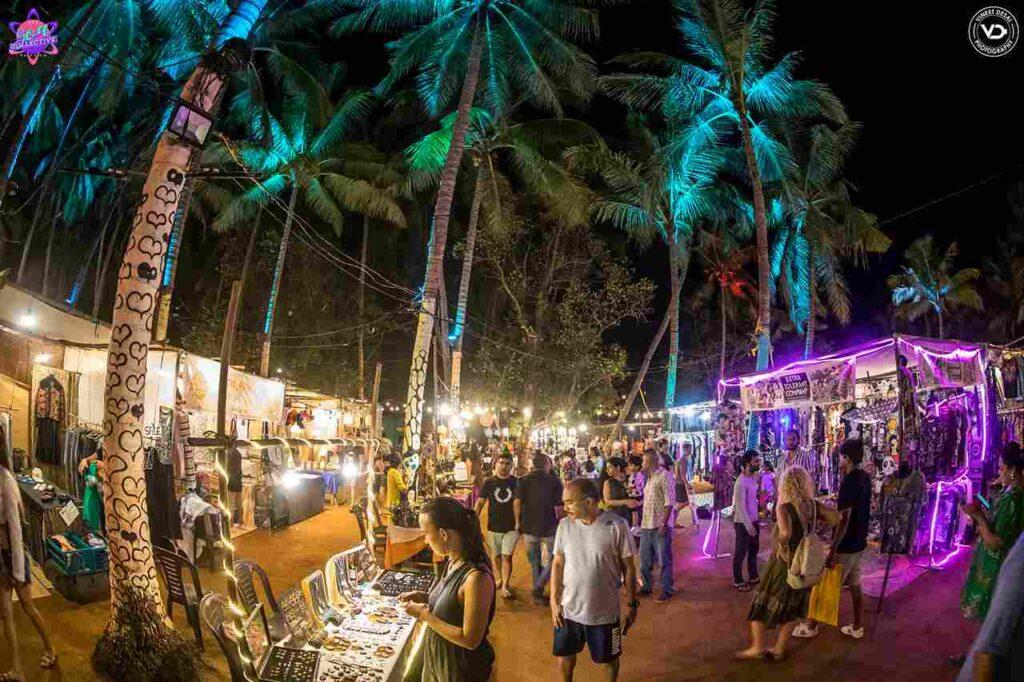
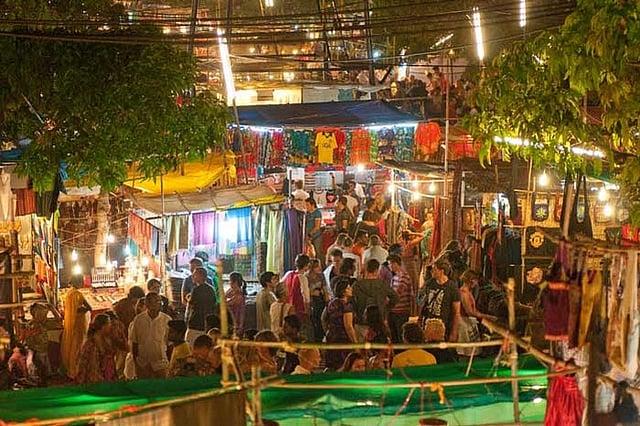
When the sun dips below the horizon and the Arabian Sea turns into a shimmering expanse of ink, the village of Arpora in North Goa transforms into a pulsating hub of commerce, culture, and celebration. At the heart of this transformation is Ingo’s Night Market, an iconic institution that has, for decades, defined the bohemian spirit of Goan nightlife. Unlike the traditional flea markets of Anjuna that bask in the afternoon sun, Ingo’s is a nocturnal beast, coming alive under the glow of a thousand fairy lights and neon signs. It is more than just a place to shop; it is a sensory overload, a global village, and a rhythmic dance of light and sound that captures the very essence of the "Hippy-Chic" lifestyle that Goa is world-famous for.
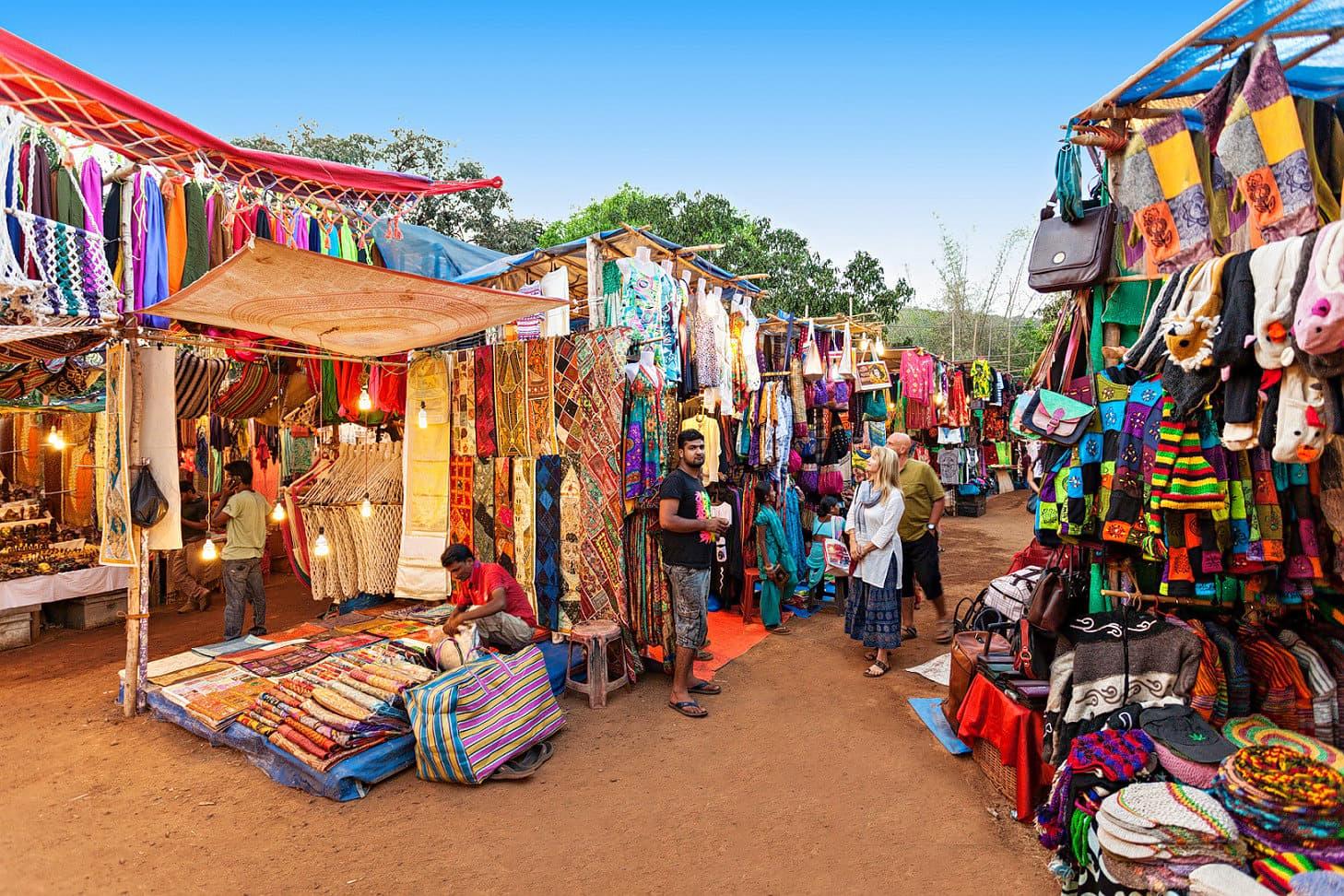
Founded by a German expatriate named Ingo Grill in the late 1990s, the market was born out of a vision to create a space where international artisans, local craftsmen, and travelers could converge. Over the years, despite various name changes and local management shifts, the site remains legendary among seasoned "Goa-heads" and first-time tourists alike. Spread across a sprawling, tiered hillside, the market is divided into distinct zones, each offering a different flavor of the Goan experience. From the Lower Field featuring local trinkets and mass-market goods to the Upper Level housing high-end designer boutiques and the Central Stage for live performances, the layout is designed to keep you wandering and wondering for hours.
Top Goa Experience • Part 1
Highly Recommended Near Ingo's Night Market
Explore All
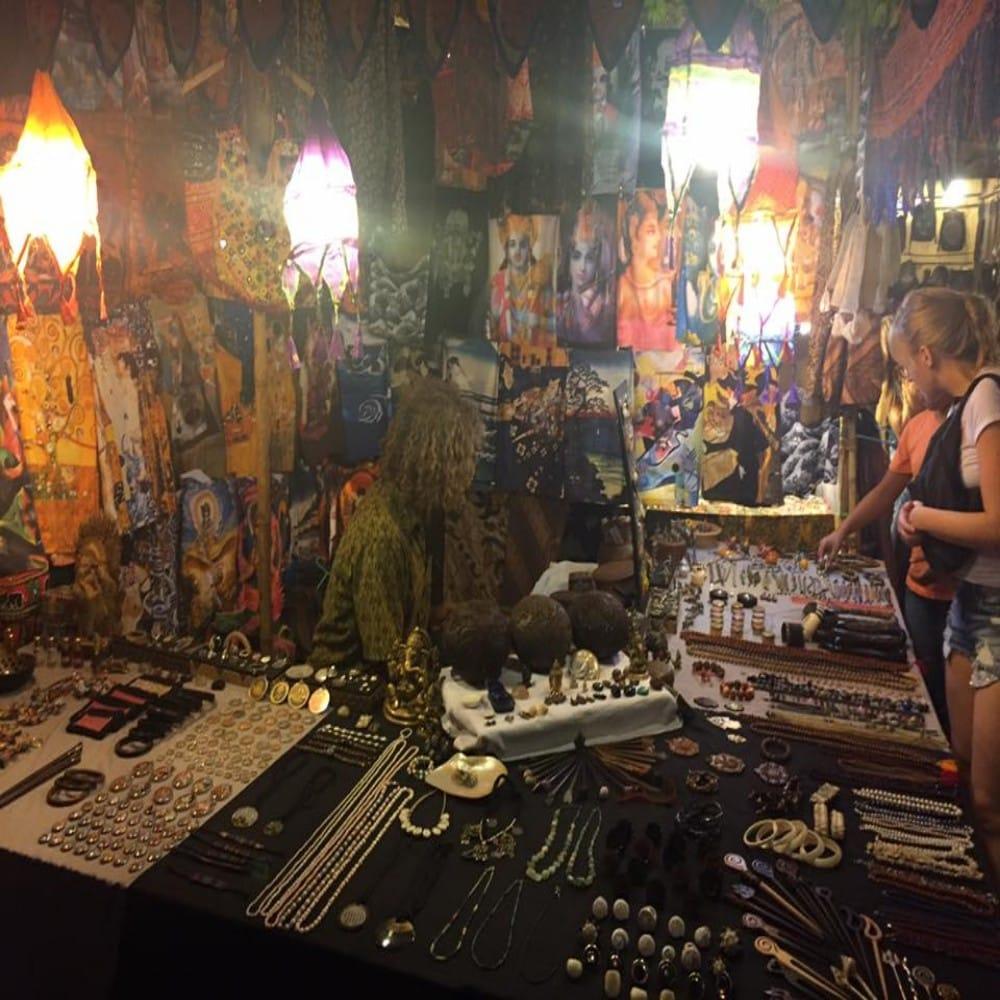
The historical significance of Ingo’s Night Market cannot be overstated. It was the first of its kind to introduce the concept of "night shopping" combined with a festival-like atmosphere in India. It bridged the gap between the raw, dusty flea markets of the 70s and the modern, polished nightlife venues of today. Today, it stands as a testament to Goa’s multicultural heritage, where you are as likely to find a Russian jeweler selling hand-carved amber as you are to find a Rajasthani tailor stitching bespoke leather jackets. To visit Ingo’s is to take a journey through the global counter-culture, all while grounded in the tropical, salty air of North Goa.
Ambience & Vibe
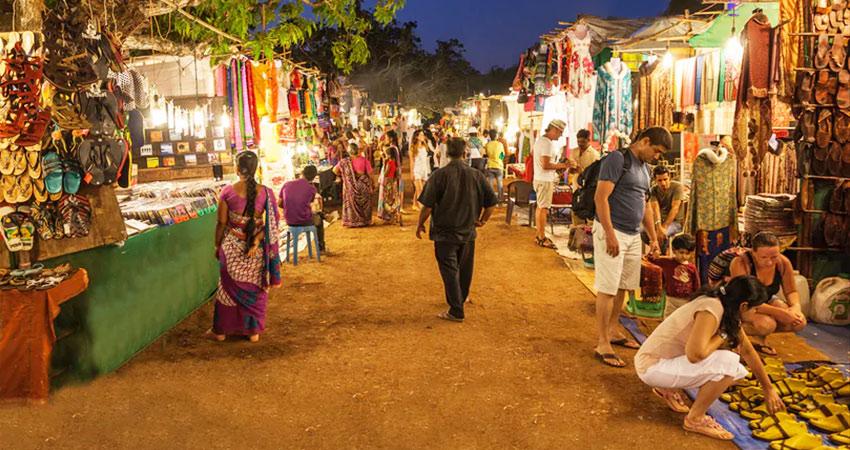
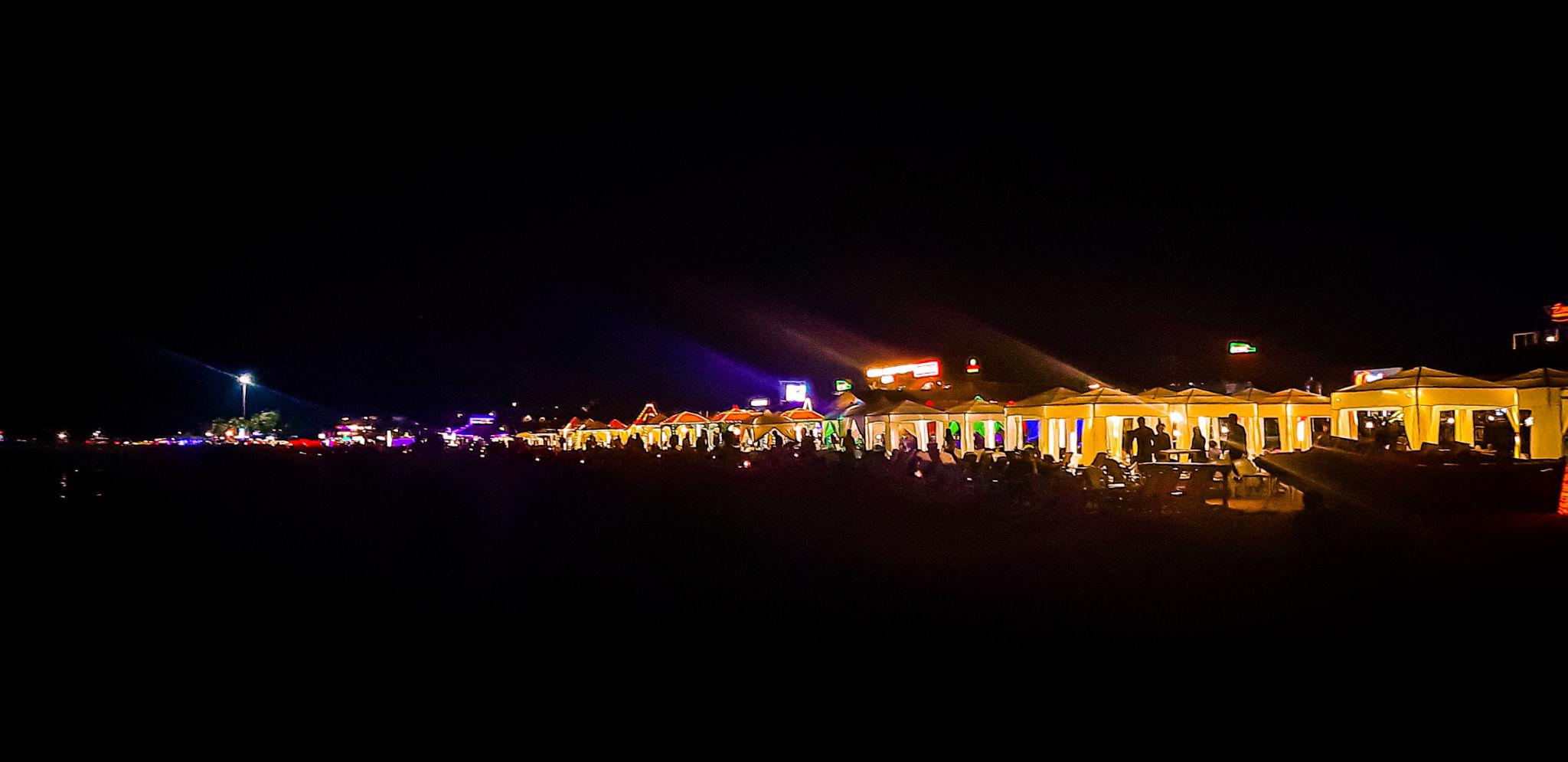
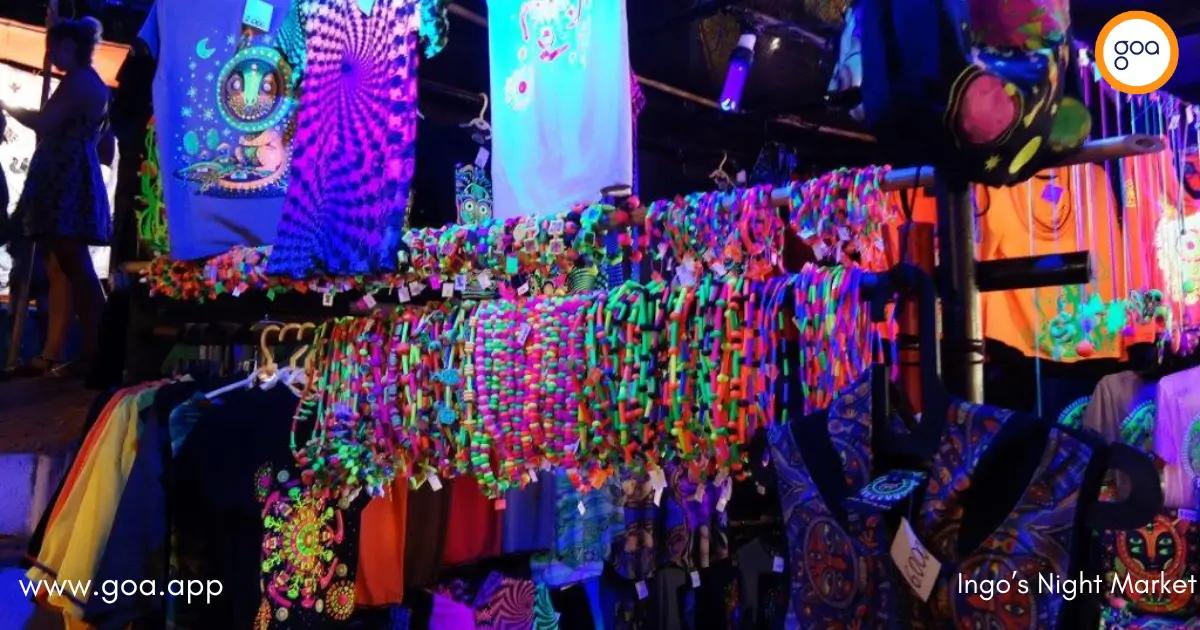
The moment you step through the bamboo-arched entrance of Ingo’s Night Market, you are greeted by an atmosphere that is nothing short of electric. The ambience is a masterful blend of a traditional Indian mela (fair) and a European music festival. The air is thick with a cocktail of scents: the earthy aroma of burning frankincense and sandalwood, the spicy tang of Goan fish curry, and the sweet fragrance of blooming jasmine. The lighting is intentionally warm and whimsical, with lanterns hanging from ancient banyan trees and colorful spotlights illuminating the winding dirt paths that lead you deeper into the hillside.
Recommended Guide
Goa Nightlife Guide (2026): Best Clubs, Beach Parties, Casinos & Late-Night Experiences 🌙🔥
Goa is not just India’s beach capital—it’s the undisputed nightlife hub of the country. Whether you’re a solo traveler looking to meet new people,...
Read Guide →
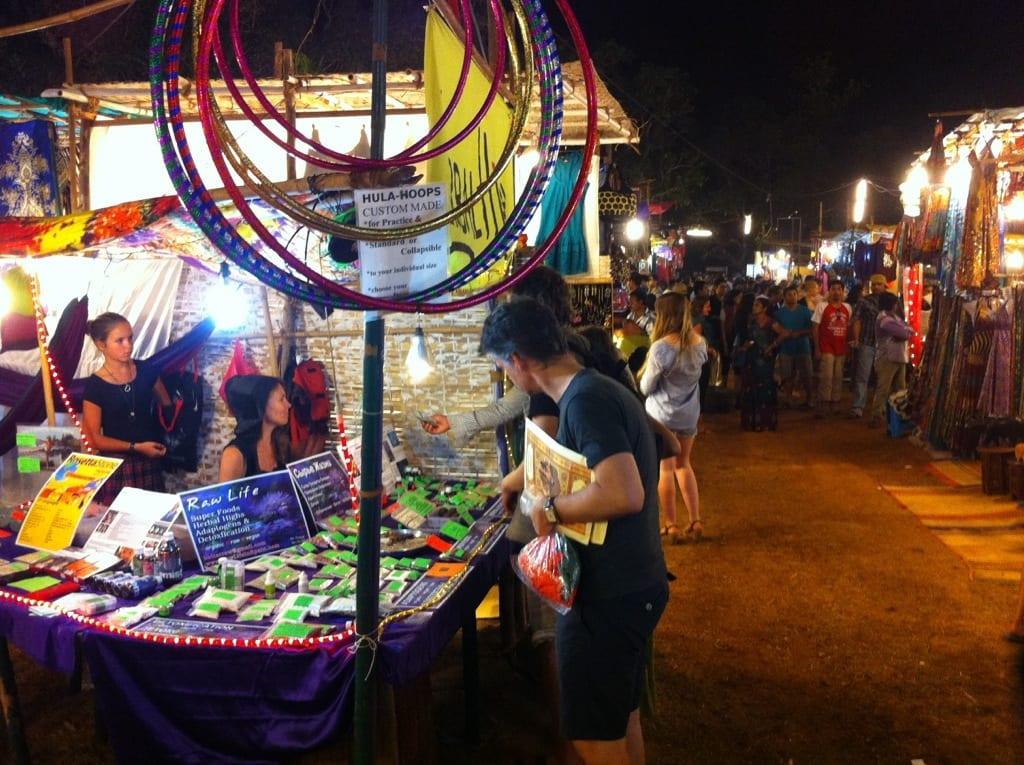
The vibe here is quintessentially Susegad—a Portuguese-derived Goan term meaning a relaxed, laid-back attitude toward life. No one is in a rush at Ingo’s. You will see groups of friends lounging on colorful floor cushions, digital nomads sipping on local craft beers, and families marveling at the fire dancers. The market is structured in a way that encourages exploration. The "Lower Level" is bustling and chaotic in the best possible way, filled with the chatter of bargaining and the clinking of glass bangles. As you climb higher toward the "Boutique Area," the vibe becomes more sophisticated and tranquil, offering a panoramic view of the glowing market below.
What truly sets the ambience apart is the sense of inclusivity. It is one of the few places in Goa where the "old school" hippies—the ones who arrived in the 70s and never left—mingle seamlessly with the "new age" luxury travelers. This collision of worlds creates a unique energy that is both nostalgic and avant-garde. Whether you are standing in a crowded food lane or sitting on a quiet wooden bench on the upper terrace, you feel like you are part of a massive, temporary community that exists only for one night a week.
Recommended Guide
Best Night Clubs in Goa for Singles (Updated Guide)
Goa isn’t just India’s party capital—it’s one of the most exciting places in Asia for solo travelers looking to meet new people, dance all night, a...
Read Guide →
Music, DJs & Entertainment
Music is the heartbeat of Ingo’s Night Market. It isn't just background noise; it is a curated experience that evolves as the night progresses. The market features multiple "sound zones," ensuring that every visitor finds a rhythm that resonates with them. The Central Stage is the primary focal point, a large wooden structure surrounded by a natural amphitheater of grass and stone. Here, you can witness an eclectic mix of live acts ranging from Indian classical fusion and Reggae to Blues, Rock, and World Music.
- Live Bands: Throughout the season, the market hosts renowned local and international bands. It’s common to see a French saxophonist jamming with a Goan percussionist, creating a soundscape that is entirely unique to the Arpora hills.
- DJ Sets: While the central stage focuses on live instruments, various smaller bars and stalls within the market feature DJs spinning everything from Deep House and Chill-out Trance to Afro-beats. The music is never overwhelmingly loud, allowing for conversation, but it provides a constant, rhythmic pulse to the shopping experience.
- Performance Art: Entertainment at Ingo’s extends beyond music. As you walk the paths, you will frequently encounter fire dancers, acrobats, and poi artists who put on mesmerizing displays of skill. These performers often move to the beat of the main stage, adding a visual layer to the auditory feast.
- Acoustic Corners: In the quieter, upper sections of the market, you might find solo artists with acoustic guitars or handpans, providing a more intimate and meditative soundtrack for those browsing the high-end boutiques.
The transition of music is a key feature. Earlier in the evening (around 6:00 PM to 8:00 PM), the sounds are mellow and family-friendly. As the clock strikes 10:00 PM, the energy ramps up. The bass becomes deeper, the crowd starts to sway more enthusiastically, and the market takes on the character of a full-blown outdoor club, albeit one where you can still buy a handmade rug or a bag of organic spices.
Recommended Guide
Nightlife in Baga
When people think about Goa nightlife, the first place that comes to mind is usually Baga Beach. Famous for its energetic atmosphere, beachside bars, legen...
Read Guide →
Food & Drinks
For foodies, Ingo’s Night Market is nothing short of a pilgrimage site. The Global Food Court located in the center of the market is a culinary map of the world. Because Goa attracts expats from across the globe, many of them set up stalls here to serve authentic dishes from their homelands. This isn't your standard "street food"; many of these vendors are professional chefs who spend the week preparing for this Saturday night extravaganza.
Top Goa Experience • Part 2
Highly Recommended Near Ingo's Night Market
Explore All
Must-Try Food Items:
- Rotisserie Chicken: A legendary staple at the market, seasoned with secret herbs and slow-roasted to perfection.
- Authentic Pizzas: Thin-crust pizzas baked in portable wood-fired ovens, often managed by Italians who have made Goa their home.
- Goan Delicacies: Do not miss the Pork Sorpotel, Prawn Balchão, and the iconic Chouriço Pão (Goan sausage bread) for a taste of local spice.
- International Flavors: From Tibetan momos and Turkish kebabs to Japanese sushi and Burmese Khao Suey, the variety is staggering.
- Desserts: Indulge in homemade chocolate brownies, crepes filled with Nutella and bananas, or the traditional Goan Bebinca.
The Drink Scene:
The bars at Ingo’s are strategically placed to ensure you’re never more than a few steps away from a refreshment. The Beer Garden is a popular spot, serving chilled local brews like King's and Kingfisher. For something more "Goan," look for stalls serving Feni cocktails—a potent local spirit made from cashew or coconut, often mixed with Limca, salt, and green chili for a refreshing kick. There are also numerous stalls offering fresh fruit juices, smoothies, and the ubiquitous Masala Chai, which provides the perfect caffeine boost for a long night of walking.
Best Time & Best Days to Visit
Timing is everything when it comes to Ingo’s Night Market. Firstly, it is crucial to know that the market is seasonal. It typically operates during the peak tourist months, from November to April. During the monsoon season (June to September), the market remains closed as the heavy Goan rains make the hillside location inaccessible. It is held exclusively on Saturdays, which is why it is often referred to as the Saturday Night Market.
The Ideal Itinerary:
- 6:00 PM - 7:30 PM (The Early Bird): This is the best time to arrive if you want to shop seriously. The crowds are thinner, the vendors are fresh, and you have the best chance of snagging unique items before they are sold out. It is also the best time for families with children.
- 8:00 PM - 10:30 PM (The Peak Hour): This is when the market is at its most vibrant. The main stage performances are in full swing, and the food court is buzzing. However, be prepared for heavy foot traffic and longer queues at popular food stalls.
- 11:00 PM - 1:00 AM (The Party Vibe): As the night matures, the shopping takes a backseat to the socializing. This is the time for those who want to enjoy the music, grab a few drinks, and soak in the late-night party atmosphere.
Pro Tip: Arrive by 6:30 PM to secure a decent parking spot. The roads leading to Arpora become notoriously congested after 8:00 PM, and what should be a 10-minute drive from Baga can easily turn into an hour-long crawl.
Entry Fee, Cover Charges & Table Booking
One of the most appealing aspects of Ingo’s Night Market is its accessibility. Traditionally, entry to the market is free. Unlike the high-end clubs in North Goa that charge steep cover fees, Ingo’s welcomes everyone without a ticket. This open-door policy contributes significantly to the diverse and democratic crowd that the market attracts.
Seating & Reservations:
There is no formal table booking system at Ingo’s. The seating in the food court and near the stages is communal. You will find long wooden benches, plastic chairs, and even stone ledges where people sit side-by-side. It is a "first-come, first-served" environment. If you are with a large group and want to sit together near the music, it is advisable to have one person "scout" for a spot while the others grab food and drinks.
While entry is free, you should carry a significant amount of cash. While some of the high-end boutique stalls and larger bars have started accepting UPI (GPay/PhonePe) or cards, many of the smaller vendors and food stalls still prefer cash due to inconsistent network connectivity on the hillside. There are ATMs near the entrance, but they frequently run out of cash on Saturday nights, so come prepared.
Dress Code & Club Rules
The "dress code" at Ingo’s Night Market can be summed up in two words: Boho Chic. There are no rigid rules like those found at Tito’s Lane or the luxury beach clubs. You are encouraged to express your individuality. However, given the nature of the venue, practicality should be your priority.
- Footwear: This is the most important tip. The market is built on a hillside with uneven, dusty, and sometimes rocky terrain. Avoid high heels or flimsy flip-flops. Opt for comfortable sneakers, sturdy sandals, or boots. You will be doing a lot of walking and climbing stairs.
- Clothing: Light, breathable fabrics like cotton and linen are ideal. Even though it's night, the crowd and the cooking fires can make the lower levels quite warm. A flowy maxi dress, harem pants, or a simple linen shirt and shorts are perfect.
- Layering: In the peak of winter (December and January), Goa can get a bit chilly late at night. Bringing a light shawl or a denim jacket is a smart move.
Market Rules & Etiquette:
1. Bargaining: While bargaining is expected in the Lower Field with local vendors, it is generally discouraged in the Upper Level boutique stalls where prices are often fixed by the designers.
2. Outside Food/Drinks: Bringing outside alcohol or food into the market area is generally frowned upon, as the market relies on its internal stalls for revenue.
3. Sustainability: Goa is moving toward a plastic-free future. Many vendors use eco-friendly packaging; please ensure you dispose of your trash in the designated bins to keep the Arpora hillside clean.
Crowd Type & Nightlife Experience
The crowd at Ingo’s Night Market is perhaps the most diverse you will find anywhere in India. On any given Saturday, you are standing in a melting pot of humanity. You will see European backpackers with dreadlocks and tattoos, affluent Indian tourists from Mumbai and Delhi looking for designer labels, local Goan families enjoying a night out, and international expats who have been living in Anjuna or Assagao for decades.
The nightlife experience here is "horizontal" rather than "vertical." In a club, the experience is focused on the DJ and the dance floor. At Ingo’s, the experience is spread out. It’s about the serendipity of discovery. You might be looking for a leather belt and end up having a 30-minute conversation with a jeweler from Tibet about the healing properties of turquoise. You might go for a beer and end up watching a world-class fire-dancing performance. It is a social experience where the barriers between people are lowered by the shared appreciation for art, music, and good food.
For those who find traditional clubs too loud or claustrophobic, Ingo’s offers a "breathable" nightlife alternative. You have the freedom to move between high-energy zones and quiet corners. It is also pet-friendly (on a leash) and kid-friendly, making it a rare nightlife destination where you don't have to leave anyone behind.
Location & How to Reach Ingo's Night Market
Ingo’s Night Market is located in Arpora, strategically positioned between the famous beach towns of Baga and Anjuna. The exact location is on the Aguada-Siolim Road, tucked against the Arpora hill.
How to Reach:
- From Baga/Calangute: It is a short 10-15 minute drive (about 3-4 km). However, on Saturday nights, the traffic can triple this time. Taking a two-wheeler is the most efficient way to navigate the congestion.
- From Anjuna/Vagator: The market is about 5 km away. You can reach it via the backroads of Arpora, which are often less crowded than the main Baga road.
- By Taxi: Taxis are readily available from all major hotels. Be sure to negotiate the fare in advance or ensure they are using the Goa Taxi App. Note that getting a taxi *back* from the market late at night can be expensive due to high demand.
- By Scooter/Bike: This is the preferred mode of transport for most visitors. There is a large designated parking area near the entrance (usually for a small fee of ₹20-₹50).
Landmarks: The market is located very close to Club Cubana, the famous "Nightclub in the Sky." If you see the bright searchlights of Cubana hitting the clouds, you are in the right neighborhood.
Nearby Attractions & After-Party Spots
Because Ingo’s Night Market ends around 1:00 AM or 2:00 AM, many visitors look for places to continue the night. Fortunately, Arpora is at the center of Goa’s nightlife belt.
- Club Cubana (Arpora): Located just a few hundred meters up the hill from the market. It is a multi-level club with a pool and is the most logical next step for those who want a high-energy clubbing experience.
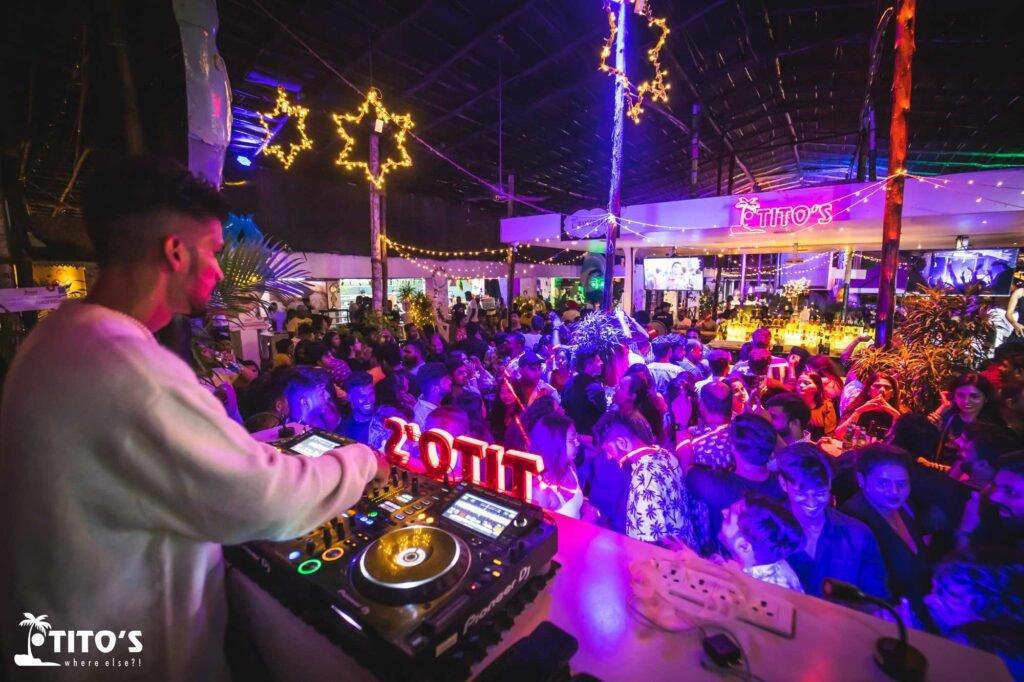
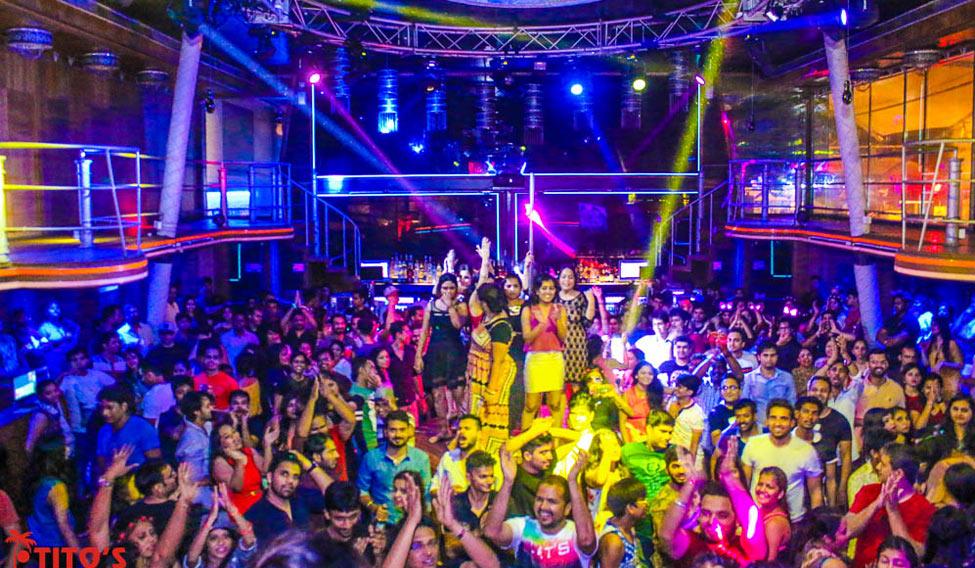
- Tito’s Lane (Baga): A 10-minute ride away, this lane is packed with clubs like Tito’s, Mambo’s, and Cape Town Cafe. These venues stay open until the early hours of the morning.
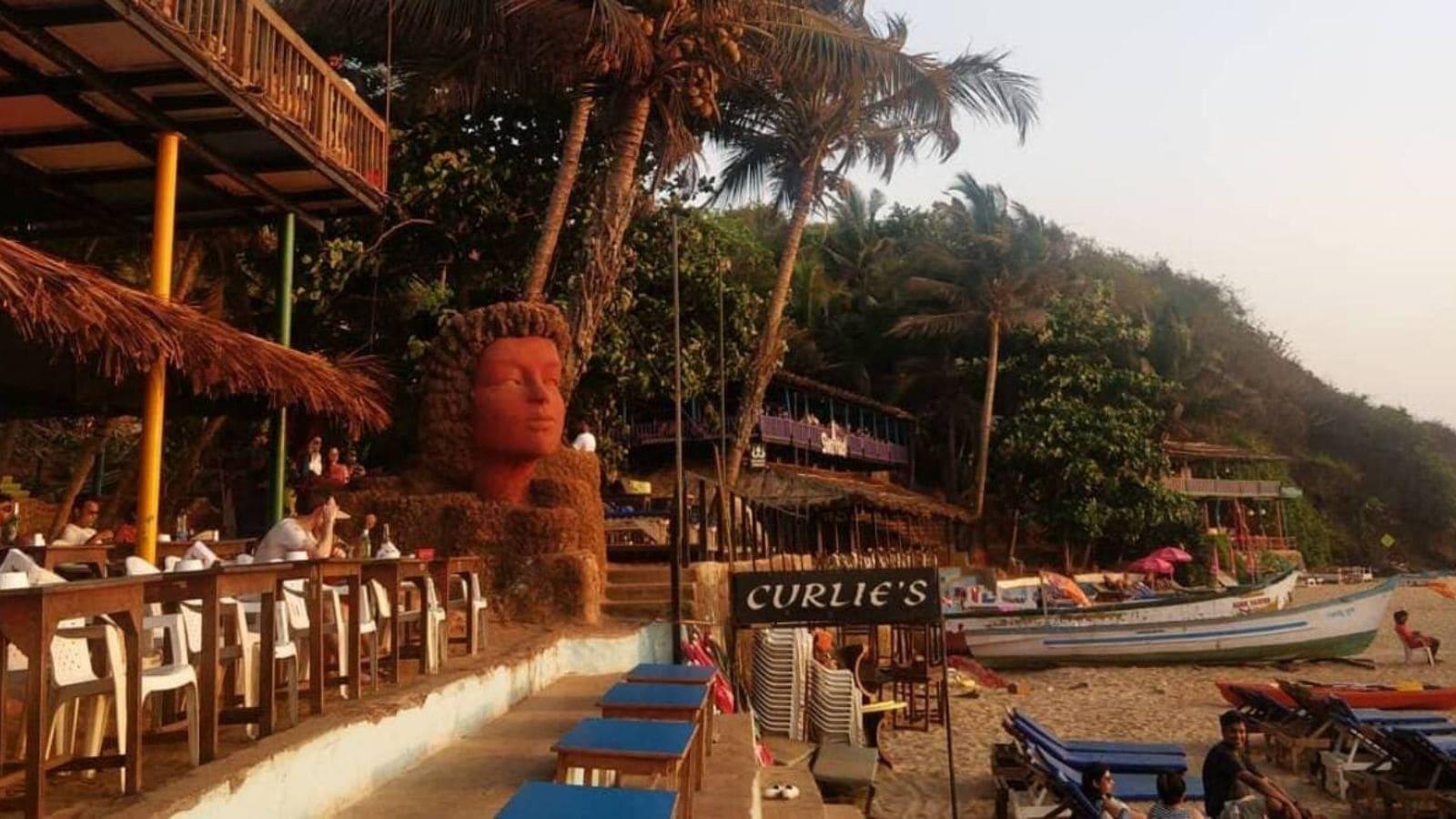
- Anjuna Beach Shacks: For a more underground or psychedelic vibe, head toward Anjuna. Places like Curlies or Shiva Valley often have late-night parties, especially if there is a trance event scheduled.
- LPK Waterfront (Nerul): A bit further away (about 20 minutes), but offers a stunning, cavern-like clubbing experience by the river.
If you prefer a midnight snack over more dancing, the Baba Au Rhum in Anjuna or the various 24-hour diners in Calangute are excellent spots to wind down after the market madness.
Safety Tips & Visitor Guidelines
While Ingo’s Night Market is generally very safe and welcoming, a few common-sense precautions will ensure your night remains enjoyable.
- Watch Your Belongings: Like any crowded international market, pickpockets can occasionally operate here. Keep your wallet in your front pocket and ensure your handbags are zipped and held close to your body.
- Stay Hydrated: Walking up and down the Arpora hill can be surprisingly tiring. Drink plenty of water between your cocktails.
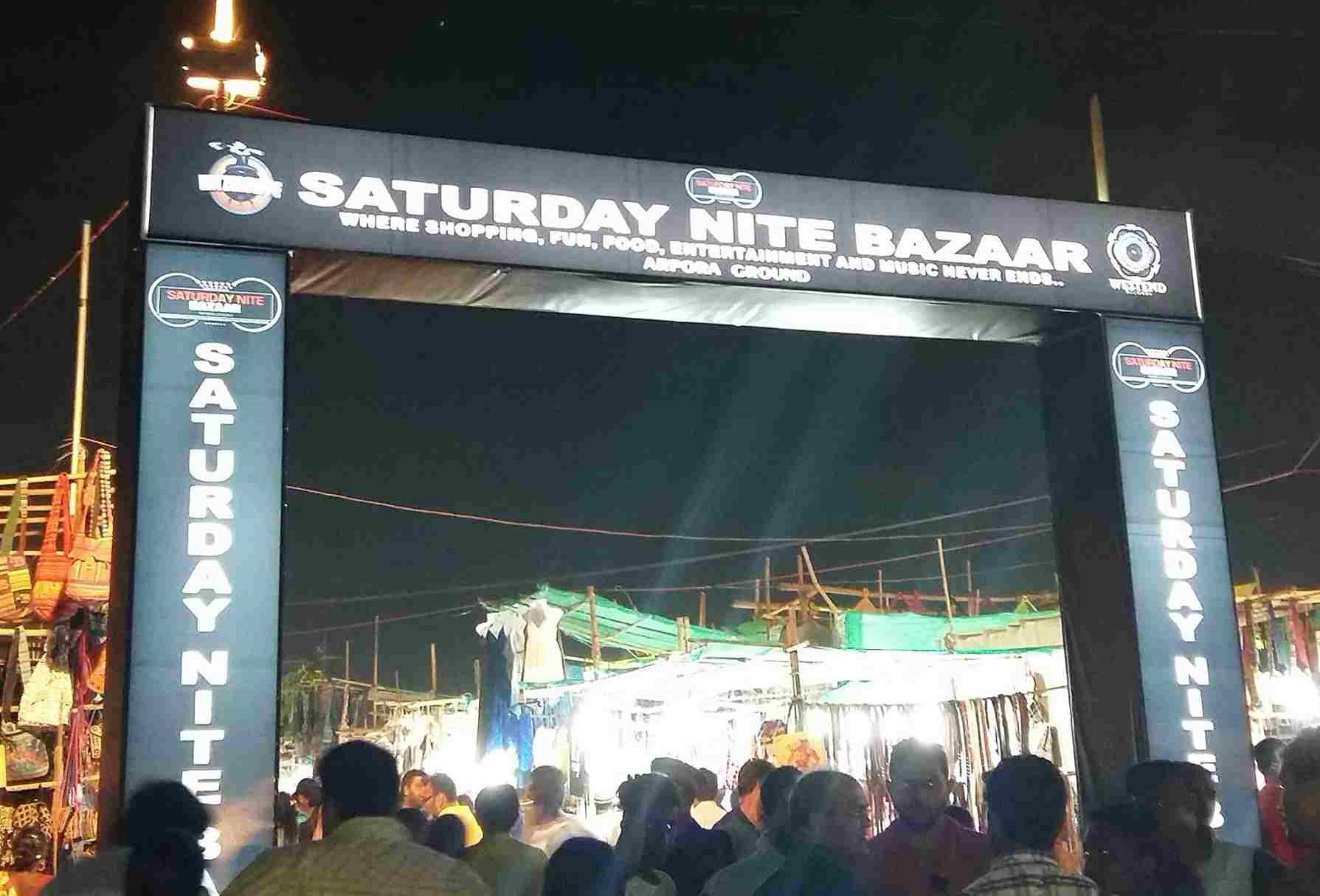
- Identify a Meeting Point: The market is huge and it is very easy to get separated from your group. Mobile networks can be spotty due to the crowd. Agree on a specific landmark (like the "Main Stage" or the "Entrance Gate") to meet if you get lost.
- Avoid Over-Bargaining: Respect the artisans. Many of the items in the upper stalls are unique, handmade pieces. Offering a fraction of the price can be seen as disrespectful.
- Traffic Caution: When leaving the market, be extremely careful. The roads are narrow, and there are many tired or intoxicated drivers. If you’ve been drinking, use the local taxi services.
Photography & Instagram Spots
For the content creators and photography enthusiasts, Ingo’s is a goldmine. The mix of ethnic textures, neon lights, and vibrant characters provides endless opportunities for the perfect shot.
- The Spice Stalls: The mounds of colorful turmeric, chili powder, and star anise make for a quintessentially "Indian" aesthetic shot.
- The Fairy-Lit Banyan Tree: Located near the central area, this ancient tree wrapped in thousands of tiny lights is a favorite for portrait shots.
- The View from the Top: Head to the highest level of the market. From here, you can capture the entire glowing expanse of the market with the dark Goan forest in the background.
- The Fire Dancers: Capture high-shutter-speed shots of the poi artists near the main stage for some dramatic "light trail" photography.
- The Boutique Lane: The beautifully curated stalls with silk scarves and handmade jewelry offer a sophisticated, high-fashion backdrop.
Note: While most vendors are happy to have their stalls photographed, it is always polite to ask for permission first, especially if you are taking close-up shots of their artisanal work.
Where to Stay Nearby
If you want to be close to the action of Ingo’s Night Market, Arpora and North Baga offer a range of accommodations.
- Luxury: DoubleTree by Hilton (Arpora) and Resort Rio are excellent high-end options located within minutes of the market. They offer luxury amenities and easy access to the Saturday festivities.
- Boutique: Nilaya Hermitage is a stunning, secluded boutique hotel located on the same hill as the market, offering a more mystical and private experience.
- Mid-Range: Resort Marinha Dourada is a popular choice for families, situated near the Arpora lake.
- Budget/Hostels: For solo travelers and backpackers, the areas of Anjuna and Vagator have numerous highly-rated hostels like The Hosteller or Pappi Chulo, which are a short scooter ride away.
Travel Tips
To make the most of your visit to Ingo’s, keep these final tips in mind:
- Carry a Power Bank: Between taking photos and using GPS, your phone battery will drain quickly.
- Check the Calendar: Sometimes the market might be closed due to local festivals or administrative reasons. Check their official social media pages or ask your hotel front desk before heading out.
- Wear Mosquito Repellent: You are on a forested hillside in the tropics. A quick spray of repellent will save you from itchy bites later in the night.
- Start with Food, End with Shopping: The food stalls can run out of the best items by 10:30 PM. Eat early, then spend the rest of your time browsing the stalls at a leisure pace.
- Support Local: Try to buy at least one small item from a local Goan vendor. It helps sustain the community that makes this market possible.
Conclusion
Ingo’s Night Market is more than just a Saturday night destination; it is a rite of passage for anyone visiting Goa. It encapsulates the "Glocal" (Global + Local) culture of the state, where the world comes together under a canopy of stars and neon. Whether you are there to hunt for a rare vintage leather jacket, feast on authentic Tibetan momos, or simply lose yourself in the hypnotic beats of a world-music band, the market offers an experience that is impossible to replicate elsewhere.
In an era where many travel experiences are becoming sanitized and predictable, Ingo’s remains delightfully chaotic, stubbornly bohemian, and endlessly surprising. It is a place where you don't just buy souvenirs; you collect stories. As you ride away on your scooter at 1:00 AM, the cool Goan air on your face and the distant sound of drums still ringing in your ears, you’ll realize that Ingo’s Night Market isn't just a place you visited—it’s a feeling you’ll carry with you long after your tan has faded.