Overview of Mangeshi Temple
The Shri Mangesh Temple, located in the lush green pocket of Priol in Ponda, stands as a crowning jewel of Goan spiritual heritage. Unlike the coastal attractions that define Goa’s global image, the Mangeshi Temple offers a profound glimpse into the state’s resilient Hindu identity. It is arguably the most famous and most visited Hindu shrine in Goa, serving as a spiritual beacon for the Gaud Saraswat Brahmin (GSB) community and thousands of pilgrims who traverse the winding roads of the Ponda taluka to seek blessings. This temple is not merely a place of worship; it is a living museum of Goan-Hindu architecture, a testament to a community's survival against colonial pressures, and a serene sanctuary that captures the essence of "Antruz Mahal"—the traditional name for Ponda, known as the cultural heart of Goa.
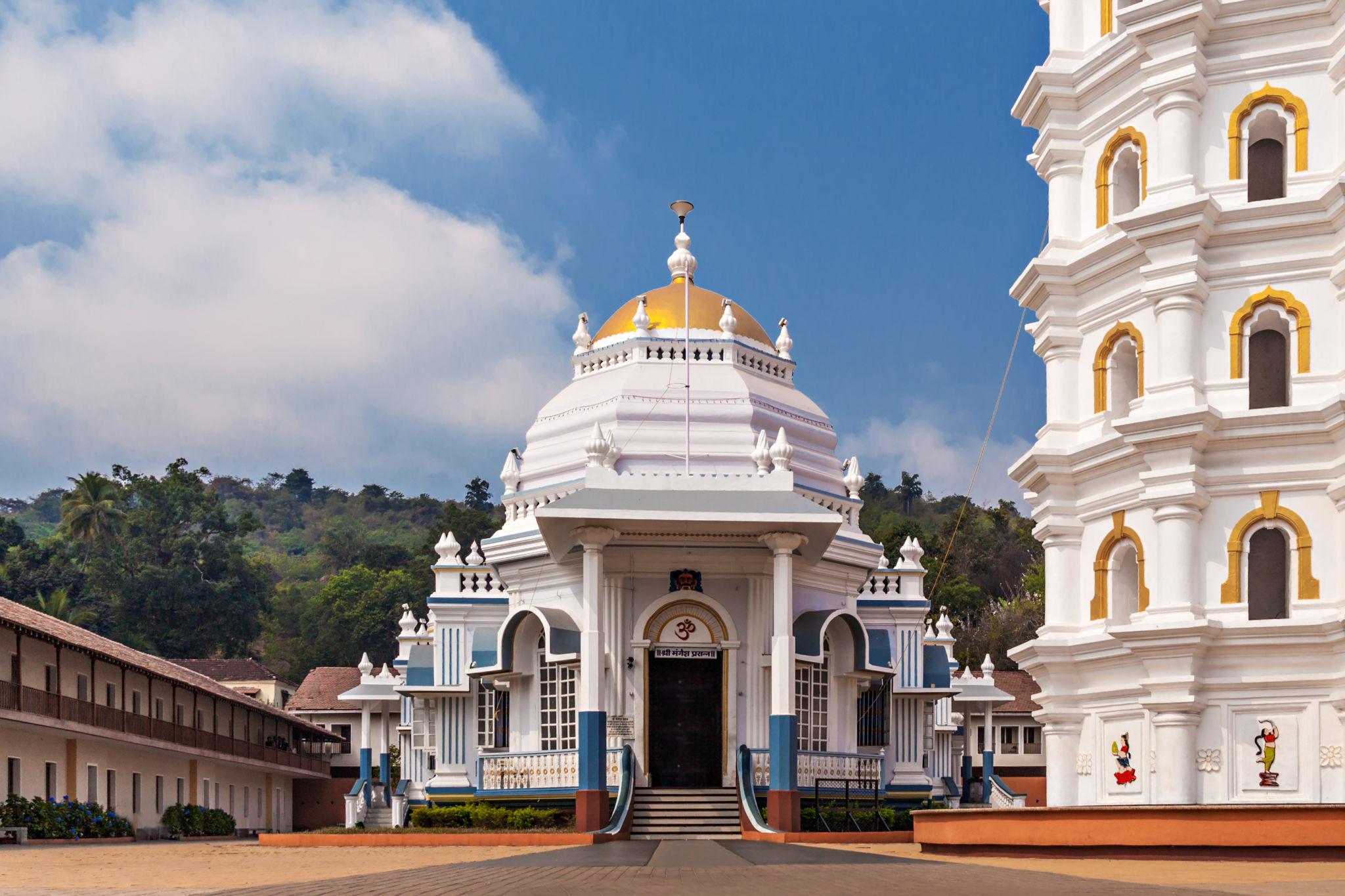
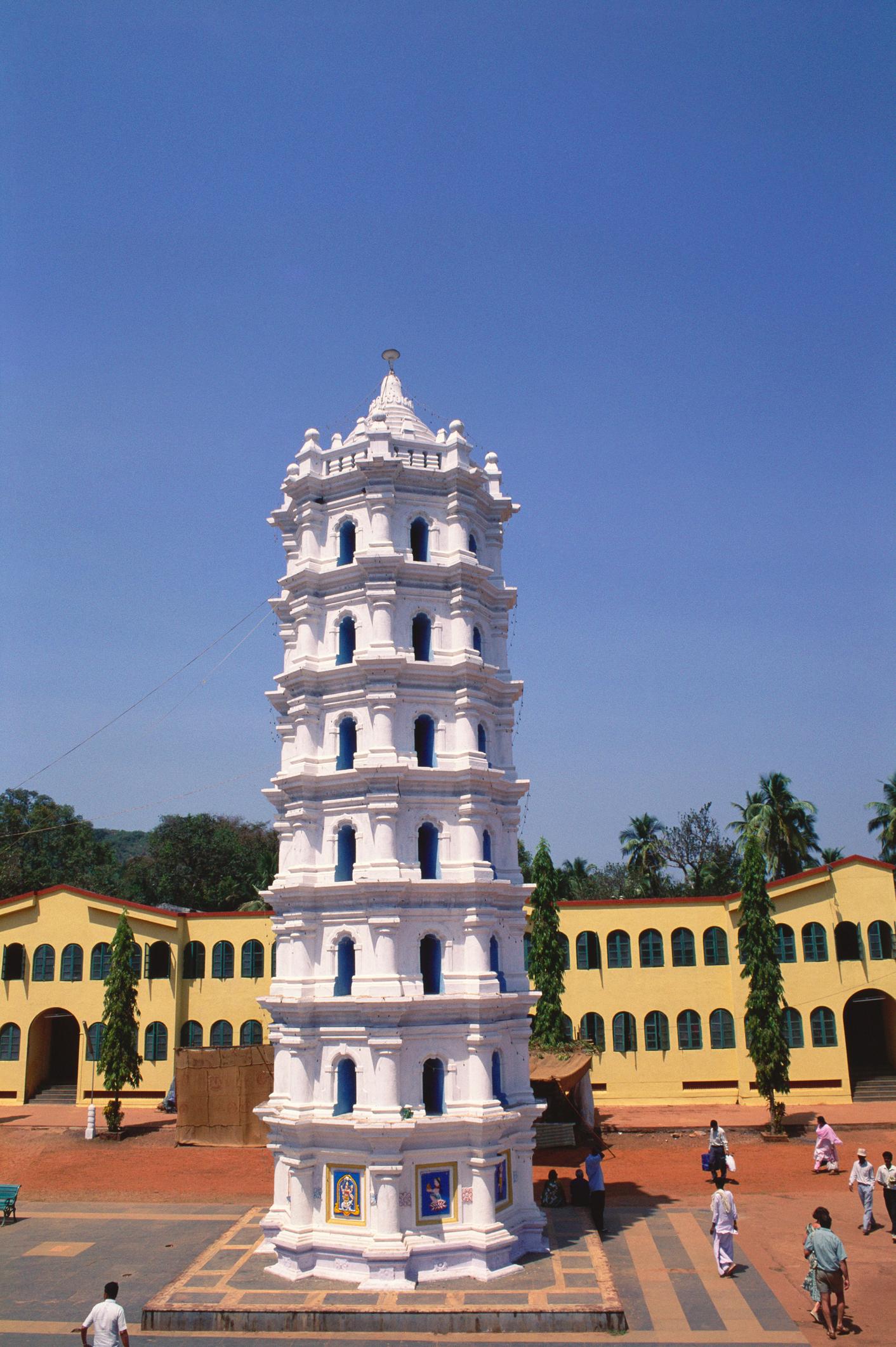
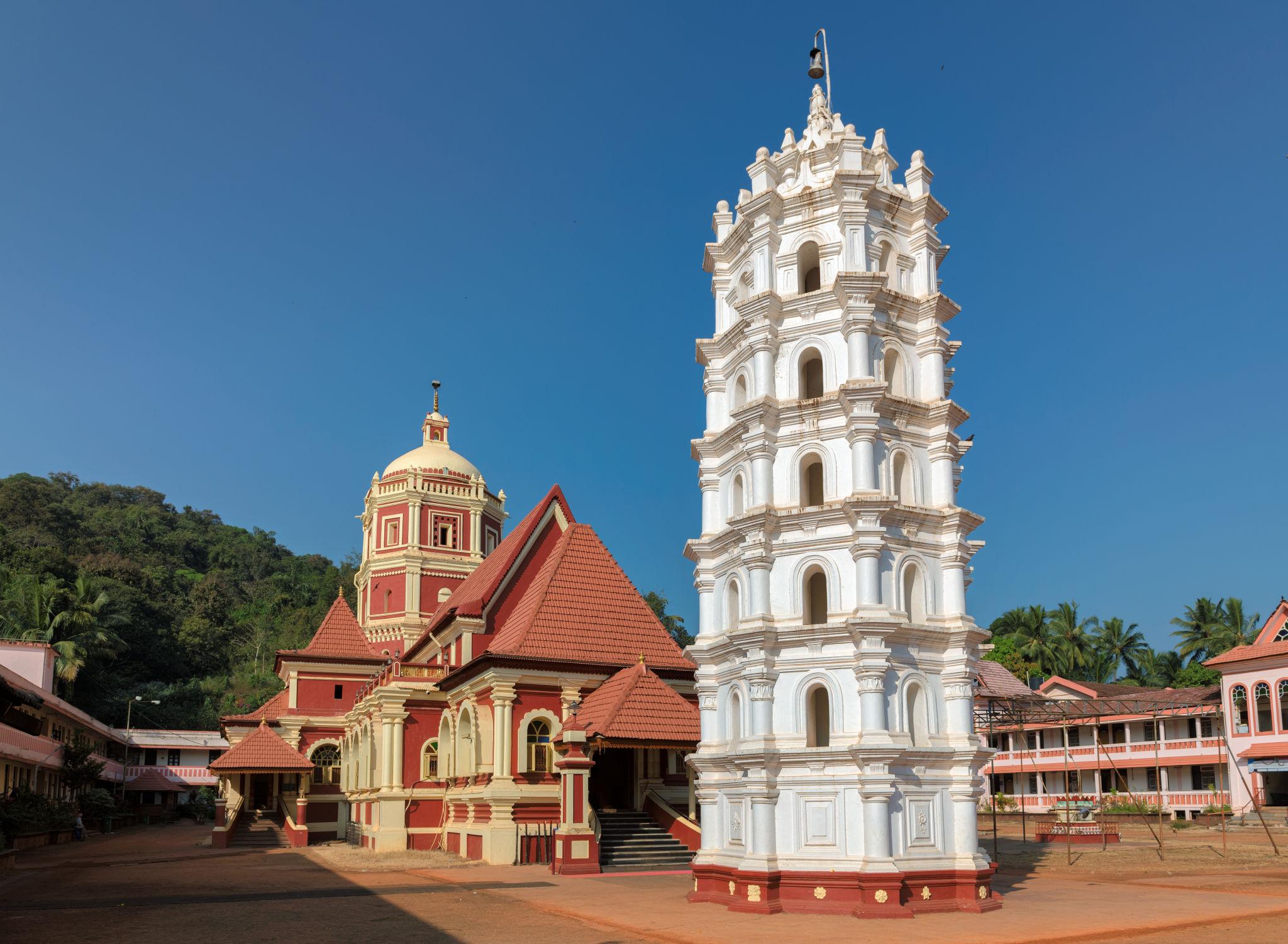
Set against a backdrop of wooded hills, the temple complex is a sprawling area that exudes an aura of ancient peace. As you approach the entrance, the first thing that strikes you is the massive Deepstambha (lamp tower), which is a characteristic feature of Goan temples. The temple is dedicated to Bhagwan Mangesh, an incarnation of Lord Shiva, who is worshipped here in the form of a Shiva Linga. The atmosphere is thick with the scent of incense and fresh flowers, and the rhythmic chanting of Vedic hymns often echoes through the halls. For a traveler, the Mangeshi Temple is more than a religious stop; it is an architectural marvel that blends various styles, including Hindu, Christian, and Islamic influences, reflecting the complex historical tapestry of Goa itself. Whether you are a devotee, a history buff, or an architecture enthusiast, the temple promises a journey into the soul of Goan culture that remains untouched by the commercialism of the beach belts.
History & Religious Significance
The history of the Mangeshi Temple is a dramatic saga of faith, migration, and survival. Originally, the shrine of Lord Mangesh was located in Kushasthali (modern-day Cortalim) on the banks of the Zuari River. It remained there for centuries until the mid-16th century when the Portuguese colonial administration began its aggressive campaign of Christianization and the destruction of Hindu temples in the "Velhas Conquistas" (Old Conquests) regions. In 1560, sensing the imminent threat to their beloved deity, the devotees of Lord Mangesh decided to act. Under the cover of night, they moved the sacred Shiva Linga across the river to the village of Priol, which was then under the rule of the Hindu Kings of Sonde, outside the immediate reach of the Portuguese Inquisition.
The relocation was a pivotal moment in Goan history. For many years, the deity was housed in a simple, modest structure to avoid drawing attention. However, as the political climate stabilized and the Maratha influence grew in the region, the temple was rebuilt and expanded. The current structure we see today dates back primarily to the 18th century, with several renovations occurring over the subsequent decades. The temple’s survival during the Portuguese Inquisition makes it a symbol of cultural resilience for the local population. It is one of the few places where the traditional rituals and the specific "Goan" way of worshipping Shiva have been preserved without interruption for nearly five centuries.
The religious significance of Mangeshi is tied to the Gaud Saraswat Brahmin community, for whom Lord Mangesh is the Kuladevata (family deity). Families from all over India and the world return to this temple to perform "Kuladharma" rituals, seeking the deity's protection and blessings for their lineage. The temple is also deeply connected to the legend of how Lord Shiva came to be known as Mangesh in this region. According to local lore, Shiva once left his abode in the Himalayas after losing a game of dice to Parvati. He came to the forests of Kushasthali to meditate. Parvati, in search of him, encountered a tiger (which was actually Shiva in disguise) and cried out in fear, "Mam Girisha!" (Oh, Lord of the Mountains, protect me!). Over time, the phrase "Mam Girisha" evolved into "Mangesh," and the site where this occurred became a place of eternal worship.
Architecture of Mangeshi Temple
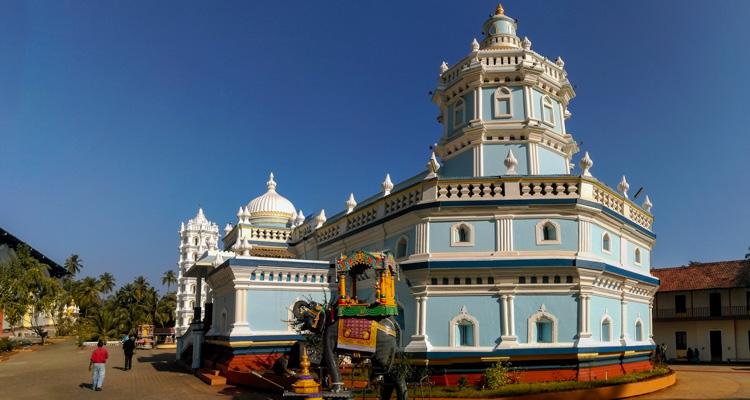
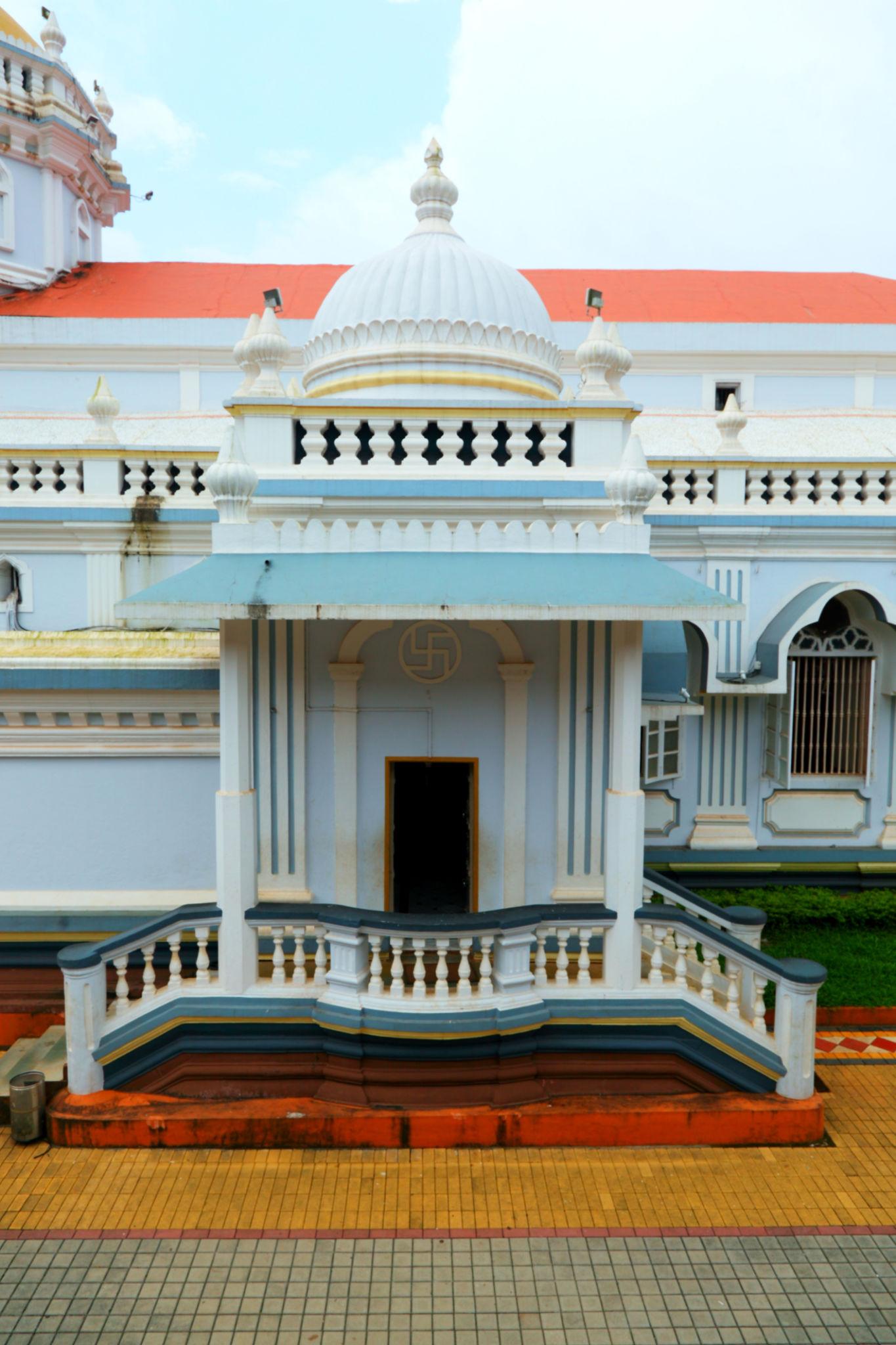
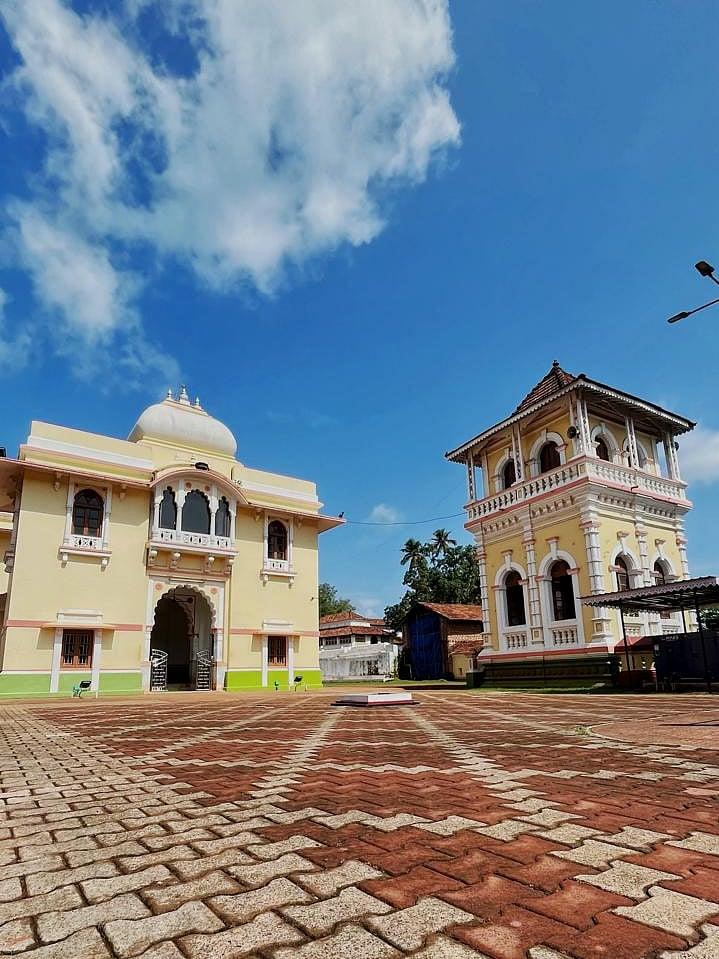
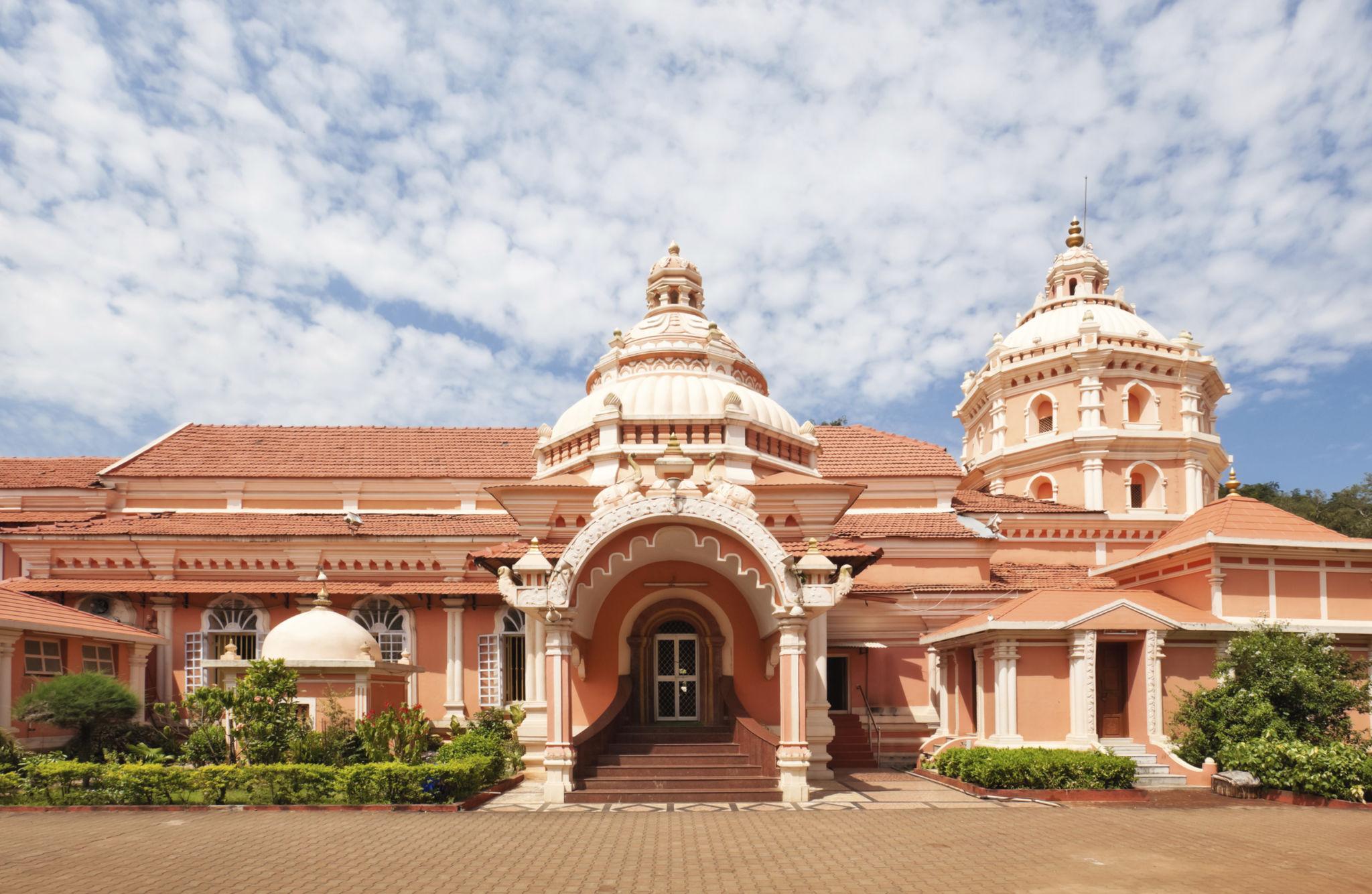
The architecture of the Mangeshi Temple is a fascinating study in cultural synthesis. While it remains a Hindu temple at its core, the design reflects the Goan-Hindu style, which incorporates elements of Baroque, Neo-Classical, and even Saracenic architecture. This unique fusion occurred because the local craftsmen, who had been exposed to Portuguese church building and Islamic styles from neighboring regions, integrated these aesthetics into the reconstruction of the temple during the 18th and 19th centuries.
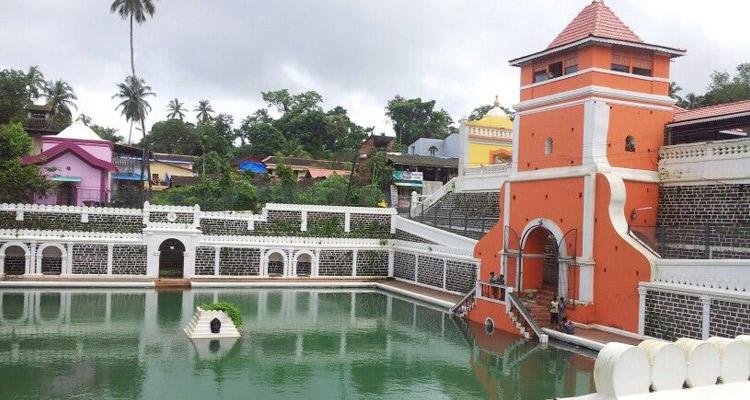
The most iconic feature of the temple is the seven-story Deepstambha (lamp tower). This octagonal white tower is a masterpiece of Goan design. It stands tall near the entrance, and during festivals, it is illuminated with hundreds of oil lamps, creating a celestial glow that can be seen from a distance. The tower features intricate carvings and small niches for the lamps, showcasing the precision of local masonry. Beside the Deepstambha, the temple also features a large, ancient water tank, known as the Tali, which is used for ceremonial baths and adds a sense of tranquility to the complex.
The main temple building consists of a series of structures: the Sabhamandapa (assembly hall), the Antarala (vestibule), and the Garbhagriha (sanctum sanctorum). The exterior is characterized by white-washed walls, a red-tiled roof, and a central dome that shows clear influence of the Bijapuri style of architecture. Inside the Sabhamandapa, the decor is surprisingly opulent. You will find massive crystal chandeliers hanging from the ceiling, which are reminiscent of the European influence found in the churches of Old Goa. The floor is made of polished marble, and the walls are adorned with beautiful frescoes and relief work. The entrance to the sanctum is guarded by massive silver-plated doors, and the interior is often decorated with intricate floral arrangements. This blend of the rustic Goan landscape with such sophisticated, eclectic architecture makes Mangeshi one of the most aesthetically pleasing religious sites in India.
Main Deity / Spiritual Importance
The central figure of worship at the temple is Bhagwan Mangesh, an incarnation of Lord Shiva. Unlike many other Shiva temples where the deity is represented by a rough stone linga, the Mangesh Linga is smooth and is often adorned with a silver or gold mask (called a 'Kavacha') during the daily rituals. This mask depicts the face of the deity with serene features, often crowned with traditional Goan headgear. To the devotees, Mangesh is the supreme protector, a deity who is both fierce and compassionate.
The spiritual importance of the temple extends beyond the main linga. Within the temple complex, there are several subsidiary shrines dedicated to other deities. These include Goddess Parvati, Lord Ganesha, and the Gramapurush (the village protector). There is also a shrine for Nandi, the sacred bull and vehicle of Shiva, which sits facing the main sanctum. The presence of these deities creates a complete spiritual ecosystem, where various aspects of the divine are honored. The temple is also significant as it is one of the five major temples of the GSB community in Goa, the others being Shanta Durga, Mahalsa Narayani, Ramnathi, and Nageshi. For a spiritual seeker, the energy of the temple is palpable. The "Aarti" (offering of light) performed here is a sensory experience, involving the ringing of heavy bells, the blowing of conch shells, and the rhythmic beating of traditional Goan drums like the Ghumot and Dhol. It is believed that a prayer offered at Mangeshi with a pure heart never goes unanswered, making it a powerful center for "Sadhana" (spiritual practice).
Festivals & Celebrations
The Mangeshi Temple is a hub of cultural activity, especially during Hindu festivals. The most significant celebration is the Magha Purnima, which usually falls in February. This is the annual "Jatra" (temple festival) of Lord Mangesh. During this time, the entire temple complex is transformed into a vibrant fairground. The highlight of the Jatra is the Rath Yatra (Chariot Procession), where the deity is placed in a massive, intricately carved wooden chariot and pulled by hundreds of devotees through the temple grounds. The air is filled with chants of "Har Har Mahadev," and the sight of the illuminated temple and the towering chariot is truly spectacular.
Other major festivals celebrated with great pomp include:
- Mahashivratri: The "Great Night of Shiva" is observed with day-long fasting, night vigils, and special "Abhisheka" (ritual bathing) of the Linga. Thousands of devotees stand in long queues to offer milk and Bilva leaves to the deity.
- Rama Navami: Celebrating the birth of Lord Rama, this festival includes special musical performances and "Kirtans."
- Akshaya Tritiya: An auspicious day for new beginnings, marked by special prayers and charity.
- Diwali: The festival of lights is particularly beautiful at Mangeshi, as the Deepstambha is fully lit, and the temple is decorated with marigold flowers and traditional lamps.
- Navratri: The nine nights dedicated to the Goddess are marked by traditional music and "Makharotsav," where the deity is swung in a decorated silver swing.
During these festivals, one can witness the "Dashavatara" plays and traditional Goan music concerts (Bhajans and Kirtans), which are an integral part of the temple's cultural heritage. These events are not just religious but are social gatherings that reinforce the community bonds of the Goan people.
Best Time to Visit
While the temple is open year-round, the best time to visit Mangeshi Temple is between November and February. During these months, the weather in Goa is pleasant, with cool breezes and low humidity, making it comfortable to explore the temple complex and its surroundings. This period also coincides with several major festivals, including the annual Jatra (Magha Purnima) and Mahashivratri, offering visitors a chance to see the temple in its full glory.
If you prefer a quieter, more meditative experience, the monsoon season (June to September) is also a beautiful time to visit. The Ponda region becomes incredibly lush and green, and the sight of the white temple against the dark, rain-washed hills is breathtaking. However, be prepared for heavy downpours. For those who want to avoid crowds, visiting on a weekday (Tuesday to Thursday) is recommended. Mondays are dedicated to Lord Shiva, so the temple tends to be more crowded with local devotees. Early morning (around 7:00 AM) is the most peaceful time, allowing you to witness the morning rituals in a serene environment before the tourist buses arrive.
Timings, Entry Fee & Dress Code
To ensure a respectful and smooth visit, it is essential to be aware of the temple's practical details. The Mangeshi Temple follows a strict schedule and code of conduct to maintain its sanctity.
- Timings: The temple is generally open from 6:00 AM to 10:00 PM. However, there is a mid-day break where the inner sanctum might be closed for rituals or the deity's rest, usually between 1:00 PM and 3:30 PM. It is best to visit in the morning or late afternoon.
- Entry Fee: There is no entry fee to visit the Mangeshi Temple. Entry is free for everyone regardless of religion or nationality. Donations are accepted and can be made at the official temple counter.
- Dress Code: The temple management enforces a strict dress code. Visitors must dress modestly. For men, this means trousers or traditional dhotis (shorts are strictly prohibited). For women, sarees, salwar kameez, or long skirts are required. Shoulders and knees must be covered. Sleeveless tops, miniskirts, and transparent clothing are not allowed. If you are not appropriately dressed, you may be asked to wrap a shawl or lungi (often available for rent or purchase near the entrance) around yourself before entering.
- Footwear: Like all Hindu temples, footwear must be removed before entering the main temple courtyard. There is a designated shoe-keeping area near the entrance.
How to Reach Mangeshi Temple
Mangeshi Temple is located in the village of Priol, Ponda, which is centrally located in Goa, making it accessible from various parts of the state. Here is how you can reach it:
- From Panjim (21 km): The capital city is about a 45-minute drive away. You can take a taxi, hire a self-drive car, or take a local bus from the Panjim KTC Bus Stand heading towards Ponda. The drive along the NH748 is scenic and well-maintained.
- From Madgaon (26 km): If you are staying in South Goa, the drive takes about 50 minutes. Regular buses ply between Madgaon and Ponda. From the Ponda bus stand, you can take a local rickshaw or a pilot (motorcycle taxi) to the temple.
- From North Goa Beaches (Calangute/Baga - 35-40 km): It takes about 1 to 1.5 hours to reach from the northern beach belt. It is highly recommended to hire a taxi for a day trip that includes other nearby temples and spice farms.
- From Dabolim Airport (35 km): A pre-paid taxi from the airport will take you directly to the temple in about an hour.
- By Public Transport: Goa’s "Kadamba" buses are frequent. Take a bus to the Ponda Bus Stand and then a local bus or rickshaw to Mangeshi. The temple is a well-known landmark, so finding your way is easy.
Things to Do
A visit to Mangeshi Temple is not just about a quick prayer; there are several ways to immerse yourself in the experience:
- Attend the Aarti: Try to time your visit with the afternoon or evening Aarti. The energy generated by the traditional instruments and the collective devotion of the pilgrims is a powerful spiritual experience.
- Observe the Architecture: Spend time looking at the Deepstambha and the intricate carvings on the temple pillars. Notice the blend of European and Indian styles in the chandeliers and the dome.
- Walk Around the Tali: The ancient water tank (Tali) is a peaceful spot. Walking around it provides a different perspective of the temple’s reflection in the water, which is a great spot for quiet reflection.
- Explore the Courtyard: The temple courtyard is spacious and clean. You can see the smaller shrines and the Nandi statue. It’s a great place to observe local devotees performing their rituals.
- Listen to the Music: If you are lucky, you might catch a session of Bhajans (devotional songs) being performed by local musicians. The music is a vital part of the temple's daily life.
- Visit the Temple Museum: Occasionally, small exhibits are held within the complex showcasing the history of the deity and the migration from Cortalim.
Nearby Attractions
The Ponda region is known as the "Temple Town" of Goa, and there are several other significant sites within a short distance of Mangeshi Temple:
- Shri Shanta Durga Temple (Kavlem): Located just 5 km away, this is another massive and beautiful temple dedicated to the Goddess of Peace. It features a unique Indo-Portuguese style and is a must-visit.
- Sahakari Spice Farm: About 6 km from Mangeshi, this farm offers guided tours where you can learn about various spices like cardamom, vanilla, and cinnamon. It also includes a traditional Goan lunch.
- Mahalsa Narayani Temple (Mardol): Only 1 km away, this temple is dedicated to the female incarnation of Lord Vishnu. It is famous for its stunning wooden carvings and a huge brass lamp.
- Old Goa (Velha Goa): Located about 15 km away, you can visit the Basilica of Bom Jesus and Se Cathedral on your way back to Panjim, making it a perfect "culture and history" day trip.
- Tropical Spice Plantation: Another great spot for nature lovers to see how local produce is grown and enjoy an elephant ride or wash.
Photography & Visitor Guidelines
To maintain the decorum of the temple, visitors are expected to follow certain guidelines:
- Photography: Photography is generally prohibited inside the main sanctum sanctorum and the inner prayer hall. However, you are usually allowed to take photos of the exterior, the Deepstambha, the water tank, and the general courtyard. Always look for signs or ask a temple official before clicking.
- Silence: Maintain silence inside the prayer halls. Avoid loud conversations or using mobile phones, as many people are there for meditation and prayer.
- Prasad: If you are offered 'Prasad' (blessed food), accept it with your right hand. It is considered disrespectful to refuse it.
- No Smoking/Alcohol: The consumption of alcohol, tobacco, and non-vegetarian food is strictly prohibited within the temple premises.
- Respect Rituals: If a ritual or procession is in progress, do not obstruct the path of the priests or the deity. Stand to the side and observe respectfully.
Where to Eat Nearby
After your spiritual visit, you can enjoy some authentic Goan flavors in and around Ponda:
- Temple Bhojanalaya: Some temples in the area offer simple, traditional vegetarian meals (Prasad) during lunch hours. It is a humble but soul-satisfying experience.
- Sahakari Spice Farm: For a more elaborate meal, head here for a traditional Goan buffet served on banana leaves. The food is cooked with fresh farm spices.
- Farmagudi Residency: Located nearby, this GTDC-run restaurant serves reliable Goan vegetarian and non-vegetarian dishes.
- Local Eateries in Mardol: The village of Mardol has several small "Khanavals" (local eateries) where you can try Goan Khatkhate (a mixed vegetable stew) and Mirchi Vada.
- Atithi Pure Veg: A popular spot in Ponda city for those looking for clean and delicious South Indian and North Indian vegetarian food.
Accommodation Nearby
While most people visit Mangeshi as a day trip from the coast, staying in Ponda offers a more immersive experience of rural Goa:
- Farmagudi Residency (GTDC): A well-located government-run hotel that offers comfortable rooms and a peaceful environment, perfect for those visiting the temples.
- The Postcard Hideaway, Netravali: For those seeking luxury amidst nature, this is a bit further away but offers a high-end retreat experience.
- Menino Regency (Ponda): A standard hotel in the heart of Ponda town, suitable for budget travelers.
- Guesthouses: Many families in the Priol and Mardol area offer simple homestays for pilgrims. These are best found by asking locally or checking specialized pilgrimage travel sites.
Travel Tips
- Carry Water: The temple complex is large, and it can get hot during the day. Stay hydrated, but ensure you don't litter.
- Hire a Guide: If you are interested in the deep history and the meanings behind the various carvings, hiring a local guide can be very beneficial.
- Combine Your Visit: Since Mangeshi, Mahalsa, and Shanta Durga are close to each other, plan to visit all three in one morning to save travel time.
- Respect the Locals: This is a place of deep faith. Avoid treating it purely as a "tourist attraction." Observe the local customs and be polite to the priests and devotees.
- Cash: While some shops nearby might accept digital payments, carry enough cash for small offerings, shoe-keeping tips, and local transport.
Conclusion
The Mangeshi Temple is far more than just a stop on a Goan itinerary; it is a profound testament to the enduring spirit of the Goan people. In a state that has seen waves of colonial influence, this temple stands as a guardian of ancient traditions and a masterpiece of local artistic expression. From the towering heights of the Deepstambha to the serene depths of the holy tank, every corner of the temple tells a story of faith that refused to be extinguished. Whether you come to seek the blessings of Lord Shiva, to marvel at the unique fusion of architectural styles, or simply to find a moment of peace away from the bustling beaches, Mangeshi offers an experience that is both grounding and elevating. It is the heart of "Antruz Mahal," and a visit here is essential for anyone wishing to truly understand the multifaceted soul of Goa. As you leave the temple grounds, the scent of incense and the sight of the white dome against the green hills linger in your memory, a reminder of the timeless spiritual beauty that resides in the Goan hinterland.