Introduction to Rachol Fort
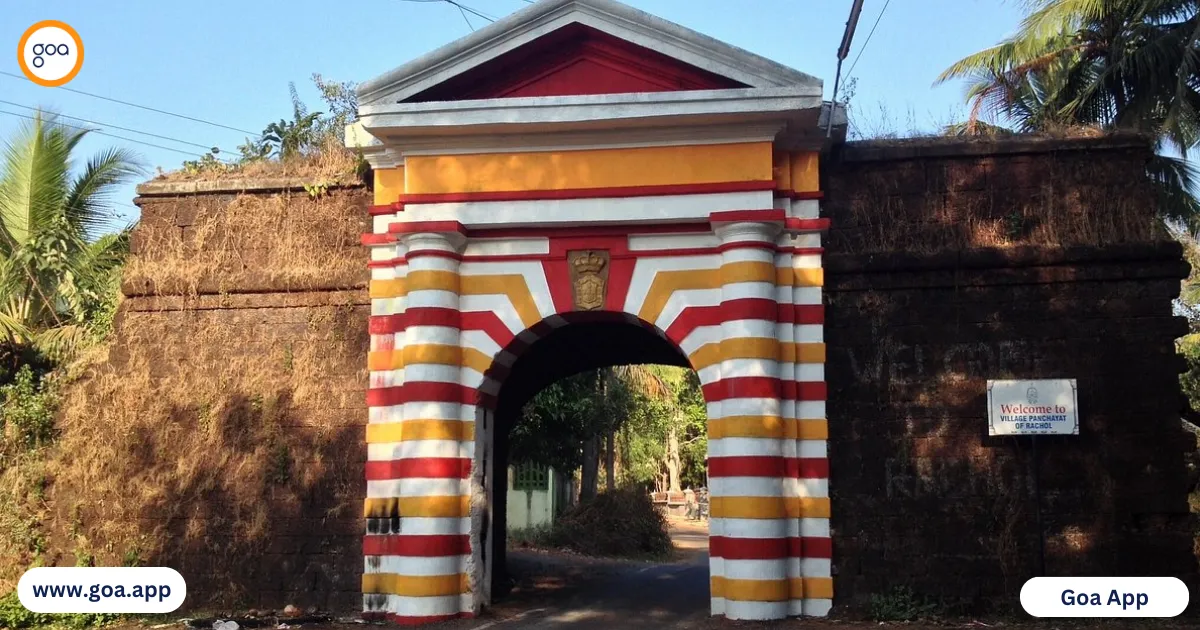
Nestled in the serene and emerald-green landscapes of South Goa, Rachol Fort stands as a silent sentinel to centuries of tumultuous history, cultural synthesis, and architectural evolution. Unlike the more commercialized and bustling forts of North Goa, such as Aguada or Chapora, Rachol Fort offers a deeply contemplative experience, taking visitors back to an era when the Zuari River was a vital artery for trade and conquest. Located approximately 7 kilometers from the commercial hub of Margao, the fort is situated in the quaint village of Rachol, an area that feels as though time has stood still. Today, what remains of the fort is primarily its iconic gateway, known as the Porta de Rachol, but the stories embedded in its laterite stones are as vast as the Goan coastline.
Rachol Fort is not just a military structure; it is a symbol of the "Old Conquests" (Velhas Conquistas) of the Portuguese. It represents the transition of Goa from a collection of warring sultanates and indigenous dynasties to a centralized colonial stronghold. The surrounding village, with its narrow winding lanes, traditional Indo-Portuguese mansions, and sprawling paddy fields, provides the perfect backdrop for this historical site. As you approach the fort, the air changes—there is a distinct sense of peace that contrasts sharply with the fort’s violent past. For the discerning traveler, Rachol is a treasure trove of heritage, offering insights into the military strategy, religious fervor, and local resilience that defined the region for over five hundred years.
In this comprehensive guide, we will explore every facet of Rachol Fort, from its pre-colonial origins under the Kadamba kings to its role as a defensive bastion against the Marathas. We will delve into the architectural nuances of its surviving structures, the spiritual significance of the adjacent Rachol Seminary, and the practical details you need to plan a perfect visit. Whether you are a history buff, a photography enthusiast, or someone looking to escape the crowded beaches of Palolem and Colva, Rachol Fort is a destination that promises a profound connection with the soul of Goa.
History of Rachol Fort
The history of Rachol Fort is a complex tapestry woven with threads of Hindu, Muslim, and Christian influence. Long before the Portuguese set foot on Indian soil, the site of Rachol was recognized for its strategic value. In the 11th century, the Kadamba dynasty, who ruled Goa with great prosperity, established a presence here. The location was ideal because it sat on the banks of the Zuari River, providing a natural defense and a vantage point to monitor maritime traffic moving toward the ancient capital of Chandrapur (modern-day Chandor).
As power shifted in the Deccan plateau, Rachol fell under the control of the Bahmani Sultanate in the mid-14th century. The Bahmanis fortified the area further, recognizing it as a key frontier post. However, their rule was contested by the Vijayanagara Empire, the great Hindu kingdom to the south. For decades, Rachol was a bone of contention between these two powers, changing hands multiple times. By the late 15th century, the Bijapur Sultanate, under the Adil Shahi dynasty, took control of the fort. They significantly strengthened the fortifications, making it one of the most formidable strongholds in the region. It was during this period that the fort earned its reputation as an "impregnable" bastion.
The most defining chapter in the history of Rachol Fort began in 1520. Following the conquest of Goa by Afonso de Albuquerque in 1510, the Portuguese were eager to expand their territories into the "Old Conquests" of Salcete. In a strategic alliance with the Vijayanagara Empire, the Portuguese commander Christovão de Figueiredo assisted King Krishnadevaraya in capturing the fort from the Adil Shahi forces. In gratitude, the Vijayanagara king ceded the fort to the Portuguese. However, the Portuguese soon realized that holding Rachol was no easy task. They spent years rebuilding and reinforcing the walls using local laterite stone, transforming it into a quintessential European-style fortification while retaining some of its indigenous layout.
Throughout the 17th century, Rachol Fort played a pivotal role in defending the Portuguese Estado da Índia against the rising power of the Maratha Empire. In 1683, the Maratha king Sambhaji launched a massive assault on the fort. The siege was brutal, and the Portuguese were nearly defeated. Legend has it that the intervention of a miraculous event—or perhaps just the arrival of a massive Maratha force elsewhere—led Sambhaji to withdraw his troops just as the fort was on the verge of falling. This event solidified Rachol's status as a symbol of Portuguese resilience. Over the centuries, as the threat from the Marathas waned and the Portuguese capital shifted from Old Goa to Panjim (Nova Goa), the military importance of Rachol declined. By the 19th century, the fort was largely decommissioned, and its stones were repurposed for other buildings, leaving behind the evocative ruins we see today.
Architecture
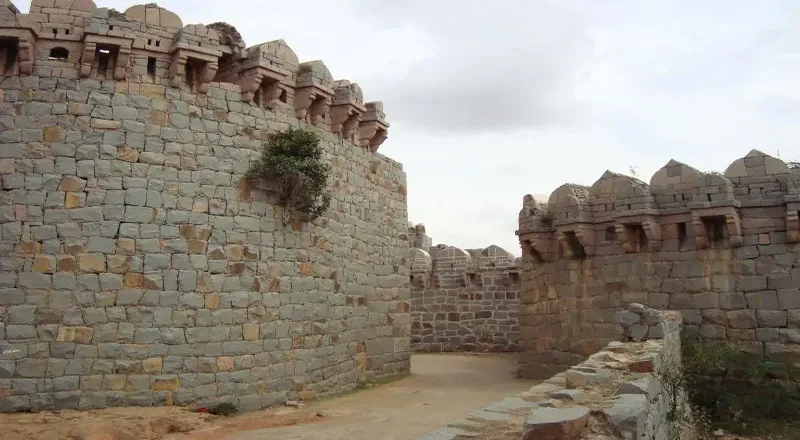
The architecture of Rachol Fort is a fascinating blend of various military styles, reflecting the different powers that occupied it over the centuries. Originally built with traditional Indian defensive techniques, it was significantly altered by the Portuguese to accommodate the use of heavy artillery and gunpowder. The primary material used in its construction is laterite, a reddish, porous volcanic rock abundant in Goa. Laterite is soft when quarried but hardens upon exposure to air, making it an ideal material for building thick, durable walls that could withstand cannon fire.
The most prominent surviving feature of the fort is the Porta de Rachol (the Gate of Rachol). This monumental archway is a classic example of Portuguese colonial architecture. It features a high, rounded arch topped with a pediment that bears the Portuguese Coat of Arms. The gateway was once equipped with a heavy wooden door and likely a drawbridge, as the fort was surrounded by a deep moat. Even today, you can see the remnants of the dry moat that once encircled the entire fortification, filled with water from the Zuari River to deter invaders.
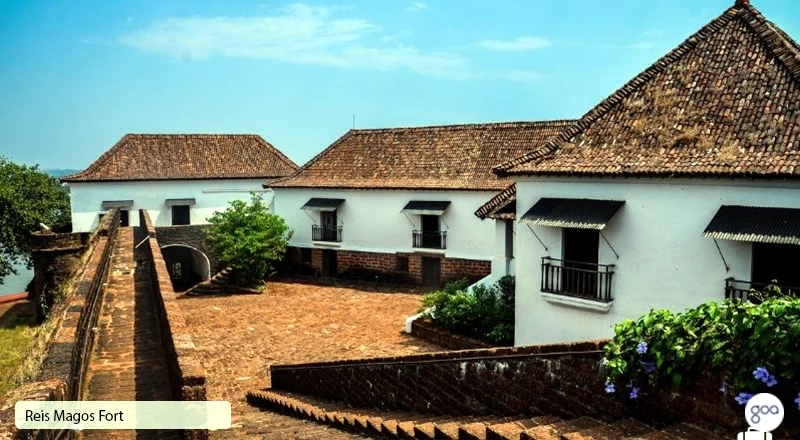
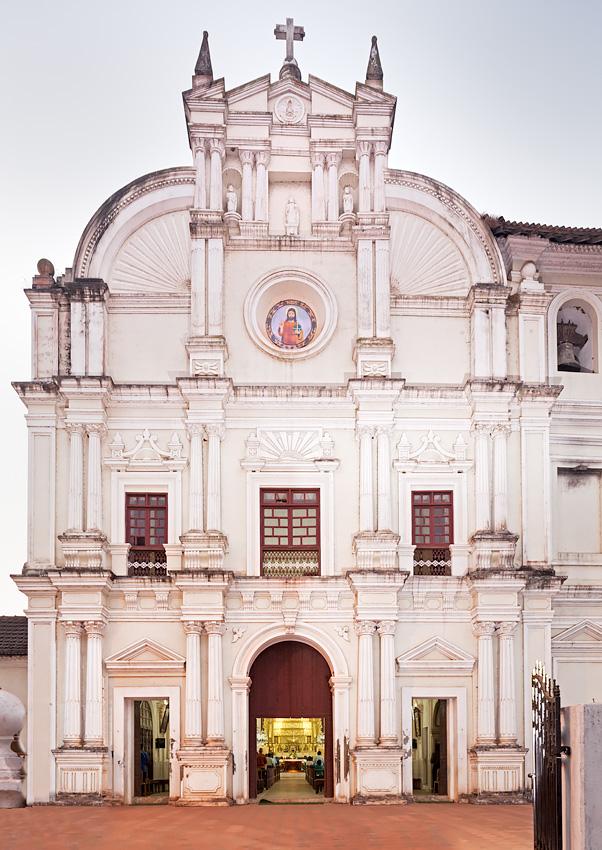
While the internal buildings of the fort have largely vanished, the layout suggests a complex system of ramparts, bastions, and watchtowers. The walls were designed with "embrasures"—openings through which cannons could be fired while protecting the defenders. One of the unique aspects of Rachol's architecture is its integration with the natural topography. The fort was built on a slight elevation, providing a clear line of sight over the surrounding plains and the river. Inside the fort complex, the architecture shifts from the military to the ecclesiastical. The nearby Rachol Seminary, though technically a separate entity, was built within the expanded outer walls of the fort. This structure features a stunning courtyard, long vaulted corridors, and a church (the Church of Ignatius of Loyola) that showcases the Mannierist style, a late Renaissance aesthetic that preceded the Baroque era in Goa. The thick walls of the seminary itself were designed to serve as a secondary line of defense, a common practice in Portuguese colonial settlements where the church and the military worked in tandem.
Why Rachol Fort is Famous
Rachol Fort is famous for several reasons that extend beyond its military history. Primarily, it is renowned as the site of the Patriarchal Seminary of Rachol, one of the oldest and most prestigious theological institutions in Asia. Founded by the Jesuits in the late 16th century, the seminary became a beacon of Christian learning and European culture in the East. It was here that the first printing press in the Salcete region was established. In 1616, the seminary's press produced the Krista Purana, an epic poem about the life of Jesus Christ written in a blend of Marathi and Konkani, which is considered a masterpiece of early Indian Christian literature.
Another reason for its fame is its association with the Maratha-Portuguese Wars. Rachol was one of the few forts that successfully resisted the might of Sambhaji’s army, a feat that earned it a place in the military annals of both India and Portugal. The fort is also famous for being the "Fort of the Viceroys." During times of plague or political instability in Old Goa, the Portuguese Viceroys often sought refuge in Rachol, making it the de facto capital of the colony for brief periods.
Furthermore, Rachol Fort is a significant site for those interested in Goan heritage. It represents the "Old Conquests" era, where the fusion of Latin and Indian cultures is most visible. The village of Rachol itself is famous for its "Ilha de Rachol" (Island of Rachol) feel, despite being connected to the mainland. The tranquility of the location, combined with the historical weight of the ruins, makes it a must-visit for anyone seeking to understand the "Real Goa" away from the neon lights of the northern beaches.
Strategic Importance
The strategic importance of Rachol Fort cannot be overstated. Geographically, it was positioned at a narrow point of the Zuari River, which allowed the occupants to control all riverine traffic moving between the coast and the inland regions of eastern Goa. In the medieval and early modern periods, rivers were the primary highways for trade, and controlling the Zuari meant controlling the movement of spices, textiles, and horses—the latter being a crucial commodity for the warring kingdoms of the Deccan.
From a defensive standpoint, Rachol served as the southern shield for the city of Old Goa (Velha Goa). If an enemy force, such as the Marathas or the Sultans of Bijapur, managed to capture Rachol, they would have a clear path to the heart of the Portuguese administration. The fort was also strategically linked to other nearby fortifications, such as the fort at Mormugao and the smaller outposts along the Salcete coast, creating a multi-layered defensive network. Its proximity to the ancient capital of Chandor also meant it could protect the wealthy landed gentry of the interior. The fort’s design, with its deep moat and high laterite walls, made it an ideal "star fort" variant, capable of providing 360-degree defensive fire, ensuring that any siege would be a long and costly affair for the attackers.
Best Time to Visit
To fully appreciate the beauty and historical atmosphere of Rachol Fort, timing is essential. The best time to visit is during the winter months, from November to February. During this period, the weather in South Goa is exceptionally pleasant, with clear blue skies and cool breezes. The temperature typically ranges from 20°C to 30°C, making it comfortable to explore the outdoor ruins and walk through the village without the stifling heat of the summer.
Alternatively, the Monsoon season (June to September) offers a completely different but equally enchanting experience. The laterite stones of the fort turn a dark, moody red, and the surrounding paddy fields become a vibrant, electric green. The Zuari River flows full and powerful, and the entire landscape feels lush and alive. However, be prepared for heavy downpours, and keep in mind that the interior of the seminary might have restricted access during certain religious festivals or heavy rain. The summer months (March to May) can be quite hot and humid, so if you visit during this time, it is best to arrive early in the morning or late in the afternoon.
Timings & Entry Fee
Visiting Rachol Fort is a relatively straightforward affair, but there are some nuances to keep in mind regarding the different parts of the complex:
- Fort Gateway (Porta de Rachol): This is located on a public road and is accessible 24 hours a day. There is no entry fee to view or photograph the gate and the surrounding ruins.
- Rachol Seminary: The seminary is a functioning religious and educational institution. It is generally open to visitors from 9:30 AM to 12:30 PM and from 2:30 PM to 5:00 PM. However, these timings can change based on the academic schedule or religious observances.
- Entry Fee: There is no official entry fee for either the fort ruins or the seminary. However, if you are taking a guided tour of the seminary, a small donation toward the maintenance of the heritage site is often appreciated.
- Mass Timings: If you wish to attend a service at the Church of Ignatius of Loyola within the seminary, masses are usually held early in the morning on weekdays and at multiple times on Sunday mornings.
Things To Do at Rachol Fort
While the fort itself is largely in ruins, a visit to Rachol offers a variety of engaging activities for travelers:
- Explore the Porta de Rachol: Spend time examining the intricate carvings on the main gateway. Look for the Portuguese coat of arms and the weathered details of the laterite stone. This is the most iconic part of the fort and provides a great sense of its former scale.
- Tour the Rachol Seminary: This is a highlight of the visit. Walk through the grand corridors lined with portraits of past archbishops. Visit the internal chapel and the Church of Ignatius of Loyola. The altar is a masterpiece of gilded woodcarving. If you are lucky, one of the resident seminarians might provide a brief history of the institution.
- Village Heritage Walk: Rachol is one of Goa's most traditional villages. Take a slow walk through the lanes surrounding the fort. You will see beautiful old houses with "balcões" (porches) and oyster-shell windows. The slow pace of life here is the perfect antidote to the touristy parts of Goa.
- Birdwatching by the Zuari: The banks of the Zuari River near the fort are excellent for birdwatching. You can spot kingfishers, egrets, and even the occasional brahminy kite. The marshy areas near the ferry point are particularly active in the early mornings.
- Take the Rachol-Shiroda Ferry: For a truly local experience, take the river ferry from Rachol to Shiroda. It’s a short, inexpensive ride that offers fantastic views of the fort from the water and a glimpse into the daily lives of the locals who use the ferry for commuting.
- Visit the Museum of Christian Art (Nearby): While the museum was originally housed in the seminary, it has moved to Old Goa. However, the seminary still holds many historical artifacts, and inquiring about them can lead to interesting conversations with the staff.
Photography Spots
Rachol Fort and its surroundings are a dream for photographers. Here are the best spots to capture the essence of the site:
- The Main Gateway (Porta de Rachol): The classic shot is from the road, capturing the archway against a clear blue sky. The red laterite provides a stunning contrast with the surrounding greenery.
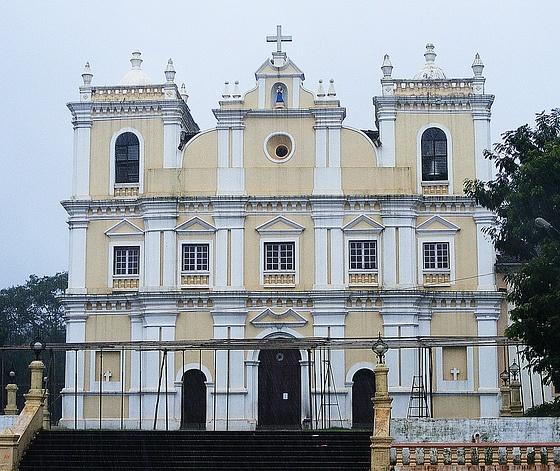
- The Seminary Facade: The massive, whitewashed walls of the Rachol Seminary, accented with yellow ochre, are incredibly photogenic, especially during the "golden hour" just before sunset.
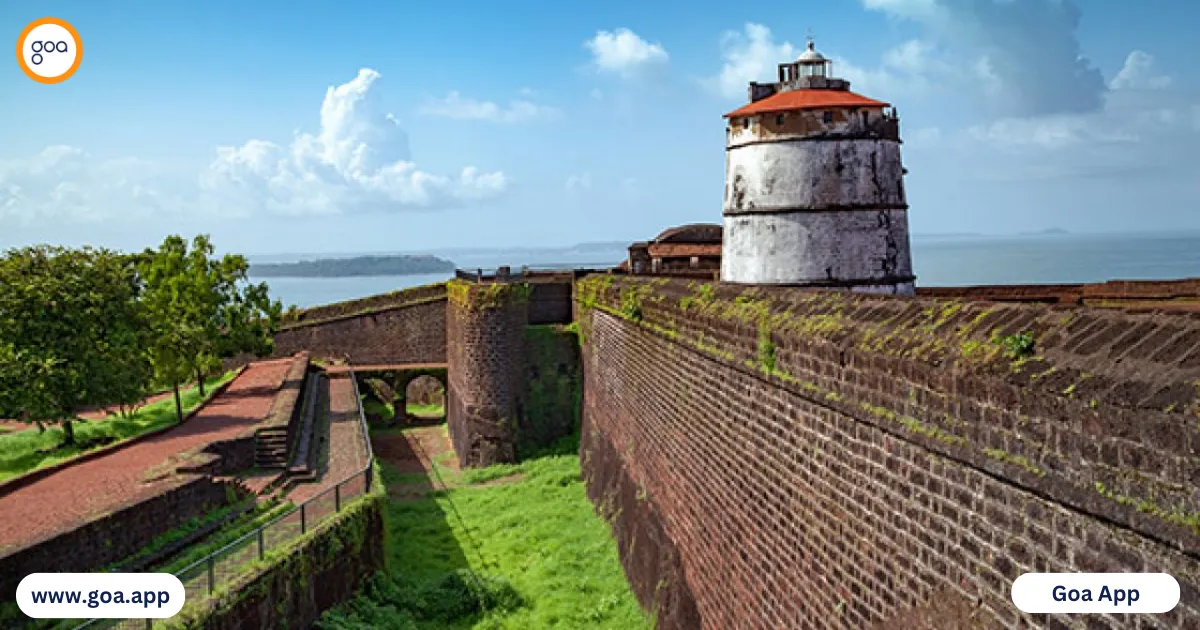
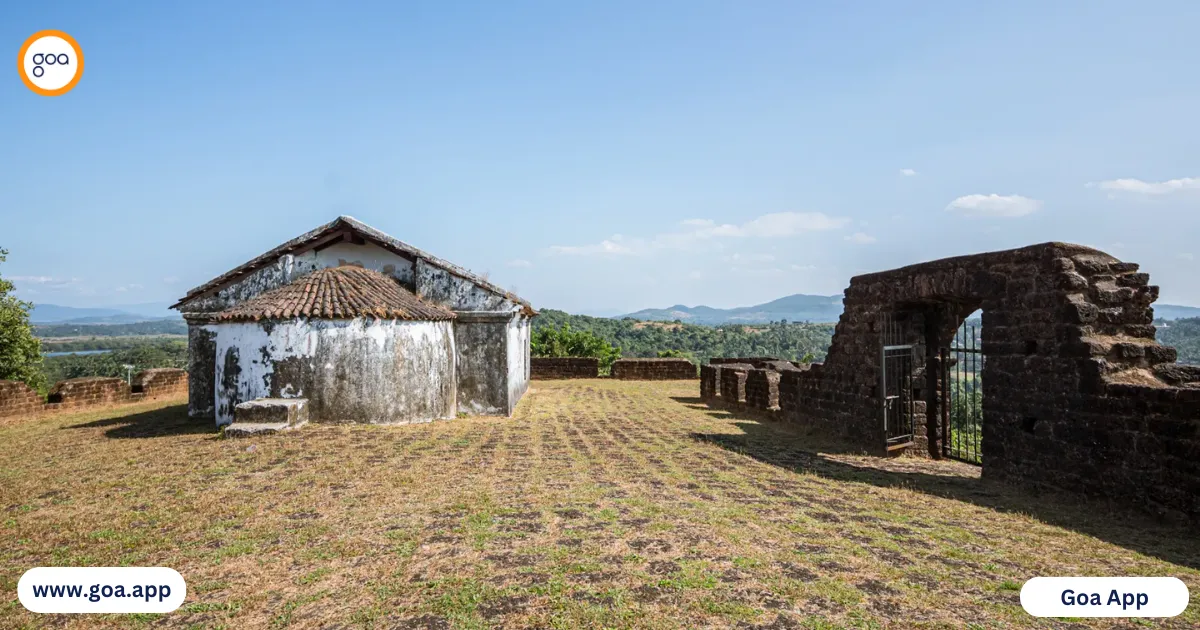
- The Moat and Ramparts: Capture the textures of the moss-covered laterite walls and the deep, overgrown moat. This area is great for "ruin photography" and capturing the passage of time.
- The Zuari Riverbank: Head down to the ferry point for panoramic shots of the river. The reflection of the coconut palms in the water and the traditional ferry boats make for excellent compositions.
- Village Life: The narrow lanes of Rachol village offer endless opportunities for street photography, focusing on Indo-Portuguese architecture and local residents going about their day.
Nearby Attractions
A visit to Rachol Fort can easily be combined with other attractions in South Goa to make a full-day itinerary:
- Ancestral Goa (Big Foot): Located in the nearby village of Loutolim, this is an open-air museum that recreates Goan village life from 100 years ago. It features the famous "Big Foot" footprint and a massive monolithic sculpture of Saint Mirabai.
- Casa Araujo Alvares: Also in Loutolim, this is a 250-year-old mansion that has been converted into a museum, offering a look into the lifestyle of the Goan landed gentry.
- Shanta Durga Temple: Located across the river in Kavlem (accessible via the ferry and a short drive), this is one of the most important Hindu temples in Goa, dedicated to the goddess of peace.
- Margao City: Explore the bustling Margao Market (MMC Market) for local spices, choriz (Goan sausage), and traditional sweets. Don't miss the Holy Spirit Church and its grand square.
- Curtorim Village: Known as the "Granary of Goa," this nearby village is famous for its vast paddy fields and the stunning St. Alex Church, which sits on the edge of a large lake.
- Chandor: Visit the Menezes Braganza House, one of the most exquisite examples of colonial architecture in Goa, located in the former capital city of Chandor.
How To Reach Rachol Fort
Rachol Fort is well-connected by road, though it feels tucked away. Here are the best ways to reach it:
- By Scooter/Car: This is the most convenient way to explore South Goa. From Margao, follow the road toward Raia and then continue to Rachol. The drive takes about 15-20 minutes and passes through beautiful countryside.
- By Bus: Local buses run from the Margao Kadamba Bus Stand to Rachol. Look for buses heading toward Shiroda or Raia. The bus will drop you in the village, and the fort gateway is a short walk from the stop.
- By Ferry: If you are coming from the Ponda side, you can drive to Shiroda and take the government-run ferry across the Zuari River to Rachol. This is a scenic and fun way to arrive, and the ferry can accommodate cars and scooters.
- By Taxi: Taxis are readily available from Margao, Colva, or Benaulim. Ensure you negotiate the fare in advance or use a taxi-hailing app like GoaMiles.
Travel Tips
To ensure a smooth and respectful visit to Rachol Fort and the seminary, keep these tips in mind:
- Dress Modestly: Since the Rachol Seminary is an active religious institution, it is important to dress respectfully. Avoid short skirts, sleeveless tops, or beachwear. Carrying a sarong or scarf to cover up is a good idea.
- Stay Hydrated: While the village is shaded by trees, the humidity in Goa can be draining. Carry a bottle of water with you.
- Respect the Silence: The seminary is a place of study and prayer. Maintain a low volume when exploring the corridors and avoid entering areas marked as private.
- Ask for Permission: Before photographing people in the village or monks in the seminary, it is always polite to ask for permission.
- Try Local Snacks: Look for small village kiosks (ganddas) selling local Goan snacks like pao com chouriço (sausage bread) or fresh feni (if you’re visiting in the right season and are so inclined).
- Combine with Loutolim: Since Rachol is relatively small, combining it with a visit to Loutolim makes for a much more fulfilling day trip.
Conclusion
Rachol Fort is far more than a collection of crumbling laterite walls; it is a gateway to the very heart of Goan history. In its silence, one can hear the echoes of ancient dynasties, the prayers of Jesuit priests, and the clash of colonial empires. It serves as a poignant reminder that Goa's identity is not just about its beaches, but about a rich, multi-layered heritage that has been shaped by the confluence of global and local forces. A visit to Rachol is an invitation to slow down, to look beyond the surface, and to appreciate the quiet dignity of a place that has weathered the storms of time. Whether you are standing under the Porta de Rachol or gazing at the gilded altars of the seminary, you are participating in a story that is nearly a thousand years old. For anyone seeking the authentic spirit of South Goa, Rachol Fort is an unmissable destination that will leave you with a deeper understanding of this unique corner of India.