Introduction to St Estevam Fort
Perched majestically atop the hill of Jua on the serene island of St Estevam, the St Estevam Fort, also known as the Fort of St. Stephen or Fortaleza de Santo Estêvão, stands as a silent sentinel to Goa’s storied colonial past. While the bustling beaches of North Goa and the pulsating nightlife of Baga and Anjuna often steal the limelight, the hinterlands of Goa harbor secrets that are far more evocative and historically significant. St Estevam Fort is one such hidden gem, located in the Ilhas (Islands) region of Goa, specifically on the lush island of Juvem. This fort is not merely a collection of laterite stones; it is a symbol of the Portuguese Empire's defensive ingenuity and a testament to the turbulent eras of Maratha-Portuguese conflicts.
As a traveler exploring the interiors of Goa, reaching St Estevam feels like stepping back in time. The island itself is often referred to as the "Island of Vegetables" due to its fertile soil, but for the history enthusiast, the fort is the crowning jewel. Unlike the more famous Fort Aguada or Chapora Fort, St Estevam offers a profound sense of solitude. The air here is thick with the scent of salty river breezes and the earthy aroma of the surrounding mangroves. As you ascend the hill, the modern world fades away, replaced by the panoramic vistas of the Mandovi River and the winding Cumbarjua Canal. This introduction to the fort is your gateway to understanding a side of Goa that remains untouched by mass tourism, offering a blend of architectural beauty, military history, and natural splendor.
The experience of visiting St Estevam Fort begins long before you reach the ramparts. It starts with the scenic drive through the narrow lanes of the St Estevam village, where traditional Indo-Portuguese houses with their vibrant ochre and indigo walls line the streets. The locals, known as Juvemkars, are proud of their heritage, and the fort is a central part of their identity. Whether you are a history buff, a nature lover, or a photographer seeking the perfect golden hour shot, this fort provides a multi-sensory experience that captures the essence of the Goan Susegad lifestyle combined with a rugged military legacy.
History of St Estevam Fort
The history of St Estevam Fort is deeply intertwined with the geopolitical struggles of the 17th century. Built in 1668 by the Portuguese, the fort was strategically commissioned during the tenure of the Viceroy Francisco de Távora, the Count of Alvor. Its primary purpose was to serve as an outpost to guard the eastern frontiers of the Portuguese "Old Conquests" against the rising power of the Maratha Empire and the Bijapur Sultanate. The island of Juvem was a critical entry point into the heart of Goa, and controlling the heights of the Jua hill meant controlling the movement of enemy vessels along the Mandovi River.
One of the most significant events in the fort's history occurred in 1683. During this period, the Maratha King Sambhaji Maharaj launched a daring campaign to capture Goa. His forces managed to seize the fort of St Estevam, posing a direct threat to the capital at Old Goa (Velha Goa). The Portuguese were forced to launch a counter-offensive to reclaim this vital position. Legend has it that the Portuguese forces were so desperate that the Viceroy himself led the charge. The battle was fierce, and although the Marathas eventually withdrew due to the arrival of Mughal reinforcements on their own borders, the vulnerability of the fort was exposed. This led to further reinforcements and structural changes to the fort’s design over the subsequent decades.
In the 18th and 19th centuries, as the threat of Maratha invasions subsided and the Portuguese expanded their territories into the "New Conquests," the strategic importance of St Estevam Fort began to wane. It was eventually abandoned by the military and left to the mercy of the tropical elements. For over a century, the fort lay in ruins, with banyan trees entwining their roots through the laterite walls, creating a hauntingly beautiful scene of nature reclaiming stone. It wasn't until the early 21st century that the Goa Tourism Development Corporation (GTDC) and the Directorate of Archives and Archaeology undertook a massive restoration project. Today, the restored fort stands as a bridge between the 17th-century military architecture and modern Goan heritage conservation efforts.
Architecture
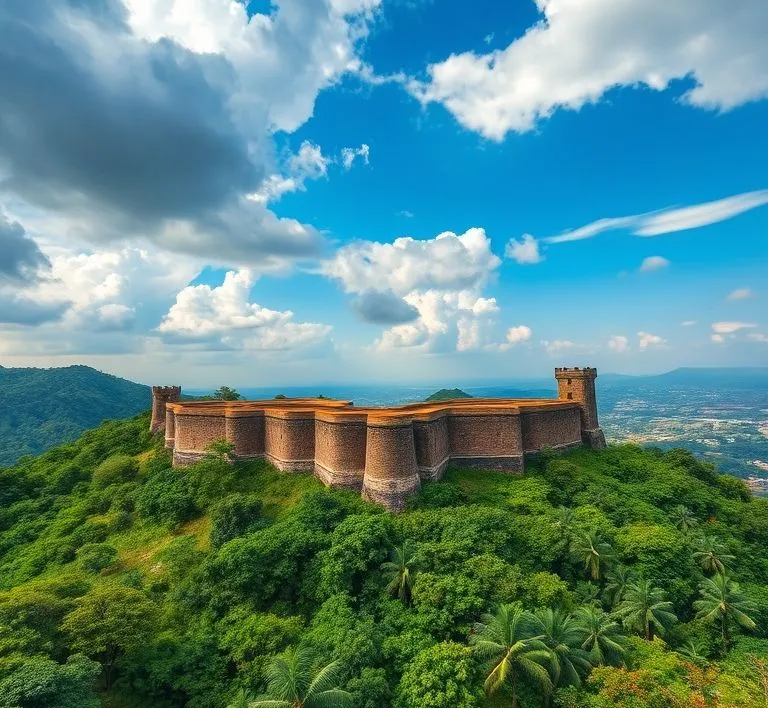
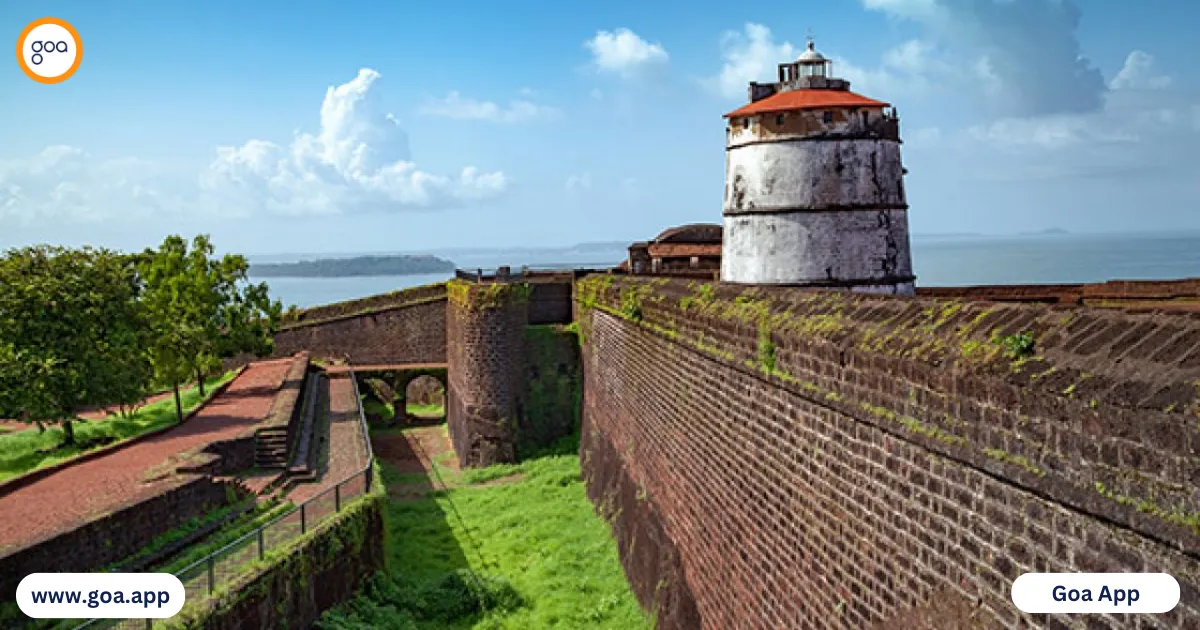
The architecture of St Estevam Fort is a classic example of Portuguese military engineering adapted to the local Goan topography. The primary building material is red laterite stone, a porous volcanic rock abundant in the Konkan region. This stone, while easy to quarry, hardens over time when exposed to the atmosphere, making it an ideal material for defensive structures. The fort is characterized by its unique circular bastion, a design departure from the more common star-shaped or rectangular forts found elsewhere in Goa. This circularity allowed for a 360-degree field of fire, ensuring that no enemy could approach the hill undetected.
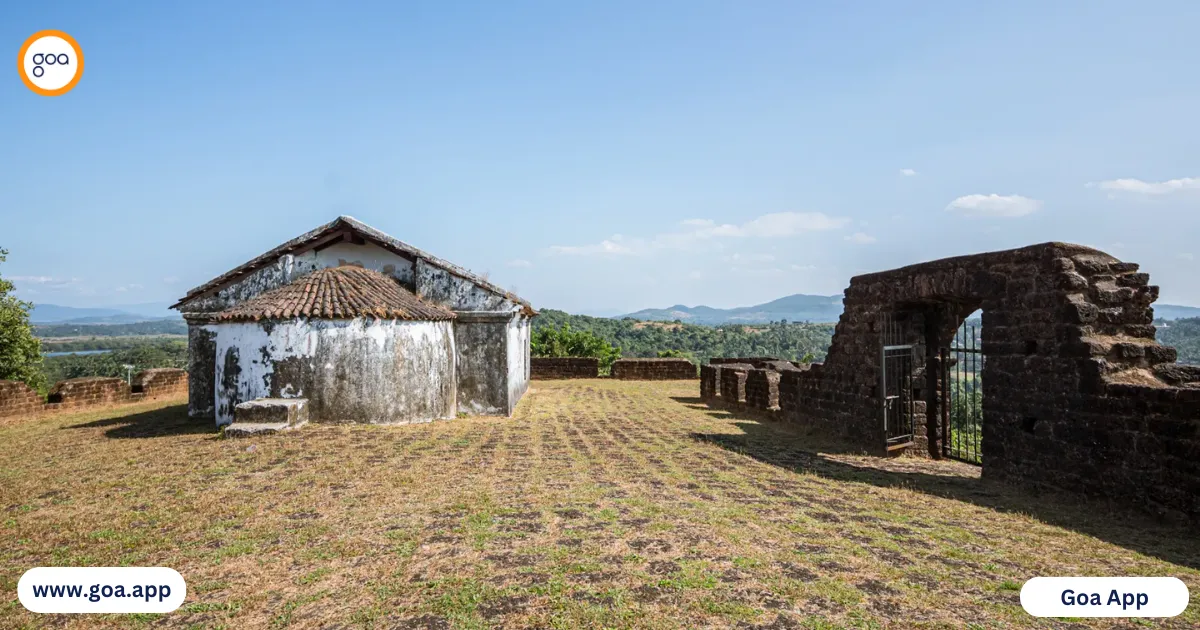
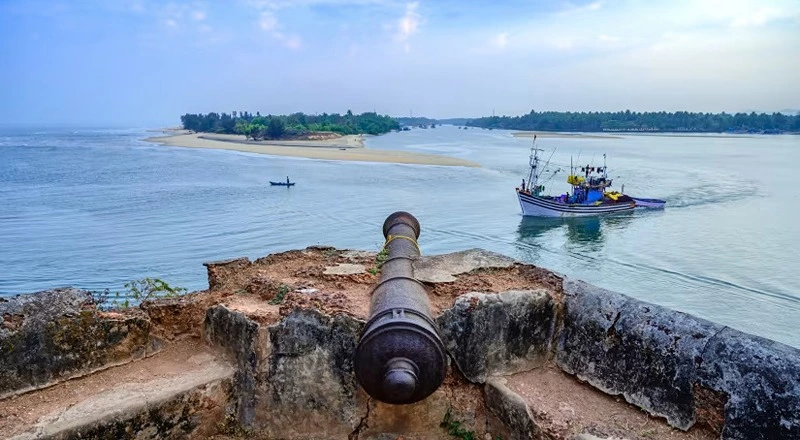
As you enter the fort, you are greeted by a series of concentric ramparts. The walls are thick and sturdy, designed to withstand cannon fire. One of the most striking architectural features is the narrow, winding staircase that leads to the top of the bastion. These steps are steep and were designed to be easily defensible; a few soldiers at the top could hold off a much larger force climbing from below. The top of the fort features a flat plateau where cannons were once mounted. Today, while the cannons are gone, the stone embrasures remain, framing the landscape like natural windows.
In 1926, a significant addition was made to the fort’s architectural landscape: the statue of Cristo Rei (Christ the King). This white-washed statue sits atop a pedestal within the fort complex, overlooking the village and the river. It adds a religious dimension to the military site, reflecting the deep-seated Catholic faith of the islanders. The juxtaposition of the rugged, weathered laterite walls with the pristine white statue creates a visual contrast that is both striking and serene. The restoration work has also added modern pathways and railings, ensuring that the architectural integrity is maintained while making it accessible for contemporary visitors.
Why St Estevam Fort is Famous
St Estevam Fort is famous for several reasons, both historical and cultural. Firstly, it is renowned for its unparalleled panoramic views. From the summit, one can see the sprawling network of the Mandovi River, the lush green paddy fields of the Ilhas region, and the distant silhouettes of the Western Ghats. It is often cited as one of the best vantage points in all of Goa to understand the state's unique geography of islands and estuaries.
Secondly, the fort is famous for its association with the Maratha-Portuguese wars. It remains a site of pilgrimage for history students and scholars who wish to study the tactical movements of Sambhaji Maharaj. The fact that the Marathas were able to capture such a formidable position, even briefly, speaks volumes about their military prowess and the fort's historical significance as a frontline defense of the Portuguese capital.
Furthermore, the fort is a symbol of the St Estevam Island's identity. The island is famous for its "Seven-mouthed okra" (Saat-shiracho bhendo), a local variety of ladyfinger that is highly prized across Goa. The fort, standing tall above the fields where these vegetables grow, is seen as the guardian of the island’s agricultural heritage. It is also famous among the offbeat travel community. In a state that is rapidly urbanizing, St Estevam Fort remains a sanctuary of peace, famous for its "Instagrammable" sunsets and the sense of "Susegad" (relaxed contentment) that it evokes in every visitor.
Strategic Importance
The strategic importance of St Estevam Fort cannot be overstated in the context of 17th-century warfare. Its location on the Jua Hill was a masterstroke of military positioning. The hill provides a natural elevation that overlooks the Cumbarjua Canal, which was the only navigable waterway connecting the Mandovi and Zuari rivers without going out into the open sea. By controlling this canal, the Portuguese could prevent enemy fleets from bypassing their coastal defenses and striking at the heart of their territory.
The fort acted as an early warning system. Sentinels stationed here could spot movements from the mainland (then controlled by the Bijapur Sultanate and later the Marathas) miles away. The use of signal fires and bells allowed the garrison at St Estevam to communicate with other nearby forts, such as the Corjuem Fort and the defenses at Old Goa. This network of fortifications created a "ring of fire" that protected the Portuguese administrative and religious hub.
Additionally, the fort served as a logistical hub. During times of siege, the island of Juvem, with its abundant freshwater springs and fertile land, could sustain a garrison for months. The fort’s proximity to the river also allowed for easy replenishment of supplies and ammunition via small boats. Its strategic value was so high that the Portuguese continued to maintain a presence here long after the primary threats had shifted, ensuring that the "backdoor" to Goa remained firmly bolted against any potential invaders.
Best Time to Visit
To truly appreciate the beauty of St Estevam Fort, timing is everything. The best time to visit is undoubtedly during the winter months, from November to February. During this period, the weather in Goa is exceptionally pleasant, with cool breezes and clear blue skies. The climb up the hill is much more manageable when the humidity is low, and the visibility from the top is at its peak, allowing you to see as far as the towers of Old Goa’s churches.
However, for those who don't mind a bit of rain, the monsoon season (June to September) offers a completely different experience. The entire island of St Estevam turns into a vibrant shade of emerald green. The laterite stones of the fort take on a dark, moody hue, and the moss-covered walls create a fairy-tale atmosphere. The sight of the rain clouds rolling over the Mandovi River from the fort’s ramparts is a spectacle that few tourists ever get to witness. Just be sure to wear sturdy, non-slip footwear, as the laterite can become quite slippery when wet.
In terms of the time of day, late afternoon is the most recommended. Arriving around 4:30 PM allows you to explore the architecture in the soft afternoon light and then settle down on the ramparts to witness a spectacular Goan sunset. The way the sun dips below the horizon, reflecting off the river waters and casting a golden glow over the village below, is nothing short of magical. Early mornings are also excellent for birdwatchers, as the surrounding mangroves are teeming with avian life at dawn.
Timings & Entry Fee
One of the many charms of St Estevam Fort is its accessibility. As of the current date, there is no entry fee to visit the fort. It is a public heritage site managed by the government, making it an ideal destination for budget travelers and families alike. The lack of a commercial ticket counter adds to the feeling of discovering an untouched historical site.
Regarding timings, the fort is generally open from sunrise to sunset, typically from 6:00 AM to 6:30 PM. There are no strict gates that lock you out, but for safety reasons, it is highly recommended to leave the fort before it gets completely dark. The path leading up to the fort is not well-lit, and the uneven terrain of the ruins can be hazardous at night. There are no facilities like cafes or toilets within the fort complex itself, so visitors should plan accordingly and carry their own water and snacks.
- Entry Fee: Free
- Opening Hours: 6:00 AM - 6:30 PM (Daily)
- Recommended Duration: 1 to 2 hours
- Best Day to Visit: Weekdays for maximum peace; Sundays to see the local village life in full swing.
Things To Do at St Estevam Fort
While the fort is relatively small compared to some of Goa’s coastal giants, there are plenty of activities to engage in for a fulfilling visit:
- Explore the Ruins: Walk along the circular ramparts and explore the inner chambers of the bastion. Pay attention to the masonry and the way the laterite blocks have been fitted together.
- Photography: This is a paradise for photographers. From the textures of the weathered stone to the wide-angle landscapes of the Mandovi, every corner offers a new perspective.
- Bird Watching: The island of St Estevam is a haven for birds. From the height of the fort, you can spot Kingfishers, Egrets, and even the occasional Osprey hunting in the river below.
- Meditation and Reflection: The silence at the fort is profound. Many visitors find it a perfect spot for a few minutes of quiet meditation or simply to sit and reflect while looking at the horizon.
- Picnicking: While there are no tables, the flat areas of the fort are great for a small, dry picnic. Please remember to carry all your trash back with you to keep the heritage site clean.
- Village Walk: After visiting the fort, take a walk down into the St Estevam village. Interact with the locals, see the traditional houses, and visit the local bakeries (poderes) for some fresh Goan bread.
- Visit the Statue: Spend some time at the base of the Cristo Rei statue. It’s a peaceful spot with a great view of the church below.
Photography Spots
If you are looking to capture the essence of St Estevam Fort through your lens, here are the top spots you shouldn't miss:
- The Main Bastion: Capture the circularity of the fort from a low angle to emphasize its height and strength against the sky.
- The View of the Mandovi: Use the stone embrasures (the gaps where cannons were placed) to frame the river and the islands in the distance. This creates a "natural frame" effect.
- The Cristo Rei Statue: Photographing the statue during the "blue hour" (just after sunset) with the village lights beginning to twinkle below makes for a stunning, soulful image.
- The Laterite Staircase: The narrow, steep steps provide excellent leading lines for architectural photography. The play of light and shadow on the red stone is particularly beautiful at midday.
- Macro Shots: Don't forget to zoom in on the details—the wild flowers growing in the cracks of the stone, the patterns of lichen on the walls, and the weathered texture of the ancient laterite.
- Panoramic Shots: Use your phone or camera’s panorama mode to capture the full 360-degree view from the top. The contrast between the blue water, green fields, and red fort is vivid.
Nearby Attractions
A trip to St Estevam Fort can easily be combined with other nearby attractions to make for a full day of exploration in the "Old Conquests" of Goa:
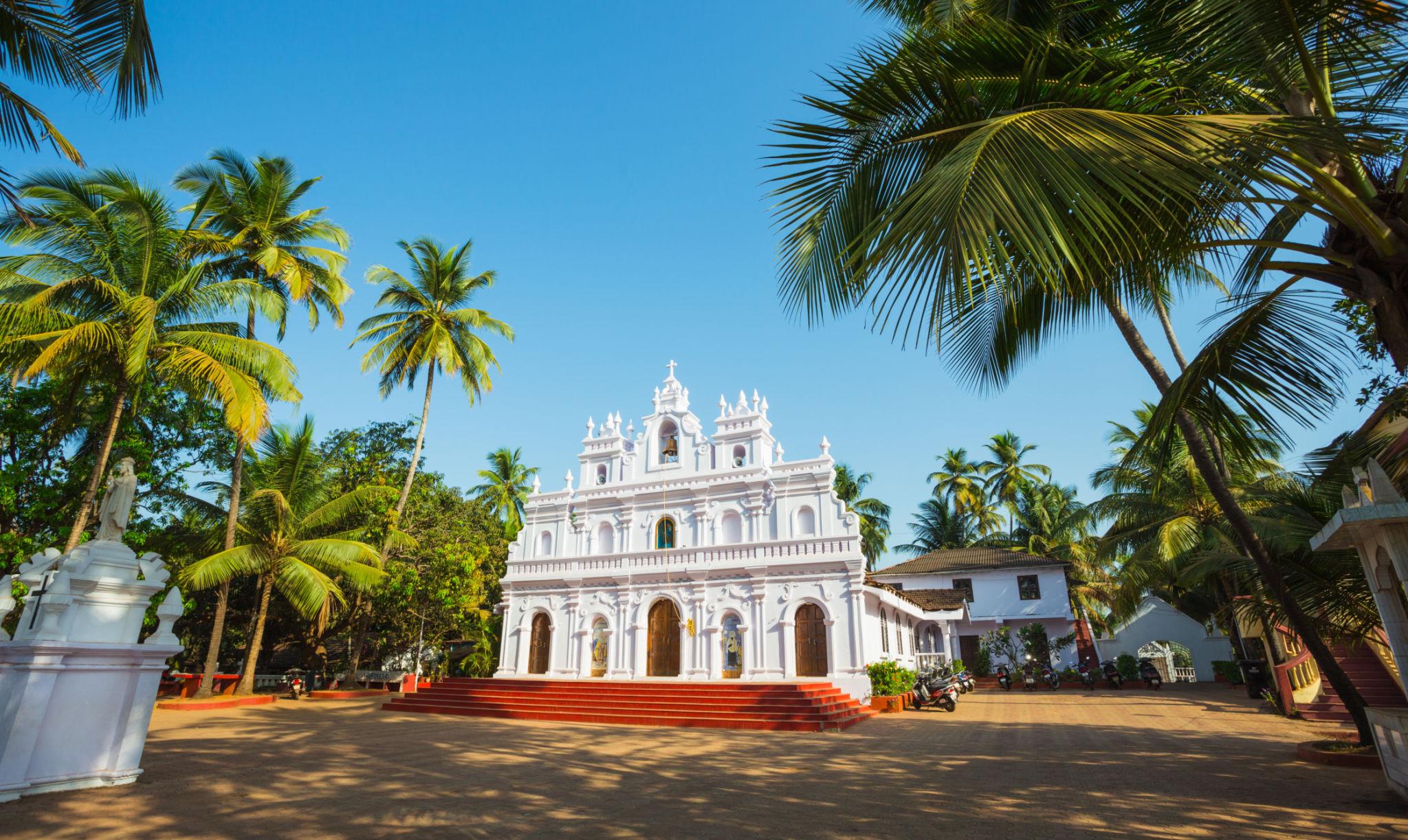
- St Estevam Church (Igreja de Santo Estêvão): Located at the foot of the hill, this is one of the largest and most beautiful churches in Goa. Built in 1759, it features a stunning facade and an intricately carved altar. It is famous for its feast day celebrations.
- Divar Island: A short ferry ride away, Divar Island is another bastion of traditional Goan culture. It is known for its scenic roads, the Piedade Church, and the annual Bonderam festival.
- Old Goa (Velha Goa): Just a 20-minute drive or boat ride away lies the UNESCO World Heritage site of Old Goa, home to the Basilica of Bom Jesus and the Se Cathedral.
- Cumbarjua Canal: Known for its crocodile-watching tours, this canal winds through the mangroves near the fort. It’s a great way to see Goa’s wildlife up close.
- Mayem Lake: Located a bit further inland, this is a popular spot for boating and enjoying the tranquil lakeside atmosphere.
- Bicholim Town: Known for its traditional pottery and the Saptakoteshwar Temple, which was rebuilt by Shivaji Maharaj, this town offers a glimpse into the Hindu heritage of the region.
How To Reach St Estevam Fort
Reaching St Estevam Fort is an adventure in itself, as the island is somewhat tucked away from the main tourist highways. Here are the best ways to get there:
By Road: You can drive to St Estevam from Panjim (approx. 20 km) or North Goa. The route typically takes you through Old Goa and then towards Banastarim. From Banastarim, a bridge connects the mainland to the island of St Estevam. The drive is incredibly scenic, passing through vast expanses of "khazan" lands (traditional Goan reclaimed wetlands).
By Ferry: For a more authentic Goan experience, take the ferry. There are ferry services from Tonca (near Marcel) and Daujim (near Old Goa) that transport both people and vehicles to the island. The ferry ride is short but offers beautiful views of the river and the fort standing on the hill in the distance.
By Bus: Local buses run from Panjim and Ponda to the nearby village of Marcel or Banastarim. From there, you can take a local pilot (motorcycle taxi) or an auto-rickshaw to the fort. However, having your own transport (scooter or car) is highly recommended as public transport on the island itself is infrequent.
Navigation Tip: Once you reach the village of St Estevam, look for signs pointing towards the "Fort" or "Cristo Rei." The road winds up the hill; it is narrow but paved. You can drive almost to the base of the fort, followed by a short walk up a flight of stone steps.
Travel Tips
To ensure you have a safe and enjoyable visit to St Estevam Fort, keep these professional travel tips in mind:
- Carry Water: There are no shops at the top of the hill. The Goan sun can be unforgiving, so stay hydrated.
- Wear Proper Shoes: The steps are uneven and the ramparts can be slippery. Avoid flip-flops; opt for sneakers or trekking sandals with a good grip.
- Respect the Silence: St Estevam is a quiet, residential island. Avoid playing loud music or making excessive noise that might disturb the locals or the serene atmosphere of the fort.
- Sun Protection: Wear a hat, sunglasses, and apply sunscreen. There is very little shade at the top of the fort.
- Safety First: The ramparts do not have high railings in all places. Be extremely careful when walking near the edges, especially if you are traveling with children.
- Leave No Trace: As a responsible traveler, ensure you do not leave any litter behind. The preservation of these heritage sites depends on the respect shown by visitors.
- Check the Weather: If it’s raining heavily, the view might be obscured by clouds, and the climb could be dangerous. Check the local forecast before heading out.
- Local Etiquette: If you visit the nearby church, ensure you are dressed modestly (shoulders and knees covered) as a mark of respect for the local religious customs.
Conclusion
St Estevam Fort is more than just a historical monument; it is a profound experience that captures the soul of Goa’s hinterlands. It stands as a reminder of a time when the waters of the Mandovi were a theater of war and the hills of Juvem were a shield for an empire. Today, it offers a different kind of protection—a refuge for the weary traveler looking to escape the commercialized chaos of modern tourism. Its rugged laterite walls, the spiritual presence of the Cristo Rei statue, and the breathtaking vistas of the Goan landscape make it a destination that resonates with anyone who appreciates history, nature, and tranquility.
Visiting this fort is an invitation to explore the "Real Goa"—a land of quiet islands, ancient traditions, and resilient beauty. Whether you are standing on the ramparts watching the sunset or walking through the emerald green fields of the village below, St Estevam leaves an indelible mark on your heart. It is a place where every stone has a story to tell, and every breeze carries the echoes of the past. So, on your next trip to the sunshine state, venture off the beaten path and discover the majestic St Estevam Fort. It is a journey into the heart of Goan heritage that you will cherish long after you have left its shores.