Explore sections of this guide
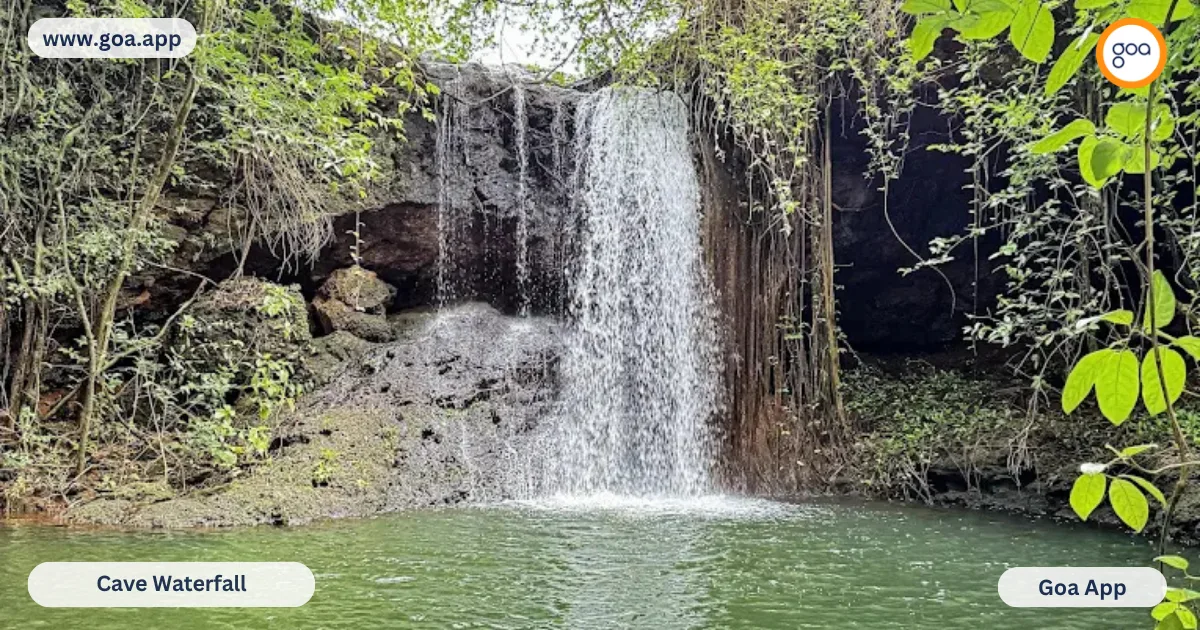
Deep within the verdant embrace of the Sattari Taluka in North Goa lies one of the state's most well-kept secrets: the Cave Waterfall. Often overshadowed by the roaring Dudhsagar Falls, this hidden gem offers an intimate encounter with the raw, pulsating heart of the Western Ghats. The Cave Waterfall is not just a singular destination; it is a geological marvel where the elements of earth and water have conspired over millennia to create a literal sanctuary. Unlike traditional waterfalls that cascade down a flat cliff face, the Cave Waterfall features a significant rocky overhang—a natural cavern—that allows visitors to stand directly behind the thundering curtain of water.
This location is part of the Mhadei Wildlife Sanctuary ecosystem, a region globally recognized for its incredible biodiversity and status as a "hottest hotspot" for endemic species. As a professional travel writer who has traversed the length and breadth of Goa, I can attest that the air here feels different—it is thick with the scent of petrichor, wild moss, and the ancient spirit of the Sahyadri mountains. The waterfall is a seasonal spectacle, reaching its peak majesty during the monsoon months when the tropical rains of the Arabian Sea lash against the hills, feeding the numerous mountain streams that eventually unite to form this spectacular cascade.
The "Cave" aspect of the waterfall provides a unique acoustic experience. When you stand inside the rocky hollow, the sound of the water hitting the plunge pool below is amplified, creating a rhythmic, meditative drone that drowns out the outside world. It is a place of profound solitude, where the vibrant greens of the ferns and the dark greys of the basalt rocks create a visual palette that feels almost prehistoric. For those seeking to escape the commercialized "shack culture" of coastal Goa, the Cave Waterfall offers a portal into the state's primordial past.
Reaching the Cave Waterfall requires a blend of scenic driving and physical endurance. Located approximately 55 kilometers from the capital city of Panjim and about 65 kilometers from the northern beach hub of Mapusa, the journey is as much a part of the experience as the destination itself. To reach this hidden spot, you must head toward the Valpoi region in the Sattari district. If you are traveling from North Goa, your route will likely take you through the bustling towns of Bicholim and Sanquelim.
The most recommended mode of transport is a private vehicle, preferably a motorbike or a rugged SUV, as the roads leading into the interior of Sattari can become narrow and winding. From Valpoi, you will need to navigate toward the village of Surla or Hivre, depending on which specific trail access point you choose. The road passes through the Keri-Belgaum highway, a stretch famous for its hairpin bends and panoramic views of the Mhadei valley. Keep an eye out for local landmarks such as the Vithal Maharudra Temple in Sanquelim, which serves as an excellent midpoint marker.
Pro Tip: Download offline maps before you leave the main towns. Cellular reception is notoriously unreliable once you enter the dense canopy of the Mhadei Wildlife Sanctuary. Look for the small forest department check-posts; the guards there are often helpful in pointing you toward the correct trailhead.
Timing is everything when planning a trip to the Cave Waterfall. Because it is a rain-fed feature of the Western Ghats, its appearance changes dramatically with the seasons. To see the waterfall in its full, thunderous glory, the Monsoon Season (June to September) is the undisputed best time. During these months, the Sahyadris are transformed into a neon-green paradise, and the water volume is at its highest. However, be warned: the trek during the peak monsoon can be treacherous due to slippery mud and the presence of leeches.
For those who prefer a balance of lush scenery and safer trekking conditions, the Post-Monsoon period (October to November) is ideal. During this window, the forest is still vibrant and green, the waterfall maintains a healthy flow, and the humidity is slightly more manageable. The water in the plunge pool is also clearer during these months, making it perfect for a refreshing dip.
The Winter Season (December to February) sees the waterfall receding into a gentle trickle. While the trek is much easier and the weather is pleasant (around 20°C to 25°C), the "wow factor" of the waterfall is significantly diminished. I would strongly advise against visiting during the Summer months (March to May), as the stream often dries up completely, leaving behind only a dry rocky cave and a very hot, dusty trekking path.
The trek to Cave Waterfall is a moderate challenge that rewards the persistent traveler. Starting from the base village, the trail spans approximately 2.5 to 3.5 kilometers one way. The terrain is a classic Goan jungle path, characterized by a mix of red laterite soil, loose gravel, and dense undergrowth. You will find yourself walking under a thick canopy of Teak, Bamboo, and Cashew trees, which provides much-needed shade but also traps humidity.
The first kilometer of the trek is relatively flat, winding through local plantations where you might spot villagers tending to their crops. As you move deeper into the sanctuary, the incline increases. One of the highlights—and challenges—of this trek is the stream crossings. Depending on the rainfall, you may have to wade through knee-deep water. These streams are crystal clear and offer a great opportunity to splash your face and cool down.
As you approach the final stretch, the sound of the waterfall becomes your primary guide. The path becomes narrower and more "technical," requiring you to navigate over large, moss-covered boulders. This is where high-traction footwear is non-negotiable. The final descent into the ravine where the Cave Waterfall is located is steep; many trekkers use the sturdy roots of ancient trees as natural handrails. Total trekking time usually ranges from 60 to 90 minutes depending on your pace and the number of photo stops you take.
While the waterfall itself is the main attraction, the surrounding environment offers a plethora of activities for nature enthusiasts. First and foremost is swimming in the natural plunge pool. The water is cool, mineral-rich, and incredibly refreshing after a sweaty trek. The pool is generally safe, but always test the depth with a stick before jumping in, as the underwater topography can change after heavy rains.
Bird Watching is another high-reward activity here. The Sattari region is home to the Malabar Whistling Thrush, known locally as the "Whistling Schoolboy" for its human-like song. Keep your eyes peeled for the vibrant Malabar Trogon or the Great Hornbill soaring above the canopy. For those into Macro Photography, the forest floor is a treasure trove of exotic fungi, colorful dragonflies, and the rare Malabar Gliding Frog.
If you are looking for a more spiritual experience, the cave behind the waterfall is an exceptional spot for meditation. The "white noise" of the falling water creates a natural sensory deprivation chamber, allowing for deep focus. Additionally, many visitors enjoy a picnic on the flat rocks surrounding the pool. Just remember the golden rule of the Goan wilderness: Carry your trash back with you. The ecosystem here is fragile, and maintaining its purity is the responsibility of every traveler.
Exploring the Goan hinterlands requires a different mindset than lounging on Calangute beach. Safety should be your top priority. The most common "enemy" on this trek is the leech. During the monsoon, these small bloodsuckers are everywhere in the wet leaf litter. To protect yourself, wear long socks and tuck your trousers into them. Applying a mixture of tobacco water or salt on your shoes can also act as an effective deterrent.
Slippery Rocks: The rocks near the waterfall are covered in a thin layer of algae that is as slippery as ice. Avoid jumping from rock to rock. Always maintain three points of contact when climbing. Flash Floods: If it starts raining heavily while you are at the waterfall, leave immediately. Mountain streams in the Western Ghats can swell in minutes, turning a peaceful crossing into a dangerous torrent.
The Sattari district is the cultural and ecological heart of Goa, and there is plenty to see within a 20-kilometer radius of the Cave Waterfall. A must-visit is the Tambdi Surla Mahadev Temple. This 12th-century structure is the oldest temple in Goa, built from weather-resistant basalt in the Kadamba architectural style. It survived the colonial era due to its remote forest location and remains an active place of worship.
For more waterfall hopping, the Hivre Waterfalls and Charavane Waterfalls are located nearby. Each offers a different vibe—Hivre is more of a multi-tiered climb, while Charavane is known for its beautiful forest setting. If you are interested in history, the Arvalem Caves (also known as the Pandava Caves) in Sanquelim are worth a detour. These 6th-century rock-cut caves are shrouded in legend and sit right next to the beautiful Arvalem Waterfall and a historic temple.
Lastly, the Chorla Ghat road offers some of the best vistas in the state. Driving up to the Perimeter Peak or visiting the Vazira Sakla Falls (visible from the highway) provides a grander perspective of the Sahyadri range. The nearby Mhadei River also offers white-water rafting during the peak monsoon, adding an adrenaline-pumping option to your itinerary.
As of my last visit, there is no formal "ticket booth" specifically for the Cave Waterfall, as it is a natural site. However, since it falls within or borders the Mhadei Wildlife Sanctuary, you may be required to register your name at a Forest Department Check-post. Sometimes a nominal entry fee of INR 20 to INR 50 per person is collected by the local forest committee for trail maintenance and plastic management.
The timings are generally restricted to daylight hours. It is highly recommended to start your trek no later than 9:00 AM. This allows you to reach the waterfall by 10:30 AM, enjoy a few hours at the site, and head back before the afternoon rains become too heavy or the light begins to fade. The forest becomes pitch dark very quickly after 5:30 PM, and trekking in the dark is extremely dangerous due to the terrain and wildlife. Aim to be back at the base village by 4:00 PM.
Note: During periods of extreme rainfall or red alerts issued by the IMD (Indian Meteorological Department), the Forest Department may close access to all trekking trails in Sattari for safety reasons. It is always wise to check local news or ask at the Valpoi police station before heading out.
Do not expect any cafes or restaurants at the trailhead. This is a rural, forested area. For a proper meal, the town of Valpoi is your best bet. Here, you can find small, local eateries serving authentic Goan Saraswat and Catholic cuisine. Look for places serving the Goan Fish Thali—a hearty meal consisting of rice, fish curry, fried fish, and 'tisreo' (clams).
One local specialty you must try in Sattari is Chicken Xacuti made with fresh coconut and roasted spices. The flavors here are more rugged and spicy compared to the coastal versions. For a quick snack, try the Ross Omelette (omelette dipped in spicy gravy) available at many street-side carts in Sanquelim or Valpoi. If you are looking for a more "resort-style" dining experience, the restaurants at Wildernest or Swapnagandha (located on the Chorla Ghat road) offer stunning views alongside their buffet spreads, though they are a bit further away.
Packing Tip: Since there are no shops on the trek, carry high-energy snacks like nuts, bananas, and energy bars. If you want a local experience, pack some Poi (Goan bread) with a spicy filling from a bakery in Valpoi before you start your hike.
If you want to fully immerse yourself in the mountain atmosphere, I highly recommend staying overnight in the Sattari or Chorla Ghat region rather than driving back to the coast. For luxury seekers, Wildernest Nature Resort is an iconic choice. It offers eco-cottages with infinity pools that look out over the entire Mhadei valley. It is an incredible place to wake up to the sound of the Malabar Whistling Thrush.
For a more budget-friendly and authentic experience, look for homestays in Surla or Keri. These allow you to experience Goan village life firsthand, often including home-cooked meals made with ingredients grown in the backyard. Swapnagandha Resort is another excellent mid-range option that focuses on eco-tourism and offers guided treks to several nearby waterfalls, including the Cave Waterfall.
If you prefer to stay in a more "town" setting, Sanquelim has a few basic guesthouses. However, for most travelers, the Cave Waterfall is a day trip from North Goa locations like Assagao or Siolim, which are about a 1.5 to 2-hour drive away. Staying in the hinterlands, however, offers a rare peace that the beaches simply cannot match.
The Cave Waterfall is a dream for landscape photographers. The most iconic shot is, of course, from inside the cave looking out. This "frame within a frame" technique captures the silhouette of the cave's mouth with the bright, shimmering curtain of water as the focal point. To get this shot without getting your gear wet, you will need a wide-angle lens and a microfiber cloth to constantly wipe away the mist.
Another great spot is about 50 meters downstream. From here, you can capture the waterfall in its entirety, including the lush greenery surrounding the plunge pool. Use a Neutral Density (ND) filter and a tripod to achieve that "silky water" effect with a long exposure. The contrast between the dark basalt rocks and the white water creates a striking composition.
Don't forget the trail photography. The sunlight filtering through the dense canopy (the "Komorebi" effect) creates beautiful patterns on the forest floor. The stream crossings also offer great opportunities for candid "adventure" shots of your trekking companions. Golden Hour (the hour before sunset) is beautiful, but remember that the sun "sets" earlier in the deep valleys of the Ghats, so plan your shots for mid-afternoon.
On my "Goa Hidden Gem" scale, the Cave Waterfall earns a solid 9/10. It retains an air of mystery and untouched beauty that is increasingly rare in the state. Unlike Dudhsagar, which can feel like a crowded theme park during peak season, you are likely to have the Cave Waterfall almost entirely to yourself, especially if you visit on a weekday.
The Crowd Level is generally Very Low to Moderate. On weekends, you might encounter small groups of local trekkers from Panjim or Belgaum, but it rarely feels "packed." This lack of crowds is largely due to the physical effort required to reach it and the lack of commercial signage. It is a place for the "slow traveler"—the person who values the rustle of leaves over the thumping bass of a beach club. If you see more than ten people there at once, it's considered a busy day!
The Cave Waterfall is a testament to the "other" Goa—the one that exists far beyond the neon lights and crowded shorelines. It is a place where nature is still the ultimate authority, and where the simple act of walking through a forest leads to a breathtaking reward. Whether you are an avid trekker, a photography enthusiast, or someone simply looking to reconnect with the earth, this hidden sanctuary in Sattari offers an experience that is both humbling and exhilarating.
Visiting the Cave Waterfall is a reminder that Goa is not just a coastal destination; it is a gateway to the Western Ghats, an ancient mountain range that holds secrets in every fold of its green hills. As you stand behind the veil of water, listening to the roar of the falls and the whispers of the jungle, you will realize that this is the true spirit of Goa. It is wild, it is beautiful, and it is waiting for those brave enough to find it. Respect the land, leave no trace, and let the magic of the Cave Waterfall stay with you long after your trek is over.