Overview of Mist Waterfall
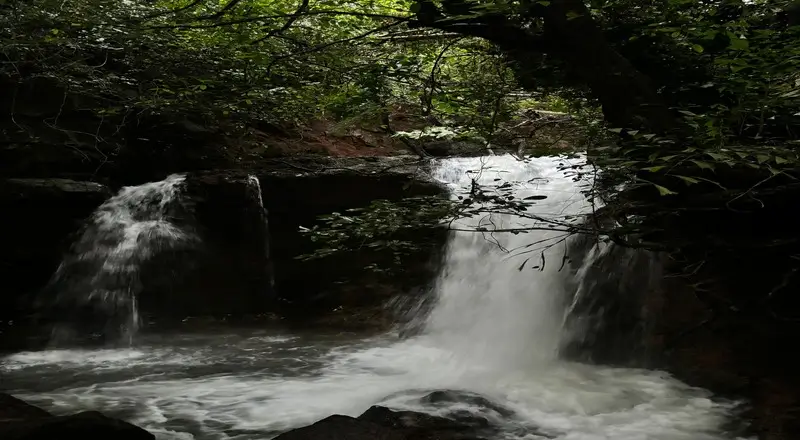
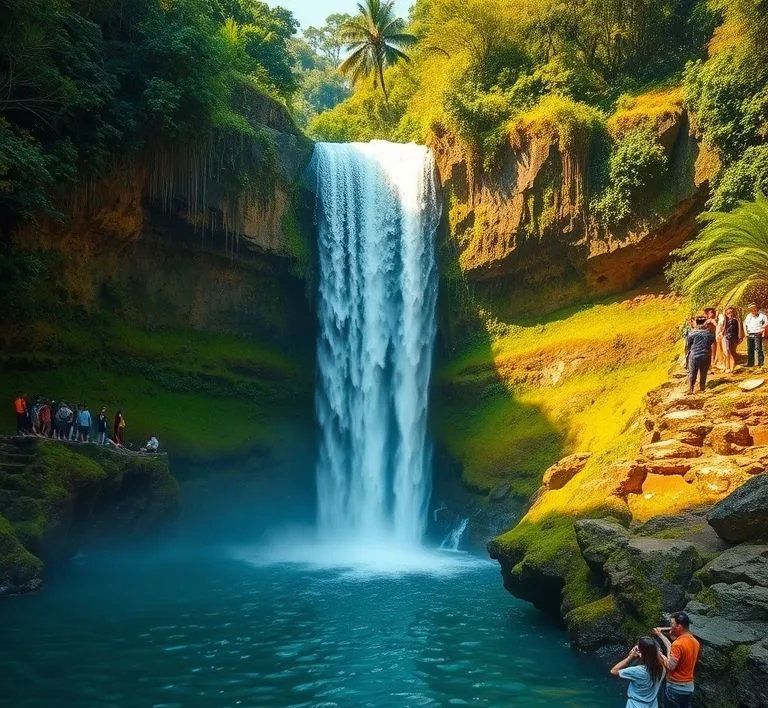
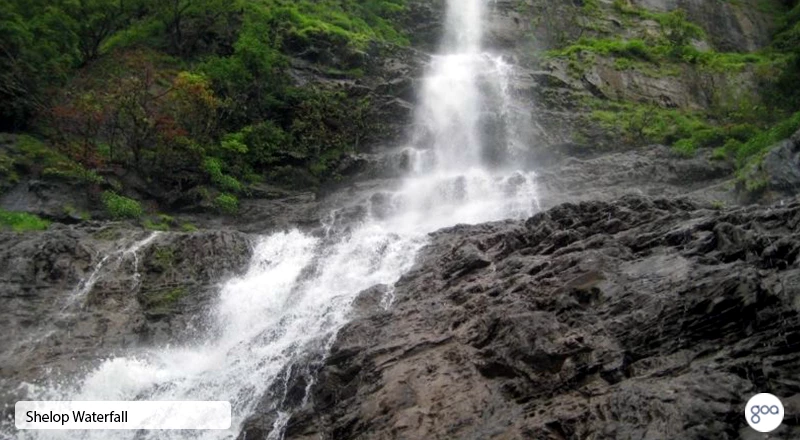
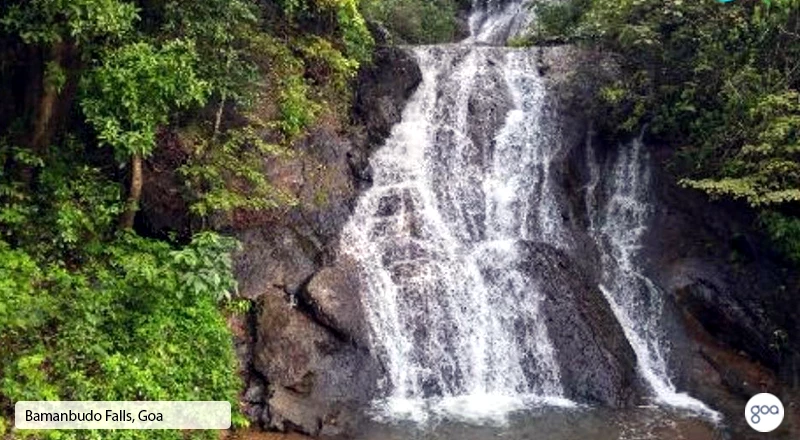
Deep within the emerald embrace of South Goa’s Sanguem Taluka lies a hidden sanctuary that remains largely untouched by the frantic pace of mainstream tourism. Mist Waterfall, a seasonal marvel tucked away in the foothills of the Western Ghats, is a testament to Goa’s dual nature. While the coastline offers sun-drenched sands and neon-lit parties, the interior—specifically the Netravali region—offers a primordial silence broken only by the roar of cascading water and the rhythmic calls of the Malabar Giant Squirrel. Mist Waterfall derives its evocative name from the fine, ethereal spray that hangs in the air long before the falls even come into view. As the water plunges over ancient basalt rock formations, it atomizes into a cool vapor that blankets the surrounding forest, creating a microclimate that feels significantly cooler than the humid Goan plains.
For the discerning traveler, Mist Waterfall is more than just a scenic spot; it is a pilgrimage into the heart of the Netravali Wildlife Sanctuary. This region is a vital part of the Sahyadri range, a UNESCO World Heritage site known for its staggering biodiversity. The waterfall itself is a multi-tiered spectacle, though the primary drop is what captures the imagination of photographers and nature enthusiasts alike. Unlike the more famous Dudhsagar Falls, which can often feel like a crowded railway station during peak season, Mist Waterfall offers a sense of profound isolation. Here, the "Goan vibe" is not about feni and shacks, but about the scent of wet earth (petrichor), the sight of rare orchids clinging to mossy trunks, and the sheer power of the monsoon rains channeled into a singular, white-water force. It represents the "Green Goa" movement—a push to appreciate the state's ecological treasures with the same fervor usually reserved for its beaches.
Top Goa Experience • Part 1
Highly Recommended Near Mist Waterfall
Explore All
The geological history of this area adds another layer of intrigue. The rocks over which Mist Waterfall flows are part of the Dharwar Craton, some of the oldest geological formations in India. As you stand at the base of the falls, you are witnessing a process of erosion and renewal that has spanned millions of years. The dense canopy above, consisting of semi-evergreen and moist deciduous forests, ensures that the area remains shaded and mysterious even at high noon. This is a place where the air is thick with oxygen and the water is pure enough to drink (though we recommend filtration). To visit Mist Waterfall is to step back into a time before the Portuguese arrival, before the hippie trails of the 70s, and into the raw, pulsating heart of the Indian jungle.
How to Reach Mist Waterfall
Reaching Mist Waterfall is an adventure in itself, requiring a blend of scenic driving and light trekking. Located approximately 75 kilometers from the state capital, Panjim, and about 50 kilometers from the commercial hub of Margao, the journey takes you through some of the most picturesque rural landscapes in India. The most common route is via the Margao-Quepem-Sanguem road. As you leave the bustling streets of Margao, the concrete structures gradually give way to sprawling cashew plantations and traditional Goan houses with red-tiled roofs and expansive balcãos.
Recommended Guide
15 Best Hill Stations Near Goa distance & Travel Tips
Discover the 15 best hill stations near Goa to visit in 2026. Our guide covers distances, trekking trails, and local highlights.
Read Guide →
- By Private Vehicle/Taxi: This is the most convenient option. If you are driving from North Goa (Calangute or Baga), expect a journey of roughly 2.5 to 3 hours. The roads are generally well-maintained until you reach the outskirts of Netravali. From Sanguem town, follow the signs toward the Netravali Wildlife Sanctuary. It is highly recommended to hire a local taxi driver who is familiar with the narrow, winding forest roads.
- By Two-Wheeler: For the adventurous soul, renting a scooter or a Royal Enfield is a popular way to reach the falls. The ride through the Ghats is exhilarating, with cool breezes and canopy-covered roads. However, be cautious during the monsoon, as the roads can become incredibly slippery, and visibility may drop due to heavy downpours. Ensure your brakes and tires are in top condition before attempting this 150km round trip from the coast.
- By Bus: While there are state-run Kadamba buses from Margao to Sanguem and occasionally to Netravali village, the frequency is low. From the Netravali bus stop, you would still need to hire a local motorcycle pilot or walk several kilometers to reach the forest entry point. This is the most budget-friendly but time-consuming method.
The final landmark before the trek begins is the Netravali Forest Department Checkpost. Here, you will need to register your details and pay a nominal entry fee. From the checkpost, a narrow dirt track leads further into the woods. During the peak monsoon, this track might be inaccessible to four-wheelers, requiring you to park and start your trek earlier. Using offline maps (like Google Maps downloaded for offline use) is essential, as cellular reception is virtually non-existent once you enter the deep forest zones of Sanguem.
Best Time to Visit
The timing of your visit to Mist Waterfall will drastically alter your experience. Because it is a seasonal waterfall fed primarily by the Southwest Monsoon, the window for seeing it in its full glory is specific. The absolute best time to visit is from late June to early October. This is when the Goan landscape transforms into a thousand shades of green, and the water volume is at its peak. The "mist" for which the fall is named is most prominent during these months, as the heavy flow crashes against the rocks with immense pressure.
Recommended Guide
Where to Party in Goa? (Ultimate 2026 Nightlife Guide)
Goa is not just a destination—it’s an experience. When the sun sets over the Arabian Sea, the state transforms into India’s ultimate nightlife capita...
Read Guide →
However, the monsoon brings its own set of challenges. July and August see the heaviest rainfall, which can make the trekking path muddy and the stream crossings potentially dangerous. If you prefer a balance of lush scenery and manageable trekking conditions, the late monsoon period (September to October) is ideal. During this time, the rains are less frequent, the paths are slightly drier, but the waterfall remains powerful and the surrounding flora is at its most vibrant.
For those who wish to avoid the rain entirely, the post-monsoon months of November and December offer a different kind of beauty. The water flow reduces to a steady, elegant stream, and the pools at the base become crystal clear and safe for swimming. The weather is also much more pleasant for trekking, with cooler temperatures and lower humidity. By February and March, the waterfall often dries up to a mere trickle or disappears entirely, so a visit during the Goan summer is generally not recommended if your primary goal is to see the falls. If you are a birdwatcher, the early morning hours in December are particularly rewarding, as migratory species frequent the forest canopy.
Recommended Guide
Water Sports in Candolim Goa | Best Prices, Packages & Booking Guide
Candolim Beach, located in North Goa, is one of the most popular destinations for water sports in Goa. Known for its clean shoreline, less crowded environm...
Read Guide →
Trek Details for Mist Waterfall
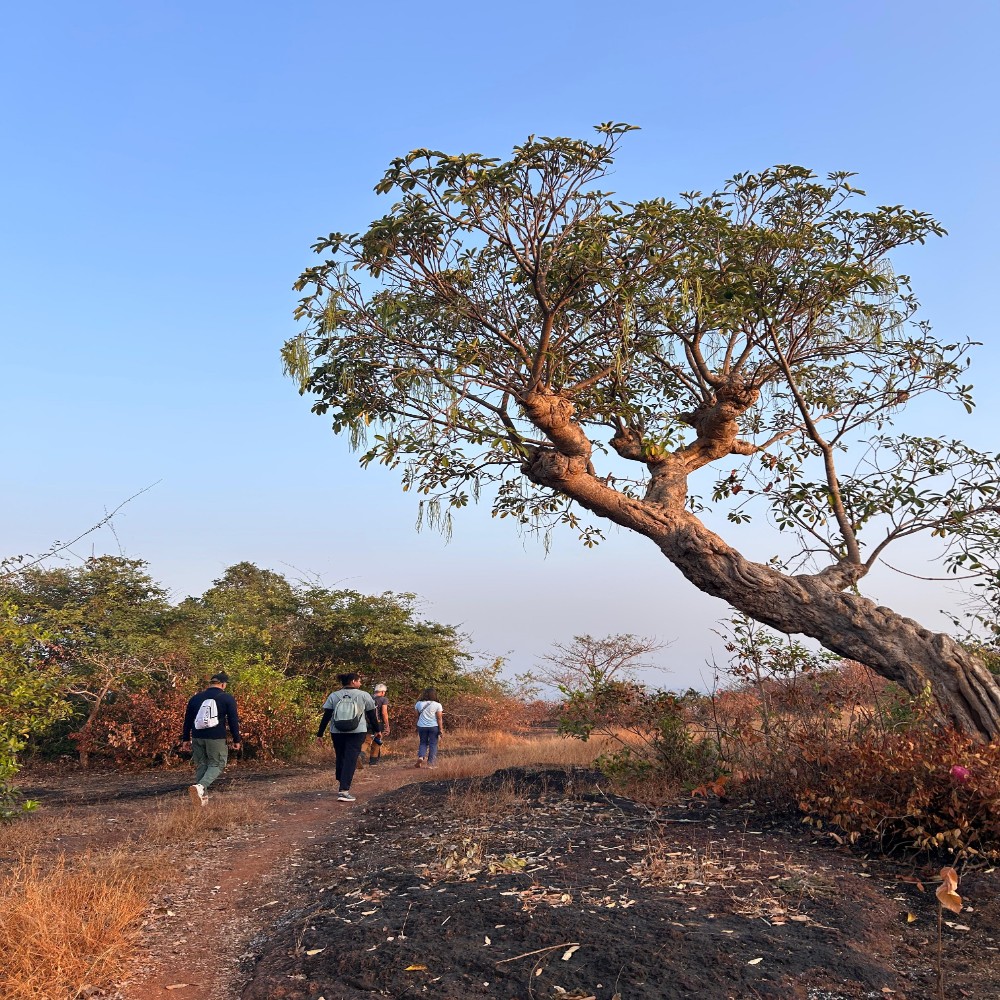
The trek to Mist Waterfall is often described as "moderate" and is suitable for anyone with a basic level of fitness. The trail is approximately 2 to 3 kilometers long (one way), depending on where you are able to park your vehicle. What makes this trek special is the immersive experience of the Western Ghats ecosystem. The path winds through dense patches of bamboo, towering teak trees, and thick undergrowth where wild ginger and turmeric grow naturally.
Top Goa Experience • Part 2
Highly Recommended Near Mist Waterfall
Explore All
As you begin the trek from the forest clearing, the first section is relatively flat, following a well-trodden path used by local forest guards. You will hear the distant hum of the waterfall long before you see it. About halfway through, the terrain becomes more uneven. You will encounter several small streams that must be crossed. During the height of the monsoon, these streams can be knee-deep, requiring careful footing on the submerged, moss-covered stones. Pro tip: Use a sturdy bamboo stick (often found lying near the trail start) for balance during these crossings.
The final 500 meters of the trek involve a slight incline and some light rock scrambling. The humidity can be high under the canopy, so expect to sweat. However, the air begins to cool as you approach the "Mist Zone." The sound of the water reaches a crescendo, and suddenly, the trees thin out to reveal the spectacular sight of the falls. The trail can be slippery, especially on the descent, so wearing shoes with excellent grip (trekking shoes or high-quality sandals with straps) is non-negotiable. Along the way, keep an eye out for the Malabar Whistling Thrush, also known as the "Whistling Schoolboy" for its human-like melodic calls, and the vibrant Blue Mormon butterfly, which is the state butterfly of neighboring Maharashtra but is frequently seen here.
Things to Do
While the waterfall is the main event, the area around Mist Waterfall offers a variety of activities for nature lovers. It is a place designed for "slow travel"—where the goal is to disconnect from the digital world and reconnect with the elements. Here are the top things to do during your visit:
- Natural Hydrotherapy: The pool at the base of Mist Waterfall is a natural jacuzzi. The force of the falling water creates a massaging effect that is incredibly refreshing after the trek. Find a safe spot where the water isn't too deep and let the cool mountain water wash away your fatigue.
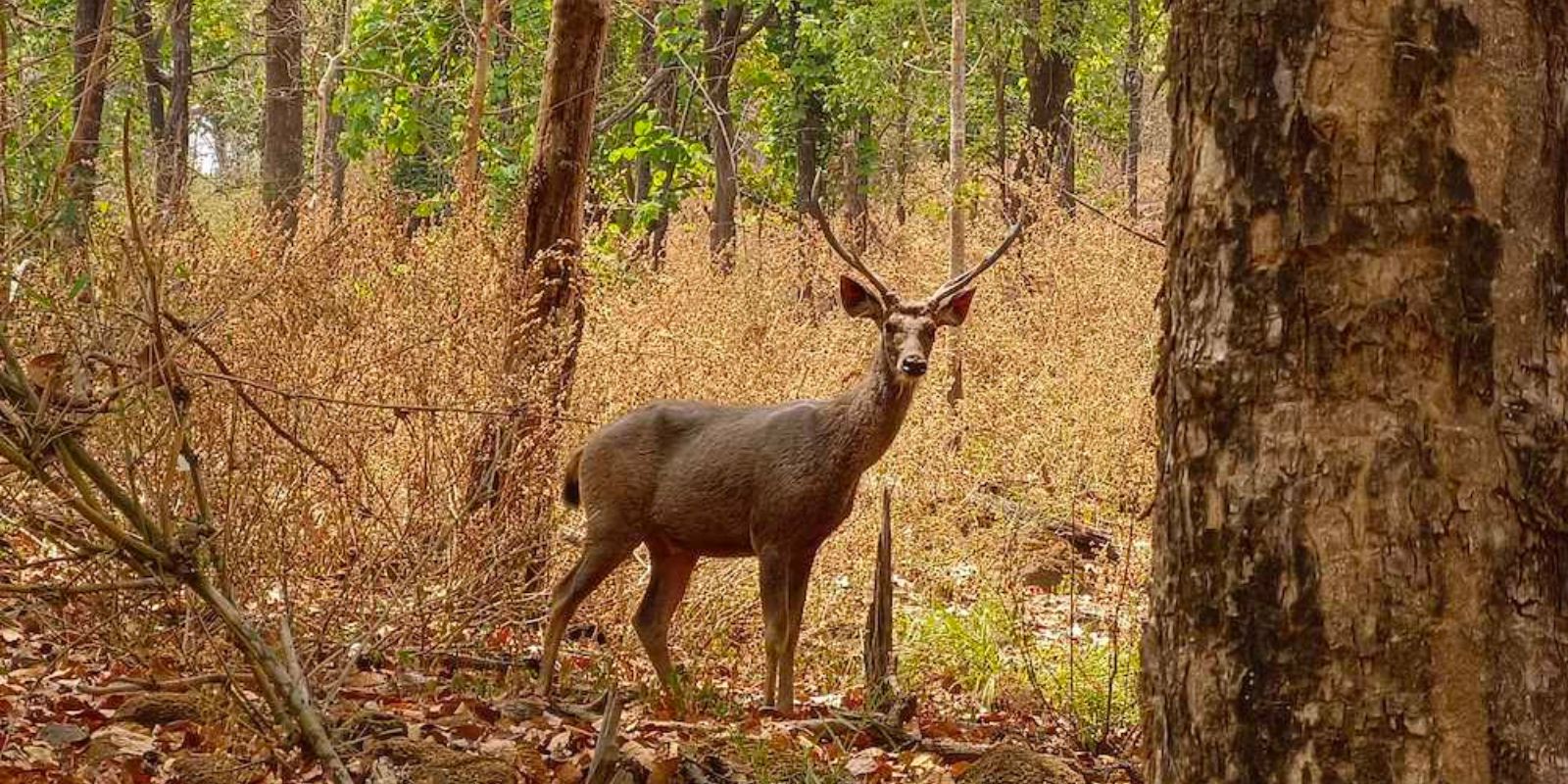
- Birdwatching and Wildlife Spotting: The Netravali Wildlife Sanctuary is a birdwatcher's paradise. Carry a pair of binoculars to spot species like the Oriental Pied Hornbill, the Fairy Bluebird, and various species of kingfishers. If you are lucky and quiet, you might even spot a barking deer or a troop of Hanuman Langurs in the higher canopy.
- Nature Photography: From macro shots of exotic fungi and moss to wide-angle long exposures of the cascading water, the photographic opportunities are endless. The soft, filtered light through the trees is perfect for capturing the moody, atmospheric essence of the Goan jungle.
- Mindfulness and Meditation: The "white noise" generated by the waterfall is a natural meditative tool. Many visitors find a flat rock away from the spray to sit in silence for twenty minutes, practicing deep breathing and soaking in the high concentration of negative ions, which are known to boost mood and energy levels.
- Picnicking: While there are no stalls at the falls, you can carry your own snacks (ensure you pack out all trash). Enjoying a simple meal of Poi (local Goan bread) and fruit while sitting by the water is a quintessential Goan experience.
Safety Tips
Exploring the wilder side of Goa requires a level of respect for nature and an awareness of potential hazards. Mist Waterfall is located in a remote area, and help is not immediately available. Following these safety guidelines will ensure your trip remains memorable for the right reasons:
- Beware of Leeches: During the monsoon, the forest floor is teeming with leeches. While they are harmless, their bites can be annoying. Wear long socks and carry a small pouch of salt or a tobacco-water spray to encourage them to detach. Tucking your trousers into your socks is a common and effective "forest fashion" choice here.
- Slippery Surfaces: The rocks around the waterfall are covered in a thin layer of algae that becomes incredibly slick when wet. Avoid jumping from rock to rock. Always test your footing before committing your weight.
- Flash Floods: If it has been raining heavily in the upper reaches of the mountains, the water level at the falls can rise rapidly without warning. If you notice the water turning muddy or see a sudden increase in debris (leaves and branches), exit the water immediately and move to higher ground.
- Wildlife Encounters: While rare, snakes like the Malabar Pit Viper are native to this region. They are well-camouflaged. Stick to the known paths and avoid sticking your hands into dark crevices or thick bushes.
- No Network Coverage: Your GPS and cell signal will likely fail. Inform someone at your hotel or a friend about your destination and expected return time. It is always better to trek in a group of at least three people.
- Hydration and Sun Protection: Even though it is a waterfall trek, the humidity can dehydrate you quickly. Carry at least two liters of water and wear biodegradable sunscreen to protect your skin without harming the aquatic ecosystem.
Nearby Attractions
The Netravali and Sanguem regions are packed with other hidden gems, making it easy to turn your visit to Mist Waterfall into a full-day or even a multi-day itinerary. Because these sites are relatively close to one another, you can experience the diverse facets of South Goa's interior.
- Mainapi Waterfall: Located within the same sanctuary, Mainapi is another stunning fall that requires a slightly more strenuous trek. It is often visited alongside Mist Waterfall for a "double feature" of Goan wilderness.
- Savari Waterfall: Known for its unique structure and the beautiful trek leading to it, Savari is a favorite among local hikers. The trail takes you through deeper parts of the jungle, offering a chance to see more wildlife.
- The Bubble Lake (Budbudyanchi Tali): Located at the Gopinath Temple in Netravali, this is a fascinating geological anomaly. When you clap your hands or make a sound, bubbles rise to the surface of the emerald-green pond. It is a sacred site and a perfect place for some quiet reflection.
- Salaulim Dam: About 30 minutes from Sanguem, this dam is famous for its unique "duckbill spillway." During the monsoon, the sight of water disappearing into the massive circular abyss is breathtaking. The botanical garden adjacent to the dam is also worth a stroll.
- Usgalimal Rock Petroglyphs: For history buffs, these ancient rock carvings on the banks of the Kushavati River date back to the Upper Paleolithic or Mesolithic eras. They are some of the oldest traces of human existence in India.
Entry Fees & Timings
Since Mist Waterfall is located within the jurisdiction of the Goa Forest Department, there are specific regulations to follow. These rules are in place to protect the fragile ecosystem of the Netravali Wildlife Sanctuary. Visitors are required to stop at the forest gate and register their names and vehicle numbers.
Entry Fees: As of the latest update, the entry fee is approximately INR 20 to 50 per person for Indian nationals, with a slightly higher fee for foreign tourists. There may be additional charges for professional cameras (DSLRs) and vehicles. It is advisable to carry small denominations of cash, as the forest guards do not have digital payment facilities.
Timings: The sanctuary typically opens at 9:00 AM and closes at 4:30 PM. It is strictly forbidden to stay inside the forest after dark. To make the most of your trip, aim to arrive at the checkpost by 9:30 AM. This gives you ample time to trek, enjoy the waterfall, and return before the gates close. During periods of extreme rainfall or red alerts issued by the IMD (Indian Meteorological Department), the forest department may temporarily close access to the waterfall for safety reasons. It is always a good idea to check local news or ask residents in Sanguem before making the long drive.
Where to Eat Nearby
You won't find fine-dining restaurants or beach shacks near Mist Waterfall, and that is part of its charm. Instead, you get to experience authentic Goan Saraswat and Catholic cuisine served in humble settings. The food in this region is characterized by the heavy use of coconut, local spices, and fresh river fish.
- Local Village Eateries (Khanavals): In Netravali village, you will find small family-run eateries. Ask for a "Fish Thali." You will be served a mound of local red rice, a bowl of Hooman (fish curry), fried fish (usually mackerel or kingfish), Kismur (dried shrimp salad), and a vegetable side dish. It is nutritious, delicious, and very affordable.
- Tanshikar Spice Farm: Located in Netravali, this organic spice farm offers a fantastic buffet lunch. Most of the ingredients are grown right on the farm. You can enjoy authentic vegetarian and non-vegetarian Goan dishes in a beautiful garden setting. Don't forget to try their herbal tea and the fresh vanilla-flavored desserts.
- Sanguem Town: If you are heading back toward Margao, Sanguem town has several small restaurants serving Goan snacks like Ros Omelette (omelette drowned in spicy chicken gravy) and Samosas. Look for "Hotel Amigo" or similar local spots for a quick, spicy bite.
- Self-Catering: Since options are limited, many trekkers carry their own food. Stop at a local bakery (Padeiro) in the morning to pick up some fresh Pao or Bol. Combined with some fruit and local cheese, it makes for a perfect forest lunch.
Accommodation Nearby
To truly soak in the atmosphere of the Netravali region, consider staying overnight rather than doing a day trip from the coast. The accommodation options here are centered around eco-tourism and homestays, offering a stark contrast to the luxury resorts of North Goa.
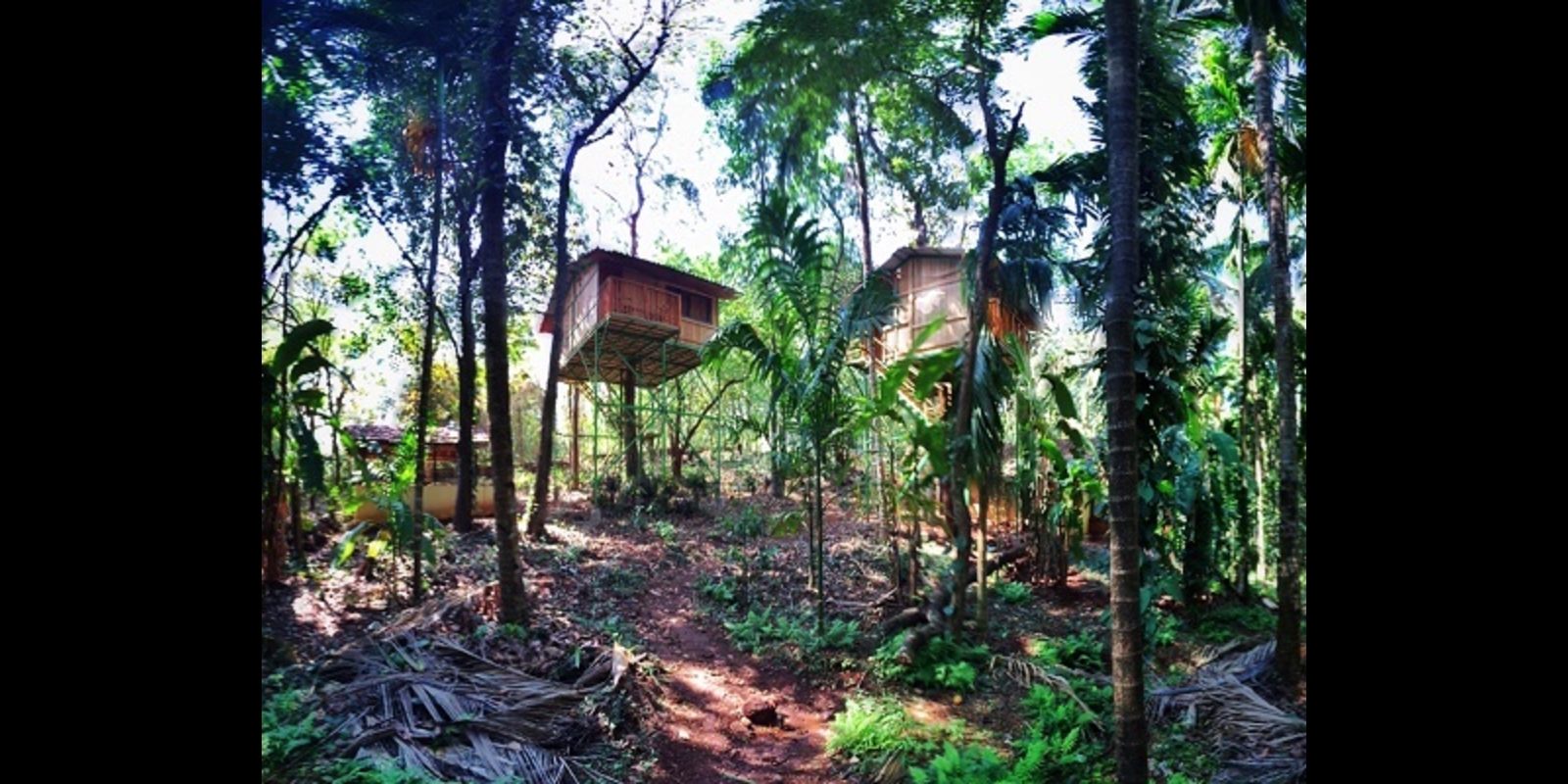
- Angad Homestay: A popular choice for trekkers, this homestay offers a rustic and authentic experience. The hosts are knowledgeable about the local trails and can often arrange for a guide to take you to Mist Waterfall.
- Tanshikar Spice Farm & Eco-Resort: They offer mud cottages that are surprisingly comfortable and stay naturally cool. Staying here allows you to wake up to the sound of birds and take a morning walk through the spice plantations. It is an immersive "farm-to-fork" experience.
- Netravali Wildlife Sanctuary Forest Guest House: Managed by the Forest Department, these rooms are basic but located right in the heart of the wilderness. Booking usually needs to be done in advance through the Forest Department office in Panjim or Margao.
- South Goa Beach Resorts: If you prefer luxury, you can stay in the Palolem or Agonda area, which is about an hour and fifteen minutes away. This allows you to enjoy the beach in the evenings and head to the mountains during the day. Resorts like The Lalit Golf & Spa Resort or boutique stays like Dunhill Beach Resort are good options.
Photography Spots
Mist Waterfall is a dream for photographers, but capturing its essence requires some planning. The lighting under the dense canopy can be tricky, often requiring a tripod for longer exposures. Here are the best spots to set up your gear:
- The Approach Path: About 100 meters before the falls, there is a clearing where you can capture the waterfall framed by ancient, liana-draped trees. This provides a sense of scale and emphasizes the "hidden" nature of the spot.
- The Mid-Level Boulders: There are several large, flat boulders at the edge of the splash zone. From here, you can get a straight-on shot of the main drop. Use a Neutral Density (ND) filter to slow down your shutter speed, turning the falling water into a silky, ethereal veil—this perfectly captures the "mist" theme.
- Macro Details: Don't just focus on the big picture. The rocks around the falls are covered in vibrant green moss, tiny wild flowers, and occasionally, colorful insects like the Lantern Fly. A macro lens will reveal a whole different world.
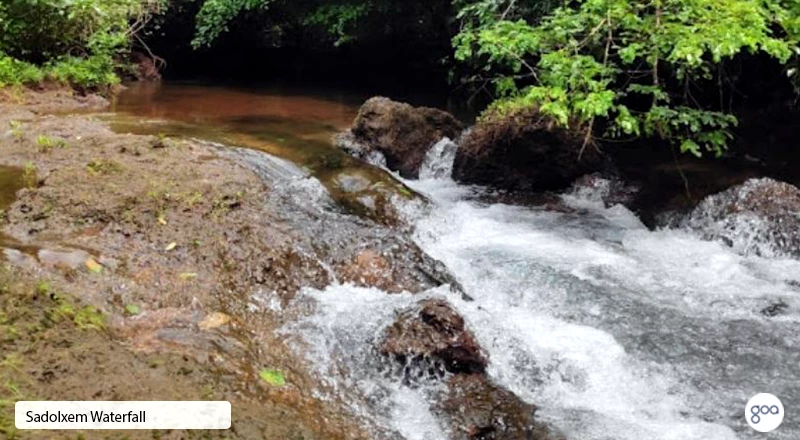
- The Stream Crossings: The small streams you cross on the way to the falls offer great opportunities for "leading line" compositions, where the stream leads the viewer's eye into the dense forest.
Note on Drones: Using drones in a Wildlife Sanctuary is generally restricted and requires prior permission from the Chief Wildlife Warden. Always check the current regulations to avoid heavy fines or equipment confiscation.
Hidden Gem Score & Crowd Level
Hidden Gem Score: 9.5/10
Mist Waterfall is one of the few places left in Goa that feels truly "undiscovered." While locals and hardcore trekkers know of it, it has not yet appeared on the itineraries of major tour operators. This gives it an air of exclusivity and purity that is increasingly rare. You won't find any plastic litter, loud music, or commercial signage here. It is a place for those who respect nature and seek solitude.
Crowd Level: Very Low
Even during the peak monsoon weekends, you are unlikely to encounter more than a handful of other visitors. On weekdays, you might have the entire waterfall to yourself. This lack of crowds makes Mist Waterfall an excellent choice for couples seeking a romantic escape or solo travelers looking for introspection. The low footfall also means the wildlife is less skittish, increasing your chances of seeing the sanctuary's inhabitants. However, this also means there is no "safety in numbers," so being prepared and cautious is vital.
Conclusion
Mist Waterfall is a reminder that the soul of Goa lies not just in its golden sands, but in its emerald peaks. It is a destination that demands effort—a long drive, a humid trek, and a willingness to get your feet muddy—but the rewards are immeasurable. In an age of over-tourism, Mist Waterfall remains a sanctuary of silence and a masterpiece of nature’s engineering. Whether you are a seasoned trekker, a passionate photographer, or simply someone looking to escape the "shack culture" for a day, this hidden gem in the Netravali Wildlife Sanctuary offers a profound connection to the earth.
As you plan your visit, remember the golden rule of the wild: "Take nothing but pictures, leave nothing but footprints." The preservation of Mist Waterfall depends on the conscious behavior of its visitors. By choosing to explore this side of Goa, you are supporting eco-tourism and helping to protect the vital biodiversity of the Western Ghats. So, pack your trekking shoes, grab your camera, and head into the mist—Goa’s most enchanting secret is waiting to be discovered.