Introduction to Ponda Fort
Nestled in the heart of the lush, emerald landscapes of Central Goa, Ponda Fort, also widely recognized as the Shivaji Fort or the Farmagudi Fort, stands as a silent sentinel to the state’s tumultuous and fascinating past. Unlike the more famous coastal fortifications like Aguada or Chapora that overlook the Arabian Sea, Ponda Fort is situated in the hinterlands, specifically in the Farmagudi area of Ponda. This region is often referred to as the "Cultural Capital of Goa" or the "Antruz Mahal," known for its dense tropical forests, sprawling spice plantations, and some of the most significant Hindu temples in the Konkan region.
Ponda Fort offers a starkly different experience compared to the sun-drenched ruins of North Goa. Here, the air is thick with the scent of wet earth and blooming wildflowers, and the historical narrative is dominated not just by European colonialists, but by the fierce Maratha warriors and the Adil Shahi dynasty. For a traveler looking to delve deeper into the soul of Goa beyond the beaches, Ponda Fort serves as the perfect starting point. It is a place where history, architecture, and nature converge to tell a story of resistance, conquest, and eventual restoration. As you walk through its gates, you are stepping onto ground that has seen the rise and fall of empires, the clash of swords, and the quiet resilience of local Goan culture.
The fort today is a blend of ancient ruins and modern restoration, surrounded by beautifully landscaped gardens that make it a favorite spot for locals and history enthusiasts alike. It represents a crucial chapter in the Maratha-Portuguese wars, a period that shaped the modern borders and cultural identity of Goa. Whether you are a dedicated history buff, a photography enthusiast, or a traveler seeking a peaceful retreat in the Goan countryside, Ponda Fort provides a rich, multi-layered experience that is both educational and aesthetically pleasing.
History of Ponda Fort
The history of Ponda Fort is a complex tapestry woven with the threads of various dynasties. The original structure was constructed by the Adil Shahi rulers of Bijapur in the 16th century. During this era, Ponda was a vital administrative and military hub for the Adil Shahis, serving as a buffer zone against the expanding Portuguese influence from the coastal "Old Conquests" (Velhas Conquistas). The fort was designed to protect the inland territories and the valuable trade routes that moved goods from the Deccan plateau to the Goan ports.
The most significant turning point in the fort's history occurred in May 1675. The legendary Maratha King, Chhatrapati Shivaji Maharaj, launched a daring campaign to liberate the region from the Adil Shahi forces. Shivaji’s army successfully captured the fort, a victory that sent shockwaves through the Portuguese administration in Panjim. Recognizing its strategic value, Shivaji Maharaj ordered the fortification to be strengthened and expanded. For the Marathas, Ponda was the "Gateway to Goa," and holding this fort meant they could exert pressure on the Portuguese and protect the local Hindu population from colonial religious policies.
However, the fort's proximity to the Portuguese territories made it a constant target. In the following decades, the fort changed hands several times. In 1683, during the reign of Sambhaji Maharaj (Shivaji’s son), the Portuguese launched a massive assault on Ponda. Despite a heroic defense by the Maratha garrison, the fort eventually suffered heavy damage. By the mid-18th century, as the Maratha Empire's influence waned in the region and the Portuguese expanded into the "New Conquests" (Novas Conquistas), the fort was finally annexed by the Portuguese. They largely dismantled the existing structures to prevent them from being used by insurgents, leaving the fort in a state of ruin for nearly two centuries.
In the post-independence era, specifically in the 1970s, the Government of Goa undertook a significant restoration project. A grand statue of Chhatrapati Shivaji Maharaj was installed to honor his legacy, and the surrounding area was developed into a public park. Today, while much of the original 16th-century masonry is gone, the site remains a powerful symbol of Maratha heritage in Goa and a tribute to the region's resistance against colonial rule.
Architecture
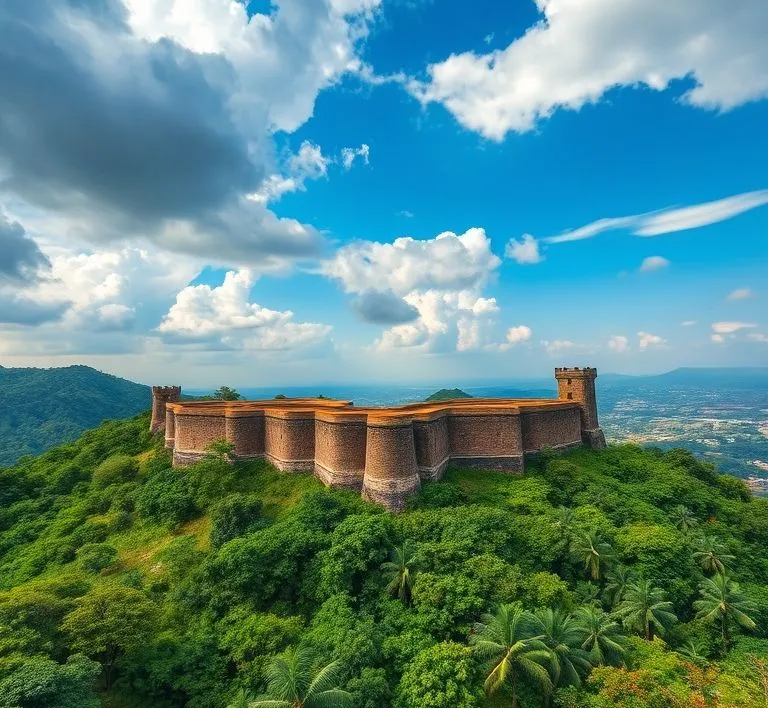
The architecture of Ponda Fort is a fascinating study of Indo-Islamic and Maratha military styles, though much of what visitors see today is a result of modern reconstruction that attempts to mirror the original aesthetic. The fort was primarily built using laterite stone, a reddish, iron-rich rock that is indigenous to the Konkan coast. This material was favored for its durability and its ability to harden over time when exposed to the elements.
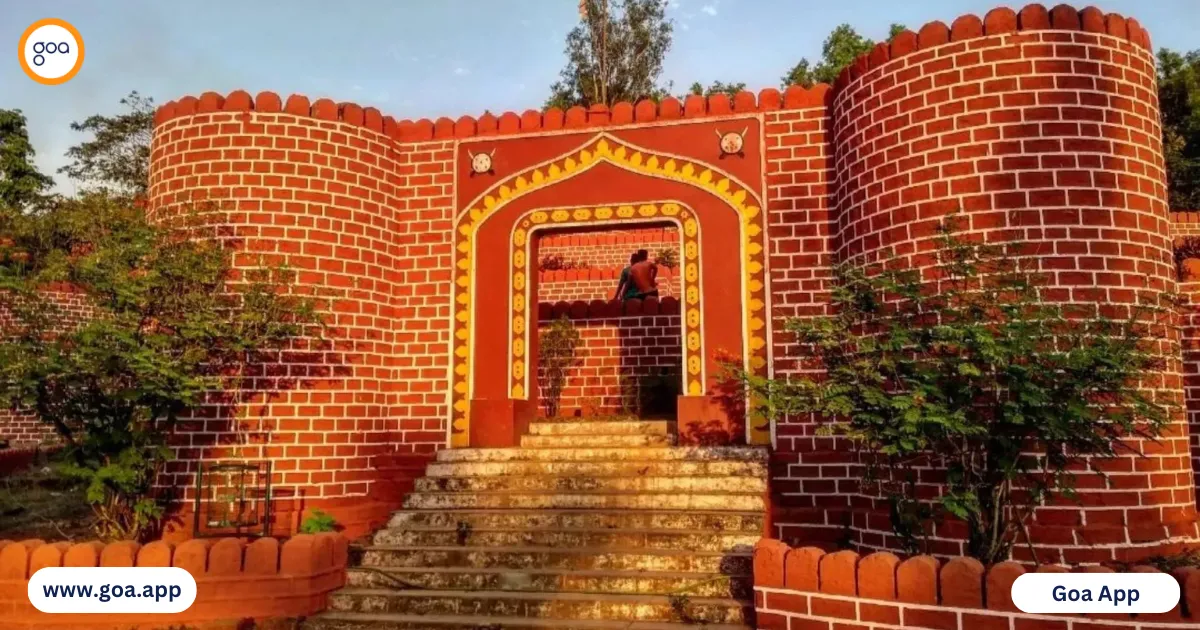
The layout of the fort is characterized by high, thick ramparts designed to withstand cannon fire. One of the most striking features of the architecture is the main gateway, which reflects the Maratha influence with its arched entrance and sturdy wooden doors (replicated in the modern era). The walls are punctuated by bastions that once housed heavy artillery, providing a 360-degree view of the surrounding valleys. These bastions were strategically placed to cover all possible approach paths, making any direct assault a suicidal mission for the enemy.
Inside the fort complex, the architecture shifts from military to commemorative. The central focus is the Shivaji Statue, which is placed on a high pedestal, surrounded by manicured lawns and pathways. The modern restoration has incorporated elements of traditional Goan and Maratha design, such as the use of sloping tiled roofs on smaller structures and decorative stone carvings. The presence of a large, well-maintained garden within the fort walls is a departure from the purely functional military designs of the past, creating a space that feels more like a memorial park than a battlefield.
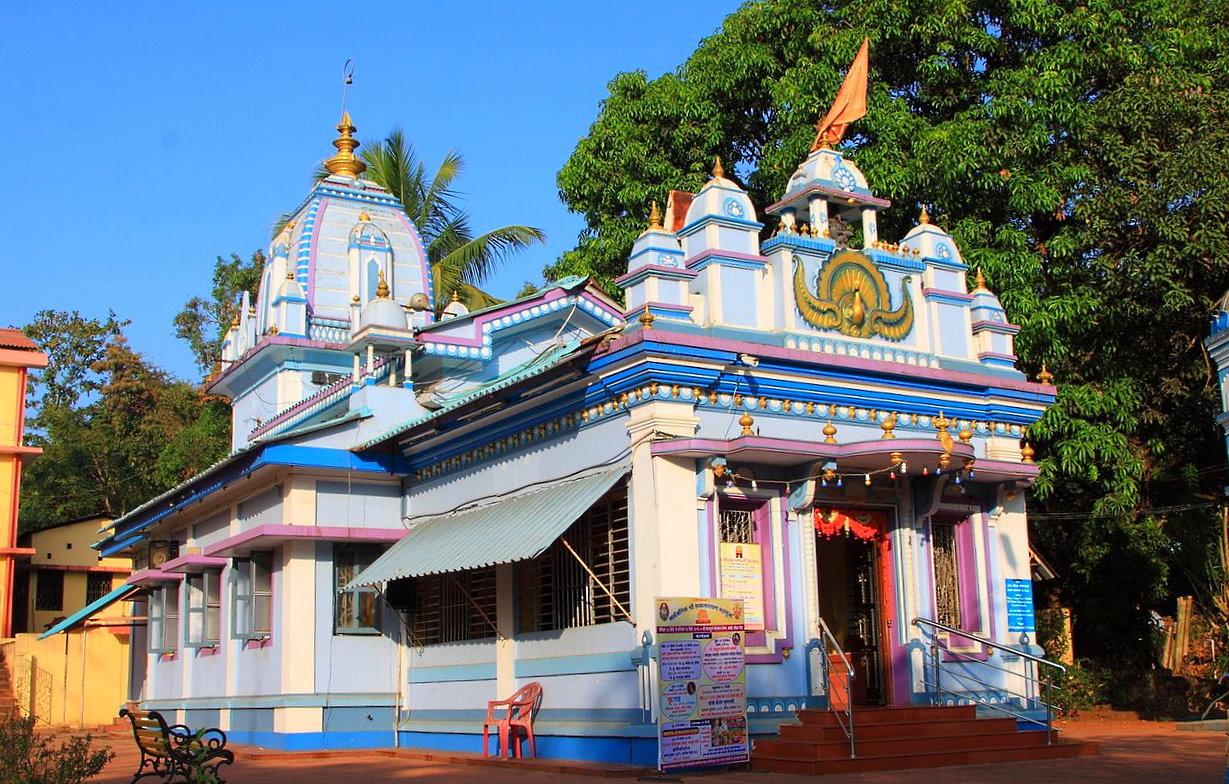
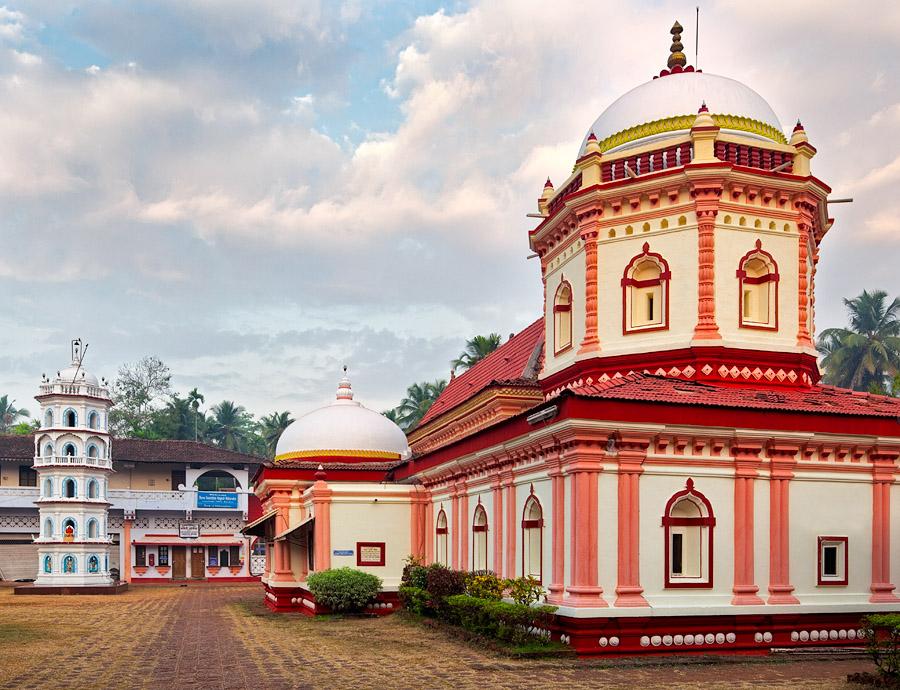
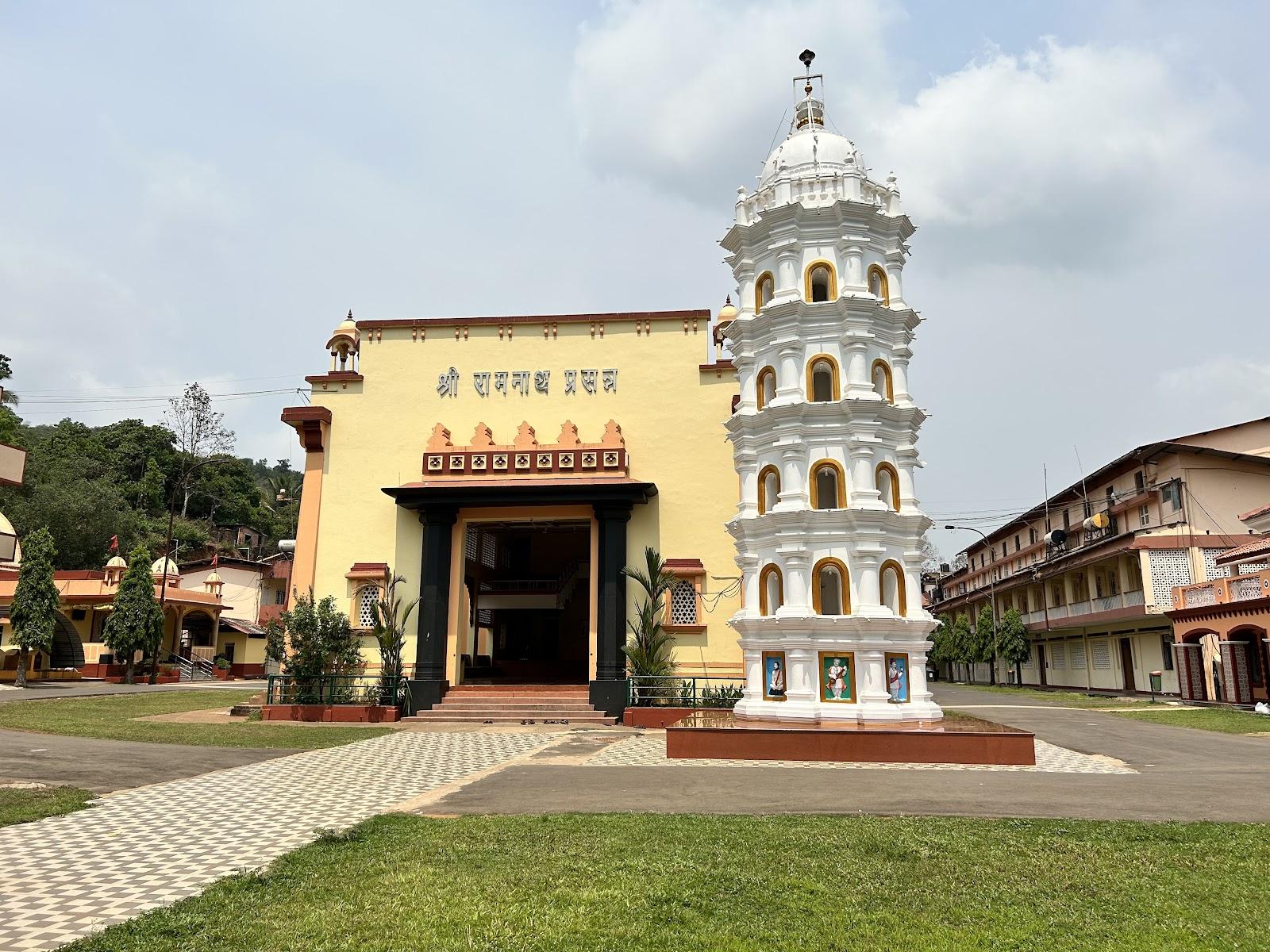
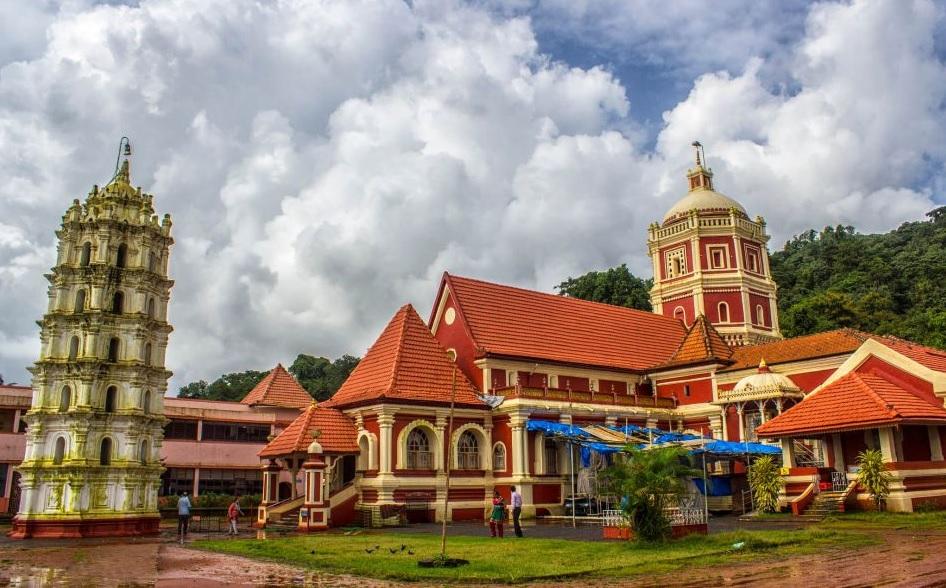
Another architectural highlight near the fort is the Ganapati Temple at Farmagudi. While technically a separate structure, its proximity and shared history with the fort make it part of the architectural landscape. The temple features a unique blend of Nagara and Goan styles, with a prominent 'Deepastambha' (lamp tower) that is characteristic of Hindu architecture in Goa. This blend of the martial and the spiritual is a hallmark of the Ponda region's architectural identity.
Why Ponda Fort is Famous
Ponda Fort holds a unique place in the hearts of Goans and visitors for several reasons, primarily its association with Chhatrapati Shivaji Maharaj. In a state where colonial history often takes center stage, Ponda Fort stands as one of the few prominent landmarks celebrating the Maratha presence and their role in the liberation of the Indian subcontinent. It is famous as the site where the Marathas successfully challenged the Adil Shahi and Portuguese powers, making it a site of great regional pride.
The fort is also famous for its role in the cultural revival of Ponda. During the Portuguese Inquisition and the period of religious persecution in the coastal areas, many Hindu deities were moved from the "Old Conquests" to the safety of Ponda, which was then under Maratha or local rule. This historical context makes the fort a symbolic guardian of the temples that now surround it. It is the "Protector of the Gods," a title that resonates deeply with the local community.
Furthermore, the fort is a major hub during the Shivaji Jayanti celebrations. Every year, thousands of people gather here to pay homage to the Maratha king with traditional music, dance, and processions. The fort's fame also stems from its scenic beauty. Surrounded by the rolling hills of the Western Ghats and situated near the prestigious Goa Engineering College, it has become a popular educational and recreational site. It offers a rare glimpse into the "green heart" of Goa, far removed from the commercialized beach belts of Calangute or Baga.
Strategic Importance
The strategic importance of Ponda Fort cannot be overstated. Geographically, it is located on a plateau that commands the main land route connecting the coastal plains of Goa to the Belgaum and Dharwad regions of Karnataka. In the 17th and 18th centuries, this was the primary artery for trade and military movement. Whoever controlled Ponda controlled the flow of goods and troops between the Sahyadri mountains and the Arabian Sea.
For the Adil Shahis, the fort was their primary defensive outpost against the Portuguese. It allowed them to maintain a presence in the Konkan and keep a watchful eye on the European settlers. For the Portuguese, capturing Ponda was essential for the security of their capital, Old Goa. As long as Ponda was in enemy hands, the capital was vulnerable to a land-based invasion. This led to numerous bloody skirmishes and sieges over the centuries.
For Shivaji Maharaj, the fort was a cornerstone of his "Swarajya" expansion. By holding Ponda, he could protect the Hindu population of Goa and create a strategic base for further naval and land operations against the Portuguese. The fort served as an intelligence-gathering post and a supply depot for Maratha troops moving through the dense forests of the Ghats. Even today, looking out from the fort’s ramparts, one can see why military tacticians valued this spot; the elevation provides a clear line of sight over miles of territory, making it nearly impossible for an army to approach undetected.
Best Time to Visit
To truly appreciate the beauty and historical atmosphere of Ponda Fort, timing is essential. The best time to visit is between November and February. During these winter months, the weather in Goa is pleasant, with clear blue skies and cool breezes. The temperature typically ranges from 20°C to 30°C, making it ideal for walking around the fort ramparts and exploring the nearby spice farms without the oppressive heat of the summer.
However, for those who want to see the fort in its most vibrant and lush state, the Monsoon season (June to September) is a fantastic choice. The entire Ponda region turns into a sea of deep green. The laterite stones of the fort take on a dark, dramatic hue, and the surrounding valleys are often shrouded in mist. While the rain can be heavy, the sight of the fort amidst the tropical downpour is incredibly romantic and evocative. Just be sure to carry a sturdy umbrella and wear non-slip footwear, as the stone paths can become quite slick.
If you are interested in cultural experiences, consider visiting during Shivaji Jayanti (usually in February) or during the Ganesh Chaturthi festival (August/September). During these times, the fort and the neighboring temples are decorated, and the atmosphere is electric with traditional Goan festivities. Avoid visiting in the peak summer months of April and May, as the inland heat in Ponda can be significantly higher than on the coast, making outdoor exploration quite draining.
Timings & Entry Fee
Ponda Fort is a highly accessible historical site, making it a great addition to any Goan itinerary. The timings are generally consistent throughout the year:
- Opening Time: 8:00 AM
- Closing Time: 6:00 PM
- Days Open: Monday to Sunday (Open all days, including public holidays)
One of the best things about Ponda Fort is that there is no entry fee for visitors. This makes it an excellent budget-friendly destination for families and students. You are free to wander through the gardens, climb the bastions, and spend as much time as you like soaking in the history. There might be a nominal parking fee for vehicles if you use the designated parking areas near the entrance, but the fort itself remains free of charge. It is recommended to arrive early in the morning, around 8:30 AM or 9:00 AM, to beat the afternoon sun and the small groups of tourists that arrive via tour buses later in the day.
Things To Do at Ponda Fort
While the fort is smaller than some of Goa’s coastal giants, there are plenty of activities to keep you engaged for a few hours:
- Explore the Ramparts: Walk along the surviving walls of the fort. The elevation provides a stunning panoramic view of the Farmagudi plateau and the winding roads of Ponda. It’s a great way to understand the military layout of the site.
- Visit the Shivaji Statue: Pay your respects at the grand bronze statue of Chhatrapati Shivaji Maharaj. The area around the statue is a peaceful spot for reflection on the region's history of resistance.
- Relax in the Gardens: The fort complex features well-maintained lawns and flower beds. It is a popular spot for a quiet stroll or a small family picnic. The shade of the large trees provides a welcome respite from the Goan sun.
- Visit the Farmagudi Ganapati Temple: Located just a stone's throw from the fort entrance, this temple is architecturally beautiful and spiritually significant. It is dedicated to Lord Ganesha and is a must-visit for its serene atmosphere.
- Learn via Information Boards: Take the time to read the plaques and information boards installed by the tourism department. They provide valuable context about the battles fought here and the restoration process.
- Bird Watching: Due to the surrounding greenery, the fort area attracts various species of local birds. If you visit early in the morning with a pair of binoculars, you might spot kingfishers, sunbirds, and even the occasional hornbill.
Photography Spots
For photographers, Ponda Fort offers a variety of textures and perspectives that are quite different from the typical "beach and palm tree" shots of Goa. Here are the best spots to capture:
- The Main Gateway: The arched entrance, with its rugged laterite stone, provides a perfect frame for historical-themed portraits. The contrast between the red stone and the green background is striking.
- The Shivaji Statue against the Sky: Shooting from a low angle makes the statue look particularly heroic. If you visit during the "Golden Hour" (just before sunset), the bronze takes on a beautiful glow.
- The Bastion Views: From the top of the bastions, you can capture the sprawling landscape of Ponda. The vista includes the red-roofed houses of the village, the dense canopy of the spice plantations, and the distant hills of the Western Ghats.
- Macro Photography in the Garden: The gardens are home to many tropical flowers and butterflies. It’s a great place to practice macro photography, especially during the monsoon when the flora is at its peak.
- The Ganapati Temple: The 'Deepastambha' of the nearby temple is a classic Goan architectural element that looks stunning when photographed against a clear blue sky or during the evening when it is lit up.
Nearby Attractions
Ponda is the heart of Goa's temple country and spice industry. You can easily combine a visit to Ponda Fort with these nearby attractions:
- Mangueshi Temple: Located about 6 km from the fort, this is one of the most famous and beautiful temples in Goa. Dedicated to Lord Shiva, its architecture is a unique blend of Hindu, Christian, and Muslim styles, featuring a magnificent seven-story lamp tower.
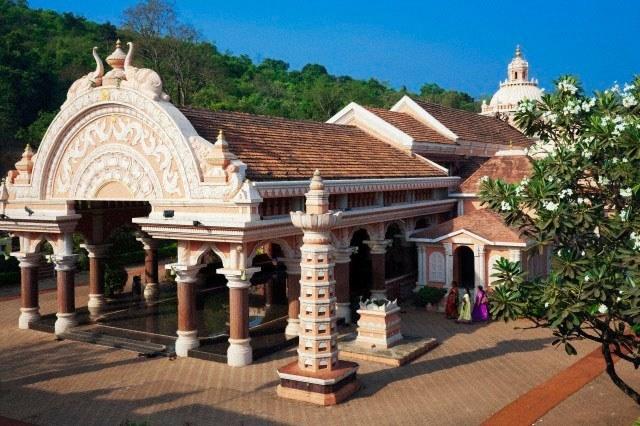
- Shanta Durga Temple: Situated in Kavlem, just a short drive away, this temple is dedicated to the Goddess of Peace. The large temple complex with its impressive water tank and sprawling courtyards is a sight to behold.
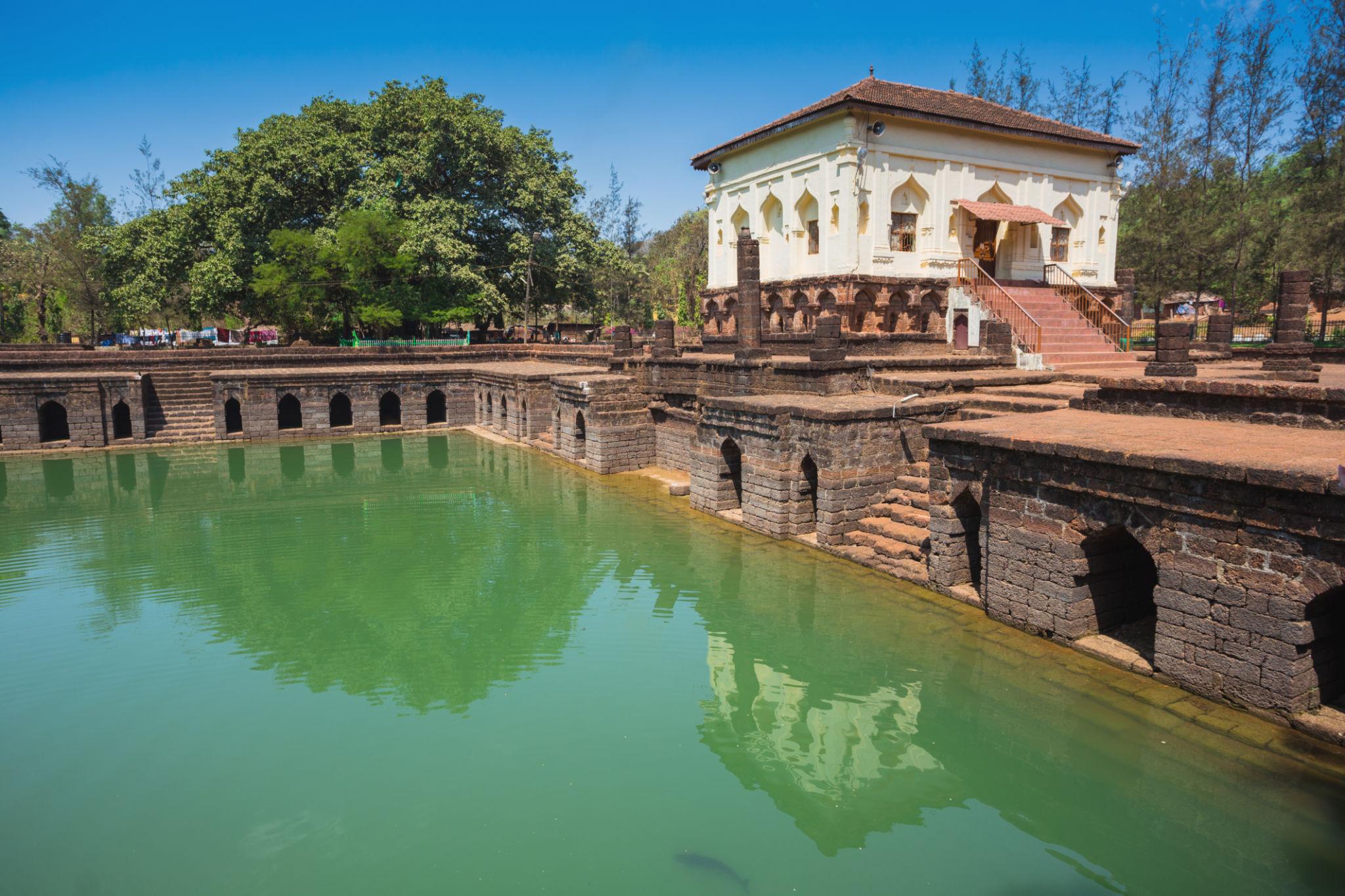
- Safa Shahouri Masjid: Built in 1560 by Ibrahim Adil Shah, this is one of the oldest mosques in Goa. It is famous for its elegant architecture and the large masonry water tank with pointed arches. It is located very close to Ponda town.
- Sahakari Spice Farm: For a sensory experience, head to this spice plantation. You can take a guided tour to learn about cardamom, vanilla, cinnamon, and black pepper, followed by a traditional Goan lunch served on banana leaves.
- Tropical Spice Plantation: Another excellent option for nature lovers, this plantation offers elephant rides and a deep dive into the biodiversity of the region.
- Bondla Wildlife Sanctuary: If you have a half-day to spare, Bondla is about 18 km away. It features a small zoo, a deer safari park, and beautiful botanical gardens, making it a hit with children.
How To Reach Ponda Fort
Ponda Fort is centrally located and well-connected by road to all major parts of Goa. Here is how you can reach it:
- From Panjim (28 km): You can take a local bus from the Kadamba Bus Stand in Panjim heading towards Ponda. The drive takes about 45-60 minutes via the NH748. Alternatively, you can hire a taxi or ride a rented scooter.
- From Margao (17 km): Ponda is very close to Margao. Frequent buses ply between the two towns. By car or bike, it’s a smooth 30-minute drive through scenic countryside.
- From North Goa Beaches (Calangute/Baga - 40-45 km): It is a longer drive of about 1.5 hours. It is best to plan a full-day trip to Ponda to make the most of the travel time, visiting the fort and the temples together.
- By Railway: The nearest major railway station is Madgaon Junction (Margao). From there, you can take a bus or taxi to Farmagudi, Ponda.
- By Air: Dabolim Airport is approximately 35 km away. Taxis are available at the airport to take you directly to Ponda.
The fort is located right on the main road in Farmagudi, making it very easy to spot. If you are driving yourself, look for the signboards for Goa Engineering College or the Farmagudi Residency; the fort is situated right in that vicinity.
Travel Tips
To make your visit to Ponda Fort comfortable and enjoyable, keep these professional travel tips in mind:
- Wear Comfortable Shoes: While the paths are paved, you will likely be doing a fair amount of walking and perhaps some light climbing on the ramparts. Sneakers or sturdy sandals are recommended.
- Stay Hydrated: Ponda can be more humid and hotter than the coastal areas. Carry a bottle of water with you. There are small kiosks nearby where you can buy refreshments, but it's always good to have your own.
- Dress Respectfully: If you plan to visit the nearby Ganapati Temple or Mangueshi Temple on the same trip, ensure your shoulders and knees are covered, as these are active places of worship with specific dress codes.
- Carry Sun Protection: Even in winter, the afternoon sun can be quite strong. Wear a hat, sunglasses, and apply sunscreen.
- Respect the Heritage: Ponda Fort is a historical monument. Avoid littering, and do not deface the walls. Maintain the decorum of the site, especially near the statue of Shivaji Maharaj.
- Combine Your Trip: Don't just visit the fort. Ponda has so much to offer. Plan your day to include at least one spice farm and one major temple to get a complete "Central Goa" experience.
- Local Cuisine: While in Ponda, try the local Goan Hindu cuisine. Look for small eateries (Khanavals) that serve authentic fish thalis or vegetarian meals featuring local ingredients like 'Khatkhate' (a mixed vegetable stew).
Conclusion
Ponda Fort is far more than just a collection of laterite stones and manicured gardens; it is a profound testament to the resilient spirit of Goa. It serves as a bridge between the state’s colonial narrative and its deep-rooted Indian heritage. While it may not possess the sheer scale of the coastal forts that dominate Goan postcards, its historical weight and strategic significance make it an essential stop for any traveler who wishes to understand the "Real Goa."
A visit to this fort offers a moment of quiet reflection amidst the greenery of Farmagudi. It allows you to step back in time to an era of brave Maratha warriors and strategic military maneuvers. As you stand on the ramparts, looking out over the lush valleys that have remained unchanged for centuries, you feel a connection to the land that goes beyond the typical tourist experience. Ponda Fort is a celebration of identity, a tribute to a legendary king, and a gateway to the rich cultural heartland of the Antruz Mahal. Whether you are seeking history, peace, or a touch of adventure, this fort in the heart of Ponda will not disappoint. It reminds us that while empires may rise and fall, the stories etched in stone and the spirit of the people endure forever.