Overview of Siddhivinayak Ganpati Mandir
Nestled in the heart of the vibrant coastal belt of North Goa, specifically within the bustling yet soulful enclave of Candolim, the Siddhivinayak Ganpati Mandir stands as a beacon of spiritual serenity. While Goa is globally renowned for its sun-kissed beaches, colonial-era churches, and pulsating nightlife, the Siddhivinayak Ganpati Mandir offers a profound counter-narrative, showcasing the deeply rooted Hindu traditions that have flourished in the Konkan region for millennia. This temple is not merely a place of worship but a sanctuary where the rhythmic chants of "Ganpati Bappa Morya" harmonize with the distant sound of the Arabian Sea waves.
The temple is dedicated to Lord Ganesha, the elephant-headed deity who is revered as the remover of obstacles and the harbinger of good fortune. In the specific form of Siddhivinayak, Ganesha is believed to be the granter of "Siddhi" (spiritual power, perfection, and success). For travelers exploring the stretches of Candolim and Calangute, this temple serves as a spiritual anchor, providing a quiet space for reflection amidst the tropical exuberance of Goa. Unlike the massive, sprawling temple complexes of Ponda, the Siddhivinayak Mandir in Candolim is characterized by its intimate atmosphere, immaculate cleanliness, and the palpable sense of devotion shared by locals and tourists alike.
The significance of this temple extends beyond its physical structure. It represents the "Goan way of life," where spirituality is seamlessly integrated into the daily routine. Whether it is a local fisherman seeking a blessing before heading out to sea or a business owner opening a new boutique on the Candolim-Calangute road, the Siddhivinayak Ganpati Mandir is the first point of call. As a professional travel writer, I have observed that this temple serves as a vital bridge between the ancient traditions of the Gomantak land and the modern, cosmopolitan identity of contemporary Goa. It is a must-visit for anyone seeking to understand the "soul" of Goa that exists beyond the postcards.
History & Religious Significance
The history of Ganesha worship in Goa is as old as the land itself. Historically, the Konkan coast has been a stronghold of the Saraswat Brahmin community and various other local tribes who have worshipped Ganesha as their primary deity for centuries. The Siddhivinayak Ganpati Mandir in Candolim, while relatively modern in its current architectural form compared to the ancient cave temples of Arvalem, carries the weight of this ancient lineage. The temple was established to provide a dedicated space for the growing community in North Goa to perform their daily rituals without having to travel to the central temple clusters in the Ponda taluka.
The religious significance of the name "Siddhivinayak" is profound. In Hindu iconography, Ganesha is often depicted with his trunk turned to the left (Vamamukhi), which is believed to represent the cooling, moon-like energy of the Ida Nadi. However, a "Siddhivinayak" idol typically features the trunk turned to the right (Dakshinabhimukhi). This right-sided trunk is associated with the sun's fiery energy and the Pingala Nadi. Such idols are considered extremely powerful and "Jagrut" (awake/active), requiring strict adherence to rituals and purity. Devotees believe that praying to a Siddhivinayak idol with a pure heart can bring immediate results, making this temple a focal point for those seeking divine intervention in their personal and professional lives.
Furthermore, the temple holds a special place in the hearts of the local Goan Hindu community because it survived the cultural shifts of the colonial era. While many temples in the coastal "Velhas Conquistas" (Old Conquests) were relocated or hidden during the 16th and 17th centuries, the resilience of Ganesha worship remained unshaken. The establishment and maintenance of the Siddhivinayak Mandir in a high-traffic tourist zone like Candolim is a testament to the enduring nature of Goan Hindu identity. It serves as a reminder that despite centuries of external influences, the core spiritual values of the land remain intact and vibrant.
Architecture of Siddhivinayak Ganpati Mandir
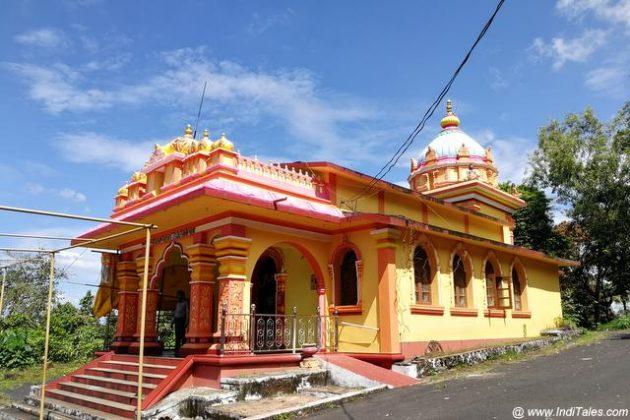
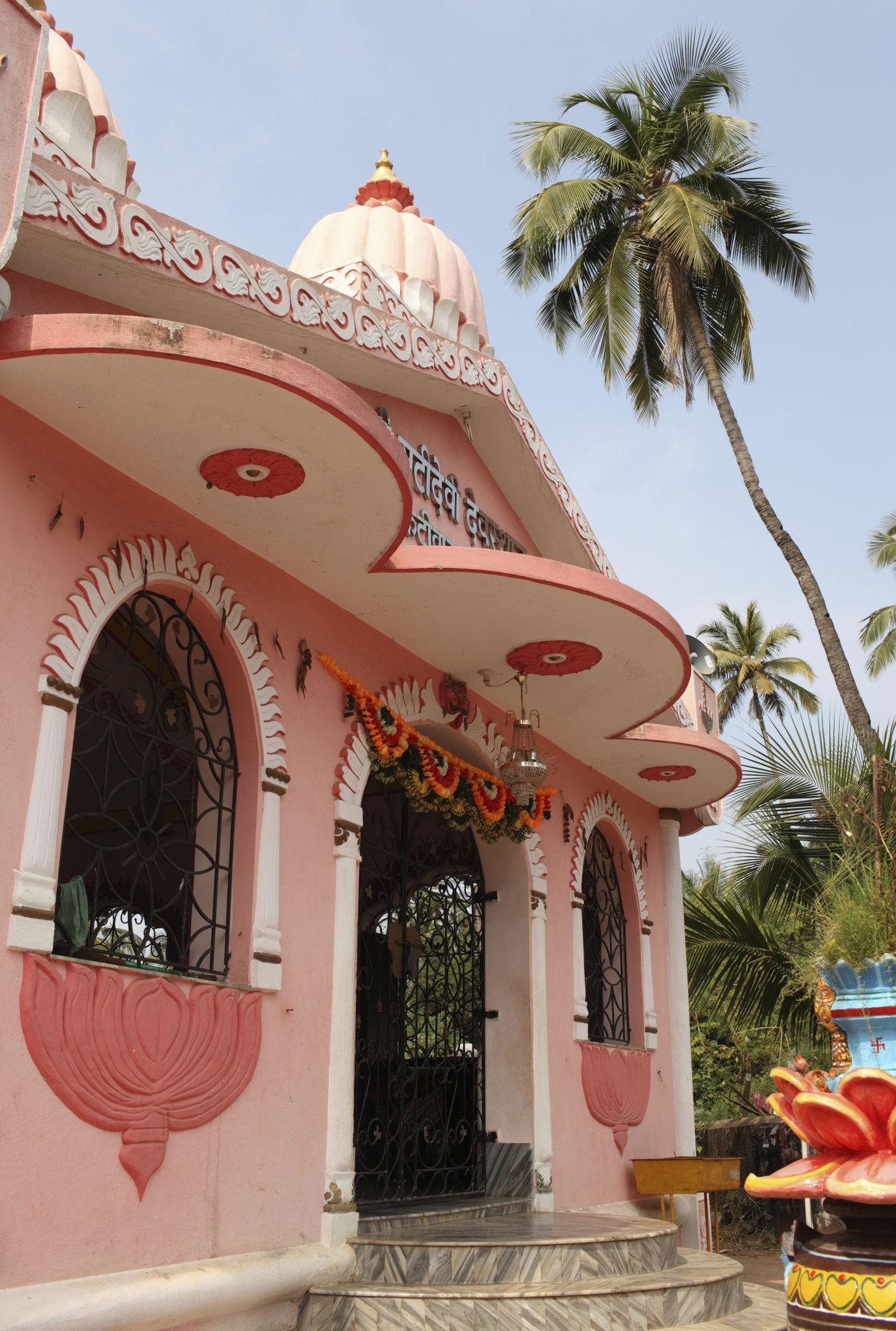
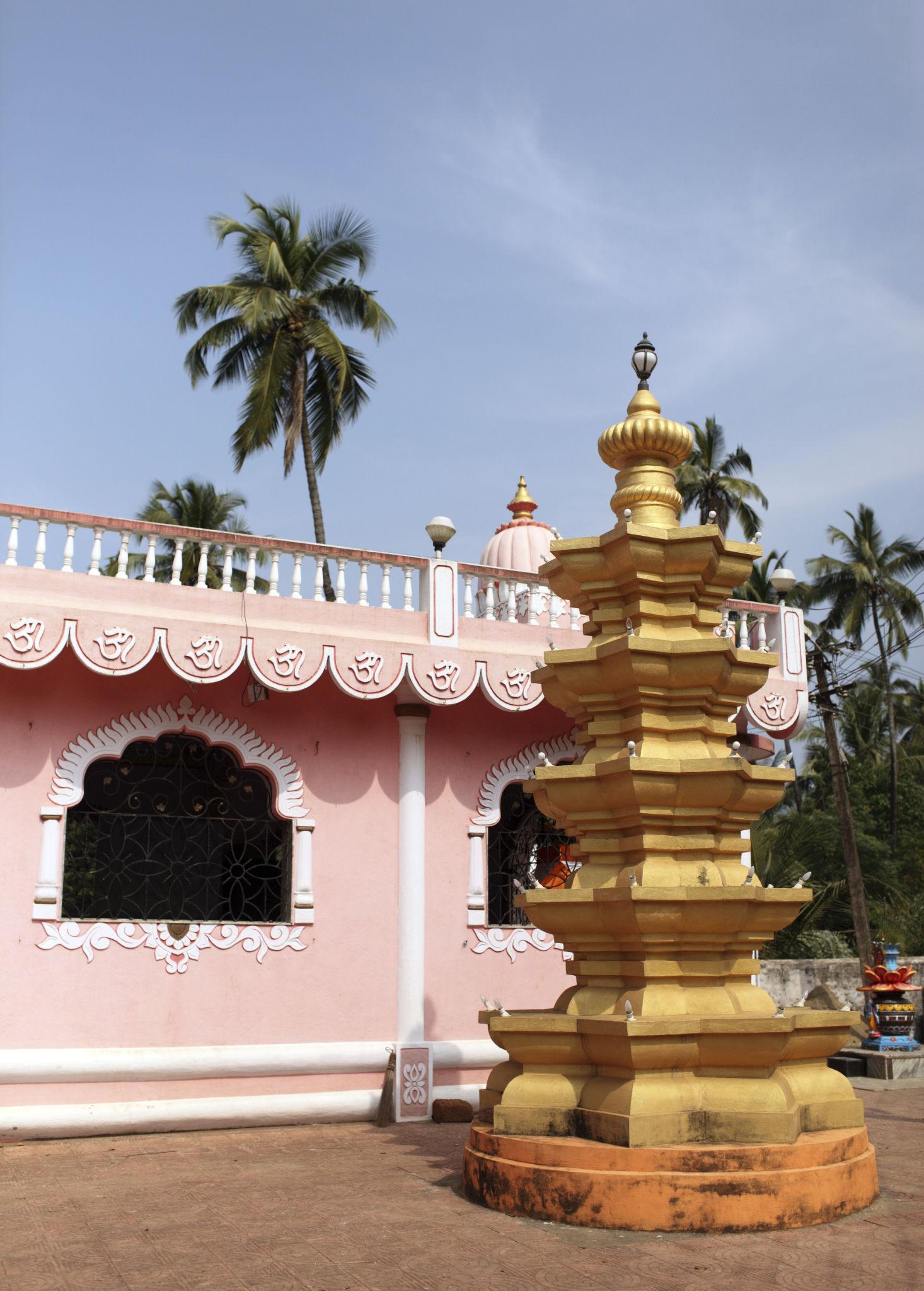
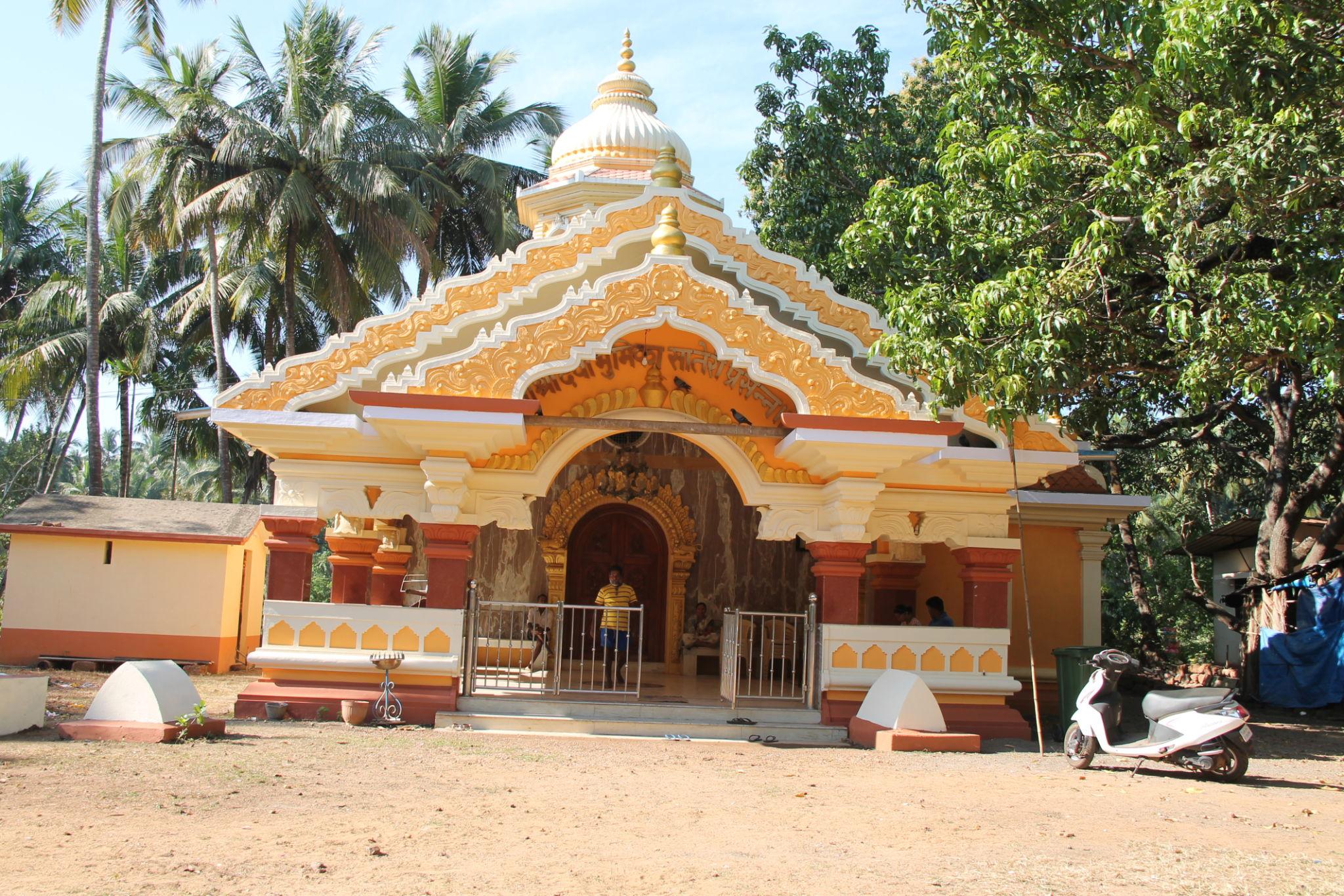
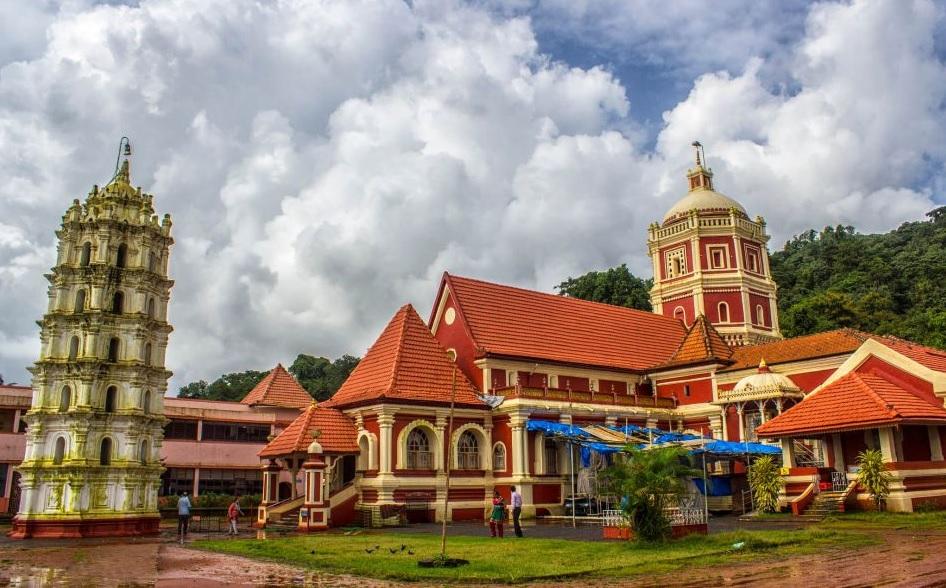
The architecture of the Siddhivinayak Ganpati Mandir is a beautiful blend of traditional Goan-Hindu styles and modern aesthetic sensibilities. Upon approaching the temple, one is immediately struck by the vibrant use of colors, a hallmark of Goan religious structures. The temple is often painted in bright shades of saffron, cream, and white, reflecting the auspiciousness associated with Lord Ganesha. The entrance is marked by a modest but elegantly carved gateway that transitions the devotee from the noisy street into a sanctified space.
One of the most defining features of the temple is the Deepastambha (tower of light). This is a quintessential element of Goan temple architecture. The Deepastambha at Siddhivinayak Mandir is a multi-tiered stone tower located in the courtyard. During festivals and special occasions, oil lamps are placed in the niches of this tower, creating a celestial glow that illuminates the entire complex. This architectural feature is a direct influence of the Maratha and Kadamba styles that dominated the region before the arrival of the Portuguese.
The main structure consists of a Mandapa (assembly hall) and the Garbhagriha (sanctum sanctorum). The Mandapa is designed with high ceilings and ample ventilation to allow the sea breeze to circulate, keeping the interiors cool even during the humid Goan summers. The pillars are often adorned with intricate carvings of floral motifs and depictions of various avatars of Ganesha. The flooring is typically made of polished marble or high-quality tiles, kept impeccably clean for the comfort of barefoot pilgrims. The Shikhara (spire) over the sanctum follows the Nagara style but with local adaptations, tapering gracefully towards the sky and topped with a golden Kalash, symbolizing spiritual abundance.
Main Deity / Spiritual Importance
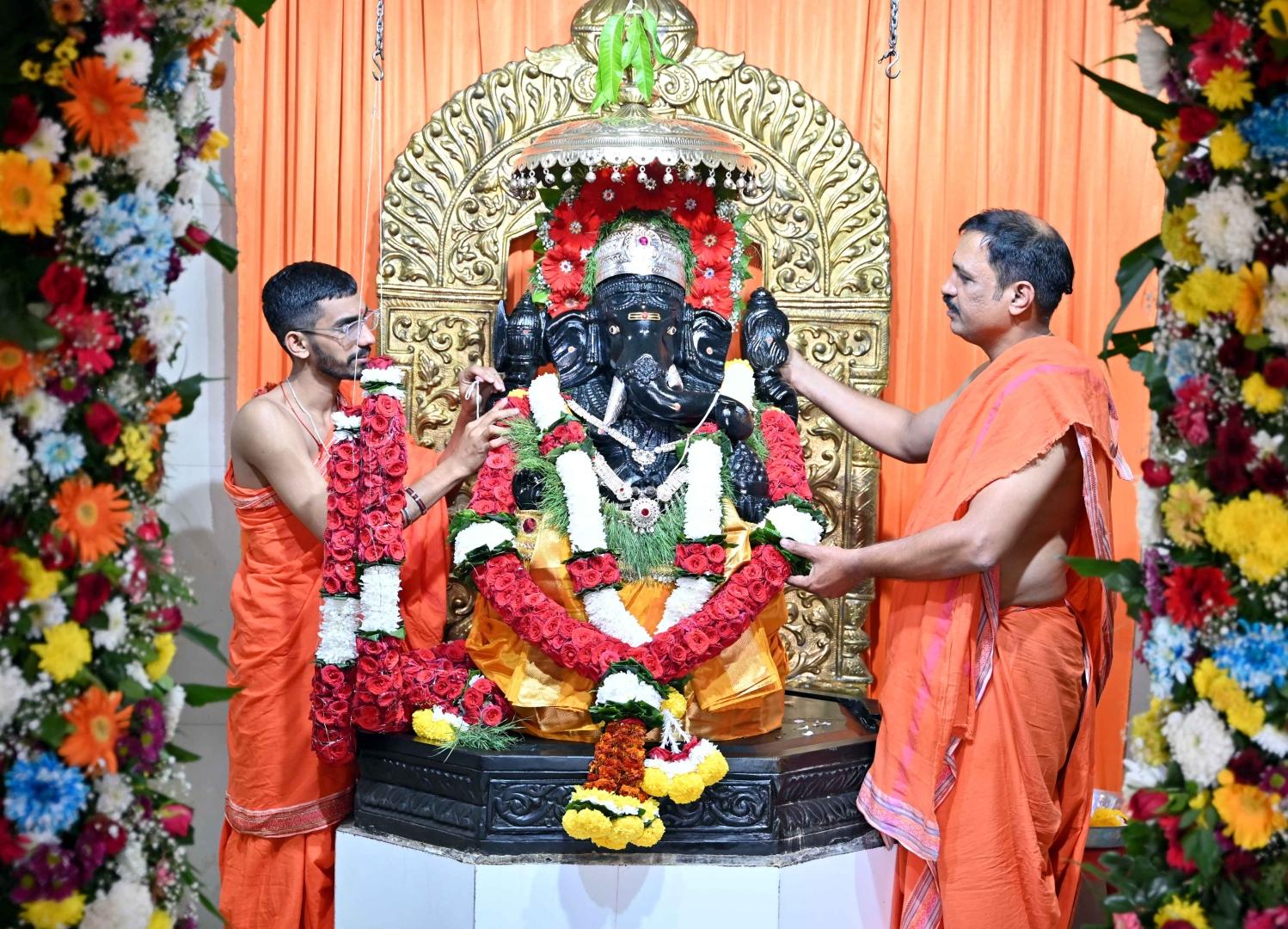
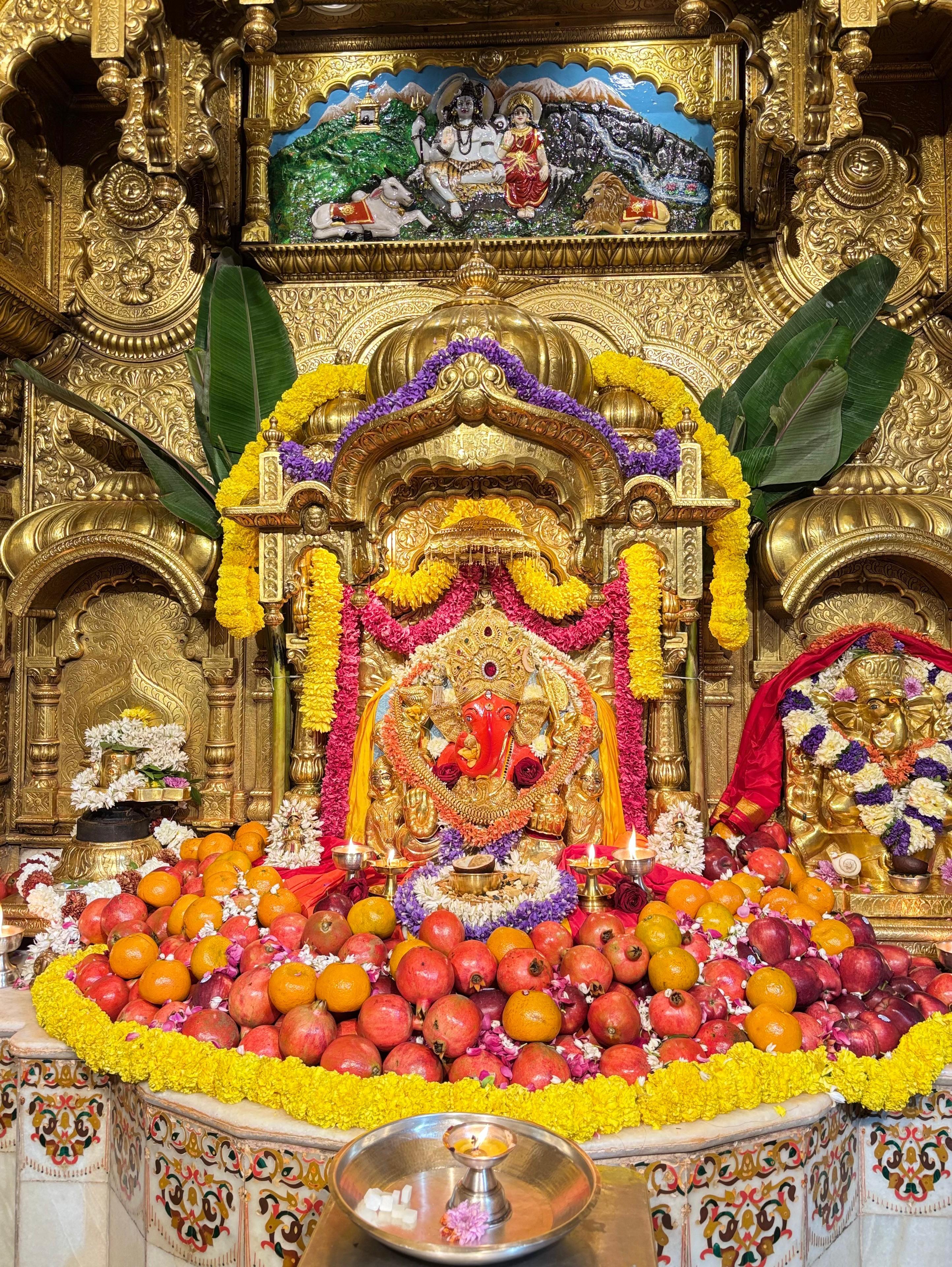
The heart and soul of the temple is the magnificent idol of Lord Siddhivinayak. Carved with exquisite precision, the idol depicts Ganesha in a seated posture, radiating a sense of calm authority and benevolence. The deity is usually portrayed with four arms, holding a "Parashu" (axe) to cut off worldly attachments, a "Pasha" (noose) to direct devotees onto the right path, a "Modak" (sweetmeat) representing the reward of spiritual quest, and the fourth hand in the "Abhaya Mudra" (gesture of fearlessness).
The spiritual importance of this specific deity lies in the concept of Siddhi and Riddhi. In Hindu mythology, Siddhi (Success/Perfection) and Riddhi (Prosperity/Abundance) are often considered the consorts or the personified powers of Ganesha. By worshipping Siddhivinayak, a devotee seeks a balance of both. It is not just about material wealth, but about the wisdom to manage that wealth and the spiritual success that leads to inner peace. The idol is regularly bathed (Abhisheka) and adorned with fresh hibiscus flowers—Ganesha’s favorite—and sandalwood paste, which fills the sanctum with a divine fragrance.
For the local Goan community, the deity is also a "Grama Devta" (village deity) figure in spirit, even if not formally designated as such. He is the witness to all the life events in the neighborhood. Spiritual seekers often visit this temple to practice "Japa" (meditative chanting). The energy of the idol is said to be particularly potent during the "Brahmamuhurta" (early morning hours), making it a popular spot for those who wish to start their day with a clear mind and a focused spirit. The presence of the small mouse (Mooshika), Ganesha's vahana, at the feet of the idol, symbolizes the subduing of ego and desire, a core spiritual lesson for every visitor.
Festivals & Celebrations
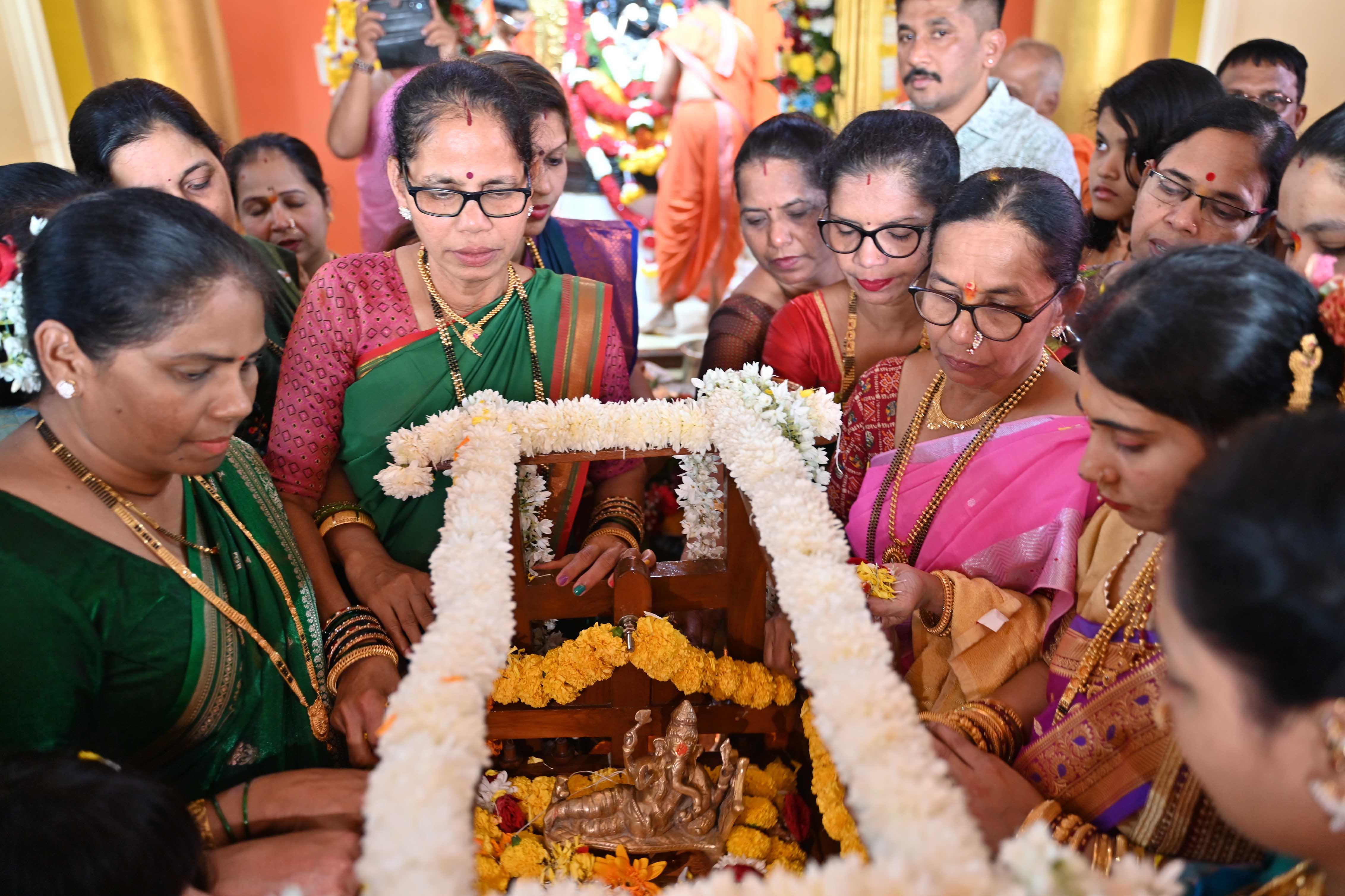
The Siddhivinayak Ganpati Mandir truly comes alive during its various festivals, with the most significant being Ganesh Chaturthi, known locally in Goa as "Chovoth." This is arguably the most important festival in the Goan Hindu calendar. During this time, the temple is decorated with "Matoli"—a traditional wooden frame suspended above the deity, laden with seasonal fruits, wild flowers, and medicinal herbs found in the Western Ghats. This unique Goan tradition highlights the deep connection between Ganesha and nature.
The celebrations involve:
- Sankashti Chaturthi: Observed every lunar month on the fourth day of the waning moon. Devotees fast throughout the day and break it only after seeing the moon and performing a special Puja at the temple.
- Angaraki Chaturthi: When Sankashti falls on a Tuesday, it is considered exceptionally auspicious. The temple sees a massive influx of devotees from all over North Goa on this day.
- Ganesh Jayanti: Celebrated in the Hindu month of Magha, marking the birth of Lord Ganesha. The temple organizes community feasts (Prasad) and devotional singing (Bhajans).
- Annual Zatra: Like every Goan temple, the Siddhivinayak Mandir has its annual festival or "Zatra," featuring processions where the deity is carried in a "Pallaki" (palanquin) around the temple premises, accompanied by traditional music played on the Ghumot and Shamel.
During these festivals, the atmosphere is electric. The sound of temple bells, the smell of burning camphor, and the sight of hundreds of people dressed in traditional Goan attire—men in dhotis and women in Nauvari sarees—create a spectacle of faith that is unforgettable. The temple also organizes "Kirtans" and "Dashavatar" plays (traditional folk theater), which are vital for the preservation of Goan cultural heritage.
Best Time to Visit
The best time to visit the Siddhivinayak Ganpati Mandir depends on what you wish to experience. For a peaceful, meditative visit, the winter months (November to February) are ideal. The weather in Goa during this period is pleasant, with cool mornings and manageable daytime temperatures, making it comfortable to stand in queues or walk around the temple complex. The air is crisp, and the morning Aarti at 6:30 AM is particularly soul-stirring during these months.
If you want to witness the cultural vibrancy of Goa, the Monsoon season (August or September) is the most significant time, as this is when Ganesh Chaturthi falls. While Goa experiences heavy rainfall during this period, the lush green landscape adds a mystical charm to the temple visit. Seeing the "Matoli" decorations and participating in the public celebrations is a once-in-a-lifetime experience. However, be prepared for large crowds and some travel inconveniences due to the rain.
For those seeking spiritual intensity, visiting during Sankashti Chaturthi each month is recommended. The temple stays open late into the night until the moon rises, and the collective energy of hundreds of fasting devotees creates a powerful spiritual vibration. Avoid visiting during the peak afternoon hours (1:00 PM to 4:00 PM) in the summer months of April and May, as the heat can be quite intense, although the temple interior remains relatively cool.
Timings, Entry Fee & Dress Code
The Siddhivinayak Ganpati Mandir follows a disciplined schedule to ensure that all rituals are performed according to Vedic traditions.
- Morning Timings: 6:00 AM to 1:00 PM. The morning begins with the 'Kakad Aarti' and 'Abhisheka'.
- Evening Timings: 4:00 PM to 8:30 PM. The evening 'Aarti' is usually performed around 7:00 PM and is a highlight for many visitors.
Entry Fee: There is absolutely no entry fee to visit the temple. It is open to people of all castes, creeds, and nationalities, provided they respect the sanctity of the space. Donations are voluntary and can be made at the official counter, for which a receipt is provided. These funds are used for the maintenance of the temple and social welfare activities.
Dress Code: As with most religious sites in Goa, a respectful dress code is expected. While there isn't a strict "uniform," visitors should avoid wearing revealing clothing.
- For Men: Long trousers or dhotis are preferred. Sleeveless shirts and shorts should be avoided.
- For Women: Sarees, salwar kameez, or long skirts are ideal. Shoulders and knees should be covered. Carrying a scarf or dupatta is a good practice.
- Footwear: All footwear must be removed before entering the temple premises. There is usually a designated, safe area to leave your shoes.
How to Reach Siddhivinayak Ganpati Mandir
The temple is conveniently located in Candolim, making it easily accessible from various parts of Goa.
- From Dabolim Airport (GOI): The temple is approximately 38 km away. You can hire a pre-paid taxi from the airport, which takes about 1 hour and 15 minutes depending on traffic.
- From Manohar International Airport (Mopa - GOX): The distance is about 30 km. A taxi will take roughly an hour via the NH-66 and the new link roads.
- By Road from Panjim: The capital city, Panjim, is just 12 km away. You can take a local bus heading towards Calangute or Candolim and get off at the main Candolim junction. The temple is a short walk or auto-rickshaw ride from there.
- By Scooter/Car: Most tourists in Goa rent scooters. If you are staying in the Baga-Calangute-Candolim belt, the temple is a quick 5-10 minute ride. Use Google Maps for "Siddhivinayak Ganpati Mandir, Candolim" to find the exact lane.
- From Thivim Railway Station: This is the nearest major railway station, located about 20 km away. Taxis and buses are readily available at the station.
Things to Do
A visit to the Siddhivinayak Ganpati Mandir can be a multi-faceted experience. Here are some things you can do to make your visit meaningful:
- Attend the Evening Aarti: The synchronization of bells, drums, and chants creates an atmosphere of pure devotion. It is a sensory experience that transcends religious boundaries.
- Perform a Personal Puja: You can request the priest to perform a "Sankalpa" or a special Archana in your name. You will need to provide your "Rashi" (zodiac sign) and "Gotra" if you know them.
- Meditation: Find a quiet corner in the Mandapa and sit in silence. The vibrations of the temple are highly conducive to mindfulness and inner peace.
- Observe the Architecture: Take a few minutes to admire the Deepastambha and the intricate carvings on the pillars. Notice how the temple design incorporates local Goan elements.
- Offer Seva: If you are visiting during a festival, you can volunteer for small tasks like cleaning the premises or helping with the flower decorations.
- Feed the Needy: Many devotees choose to distribute food or clothes to the less fortunate outside the temple as a form of "Annadan" (food charity).
Nearby Attractions
The strategic location of the Siddhivinayak Ganpati Mandir in Candolim means you can combine your spiritual visit with several other sightseeing spots:
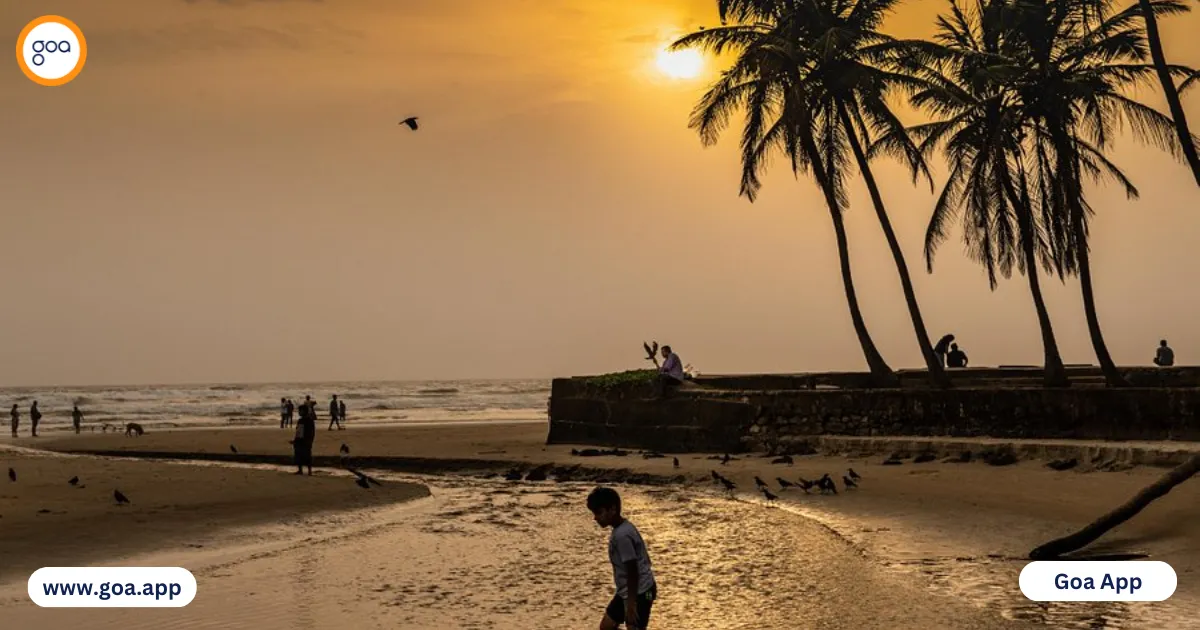
- Candolim Beach: Just a few hundred meters away, this beach is less chaotic than Baga and offers beautiful sunset views.
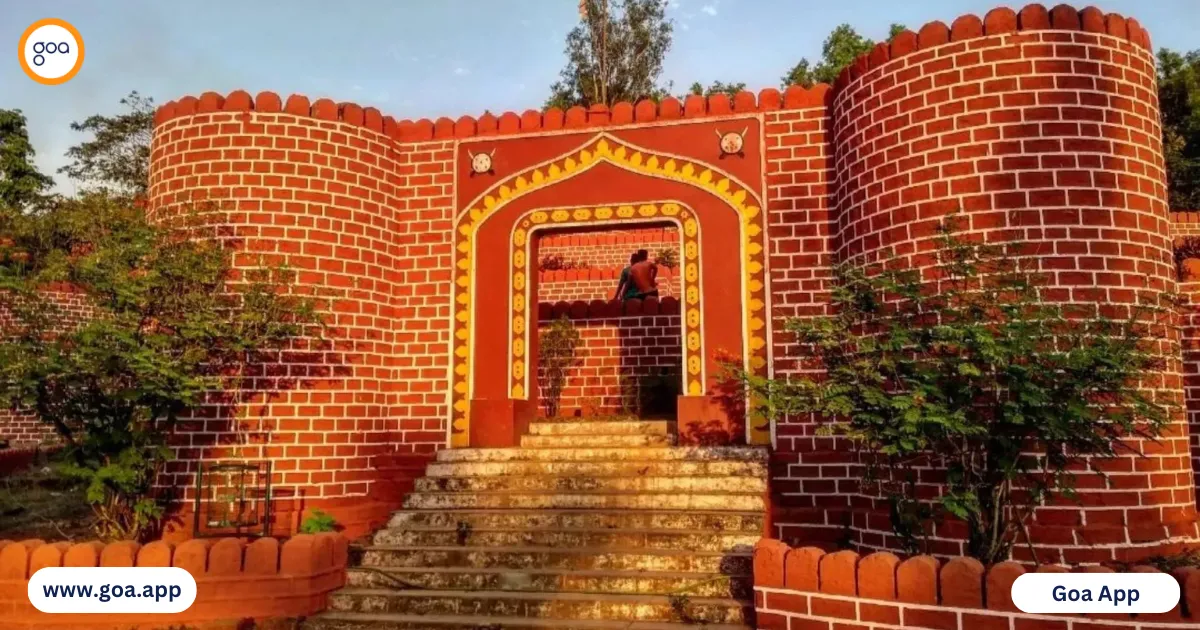
- Fort Aguada: A 17th-century Portuguese fort and lighthouse located about 4 km from the temple. It offers panoramic views of the Arabian Sea and the Mandovi River.
- Sinquerim Beach: Located right below Fort Aguada, this beach is famous for water sports and the historic fort walls that touch the sea.
- Calangute Market: For those who enjoy shopping, the bustling Calangute market is just a short drive away, offering everything from local handicrafts to beachwear.
- Mae De Deus Church: Located in Saligao (about 6 km away), this stunning Neo-Gothic church is a masterpiece of Goan Christian architecture and looks particularly beautiful when illuminated at night.
- Museum of Goa (MOG): For art lovers, this museum in Pilerne (7 km away) showcases the history and culture of Goa through contemporary art.
Photography & Visitor Guidelines
To maintain the sanctity and decorum of the Siddhivinayak Ganpati Mandir, visitors are requested to follow certain guidelines:
- Photography: Generally, photography is prohibited inside the Garbhagriha (sanctum sanctorum). You may take photos of the temple exterior, the Deepastambha, and the courtyard, but always ask for permission from the priest or temple authorities first. Avoid using flash inside the hall.
- Silence: Maintain silence or speak in low tones inside the Mandapa. Avoid using mobile phones; it is best to keep them on silent mode or switched off.
- Purity: Do not enter the temple if you have recently consumed alcohol or non-vegetarian food. Physical and mental purity are highly valued.
- Queues: During busy days, follow the queue system patiently. Do not try to jump the line or rush the priests.
- Offerings: Only offer fresh flowers, coconuts, or sweets. Avoid bringing plastic bags into the temple; use paper bags or traditional baskets.
- Respecting Rituals: If a special ceremony is in progress, stand aside and observe without interrupting. Do not touch the idols or the sacred lamps.
Where to Eat Nearby
Candolim is a culinary hotspot, offering a range of options from traditional Goan fare to international cuisines.
- Vegetarian Options: For those who prefer a pure vegetarian meal after a temple visit, Shree Ganesh Pure Veg and Navtara are excellent choices nearby, serving authentic North Indian and South Indian thalis.
- Traditional Goan Cuisine: Viva Goa or Kokni Kanteen (a short drive away) offer traditional Goan Hindu meals. Try the "Goan Veg Thali" which includes Khatkhate (a mixed vegetable stew) and Sol Kadhi (a refreshing kokum and coconut milk drink).
- Cafes: For a quick bite or coffee, Artjuna in Candolim or Baba Au Rhum (a bit further in Anjuna) offer great vibes and healthy food options.
- Fine Dining: If you are looking for a sophisticated experience, The Verandah or Bomra's offer exquisite menus in a beautiful setting.
Accommodation Nearby
Since the temple is in a prime tourist area, there are accommodation options for every budget:
- Luxury: Taj Fort Aguada Resort & Spa and ITC Grand Goa (further south) offer world-class luxury. Closer to the temple, Novotel Goa Candolim and Taj Holiday Village are top-tier choices.
- Boutique Hotels: Marbella Guest House or Casas De Goa provide a more intimate and architecturally unique stay experience.
- Budget & Guesthouses: There are numerous family-run guesthouses in the lanes of Candolim that offer clean rooms and a glimpse into local life at very affordable rates.
- Hostels: For solo travelers, Zostel Goa (Candolim) is a popular and vibrant option located within walking distance of the beach and the temple.
Travel Tips
To ensure a smooth and enriching visit to the Siddhivinayak Ganpati Mandir, keep these tips in mind:
- Visit Early: Reach the temple by 7:00 AM to experience the morning peace and avoid the midday heat and tourist crowds.
- Carry Water: Stay hydrated, especially if you plan to walk from the beach to the temple. However, remember to finish your water before entering the main hall.
- Local Interaction: Don't hesitate to talk to the local devotees. They often have fascinating stories about the temple's history and local traditions.
- Respect Local Customs: If you see a "Palki" procession, move to the side and allow it to pass. It is customary to bow your head as the deity passes by.
- Combine with Fort Aguada: Since the temple is on the way to Fort Aguada, plan your visit so you can see the temple in the morning and the fort in the late afternoon.
- Keep Change: Keep some small currency notes ready if you wish to put them in the "Hundi" (donation box) or give them to the priests after an Aarti.
Conclusion
The Siddhivinayak Ganpati Mandir in Candolim is more than just a religious landmark; it is a vital part of the cultural tapestry of Goa. It offers a rare opportunity for visitors to step away from the commercialized aspects of tourism and connect with the spiritual heritage of the Konkan coast. The temple's serene atmosphere, combined with the powerful presence of Lord Ganesha, provides a sense of clarity and peace that stays with you long after you have left its gates.
Whether you are a devout follower of Lord Ganesha, an architecture enthusiast, or a curious traveler, a visit to this temple is a rewarding experience. It serves as a reminder that in the land of sun and sand, there is also a deep, abiding space for the sacred. As you leave the temple, carrying the scent of sandalwood and the sound of the temple bells in your heart, you will find that your journey through Goa has gained a new, more profound dimension. Ganpati Bappa Morya!