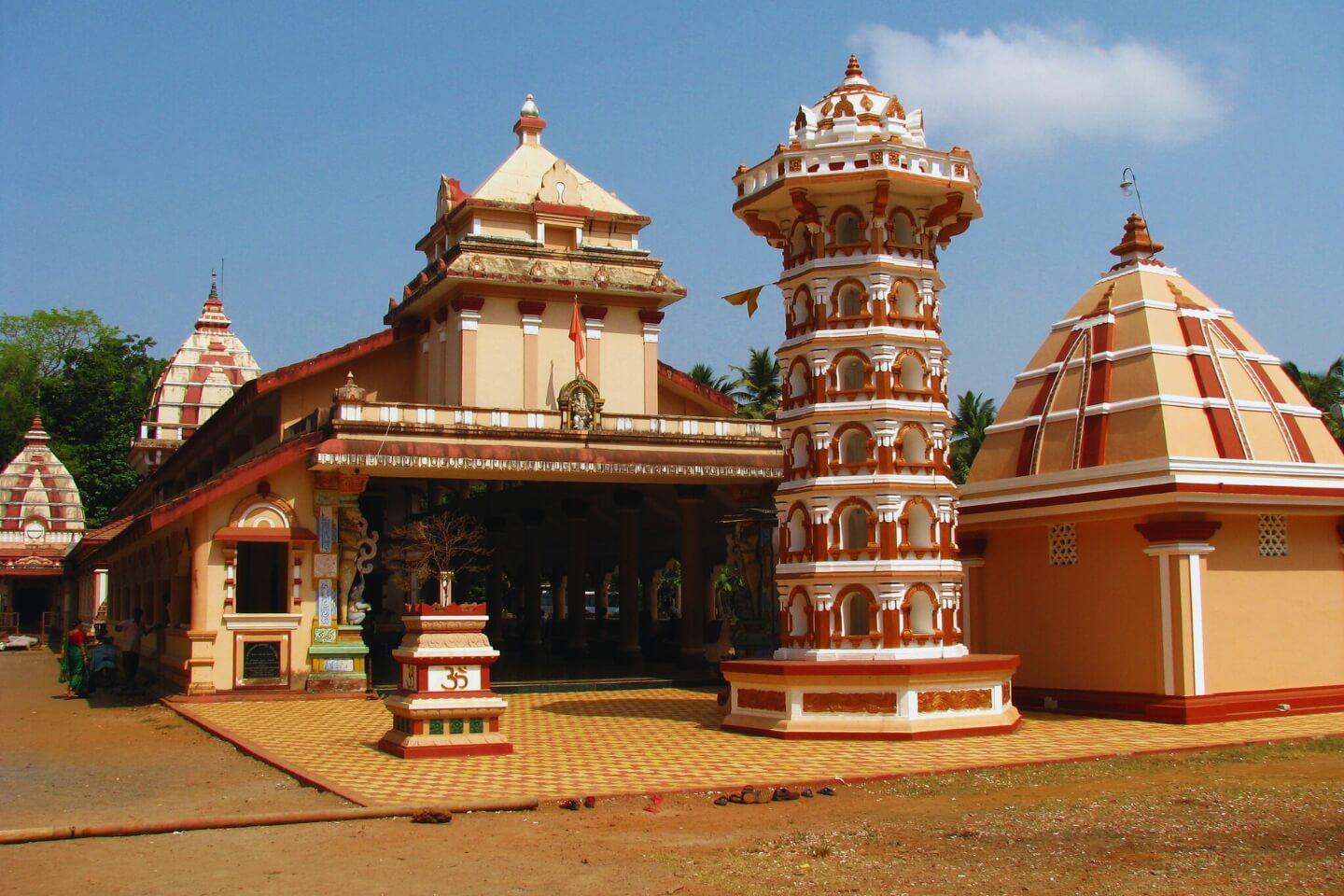
Overview of Shree Shantadurga Devasthan Khandepar
Nestled in the heart of the Ponda taluka, the spiritual soul of Goa, the
Shree Shantadurga Devasthan Khandepar stands as a serene testament to the state’s rich religious tapestry and resilient cultural heritage. While many tourists flock to the coastal belt for its sun-kissed beaches, those seeking a deeper, more profound connection with Goa’s ancient roots find themselves drawn to the lush, inland greenery of Khandepar. This temple is dedicated to Goddess Shantadurga, one of the most revered deities in the Konkan region, symbolizing peace, harmony, and the feminine power of the universe.
The village of Khandepar itself is steeped in antiquity, located on the banks of the Khandepar River, a tributary of the Mandovi. The
Shree Shantadurga Devasthan Khandepar is not just a place of worship; it is a cultural landmark that offers a glimpse into the traditional Goan way of life. Unlike the more famous Shantadurga temple at Kavlem, which is grand and sprawling, the Khandepar shrine offers a more intimate and spiritually charged atmosphere. It serves as the local "Gramadevata" or village deity for many, and its presence is woven into the daily lives of the local community.
Visitors to the temple are immediately struck by the tranquility that pervades the air. Surrounded by thick groves of coconut palms, betel nut trees, and spice plantations, the temple provides a sanctuary from the frantic pace of modern life. The sound of the flowing river nearby, combined with the rhythmic chanting of hymns and the scent of fresh flowers and incense, creates an environment conducive to meditation and introspection. For the traveler interested in
Goan spiritual tourism, this temple is an essential stop, offering a blend of historical intrigue and divine grace.
History & Religious Significance
The history of
Shree Shantadurga Devasthan Khandepar is deeply intertwined with the migration patterns of the Gaud Saraswat Brahmin (GSB) community and the socio-political upheavals of Goa’s past. The deity, Shantadurga, is an incarnation of the mother goddess Durga. According to local lore and Vedic scriptures, she is the mediator who intervened to stop a fierce battle between Lord Shiva and Lord Vishnu. By placing one hand on each of the warring gods, she restored peace (Shanti) to the universe, hence the name "Shantadurga."
Historically, the Ponda region became a haven for Hindu deities and their devotees during the 16th century. When the Portuguese Inquisition led to the destruction of many temples in the coastal "Old Conquests" (Velhas Conquistas), devotees risked their lives to smuggle the sacred idols across the border into the "New Conquests" (Novas Conquistas), which were then ruled by local Maratha or Bijapur chieftains. Khandepar, with its rugged terrain and river access, provided a safe refuge. The
Shree Shantadurga Devasthan Khandepar is a product of this era of preservation, where faith was maintained against all odds.
The religious significance of this site is further enhanced by its proximity to the ancient
Khandepar Caves, which date back to the 10th or 11th century. These rock-cut caves suggest that the area has been a center of religious activity for over a millennium. The temple serves as a link between this ancient ascetic past and the vibrant, ritualistic present. For the local populace, the Goddess is a protector who ensures the fertility of the land and the prosperity of the village. Every ritual performed here is a continuation of traditions passed down through generations, making it a living museum of Goan Hindu customs.
Architecture of Shree Shantadurga Devasthan Khandepar
The architecture of the
Shree Shantadurga Devasthan Khandepar is a classic example of the Indo-Portuguese fusion style that is unique to Goan temples. Unlike the towering "Gopurams" of South Indian temples or the "Shikharas" of the North, Goan temples evolved a distinct aesthetic characterized by sloping roofs, arched windows, and the iconic lamp towers.
The temple complex is centered around the main sanctum, known as the
Garbhagriha. The exterior of the temple features a blend of laterite stone—locally sourced and highly durable—and lime plaster. One of the most striking features is the
Deepstambha or the Tower of Light. This multi-storied octagonal tower stands tall in the courtyard. During festivals, hundreds of oil lamps are lit in its niches, creating a breathtaking spectacle of light. This architectural element is a hallmark of Goan Hindu shrines and signifies the dispelling of spiritual darkness.
Inside the temple, the
Mandapa (assembly hall) is supported by intricately carved pillars. The ceiling often features decorative motifs, reflecting the artistic sensibilities of the Kadamba and Maratha periods, subtly influenced by European decorative arts introduced during the colonial era. The use of vibrant colors, particularly shades of red, white, and ochre, gives the temple a cheerful and welcoming appearance. The roof is typically tiled with Mangalore tiles, designed to withstand the heavy Goan monsoons. The overall layout follows the
Panchayatana style in spirit, where the central deity is surrounded by subsidiary shrines, ensuring a balanced flow of energy throughout the complex.
Main Deity / Spiritual Importance
The presiding deity of the
Shree Shantadurga Devasthan Khandepar is Goddess Shantadurga. In the inner sanctum, she is depicted in a calm and benevolent form, quite different from the fierce, multi-armed Mahishasuramardini form seen elsewhere. Usually, she is flanked by small idols of Lord Shiva and Lord Vishnu, commemorating her role as the peacemaker between the two great gods of the Hindu trinity.
Spiritually, Shantadurga represents
"Adishakti" or the primordial energy in its most balanced state. Devotees believe that worshipping here brings mental peace and resolves internal and external conflicts. The Goddess is often draped in rich silk sarees (typically in shades of red or green) and adorned with traditional Goan gold jewelry, including the 'Nath' (nose ring) and 'Har' (necklaces).
The spiritual importance of the temple is also linked to the concept of
"Kuladevata" (family deity). Many families from across India, whose ancestors originated in Goa, return to Khandepar to perform "Puja" and seek blessings for major life events like weddings, births, or new business ventures. The act of "Prasad" (seeking divine counsel) is a unique tradition here, where devotees ask questions to the deity and interpret the fall of flowers or petals as a divine "yes" or "no." This practice fosters a deeply personal and interactive relationship between the devotee and the Goddess.
Festivals & Celebrations
The
Shree Shantadurga Devasthan Khandepar comes alive during its various festivals, which are celebrated with immense fervor and traditional Goan "shigmo" spirit. These events are not just religious gatherings but social occasions that bring the entire community together.
- The Annual Jatra: This is the most significant festival of the temple. It usually takes place in the winter months. The highlight of the Jatra is the Ratha Yatra (Chariot Procession), where the deity is placed in a massive wooden chariot and pulled by hundreds of devotees around the temple complex. The air is filled with the sound of "Dhol" (drums) and "Tasha," and traditional Goan folk dances are performed.
- Navratri: During these nine nights, the Goddess is decorated in different forms. Special "Makhar" (ornate swings) are used to seat the deity, and she is gently swayed to the accompaniment of devotional music. This is a time of intense prayer and fasting for many locals.
- Vasant Panchami: Celebrating the arrival of spring, this festival involves special rituals and the offering of fresh blooms to the Goddess.
- Magha Shuddha Panchami: This is often considered the foundation day of the temple and is marked by grand feasts and "Palkhi" (palanquin) processions, where the Goddess is carried through the village to bless the homes of the residents.
During these festivals, one can witness the performance of
"Dashavatara" (folk theater) or "Bhajans" (devotional songs) that last late into the night. The temple kitchen often prepares "Mahaprasad," a sacred communal meal served on banana leaves, which is a culinary experience in itself, featuring traditional Goan Hindu dishes like "Khatkhate" (a vegetable stew).
Best Time to Visit
Determining the best time to visit
Shree Shantadurga Devasthan Khandepar depends on what you wish to experience.
Winter (November to February): This is arguably the best time for most travelers. The weather in Goa is pleasant, with cool breezes and low humidity. This period also coincides with the major temple festivals and Jatras. The lush greenery of the Ponda region is at its peak right after the monsoons, making the drive to the temple exceptionally beautiful.
Monsoon (June to September): If you are a lover of nature and solitude, the monsoon season offers a different kind of charm. The Khandepar River flows in full glory, and the surrounding spice plantations are a vibrant emerald green. The temple remains quiet and misty, providing a perfect backdrop for meditation. However, be prepared for heavy downpours and humid conditions.
Summer (March to May): The summer months can be quite hot and humid in Goa. However, visiting the temple in the early morning or late evening is still a peaceful experience. This is also the time when mango and cashew harvests are in full swing in the surrounding orchards, offering a taste of local seasonal produce.
Timings, Entry Fee & Dress Code
To ensure a respectful and smooth visit to
Shree Shantadurga Devasthan Khandepar, it is important to adhere to the following guidelines:
- Timings: The temple is generally open from 6:00 AM to 8:30 PM daily. It is advisable to visit during the morning "Aarti" (around 7:00 AM) or the evening "Aarti" (around 7:00 PM) to experience the full spiritual vibrancy of the temple. The temple may close for a few hours in the afternoon between 1:00 PM and 4:00 PM.
- Entry Fee: There is no entry fee to visit the temple. It is open to people of all faiths and backgrounds who wish to seek blessings or admire the architecture. Donations are voluntary and can be made at the official temple office.
- Dress Code: Like most Hindu temples in Goa, a modest dress code is strictly enforced. Visitors should avoid wearing short skirts, sleeveless tops, or shorts. Men are encouraged to wear trousers or traditional dhotis/kurta, while women are advised to wear sarees, salwar kameez, or long skirts. Covering the shoulders is mandatory. You will be required to remove your footwear before entering the temple premises.
How to Reach Shree Shantadurga Devasthan Khandepar
The
Shree Shantadurga Devasthan Khandepar is located about 5 kilometers from the town of Ponda and roughly 30 kilometers from the capital city, Panaji.
- By Road: Ponda is well-connected by a network of national highways. From Panaji or Margao, you can hire a private taxi or take a Kadamba Transport Corporation (KTC) bus to Ponda. From the Ponda bus stand, local rickshaws or "pilots" (motorcycle taxis) are readily available to take you to Khandepar. If you are driving yourself, follow the NH4A highway that connects Ponda to Belgaum.
- By Rail: The nearest major railway station is Madgaon (Margao), which is about 25 kilometers away. Another option is the Karmali Railway Station near Old Goa. From either station, you can hire a taxi to reach the temple.
- By Air: The Dabolim Airport is approximately 40 kilometers away, while the newer Manohar International Airport (Mopa) is about 65 kilometers away. Prepaid taxis are the most convenient way to travel from the airport to Khandepar.
The drive to the temple is scenic, passing through winding roads lined with traditional Goan houses and dense tropical vegetation, offering a glimpse of the "real" Goa away from the coastline.
Things to Do
A visit to
Shree Shantadurga Devasthan Khandepar offers more than just a ritualistic experience. Here are some things you can do to make your visit more meaningful:
- Attend the Aarti: Witnessing the lamp-lighting ceremony and the rhythmic ringing of bells during the morning or evening Aarti is a powerful sensory experience that connects you with the local spiritual energy.
- Explore the Temple Grounds: Take a slow walk around the "Prakara" (outer walls). Observe the intricate carvings and the majestic Deepstambha. The peaceful courtyard is a great place for quiet reflection.
- Meditation: Find a quiet corner in the Mandapa or near the riverbank to practice a few minutes of mindfulness. The natural sounds of the area are incredibly soothing.
- Interact with the Priests: If they are not busy with rituals, the temple priests are often happy to share stories about the deity’s history and the significance of various rituals.
- Visit the Khandepar River: Walk down to the riverbank nearby. The flowing water and the canopy of trees provide a perfect spot for nature photography or simply enjoying the breeze.
Nearby Attractions
The area surrounding
Shree Shantadurga Devasthan Khandepar is rich with historical and natural attractions, making it easy to plan a full-day itinerary.
- Khandepar Rock-Cut Caves: Located just a short distance from the temple, these four ancient caves date back to the 10th-11th centuries. Carved out of laterite stone, they feature simple yet fascinating architecture and were likely used by monks. They are a protected monument under the Archaeological Survey of India (ASI).
- Safa Shahouri Masjid: Built in 1560 by Ibrahim Adil Shah of Bijapur, this is one of the oldest mosques in Goa. It is famous for its beautiful masonry tank and lush gardens, located just a few kilometers away in Ponda.
- Sahakari Spice Farm: For a taste of Goa’s agricultural heritage, visit this nearby spice plantation. You can take a guided tour to learn about cardamom, vanilla, cinnamon, and black pepper, followed by a traditional Goan lunch.
- Mangueshi Temple: Located about 15 kilometers away, this is one of the most famous temples in Goa, dedicated to Lord Shiva. Its grand architecture and massive Deepstambha are worth seeing.
- Bondla Wildlife Sanctuary: A great spot for families, this sanctuary offers a small zoo, botanical gardens, and nature trails, located about 15-20 kilometers from Khandepar.
Photography & Visitor Guidelines
To maintain the sanctity of
Shree Shantadurga Devasthan Khandepar, visitors must follow specific protocols regarding photography and general conduct.
Photography: While photography of the temple exterior, the Deepstambha, and the surrounding gardens is generally permitted,
photography inside the Garbhagriha (inner sanctum) is strictly prohibited. Always look for signage or ask the temple authorities before taking out your camera. Using drones is usually not allowed without prior written permission from the Devasthan committee.
Conduct:
- Maintain silence within the temple premises. Loud conversations or music are discouraged.
- Do not touch the idols or the decorative ornaments on the deity.
- If you wish to make an offering (flowers, coconuts, or sweets), hand them to the priest; do not place them on the altar yourself.
- Be mindful of local devotees who are there for prayer. Avoid blocking their path or interrupting their rituals for photos.
- Dispose of any trash in designated bins to keep the temple grounds clean.
Where to Eat Nearby
Ponda is known for its authentic Goan Hindu cuisine, which is distinct from the Catholic-influenced dishes found on the coast. Near
Shree Shantadurga Devasthan Khandepar, you can find several options:
- Local Eateries: Small "Khanavals" (local eateries) in and around Khandepar village serve traditional Goan Thalis. These usually include rice, "Sol Kadi" (a refreshing kokum and coconut milk drink), vegetable "bhaji," and "Khatkhate."
- Spice Farm Restaurants: Nearby spice farms like Sahakari or Tropical Spice Plantation offer buffet lunches featuring traditional recipes cooked with farm-fresh spices. This is a great way to experience local flavors in a rustic setting.
- Ponda Town: For more variety, head into Ponda town (5 km away). You will find restaurants like Kamat’s or Hotel Menino that offer a range of vegetarian and non-vegetarian Indian dishes.
- Street Food: Don’t miss trying local snacks like "Mirchi Baji" (chilli fritters) or "Ros Omelette" from the small stalls near the Ponda bus stand.
Accommodation Nearby
Since Khandepar is a relatively quiet village, most visitors stay in Ponda or at nearby eco-resorts.
- Heritage Stays: There are several beautiful heritage homes and homestays in the Ponda region that offer a glimpse into traditional Goan architecture and hospitality.
- Farmstays & Eco-Resorts: For a unique experience, consider staying at a spice plantation. These resorts offer eco-friendly cottages surrounded by nature, providing a peaceful retreat.
- Budget Hotels: Ponda town has several budget and mid-range hotels that provide basic amenities for travelers who want to explore the central temple belt of Goa.
- Luxury Options: While there are no five-star hotels in the immediate vicinity of Khandepar, luxury resorts in South Goa (like those in Colva or Benaulim) are about a 45-60 minute drive away.
Travel Tips
To make your trip to
Shree Shantadurga Devasthan Khandepar as comfortable as possible, keep these tips in mind:
- Carry Water: While there are shops nearby, it’s always a good idea to carry a reusable water bottle, especially during the warmer months.
- Language: The locals primarily speak Konkani and Marathi. However, most people understand and speak basic English and Hindi.
- Transport: Renting a scooter or a car is the best way to explore Ponda at your own pace. The roads are generally good, but be careful of narrow turns in the village.
- Cash: While digital payments are becoming common, carry some cash for small purchases at local stalls or for making temple donations.
- Respect Local Customs: If you see a ritual in progress, observe quietly from a distance. If you are unsure about something, ask a local or a priest politely.
- Footwear: Wear easy-to-remove footwear like sandals or flip-flops, as you will be taking them off frequently at the temple.
Conclusion
The
Shree Shantadurga Devasthan Khandepar is a hidden jewel in Goa’s spiritual crown. It offers a rare combination of historical depth, architectural beauty, and a profound sense of peace that is often missing from more commercialized tourist spots. Whether you are a devout pilgrim, a history enthusiast, or a traveler looking to discover the quieter side of Goa, this temple provides an enriching experience.
By visiting Khandepar, you are not just seeing a building; you are participating in a living tradition that has survived centuries of change. The gentle gaze of Goddess Shantadurga, the towering Deepstambha, and the whispering Khandepar River all serve as reminders of the enduring power of faith and the timeless beauty of the Goan hinterland. As you leave the temple gates, you carry with you a piece of that "Shanti" (peace) which the Goddess herself represents—a perfect souvenir from the heart of Goa.