Overview of Shri Vijayadurga Temple
Nestled in the emerald embrace of the Ponda taluka, specifically in the serene village of Kerim (also known as Quirim), the Shri Vijayadurga Temple stands as a magnificent testament to Goa’s resilient spiritual heritage. While Goa is globally renowned for its sun-kissed beaches and vibrant nightlife, its heart beats most fervently in the ancient temples of the Ponda region, often referred to as the "Antruz Mahal" or the cultural capital of the state. Shri Vijayadurga is not merely a religious site; it is a sanctuary of peace, a masterpiece of Indo-Portuguese fusion architecture, and a focal point for the Goud Saraswat Brahmin community and thousands of devotees across the Konkan belt.
The temple is dedicated to Goddess Vijayadurga, an aggressive yet benevolent form of the Divine Mother, symbolizing the victory of good over evil. Unlike the more famous Shri Shantadurga Temple in Kavlem, which represents the goddess in her peaceful (Shanta) form, the Vijayadurga deity is revered as the "Goddess of Victory." The atmosphere here is one of profound stillness, broken only by the rhythmic chanting of Vedic hymns and the rustling of betel nut trees that surround the temple complex. For a traveler, visiting this temple offers a deep dive into the authentic Goan Hindu culture, providing a stark and beautiful contrast to the coastal tourist hubs.
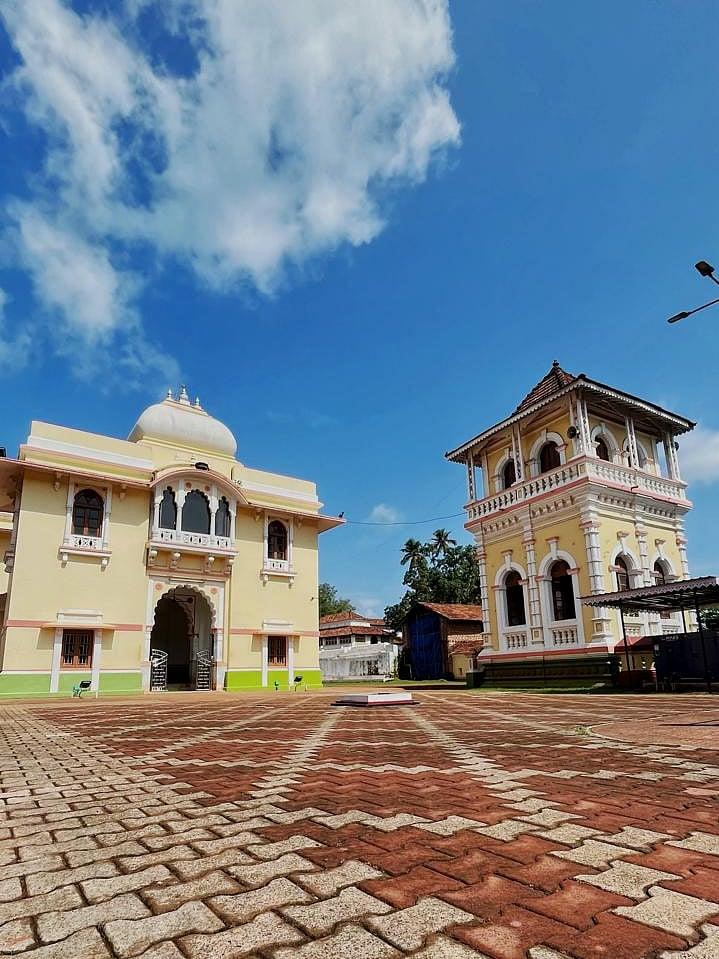
Approaching the temple, one is greeted by the traditional Goan Deepastambha (tower of light), which stands tall against the backdrop of lush tropical greenery. The temple’s location in Kerim is strategically beautiful, situated amidst spice plantations and thick forests, making the journey to the site as spiritual as the destination itself. Whether you are a seeker of divine blessings, a history enthusiast, or an admirer of unique architecture, the Shri Vijayadurga Temple offers an immersive experience that captures the soul of rural Goa. This guide provides an exhaustive look into every facet of this sacred site, ensuring you have all the knowledge required for a meaningful visit.
History & Religious Significance
The history of the Shri Vijayadurga Temple is a poignant saga of faith, survival, and migration. Originally, the deity was housed in a magnificent temple in the village of Sancoale (near the modern-day Mormugao taluka). However, the 16th century brought a period of intense religious upheaval to Goa with the arrival of the Portuguese. During the Portuguese Inquisition, many Hindu temples along the coast were targeted for destruction as part of the colonial administration's conversion policies. To protect their beloved deity from desecration, the devotees of Shri Vijayadurga undertook a perilous journey under the cover of night.
Legend has it that the idol was smuggled across the Zuari River into the territories of the local Hindu chieftains (Sonda Kings), which lay outside Portuguese control at the time. The Goddess was eventually re-consecrated in the secluded and safe haven of Kerim, Ponda. This migration is a central theme in Goan Hindu history, as it explains why almost all major Goan temples are concentrated in the Ponda region today. The temple has since been renovated and expanded several times, but it has never lost its original spiritual essence. The Goud Saraswat Brahmin (GSB) community, who are the primary patrons of the temple, have meticulously preserved the oral histories and traditional rituals associated with the deity for over 450 years.
In the hierarchy of Goan deities, Vijayadurga holds a unique position. She is often considered a sister to Goddess Shantadurga of Kavlem and Goddess Mahalsa of Mardol. The religious significance of Vijayadurga is rooted in the Puranas, where she is described as the force that assisted Lord Vishnu and Lord Shiva in various cosmic battles. For the local population, she is the Kuldevi (family deity) of many lineages, and it is a common tradition for families to visit the temple to seek her permission (Kaul) before embarking on major life events like marriages or business ventures. The history of this temple is thus not just a timeline of events, but a living narrative of Goan identity and religious perseverance.
Architecture of Shri Vijayadurga Temple
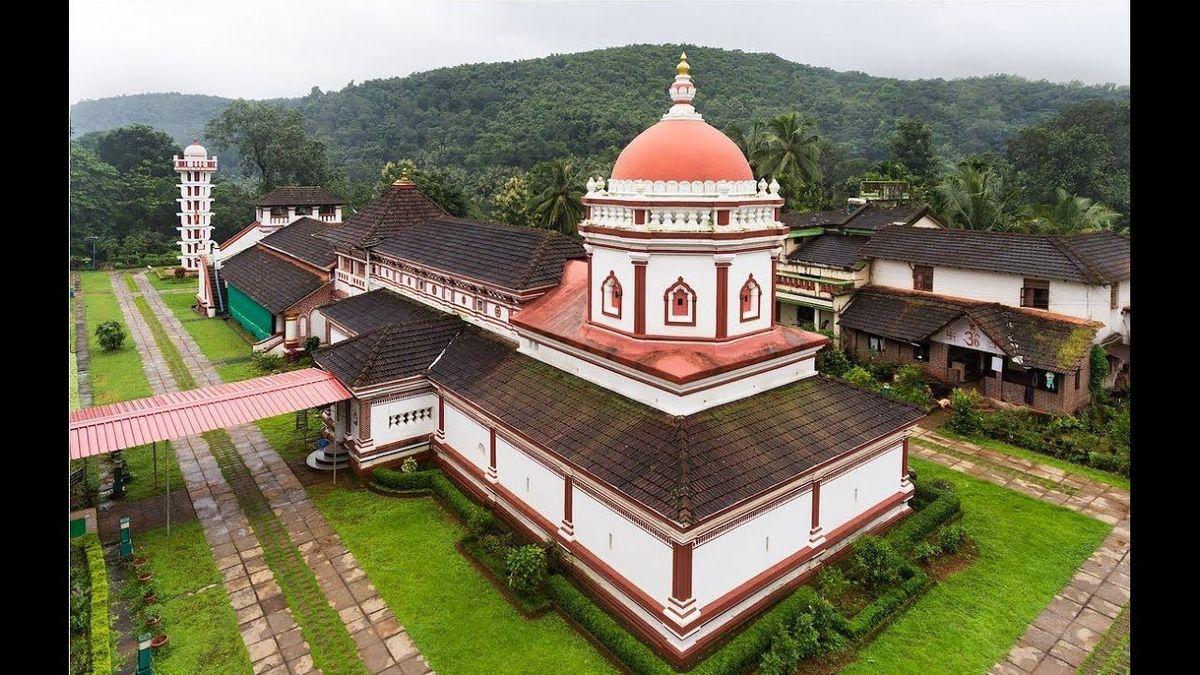
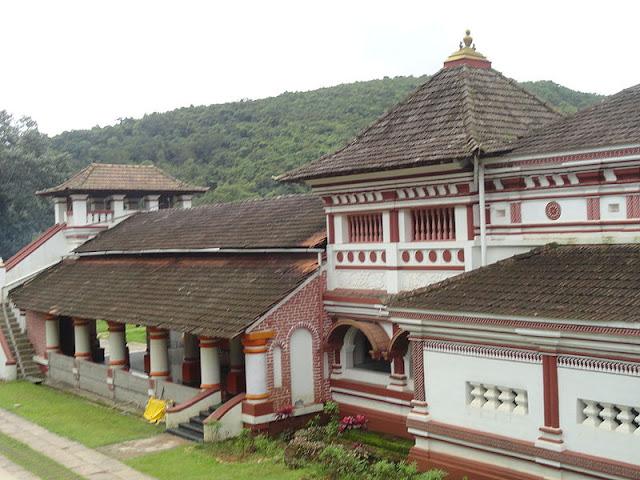
The architecture of the Shri Vijayadurga Temple is a brilliant example of the Goan Temple Style, which evolved as a unique synthesis of traditional Nagara architecture, local Konkani elements, and subtle influences from Portuguese colonial design. As you enter the complex, the first thing that captures the eye is the massive Deepastambha. This multi-storied octagonal lamp tower is a quintessential feature of Goan temples. During festivals, hundreds of oil lamps are lit in the niches of this tower, creating a celestial glow that can be seen from miles away.
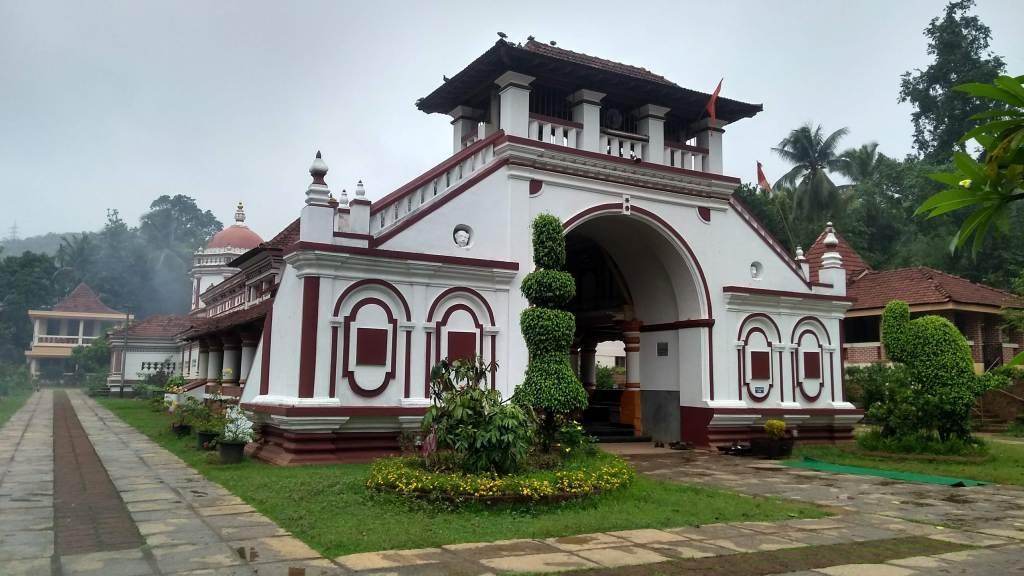
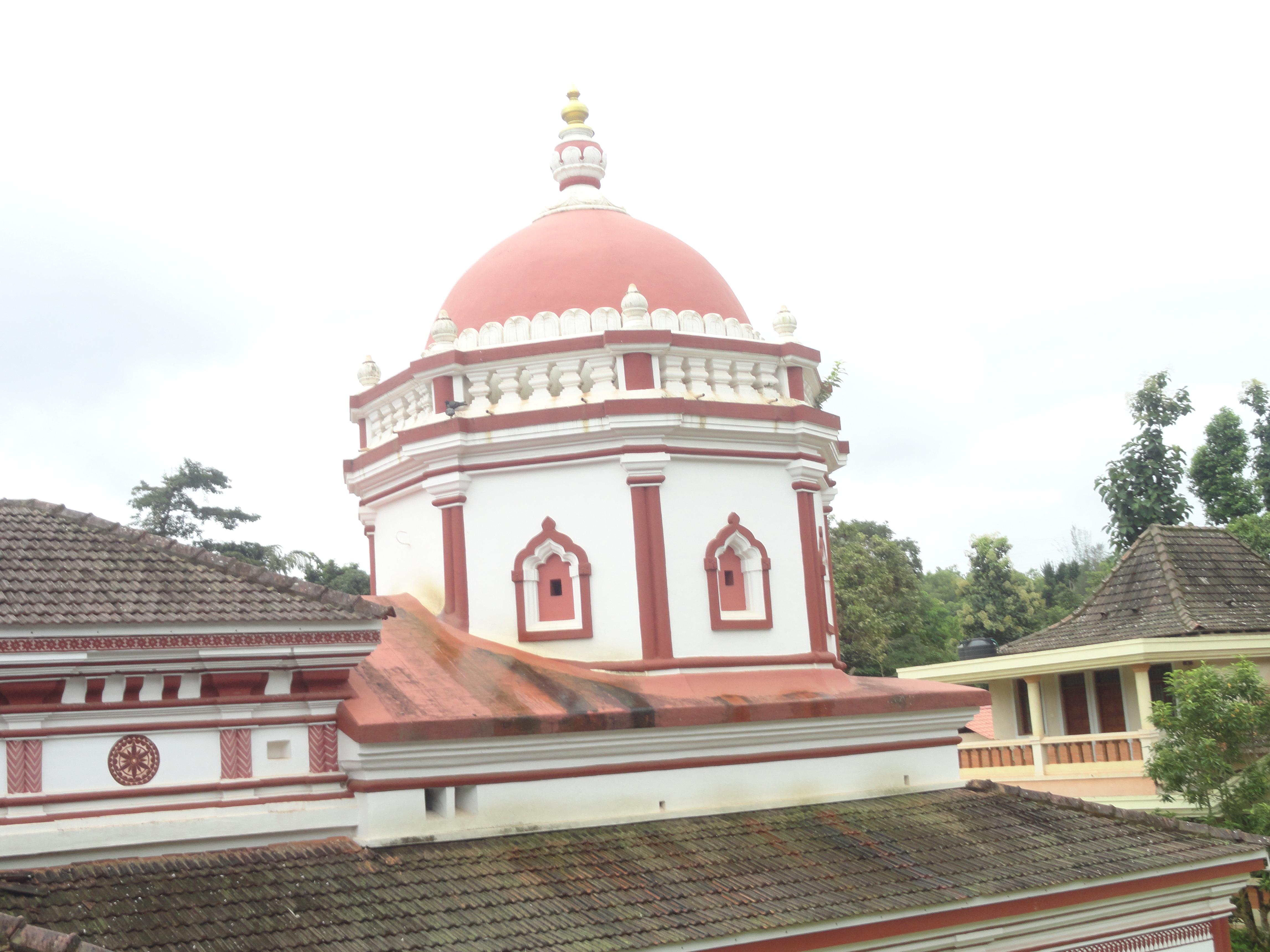
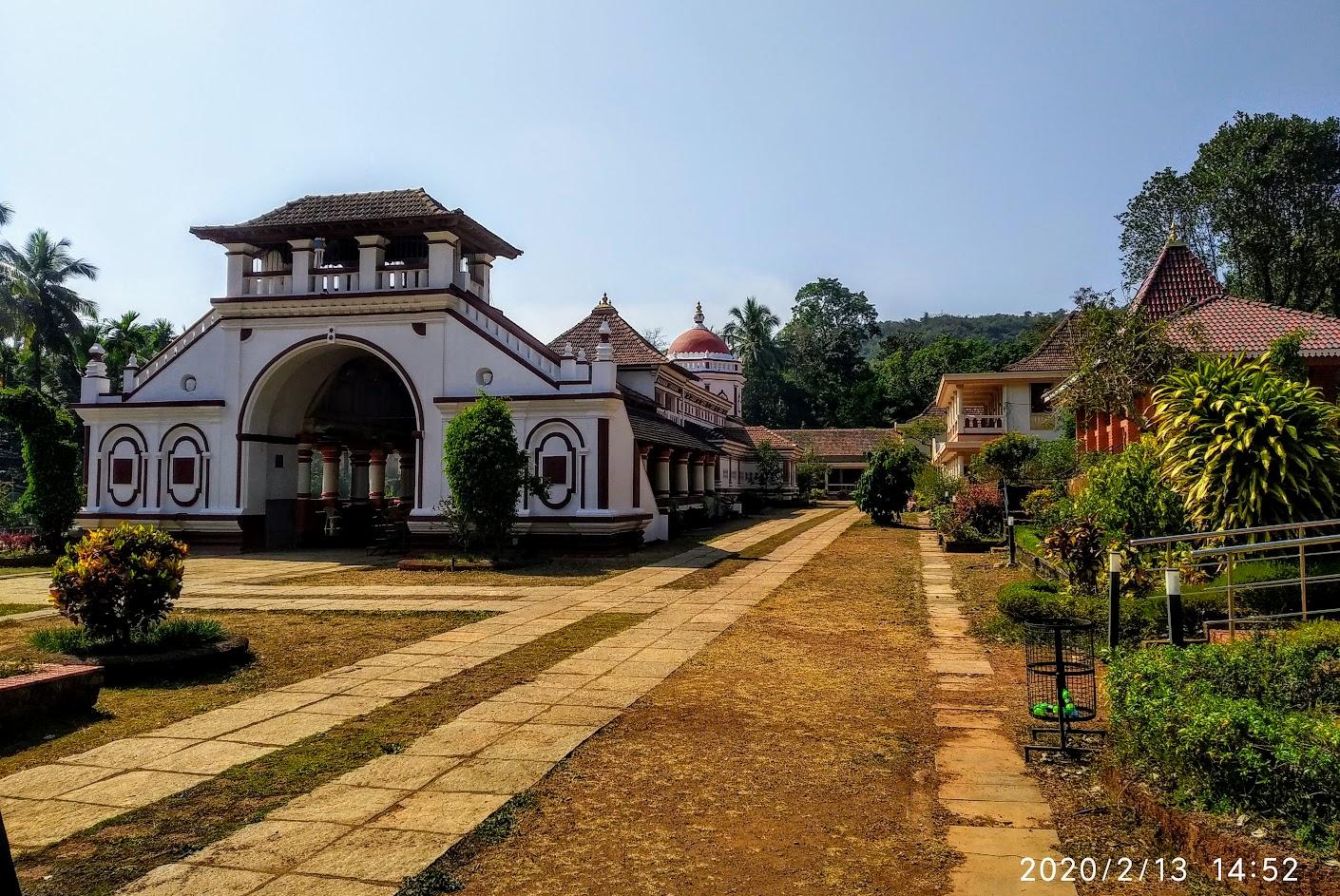
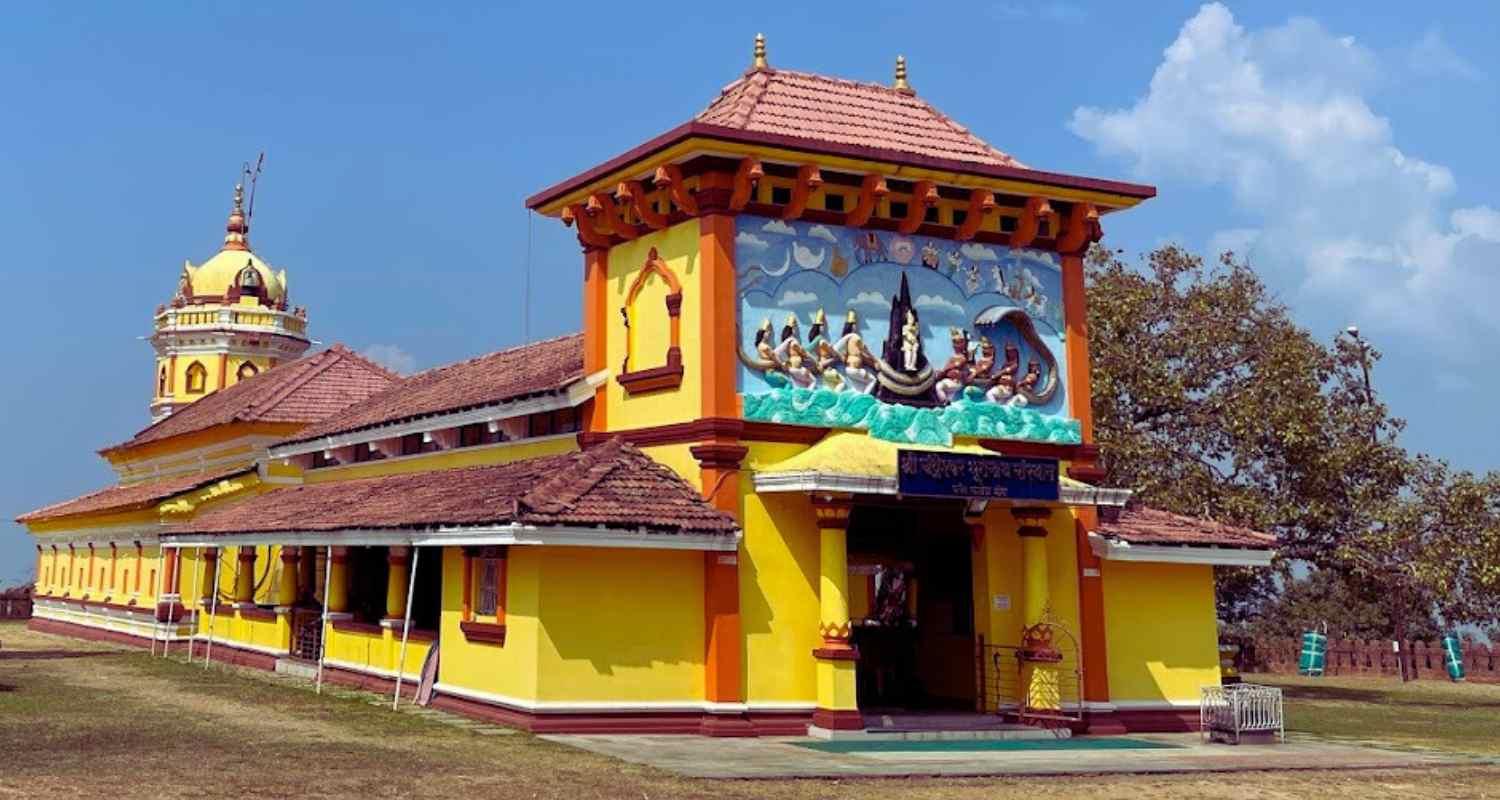
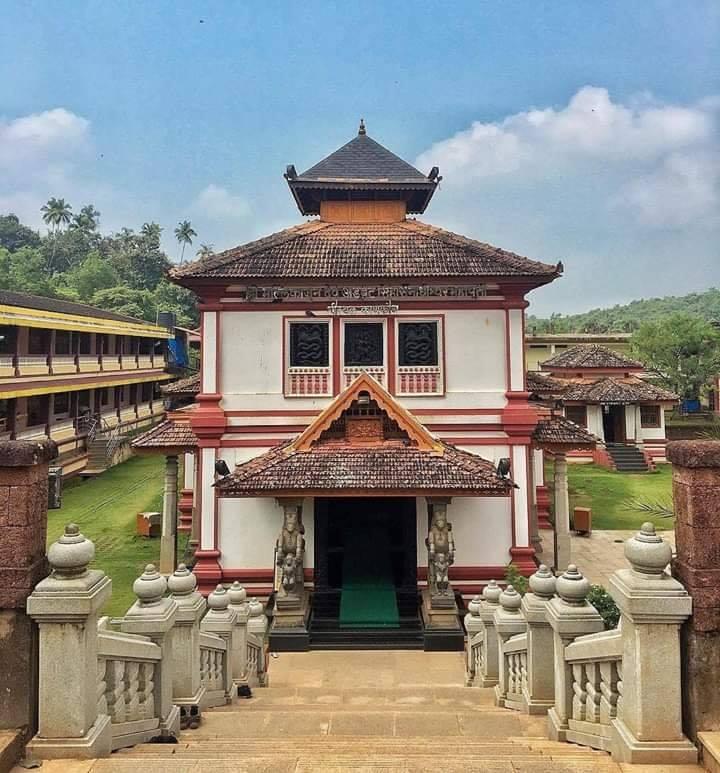
The main temple structure is characterized by its sloping tiled roofs, designed to withstand the heavy Goan monsoons. The use of vibrant colors—typically white, red, and yellow—gives the temple a cheerful and welcoming appearance. The Mandapa (assembly hall) features intricately carved wooden pillars and a ceiling decorated with floral motifs. Unlike the austere stone temples of South India, Goan temples like Vijayadurga utilize wood and lime plaster extensively, creating a warmer, more intimate interior. The Garbhagriha (sanctum sanctorum) houses the ancient idol, shielded by a silver-plated doorway that reflects the flickering light of the Nanda-deep (eternal lamp).
One of the most striking architectural features of the Shri Vijayadurga Temple is the Agrashalas (pilgrim hostels) that surround the main courtyard. these structures feature arched corridors and red-tiled roofs, reminiscent of Portuguese villa architecture. This fusion is a direct result of the local craftsmen incorporating the aesthetics of the era into the temple's reconstruction. Additionally, the temple complex includes a large sacred water tank, known as a Tali. The reflection of the temple and the Deepastambha in the still waters of the Tali provides a picturesque and meditative sight, especially during sunset. The layout is designed to facilitate the Pradakshina (circumambulation), allowing devotees to walk around the deity while absorbing the spiritual vibrations of the space.
Main Deity / Spiritual Importance
The presiding deity of the temple is Goddess Vijayadurga. In Hindu iconography, Durga is often depicted as a warrior goddess, but Vijayadurga specifically represents the aspect of "Victorious Durga." The idol is carved from stone and is depicted with four arms, holding symbolic weapons and objects that represent her power to destroy ignorance and protect her devotees. She is seen as the "Shakti" or the primordial energy that drives the universe. Unlike the more common depictions of Durga slaying the buffalo demon Mahishasura, the form of Vijayadurga in Kerim is often viewed as a more accessible, protective mother figure who grants success (Vijaya) to those who approach her with a pure heart.
The spiritual importance of the deity extends beyond the GSB community. People from all walks of life, regardless of caste or creed, visit the temple to seek "Vijay" in their personal struggles. There is a profound belief in the Kaul Prasad—a ritual where devotees ask a question to the Goddess, and the answer is interpreted based on where a flower or a petal falls from the deity's idol. This practice is deeply ingrained in the spiritual fabric of Ponda and is a testament to the personal connection the locals feel with the Goddess.
Spiritual seekers often find the energy at Shri Vijayadurga to be exceptionally grounding. The temple is located in a "Vaastu" compliant zone, surrounded by mountains and water bodies, which according to ancient Indian science, enhances the flow of positive energy. The daily rituals, starting from the Kakad Aarti at dawn to the Shej Aarti at night, are performed with Vedic precision. The sound of the temple bells, the scent of fresh jasmine garlands, and the sight of the deity adorned in traditional Goan gold jewelry and silk sarees create an atmosphere of divine transcendence. It is said that no one leaves the gates of Shri Vijayadurga without a sense of renewed hope and inner strength.
Festivals & Celebrations
The Shri Vijayadurga Temple is a hub of cultural activity, with the calendar marked by numerous festivals that bring the village of Kerim to life. The most significant celebration is Navratri, the nine nights dedicated to the Goddess. During this time, the temple is decorated with elaborate floral arrangements, and the deity is dressed in a different "Avatar" each day. Thousands of devotees flock to the temple to witness the Makharotsav, where the idol is placed in a beautifully decorated wooden swing (Makhar) and swayed to the tunes of traditional Goan music.
Another major event is the Shishirotsav (Zatra), the annual temple fair. This is a time of immense joy and community bonding. The highlight of the Zatra is the Palakhi Procession, where the Goddess is carried in a palanquin around the temple complex. The air is thick with the sounds of the Dhol (drums), Tasha, and Shehnai. Devotees scramble to get a glimpse of the deity, and the entire path is lit with traditional oil lamps. The Zatra also features a local market where artisans sell traditional Goan sweets like Khaje, toys, and household items, making it a vibrant cultural spectacle.
Vasant Panchami is also celebrated with great fervor, marking the arrival of spring. Special pujas are performed to invoke the blessings of the Goddess for knowledge and prosperity. Additionally, the Avala Bhojan (a community feast held under the shade of gooseberry trees) is a unique tradition followed by the temple community, emphasizing the bond between nature and divinity. Participating in these festivals offers a rare glimpse into the folk traditions of Goa, which remain largely untouched by the commercialization seen in the coastal areas. The synchronized movements of the palanquin bearers and the rhythmic chants of "Jay Jagdambe" create an electrifying atmosphere that is both spiritual and celebratory.
Best Time to Visit
To experience the Shri Vijayadurga Temple in its full glory, the winter months from October to February are highly recommended. During this period, the weather in Goa is pleasant, with cool breezes and clear skies, making it ideal for exploring the temple complex and the surrounding spice plantations. This window also coincides with major festivals like Navratri and the annual Zatra, allowing visitors to witness the vibrant cultural traditions of the region.
The monsoon season (June to September) offers a different kind of charm. Ponda is known for its lush greenery, and during the rains, the area around the temple turns into a verdant paradise. The sight of the red-roofed temple against the backdrop of rain-washed forests is breathtaking. However, be prepared for heavy downpours which might make travel slightly inconvenient. If you prefer a quiet, meditative experience, visiting during the monsoon weekdays is perfect, as the temple is less crowded.
Summer (March to May) can be quite hot and humid in Goa. If you are visiting during this time, it is best to reach the temple early in the morning or late in the evening. The stone floors of the temple courtyard can get quite hot in the afternoon sun. Regardless of the season, try to plan your visit on a Monday, as it is considered an auspicious day for the Goddess, or during the full moon (Purnima), when special evening aartis are conducted. Avoid visiting during the peak afternoon hours (1:00 PM to 3:30 PM) if you wish to see the inner sanctum, as the temple often closes for the deity’s rest during this time.
Timings, Entry Fee & Dress Code
Maintaining the sanctity of the temple is of utmost importance to the local community. Visitors are expected to adhere to the following guidelines regarding timings and decorum:
- Temple Timings: The temple is generally open from 6:30 AM to 8:30 PM. However, there is a mid-day break where the inner sanctum is closed from approximately 1:00 PM to 4:00 PM. The morning Aarti takes place around 7:30 AM, and the evening Aarti is usually at 7:00 PM.
- Entry Fee: There is no entry fee to visit the Shri Vijayadurga Temple. The temple is open to all devotees and tourists. Donations for the temple's upkeep and charitable activities are voluntarily accepted at the designated office.
- Dress Code: As with most traditional Goan temples, a strict dress code is followed. Men are encouraged to wear dhotis or formal trousers (shorts and sleeveless shirts are discouraged). Women should wear sarees, salwar kameez, or long skirts. Avoid wearing revealing clothing, swimwear, or short dresses. You will be required to remove your footwear before entering the temple premises.
- Special Sevas: If you wish to perform a specific Puja or Abhishek, it is advisable to contact the temple office in advance. There are specific charges for various religious services, and the receipts are provided by the temple trust.
How to Reach Shri Vijayadurga Temple
The Shri Vijayadurga Temple is located in Kerim, Ponda, which is approximately 30 kilometers from the capital city, Panaji. Reaching the temple is a scenic journey through the heart of rural Goa.
- By Road: This is the most convenient way to reach the temple. You can hire a taxi or rent a scooter/car from Panaji, Margao, or the coastal belts. From Panaji, take the NH748 towards Ponda. Once you reach Ponda city, follow the signs for Kerim. The roads are well-maintained and wind through beautiful spice farms and small Goan villages.
- By Bus: Regular KTC (Kadamba Transport Corporation) buses and private buses ply from Panaji and Margao to Ponda. From the Ponda bus stand, you can take a local bus heading towards Kerim or Savoi-Verem. Alternatively, you can hire an auto-rickshaw or a motorcycle taxi (locally known as a 'Pilot') from Ponda to reach the temple.
- By Rail: The nearest major railway station is Madgaon Junction (approximately 25 km away). From the station, you can hire a taxi directly to the temple or take a bus to Ponda and then proceed to Kerim.
- By Air: The Dabolim Airport is about 40 km from the temple, while the newer Mopa Airport (Manohar International Airport) is roughly 65 km away. Taxis are readily available at both airports.
For those driving themselves, using GPS is reliable, but don't hesitate to ask locals for "Vijayadurga Temple Kerim," as the Goan hospitality is legendary and people are always happy to guide travelers. The final stretch of the road to the temple is particularly beautiful, flanked by towering areca nut trees.
Things to Do
A visit to Shri Vijayadurga Temple is not just about a quick prayer; it is an opportunity to slow down and engage with the local culture. Here are some things you can do:
- Participate in the Evening Aarti: The evening Aarti is a sensory experience. The rhythmic clanging of bells, the chanting of Sanskrit verses, and the sight of the priest waving the multi-tiered oil lamps create a powerful spiritual atmosphere.
- Explore the Temple Tank (Tali): Spend some time by the sacred water tank. The calm water and the surrounding architecture offer great opportunities for quiet reflection. Observe the traditional Goan architecture of the steps leading down to the water.
- Walk through the Agrashalas: Walk along the arched corridors of the pilgrim hostels. These structures tell the story of the temple's role as a community center. Notice the intricate woodwork on the doors and windows.
- Seek a 'Kaul': If you are interested in local traditions, you can witness or participate in the Kaul Prasad ritual. It is a fascinating look into how the community seeks divine guidance.
- Meditation: The quiet corners of the temple complex, especially near the back of the sanctum, are perfect for meditation. The natural sounds of birds and rustling leaves enhance the experience.
- Photography (Exterior): While photography is prohibited inside the sanctum, the exterior of the temple, the Deepastambha, and the surrounding gardens are incredibly photogenic. Capture the vibrant colors and the unique Goan temple architecture.
Nearby Attractions
The Ponda region is the heart of Goa’s cultural tourism. You can easily combine your visit to Shri Vijayadurga Temple with these nearby attractions:
- Sahakari Spice Farm: Located just a few kilometers away, this is one of Goa’s most famous spice plantations. You can take a guided tour to learn about cardamom, pepper, vanilla, and other spices, followed by a traditional Goan lunch served on banana leaves.
- Shri Shantadurga Temple, Kavlem: About 15-20 minutes away, this is one of the most famous temples in Goa. It is dedicated to the goddess of peace and features a stunning architectural blend of Indo-Portuguese styles.
- Mangueshi Temple: Another iconic spiritual site, the Mangueshi Temple is dedicated to Lord Shiva and is famous for its towering seven-story Deepastambha.
- Safa Shahouri Masjid: Built in 1560 by Ibrahim Adil Shah, this is one of the oldest mosques in Goa. It is known for its elegant simplicity and the beautiful masonry tank located within the complex.
- Savoi Plantation: A short drive from Kerim, this heritage plantation offers a glimpse into traditional Goan farming and allows you to experience the rustic lifestyle of the Ponda hinterlands.
- Bondla Wildlife Sanctuary: If you are traveling with children, this small sanctuary is a great place to see local flora and fauna. It also has a botanical garden and a mini-zoo.
Photography & Visitor Guidelines
To ensure a respectful visit, please keep the following guidelines in mind:
- No Indoor Photography: Photography and videography are strictly prohibited inside the main sanctum (Garbhagriha) of the temple. This is to maintain the sanctity of the deity and the privacy of those praying. You may take photos of the exterior, the Deepastambha, and the gardens.
- Maintain Silence: The temple is a place of worship and meditation. Please keep your voice low and ensure your mobile phones are on silent mode.
- Avoid Leather Items: Traditionally, leather belts, wallets, and bags are discouraged inside the main temple hall. It is best to leave them in your vehicle or carry them discreetly in a non-leather bag.
- Respect the Priests: The temple priests (Pujaris) are very knowledgeable. If you have questions, approach them respectfully after they have finished their rituals. Do not touch the idols or the ritual items.
- Cleanliness: The temple premises are kept very clean. Please do not litter and use the designated bins for any waste.
- Donations: If you wish to donate, please use the official donation boxes or visit the temple office to get a formal receipt. Avoid giving money to unauthorized persons.
Where to Eat Nearby
Ponda is famous for its authentic Hindu Goan cuisine, which is distinct from the seafood-heavy Catholic Goan cuisine found on the coast. Here are some dining options:
- Spice Farm Lunches: The nearby Sahakari Spice Farm and Tropical Spice Plantation offer excellent traditional Goan buffets. The food is often cooked with fresh spices grown on the farm and includes items like Khatkhate (a mixed vegetable stew), local rice, and Sol Kadi (a refreshing kokum and coconut milk drink).
- Local Eateries in Ponda City: For a quick and authentic meal, head to Ponda city (about 15 minutes away). Restaurants like Hotel Menino or Venite serve traditional Goan Thalis (both veg and non-veg).
- Tea Stalls: Outside the temple, you will find small stalls selling fresh coconut water, hot tea, and local snacks like Batata Vada or Samosas. These are perfect for a light refreshment.
- Farm-to-Table Experiences: Some smaller homestays in the Kerim and Savoi-Verem area offer home-cooked meals if you book in advance. This is the best way to taste local specialties like Amadyachi Karam (hog plum chutney).
Accommodation Nearby
While many visitors choose to stay in the coastal areas and visit Ponda as a day trip, staying nearby allows you to experience the peaceful rural life of Goa.
- Temple Agrashalas: For a truly spiritual experience, you can inquire about staying in the temple's own guest houses (Agrashalas). These provide basic, clean accommodation at very nominal rates, primarily meant for pilgrims.
- Eco-Resorts and Farmstays: The Ponda region has several beautiful eco-resorts. Atreya Hill Town and various spice plantation cottages offer a stay amidst nature. These are perfect for those who want to disconnect from the digital world.
- Heritage Stays: There are a few ancestral Goan homes in the Ponda-Savoi area that have been converted into boutique stays, providing a glimpse into the aristocratic Goan lifestyle of the past.
- Hotels in Ponda: If you prefer modern amenities, Ponda city has several mid-range hotels like The Farmhouse Groove or Hotel Sun Grace. These provide easy access to all the major temples in the region.
Travel Tips
- Stay Hydrated: The Goan humidity can be draining. Always carry a bottle of water, especially if you are walking around the spice farms.
- Footwear: Since you have to remove your shoes frequently at temples, wear easy-to-slip-on sandals or flip-flops.
- Local Language: While English and Hindi are widely understood, knowing a few words in Konkani (like "Dev barem koru" for "Thank you") will endear you to the locals.
- Cash: While digital payments are becoming common, it is always wise to carry some cash for small purchases at local stalls or for temple donations.
- Plan for Multiple Temples: Since the major temples of Ponda are relatively close to each other, plan a "Temple Circuit" to make the most of your trip. Start with Mangueshi, then Mahalsa, followed by Shantadurga, and end your day at Vijayadurga.
- Respect Local Customs: If you see a ritual or a procession taking place, stand aside and observe quietly. Do not interrupt the devotees or the priests.
Conclusion
The Shri Vijayadurga Temple is more than just a historical monument; it is a living, breathing sanctuary that encapsulates the resilience and spiritual depth of Goa. In a state that is often pigeonholed as a party destination, sites like Kerim remind us of the ancient traditions and the profound faith that have sustained the local population for centuries. The journey to this temple—through the winding roads of Ponda, past the scented spice gardens, and into the cool, shaded courtyard of the Goddess—is a journey into the very soul of "Goa Dourada" (Golden Goa).
Whether you come seeking the "Vijaya" (victory) promised by the deity, or you simply wish to admire the unique Indo-Portuguese architecture, the temple offers a sense of peace that is hard to find elsewhere. It stands as a bridge between the past and the present, a place where history, art, and spirituality converge. As you leave the temple gates, with the scent of incense lingering and the sound of the temple bell echoing in your mind, you carry away a piece of the true Goan spirit—one that is rooted in faith, nurtured by nature, and victorious over the vagaries of time. Make sure to include this hidden gem in your Goan itinerary for an experience that is as enlightening as it is unforgettable.