Introduction to Corjuem Fort
Nestled amidst the lush, verdant landscapes of North Goa, far from the cacophonous crowds of Baga and Calangute, lies a hidden architectural gem known as Corjuem Fort. Situated on the quaint island of Corjuem in the Aldona village precinct, this fortress is a testament to Goa’s multifaceted colonial history and its strategic maritime past. Unlike the more famous coastal fortifications like Aguada or Chapora, Corjuem Fort offers a more intimate, inland perspective of the Portuguese defense system. It is one of the few surviving inland forts in Goa that remains remarkably well-preserved, standing as a silent sentinel over the Mapusa River.
When you approach Corjuem, you are immediately struck by the serenity of the surroundings. The journey itself is a sensory delight, crossing the magnificent Corjuem Bridge—Goa’s first cable-stayed bridge—which connects the mainland of Aldona to this emerald isle. The fort is relatively small in comparison to its coastal counterparts, yet its historical gravity and the panoramic views it offers of the surrounding backwaters and spice plantations make it a must-visit for any discerning traveler. As a professional travel writer who has traversed the length and breadth of the sunshine state, I find Corjuem Fort to be the epitome of "Susegad"—the relaxed, laid-back Goan way of life. Here, history breathes through the laterite stones, and the wind carries tales of battles, bravado, and colonial expansion.
For those seeking to explore the "Real Goa," Corjuem Fort serves as the perfect starting point. It represents a time when the Portuguese were not just focused on the sea but were deeply concerned about protecting their inland territories from the formidable Maratha forces and local chieftains. Today, it stands not as a site of conflict, but as a place of quiet reflection, surrounded by the swaying palms and the rhythmic flow of the river. Whether you are a history buff, a photography enthusiast, or a soul seeker, the ethereal charm of Corjuem Fort is bound to leave an indelible mark on your Goan itinerary.
History of Corjuem Fort
The history of Corjuem Fort is as intriguing as the structure itself. Built in 1705, during the tenure of the Portuguese Viceroy Caetano de Melo e Castro, the fort was constructed to bolster the defenses of the "Old Conquests" (Velhas Conquistas). However, the site was not always under Portuguese control. Originally, the island and its rudimentary defenses belonged to the Bhonsles of Sawantwadi, a powerful Maratha clan that frequently challenged Portuguese hegemony in the region.
The Portuguese recognized the strategic vulnerability of their northern borders. The riverine routes were easy entry points for invaders, and the Bhonsles were a constant thorn in their side. In a decisive move to secure the Bardez taluka, the Portuguese captured the island and erected this robust laterite fortress. The fort was designed to serve as a military outpost, monitoring movement along the river and providing a first line of defense against any incursions from the north. Interestingly, during the early 19th century, the fort’s role evolved; it housed a Military School for a brief period, training soldiers in the art of colonial warfare and fortification management.
One of the most captivating legends associated with Corjuem Fort is the story of Ursula e Lancastre. She was an ambitious and daring Portuguese woman who, determined to see the world and escape the constraints of her gender, dressed as a man and enlisted in the Portuguese army. She served as a soldier under the name Balthazar do Rio and was eventually stationed at Corjuem Fort. Her secret was only revealed after she was wounded in battle. Her story of grit and deception remains one of the most romanticized pieces of folklore in Goan military history, adding a layer of human intrigue to the cold stone walls of the fort.
Throughout the 18th and 19th centuries, the fort saw various skirmishes and was a key player in the defense against the Maratha ruler Sambhaji. While many other inland forts fell into complete ruin or were reclaimed by the dense Goan jungle, Corjuem remained relatively intact. This was partly due to its sturdy construction and its continued use by the Portuguese administration until the mid-20th century. Today, the fort is protected by the Directorate of Archives and Archaeology, Government of Goa, ensuring that its 300-year-old legacy continues to inspire future generations.
Architecture
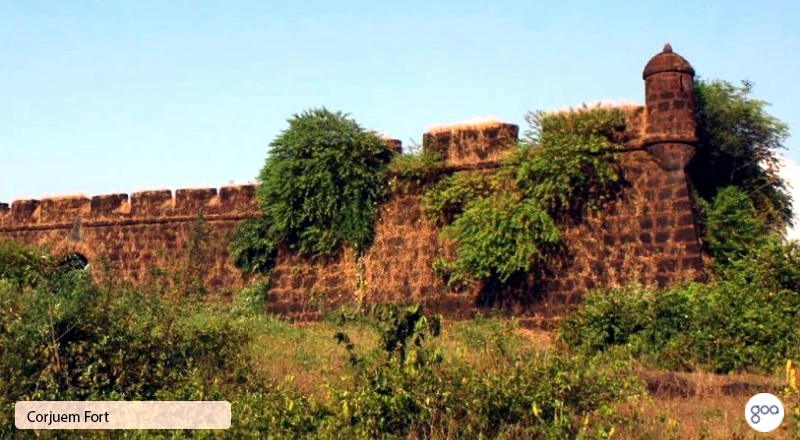
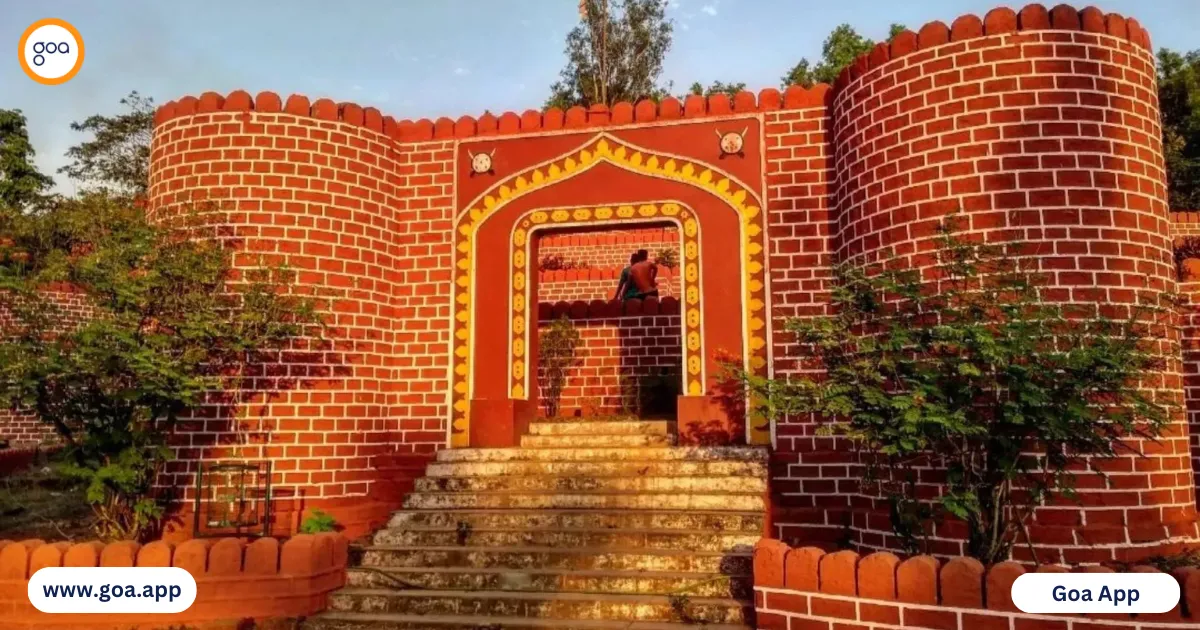
The architecture of Corjuem Fort is a classic example of Portuguese military engineering adapted to the tropical Goan climate. Constructed primarily from locally sourced red laterite stone, the fort is characterized by its square shape and compact design. Unlike the sprawling ramparts of Fort Aguada, Corjuem is built on a smaller scale, which allowed for a more concentrated defense and easier communication between the guards.
The fort features four distinct bastions, one at each corner, which are equipped with embrasures or gun slits. These slits were strategically designed to allow soldiers to fire cannons and muskets at approaching enemies while remaining protected behind the thick stone walls. The walls themselves are remarkably thick, designed to withstand heavy artillery fire. One of the unique architectural features of Corjuem Fort is the absence of a traditional moat. Instead, the fort relies on its elevated position on the island and its high ramparts to deter attackers.
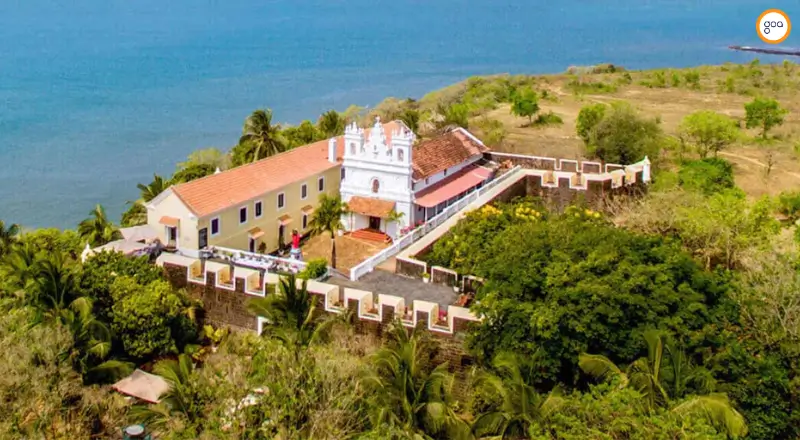
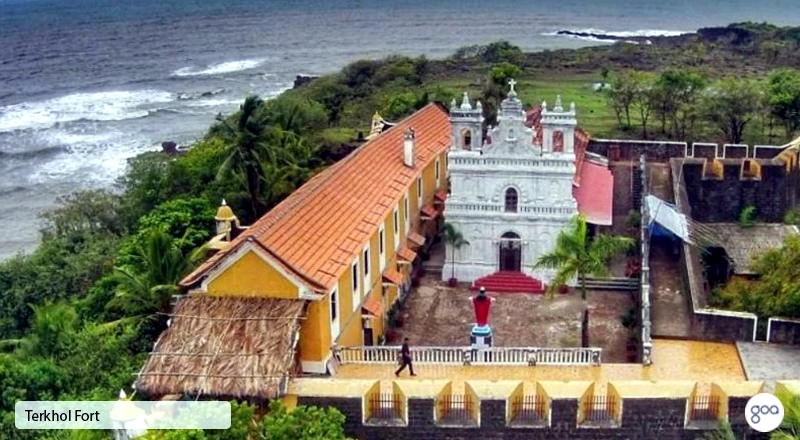
Upon entering through the main gate, visitors are greeted by a wide, open courtyard. In the center of the fort stands a small, well-preserved chapel dedicated to St. Anthony. The presence of a chapel within a military structure is a common theme in Portuguese fortifications, reflecting the deep-seated link between the Church and the State during the colonial era. The chapel’s simple facade and whitewashed walls provide a stark, beautiful contrast to the rugged, weathered laterite of the fort walls.
A flight of stone steps leads visitors to the top of the ramparts. Walking along these parapets offers a clear view of the internal layout, including the living quarters for the garrison and the storage rooms for ammunition (magazines). The architecture is functional yet aesthetically pleasing, with the reddish hues of the laterite glowing intensely during the golden hour. The drainage systems, the watchtowers, and the strategic positioning of the bastions all point to a high level of sophistication in 18th-century military planning.
Why Corjuem Fort is Famous
Corjuem Fort holds a special place in the hearts of locals and travelers for several reasons. Primarily, it is famous for being one of the best-preserved inland forts in the state. While most tourists flock to the coast, Corjuem offers a rare opportunity to see a fortification that hasn't been battered by the sea but has instead been embraced by the river and the forest. Its preservation state allows visitors to truly visualize how a 1700s military outpost functioned.
Secondly, the fort is famous for its breathtaking 360-degree views. From the top of the ramparts, you can see the meandering Mapusa River, the sprawling coconut groves of Aldona, and the modern marvel that is the Corjuem Bridge. It provides a vantage point that is unrivaled in North Goa for observing the intersection of nature and human engineering. The sight of the sun setting over the river, with the fort’s silhouette in the foreground, is a legendary image among Goan landscape photographers.
Another reason for its fame is its association with the Legend of Ursula e Lancastre. The story of the "Woman Soldier of Corjuem" has been documented in various historical texts and local plays, making the fort a site of cultural and feminist significance. People visit not just to see the stones, but to stand on the ground where a woman defied the norms of the 18th century to serve her country in disguise.
Lastly, Corjuem Fort is famous for its offbeat appeal. In a state that is rapidly becoming commercialized, Corjuem remains a bastion of peace. It is famous among "slow travelers" who prefer the chirping of kingfishers and the rustle of palm leaves over the thumping bass of beach clubs. It is a place where you can experience the authentic, rustic charm of the Goan hinterlands, making it a "famous" secret among those who know Goa intimately.
Strategic Importance
The strategic importance of Corjuem Fort during the 18th century cannot be overstated. Located at a narrow point of the Mapusa River, the fort acted as a "choke point" for riverine traffic. In the 1700s, rivers were the primary highways for trade and troop movements. By controlling Corjuem, the Portuguese effectively controlled the access to the heart of the Bardez province.
The fort served as a buffer zone. To the north lay the territories of the Marathas and the Bhonsles, who were constantly looking for opportunities to reclaim Goan lands. Corjuem Fort provided an early warning system. If an invasion was launched from the north, the garrison at Corjuem would be the first to engage the enemy and send word back to the administrative capital in Old Goa or the military headquarters in Panjim. Its elevation allowed for long-range visibility, ensuring that no vessel could pass unnoticed.
Furthermore, the fort protected the agricultural wealth of the Aldona and Khorjuvem areas. These regions were (and still are) fertile, producing significant quantities of rice, coconuts, and spices. Protecting these resources was vital for the economic stability of the Portuguese colony. The fort also ensured the safety of the local Christian population that had settled in the "Old Conquests," acting as a refuge during times of unrest. In essence, Corjuem Fort was the northern lock on the Portuguese door, ensuring that the peace and prosperity of the inner provinces remained undisturbed by the turbulent politics of the Indian mainland.
Best Time to Visit
Choosing the right time to visit Corjuem Fort can significantly enhance your experience. Like most of Goa, the fort undergoes a dramatic transformation with the changing seasons.
- The Winter Season (November to February): This is undoubtedly the most popular time to visit. The weather is pleasant, with temperatures ranging from 20°C to 30°C. The humidity is low, making it comfortable to climb the ramparts and explore the surrounding village of Aldona on foot. The skies are clear blue, providing the perfect backdrop for photography.
- The Monsoon Season (June to September): For those who love nature in its most vibrant form, the monsoon is the best time. The laterite stones of the fort turn a dark, moody crimson, and the surrounding landscape explodes in shades of emerald green. The Mapusa River flows in full glory, and the air is fresh. While you might encounter rain, the sight of the fort shrouded in mist is incredibly romantic and ethereal. However, be careful as the stone steps can become slippery.
- The Summer Season (March to May): Summers in Goa can be hot and humid, with temperatures often crossing 35°C. If you visit during this time, it is best to go early in the morning (8:00 AM) or late in the afternoon (after 4:30 PM). The advantage of a summer visit is the lack of crowds, allowing you to have the entire fort to yourself. The breeze from the river provides some relief from the heat once you are atop the ramparts.
In summary, if you want the best weather, aim for December. If you want the most dramatic scenery and don't mind a bit of rain, the peak of the monsoon in July or August is unbeatable.
Timings & Entry Fee
One of the best things about visiting Corjuem Fort is its accessibility. Unlike many heritage sites that have complex booking systems, Corjuem remains welcoming and straightforward.
- Timings: The fort is generally open from 6:00 AM to 7:00 PM every day of the week. Visiting at sunrise is a magical experience as the first light hits the cable-stayed bridge and the river. Similarly, sunset is a peak time for visitors to enjoy the cool evening breeze.
- Entry Fee: As of the current date, there is no entry fee to visit Corjuem Fort. It is free for both domestic and international tourists. This makes it an excellent budget-friendly addition to any North Goa tour.
- Parking: There is a small area near the entrance of the fort where you can park your two-wheelers or cars for free. Since it is not a heavily commercialized site, you won't find organized parking lots, but there is usually plenty of space.
Please note that while entry is free, visitors are expected to maintain the sanctity and cleanliness of the site. There are no shops or vendors inside the fort, so it is advisable to carry your own water and snacks, ensuring you take your trash back with you.
Things To Do at Corjuem Fort
While Corjuem Fort is relatively small, there are several activities that can fill a delightful morning or afternoon. It’s not just a place to "see," but a place to "experience."
- Walk the Ramparts: The most popular activity is walking the entire perimeter of the fort walls. The path is narrow but safe, offering different perspectives of the island, the river, and the distant hills of the Western Ghats.
- Visit the Chapel of St. Anthony: Step inside the small chapel located in the center of the courtyard. It is a place of quiet prayer and offers a glimpse into the religious life of the soldiers who once lived here.
- Picnicking: The open courtyard and the shaded areas near the walls are perfect for a quiet picnic. Since the fort is rarely crowded, you can enjoy a peaceful meal amidst history. (Remember to leave no trace!)
- Bird Watching: The surrounding backwaters and the trees around the fort are home to various bird species. Keep an eye out for Kingfishers, Egrets, and even the occasional Sea Eagle soaring above the Mapusa River.
- Explore Aldona Village: After visiting the fort, take a slow drive or walk through Aldona. Known as one of Goa’s most beautiful villages, you can admire the traditional Indo-Portuguese houses, the village square, and the local bakeries.
- Meditation and Yoga: The serene atmosphere makes the fort ramparts an excellent spot for morning meditation or a quiet yoga session, far away from the noise of the main tourist belt.
Photography Spots
For photographers, Corjuem Fort is a goldmine of textures, colors, and perspectives. Here are the best spots to capture the essence of the fort:
- The Bastion Overlooking the Bridge: This is the iconic shot. Frame the ancient laterite walls in the foreground with the modern, white cables of the Corjuem Bridge in the background. It represents the bridge between Goa's past and its future.
- The Main Gate: The entrance, with its weathered wooden doors (where they exist) and the arched stone frame, provides a perfect "portal" shot, leading the viewer’s eye into the courtyard.
- The Chapel Facade: The whitewashed Chapel of St. Anthony against the deep blue sky or the dark red laterite walls creates a stunning color contrast.
- Texture Shots: Close-ups of the laterite stones, covered in green moss during the monsoon, offer wonderful macro photography opportunities.
- The River View: From the northern ramparts, you can capture the winding Mapusa River with traditional Goan fishing boats (canoes) dotting the water.
- Golden Hour: Arrive about an hour before sunset. The way the low sun hits the red stone creates a warm, ethereal glow that is perfect for portraits and architectural shots.
Nearby Attractions
A trip to Corjuem Fort can easily be combined with other nearby attractions to make a full day of exploration in the Bardez and Bicholim areas.
- St. Thomas Church, Aldona: Located just a few kilometers away, this 16th-century church is one of the most imposing and beautiful in North Goa. Its interior is intricately decorated, and it sits majestically overlooking the river.
- Corjuem Bridge: Don't just drive over it; stop at the side (where safe) to admire the engineering. It is a great spot for a walk and offers fantastic views of the fort from a distance.
- Mayem Lake: Located about 10-12 km away in the Bicholim taluka, this is a popular spot for boating and a quiet afternoon by the freshwater lake.
- Pomburpa Springs: A short drive will take you to these natural springs, known for their medicinal properties. It’s a great place to cool off and see where the locals go for a dip.
- Mapusa Market: If you are visiting on a Friday, the Mapusa Friday Market is a must-visit. It is a vibrant, chaotic, and authentic Goan market where you can buy everything from local spices and dried fish to traditional pottery.
- The Houses of Goa Museum: Located in nearby Talgao/Salvador do Mundo area, this unique museum designed by architect Gerard da Cunha showcases the evolution of Goan domestic architecture.
How To Reach Corjuem Fort
Corjuem Fort is located approximately 12 km from Mapusa and 20 km from Panjim. While it is off the beaten path, it is well-connected by road.
- By Scooter/Car: This is the most convenient way. From Panjim, cross the Mandovi Bridge and head towards Porvorim. Take the turn towards Mapusa and then follow the signs for Aldona. Once in Aldona, follow the road leading to the Corjuem Bridge. After crossing the bridge, the fort is just a few hundred meters away. The roads are narrow but scenic, passing through traditional villages.
- By Bus: You can take a local bus from the Mapusa Bus Stand heading towards Aldona. From the Aldona market, you may need to take a local rickshaw or a motorcycle taxi (pilot) to reach the fort, as buses to the island itself are less frequent.
- By Taxi: You can hire a taxi from any of the major tourist hubs like Candolim or Calangute. However, be prepared to pay a premium as it is considered a long-distance trip. It is better to hire the taxi for a full day so you can explore Aldona and nearby areas as well.
- Closest Railway Station: The nearest major railway station is Thivim, which is about 15-20 minutes away by car.
- Closest Airport: Manohar International Airport (Mopa) is the nearest airport, making Corjuem one of the first heritage sites you can visit if you are staying in North Goa.
Travel Tips
To ensure you have a smooth and enjoyable visit to Corjuem Fort, keep these professional travel tips in mind:
- Wear Comfortable Footwear: The terrain inside the fort is uneven, and the stone steps can be steep. Opt for sneakers or sturdy sandals with good grip.
- Stay Hydrated: There are no shops inside or immediately outside the fort. Carry a bottle of water, especially if you are visiting during the midday heat.
- Sun Protection: The ramparts are completely exposed to the sun. Carry a hat, sunglasses, and apply sunscreen before you start your walk.
- Respect the Heritage: Do not deface the walls or litter. Corjuem is a protected monument, and it is our responsibility to keep it pristine.
- Be Careful on the Walls: There are no railings on the outer edges of the ramparts. If you are traveling with children, keep a very close watch on them.
- Combine with Aldona: Don't just rush in and out of the fort. Spend some time driving through the lanes of Aldona. It is one of the few places where you can still see the authentic Goan lifestyle.
- Check the Weather: If it has rained heavily, the stones can be very slippery. Exercise extra caution during the monsoon.
Conclusion
Corjuem Fort is more than just a collection of laterite stones and historical dates; it is a window into a bygone era where the river was the lifeline of the state and the hills were its guardians. It offers a refreshing break from the stereotypical Goan holiday of beaches and parties. Here, the air is thick with history, and the silence is punctuated only by the calls of tropical birds and the distant hum of a village motorcycle.
As you stand on the bastions of Corjuem, looking out over the Mapusa River, you feel a profound sense of connection to the land. You realize that Goa’s beauty lies not just in its shoreline, but in its heart—in places like Aldona and Corjuem where time seems to have slowed down. Whether you are exploring the legend of the woman soldier Ursula or simply soaking in the panoramic views of the cable-stayed bridge, a visit to this fort is a journey into the soul of Goa. It is a reminder that the most rewarding travel experiences are often found in the quiet corners, waiting to be discovered by those willing to stray from the beaten path. So, on your next trip to Goa, leave the crowds behind for a few hours and let the ancient walls of Corjuem Fort tell you their story.